





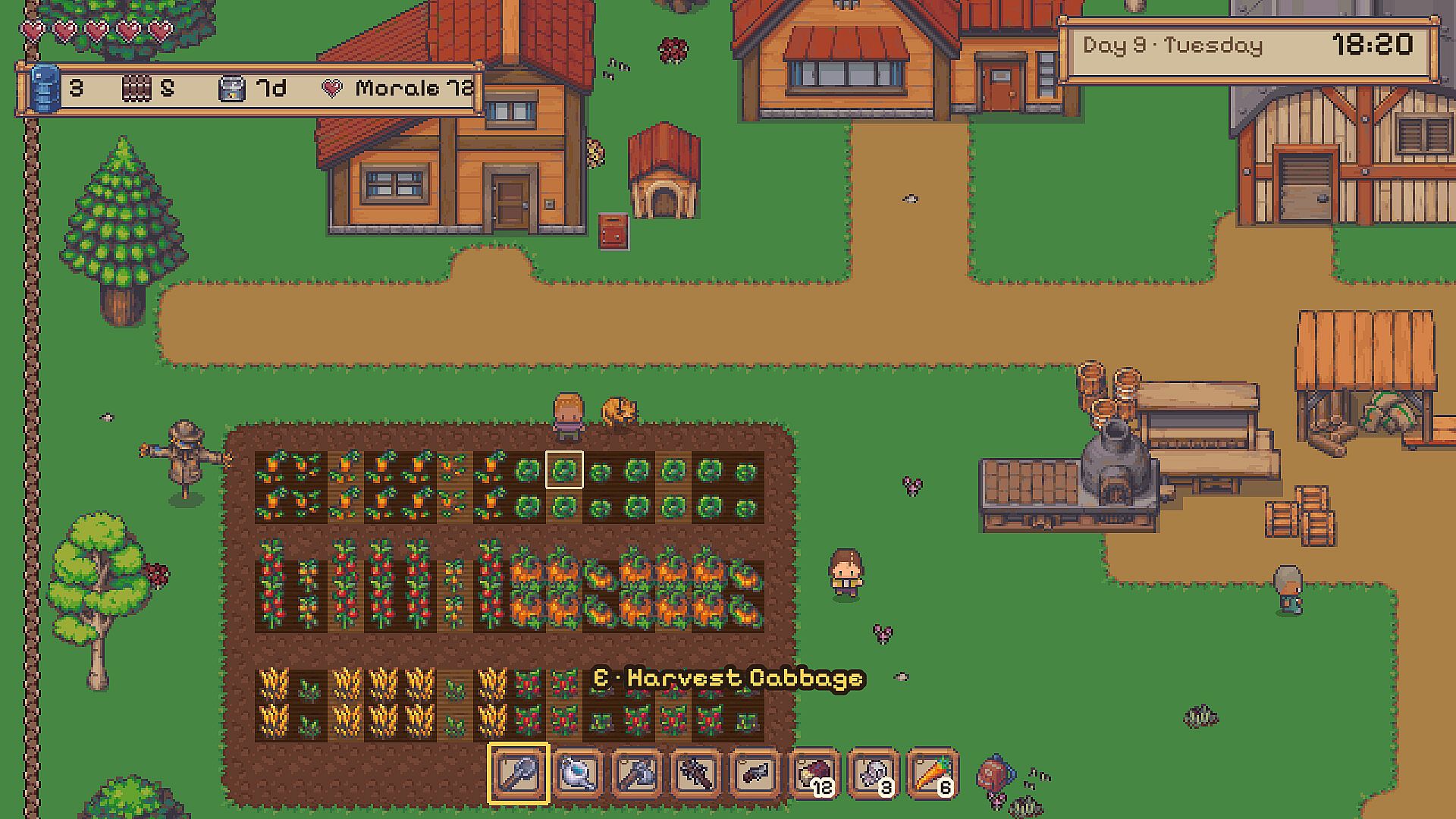
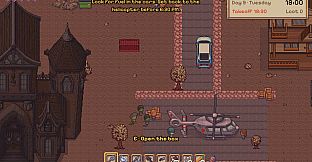
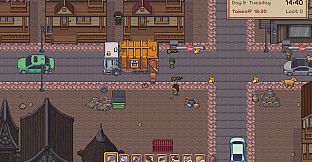
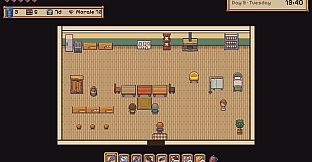
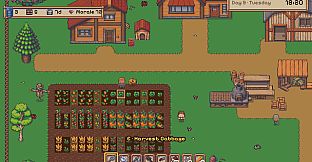
Home Before Dusk is a simulation and adventure game set in a post-apocalyptic world where a fenced town continues to function after the collapse outside. Players manage daily life inside the community while venturing out on weekly scavenging runs to keep supplies flowing. The title combines farming, crafting, relationship building, and timed exploration in a pixel-art style, with the full core loop available from the start of its Early Access phase on PC.
Gameplay
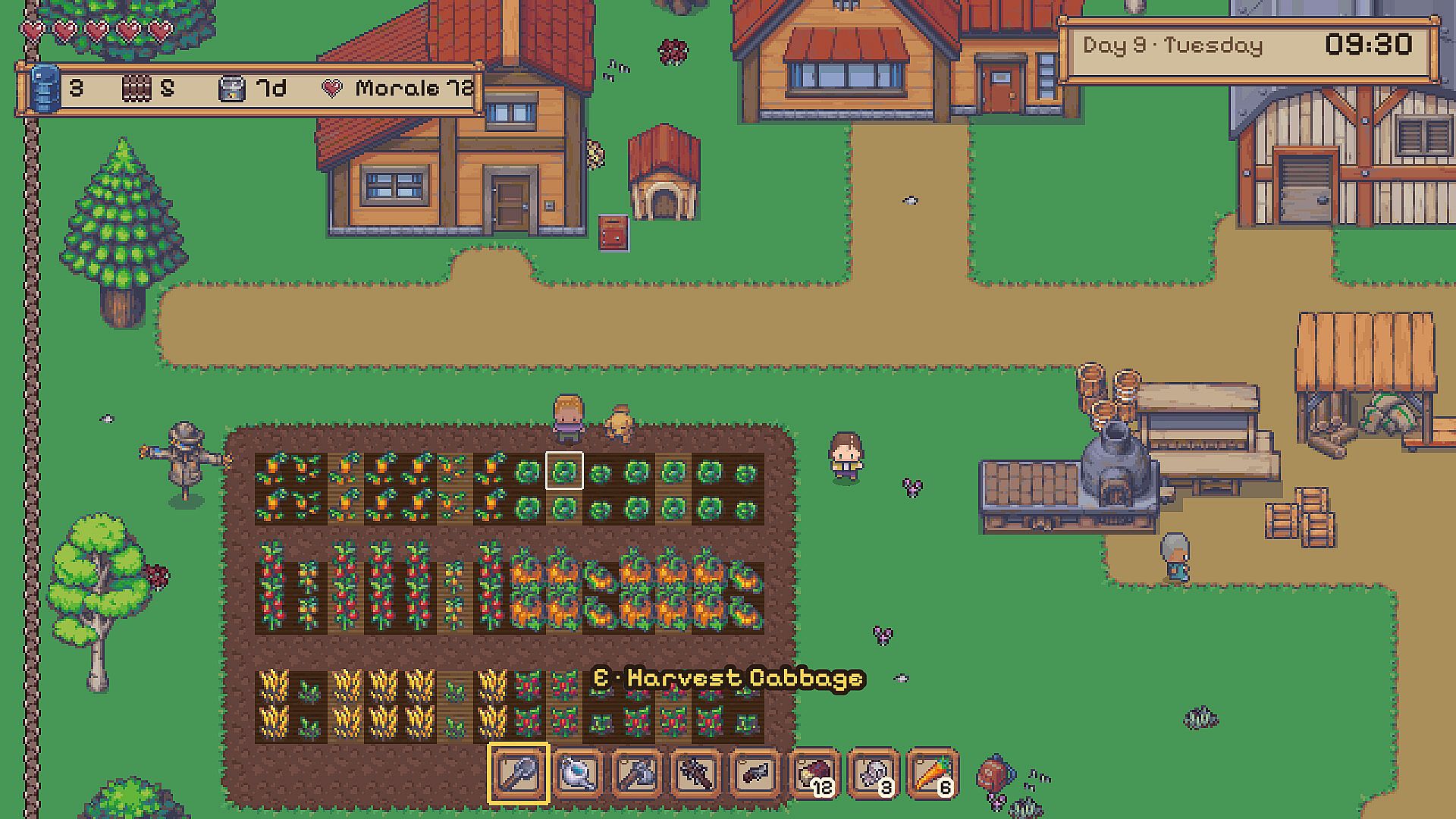
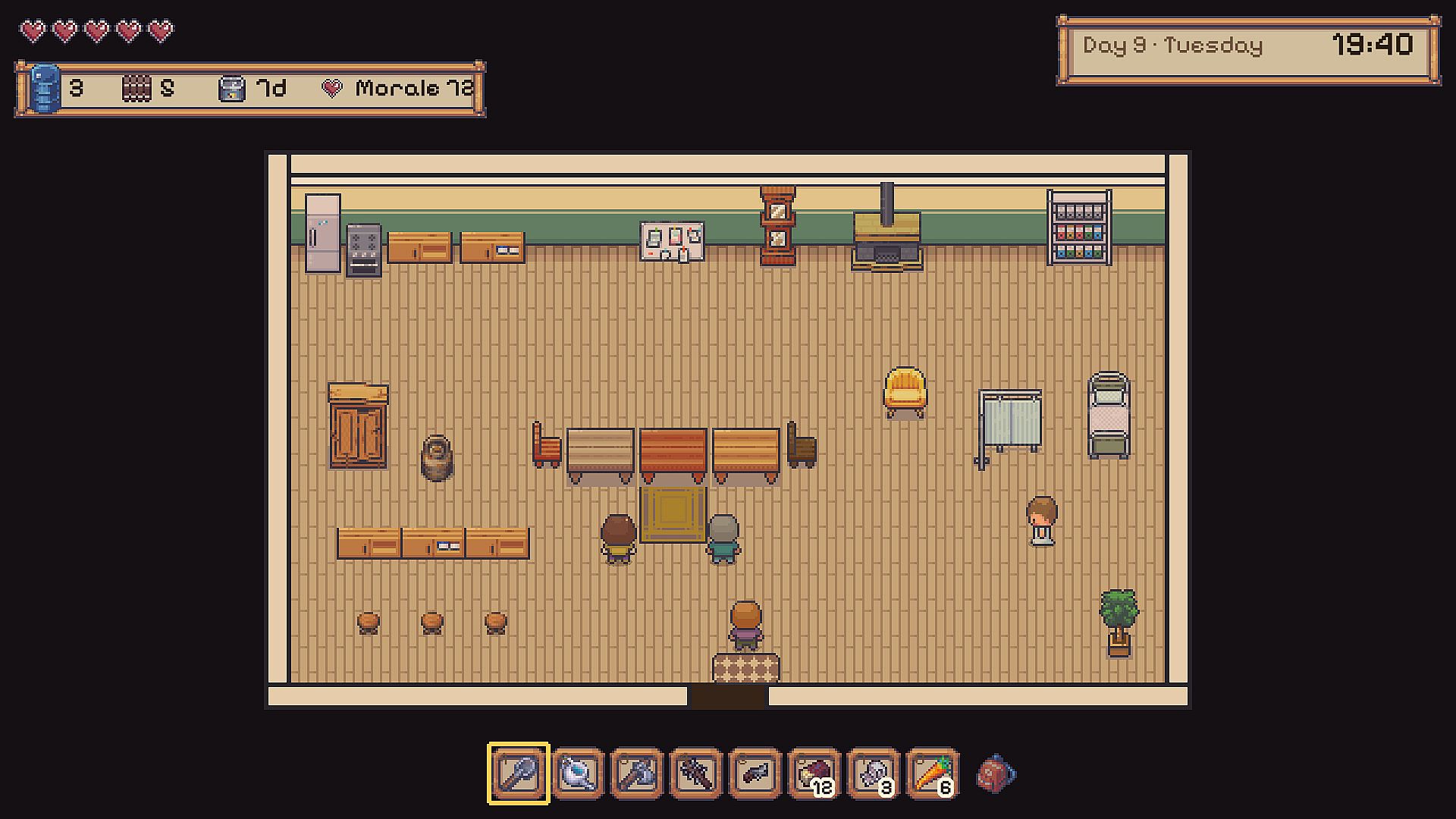
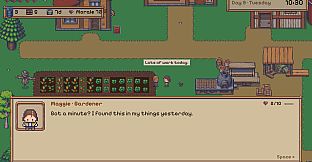
Daily routines inside the fence form the foundation of progress. Players till soil, plant seeds, water crops, and harvest yields on their personal plot. They also tend to chickens, gather wood, and handle other maintenance tasks that sustain the household and contribute to the shared community store. At the workbench, tools and supplies take shape through crafting, while broken items receive repairs to maintain efficiency.
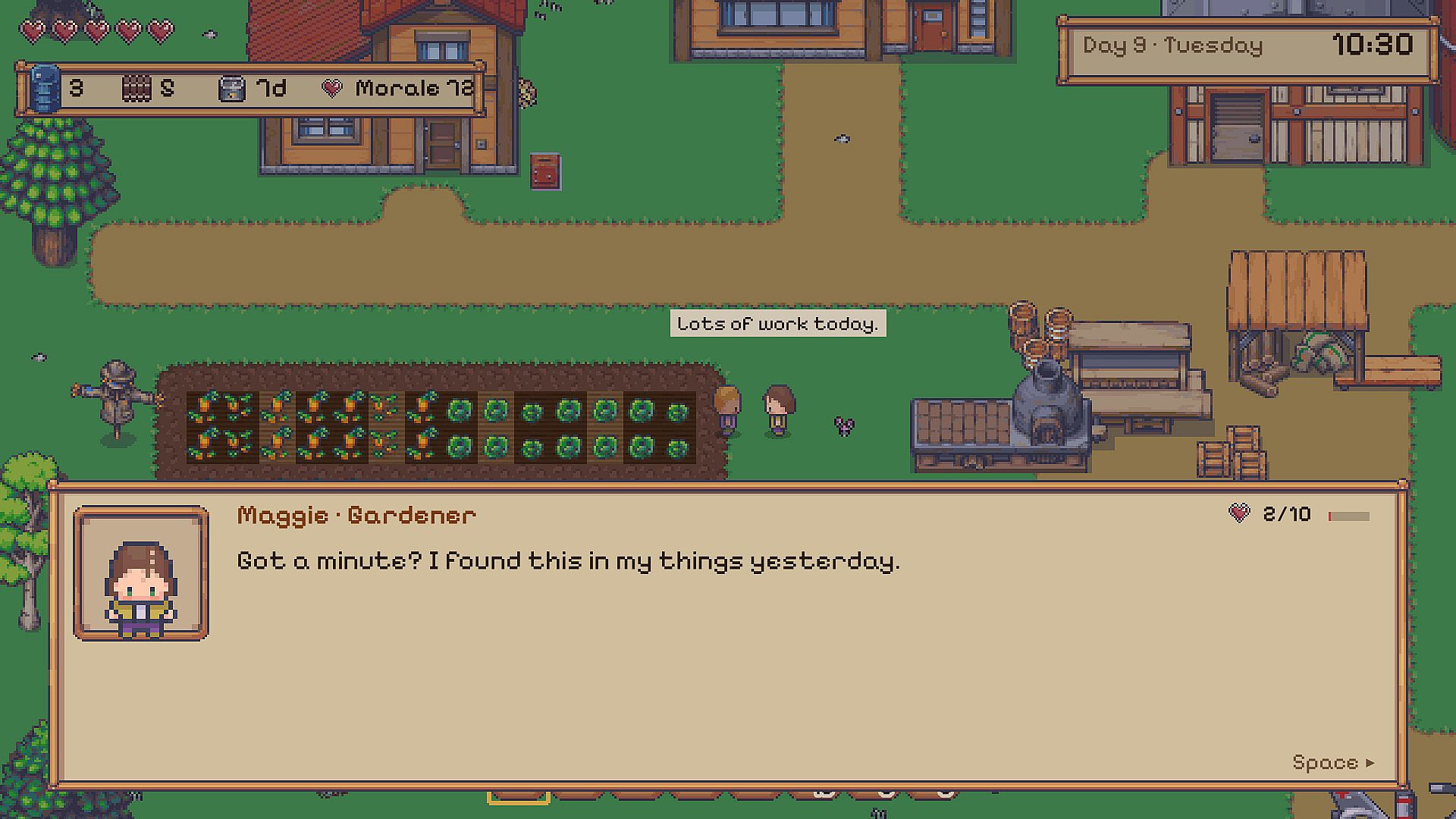
Interaction with neighbors adds depth through observed routines and personal stories. These connections can develop into friendships that occasionally lead to romance and marriage. The fence itself requires reinforcement to hold back threats from beyond, turning upkeep into a regular priority that affects overall security.
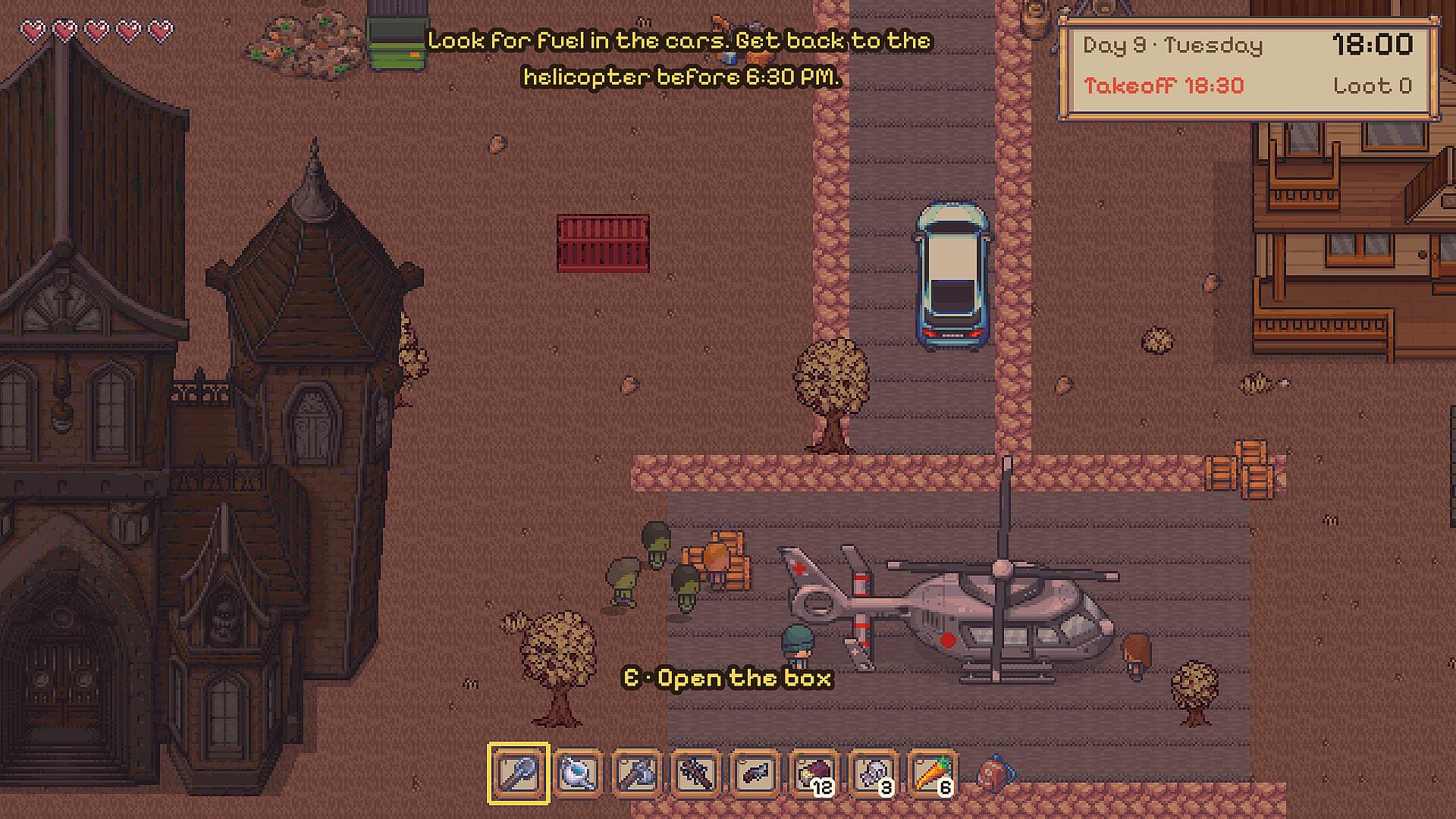
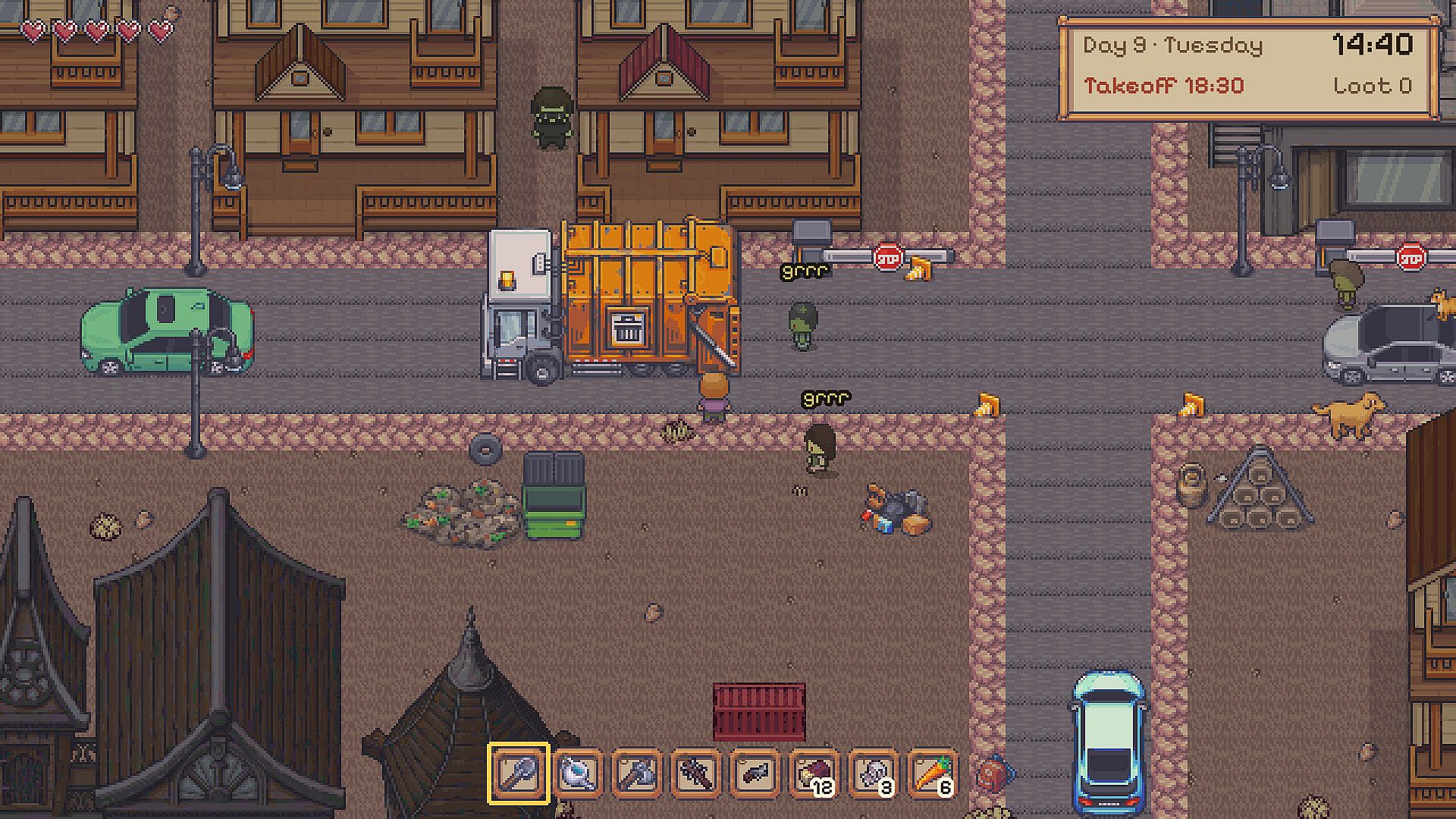
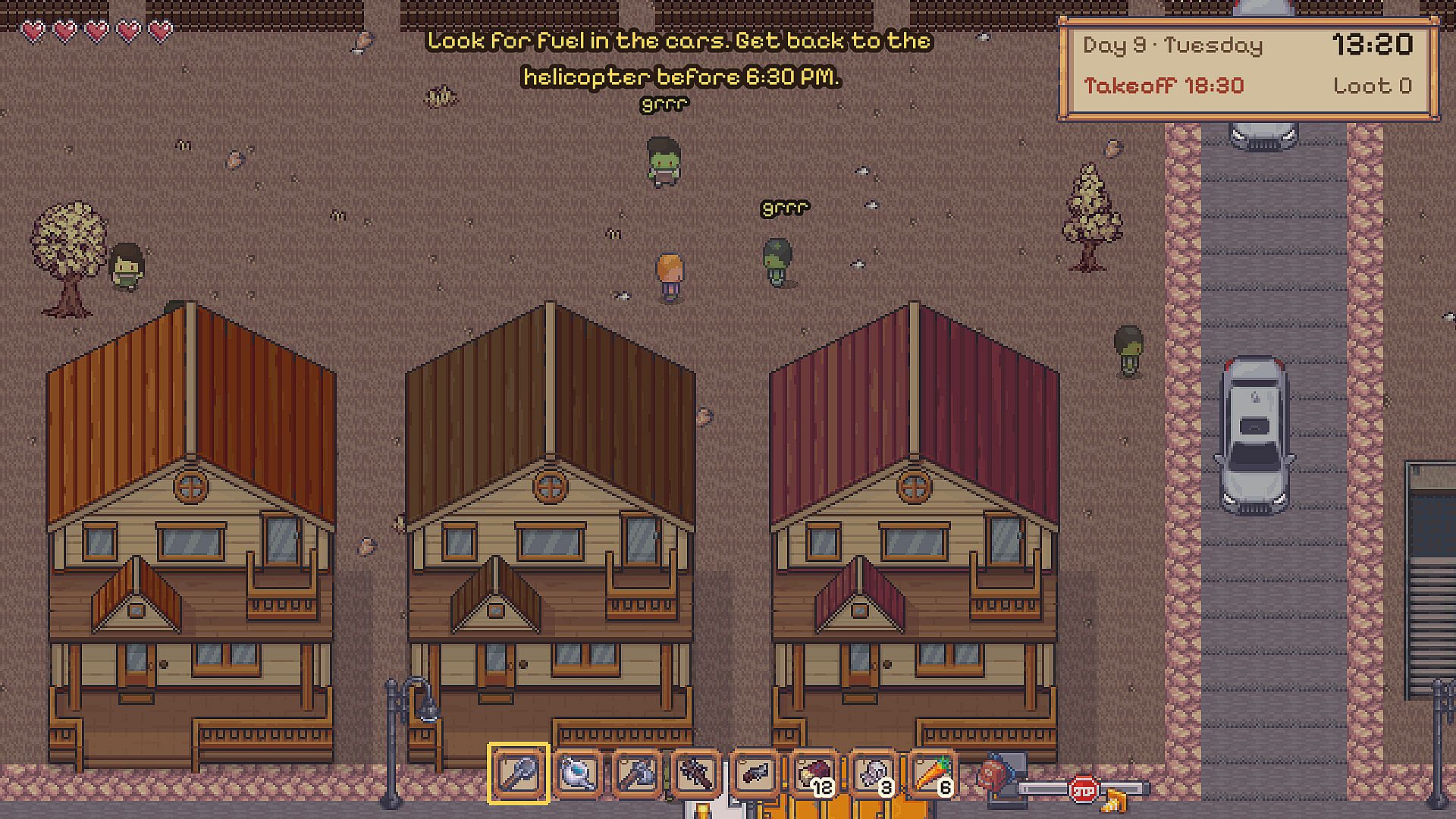
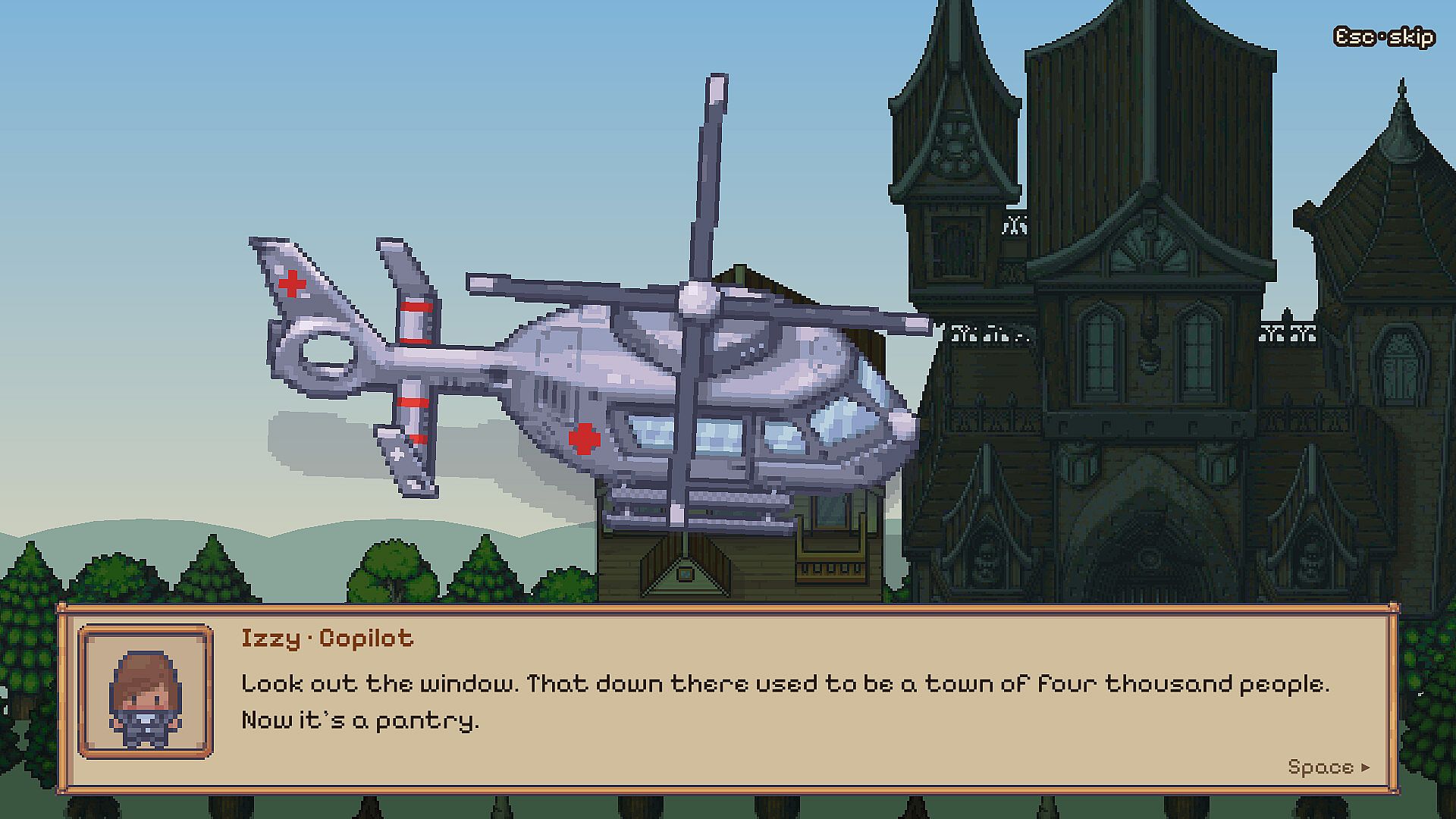
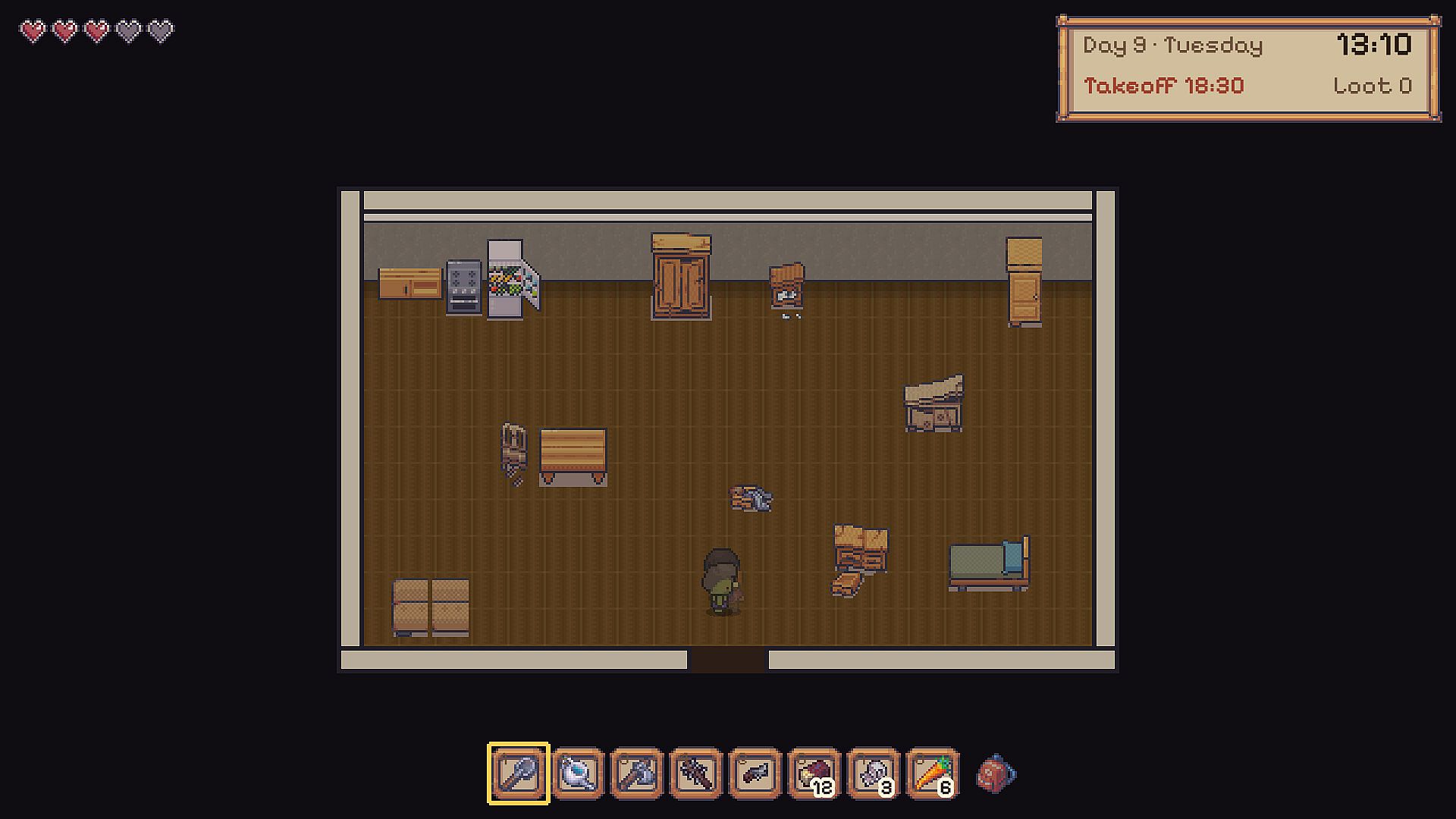
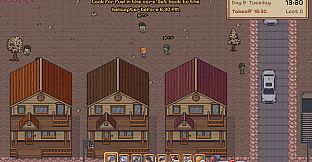
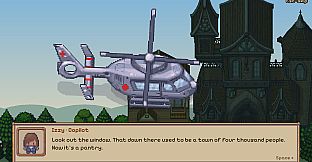
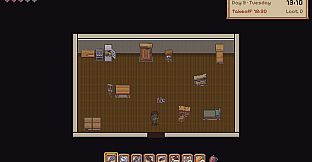
Once a week the community helicopter departs for abandoned towns. Players select items for their backpack, where every slot represents a trade-off in capacity and risk. Exploration covers streets, vehicles, shops, and houses at a pace governed by the clock. Deeper ventures yield stronger rewards in fuel, medicine, and parts, yet they increase the distance back to the extraction point. Outcomes from each raid directly influence the following week inside the fence, creating a cause-and-effect rhythm between safety and scarcity.
Game Modes
The game centers on a single-player weekly cycle that alternates between town management and external raids. No separate competitive or cooperative modes exist at launch. The structure emphasizes personal decision-making across farming cycles, crafting priorities, neighbor interactions, and raid planning rather than distinct named variants.
Early Access delivers this complete loop immediately, allowing players to experience the full rhythm of preparation, departure, return, and community impact without waiting for additional content. Future monthly updates will expand the available towns for raids, introduce new neighbors with their own routines, and add further activities within the fence based on player feedback.
Early Access Development
Developed by the two-person studio ThinkingLiteSoft based in Barcelona, the game uses adapted pixel art assets from established packs to create its visual style. The Early Access period focuses on iterative growth rather than a stripped-down preview. The weekly loop stands complete from day one, giving a clear picture of the intended experience while additional locations, characters, and indoor tasks arrive over time.
Progress inside the fence and success on raids shape long-term outcomes for the town. A strong haul of resources can ease the next cycle, while shortfalls force tougher choices. This feedback loop encourages careful planning of backpack space, route timing, and resource allocation across both halves of the week.
Is It Worth Playing?
Home Before Dusk suits players who enjoy simulation games with adventure elements and a steady weekly structure. The combination of farming, crafting, social ties, and timed scavenging creates a self-contained routine that rewards consistent attention to both the settlement and the raids. Early Access already provides the core systems without requiring further purchases or expansions to begin.
Those drawn to relationship mechanics and community management will find ongoing value in tracking neighbor stories and their potential development into deeper bonds. The raid segment adds tension through time pressure and inventory limits, appealing to players who like weighing risk against reward in exploration. Monthly updates promise steady additions to towns and activities, extending the loop for those who commit early.
The title targets individuals comfortable with pixel-art presentation and a focus on routine management over fast-paced action. Its two-developer origin and Early Access status mean the experience evolves with community input, making it a fit for players who appreciate supporting small studios and participating in ongoing refinement of simulation and adventure systems.











