



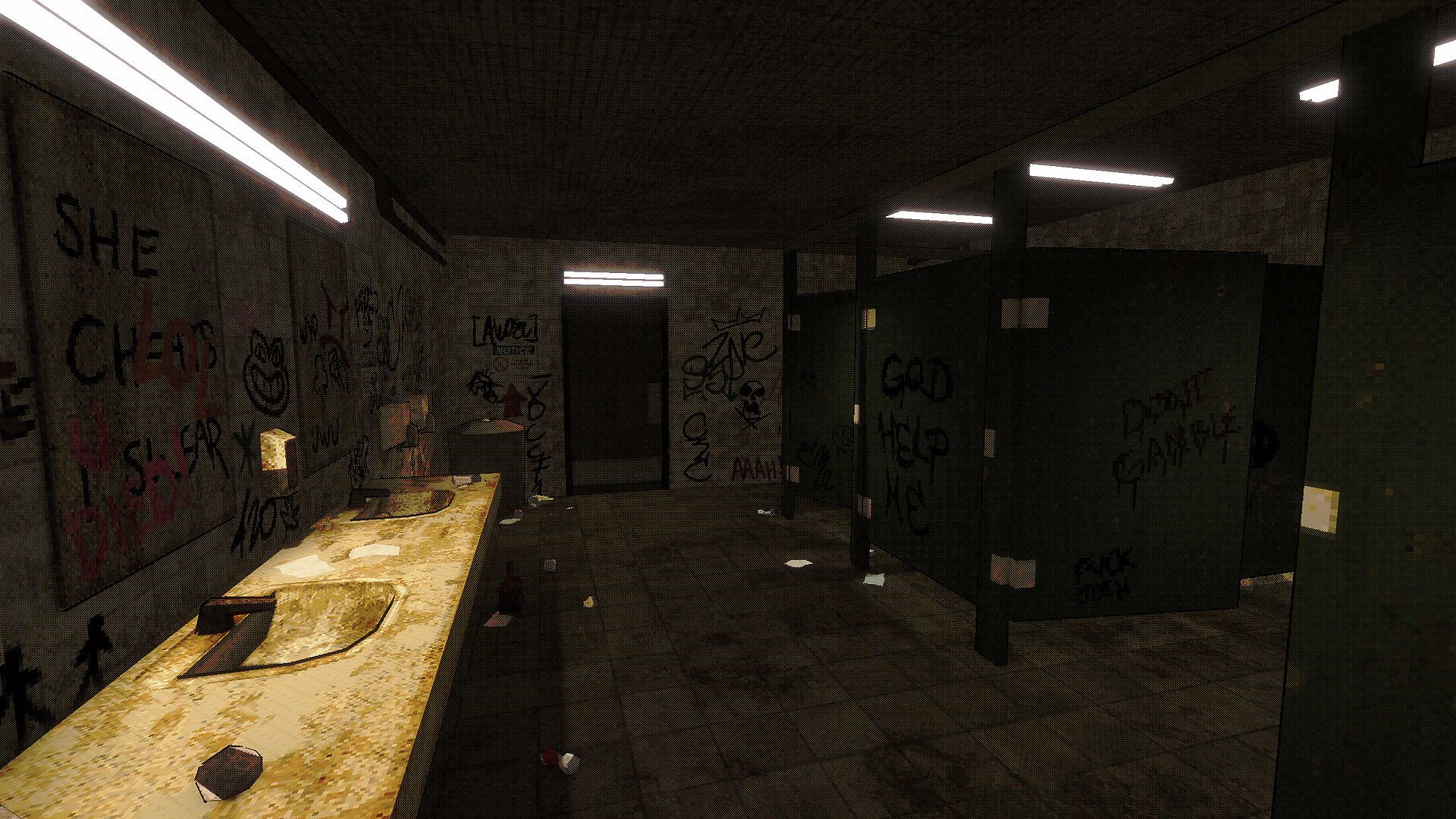
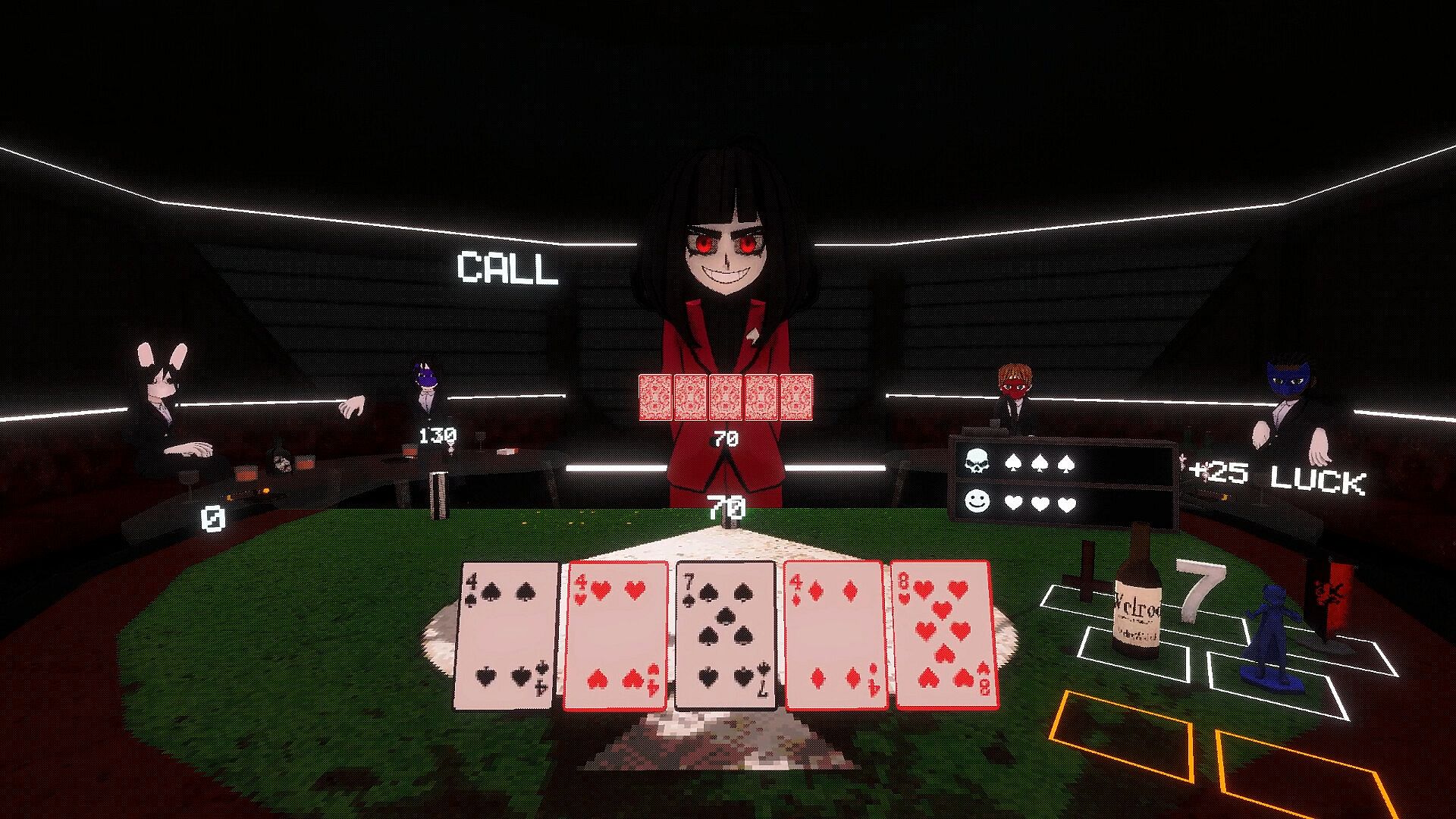
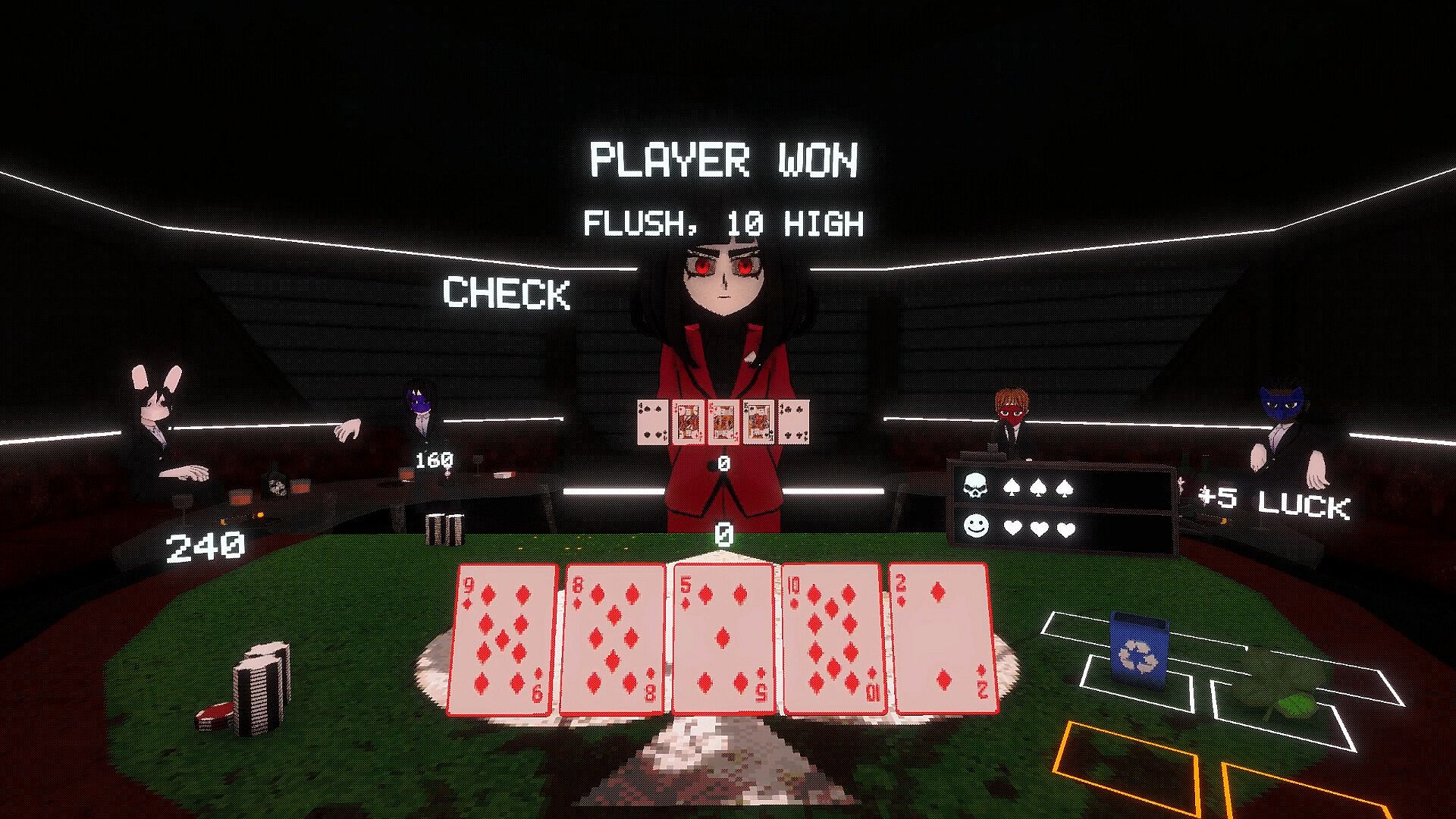
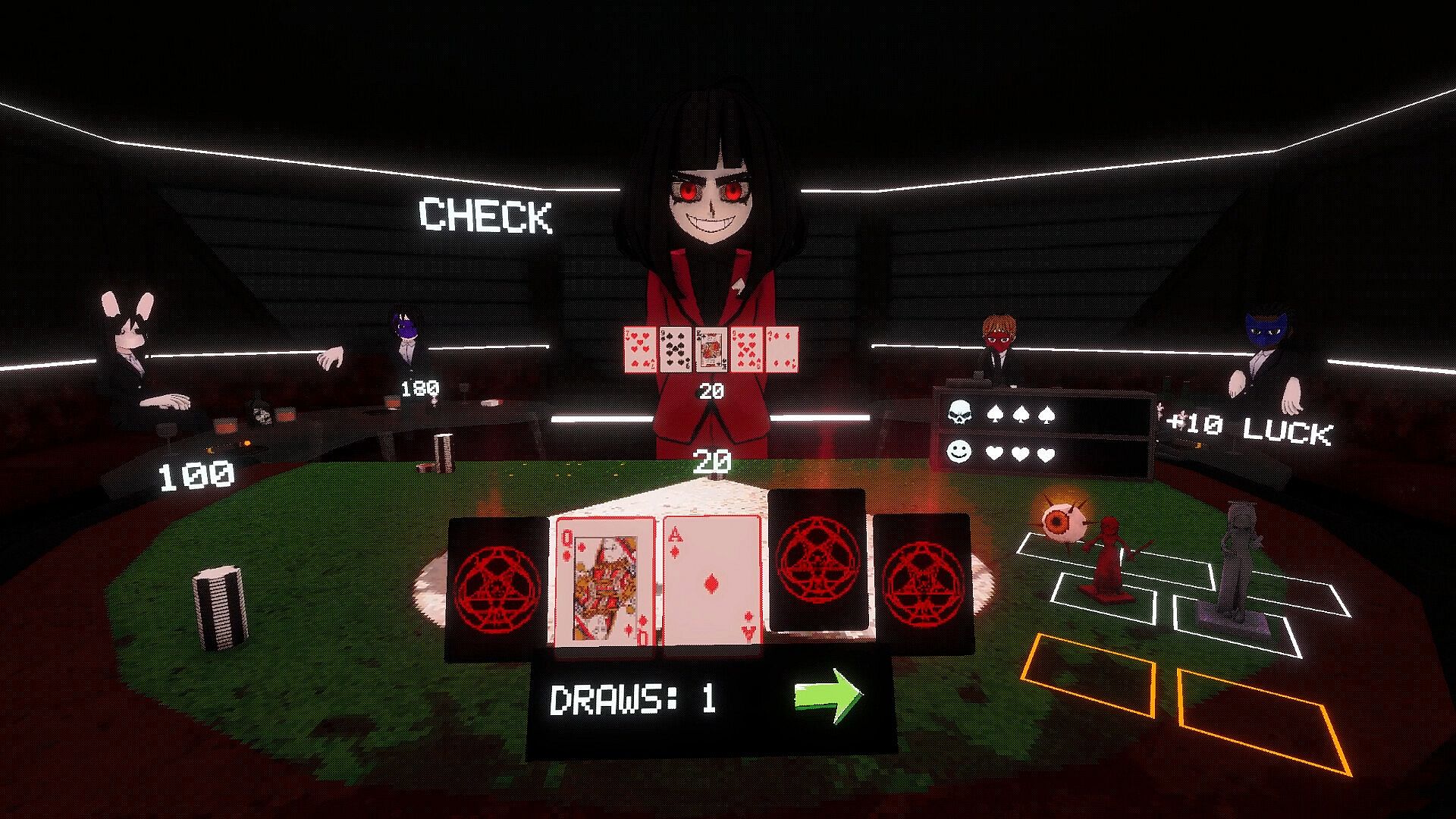




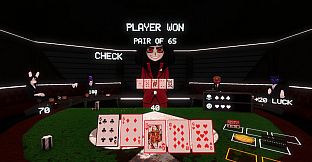

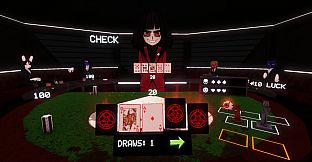
HIGHEST STAKES is an indie casual singleplayer game built around a tense, high-risk version of heads-up five-card draw poker set in a melancholic near-future. Players step into the role of someone crushed by overwhelming medical debt, forced to wager their life at underground tables where victory means cash and survival while defeat carries lethal consequences. The core loop blends standard poker rules with strategic twists that reward careful resource management and opportunistic cheating through purchased items.
Gameplay
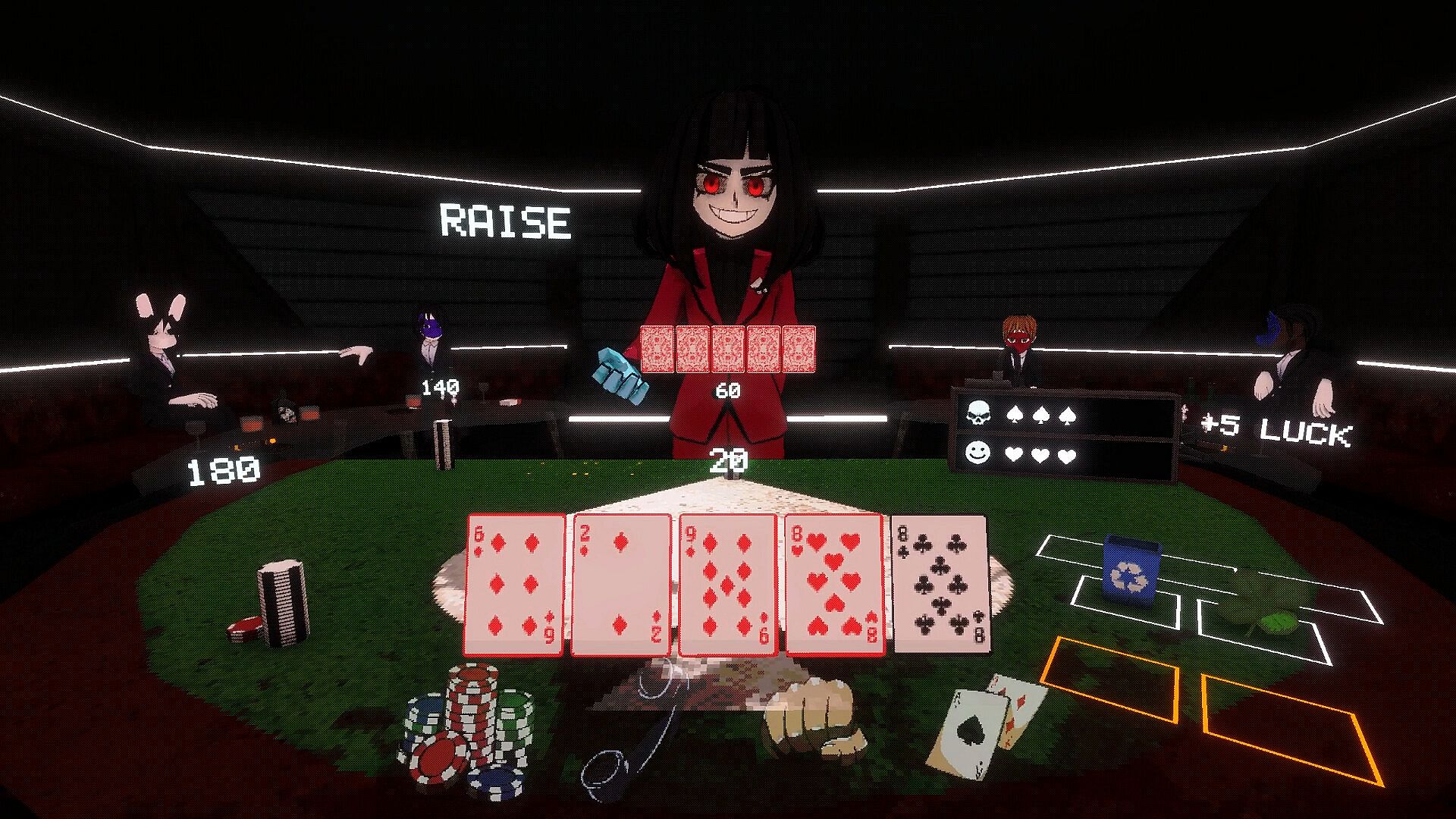
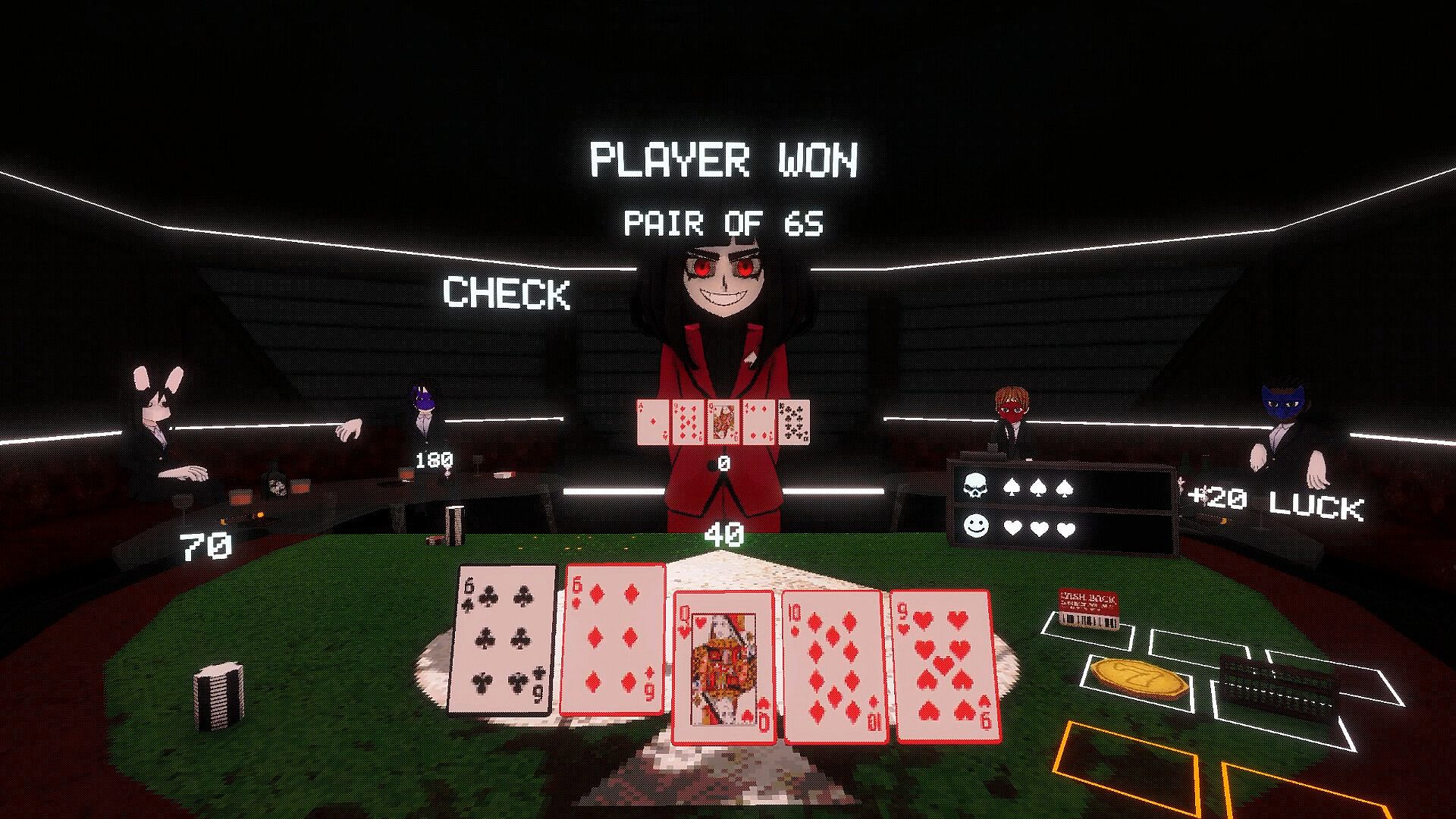
The experience centers on repeated rounds of modified five-card draw poker against a dealer who refuses to play fair. Each round begins with a fresh stack of chips, and the objective is to bankrupt the dealer by reducing her lives to zero. Discards happen one card at a time rather than all at once, creating a more deliberate pace that heightens tension during each decision. Players can spend chips on magical charms and consumable items before betting begins, granting advantages such as extra redraws, multiplied winnings, or altered draw probabilities. These charms can combine for powerful cascading effects, but overspending leaves fewer resources for actual bets, forcing trade-offs between power and survival.
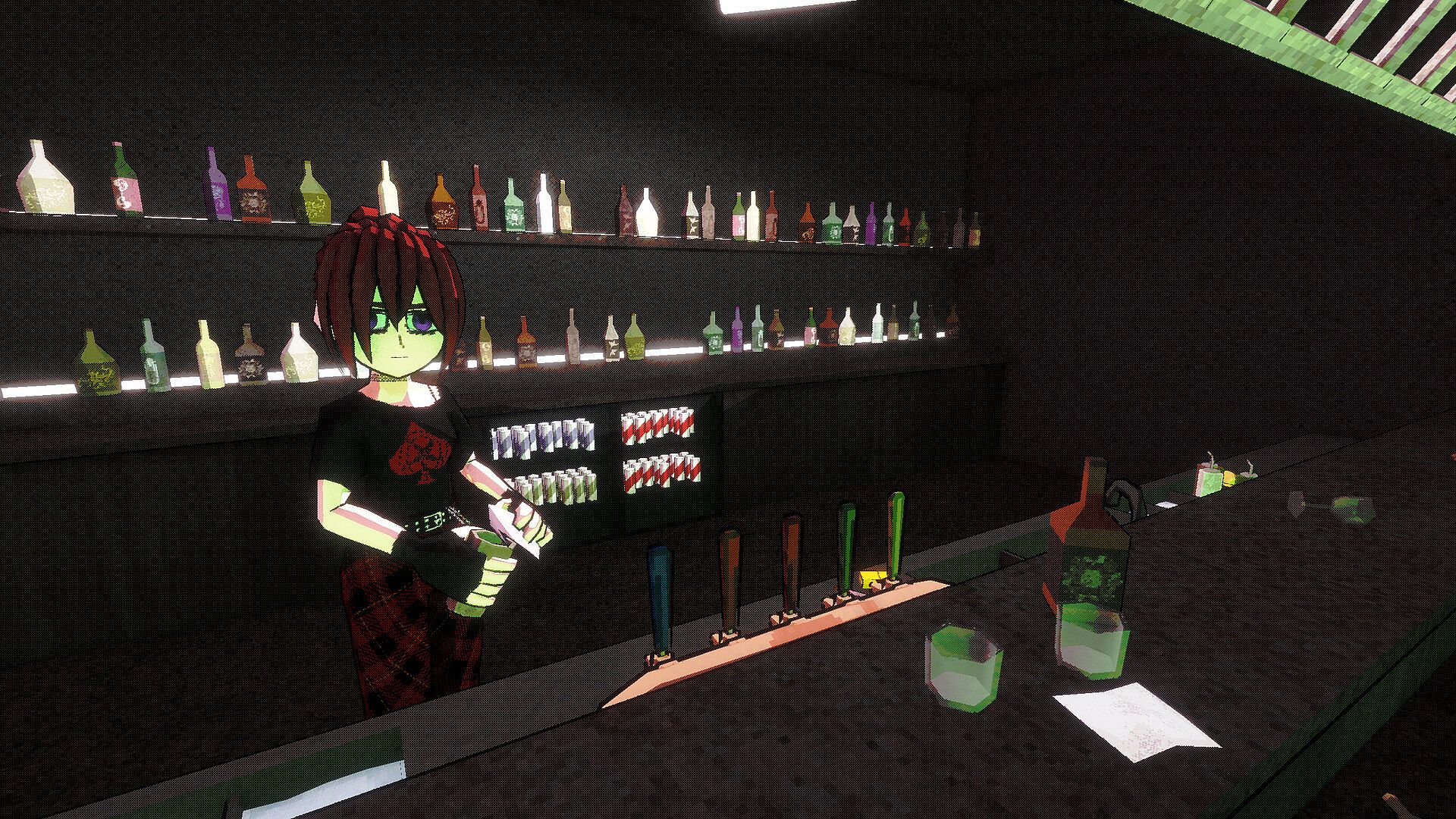
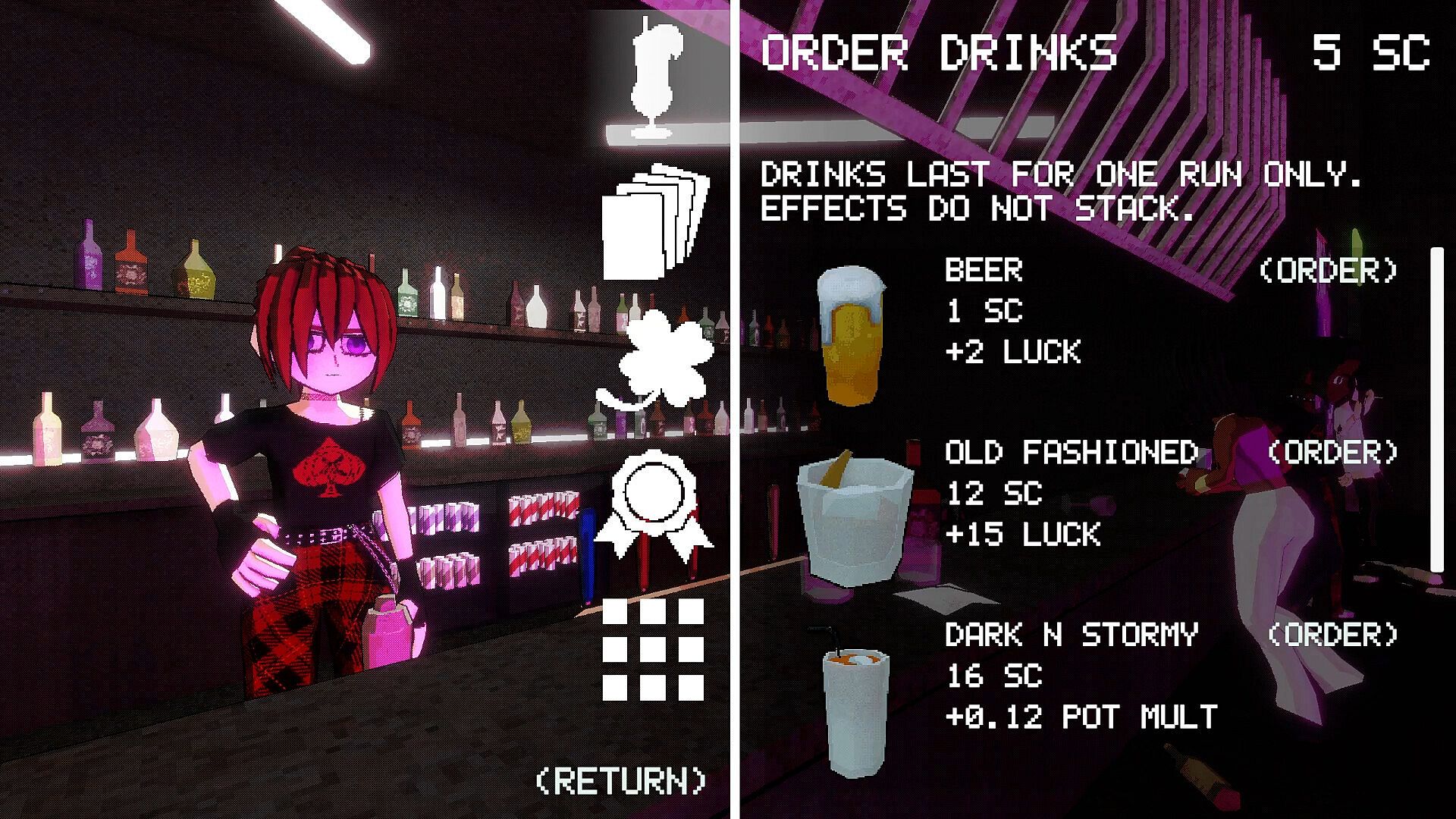
The dealer mirrors some of these advantages, keeping players alert to counterplay. After each round a new stack arrives, with bonus chips awarded for prior wins. Progress involves climbing a ladder of increasingly difficult tables, where success at lower stakes unlocks access to higher-paying ones. Silver chips earned along the way fund drinks at an in-game bar that provide temporary stat boosts for upcoming runs or simply serve as flavorful downtime. Unwanted charms can be banished to refine the pool of options for future rounds, allowing players to tailor their approach over multiple attempts.
Game Modes
The game operates through a single continuous progression system centered on runs that span multiple rounds and tables. Each run challenges players to bankrupt the dealer repeatedly until the highest-stakes table is reached. After clearing a run, the option exists to remain at the table for elevated rewards, though this decision immediately strengthens the dealer for subsequent challenges. There are no separate competitive or cooperative modes; the focus stays on solitary runs that emphasize build experimentation and risk assessment across escalating difficulty.
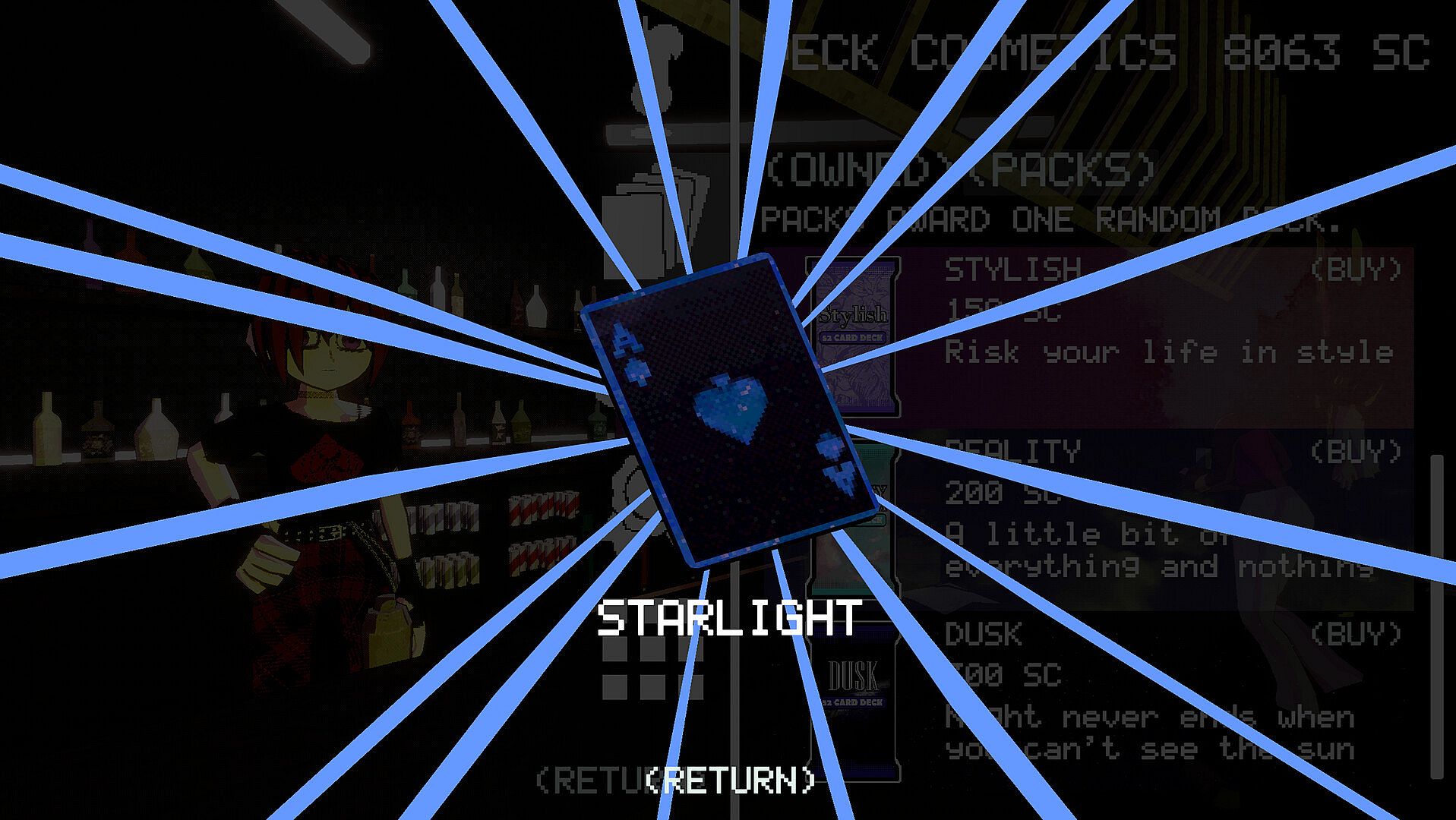
Additional layers include opening limited-edition deck packs with silver chips to unlock card skins, which add visual variety without altering core mechanics. The structure encourages repeated playthroughs as players refine charm selections and learn to balance aggressive spending with conservative betting strategies.
Key Mechanics and Progression
Charm synergy forms the heart of long-term strategy. Certain combinations create chaotic advantages that can turn dire hands into decisive wins, but the limited chip budget each round demands precise timing. Consumables offer last-minute rescues when a hand must succeed, yet they compete with the same resource pool used for bets. The life system adds a roguelike edge, where losing all lives ends the current run and returns the player to the start with only earned silver chips and unlocked preferences intact.
Drinks purchased at the bar introduce another decision layer, granting buffs that carry into the next run while also serving narrative flavor. Banishment of disliked charms ensures the shop offers more relevant options over time, supporting personalized builds. Reaching the final table fulfills the central goal of clearing the debt, though the journey rewards experimentation with different charm loadouts and spending patterns.
Is It Worth Playing?
HIGHEST STAKES suits players who enjoy poker blended with roguelike progression and light deck-building elements. The modified draw rules and charm system create a distinct rhythm compared to traditional poker titles, rewarding foresight in both hand management and resource allocation. Those drawn to casual yet strategic singleplayer experiences will find the core loop engaging through its combination of familiar card play and escalating risk-reward choices. The absence of multiplayer keeps the focus tightly on personal improvement across runs.
Without widespread player data or post-launch updates available at this stage, the game stands on its described systems alone. Fans of indie card games that mix luck with deliberate buildcrafting may appreciate the charm synergies and table-climbing structure, while those seeking pure simulation or competitive play might find the singleplayer focus limiting. The experience rewards persistence in refining strategies for the highest tables.