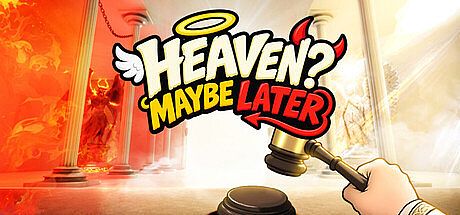


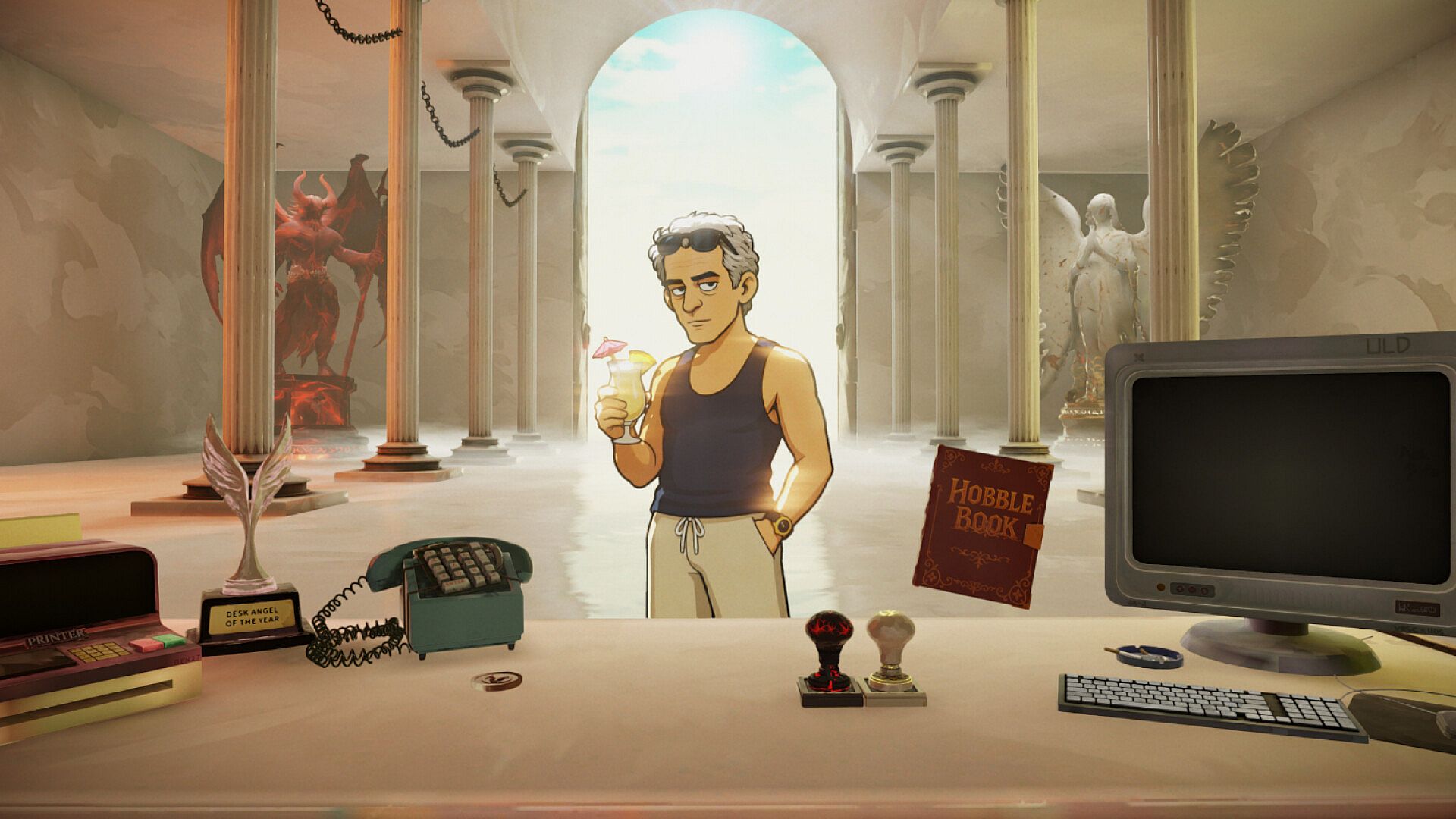
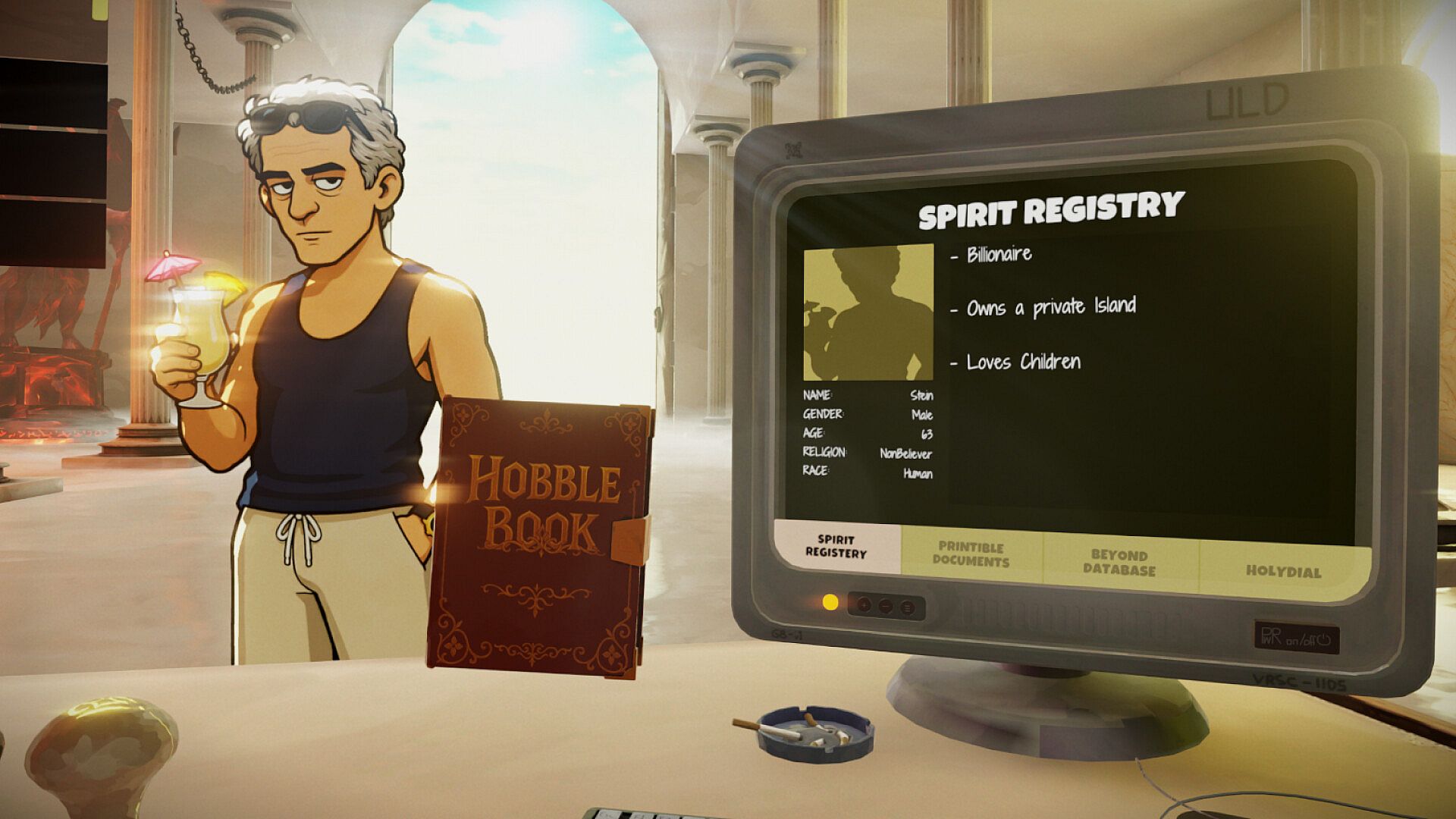
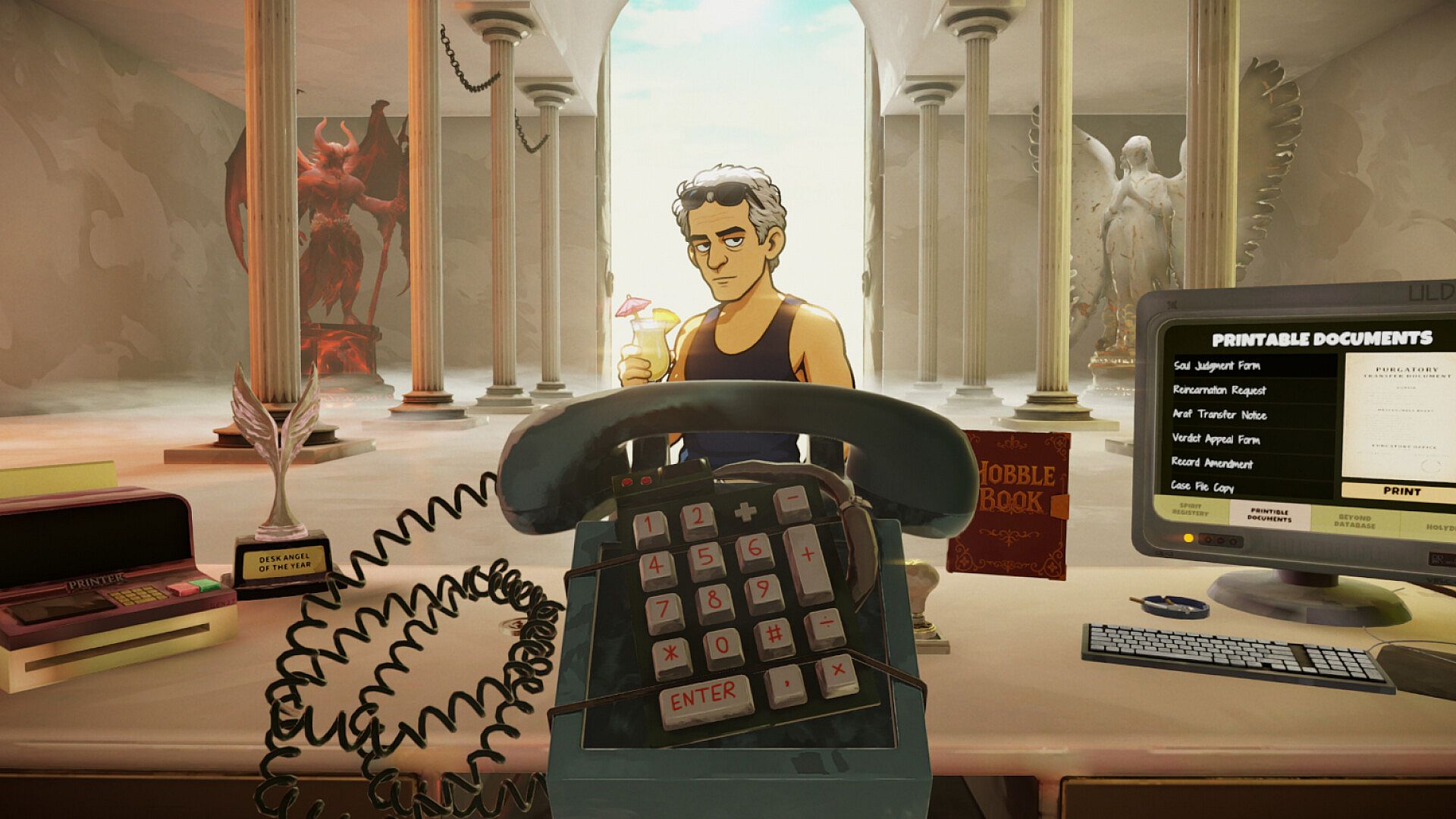
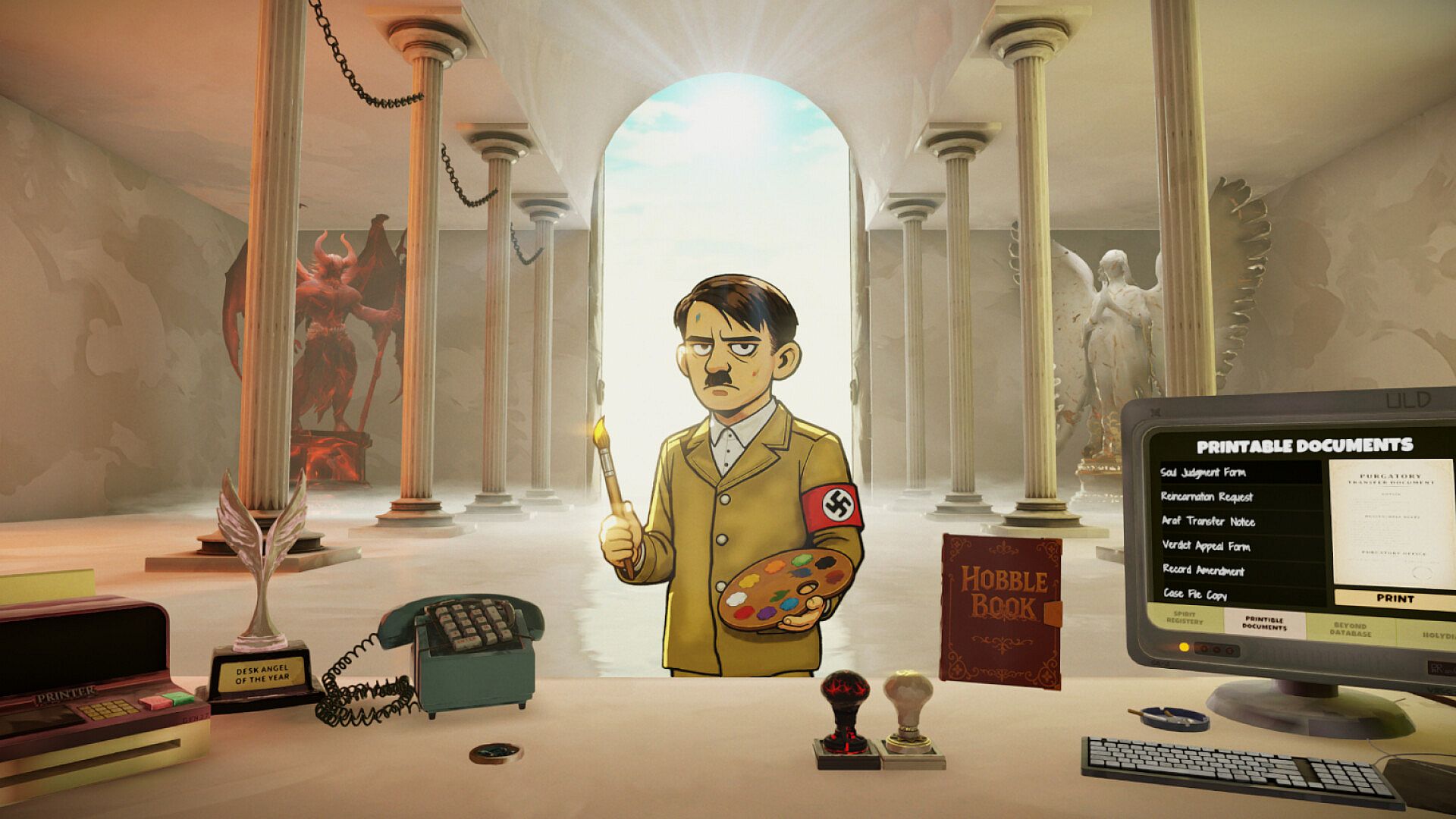

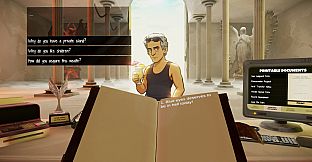


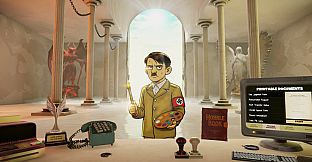
Heaven? Maybe Later is a single-player indie casual simulation game set in a bureaucratic afterlife. Players assume the role of a former judge who continues the work after death, evaluating souls that arrive in Purgatory through an arch of light. The experience centers on reviewing records, conducting interviews, applying daily rules, and completing paperwork at a fixed desk in a marble office flanked by angel and demon statues.
Gameplay
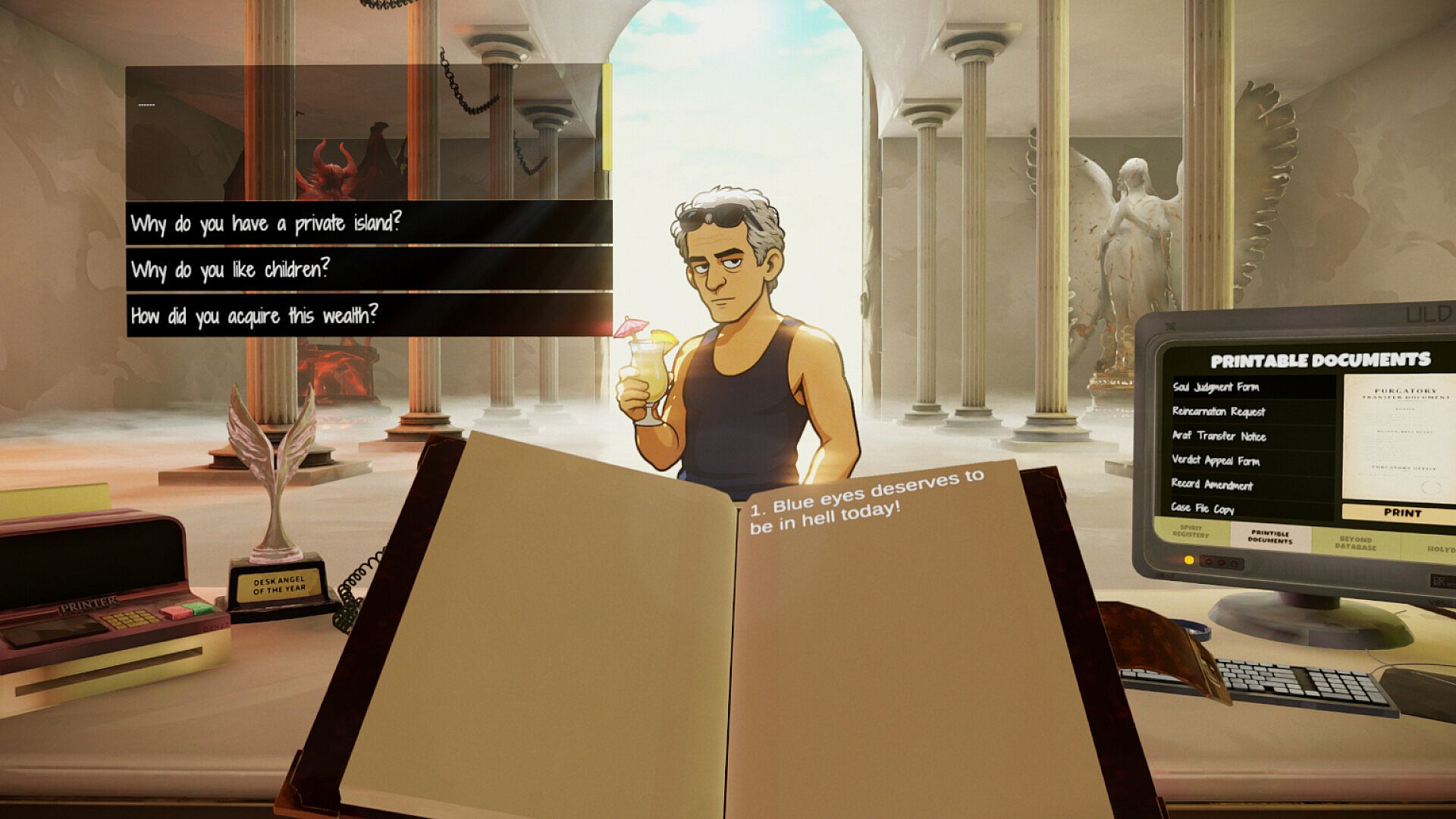
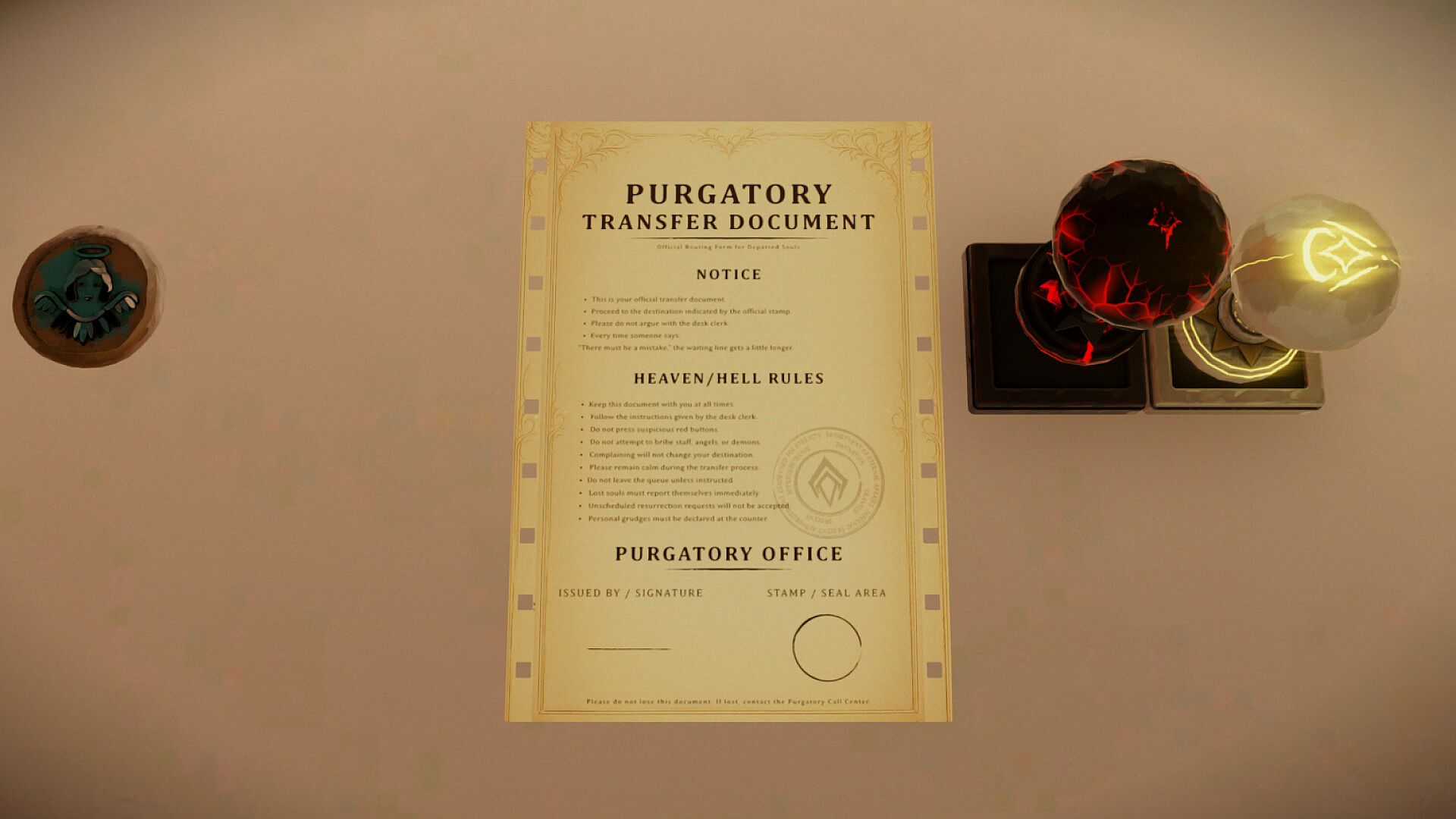
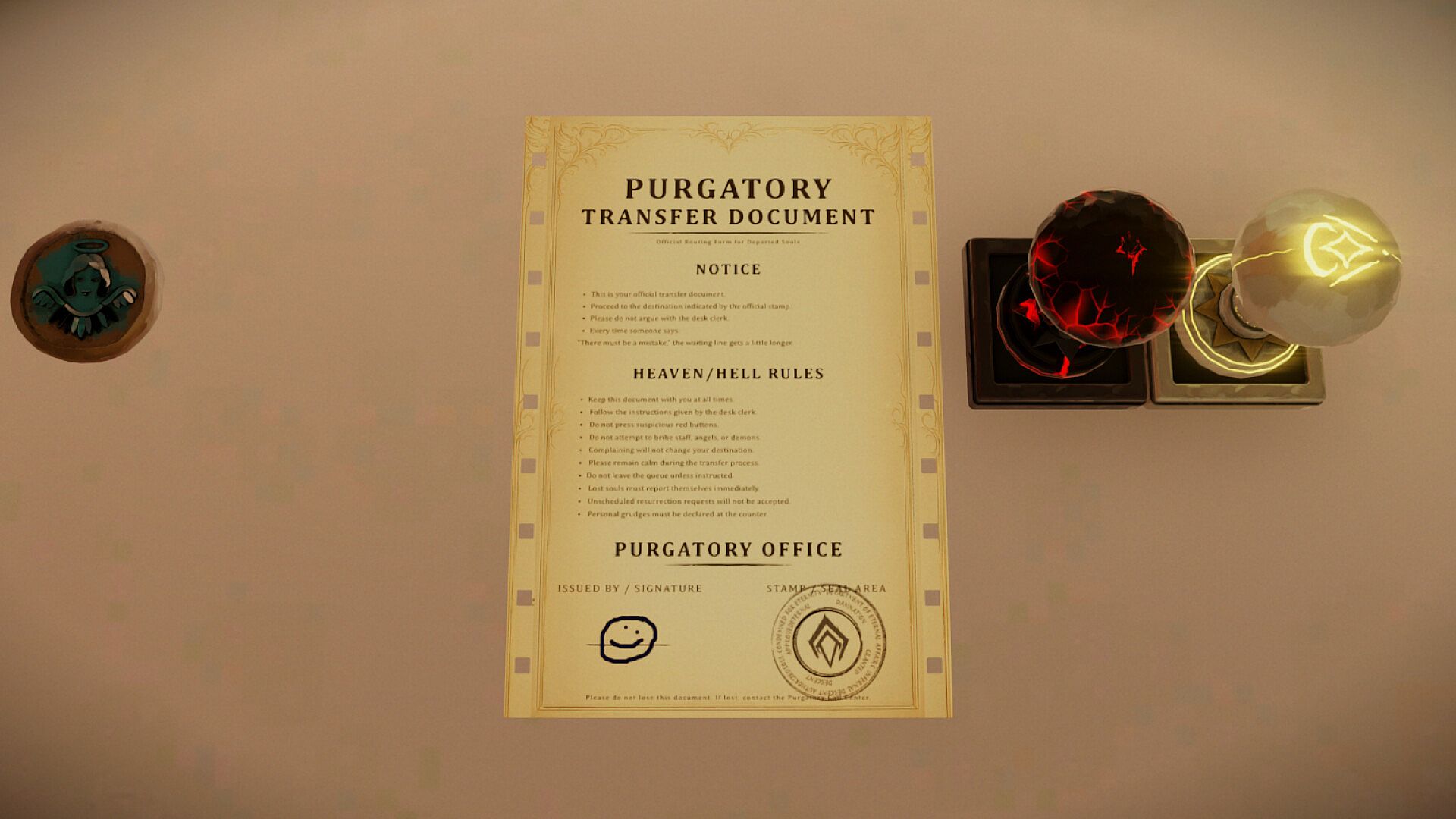
The core loop involves examining incoming files that list a soul's name, age, religion, species, and key life events. Entries appear in official, unsympathetic language, often highlighting moral ambiguities or contradictions. Players decide which questions to ask during conversations, where responses can reveal lies, truths that complicate judgments, or lifelong positions that resist change. Decisions require selecting the appropriate form from a terminal, printing it, signing by hand, and applying the correct seal before handing it over.
Daily directives from the Hobble Book override previous guidelines and must be followed or deliberately broken in documented ways. The telephone brings external opinions on open cases, though agreement remains optional. Every action, including adherence to or deviation from rules, enters the player's own open file for later review. The office provides no score, posted standards, or shift end, leaving outcomes dependent on consistent application of judgment across multiple cases.
Mechanics emphasize careful reading and deliberate choices rather than speed or reflexes. Forms include Soul Judgment Form, Reincarnation Request, Verdict Appeal, Record Amendment, and Earth Return Permit. Incorrect documentation counts as an error even with the right verdict. The process repeats with each new soul, building a personal record that determines the player's eventual destination.
Game Modes
The game operates as a single continuous experience without separate modes or multiplayer components. All activity occurs at one desk in the same office setting, focused on sequential soul processing. There is no combat, exploration, or resource management beyond the paperwork and interview systems. Progression depends entirely on how each case is handled, with multiple endings tied to patterns of rule following, questioning depth, and form accuracy across the session.
Text forms the primary interaction method, supported by the rulebook, terminal, printer, and telephone. Players remain stationary while souls arrive one after another, allowing extended focus on individual files or rapid processing. No additional modes alter this structure or introduce new objectives beyond the ongoing queue and the status of the player's own unresolved case.
Core Mechanics and Decisions
Records often contain gaps or inconsistencies that players must navigate through targeted questions. Some souls defend past actions even when it affects their outcome, while others provide information that shifts the weight of evidence. The rulebook changes daily without carryover, forcing fresh evaluations each session. Documentation carries equal weight to the verdict itself, as filing errors persist on record regardless of intent.
External calls introduce pressure without compulsion, and the absence of a visible score or manager leaves interpretation of the player's file open until an external review occurs. This setup rewards thorough investigation in some cases and efficient resolution in others, depending on how the accumulated record is ultimately read.
Is It Worth Playing?
Heaven? Maybe Later suits players who prefer text-heavy narrative simulations centered on moral and procedural decisions. The absence of action or variety in setting means the appeal rests on the depth of file review, question selection, and form management. Those who enjoy weighing conflicting evidence and accepting consequences without clear feedback will find the structure engaging. Players seeking combat, movement, or visual spectacle will likely find the stationary desk format limiting. The game remains available on PC as a complete single-player title with endings determined by individual work patterns.