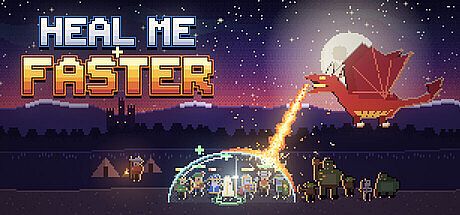


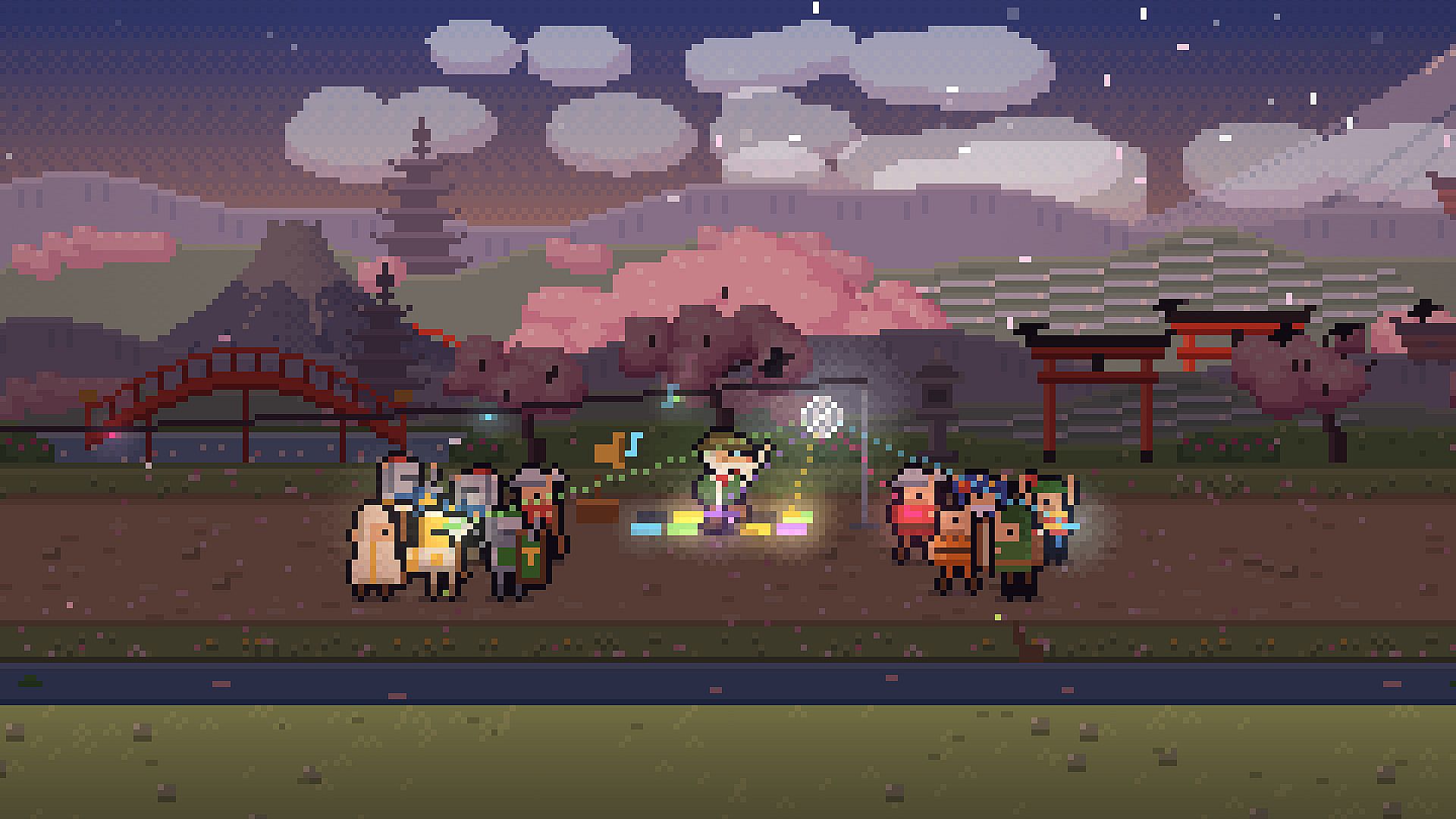
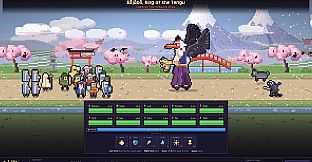
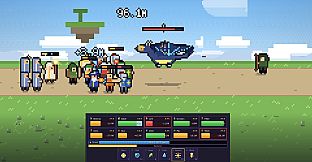
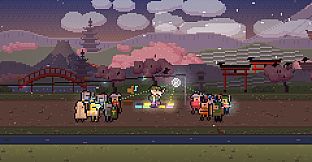
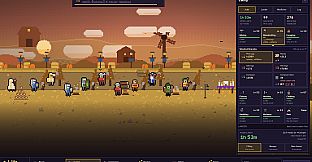
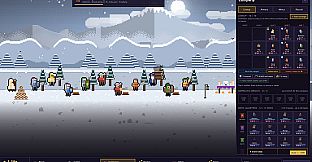
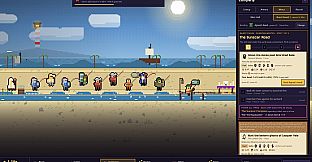
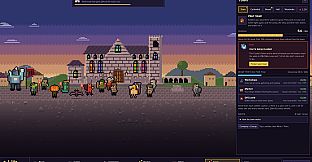
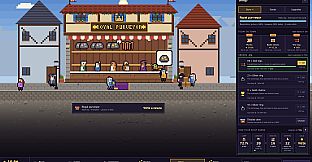
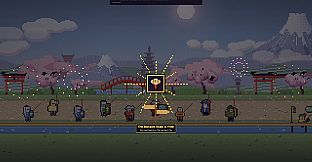
Heal Me Faster is an indie pixel-art fantasy RPG for PC in which players take on the role of the healer supporting a company of ten fighters rather than leading charges themselves. The core loop centers on managing limited mana during combat while overseeing camp operations, soldier recruitment, equipment upgrades, and long-term town development between fights.
Gameplay
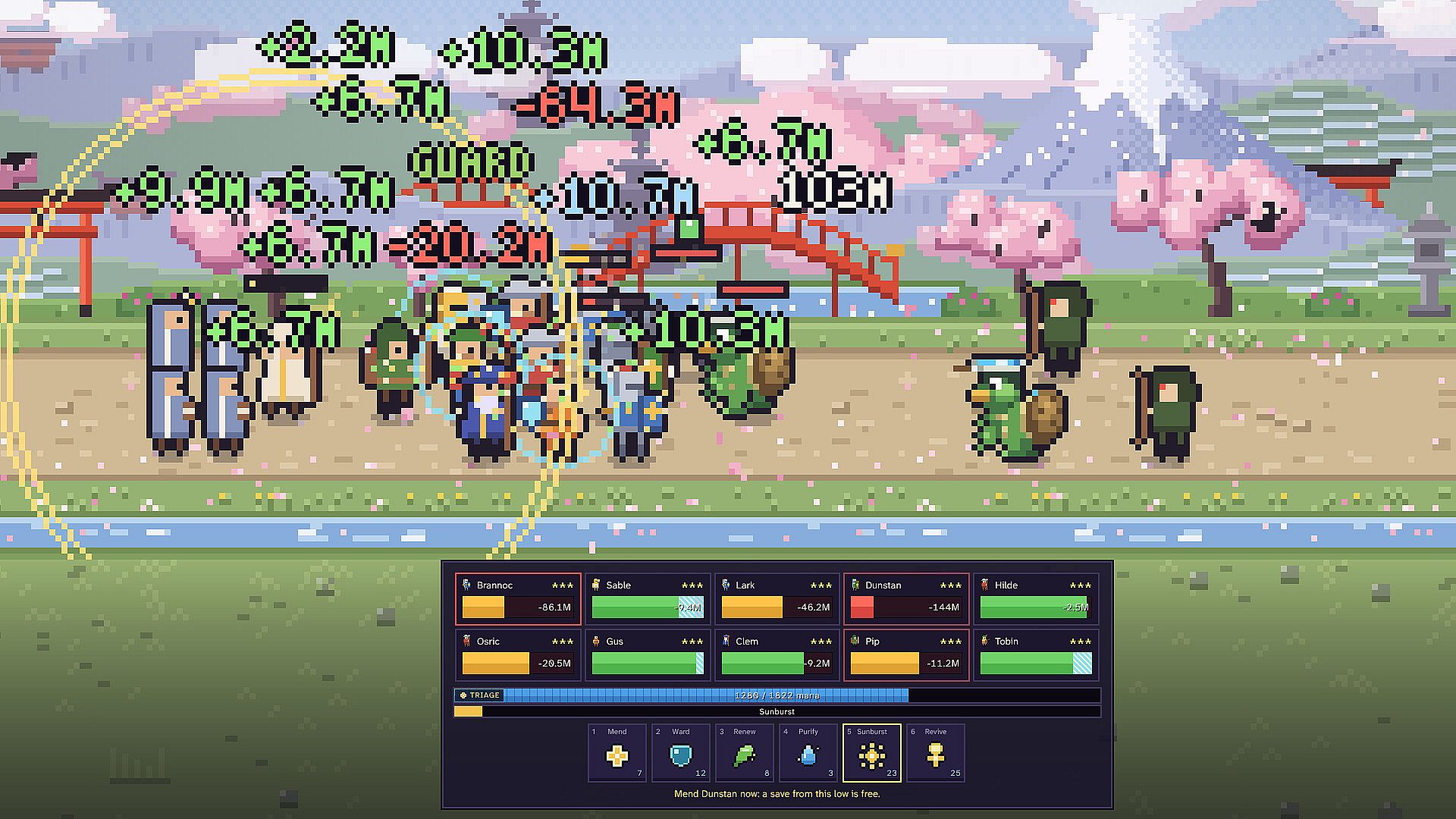
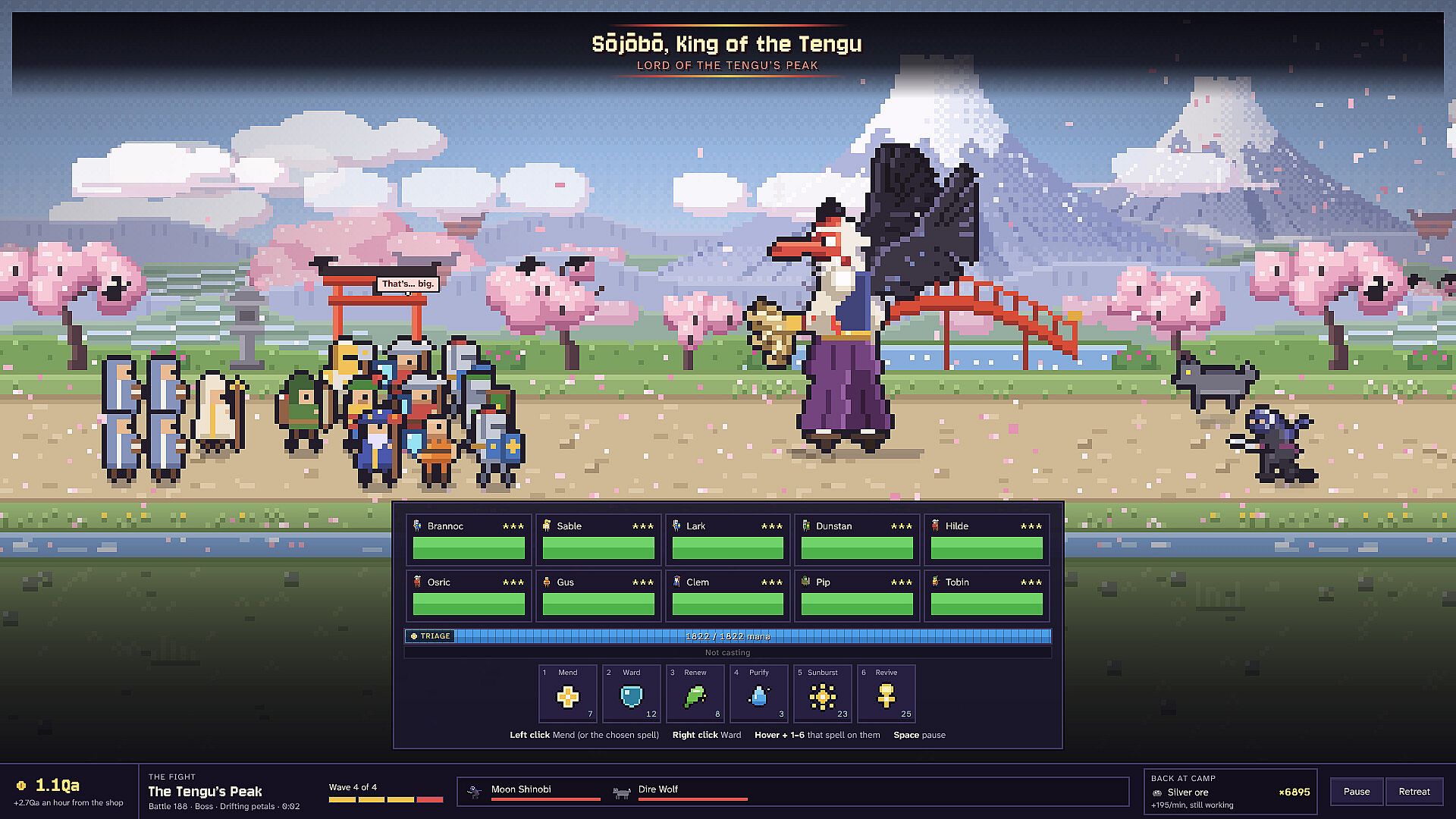
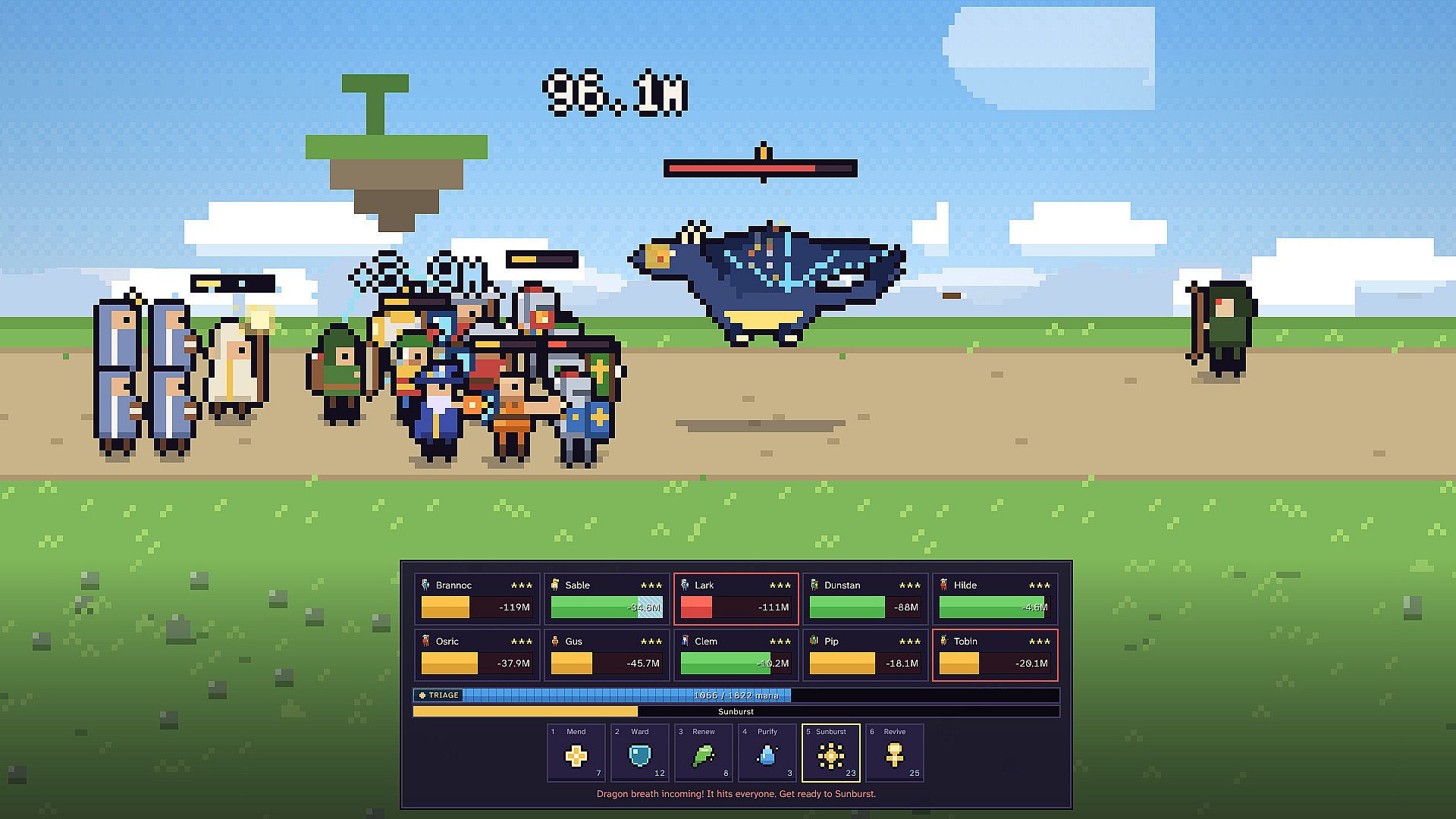
Combat requires precise decisions with each spell cast. Players click individual soldiers to apply targeted healing or shielding, or use area effects when mana allows. Seven spells range from a basic Mend to a full-party Miracle. Four distinct healing styles shape play: Triage focuses on saving allies at the brink of death, Warden emphasizes preventive shielding on marked targets, Rhythm prioritizes continuous casting, and Shepherd maintains group cohesion. Fifteen unique healers are available, each with visual and mechanical differences such as a sturdy friar or a skeleton priest. Controls are designed for mouse and keyboard, with an optional Desktop mode suited to larger screens.
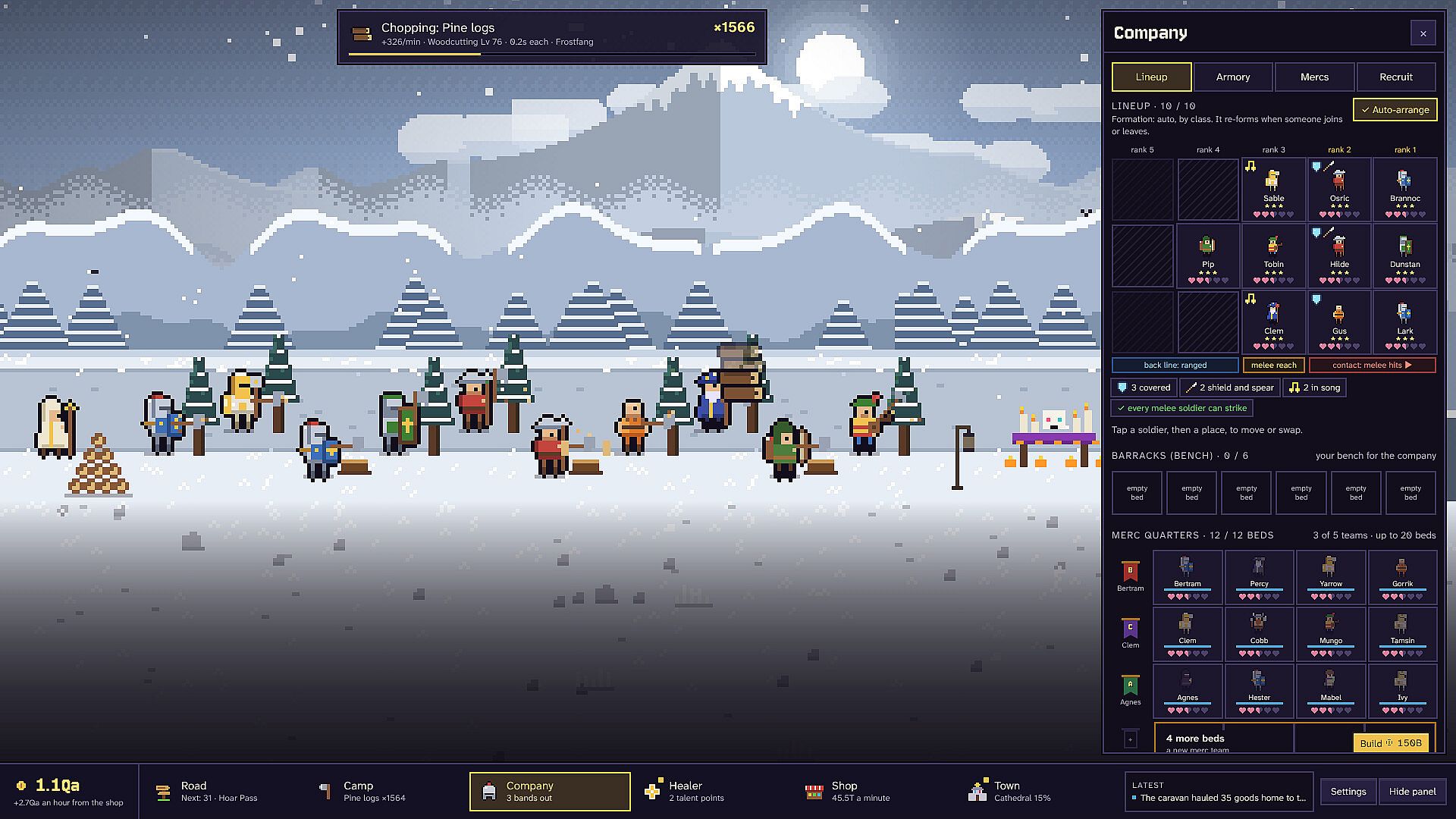
Outside battles, the emphasis shifts to resource management and progression. Soldiers belong to 21 recruitable classes including knights, bards, sappers, jesters, and stretcher-bearers. Equipment involves weapons, armor, trinkets, gem sockets, and tempering. Formations determine positioning and support reach, such as placing the bard where songs affect the most allies. Keeping soldiers alive builds personal relationships that unlock stories about their backgrounds and homes.
Game Modes
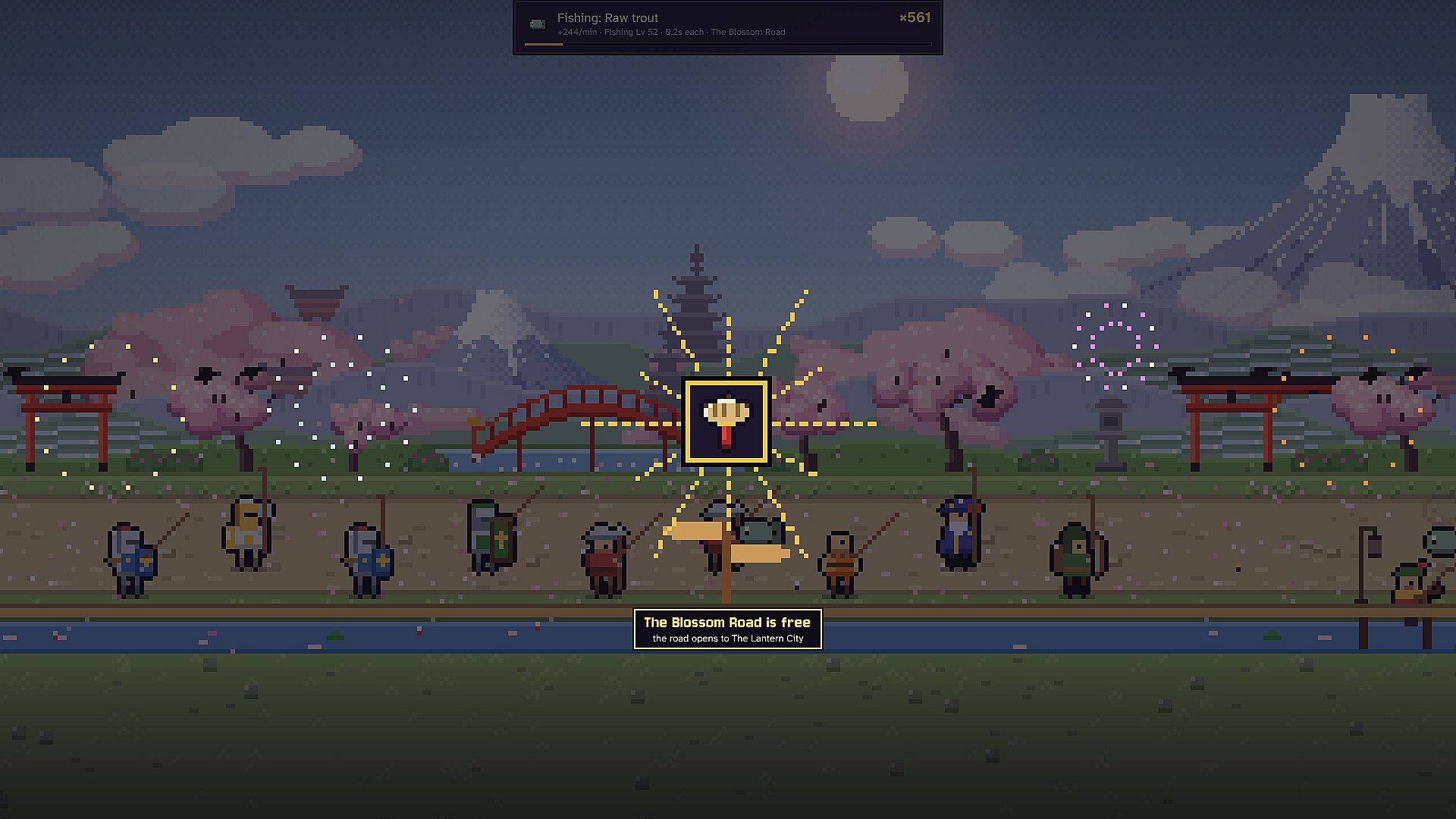
The primary experience unfolds across 198 battles in twenty regions stretching from Greenvale to the Lantern City. Each region concludes with a boss encounter, five of which involve dragons, and major attacks include visible warnings. After completing the main sequence, the endless Ascent mode returns players to the path with increasing difficulty on each lap. Additional activities include daily trials, a weekly boss, weekend fairs, and seasonal festivals. A bestiary tracks encountered creatures, while trophies and medals reward regional progress.
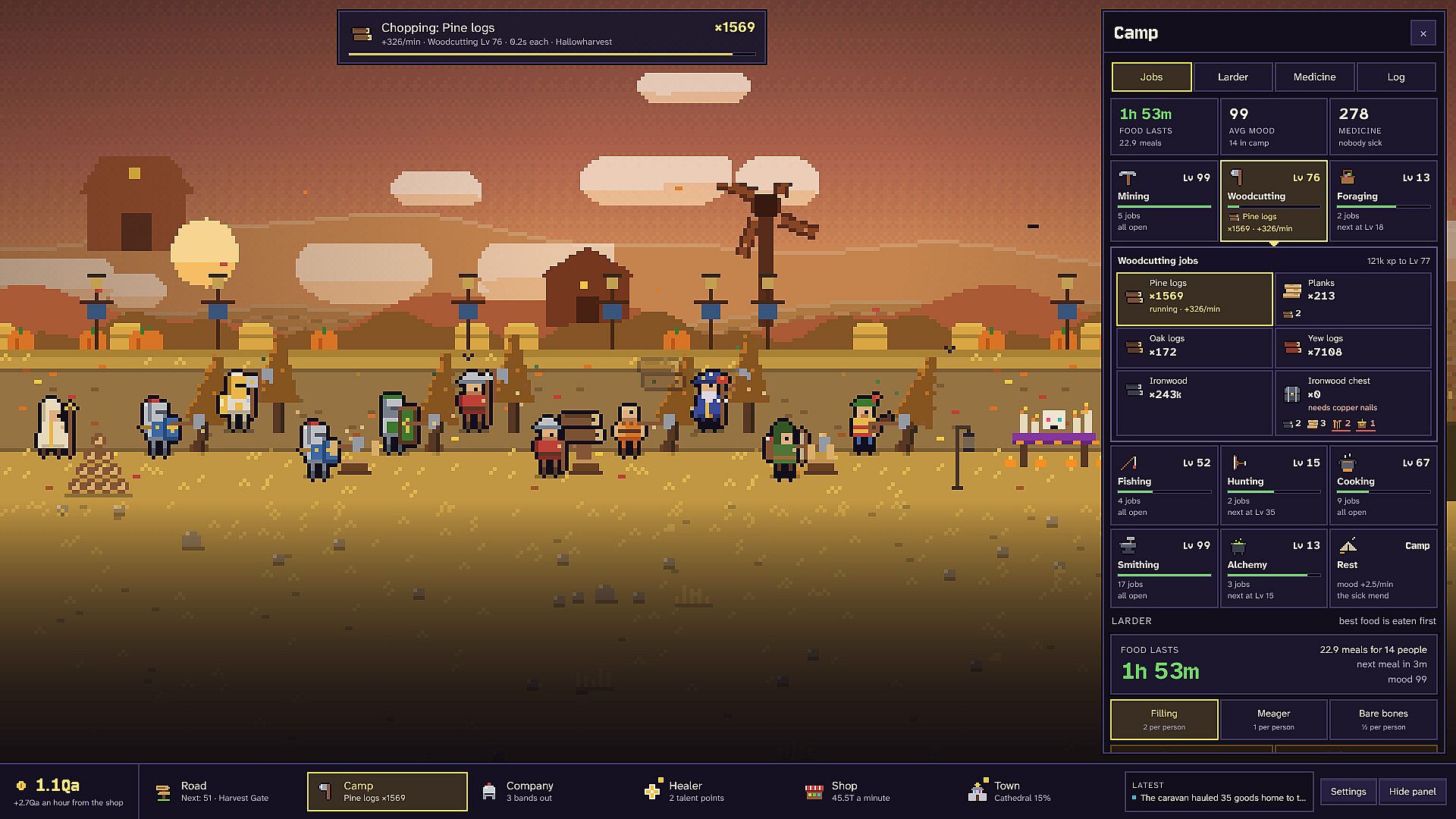
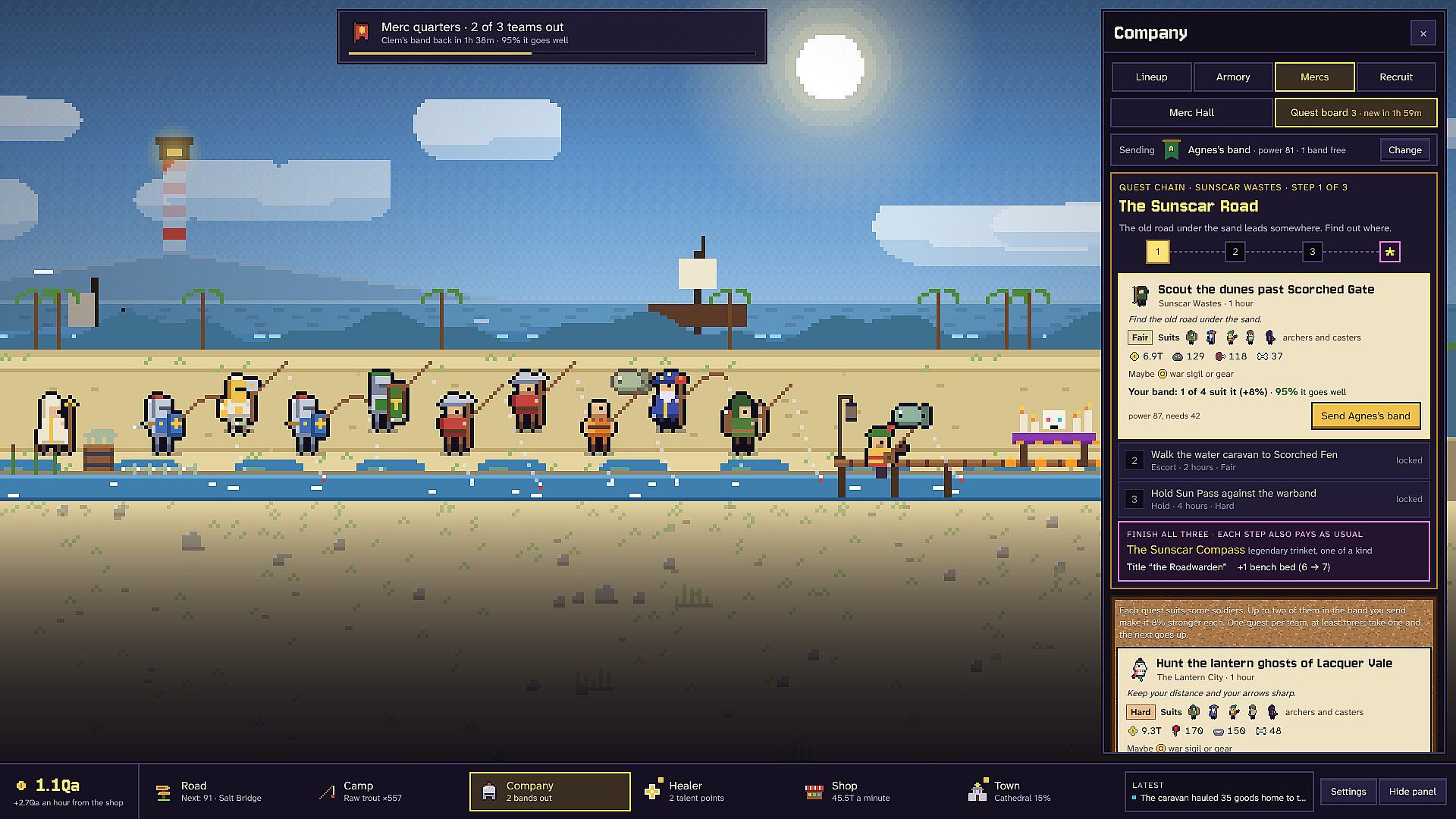
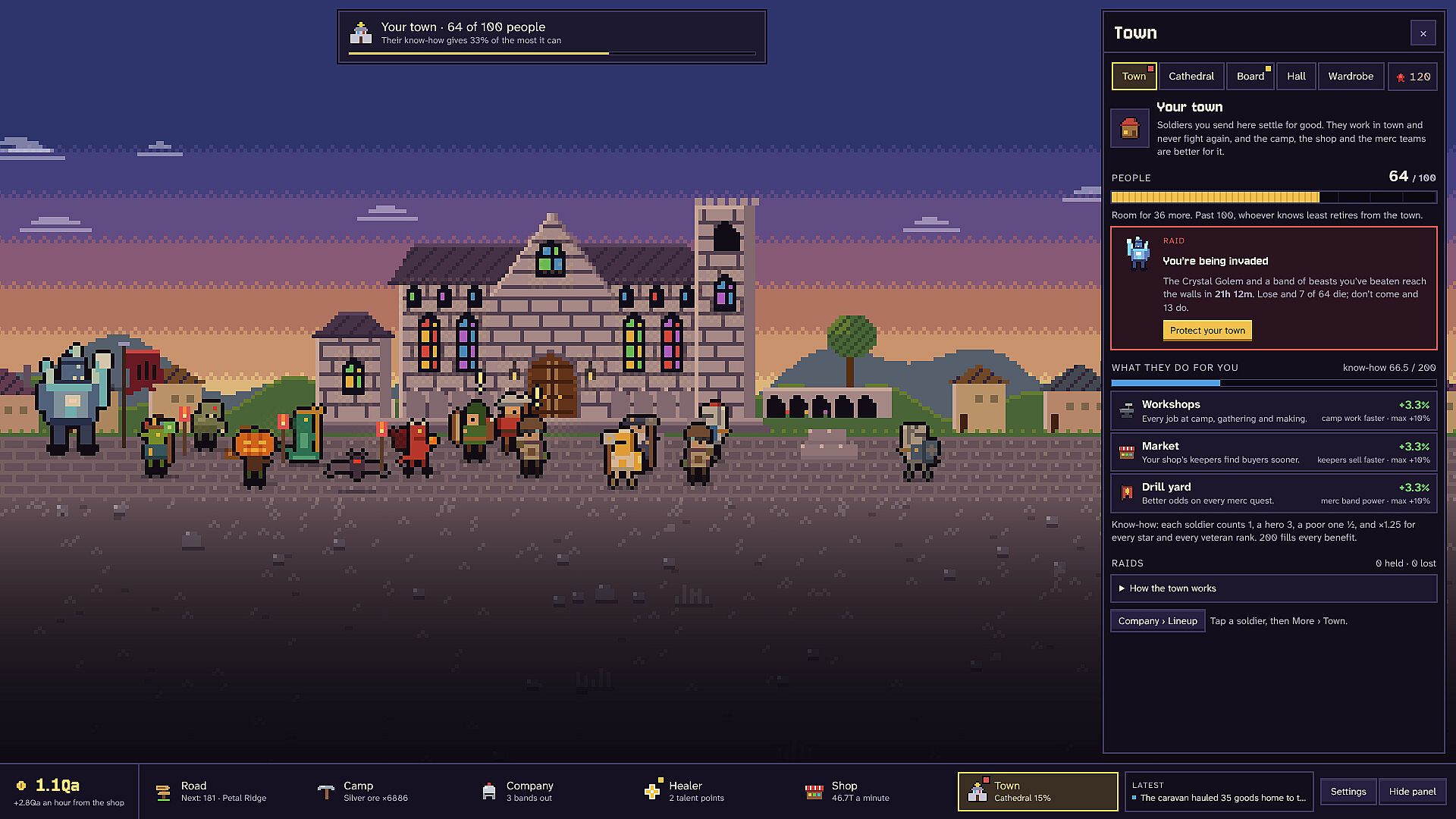
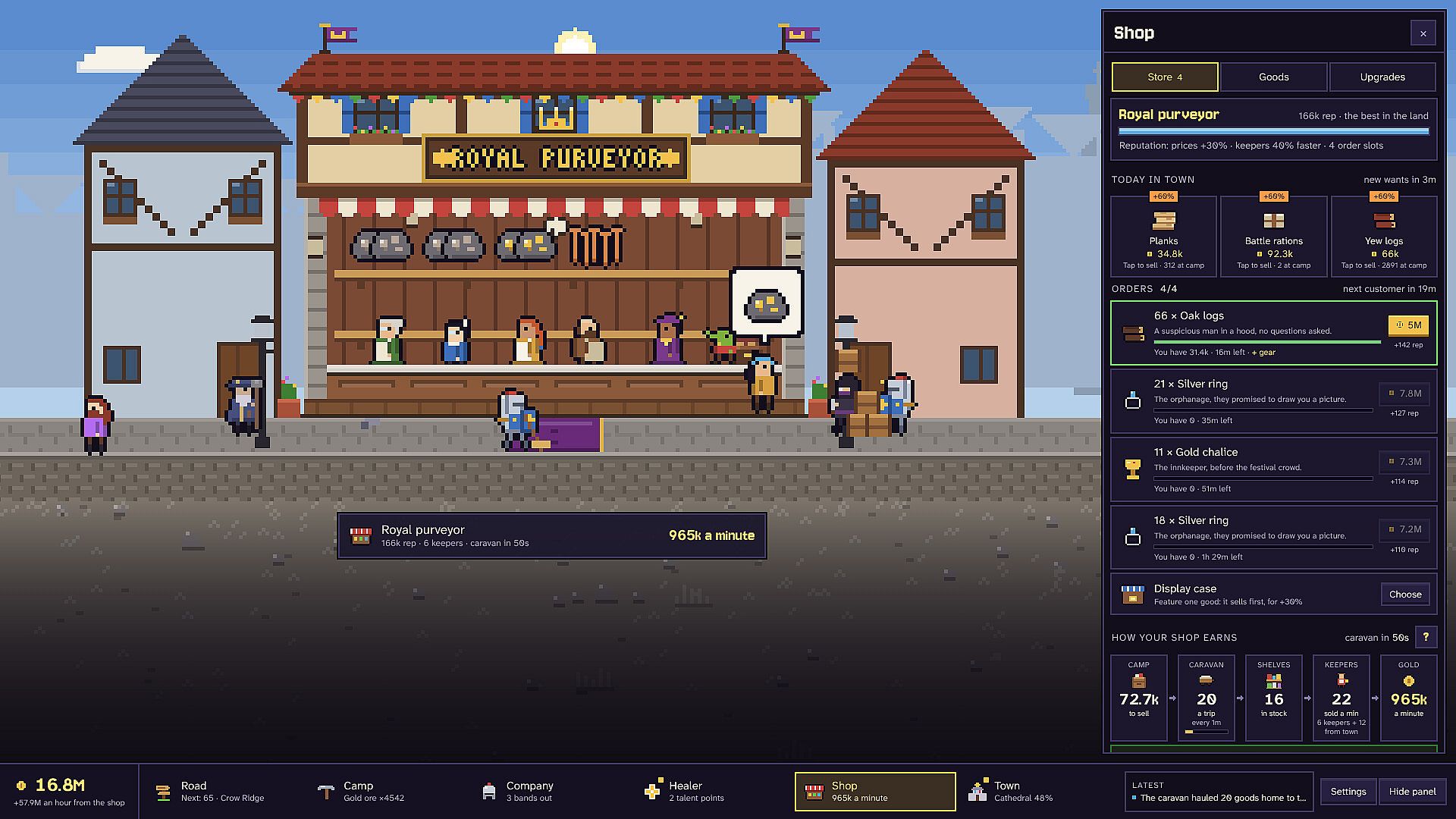
Camp and town systems operate alongside combat. Soldiers perform tasks such as chopping wood, mining ore, fishing, hunting, cooking, and brewing. A shop fulfills customer orders, and the camp continues productive work during absences. Veterans can be sent on independent sieges, hunts, ambushes, and expeditions. Successful retirees contribute to a growing town with funded buildings, defensive gates against raiders, and a cathedral constructed in stages. Completing a company's journey allows retirement for renown before starting anew.
Progression and Management Systems
Equipment and formation choices directly influence survival rates and efficiency. Rare heroes appear through exploration, and incremental improvements to gear and camp infrastructure create steady advancement. The town-building layer adds depth by turning short-term survival into lasting infrastructure that benefits future companies. Offline play supports the full campaign without timers or energy systems, while an optional free account enables cloud saves and leaderboards for those who want them.
Is It Worth Playing?
Heal Me Faster suits players who enjoy deliberate resource management and meaningful choices within a single-player RPG framework. The healer-focused perspective creates tension through mana limits and prioritization during fights, while camp and town layers provide satisfying long-term goals. With no microtransactions or ads, the experience remains focused on core systems. As an upcoming title scheduled for release on December 1, 2026, its appeal will depend on how well the described mechanics deliver on the promise of persistent soldier relationships and layered progression. Fans of party-based fantasy RPGs with strong management elements may find the premise distinctive enough to follow its launch.