


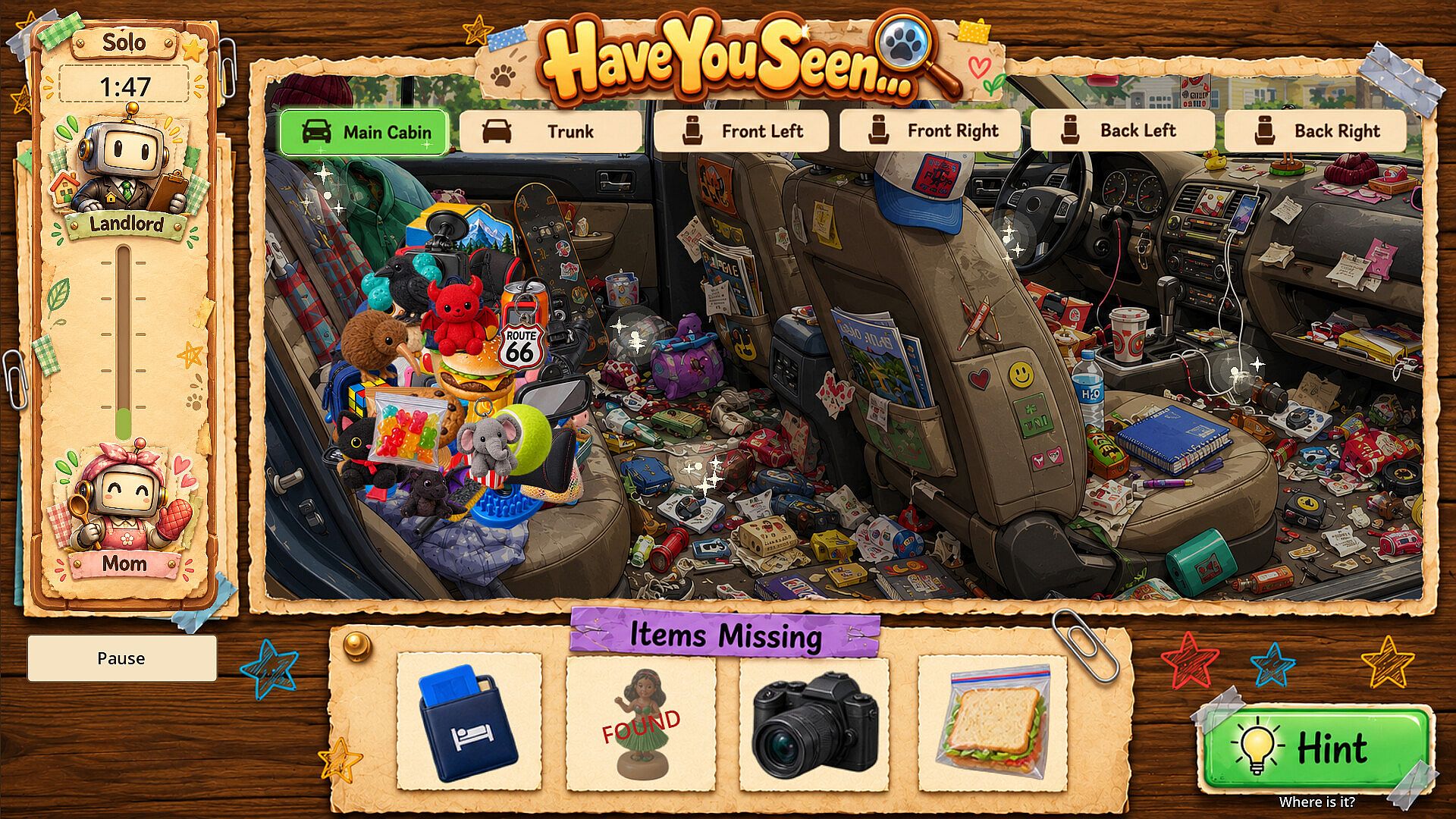
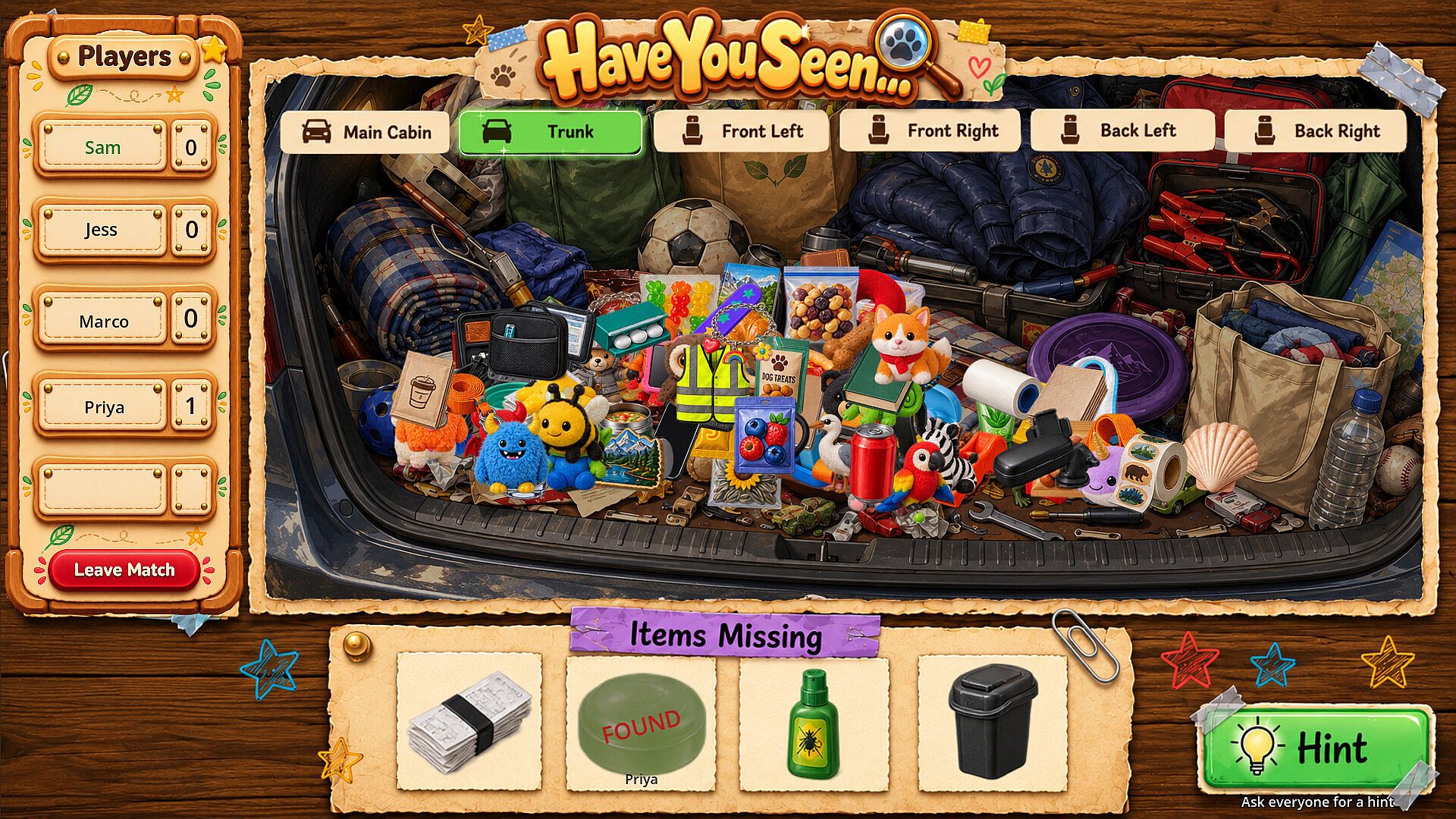
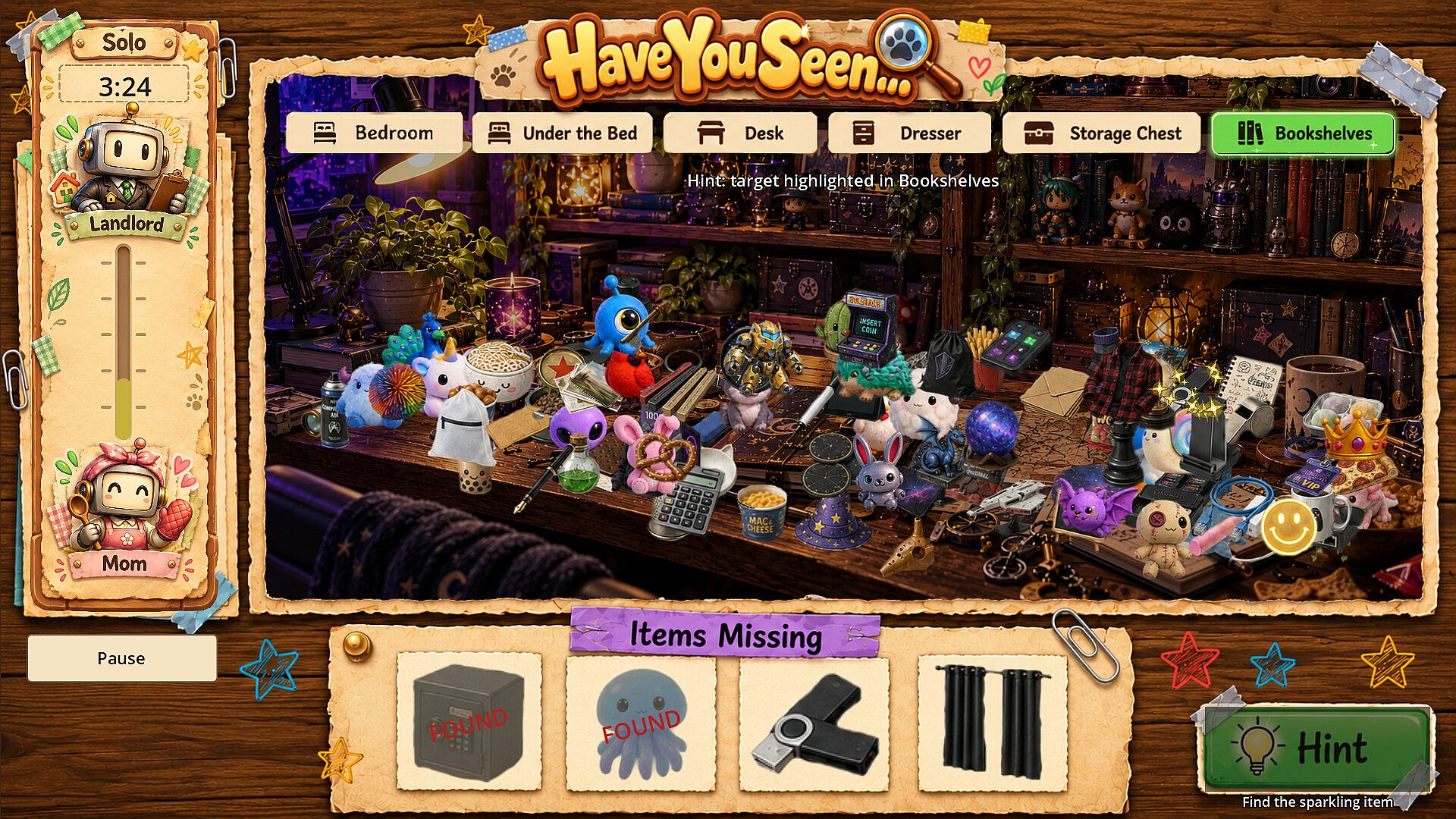
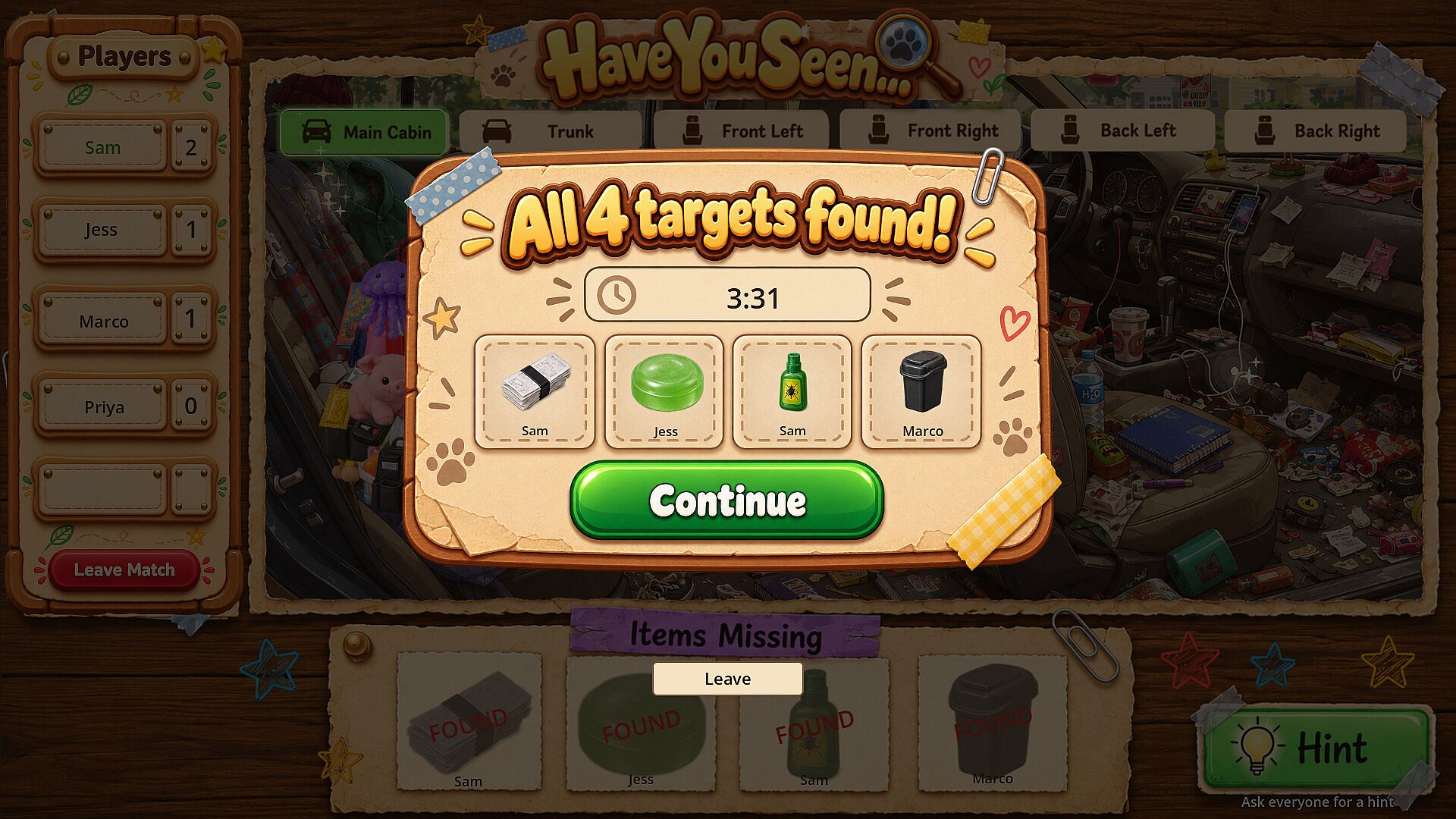
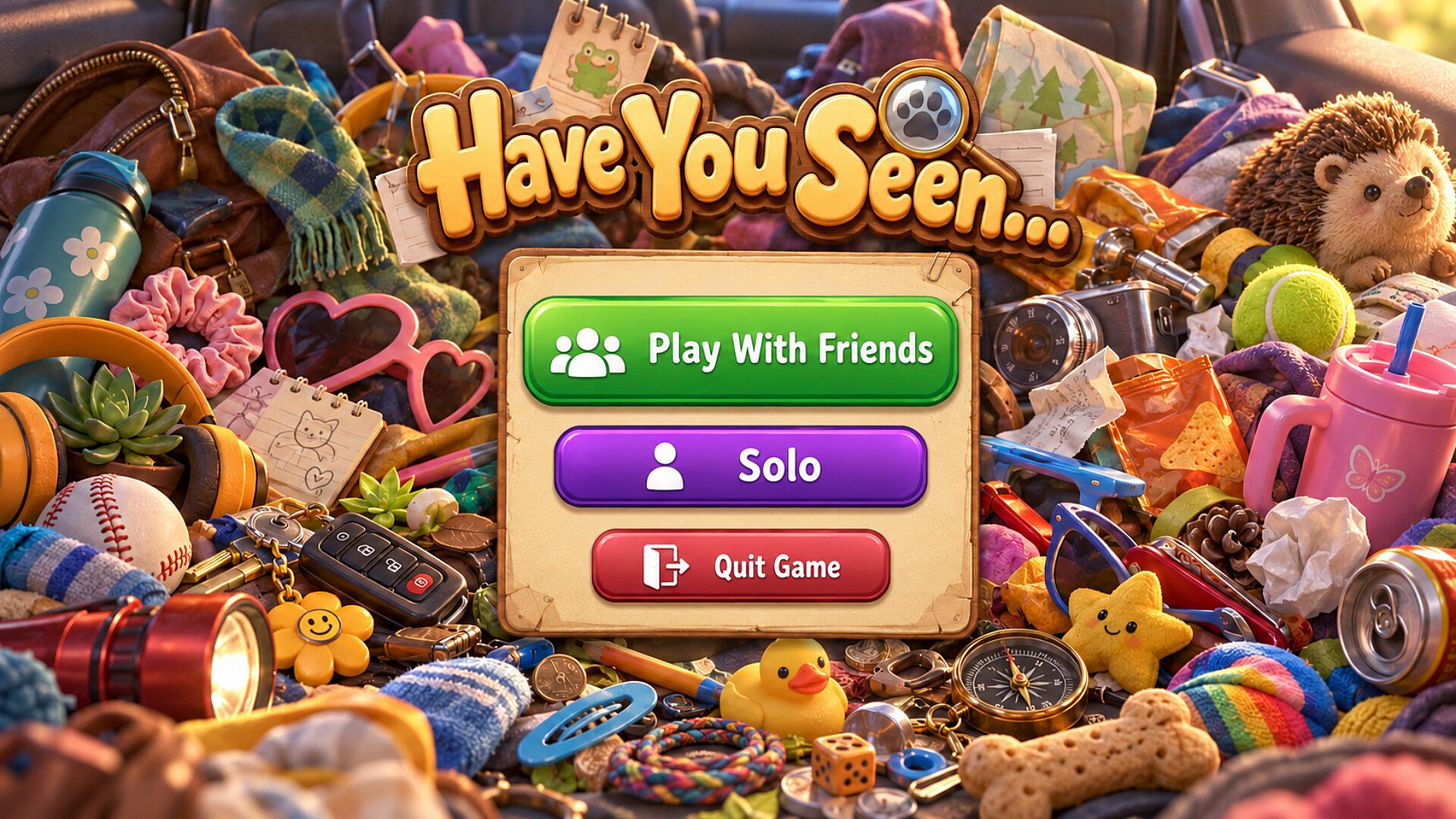
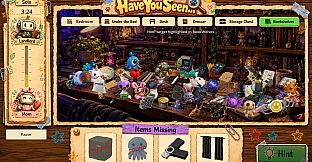
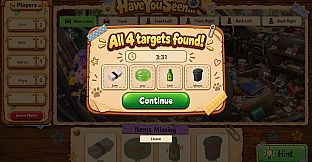

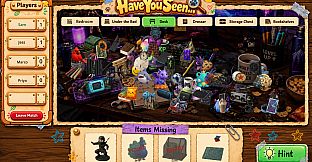
Have You Seen is an indie casual game for PC where players search through cluttered environments to locate four missing everyday items. The core loop centers on examining detailed messes in a car and a bedroom, moving objects aside to uncover hidden objects amid hundreds of illustrated items that rearrange with every round.
Gameplay
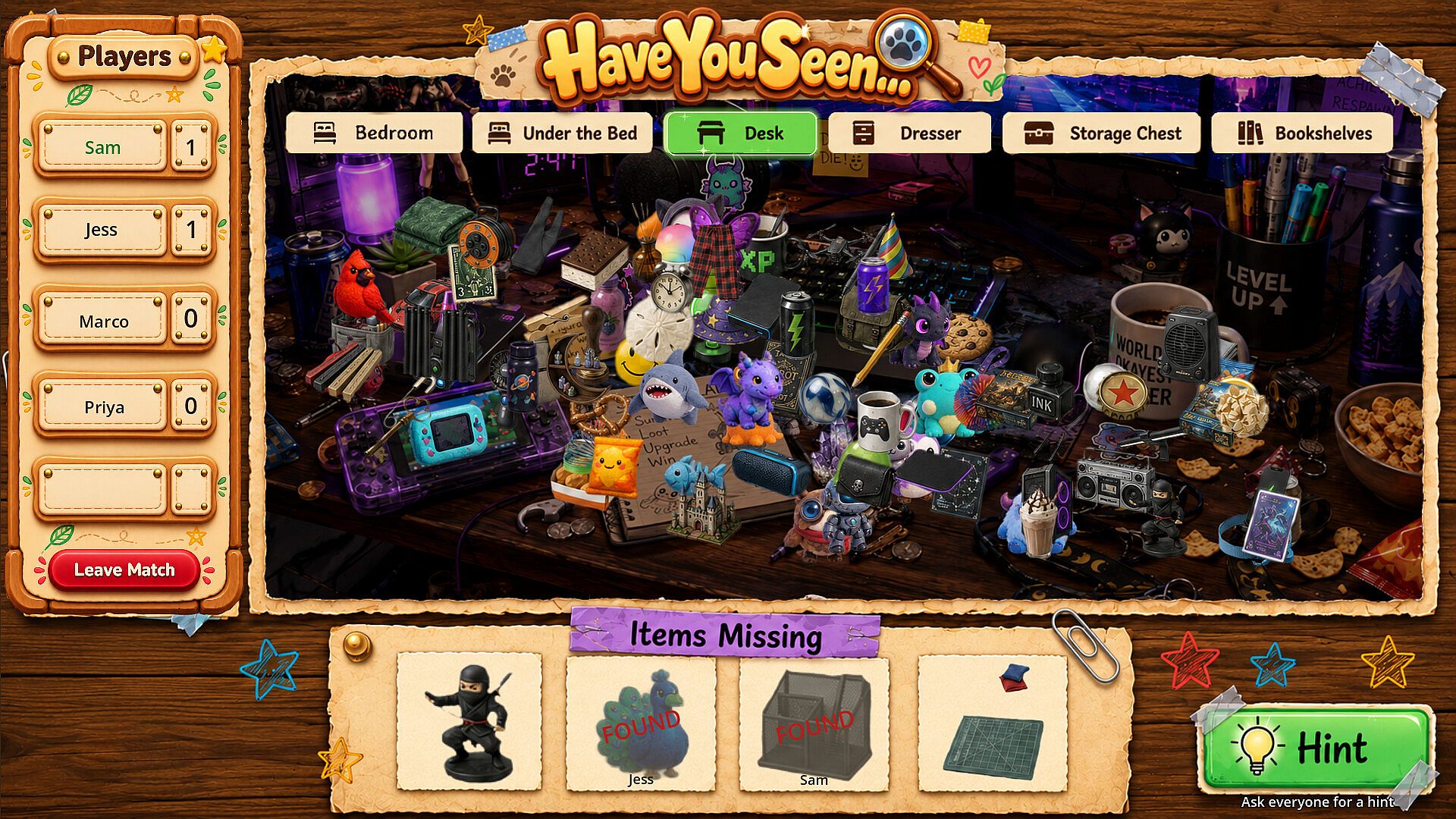
The experience revolves around spotting specific lost items like a hairclip, cooler, tape measure, or phone holder within two distinct lived-in spaces. Players drag clutter out of the way and click items as soon as they appear. Over 1,100 illustrated objects fill the scenes, and the positions shift each time so repeated plays remain fresh. Rounds typically last around five minutes with no dialogue or voice chat required. A progress gauge tracks performance relative to different benchmarks, and hints are available but require group agreement in shared sessions. Solo play allows pausing at any time without pressure from a timer.
Game Modes
Multiplayer supports private lobbies for friends, where two to five participants each view their own independent copy of the same scene. Everyone searches simultaneously, and the first to click a correct item scores the point. The round ends when the fourth item is found, with the highest score winning or ties shared. Late joiners or those who drop out can re-enter without losing their accumulated points. Solo mode removes the competitive element entirely, focusing on racing against a clock with no strict time limit and optional hints that never force themselves on the player.
Environments and Variety
Two primary settings provide the search areas. The car includes the cabin, trunk, and all four footwells. The room covers the bedroom, space under the bed, desk, dresser, storage chest, and bookshelves. Every match randomizes object placements across more than 1,100 illustrated items, ensuring no two searches play out identically. This setup keeps the focus on observation and quick recognition rather than memorization.
Is It Worth Playing?
Have You Seen suits players who enjoy casual hidden-object searches and light social competition without complex systems or ongoing seasons. The short rounds and straightforward mechanics make it accessible for quick sessions with friends or relaxed solo attempts. Its emphasis on independent views of the same mess adds a unique layer to group play, while the randomized layouts support repeated enjoyment. Those seeking a simple, low-pressure PC experience centered on visual searching will find the verified features align well with that preference.