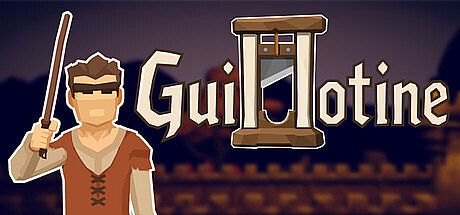


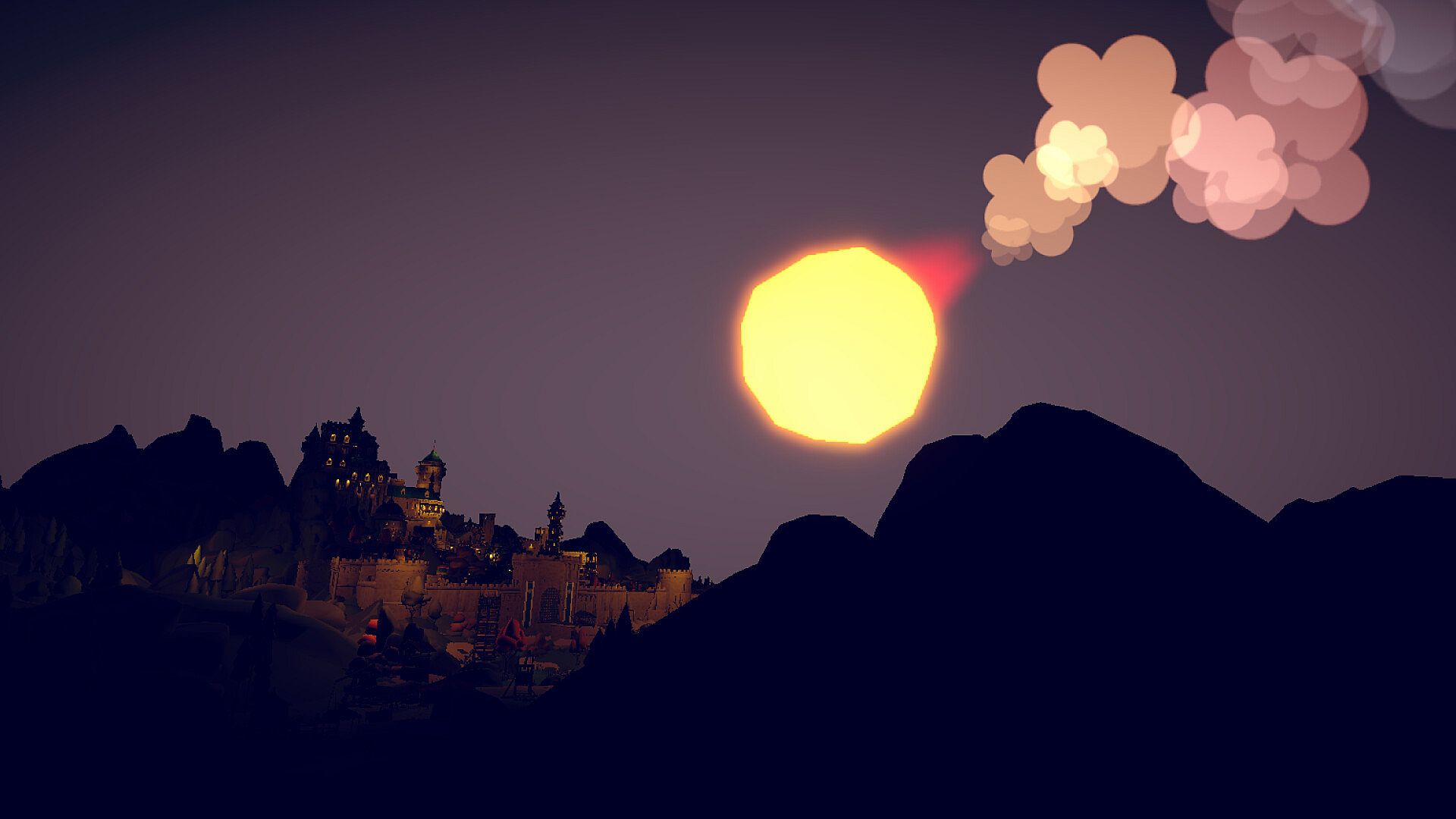
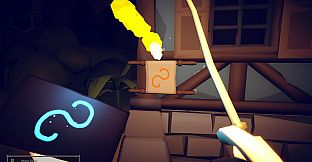
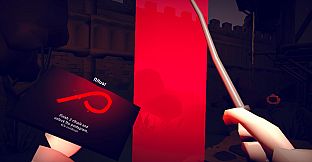
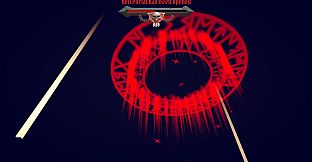

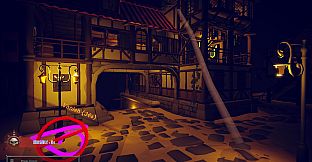
Guillotine è un gioco di deduzione sociale online per partite rapide, ambientato in un mondo fantasy medievale. I giocatori si uniscono a sessioni da 4 a 16 partecipanti in cui i ruoli nascosti alimentano sospetti, inganni e decisioni collettive grazie alla chat vocale integrata e a un sistema di disegno per eseguire le azioni.
Gameplay
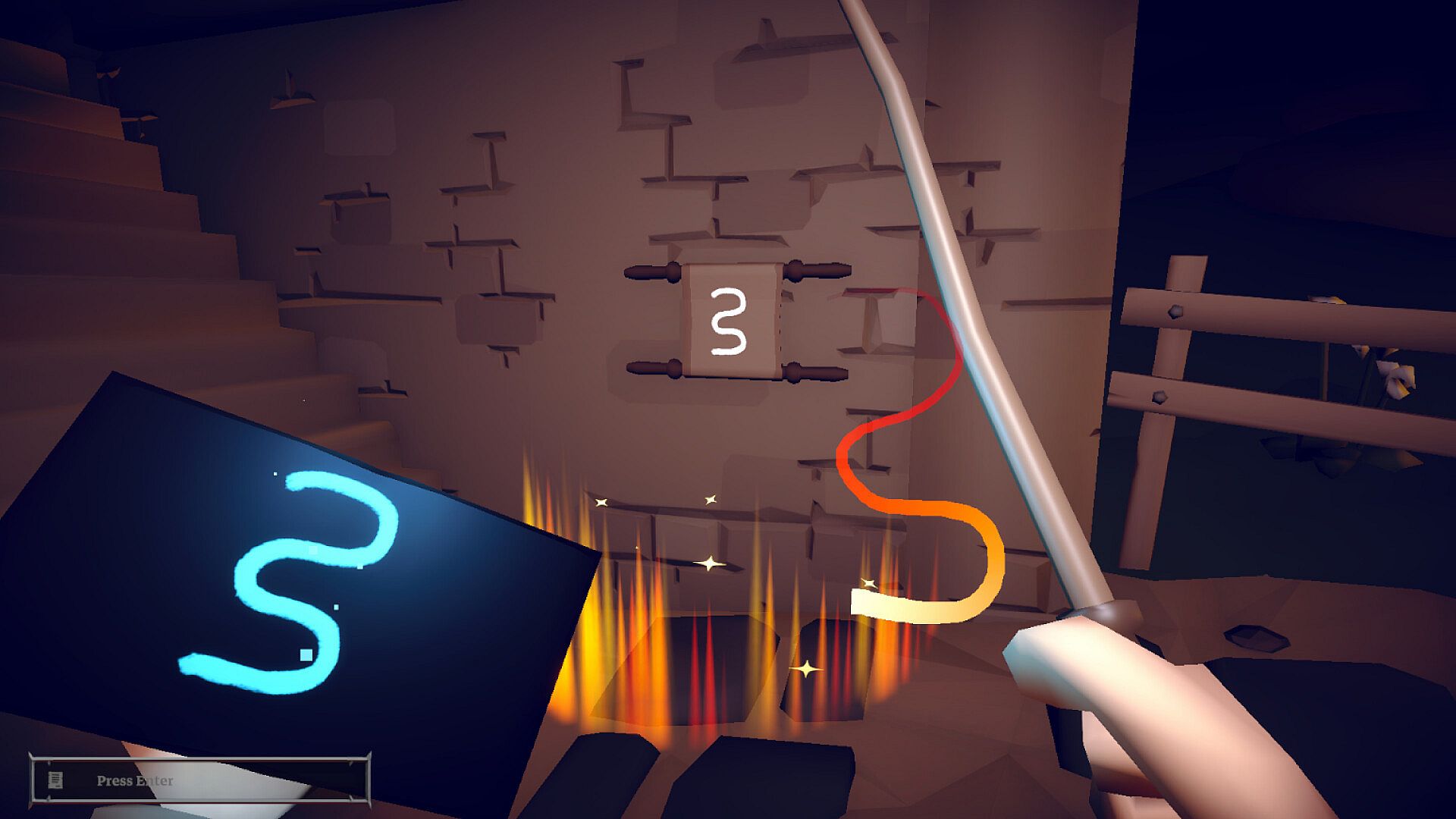
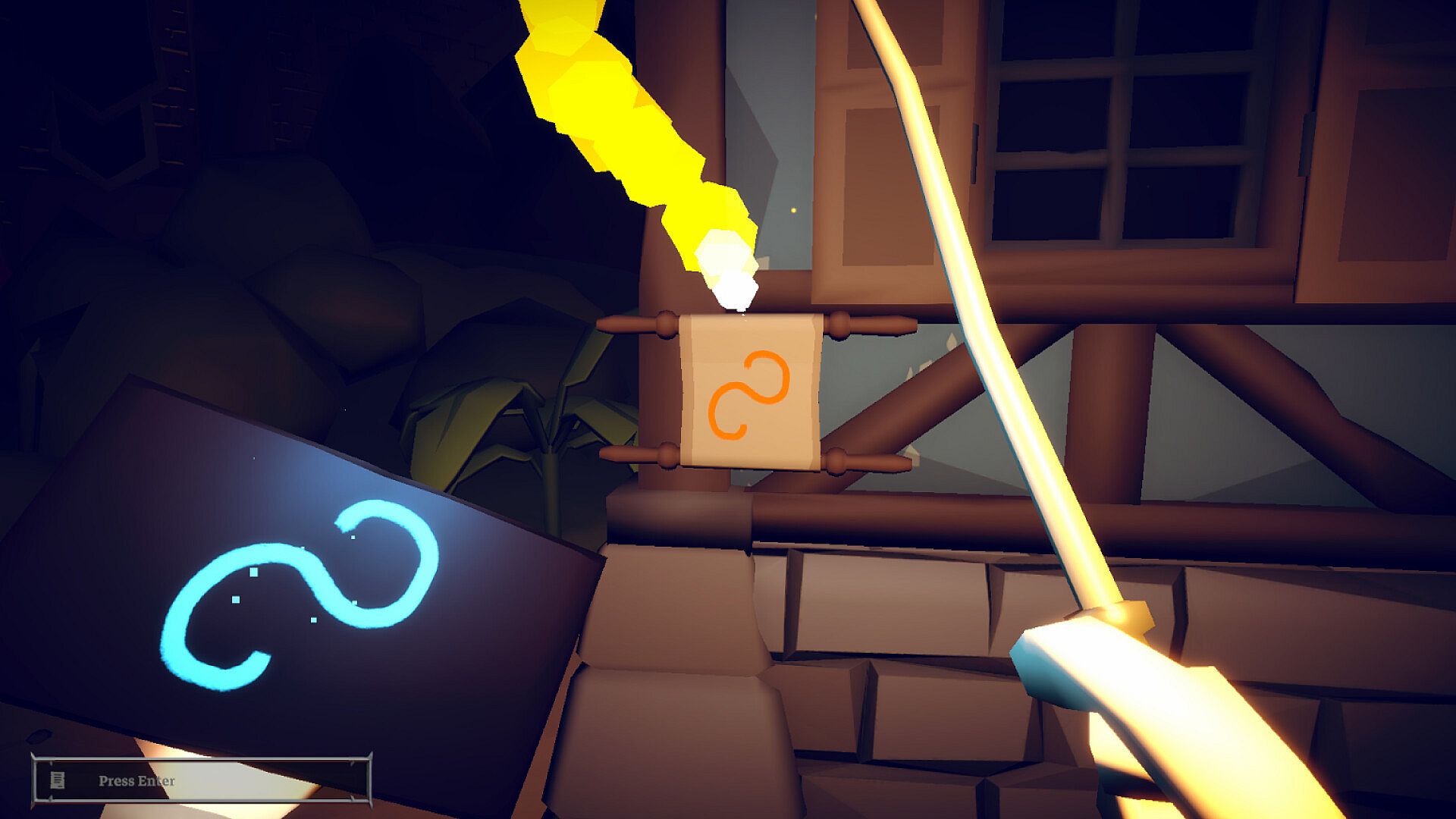
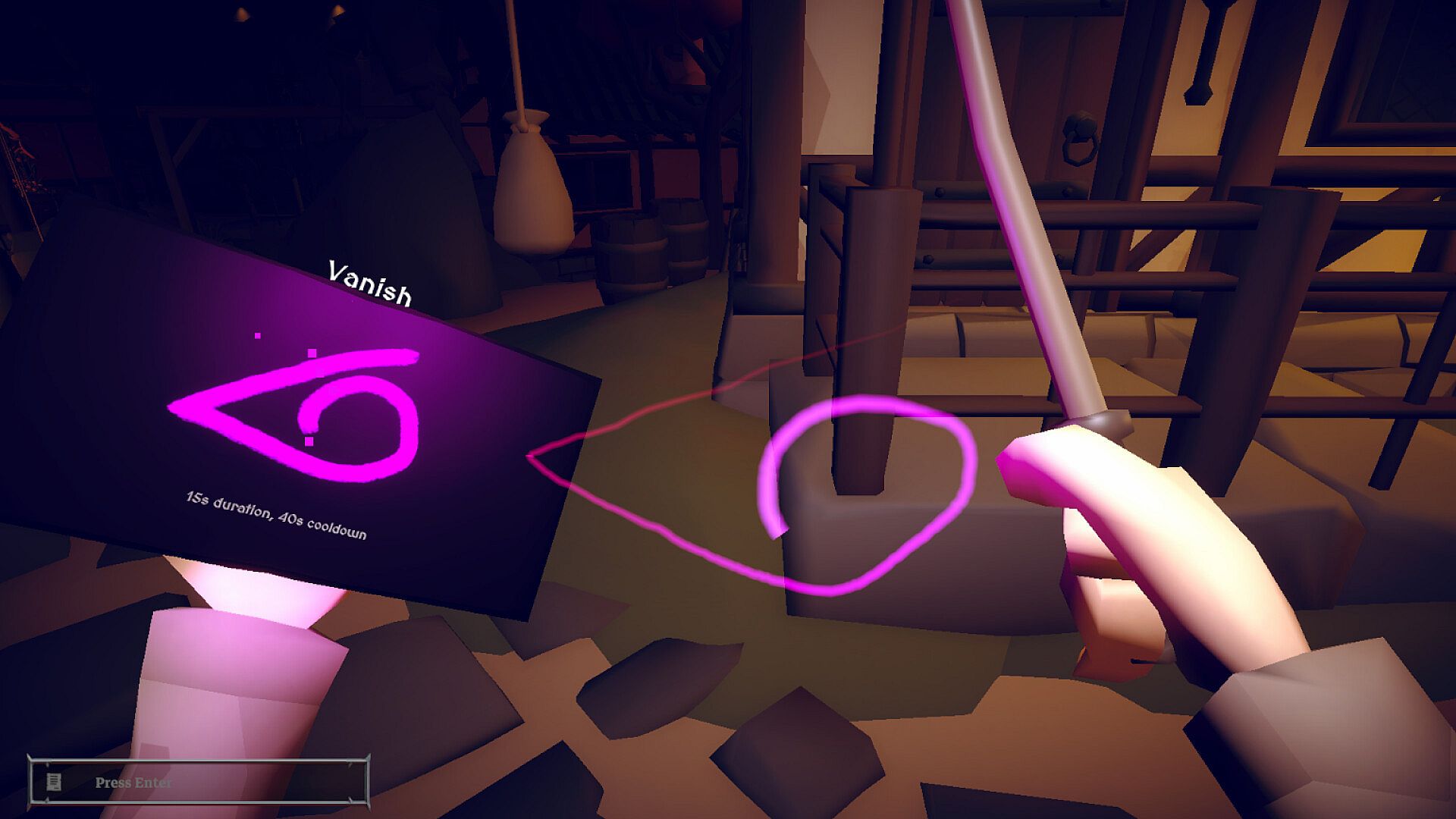
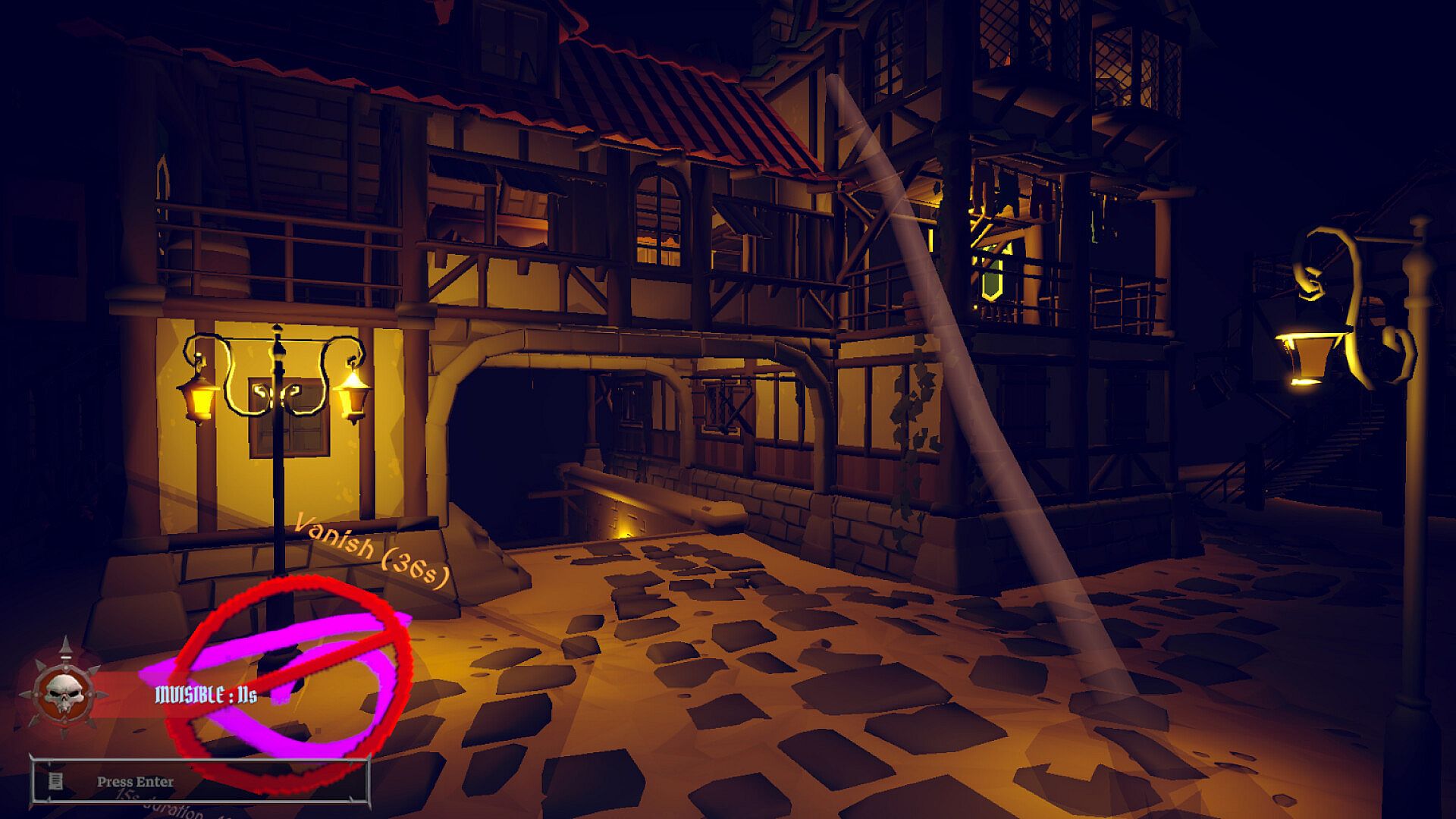
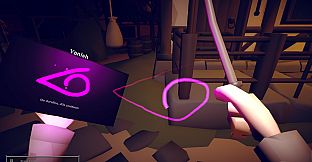
Le partite si svolgono in un villaggio dove i partecipanti completano compiti, lanciano incantesimi e individuano le minacce all'interno del gruppo. Alcuni ruoli sono incaricati di proteggere il villaggio, altri cercano di sabotarlo dall'interno. Le azioni si eseguono tracciando gesti invece di premere pulsanti, rendendo ogni movimento visibile e influenzando il livello di fiducia tra i giocatori.
La comunicazione è il cuore di ogni sessione. La chat vocale integrata permette di discutere senza strumenti esterni, difendere la propria posizione, accusare gli altri o diffondere informazioni false. I movimenti e il tono di voce diventano indizi fondamentali per cogliere le incoerenze. Dopo il confronto si passa al voto, e ogni scelta può cambiare l'esito per l'intero gruppo.
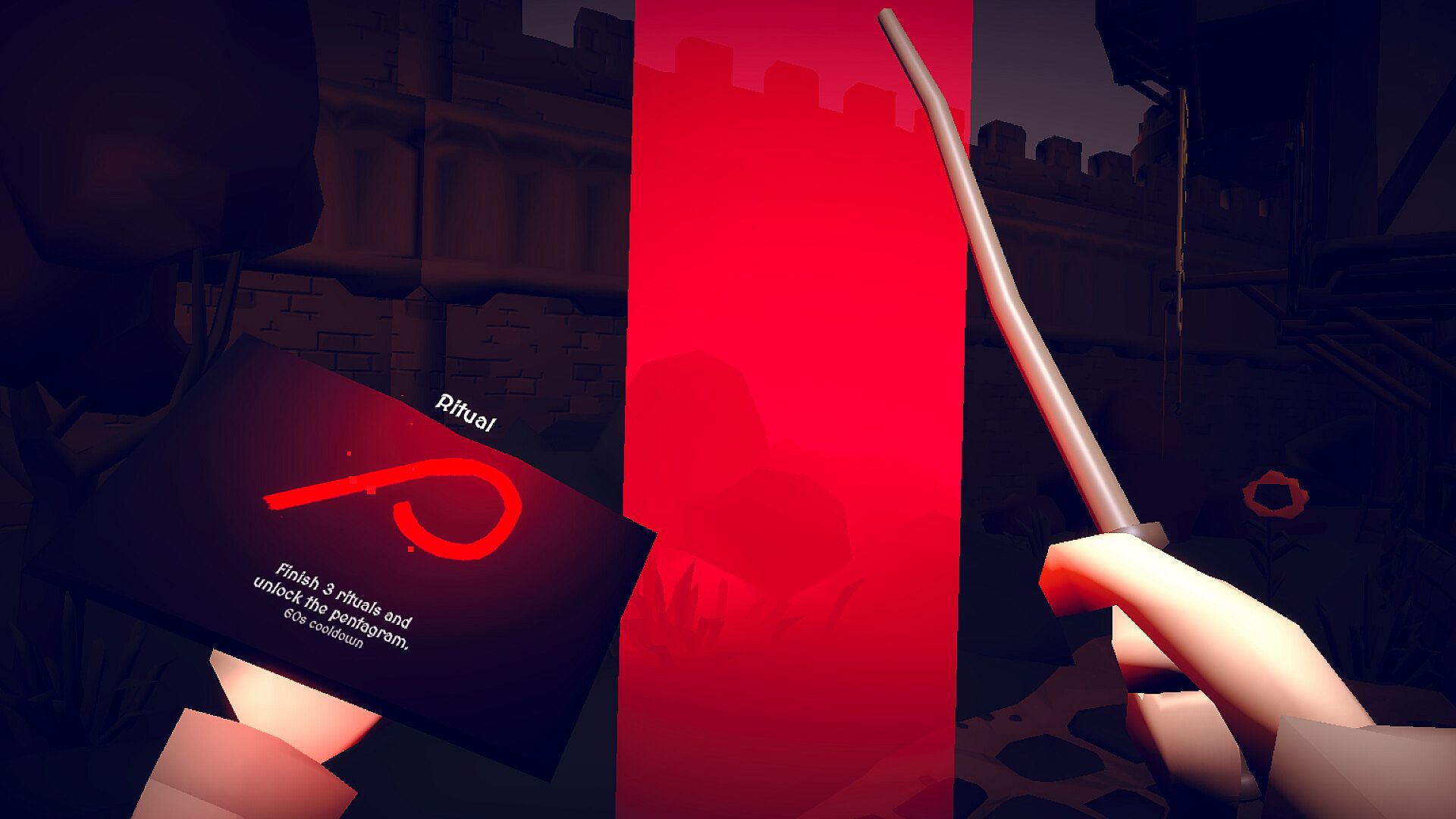
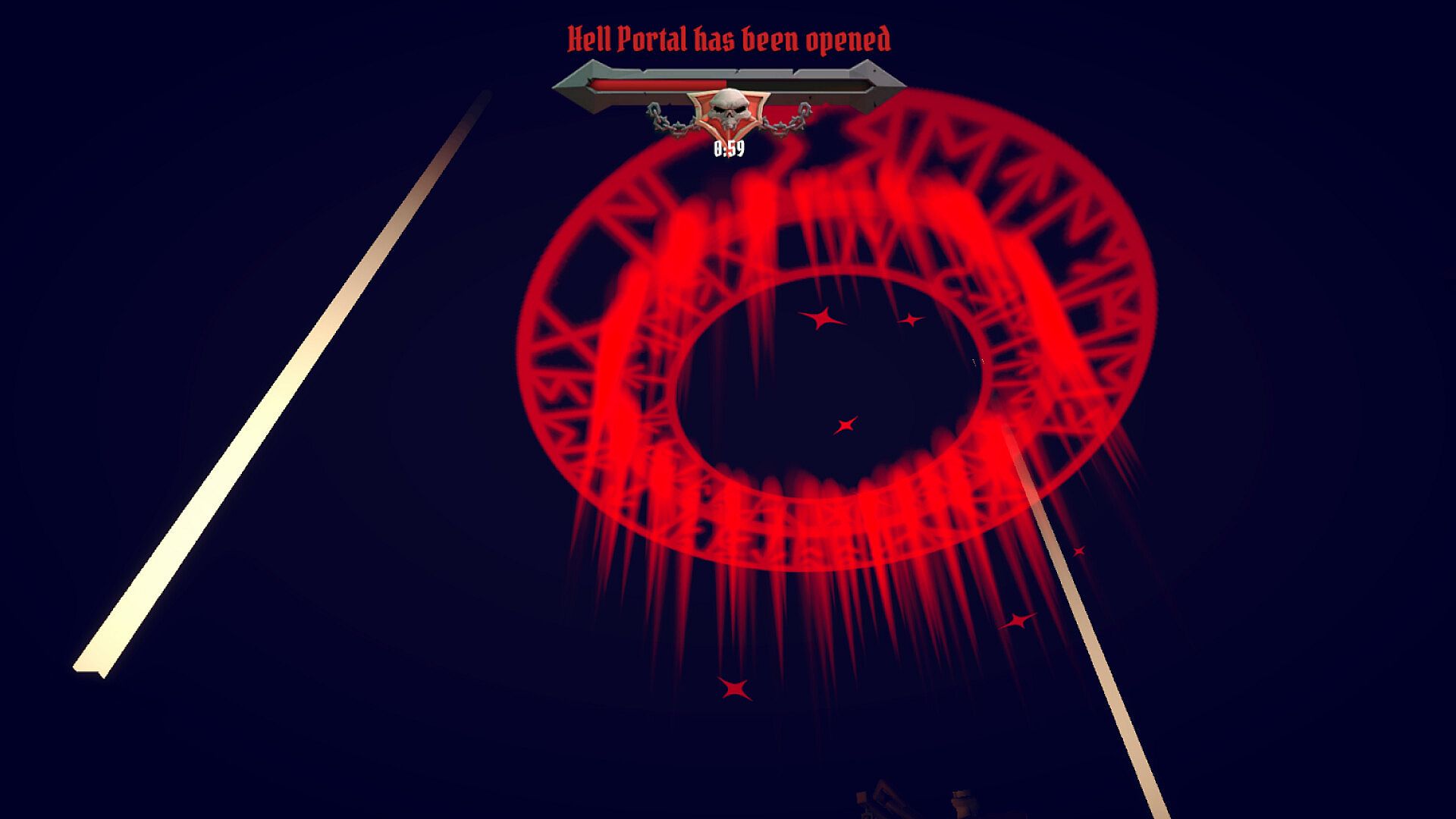
I ruoli rimangono segreti finché il gioco non li svela, spingendo i giocatori a osservare continuamente e a scegliere con cura le parole. Incantesimi e compiti hanno un duplice scopo: far avanzare gli obiettivi e, al tempo stesso, rischiare di rivelare le intenzioni attraverso i gesti tracciati. Questo sistema genera tensione perché ogni disegno è visibile a tutti.
Modalità di gioco
Guillotine si basa su partite ripetibili incentrate sulla deduzione sociale e sulla segretezza dei ruoli. Ogni sessione contrappone i protettori del villaggio a chi cerca di destabilizzarlo, integrando compiti e incantesimi nel flusso di gioco. Non sono previste modalità distinte: l'esperienza resta uniforme, mentre l'assegnazione dei ruoli e le interazioni tra giocatori creano varietà.
La struttura è pensata per gruppi di amici, valorizzando il confronto e il voto. Le partite favoriscono la rigiocabilità grazie a tradimenti e alleanze sempre diversi, determinati dai partecipanti e dal modo in cui comunicano.
Meccaniche e funzionalità principali
Il sistema di incantesimi basato sul disegno è l'elemento distintivo del gioco. Invece di tocchi rapidi, i giocatori tracciano gesti per eliminare, completare obiettivi o usare abilità. Questo approccio si lega direttamente al ciclo di sospetto, poiché le azioni visibili possono rafforzare o smentire una copertura.
Le discussioni di squadra e il sistema di voto tengono insieme l'esperienza. I giocatori devono bilanciare la propria sopravvivenza con le decisioni collettive, sapendo che un errore in un'accusa o in una difesa può ribaltare il risultato. L'ambientazione medievale fornisce il contesto ai ruoli senza introdurre livelli di progressione complessi.
- Supporto multiplayer online per 4-16 giocatori
- Chat vocale integrata per comunicare in partita
- Ruoli nascosti con obiettivi opposti all'interno del villaggio
- Gestualità da disegnare per incantesimi, compiti ed eliminazioni
- Enfasi su osservazione, discussione e voto
Vale la pena giocarci?
Guillotine si rivolge a chi apprezza i giochi di deduzione sociale basati sul dialogo e sull'interpretazione piuttosto che sui riflessi o su controlli complessi. La combinazione tra meccaniche di disegno e chat vocale integrata crea un ciclo di gioco mirato, ideale per gruppi abituali che cercano sessioni ripetute con dinamiche sempre diverse.
Il gioco è ancora in fase di lancio imminente e non esistono versioni rilasciate né recensioni. Chi è interessato a esperienze di deduzione a tema medievale con metodi di input originali potrebbe trovare interessanti i sistemi descritti una volta disponibile. La versione PC garantisce un accesso semplice per le partite in gruppo, senza richiedere hardware aggiuntivo oltre a una connessione internet standard.