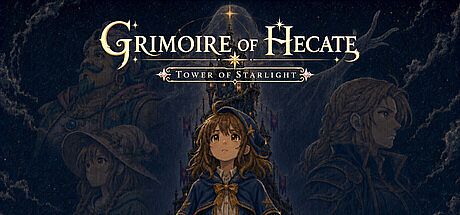


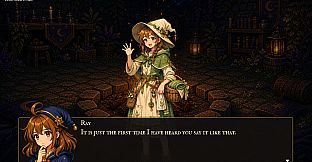
Grimoire of Hecate : Tower of Starlight is a single-player strategy indie RPG that blends turn-based combat with spell crafting in a roguelite structure. Players control Ray, a young witch who enters the Tower of Starlight to find her missing mother, only to lose much of her power and begin recovering it through expeditions that combine resource gathering, recipe discovery, and tactical battles.
Gameplay
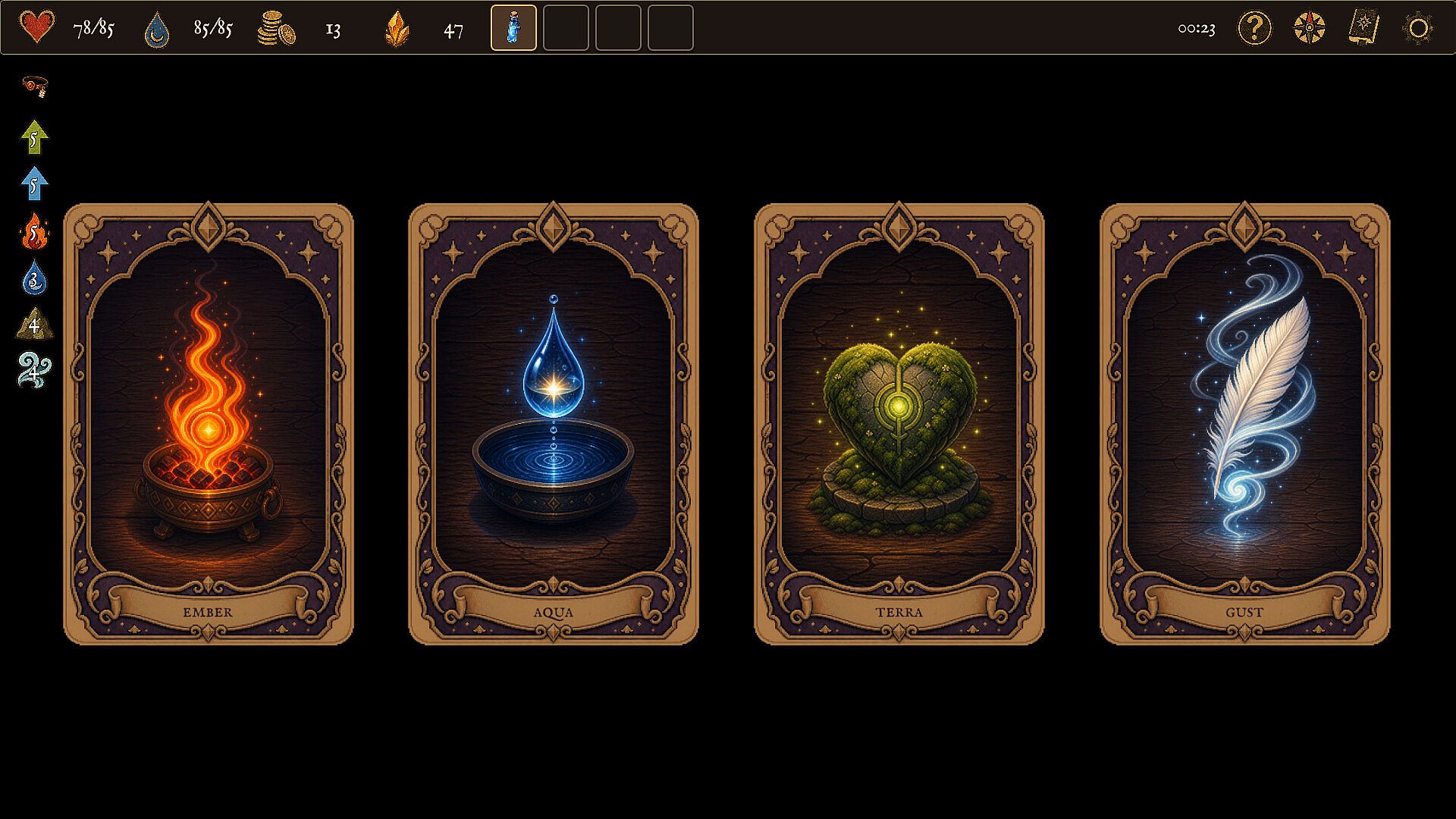
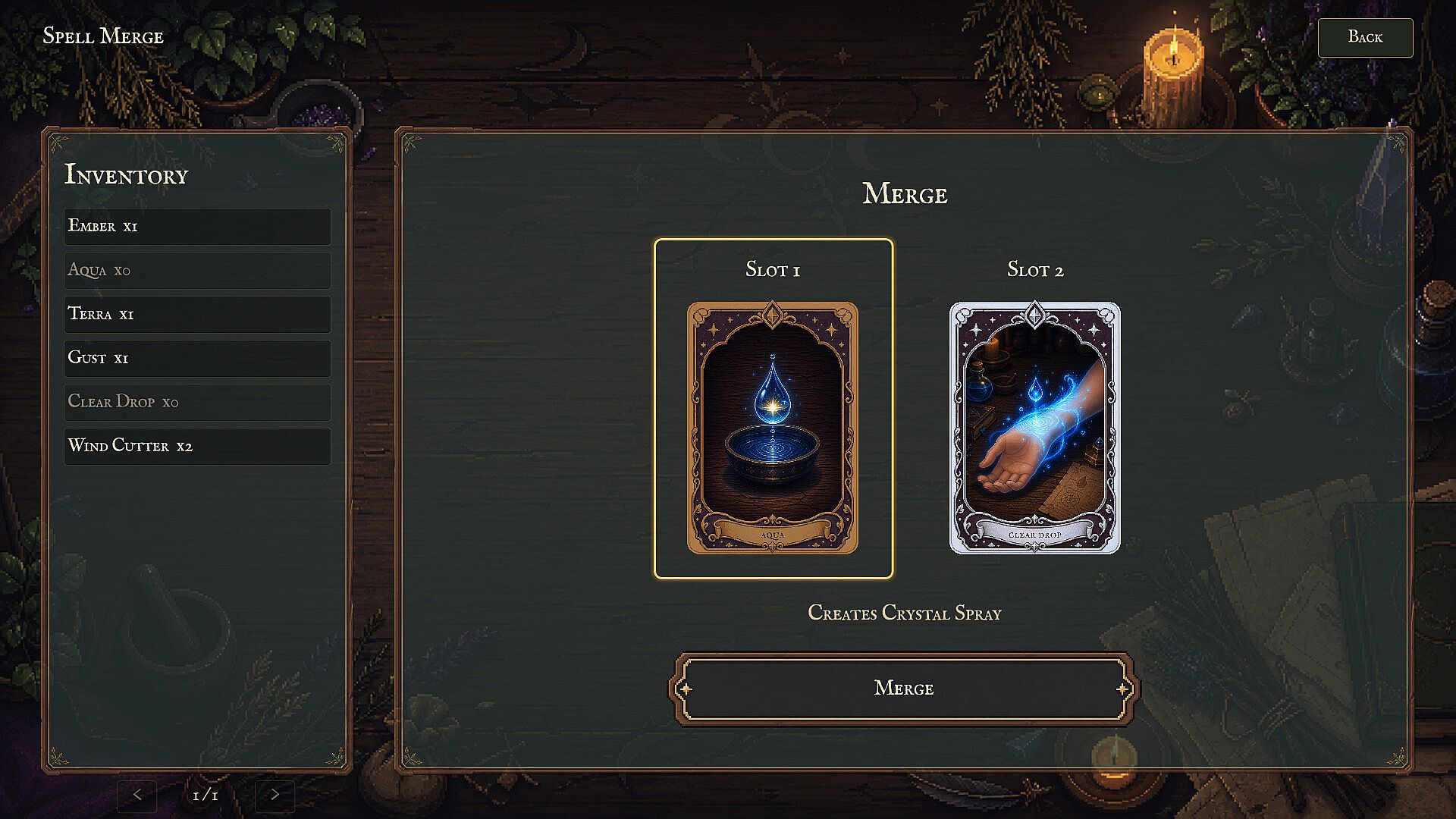
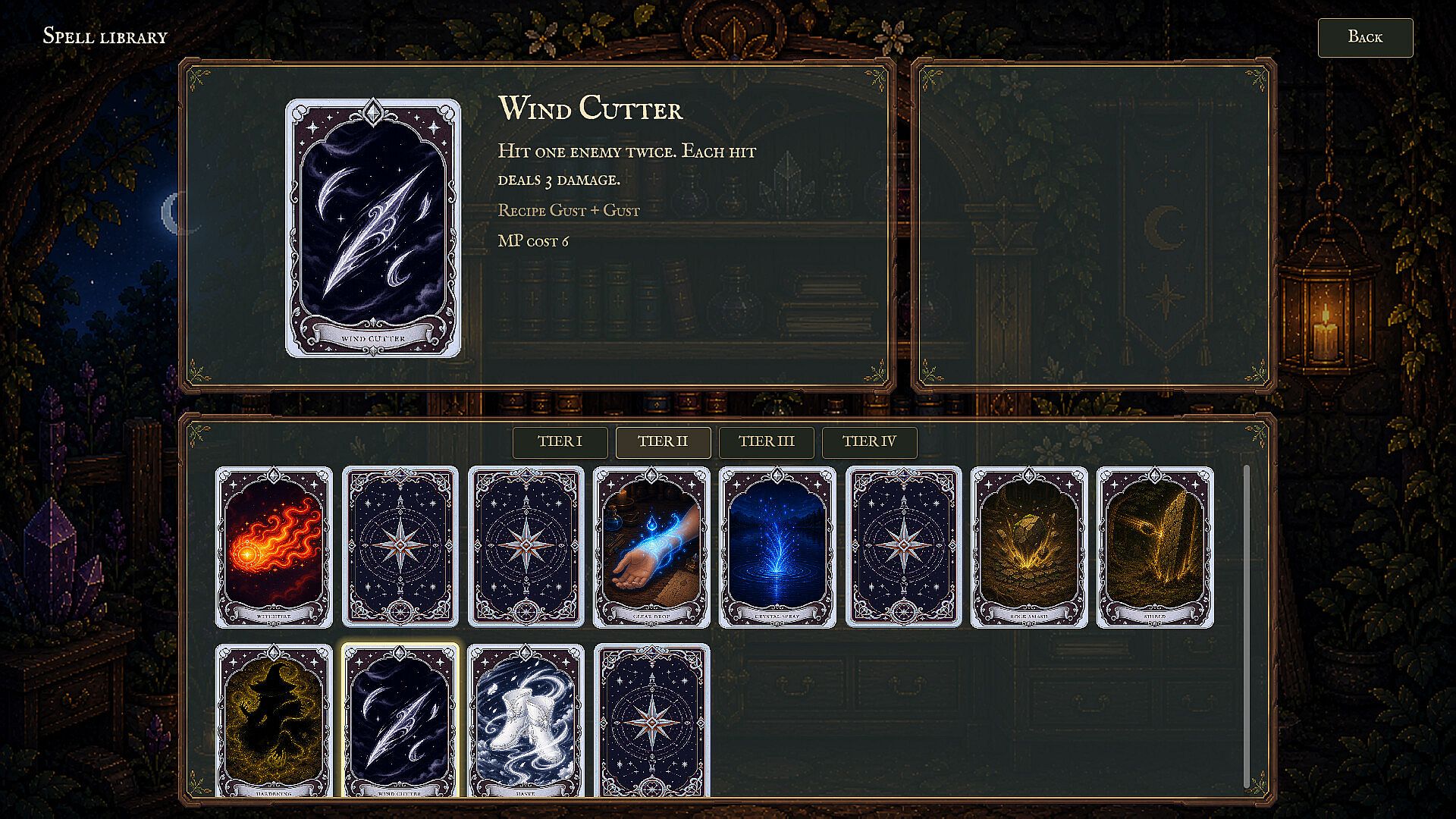
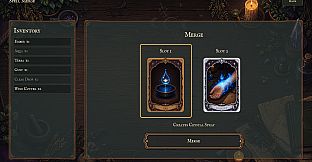
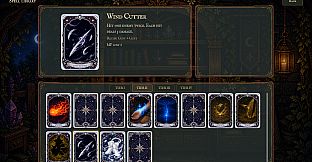
The core loop centers on climbing the tower floor by floor while collecting basic elemental Spell Cards. These cards serve as ingredients rather than a shuffled combat deck. Players combine pairs of cards using specific recipes to unlock new spells, which range from basic tactical effects to more advanced abilities. Each new combination gets saved permanently in the Spell Library, allowing the same spell to be recreated in later runs by gathering the required materials again.
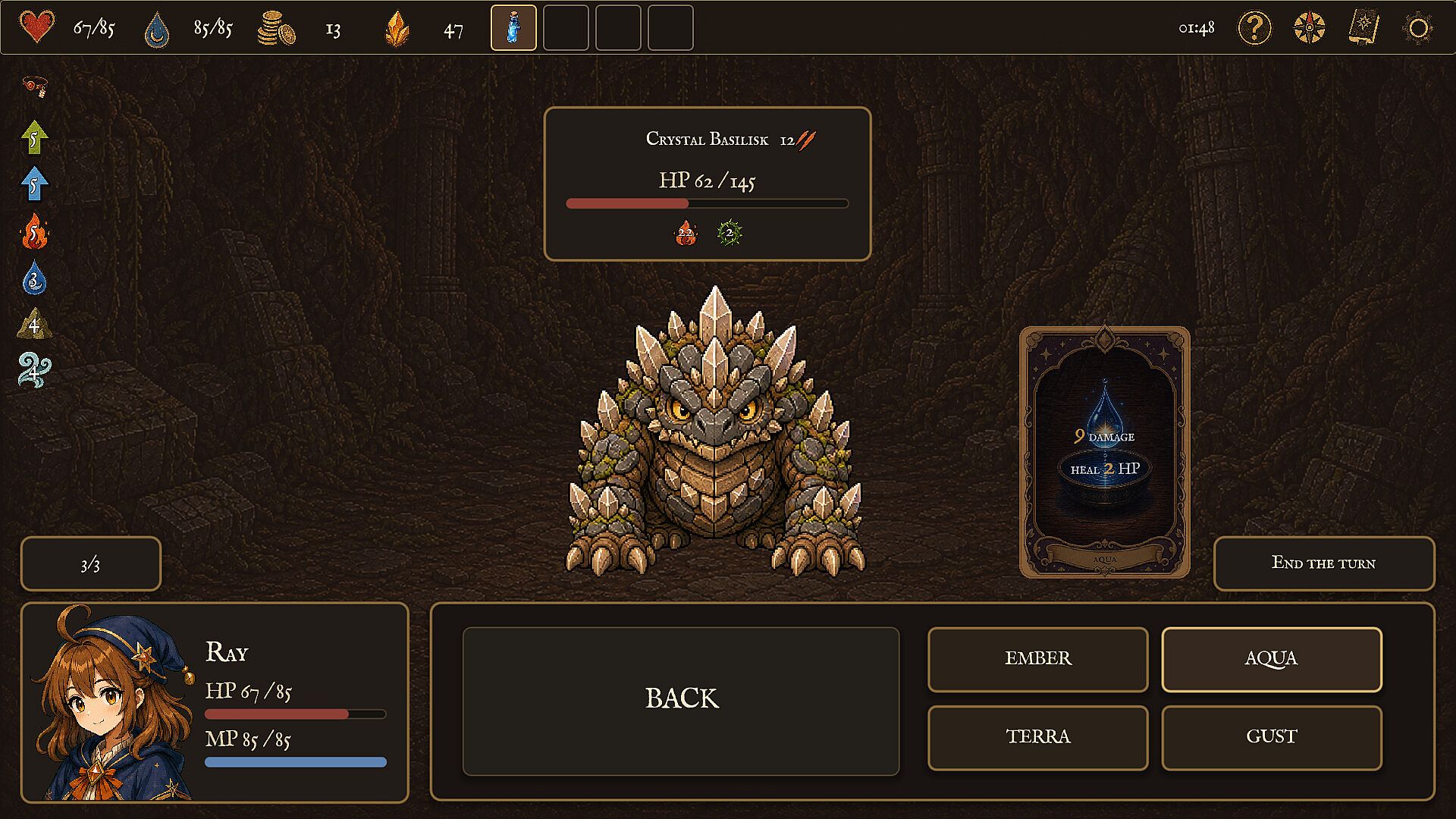
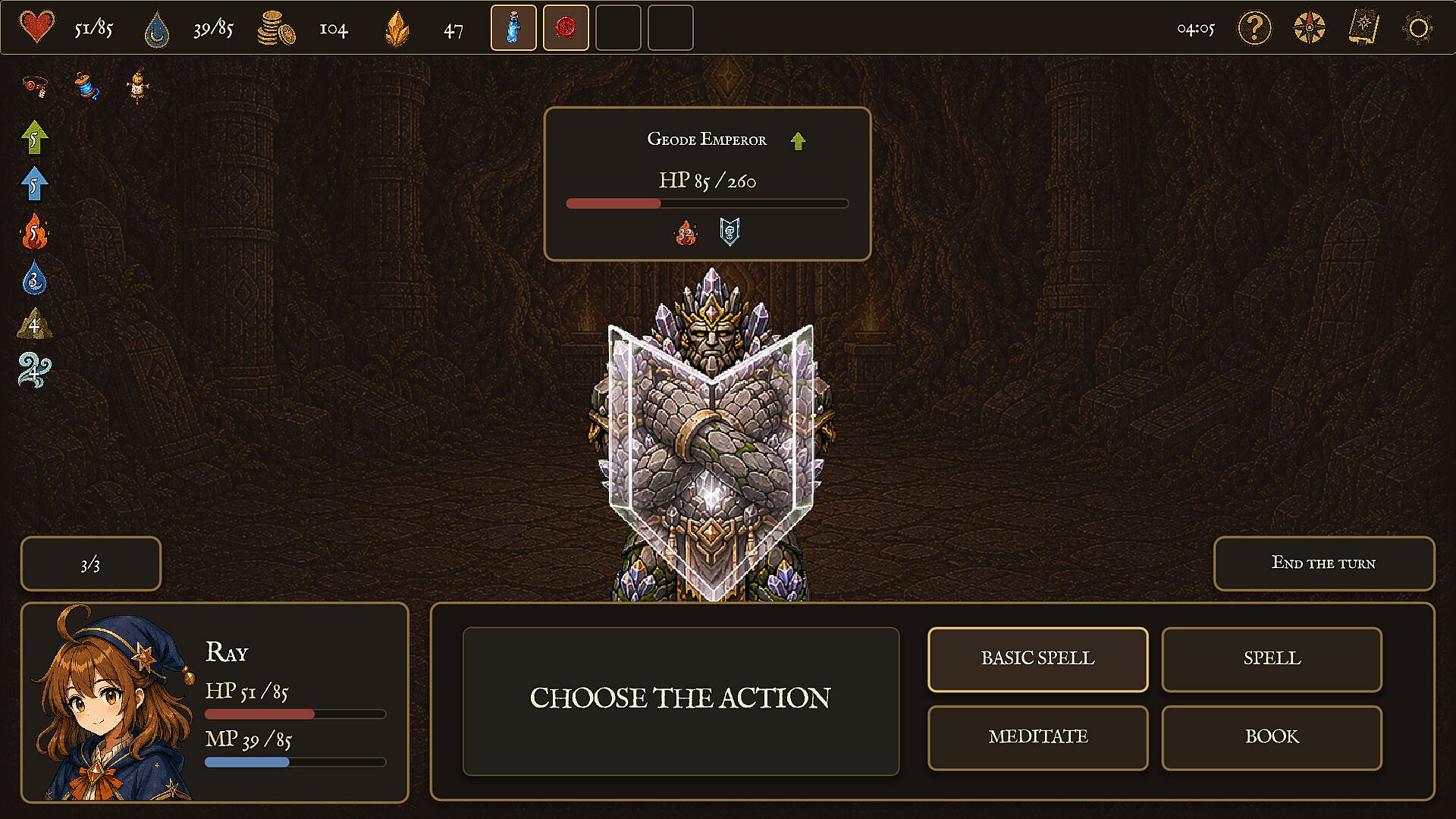
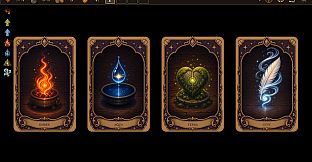
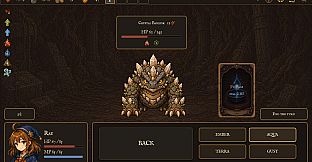
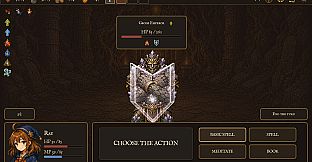
Combat uses four elements: Ember for building Burn damage, Aqua for recovery and disruption, Terra for defense and counterattacks, and Gust for repeated Echo strikes. Each turn offers limited Action Points, forcing choices between attacking, defending, crafting a spell on the spot, using consumables, or meditating to restore resources. Enemy intents appear clearly, so players must read patterns and manage HP and MP carefully to survive encounters.
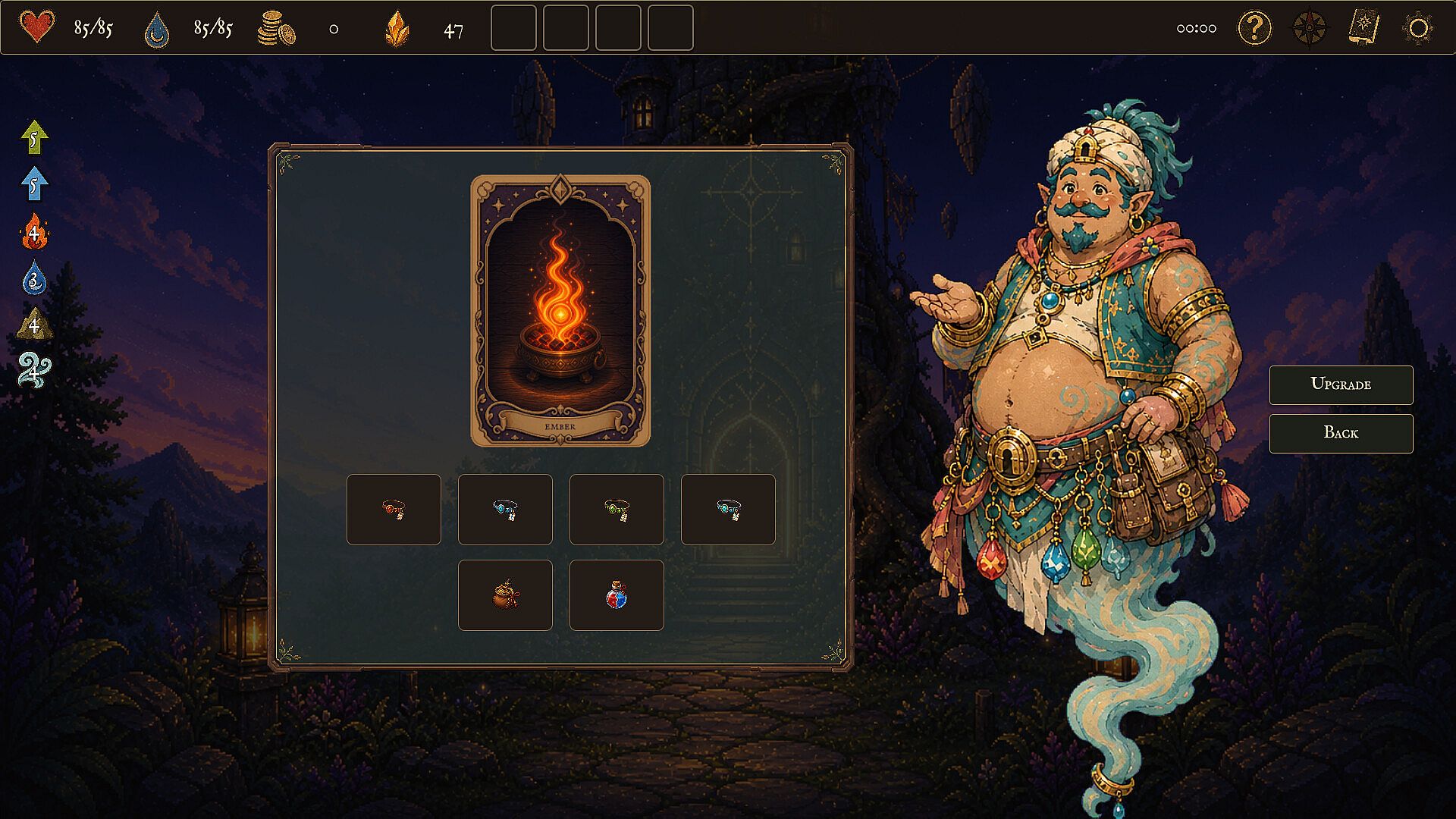
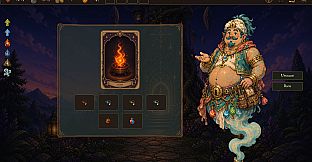
Between fights, the path branches into battles, elite enemies, random events, shops, rest sites, Card Sanctuaries, treasure chests, and boss rooms. Relics and consumables collected along the way provide temporary or lasting advantages, while the ability to swap active and reserve spells lets players adapt loadouts for upcoming challenges. The same route can play out differently depending on which spells and items appear during a given expedition.
Game Modes
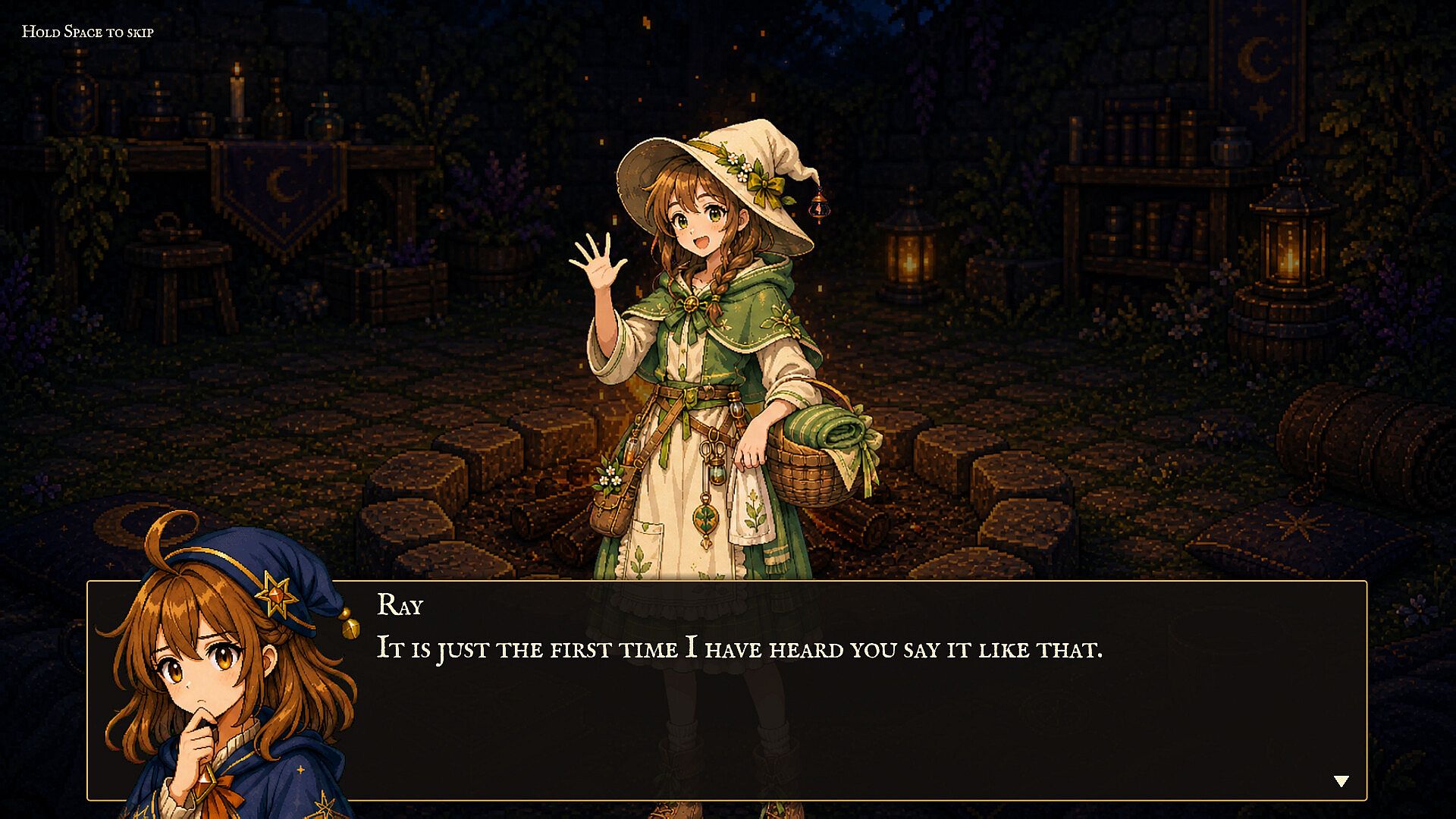
The game operates as a single-player roguelite with no separate multiplayer or alternate modes. Each expedition functions as a self-contained run through the tower, where failure sends the player back to the starting hub but preserves permanent progress. The Spell Library records every discovered recipe across runs, and Memory Shards earned during expeditions upgrade Ray's base capabilities. In the Wanderers' Garden hub, players interact with supporting characters like Sally to unlock new starting options and expanded support systems for future attempts.
This structure encourages repeated climbs, with each run building on prior knowledge of recipes and enemy behaviors. Path selection remains flexible, letting players prioritize different node types such as resource-rich events or high-risk boss encounters based on their current spell collection and upgrades.
Story and Progression
Ray's journey carries a personal narrative focused on recovering scattered memories of her mother. The tower itself acts as a mirror for lost things, revealing traces that gradually challenge Ray's childhood recollections. Progress ties directly into this theme: stronger spells and permanent upgrades come from confronting the tower's challenges, while hub interactions deepen the world through conversations and strategic planning sessions.
Persistent elements like the Spell Library and Memory Shard upgrades create meaningful long-term growth. Players return to the garden after each expedition to review discoveries, strengthen Ray, and adjust starting conditions before attempting another climb. This loop rewards experimentation with different element combinations and recipe paths.
Is It Worth Playing?
The game targets players who enjoy deliberate turn-based strategy combined with crafting systems and roguelite repetition. Its mechanics emphasize thoughtful resource management and recipe experimentation over fast reflexes, suiting those who appreciate planning multiple steps ahead in combat and route selection.
A demo is currently available for testing the core spell combination and combat systems ahead of the planned Q4 2026 release. With no user reviews published yet, early impressions rest on the described systems, which deliver a focused single-player experience centered on magic creation and tower ascent. Those drawn to indie strategy RPGs with persistent progression across runs will find the most alignment with its design.