




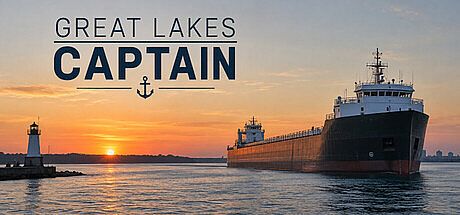


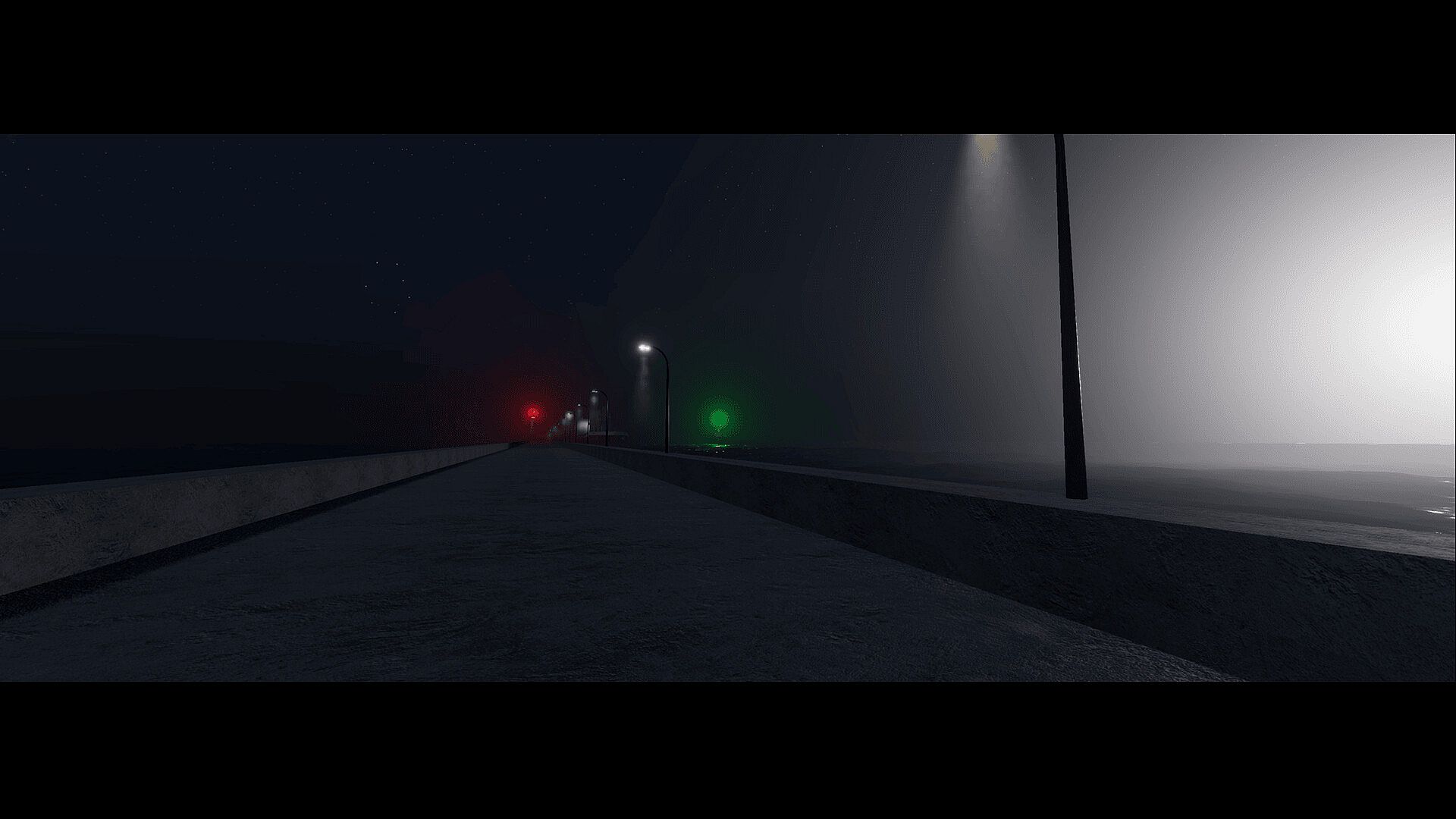
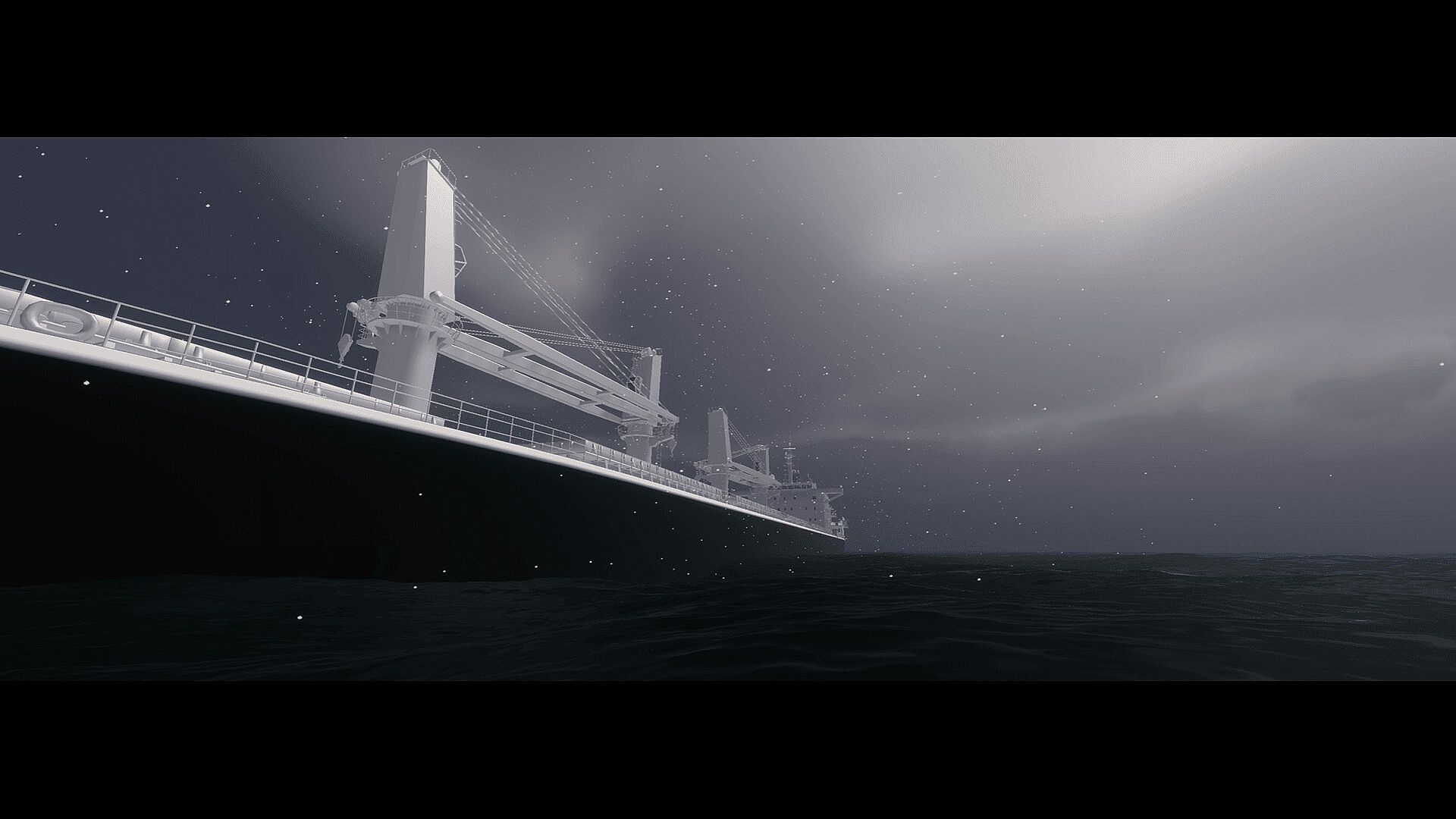
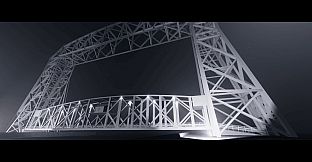
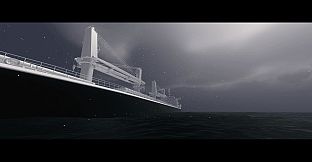
Great Lakes Captain is a first-person maritime simulation game available on PC that places players in the role of a captain building a career on the Great Lakes. The experience combines action, indie, casual, simulation, and adventure elements as players handle vessels of increasing size while navigating realistic waterways, ports, and weather conditions.
Gameplay
The core loop centers on taking command of boats and ships for voyages across interconnected lakes and harbors. Players begin with smaller recreational and utility craft to master basic navigation, steering, and docking. As experience grows through completed jobs and deliveries, access opens to larger working boats, tugboats, and eventually massive lake freighters. Each vessel type demands different handling skills, with bigger ships requiring more planning, patience, and precise control in confined spaces.
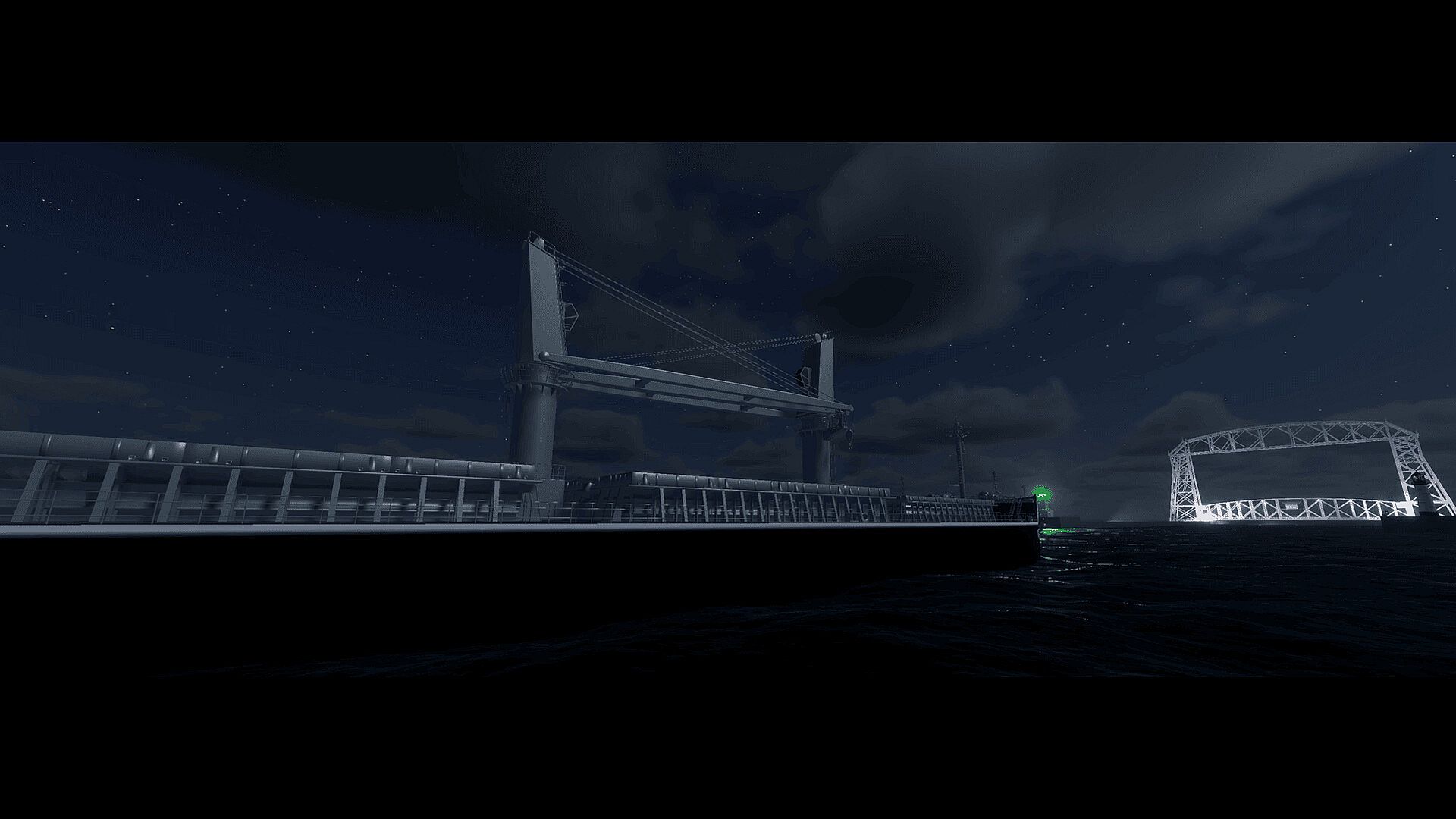
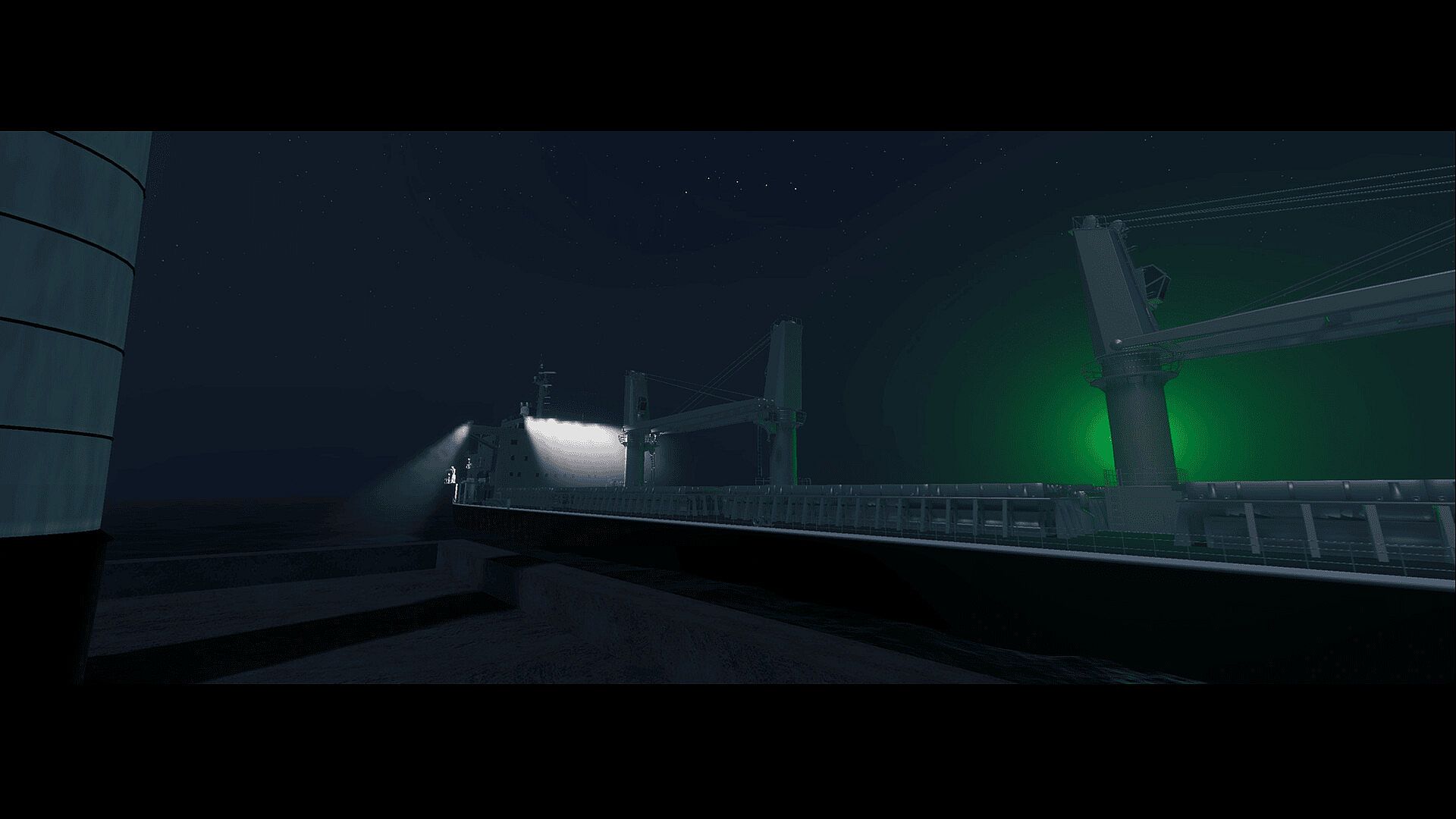
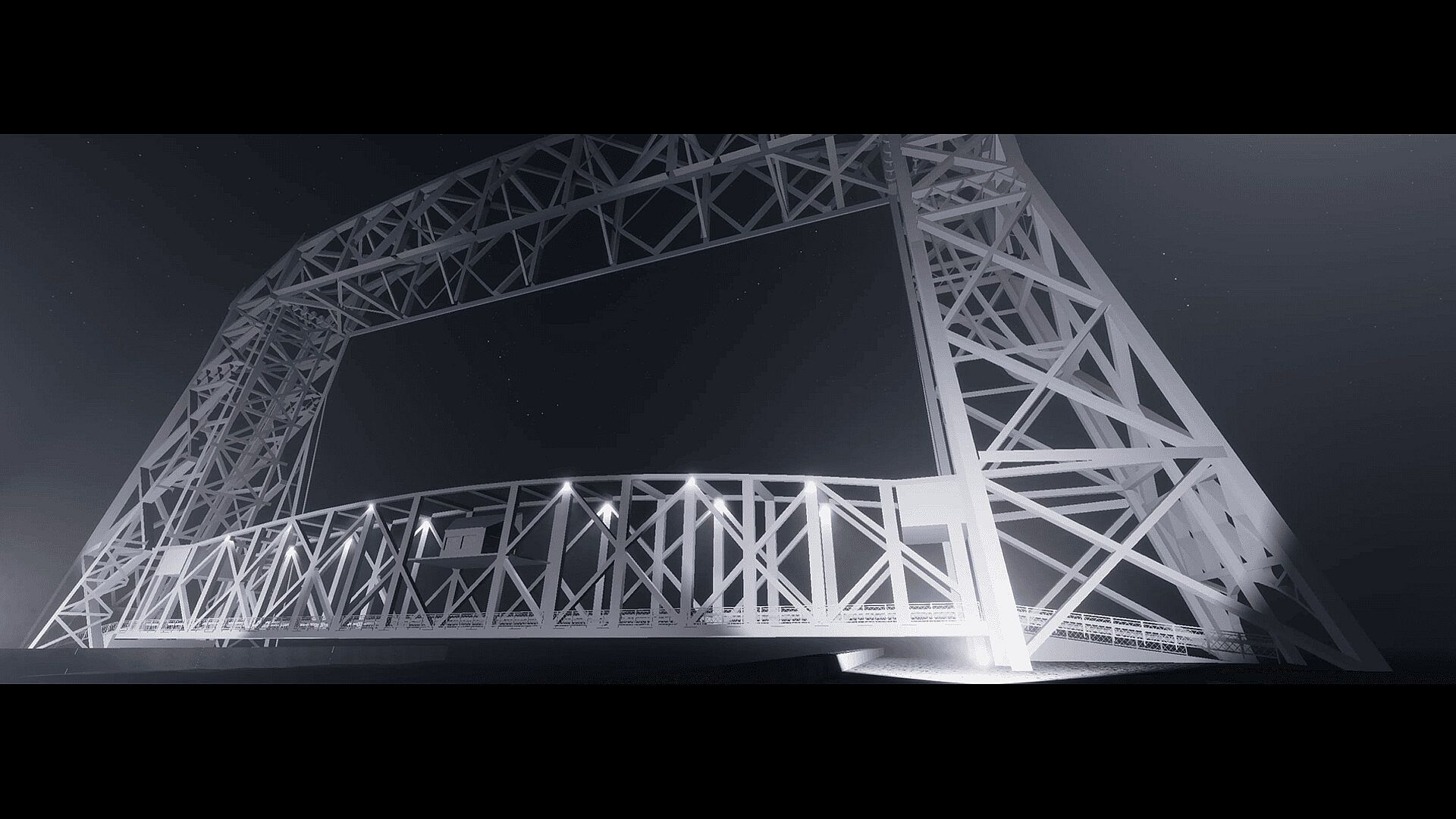
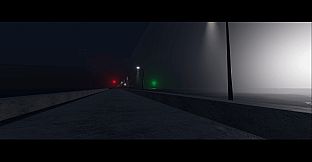
Navigation involves open water passages, busy harbors, narrow channels, bridges, and docking maneuvers. Dynamic conditions such as waves, wind, fog, and reduced visibility alter every trip, turning routine runs into fresh challenges. Detailed shorelines, lighthouses, industrial areas, and shipping lanes add to the atmosphere. First-person movement allows walking around the deck and bridge of vessels to inspect equipment or change viewpoints during operations.
Career advancement comes from completing maritime jobs and deliveries. Earnings fund upgrades or new vessels while responsibility scales with ship size. The scale of the Great Lakes environment makes even short trips feel substantial, especially when managing hundreds of feet of hull in tight quarters.
Game Modes
Great Lakes Captain operates as a singleplayer experience focused on career progression. The primary structure involves a sequence of voyages that start small and grow in complexity. Players select or accept jobs that send them between ports, testing skills in varied conditions and vessel types.
There are no separate competitive or multiplayer modes. Instead, the game emphasizes repeated playthroughs of routes under changing weather and time-of-day settings. Time compression options help manage longer transits without requiring real-time hours at the helm. This setup supports both quick sessions in smaller boats and extended sessions piloting large freighters through full lake crossings.
Progression and Vessel Handling
Early stages teach fundamentals with compact boats that respond quickly to inputs. Later stages introduce the inertia and turning radius of massive commercial ships, where every adjustment must account for momentum and surrounding traffic. Learning curves differ by vessel class, rewarding players who adapt their approach rather than relying on one technique across the board.
Environmental factors play a constant role. Fog can obscure landmarks, while wind and waves affect stability on larger hulls. Ports and channels demand careful speed management and positioning to avoid collisions or groundings. These elements combine to create a consistent emphasis on observation and anticipation over speed or combat.
Is It Worth Playing?
Great Lakes Captain suits players who enjoy deliberate simulation gameplay and the satisfaction of mastering complex machinery in realistic settings. Those drawn to maritime themes, precise navigation, and gradual career growth will find a focused experience that rewards patience and attention to detail. The progression from small craft to large freighters provides a clear sense of advancement without overwhelming complexity at the start.
Reception centers on the authentic feel of vessel handling and the distinctive Great Lakes setting. Players seeking fast-paced action or multiplayer competition may find the pace too measured. For anyone interested in simulation titles that emphasize journey and responsibility over spectacle, the game offers a consistent and specialized alternative worth considering based on individual preferences for slow-burn maritime challenges.











