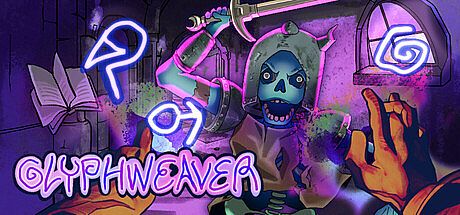


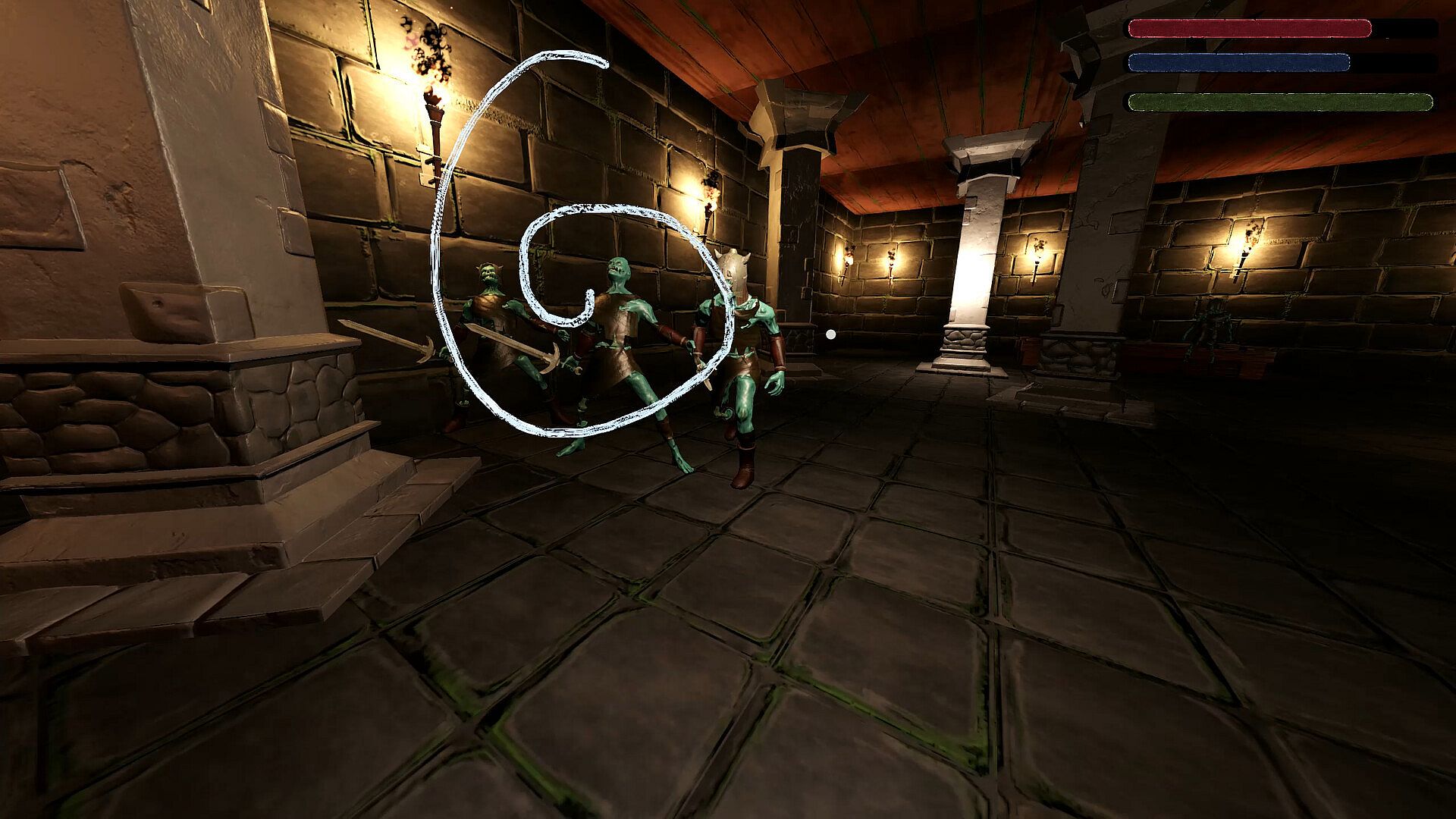
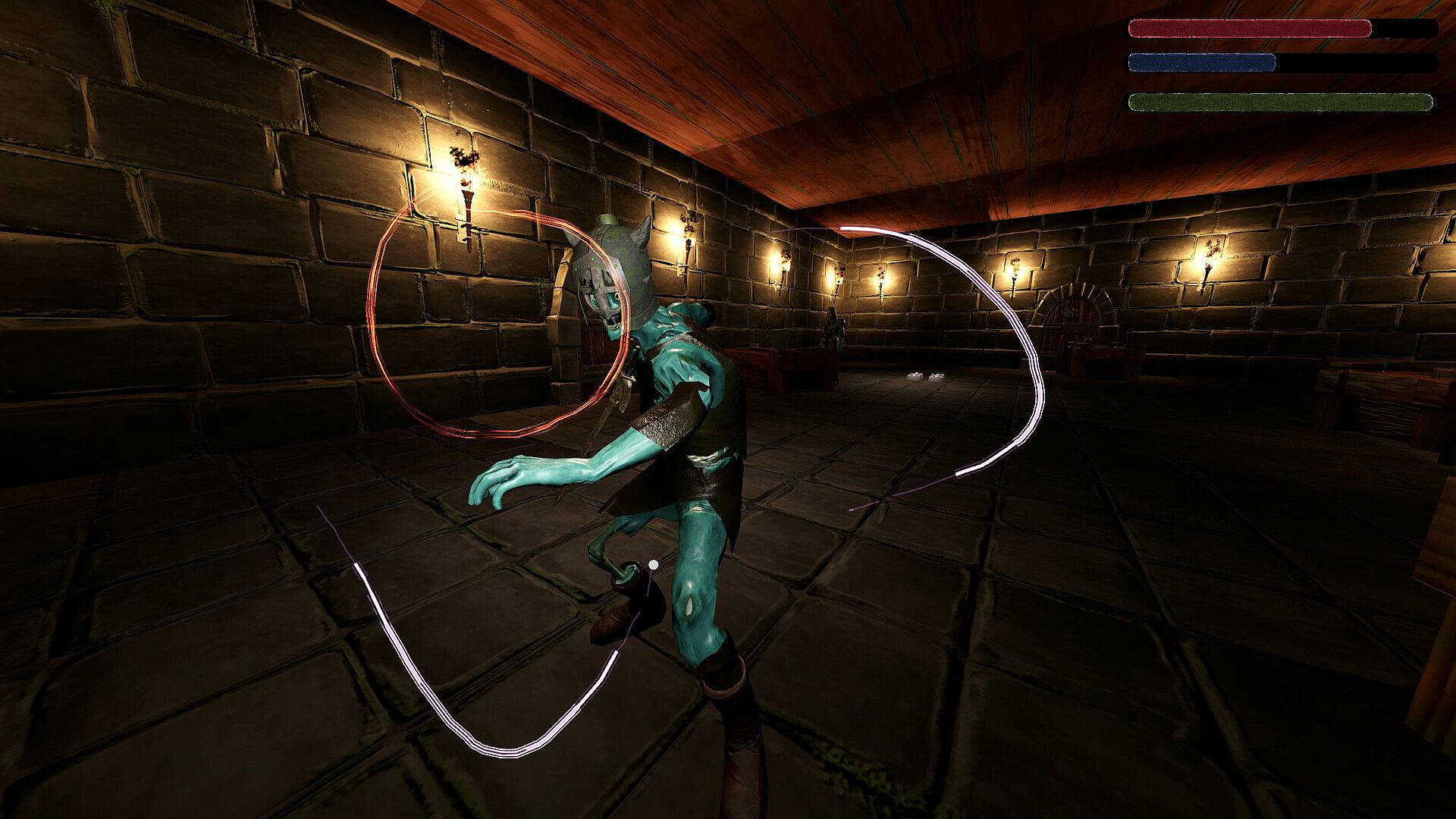
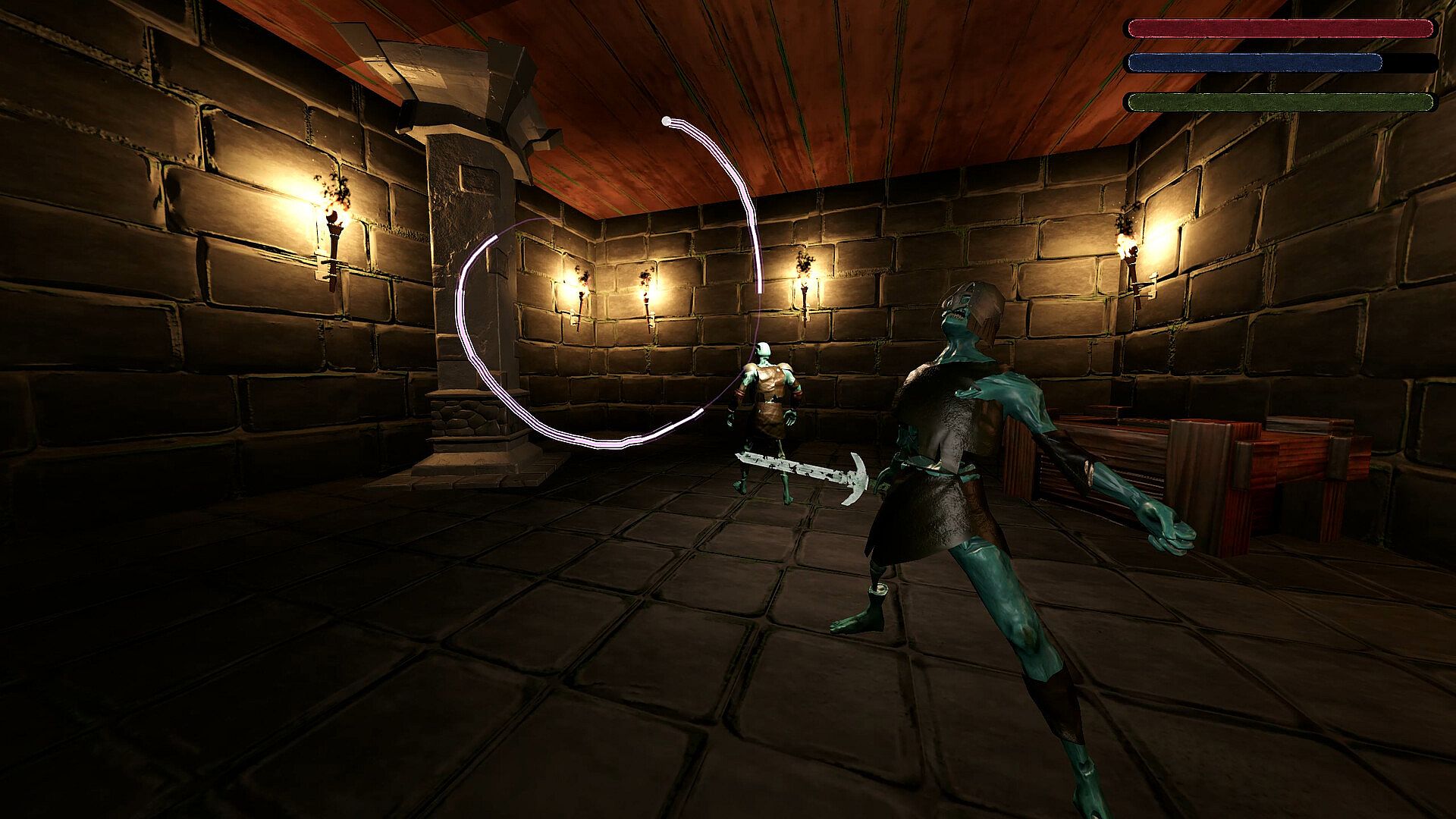
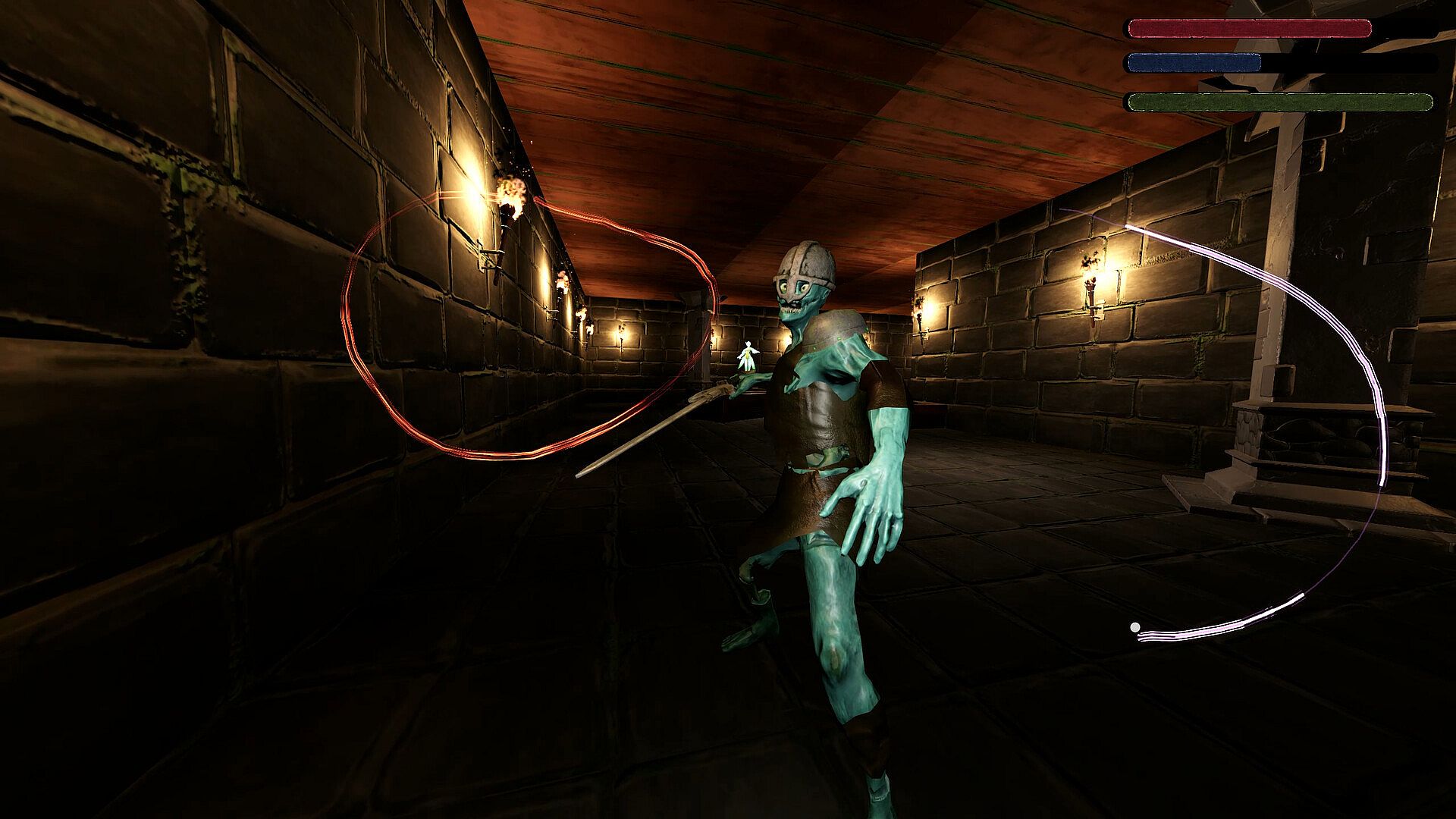
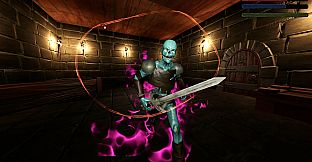
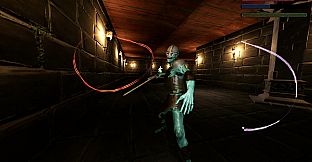
Glyphweaver is a single-player spellcasting roguelite that places the focus on drawing glyphs directly on screen to cast spells. Players combine base spells with modifiers to build custom magic effects during each attempt to clear procedurally generated dungeons filled with enemies and bosses. The game blends action and adventure elements with casual accessibility through its core drawing mechanic, all on PC.
Gameplay
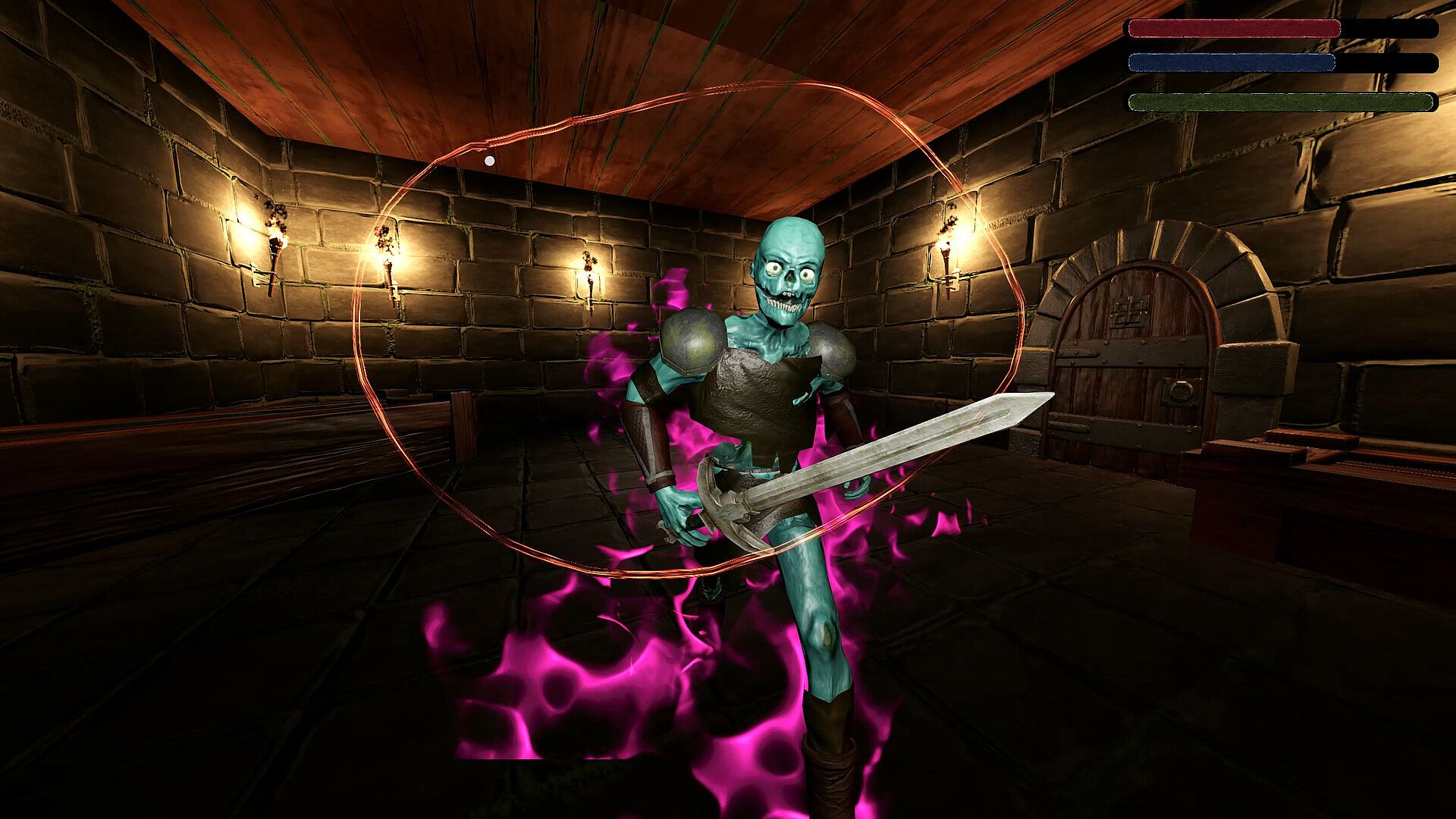
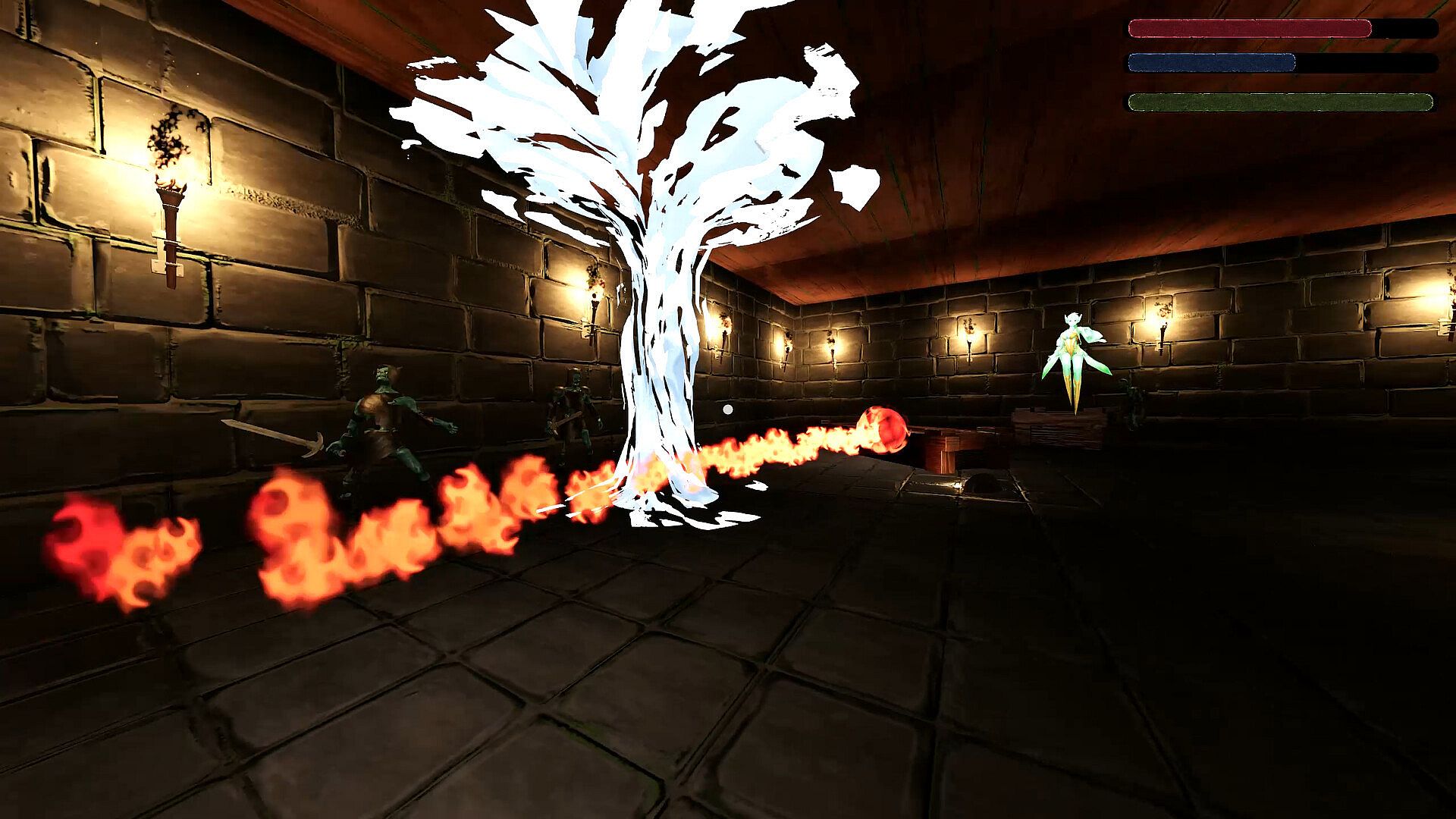
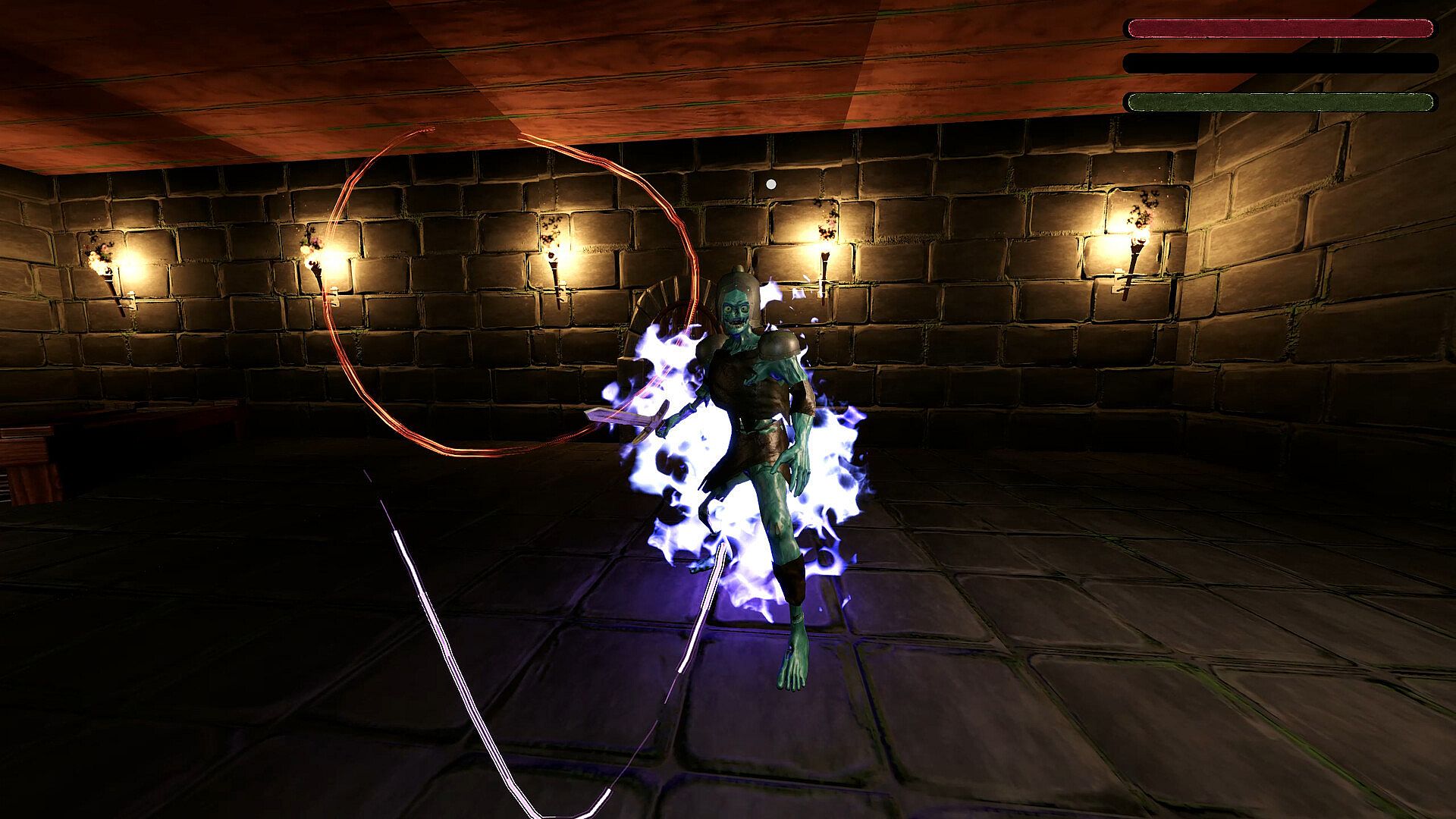
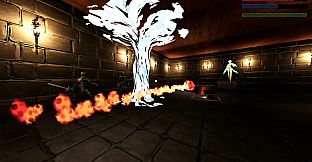
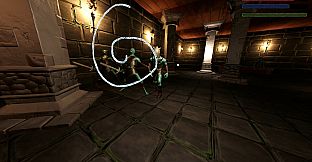
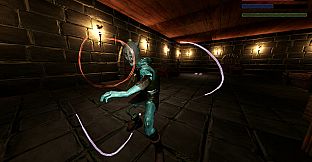
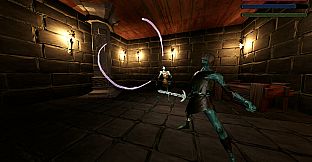
The central loop revolves around sketching symbols to activate spells rather than selecting from menus or pressing keys. A player draws a primary glyph and then adds modifiers based on available mana, resulting in effects that vary with the combination chosen. This system encourages experimentation as new spell books and artifacts appear during runs, expanding the options for how spells behave in combat.
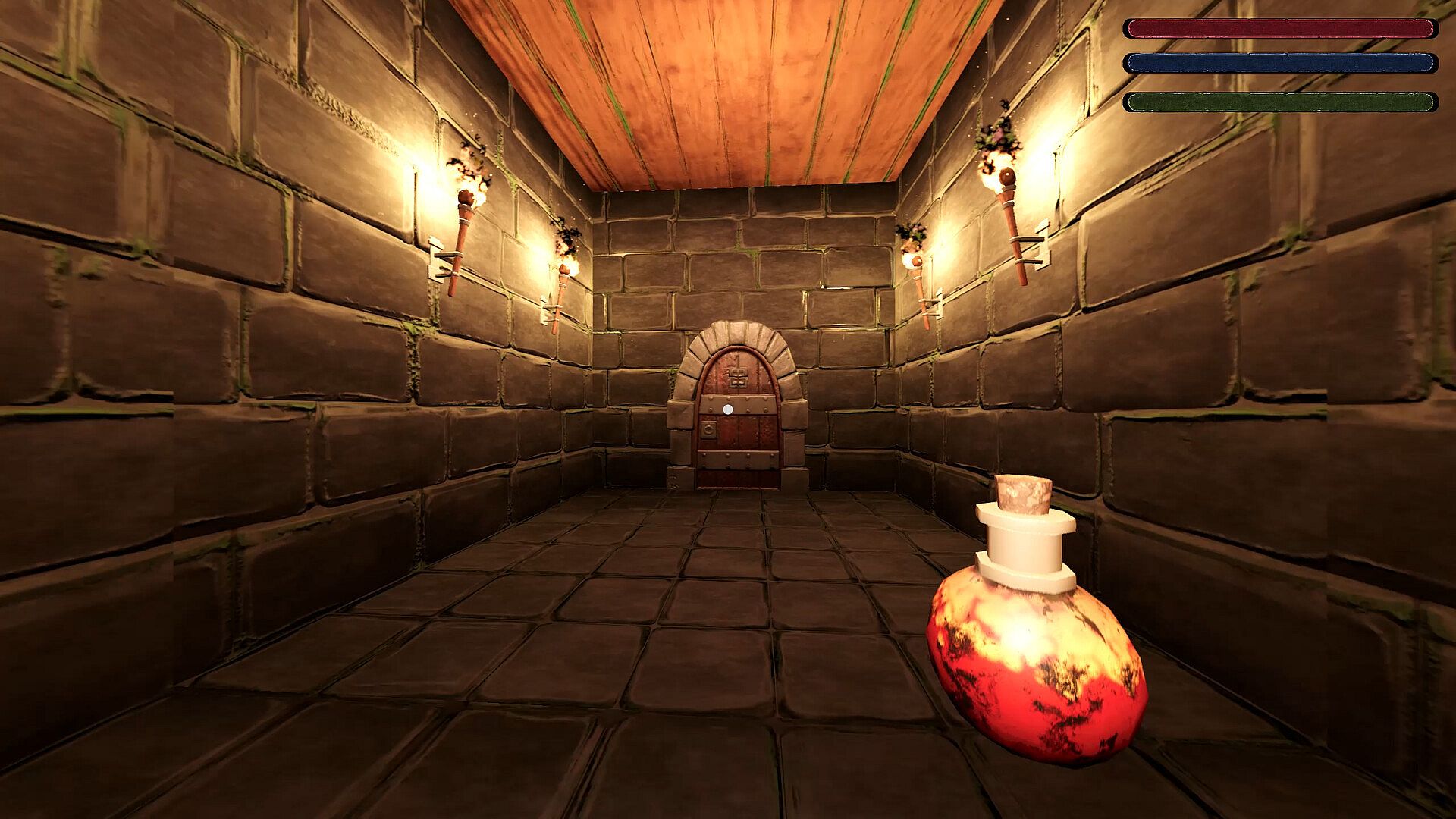
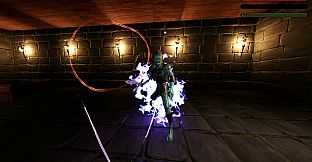
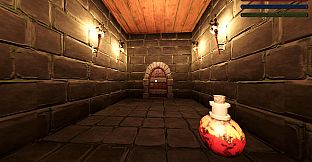
Procedural generation shapes each dungeon layout, incorporating varied environments such as ruins, forests, and castles. Enemies appear throughout these spaces, and encounters require precise drawing under pressure while managing resources. Boss fights add layers of challenge by demanding both accurate glyph execution and quick tactical adjustments to survive longer sequences of attacks.
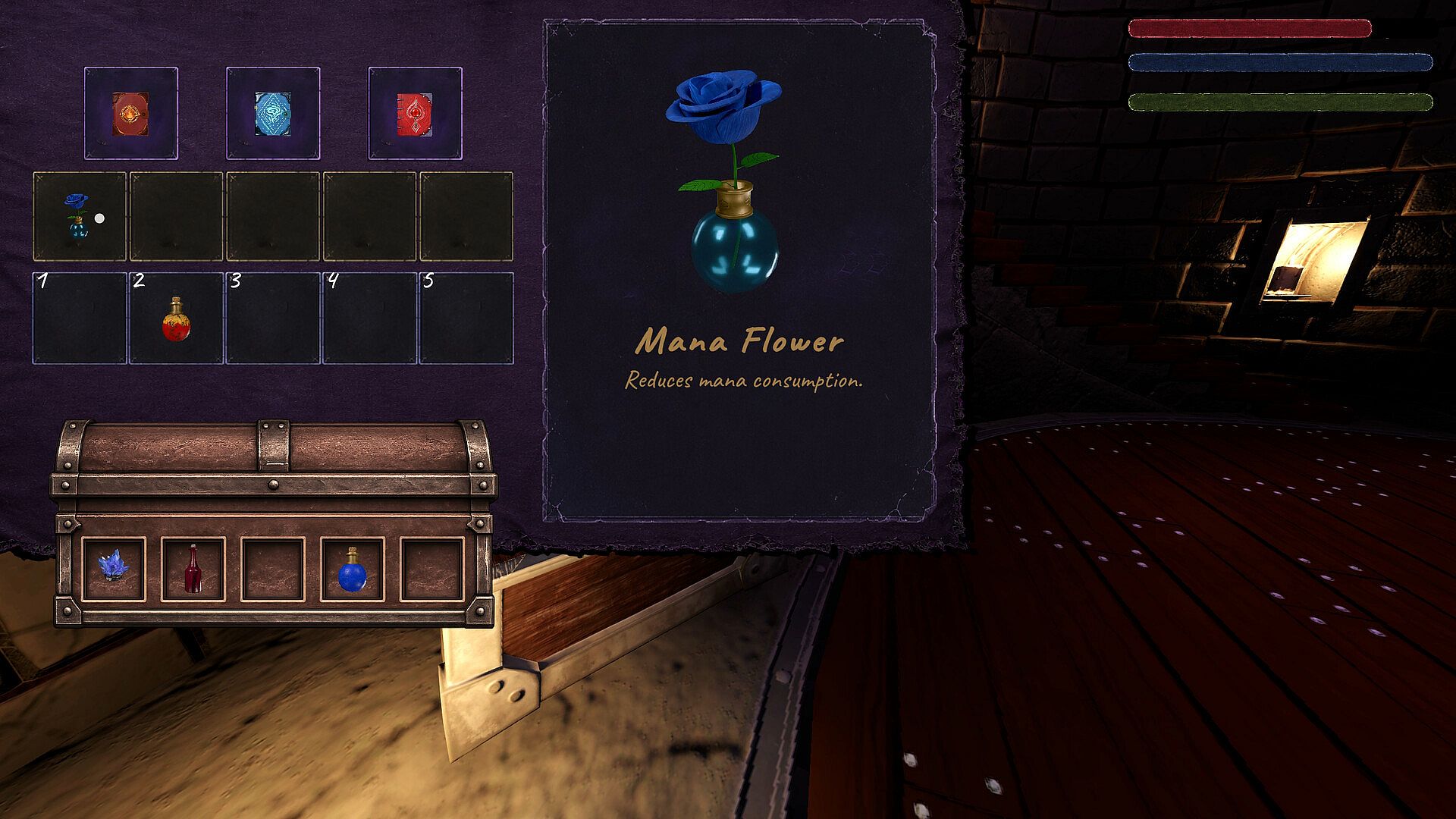
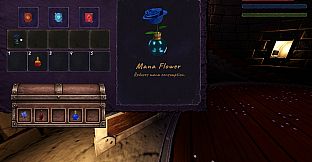
Collection plays a supporting role. Artifacts and modifiers gathered along the way alter spell groups in distinct ways, allowing the same base spell to produce different outcomes across multiple attempts. The emphasis stays on adapting the drawn magic to the immediate situation rather than following preset builds.
Game Modes
Glyphweaver centers on a single-player roguelite structure where each run starts fresh with procedurally arranged challenges. Progress comes from surviving successive dungeon sections and overcoming bosses, with the drawing system determining success or failure in real time. No separate multiplayer or competitive modes appear in the available details, keeping the experience focused on individual skill development with the glyph mechanics.
Runs emphasize variety through changing layouts and enemy placements, encouraging repeated attempts to refine drawing technique and modifier choices. The structure supports short sessions or longer explorations depending on how far a player advances before a run ends.
Spell Creation and Modifiers
Spell groups link directly to modifier groups, so drawing a main glyph opens specific options for enhancement. Mana limits how many modifiers can be added in one cast, creating trade-offs between power and sustainability. This approach lets players shape spells on the fly without relying on prebuilt combinations, and the results feel distinct based on the exact sequence drawn.
Unlocking new content through exploration feeds back into future runs. Each collected item expands the available glyphs or modifiers, gradually increasing the range of possible spell effects. The system rewards observation of what works against particular threats while building an expanding personal library of options.
Is It Worth Playing?
Glyphweaver suits players who enjoy roguelite progression paired with a hands-on skill element in spellcasting. The drawing mechanic sets it apart from traditional magic systems, offering direct control that rewards practice and precision. With its single-player focus and emphasis on procedural variety, the game appeals to those seeking repeated attempts at mastering a creative combat approach.
Availability on PC through standard digital storefronts makes it accessible once released. The absence of confirmed player reviews at this stage means expectations rest on the described mechanics rather than aggregated feedback. Those interested in action-adventure titles with indie sensibilities and a novel input method for abilities will find the core loop worth trying based on the unique glyph system alone.