


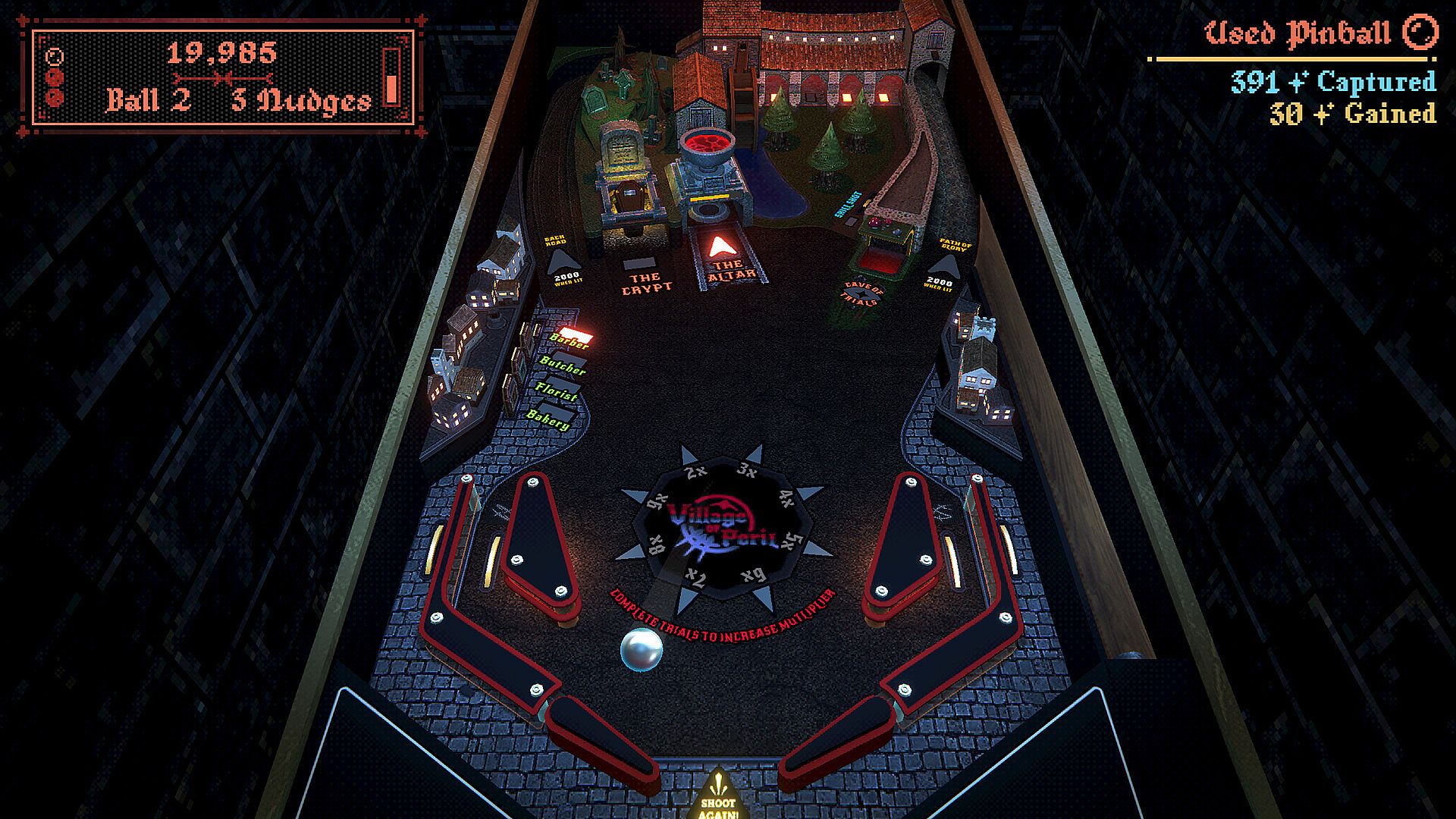
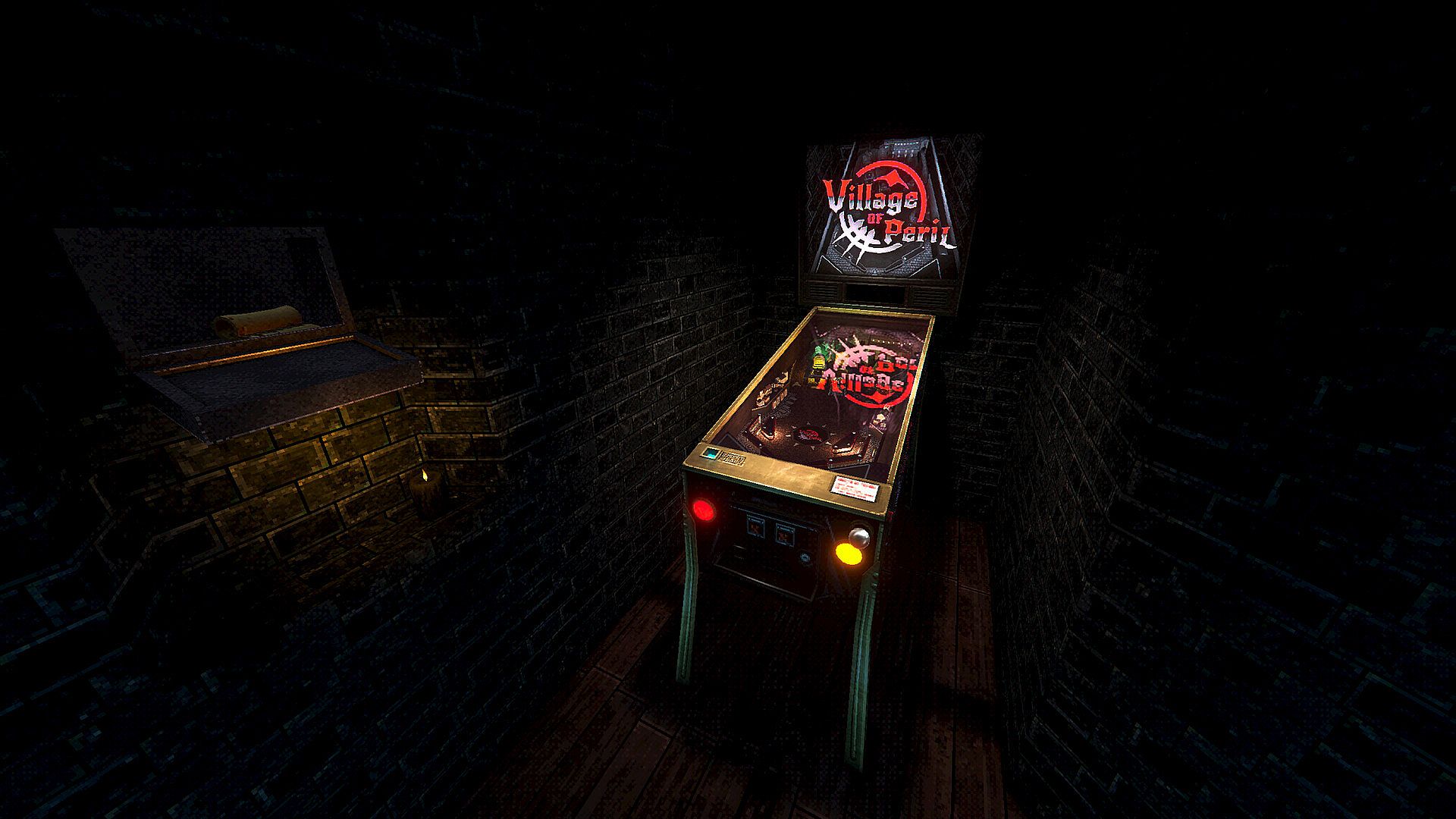
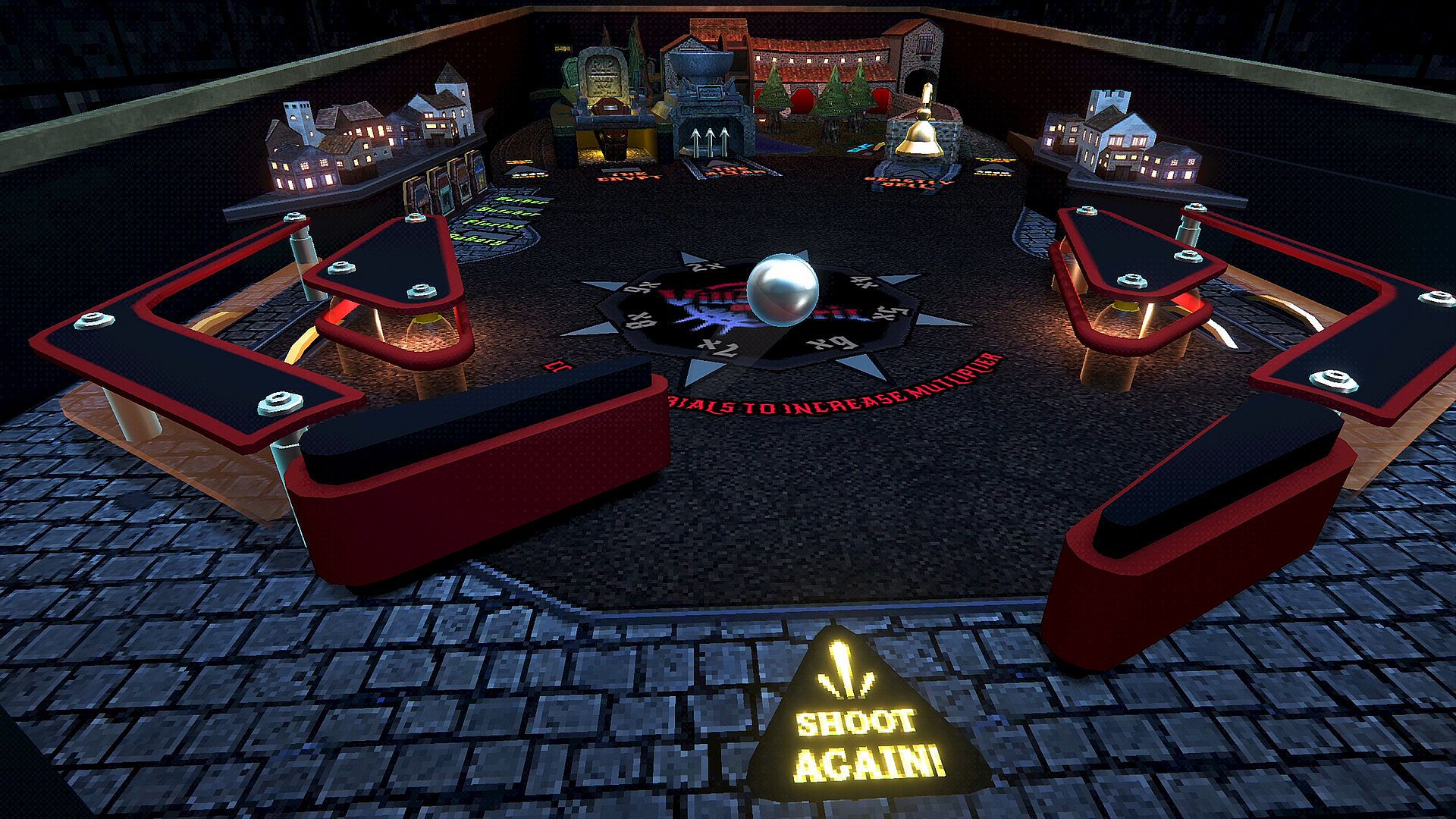
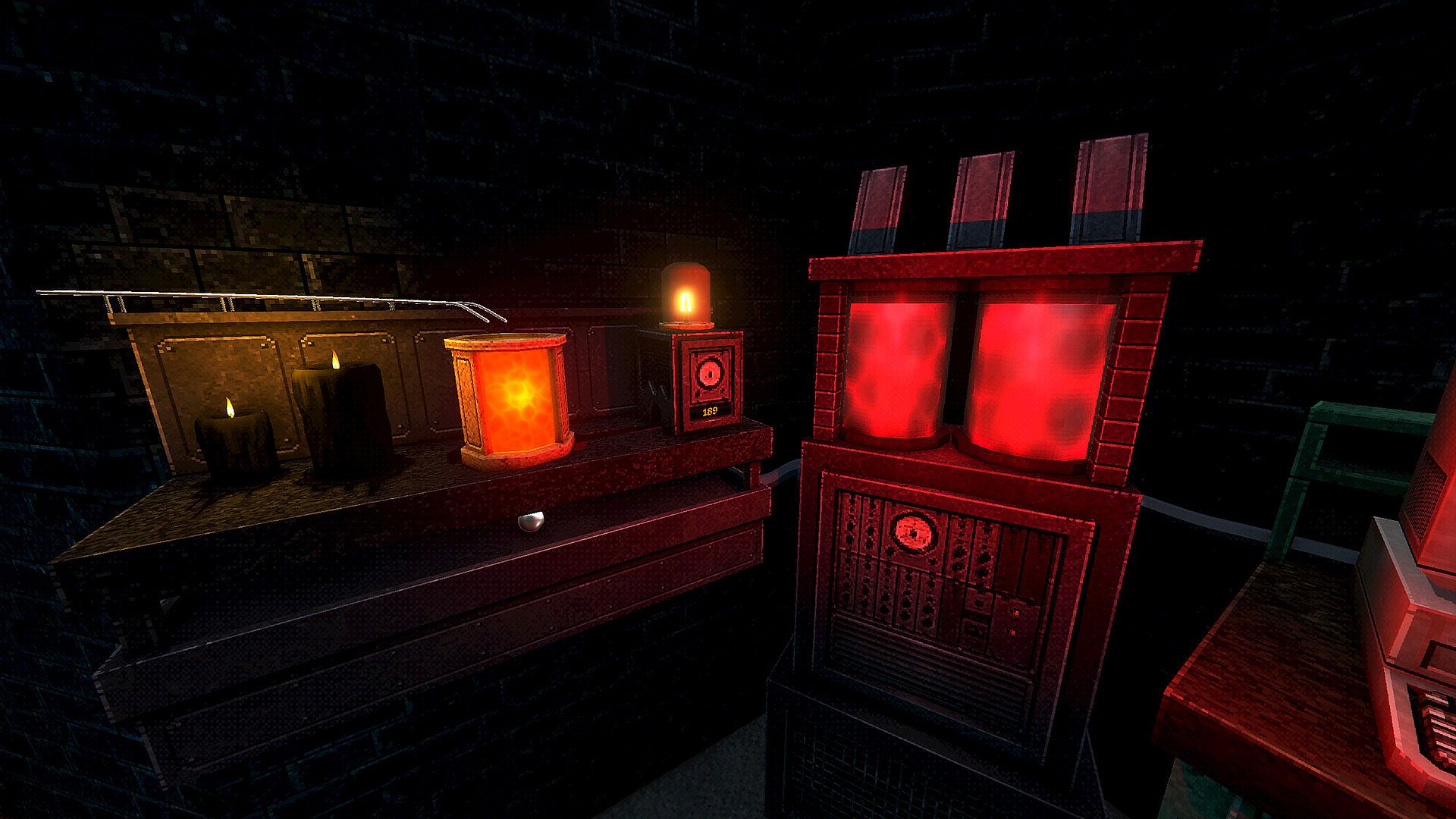
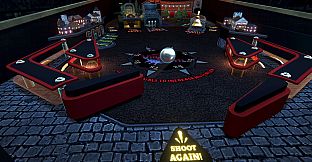
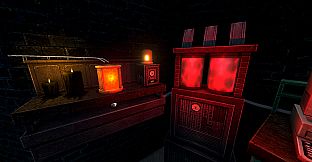
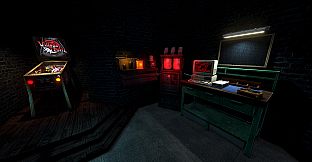
Flippin' Heck è un gioco di simulazione in single player che unisce i meccanismi del flipper alla risoluzione di puzzle e agli elementi tipici delle escape room. Il giocatore interpreta un aspirante designer di flipper intrappolato in una stanza misteriosa, dove ogni progresso dipende dalla personalizzazione e dalla padronanza del tavolo per scoprire segreti e aprire un varco.
Gameplay
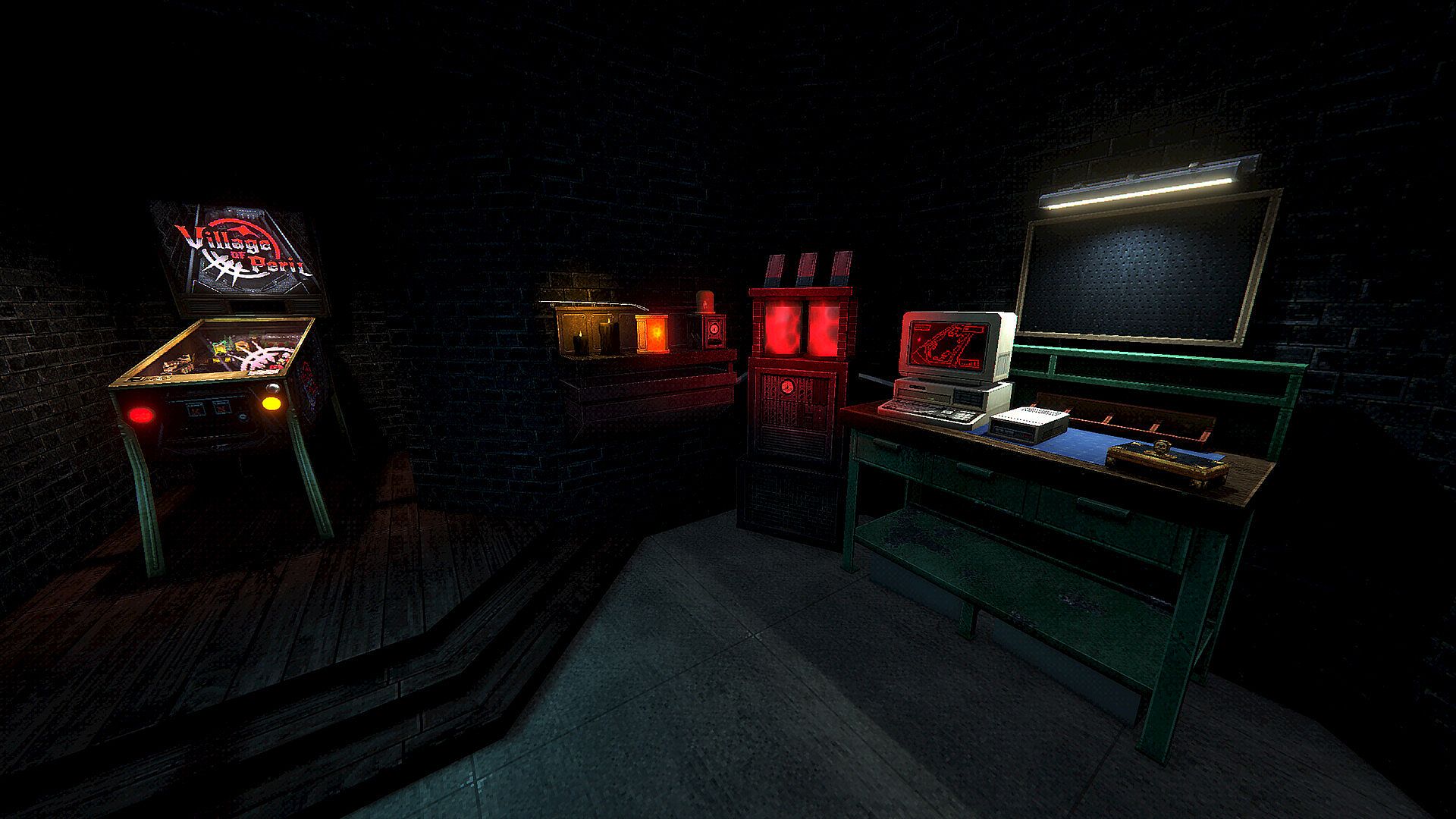
Il ciclo di gioco ruota attorno all'esplorazione di una stanza scarsamente illuminata, piena di pezzi di ricambio e dettagli nascosti. Il giocatore cerca indizi e interagisce con l'ambiente, ma ogni scoperta è collegata al flipper centrale. Lanciare la palla, concatenare combo e modificare deliberatamente i componenti della macchina fanno cambiare lo spazio circostante, rivelando nuove aree o oggetti.
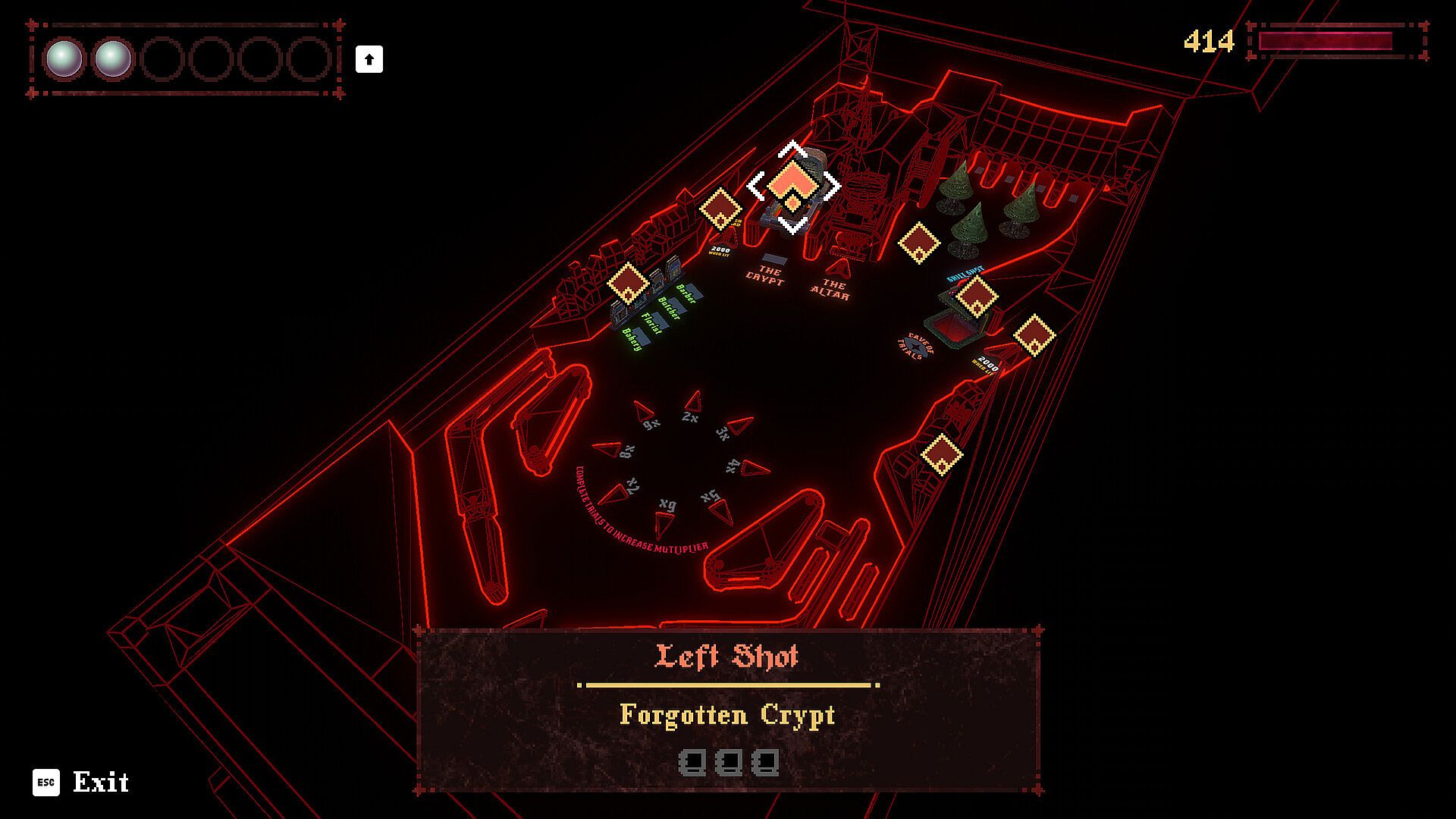
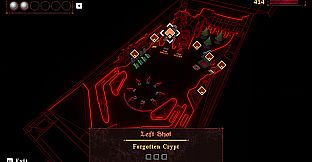
Per avanzare è necessario caricare i flipper con un potere misterioso attraverso sessioni ripetute. Questa risorsa permette di evocare e installare nuovi pezzi sul tavolo. Ogni aggiunta introduce nuove opportunità di combo e modifiche meccaniche che richiedono sperimentazione per essere comprese appieno. Il sistema spinge a ripetere le partite per testare come le modifiche influenzano il comportamento della palla e le reazioni della stanza.
La personalizzazione è il motore dell'esperienza. I pezzi non si limitano a migliorare i punteggi, ma trasformano il funzionamento del tavolo, creando nuovi modi per risolvere i puzzle ambientali. Il gioco premia l'osservazione attenta e gli aggiustamenti progressivi più che la velocità o i record.
Modalità di gioco
Flippin' Heck propone un'esperienza esclusivamente single player, senza opzioni multiplayer né modalità competitive separate. L'intero titolo si svolge in un'unica sessione continua incentrata sul progresso personale attraverso l'esplorazione della stanza e le modifiche al flipper. Non sono presenti eventi a tempo limitato, classifiche o stili di gioco alternativi rispetto al ciclo base di esplorazione, partite e installazione di componenti.
Tutta l'azione si concentra nella stanza centrale e nel suo flipper in continua evoluzione. Il giocatore avanza completando l'obiettivo implicito di fuggire attraverso continue modifiche meccaniche e la risoluzione dei puzzle. Questa struttura mantiene l'attenzione su un'esperienza ristretta e autosufficiente.
Personalizzazione e progressione
Evocare i pezzi rappresenta il principale sistema di avanzamento. Il giocatore accumula potere dalle sessioni sul tavolo e lo utilizza per aggiungere componenti che modificano flipper, bumper, rampe o altri elementi. Queste variazioni influenzano sia la fisica del flipper sia lo stato della stanza, collegando le modifiche meccaniche al progresso narrativo e ambientale.
Il sistema non prevede livellamento tradizionale né alberi di abilità. Ogni pezzo introduce interazioni uniche che il giocatore deve scoprire attraverso la prova e l'errore. Ogni installazione può quindi diventare una soluzione o un nuovo ostacolo, mantenendo l'interesse grazie al costante feedback meccanico.
Vale la pena giocarci?
Flippin' Heck è adatto a chi apprezza puzzle ponderati uniti alla personalizzazione diretta del flipper in un contesto single player. Il gioco valorizza il portare a termine ciò che si inizia, sia letteralmente attraverso la costruzione del tavolo sia tematicamente attraverso il percorso personale del designer. Chi cerca titoli di simulazione che premiano la sperimentazione più dell'azione o della competizione troverà interessante il ciclo di gioco focalizzato.
Poiché il titolo non è ancora uscito e non sono disponibili recensioni o sessioni complete, la decisione di giocarci dipende esclusivamente dall'interesse verso le meccaniche descritte. Il formato single player e l'assenza di modalità aggiuntive lo rendono adatto a un pubblico specifico piuttosto che a un pubblico ampio. Se la combinazione di esplorazione della stanza, evocazione di pezzi e modifiche guidate dal flipper corrisponde alle proprie preferenze, offre un approccio originale al genere simulation una volta disponibile.