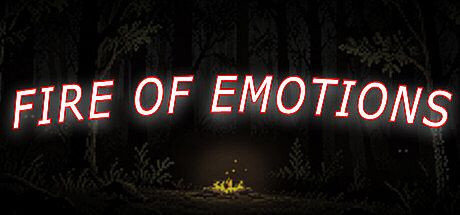



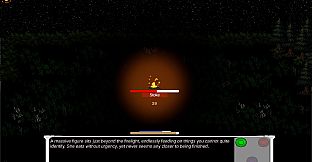
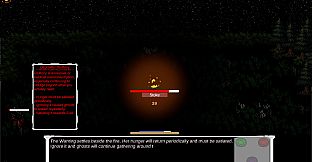
Fire of Emotions is a single-player simulation game centered on managing inner conflicts through narrative choices. Players guide a central flame that represents personal state, responding to emerging influences that shape daily life and long-term outcomes.
Gameplay
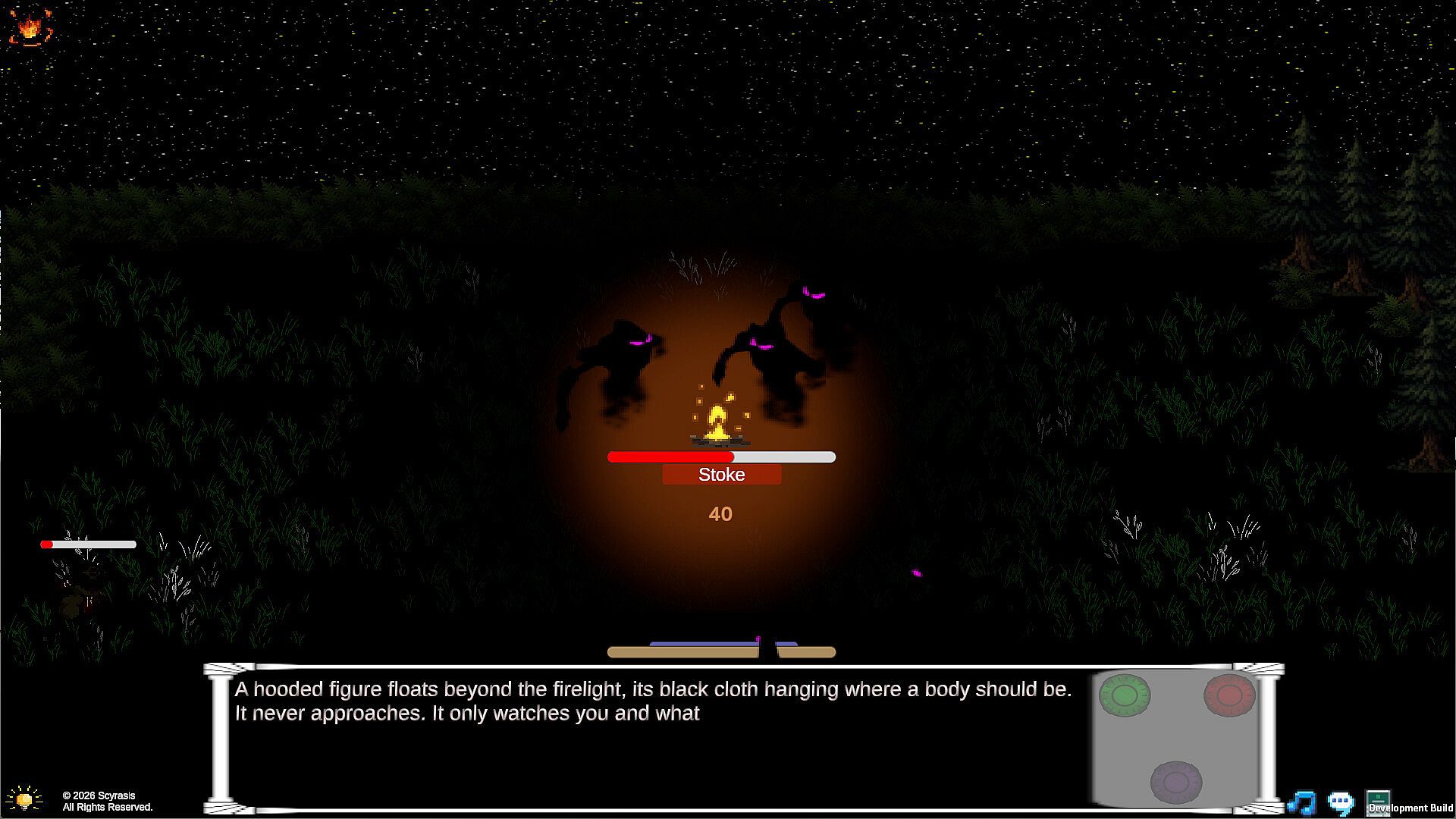
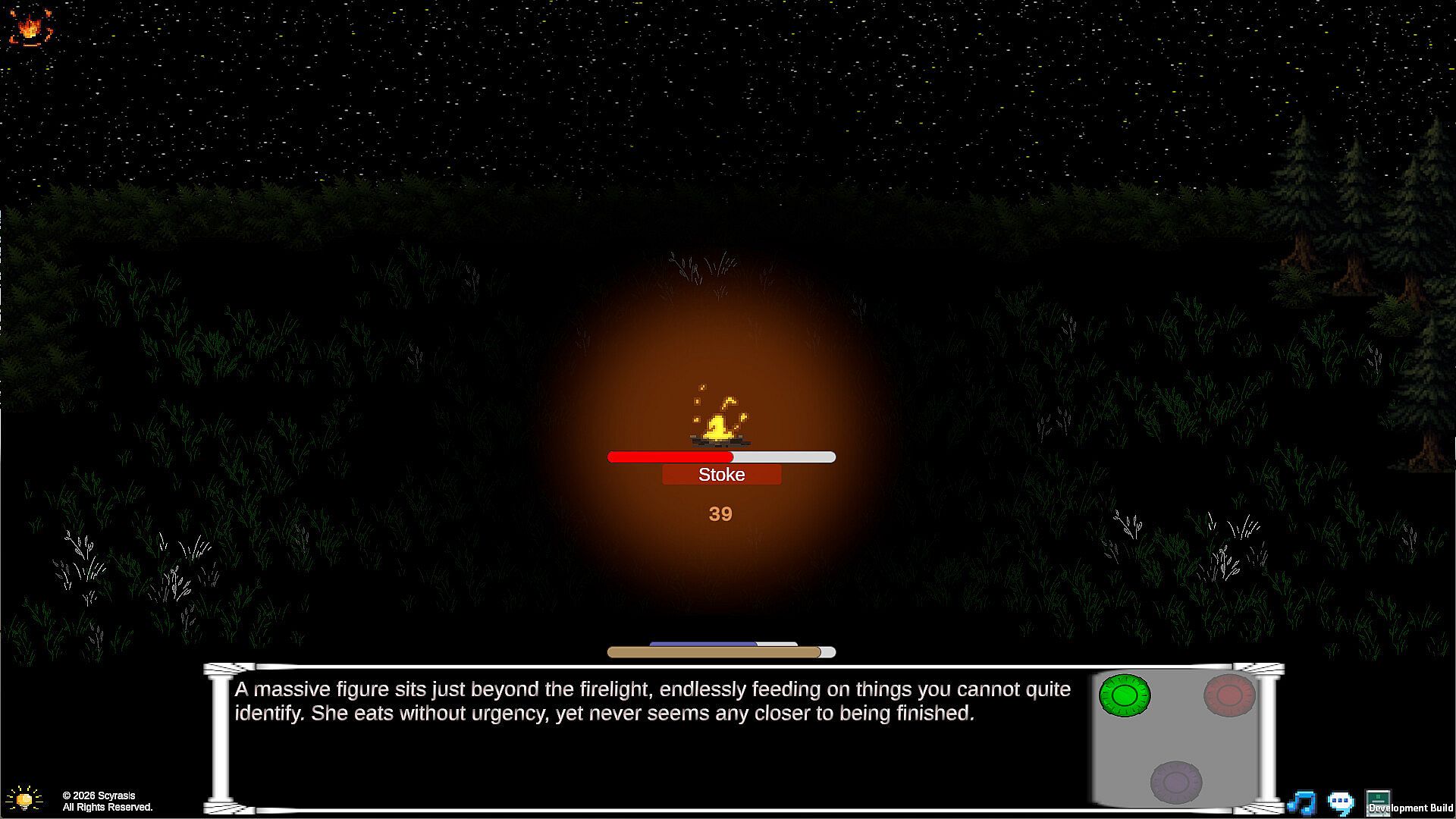
The core loop revolves around stoking an inner flame by earning and spending points on upgrades. As points fluctuate, the fire shifts color and its light intensity changes, visually reflecting the balance of forces at work. Upgrades and stoking actions introduce new influences that interact with existing ones.
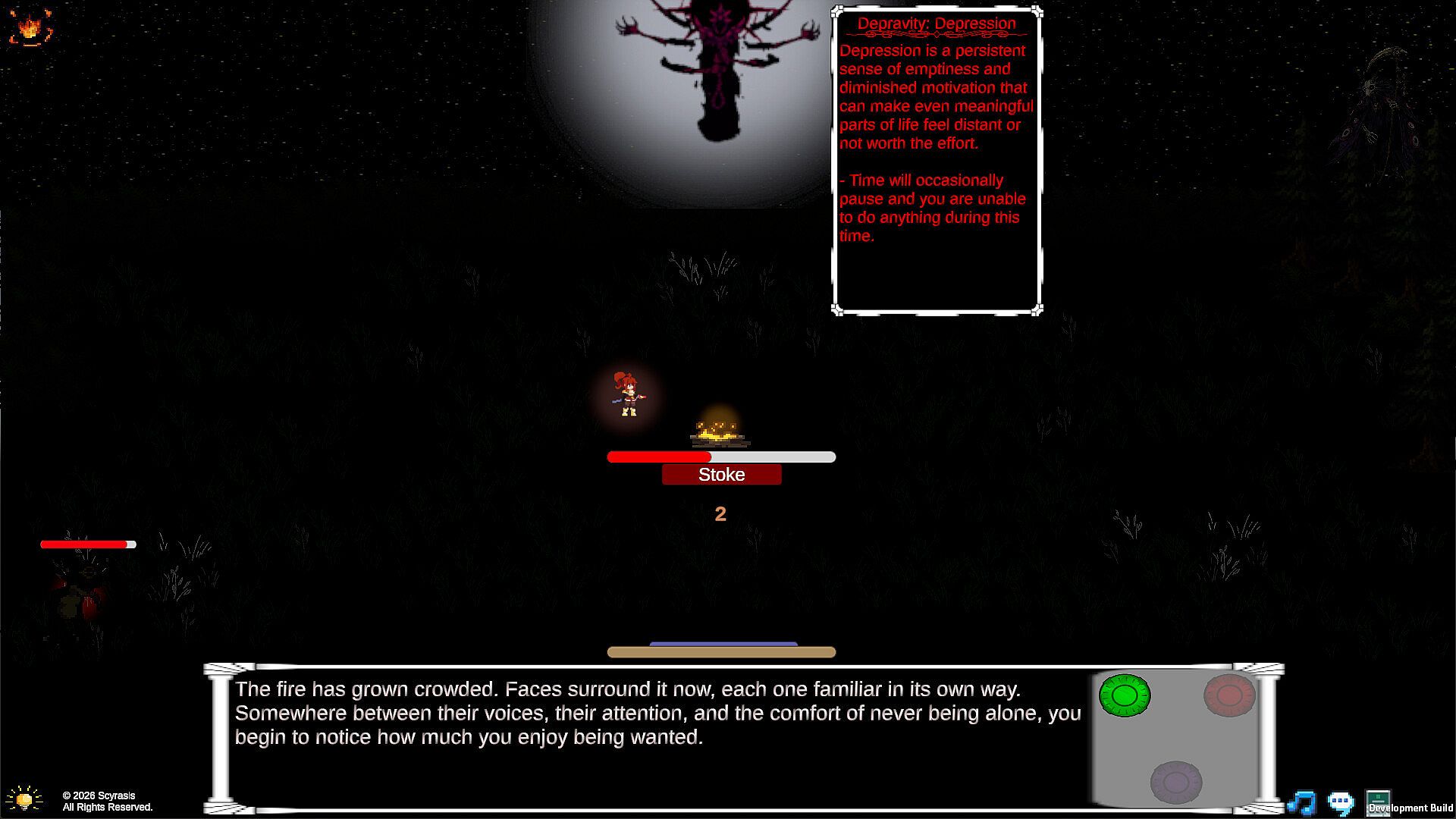
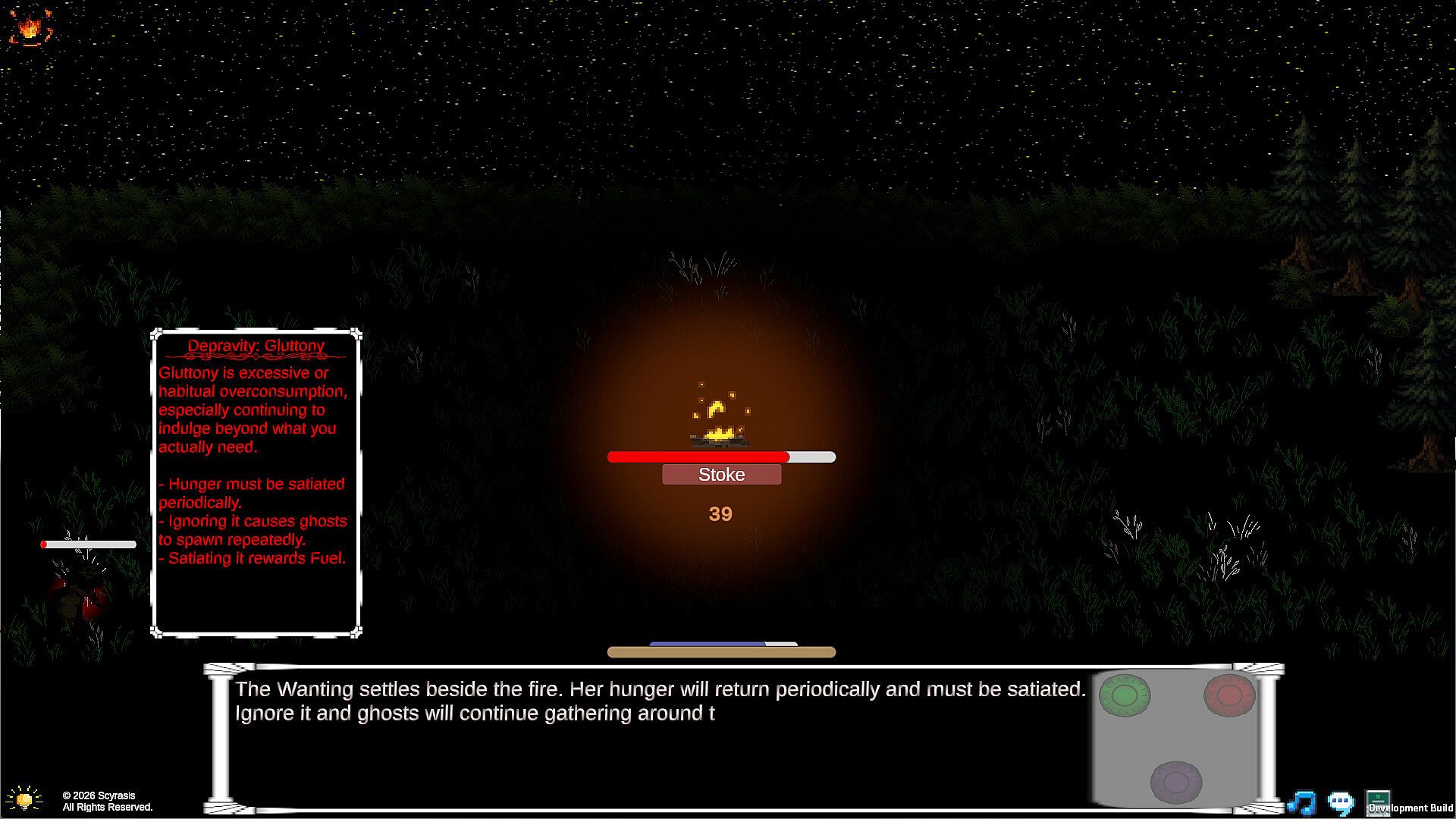
Influences include depravities such as Pride, Desire, Depression, Spite, and Greed, alongside positive elements like Passion and Love. Each carries distinct effects and can conflict or combine with others, altering the character's overall makeup. These elements accumulate over time and directly affect how future situations resolve.
Decisions use one of three responses: Accept, Deny, or Abstain. Outcomes remain unpredictable, as abstaining from one influence like Gluttony may still permit its entry with amplified negative consequences. Life events trigger once sufficient influences gather, testing the current configuration of traits. Success or failure hinges on the mix of allowed elements, which can aid one scenario while hindering another.
Game Modes
Fire of Emotions operates as a single-player experience without separate multiplayer or competitive modes. The structure focuses entirely on sequential narrative progression driven by ongoing choices and their accumulating effects. Players advance through a series of encounters shaped by the influences present at each stage, leading toward one of many possible conclusions.
There are no distinct game modes such as endless runs or challenge variants. Instead, replay value stems from experimenting with different response patterns and upgrade paths to explore alternate endings. The simulation emphasizes personal reflection over structured challenges or external competition.
Narrative Structure and Endings
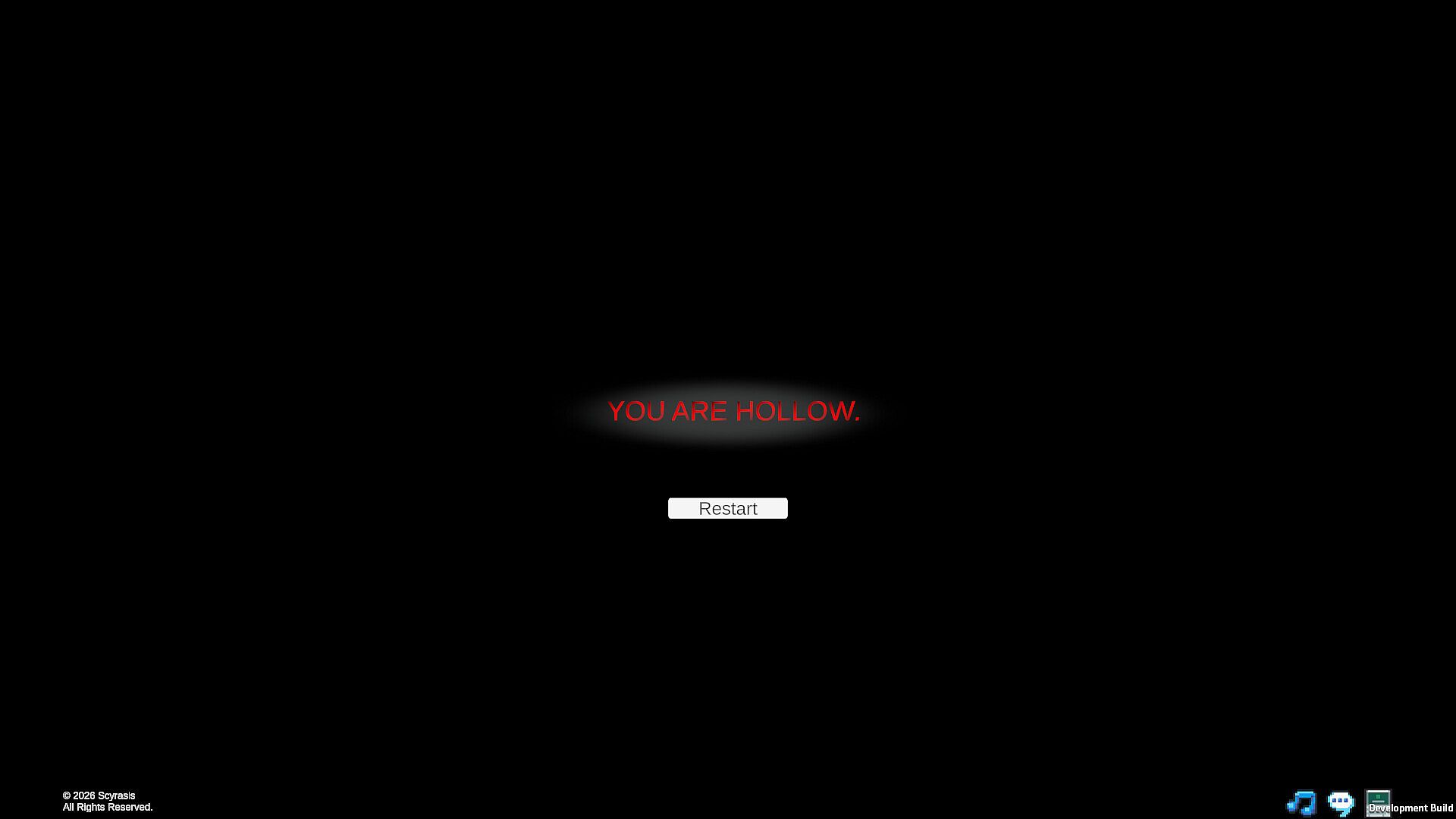
The story unfolds through life events that test the player's built persona. Influences gathered earlier determine available options and their effectiveness during these moments. Too many conflicting elements can result in a hollow state, while excessive restraint produces a similar emptiness. Multiple endings exist across bad, neutral, and more favorable categories, rewarding careful management of desires and depravities.
Consequences build gradually rather than through immediate feedback. An early acceptance might open helpful paths in one encounter but create vulnerabilities later. This system encourages repeated playthroughs to observe how small shifts in balance alter the overall trajectory.
Is It Worth Playing?
Fire of Emotions suits players interested in introspective simulation experiences focused on emotional management and branching narratives. The mechanics of point-based upgrades, influence interactions, and three-option responses create a thoughtful loop centered on cause and effect rather than action or collection.
Those who enjoy games where decisions carry lasting, sometimes counterintuitive weight will find the core systems engaging. The emphasis on multiple endings and the risk of becoming hollow through excess or deficiency adds replay incentive for those willing to experiment with different approaches to the same influences.
Availability on PC positions it as an accessible title for single-player sessions. The described mechanics align with players seeking deliberate pacing and personal interpretation over fast-paced action or social features. Early interest may depend on how well the flame visualization and influence conflicts resonate during initial play sessions.