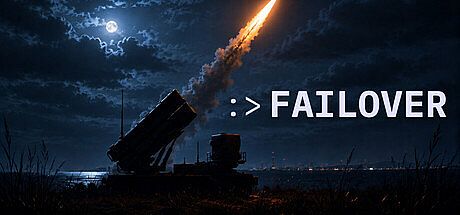


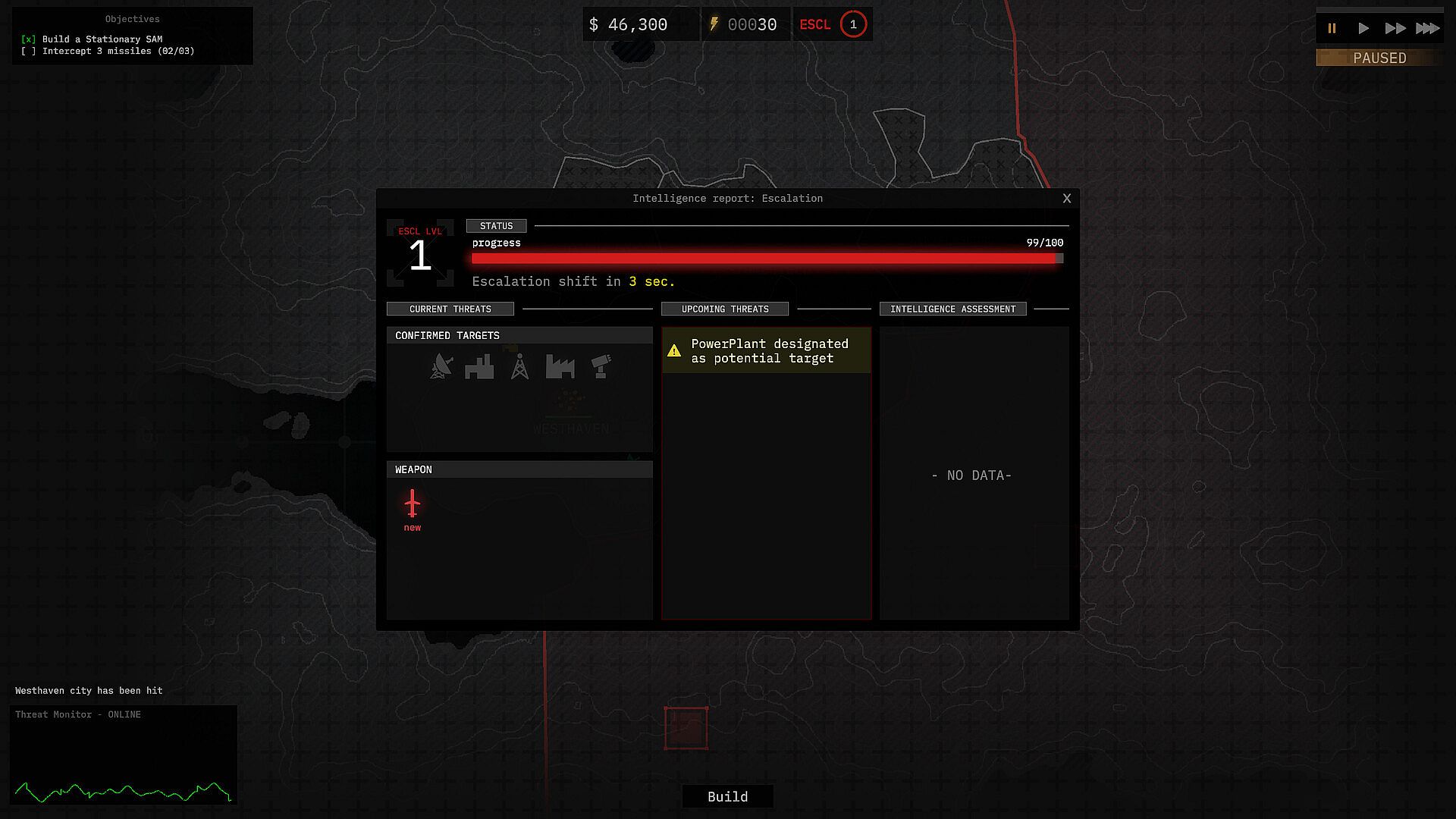
Failover is a single-player strategy game set on PC that places players in command of a nation's civil air defense network during a prolonged conflict. The core premise centers on managing limited resources to protect cities from incoming threats, where perfect coverage remains impossible and every decision carries lasting trade-offs. Players oversee radar placement, power distribution, and alert systems while the map expands and infrastructure degrades under pressure.
Gameplay
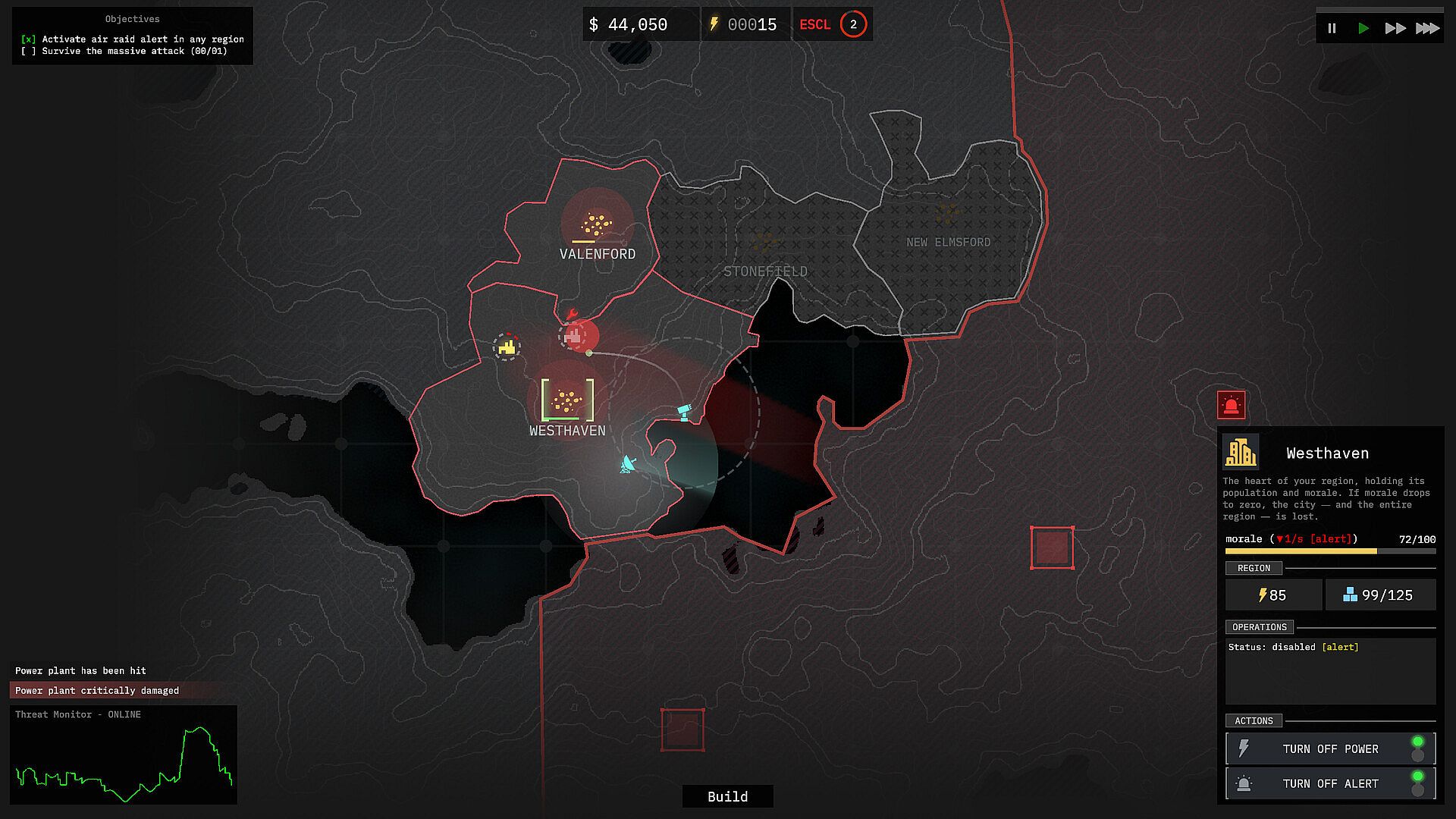
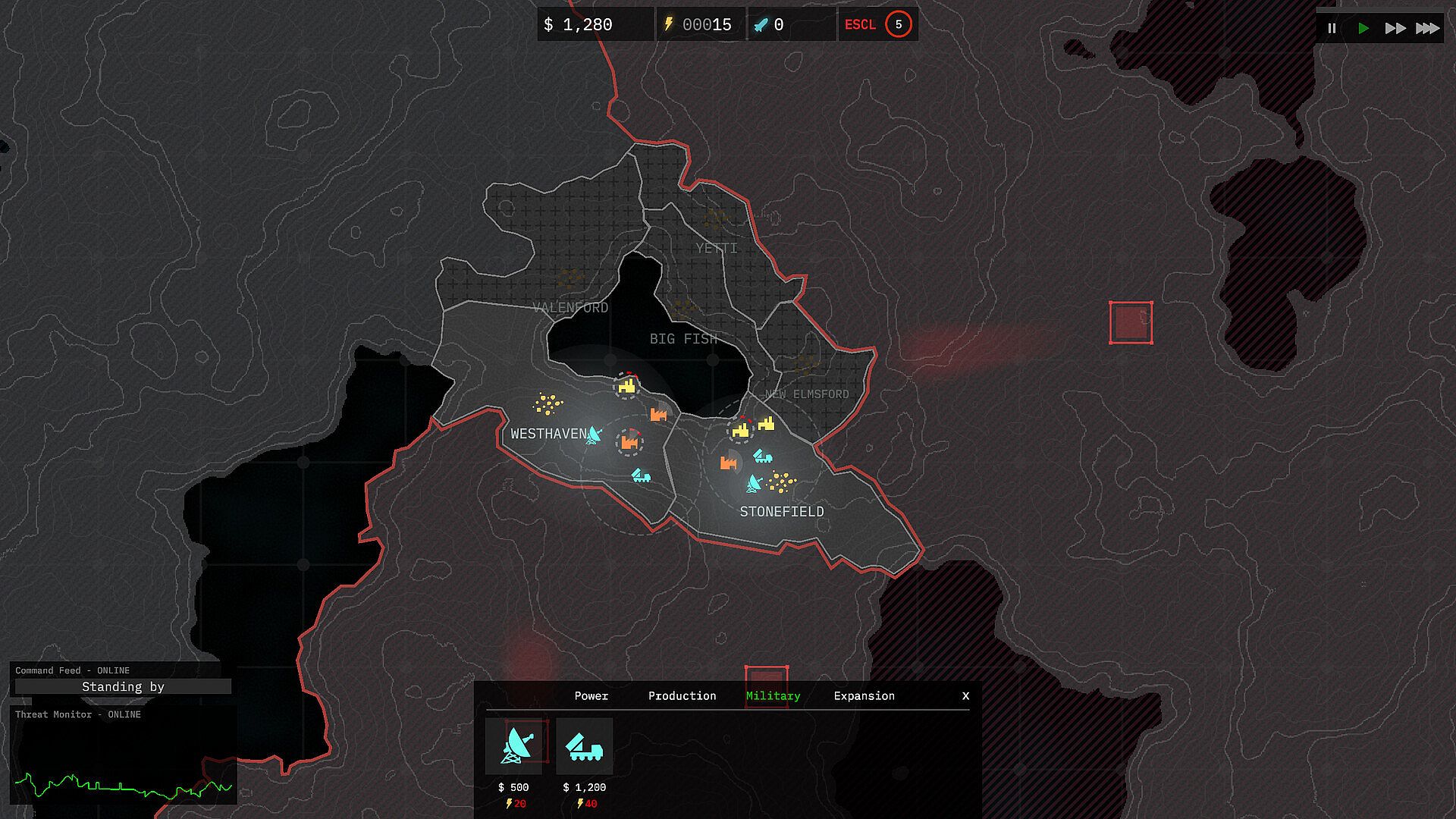
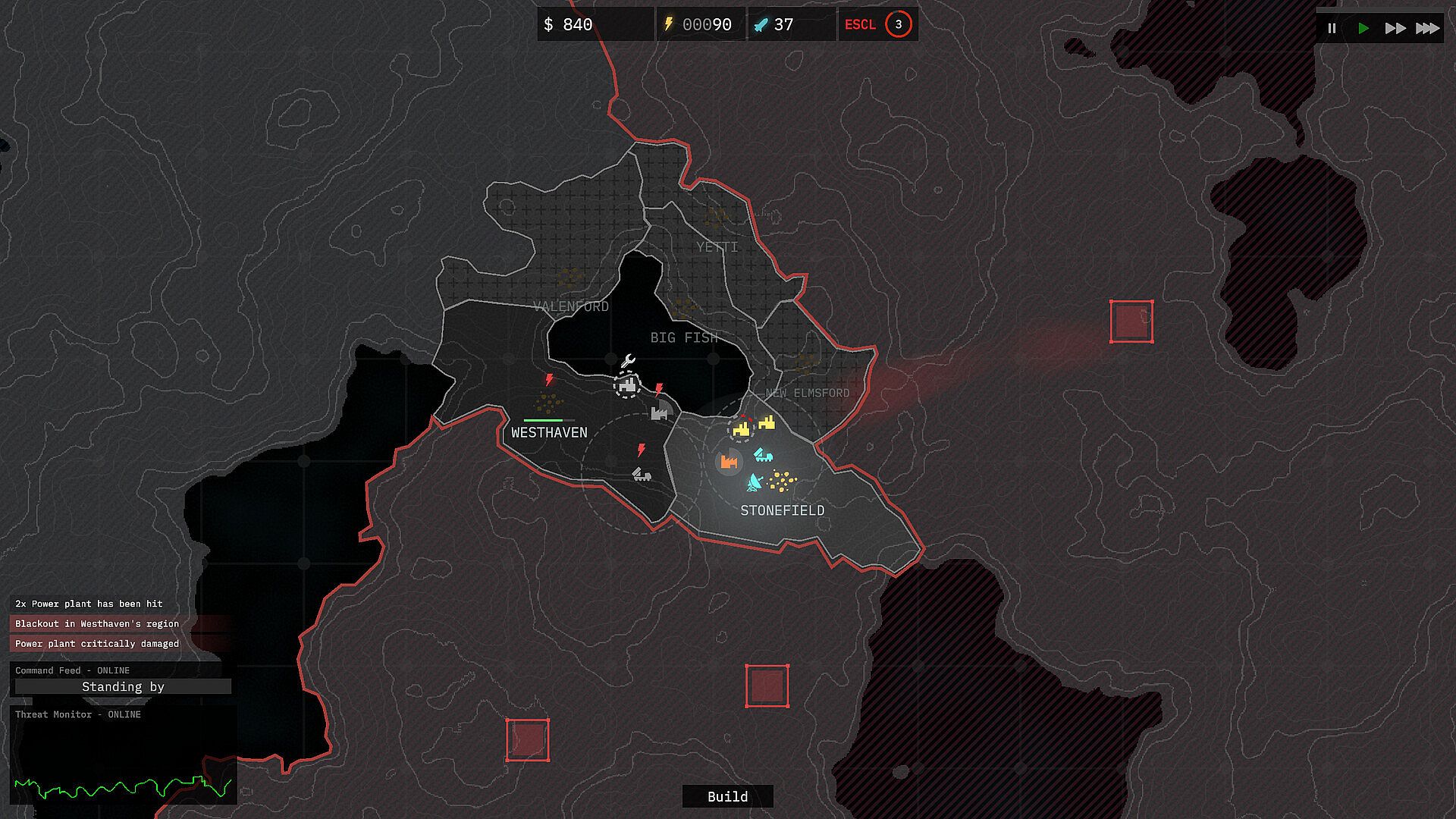
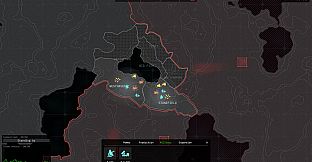
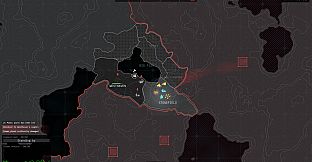
The gameplay loop revolves around constructing and maintaining a defensive network of radars, missile batteries, and supporting infrastructure. Players position installations to create overlapping detection arcs, though gaps inevitably form as the defended area grows. Power management adds another layer, as every component draws from a shared grid that can suffer cascading failures when substations or plants are damaged. Decisions about rerouting power determine which areas stay operational during blackouts.
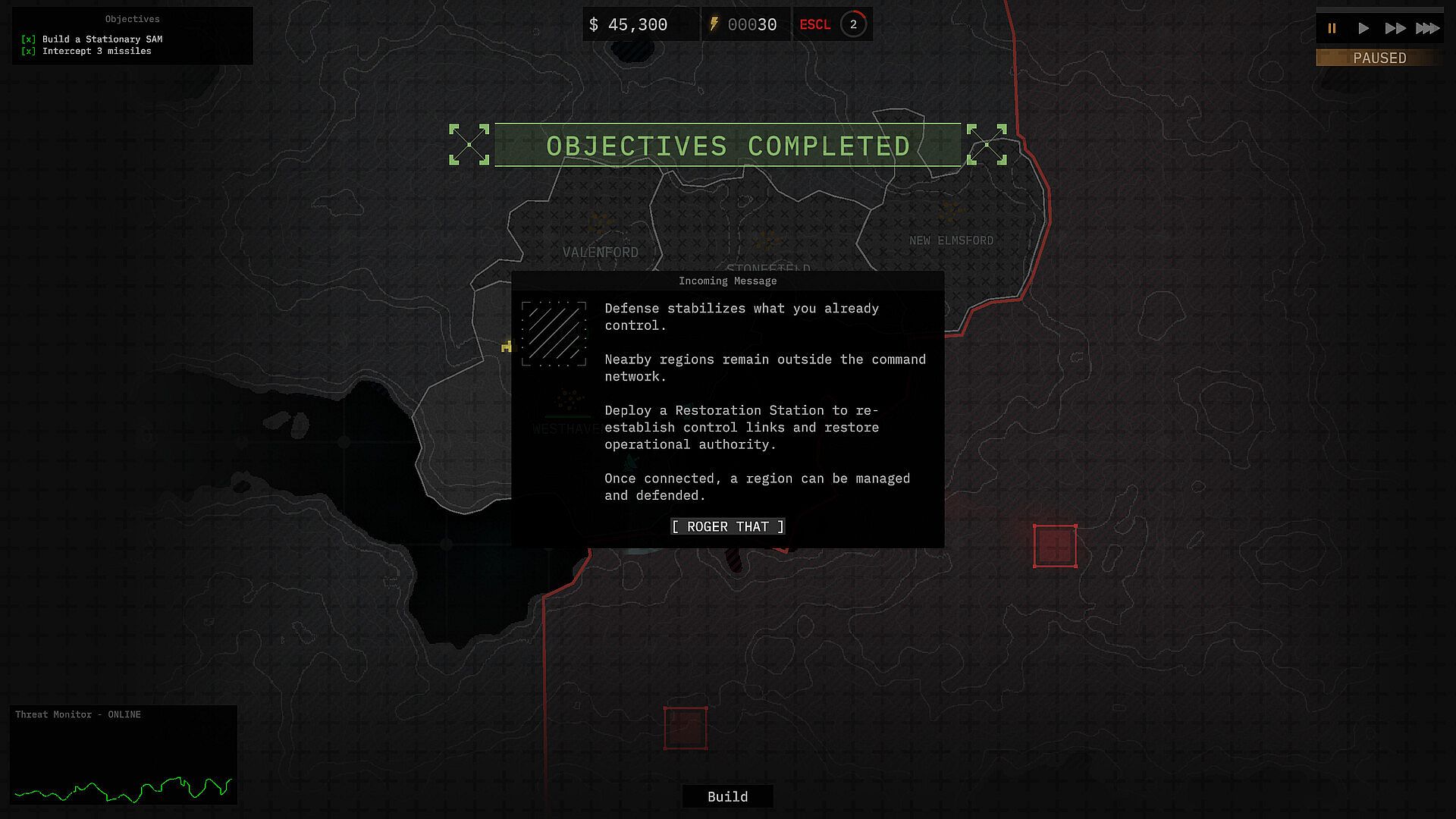
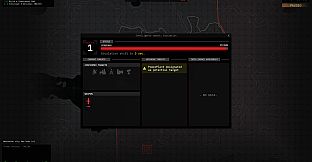
Siren activation serves as a critical but costly tool. Sounding an alert prompts civilian sheltering and halts normal activity, preserving lives at the expense of productivity and morale. Overuse risks public complacency, while delays leave populations exposed. Network expansion brings new regions online, increasing the total area that must be monitored with existing assets, which forces constant reevaluation of priorities.
Failure handling emphasizes gradual degradation rather than sudden collapse. When nodes fail, the system attempts to reroute around them, resulting in reduced coverage and slower response times. Players must anticipate these breakdowns by building limited redundancy while accepting that the network will weaken link by link over time.
Game Modes
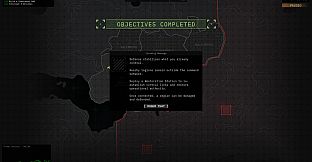
Failover operates as a single-player experience without separate named modes or multiplayer components. The entire session integrates the same interconnected systems of radar coverage, power allocation, siren timing, and network expansion. Progression occurs through successive stages where additional territory comes under protection, steadily increasing the scale and complexity of management tasks. No distinct variants such as endless modes, challenge scenarios, or cooperative options appear in the available information.
Core Mechanics and Tension
Resource scarcity defines the experience. Interceptors and alerts represent finite assets that cannot cover every possible threat vector simultaneously. Players must accept that some cities will remain vulnerable and weigh the human cost of those choices. The map's growth compounds this pressure, as each new sector adds demand without proportional increases in defensive capacity.
Visual and systemic feedback highlights the consequences of decisions. Darkened radar stations remove entire sectors from view, power cascades leave clusters without support, and repeated false alarms erode the effectiveness of future warnings. These elements combine to create a persistent sense of operating at the edge of capacity.
Is It Worth Playing?
Failover targets players who enjoy deliberate, high-stakes resource management in a strategy context. Its focus on imperfect defense and cascading consequences suits those comfortable with trade-offs and long-term planning rather than direct combat or rapid action. The game remains unreleased with a planned 2027 launch date and currently shows no user reviews or post-release updates. Individuals drawn to tense single-player simulations of infrastructure defense may find the described systems compelling once available, while those seeking immediate play or varied modes should monitor future announcements.