

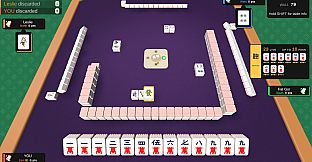
Everybody MAHJONG! is a strategy and casual Mahjong game for PC that collects eight regional rulesets into one package. Players build hands from tiles according to each variant's scoring system while managing discards and defensive decisions. The title supports both new players through guided onboarding and veterans seeking variety across traditional playstyles.
Gameplay
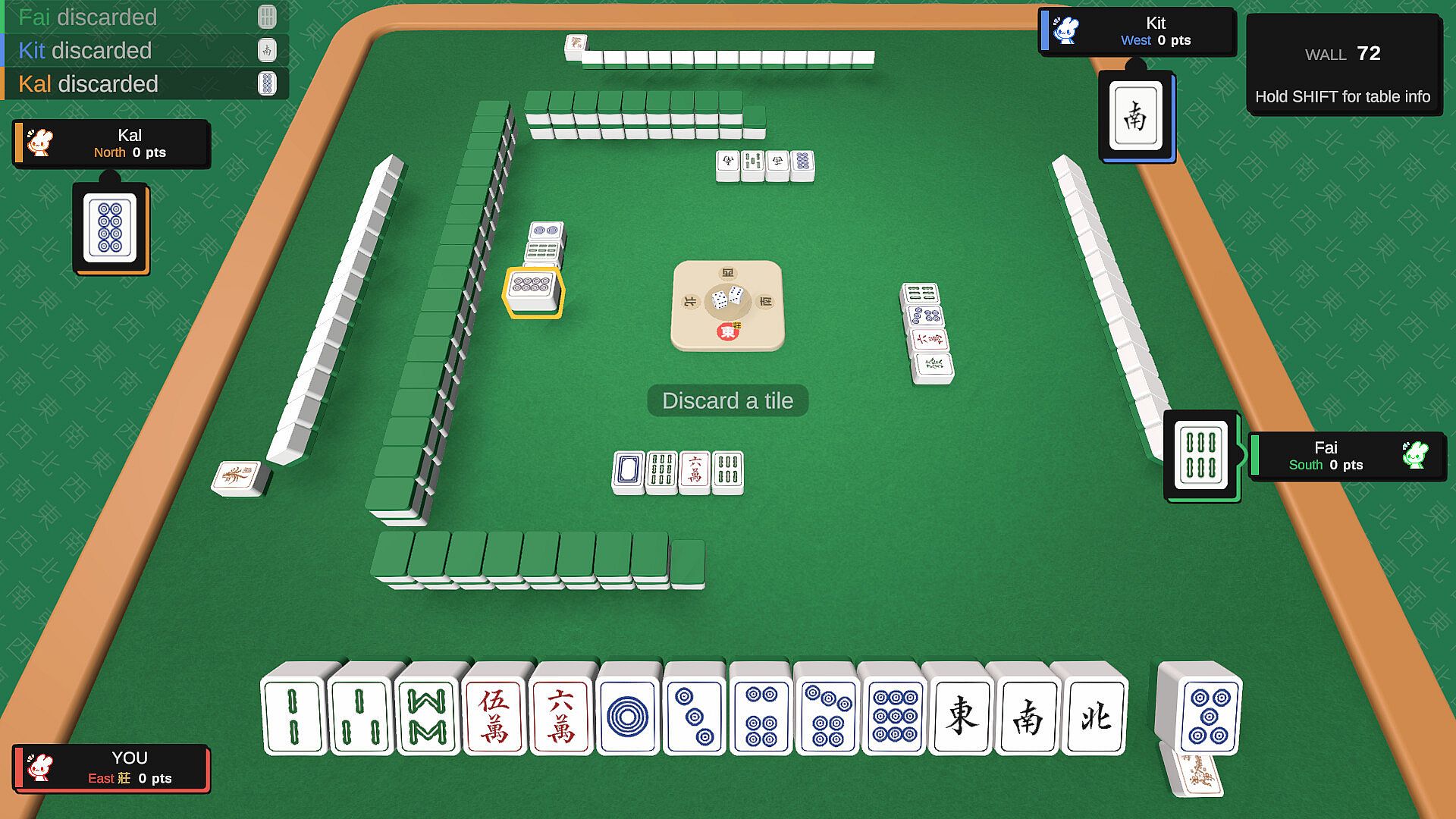
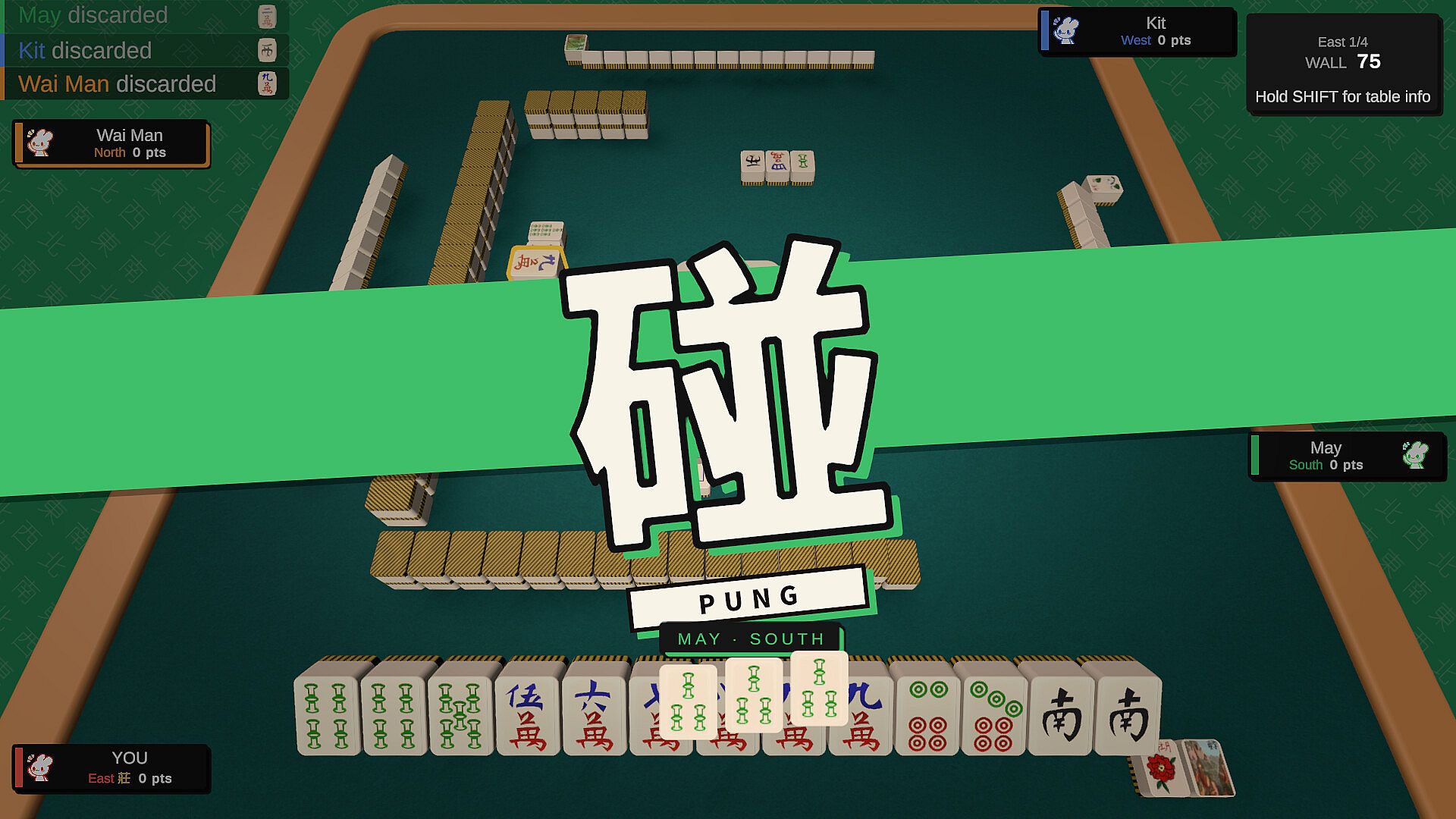
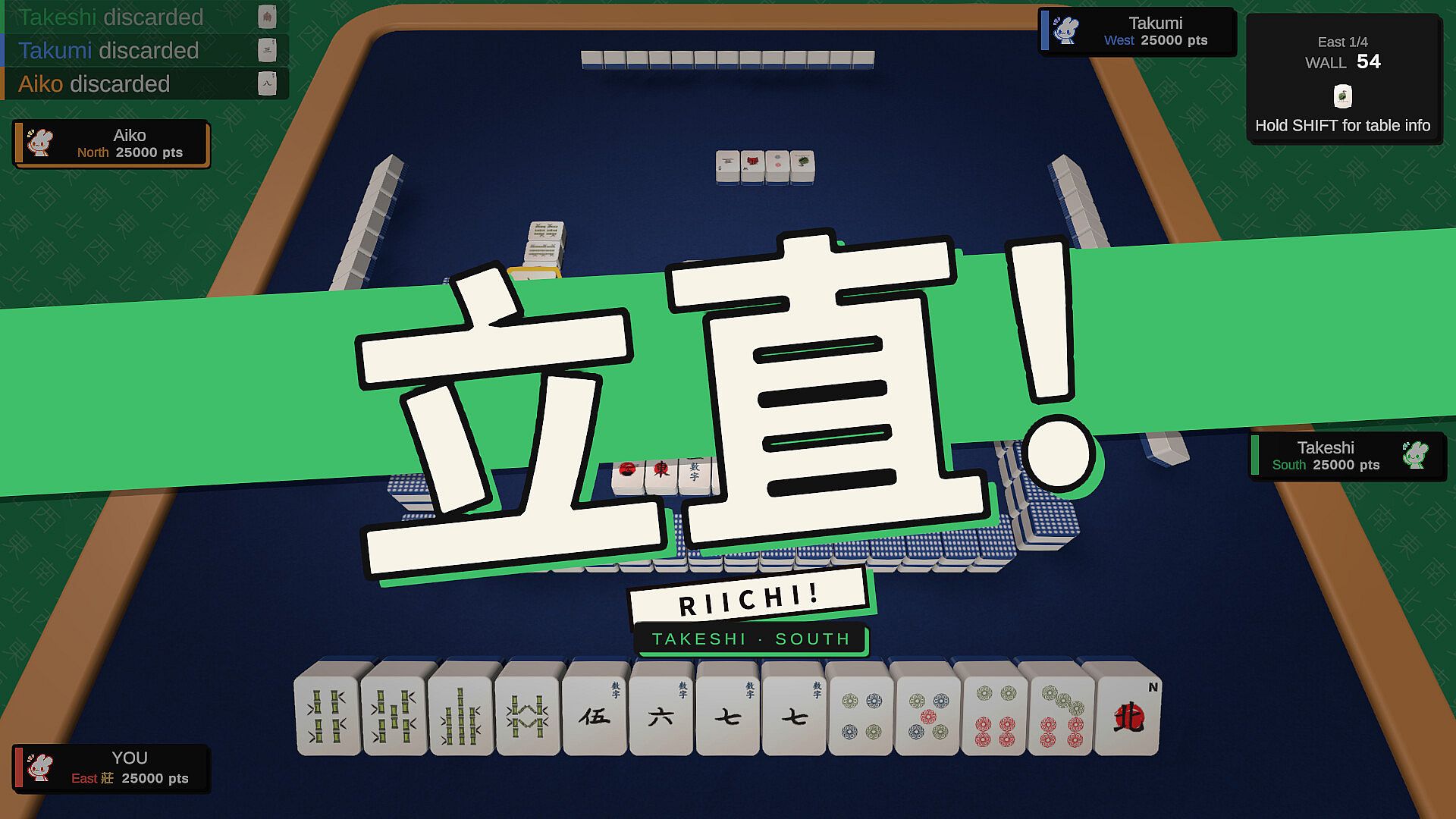
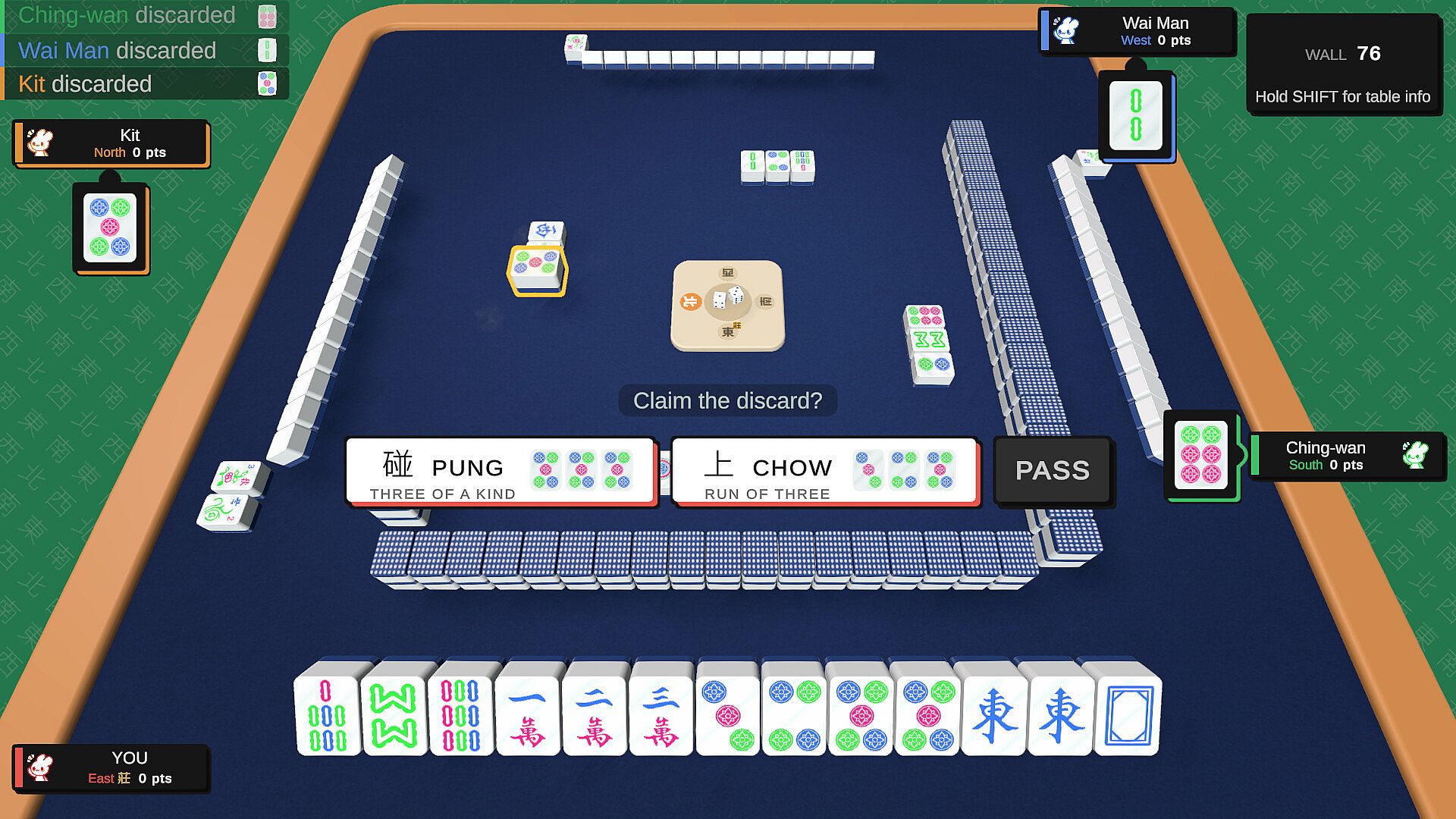
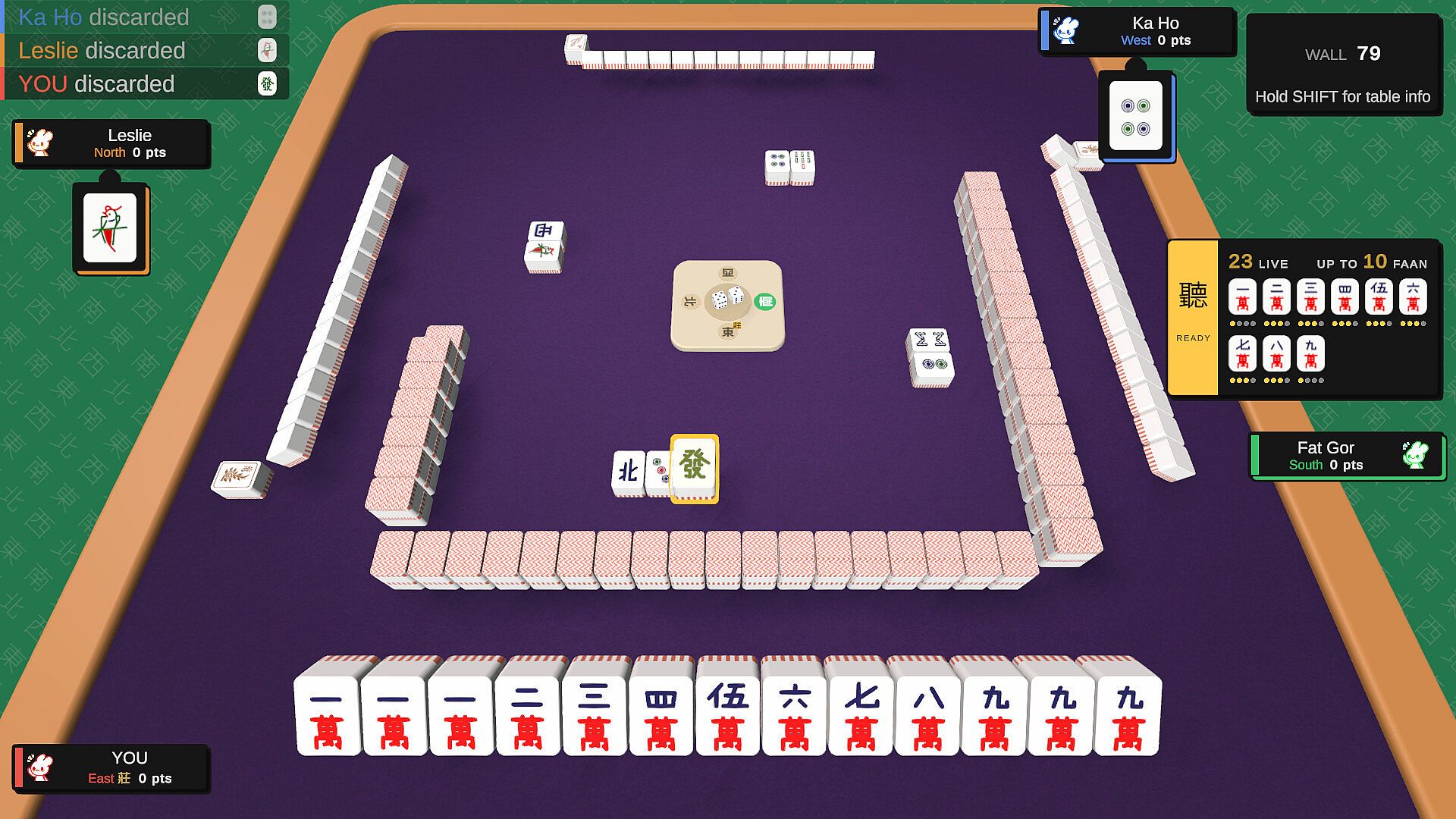
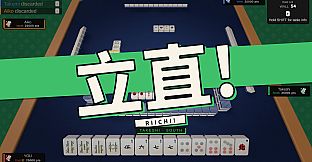
Core play revolves around drawing and discarding tiles to form complete hands that meet each ruleset's point threshold. Hong Kong uses 144 tiles with 14 per hand and emphasizes quick pattern building for minimum scores. Riichi relies on 136 tiles and incorporates defensive reading of discards along with point wagers on high-stakes calls. Guobiao follows the 144-tile international tournament standard with 81 distinct scoring combinations. Taiwanese expands to 17 tiles per hand from a 144-tile set, creating longer rounds and more layered strategy. Sichuan shortens the set to 108 tiles and continues play after one player wins so remaining participants keep competing. Singaporean adds animal tiles to its 148-tile deck for instant bonuses during fast rounds. Korean limits the game to three players with 104 tiles and removes bamboo suits for shorter sessions. Sanma adapts Riichi for three players using 108 tiles without character tiles to produce explosive hand possibilities.
Each ruleset runs on the same underlying tile mechanics yet diverges in hand size, tile count, and special features. Defensive play appears most prominently in Riichi and Sanma, while aggressive pattern chasing defines Hong Kong and Singaporean sessions. Customization toggles let users adjust win thresholds, disable certain combinations, or modify bonus scoring without altering the base ruleset.
Game Modes
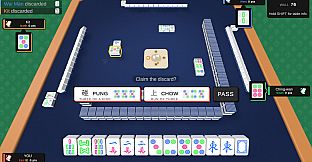
Solo matches against intelligent bots provide immediate access to any ruleset at any time. Private online rooms allow groups of friends to gather, with bots automatically filling empty seats so sessions continue without interruption. No separate ranked ladders or seasonal events appear in the current design, keeping focus on direct play and rule experimentation.
Players switch between rulesets freely after completing the initial tutorials. Bots maintain consistent behavior across all variants, adapting their calls and discards to the active ruleset without requiring separate mode selection.
Customization Options
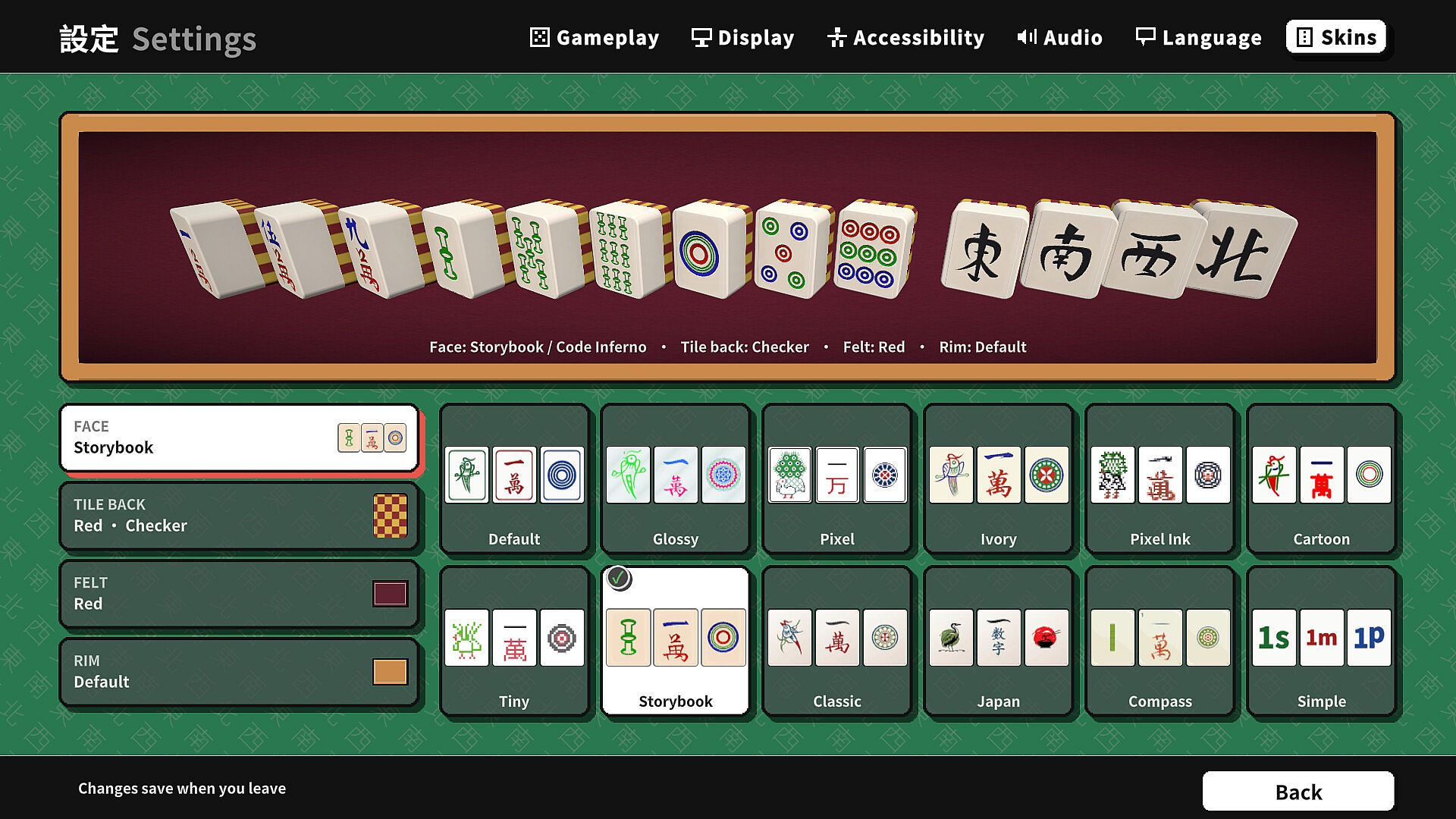
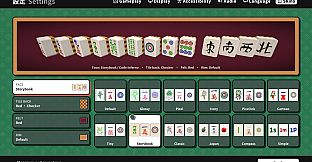
Table appearance changes extend to tile backs, faces, table color, and seat hues. Endless color combinations let users match personal preferences or group themes. House rule toggles sit alongside these visual options so groups can fine-tune scoring or winning conditions before a session begins.
These adjustments apply per ruleset, preserving the distinct identity of each variant while allowing personal tweaks. Tile redesigns affect only appearance and leave gameplay values unchanged.
Learning Resources
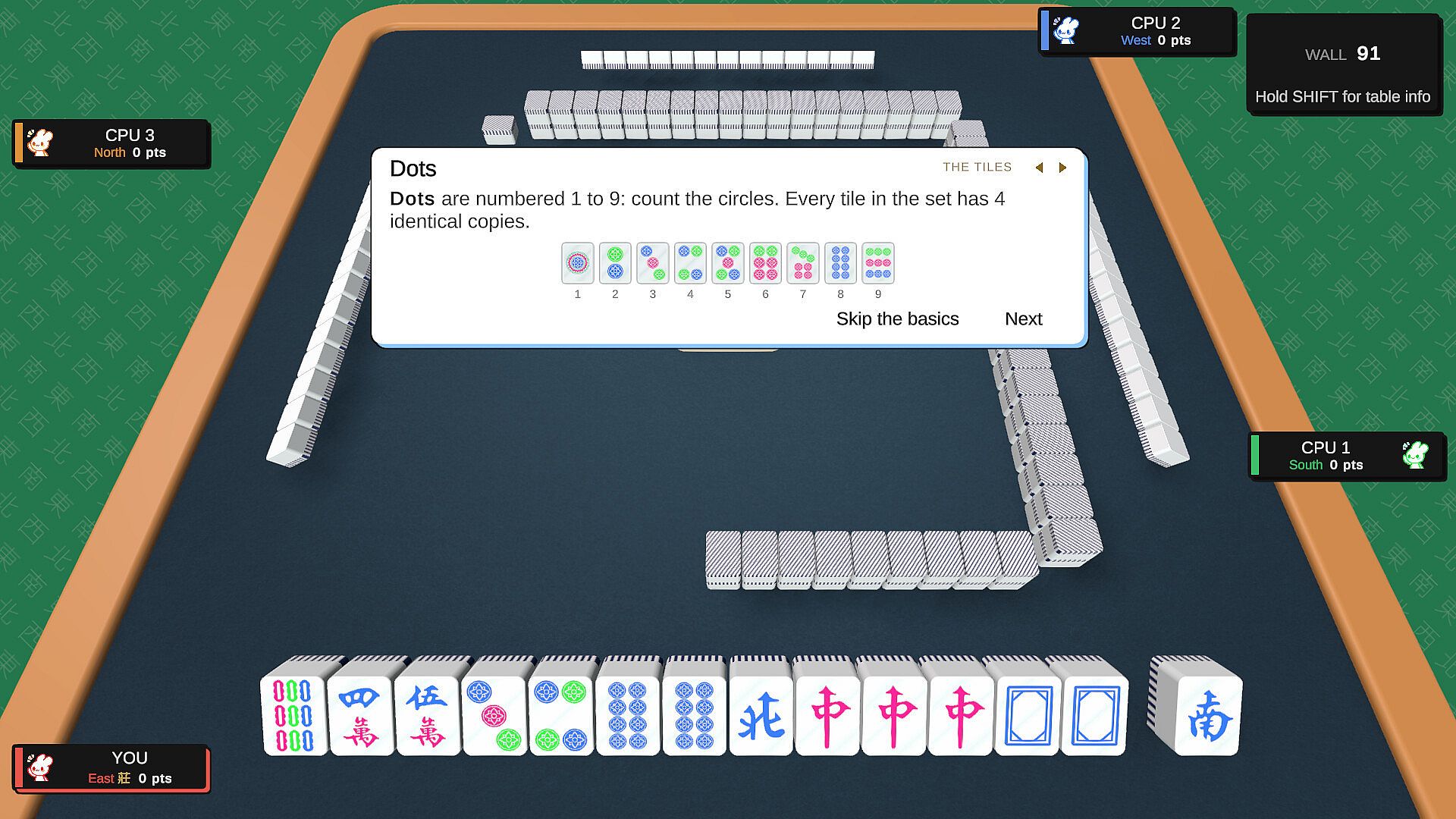
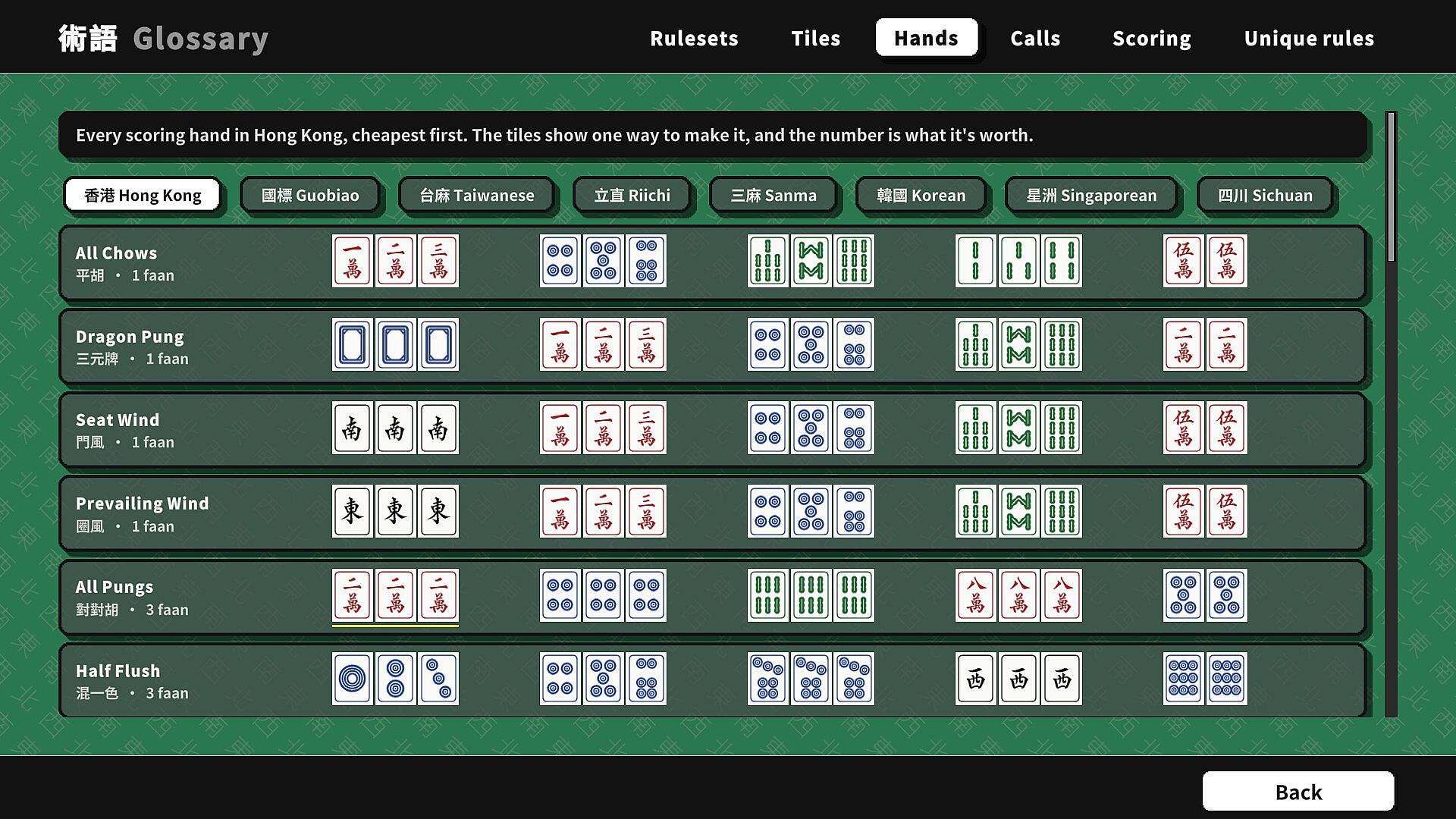
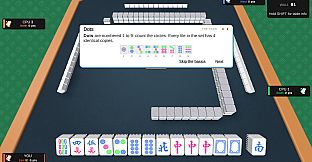
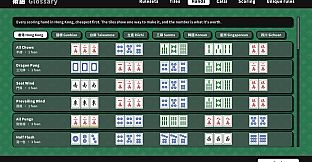
Every ruleset includes an interactive tutorial that walks through setup, tile identification, hand formation, and scoring step by step. A built-in glossary covers tile definitions, winning combinations with point values, and the unique mechanics of each variant. New players can test a full hand in each ruleset to compare differences directly, such as the impact of animal tiles in Singaporean play or the absence of bamboo in Korean sessions.
Experienced players use the same tools to explore unfamiliar rulesets without external references. The glossary functions as a quick reference during matches, listing all combinations and regional distinctions in one place.
Is It Worth Playing?
Everybody MAHJONG! suits players who want one application for multiple Mahjong traditions rather than separate titles for each variant. Beginners benefit from the structured tutorials and glossary that remove the usual barrier of learning rules from scratch. Experienced players gain access to less common regional styles alongside familiar ones, plus the ability to adjust house rules and table visuals for repeated sessions.
Solo bot matches and bot-filled private rooms support flexible play without requiring four human participants every time. The design centers on faithful recreation of traditional rulesets with modern conveniences like customization and onboarding, making it a practical choice for anyone interested in exploring Mahjong depth across cultures.