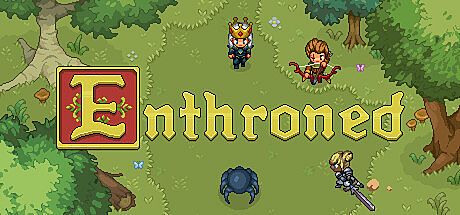


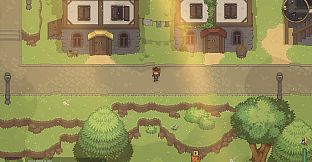
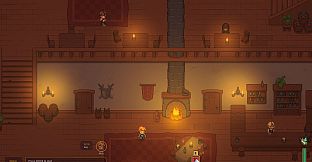
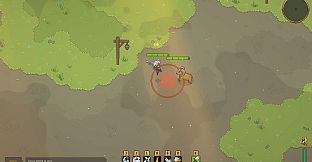
Enthroned is an action RPG massively multiplayer game set on PC that emphasizes player-driven interactions in a persistent world. Players enter a setting where different playstyles coexist without one dominating, and systems encourage cooperation even among those with opposing goals. The experience centers on building a personal chronicle of actions that shapes how towns and kingdoms respond, all while navigating combat that rewards skill over long grinds.
Gameplay
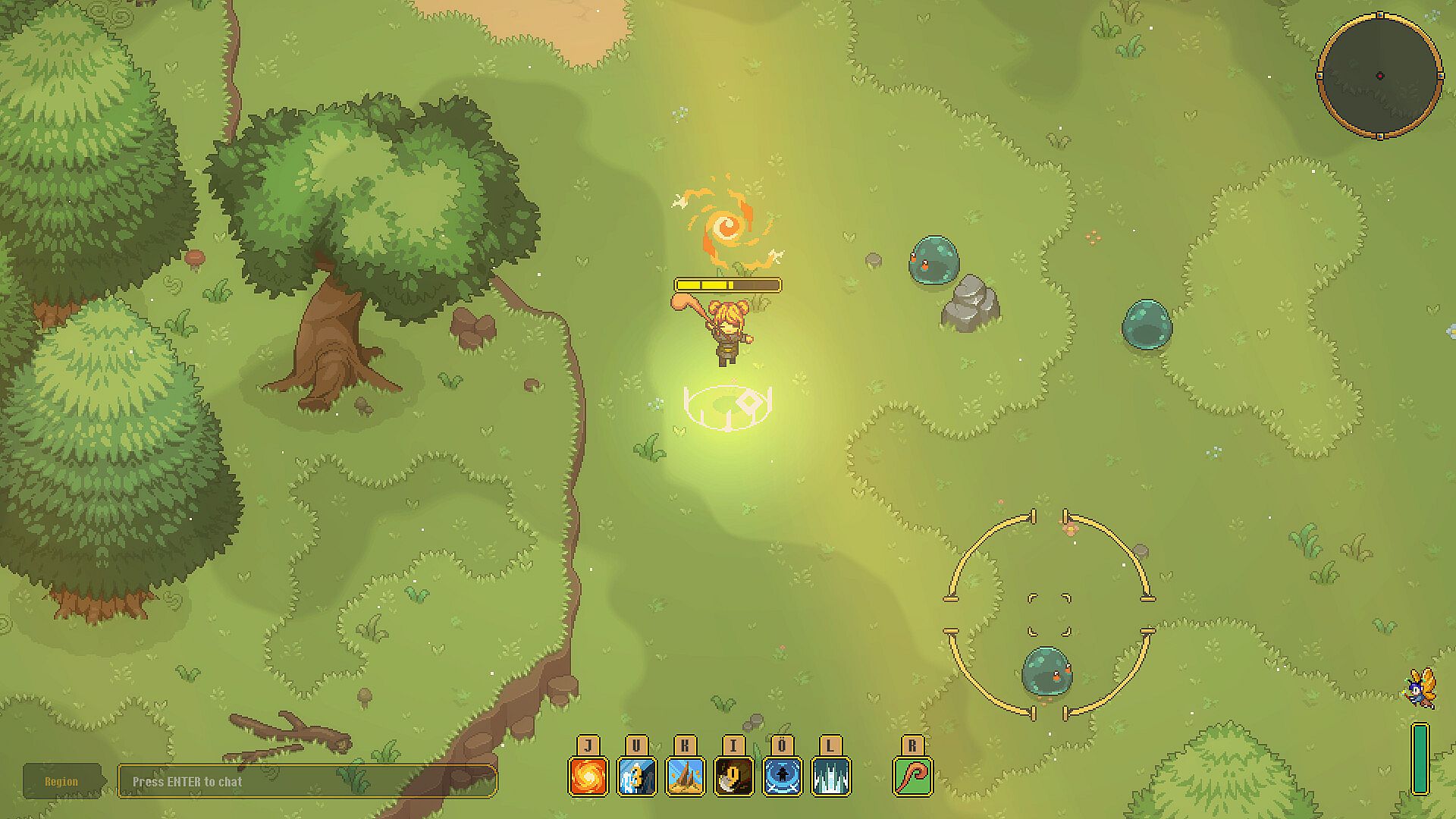
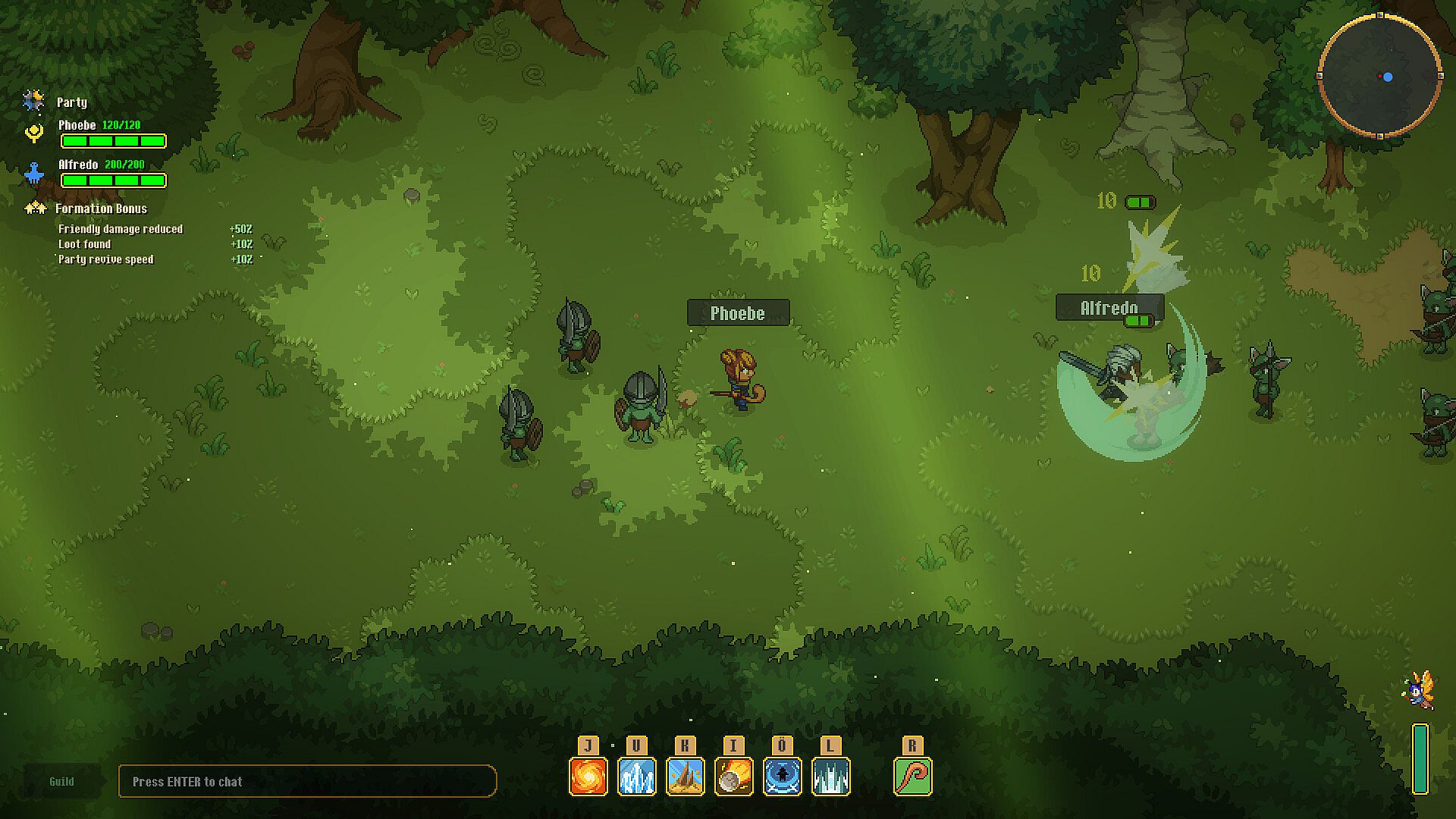
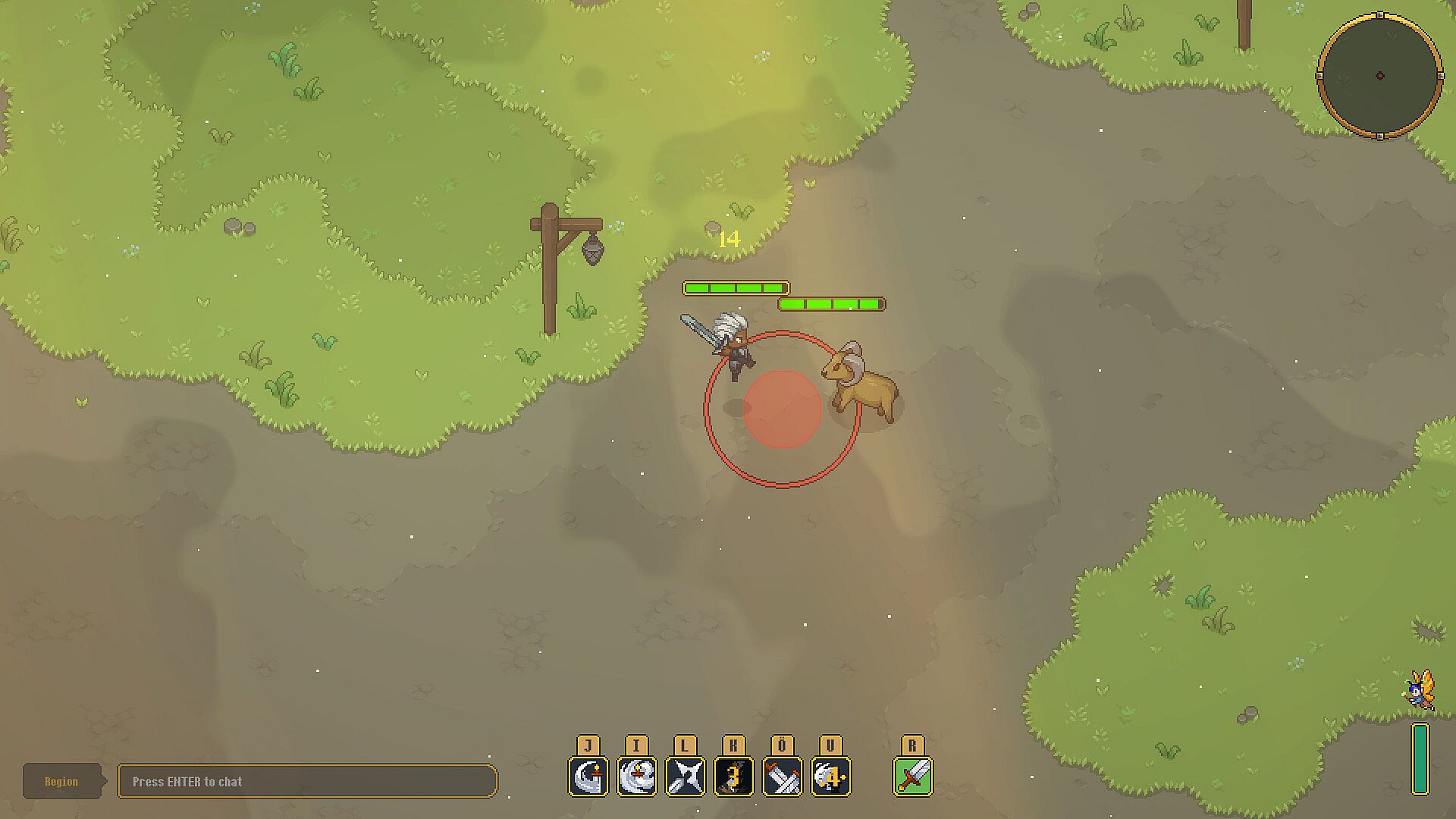
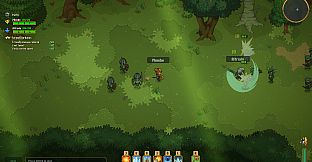
Combat relies on aim, timing, and reading situations rather than complex rotations or extensive preparation. Players begin with all abilities available from the start, avoiding skill trees or delayed progression that leaves newcomers behind. Three classes are available initially, with more planned, and friendly fire remains active at all times to heighten tension. Grouping reduces friendly fire damage and adds class-specific buffs, turning parties into coordinated units where composition matters.
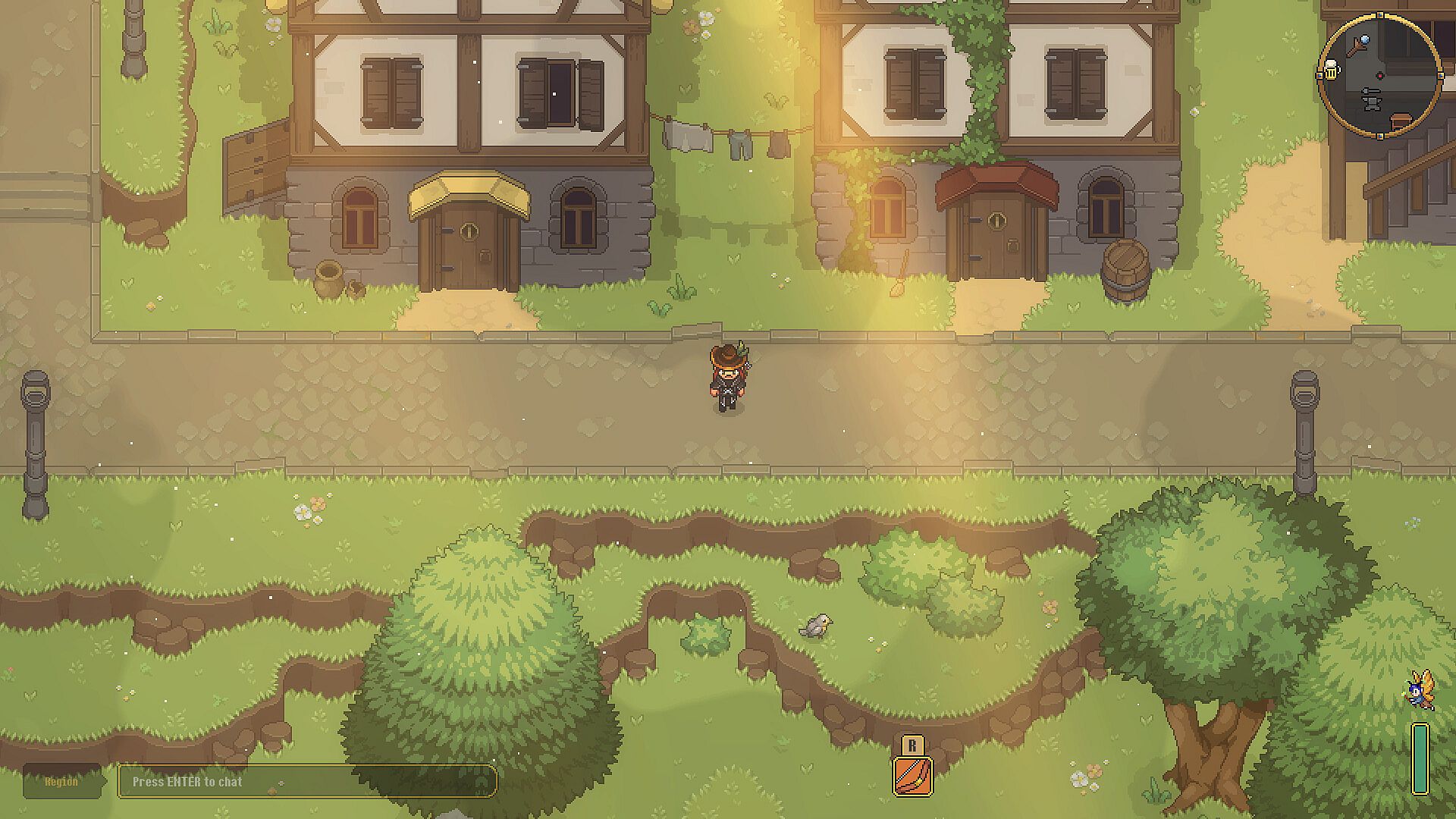
Travel and economy avoid automation. Wagons provide faster movement only when towns establish routes, and these can be disrupted, requiring repairs that draw players together. Trading happens directly between players or through town market booths that take a cut, with no central auction system. Every omitted convenience creates opportunities for encounters in the world.
Each character maintains a chronicle recording deeds, which can convert into fame. Towns react based on this record, offering rewards, higher prices, or outright refusal depending on leadership decisions. Crimes require witnesses to register, preserving some anonymity in a world that otherwise tracks reputation closely. A loyal familiar accompanies every player, gathering resources, carrying items, and assisting when needed without the risk of permanent loss.
Game Modes
Core activities blend individual progression with group efforts across the shared world. Arena combat includes ranked duels and team matches for those seeking direct competition. Political systems allow groups to challenge and overthrow kingdoms or towns through staged processes that still emphasize small-team coordination rather than large-scale zergs.
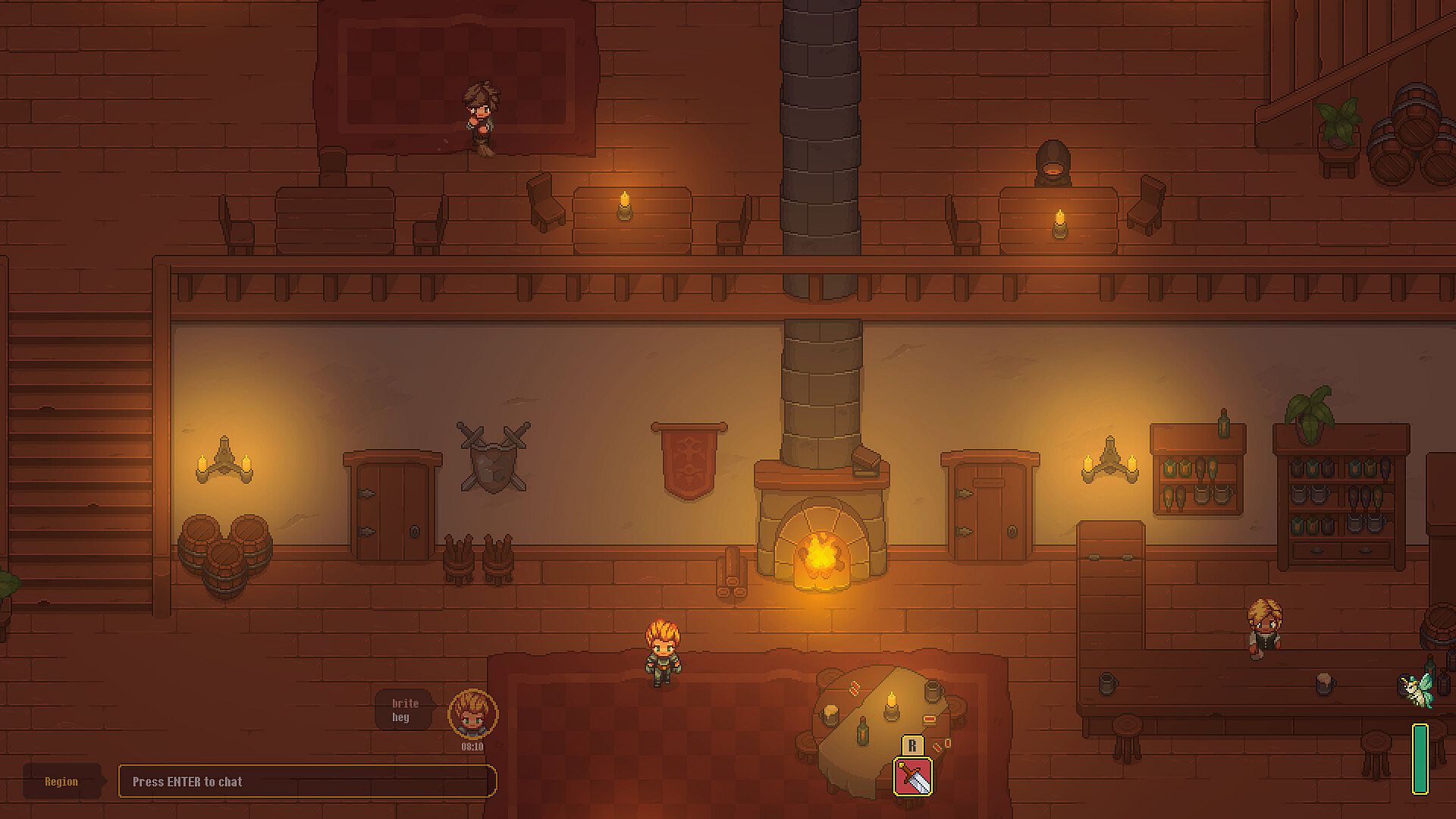
Exploration focuses on uncovering hidden elements that are not handed out through quests or markers. Players can pursue roles such as road protectors, market traders, or outlaws whose reputations spread through player actions alone. Overthrow attempts involve multiple stages but consistently reduce to small-group decisions at key moments, keeping the scale intimate even in larger conflicts.
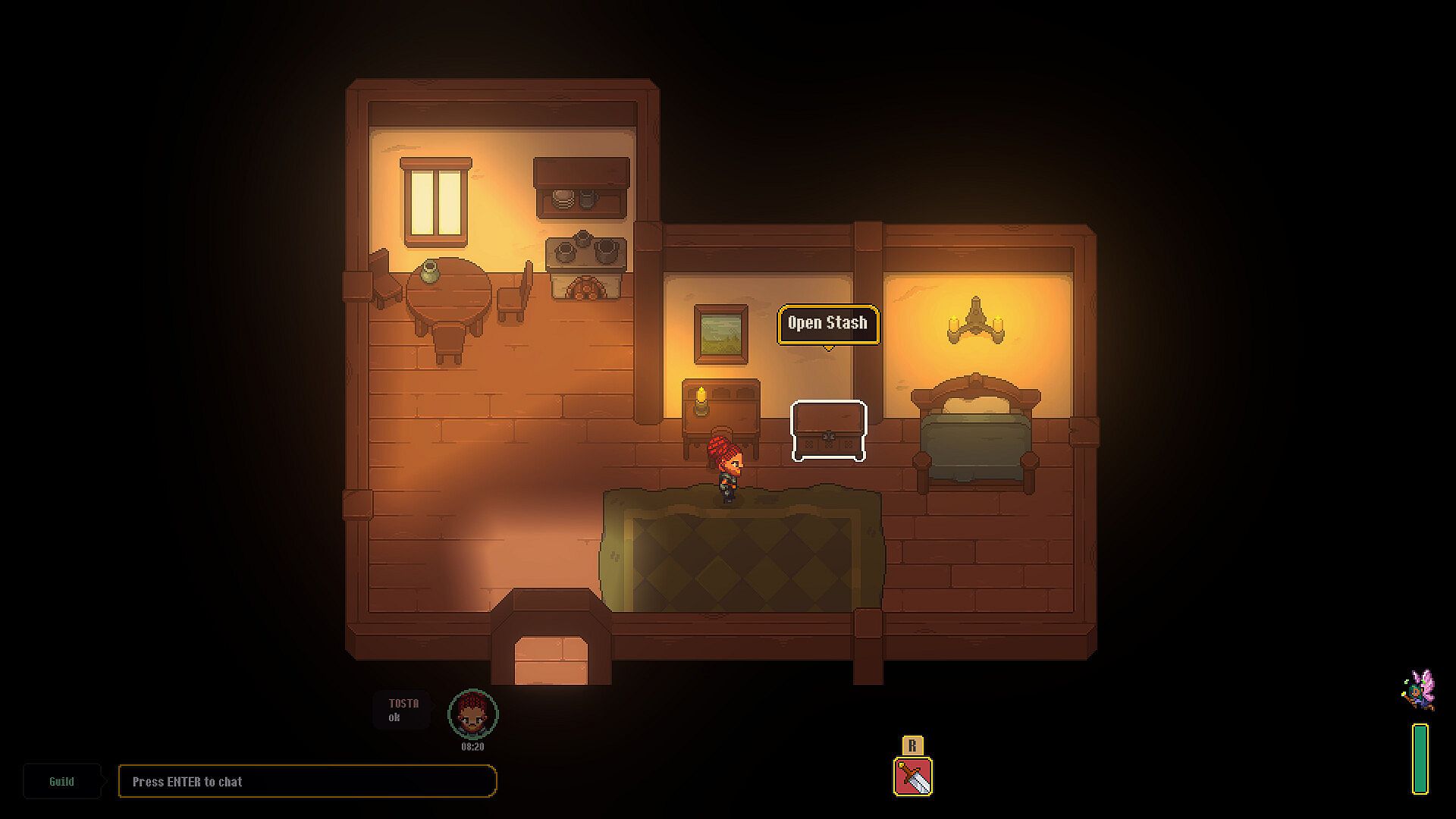
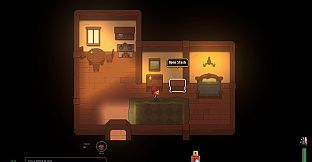
Kingdoms establish broad laws on crimes and punishments that may vary by origin, while towns handle local rules, construction, crafting options, and defense. Citizens gain housing with storage and access to restricted areas, with pricing on town land set by leadership. Representation is limited to one kingdom at a time, making allegiance a meaningful choice that affects daily life.
World and Progression
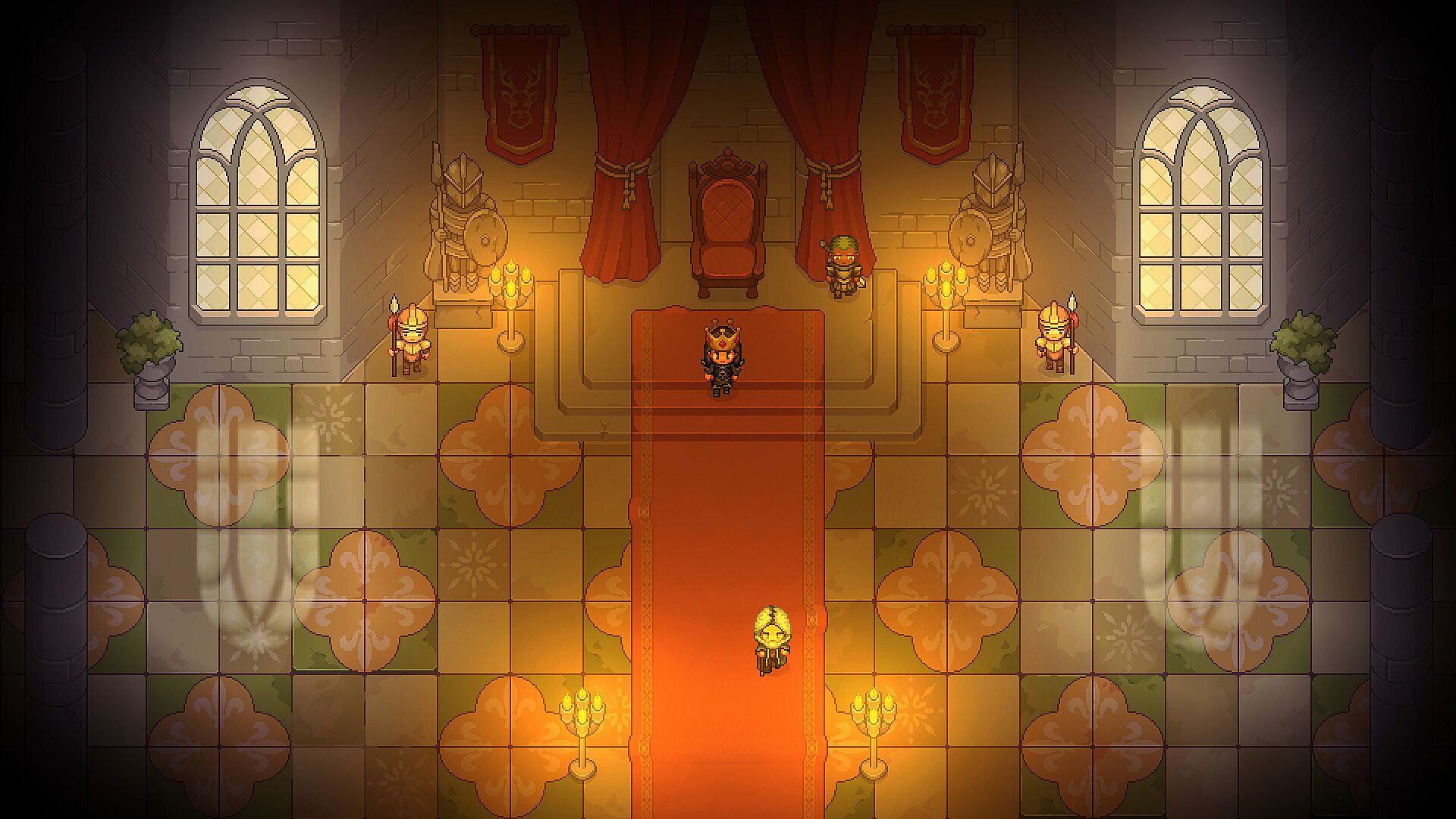
The setting operates in layers, with kingdoms defining regional rules and towns managing specifics inside them. Both can be overthrown when players decide leadership has faltered, resetting some prior developments so new rulers face fresh decisions. The moment of enthronement marks a shift where previous restrictions lift or change, allowing different characters to enter spaces previously denied.
Progress stays lightweight. No decay affects advancement, streaks do not require maintenance, and time away does not pile up obligations. The world continues regardless of individual logins, and what players accomplish retains weight through the chronicle system and lasting reputations. Controller support was built in from the start, allowing the same experience whether played seated with a keyboard or in relaxed positions on a couch or elsewhere.
Four guiding principles shape the design: skill determines capability more than gear or playtime, player interaction takes priority over convenience features, the community controls politics and economy without scripted outcomes, and the game remains accessible without demanding constant attention. These combine to let individual choices influence how the world functions.
Is It Worth Playing?
Enthroned suits players who enjoy social systems and reputation mechanics in a multiplayer environment where actions carry consequences. Those seeking straightforward combat without heavy theorycrafting or long waits to become relevant will find the immediate ability access and emphasis on timing appealing. The buy-to-play model with only cosmetic options removes pay-to-win concerns, and the focus on small groups plus controller compatibility broadens accessibility for varied play sessions.
Reception centers on how the systems encourage real player meetings and lasting impact without checklists or automated shortcuts. Players interested in building fame through varied paths, from arena competition to political maneuvering, or simply existing as a trader or protector in a reactive world, will find room to matter. The game waits for participants rather than punishing absence, making it suitable for those who want depth without mandatory daily involvement.