




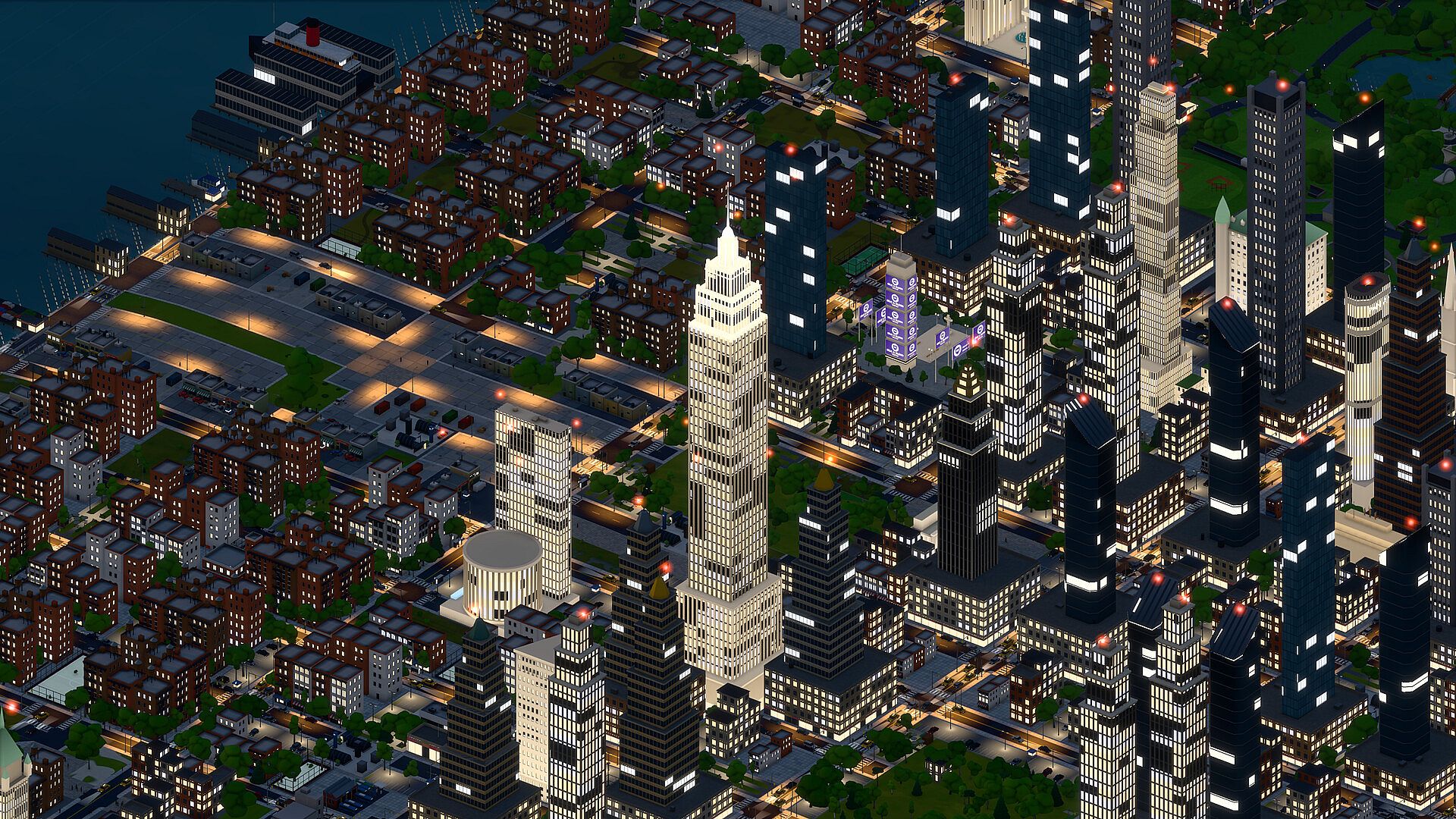
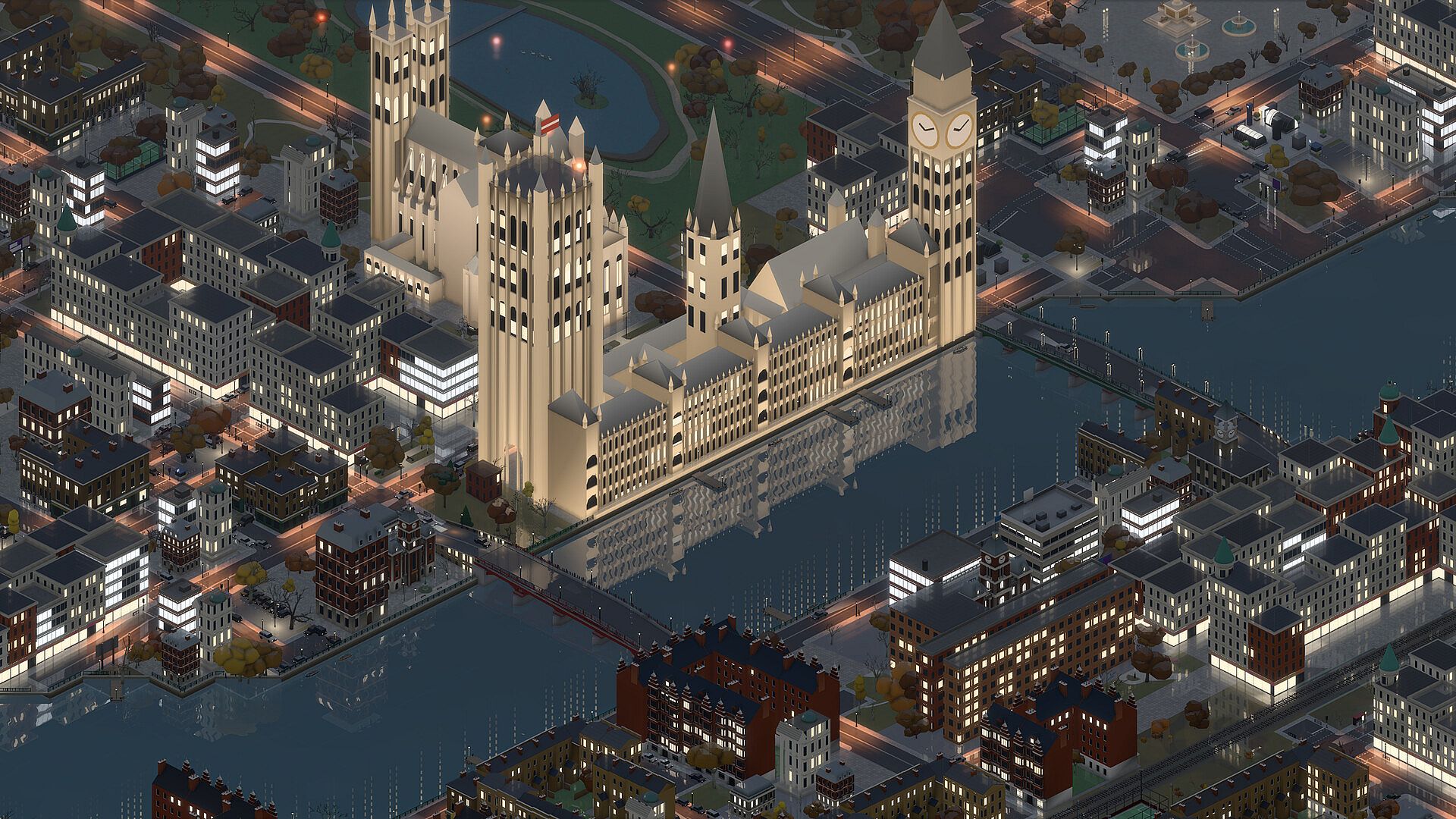
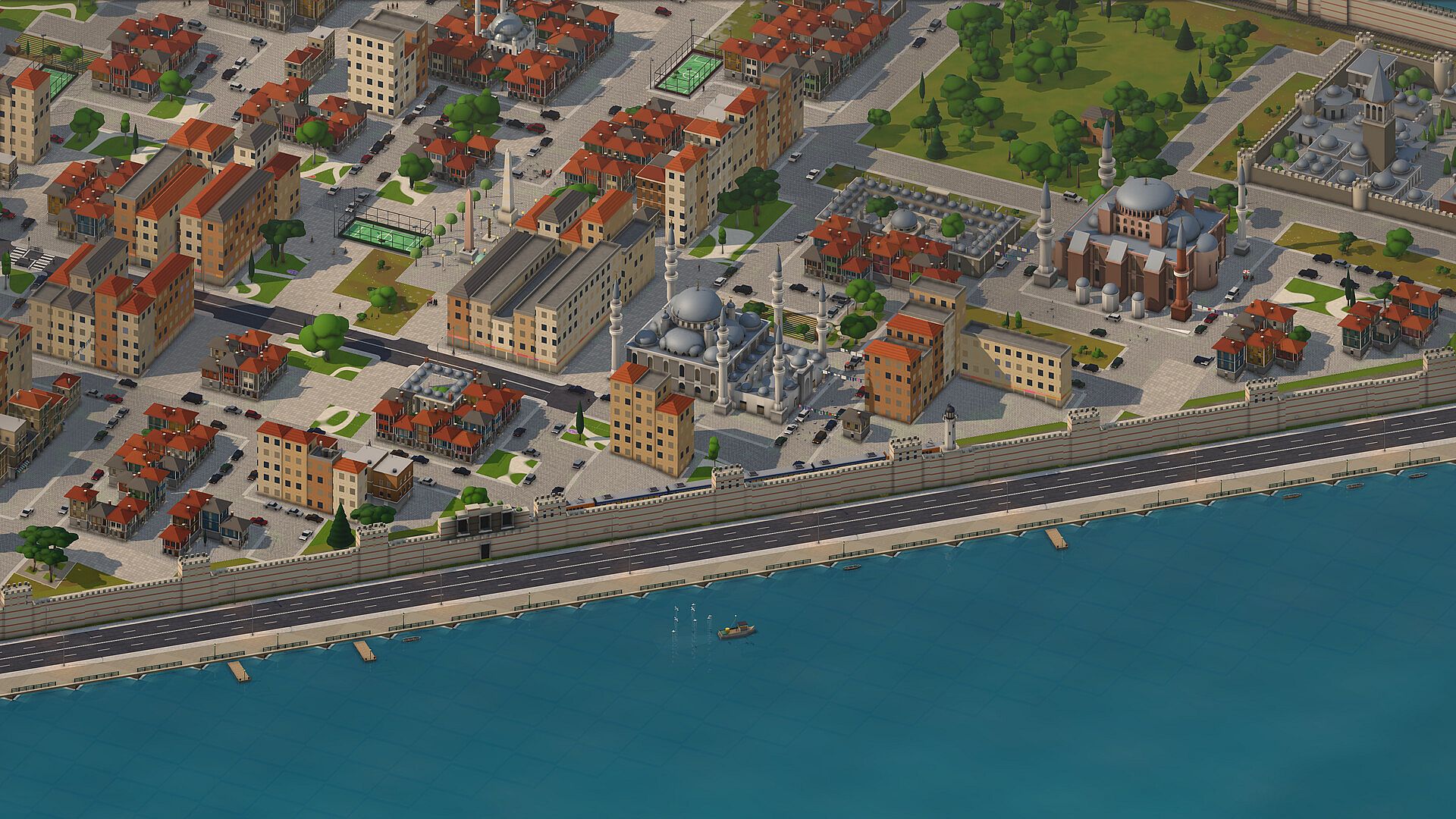
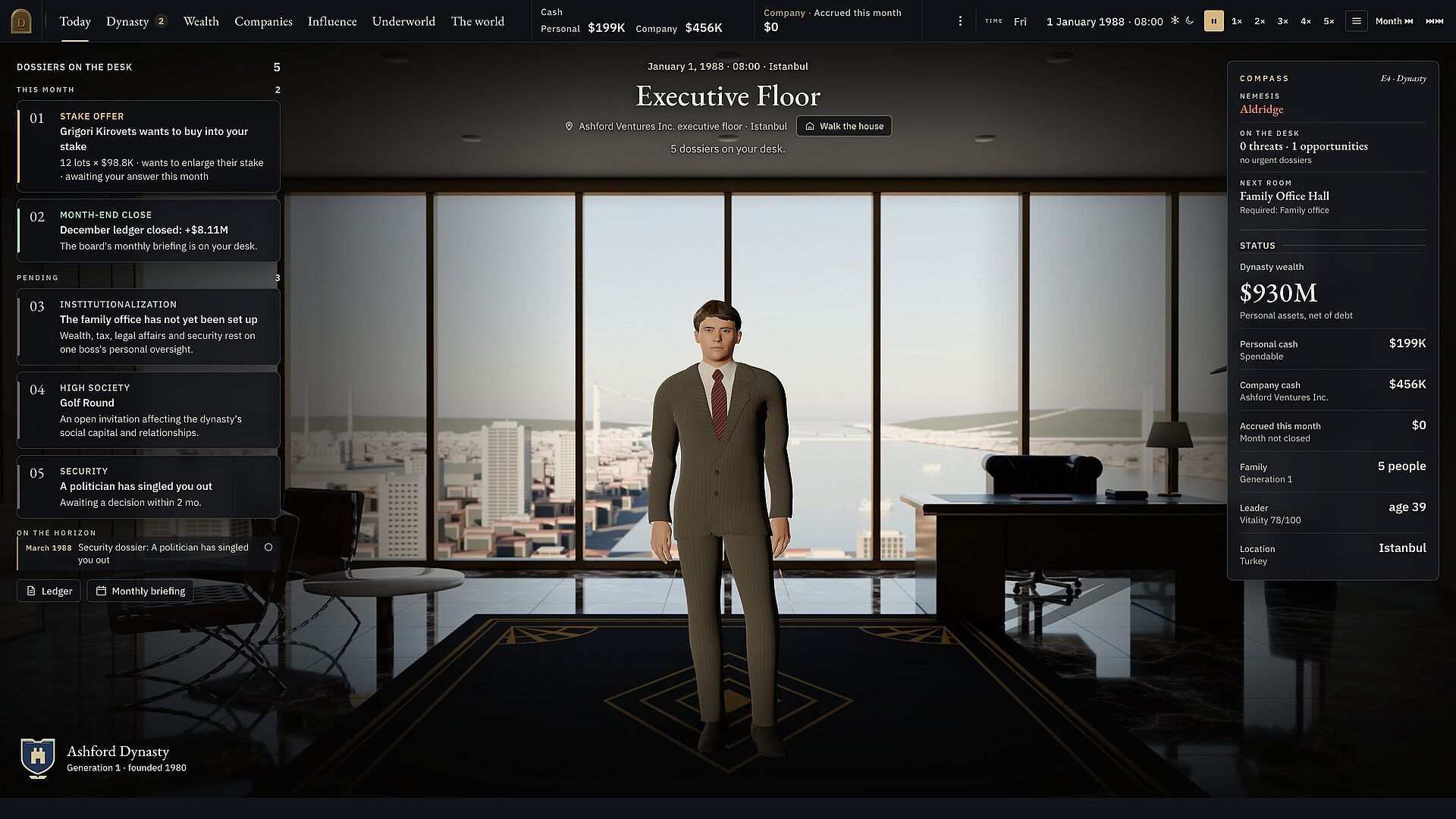
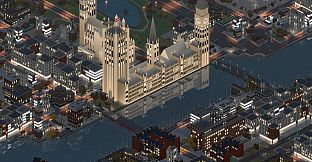
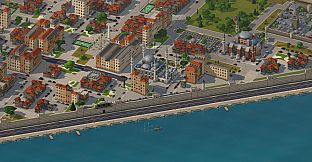
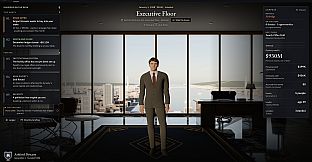

DYNASTY: Silk & Blood is a strategy and simulation game focused on building and sustaining a multi-generational family empire through economic decisions and personal relationships. Set in 1980, players create a founder with custom name, background, education, crest, and motto before selecting one of 13 major cities and starting with a $5 million personal fortune. The experience centers on establishing businesses from scratch, managing complex production and trade networks, and ensuring the fortune passes successfully to heirs as leaders age and pass away.
Gameplay
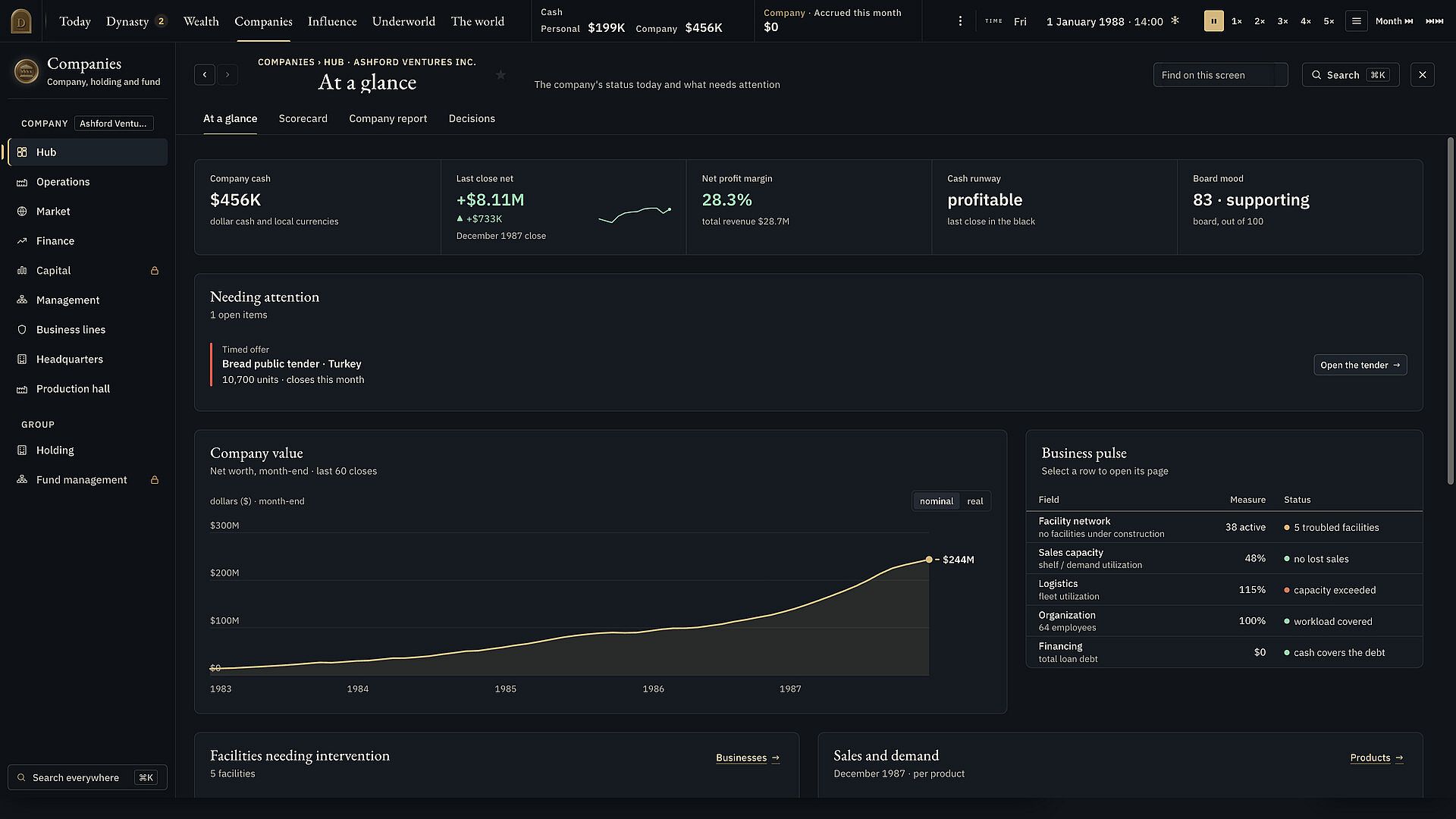
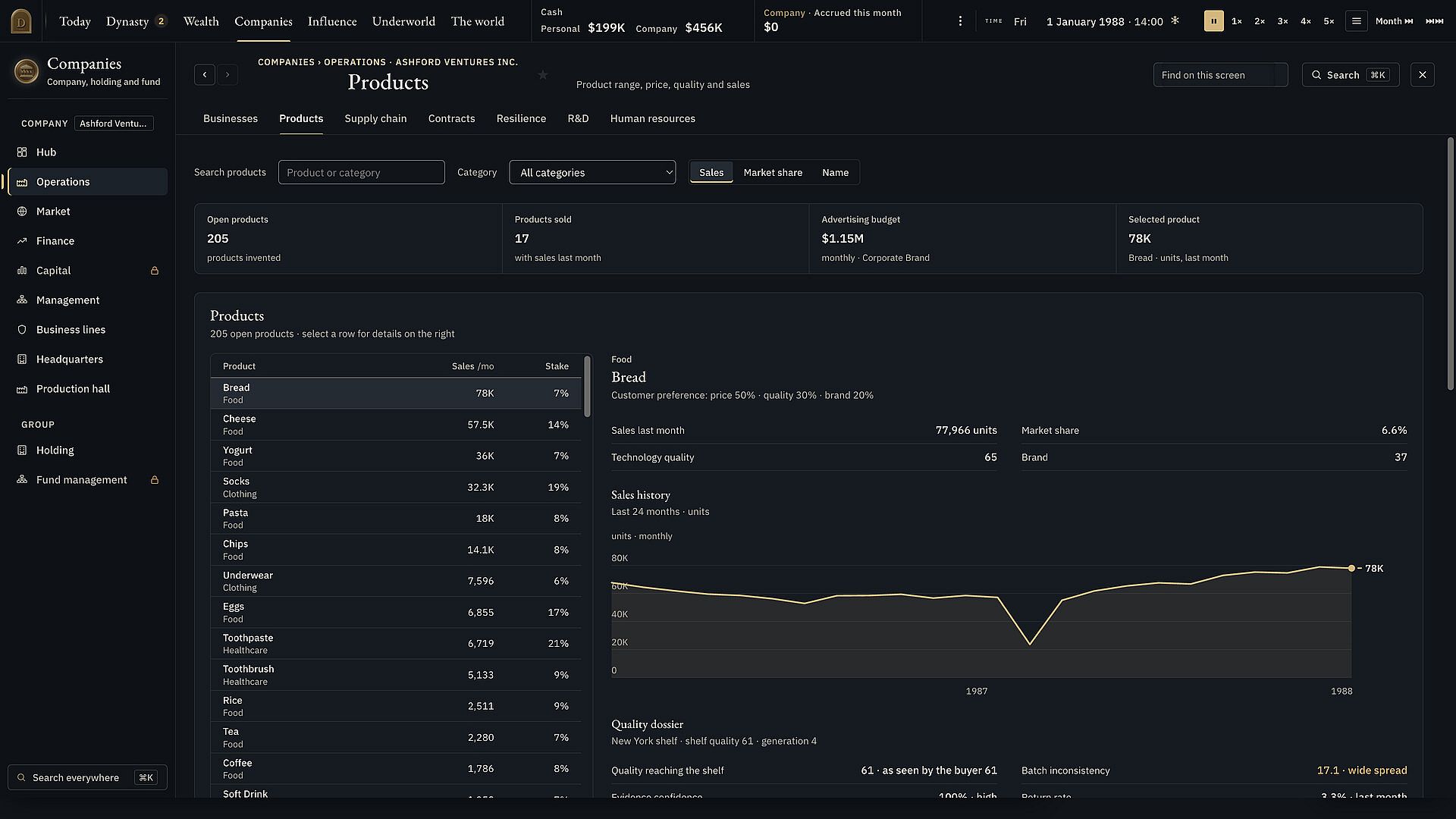
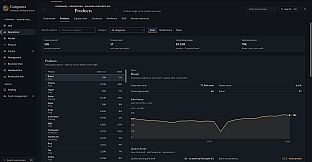
Core systems revolve around realistic economic management. Players select plots to establish factories, stores, or farms, then link production steps such as converting wheat into flour and flour into bread. Supply chains require sourcing raw materials, operating warehouses, and coordinating fleets for delivery to markets. Pricing, quality control, brand development, and advertising budgets determine competitiveness, with options to acquire rival operations or drive them from the market. Companies consolidate under holdings that span energy, media, technology, banking, and insurance sectors.
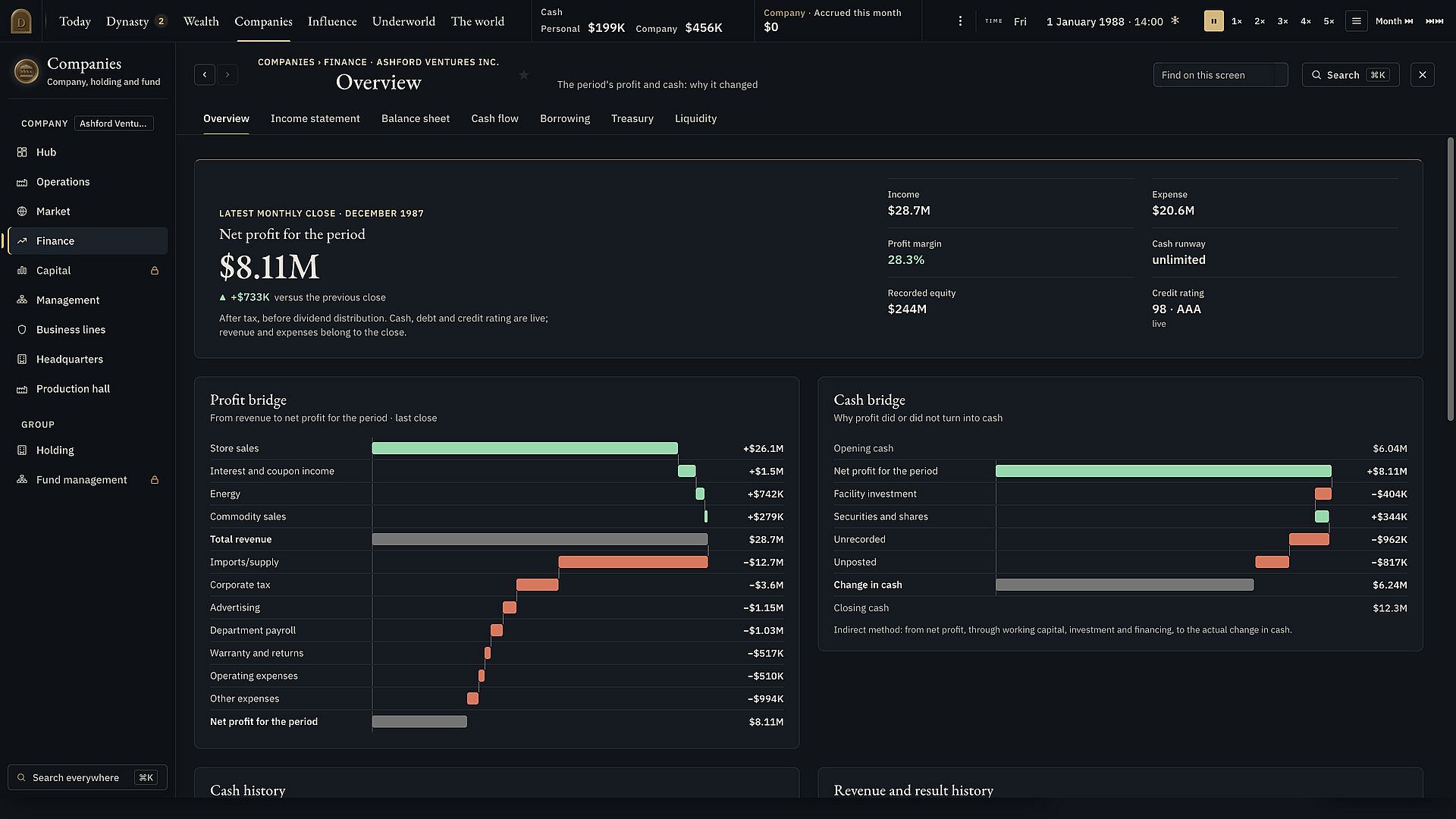
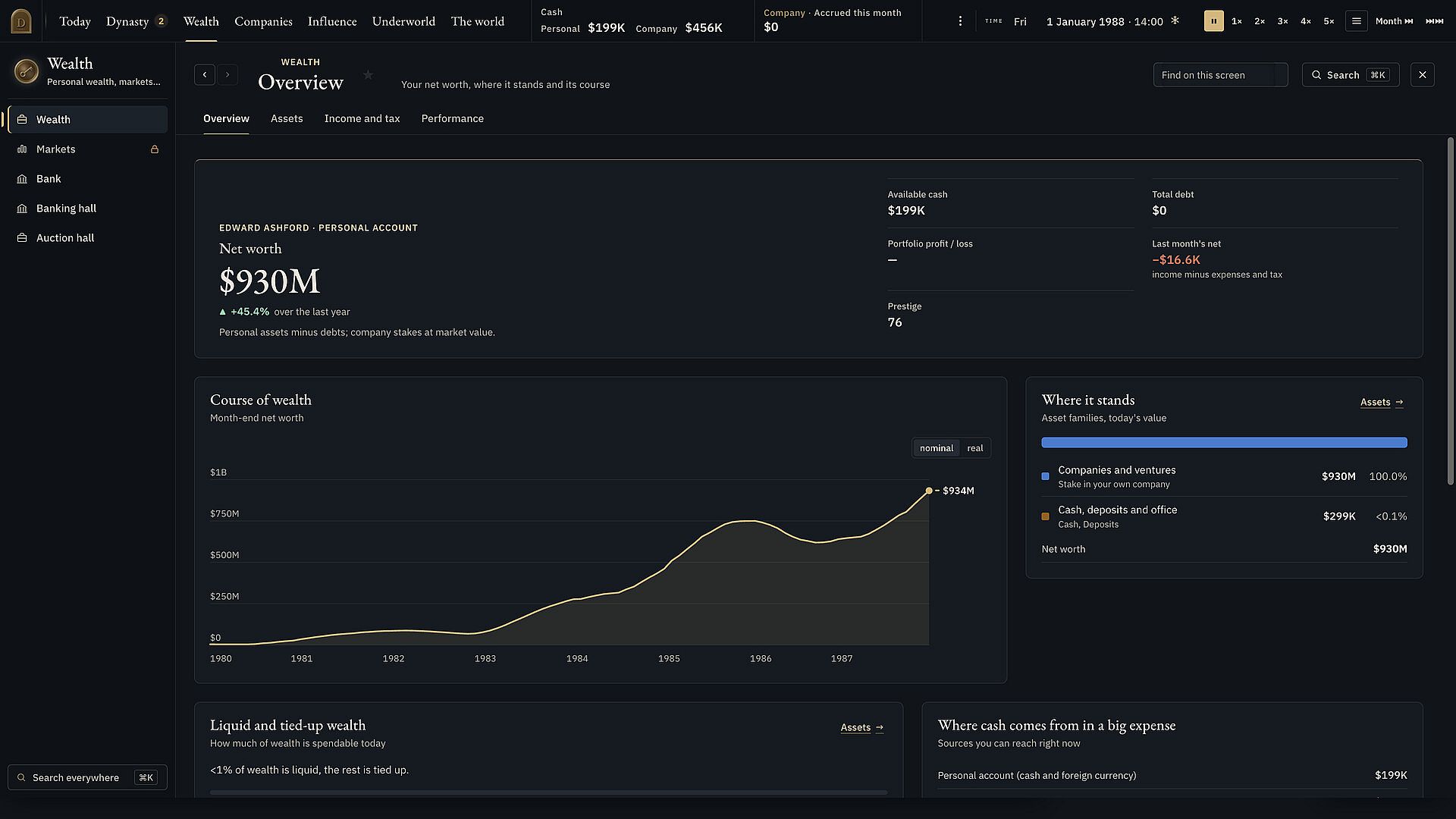
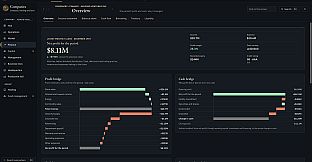
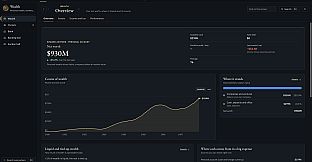
Financial layers include trading on a stock exchange driven by actual buy and sell orders. Portfolios extend to bonds, deposits, currencies, gold, leveraged positions, and venture capital. Partners join companies for capital raises and board influence, while separate investment funds handle outside investor money. Personal wealth, corporate accounts, and family offices remain distinct to avoid liquidity crises that could collapse larger structures.
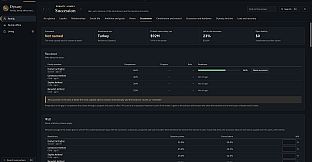
World events affect operations across 13 countries, each with unique currencies, taxes, economies, and populations. Rival dynasties pursue parallel goals in the shared environment, creating competition for acquisitions and market share. Economic crises, currency fluctuations, natural disasters, and legal issues test supply chain resilience.
Game Modes
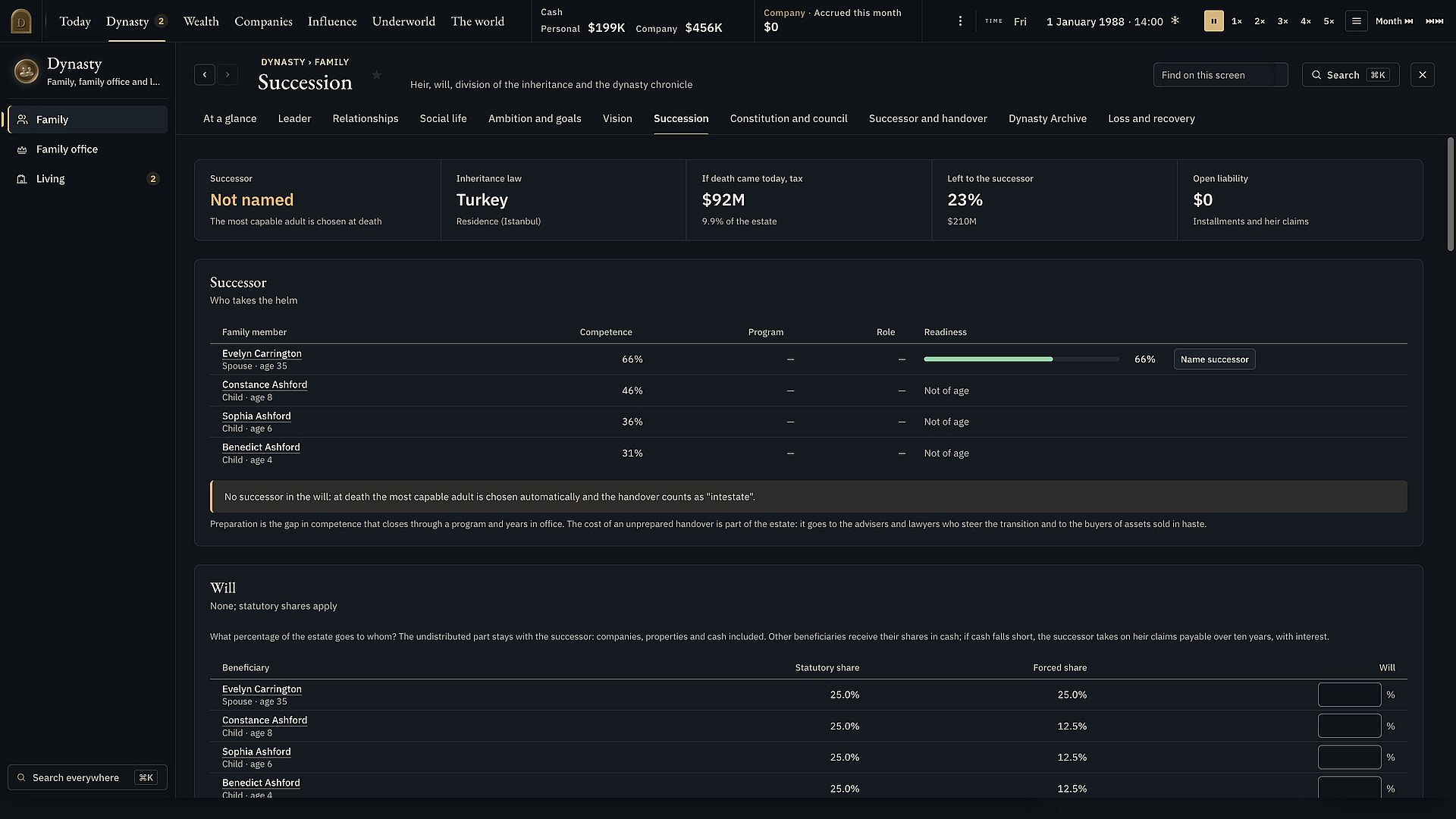
The primary experience follows a continuous single-player simulation without discrete modes or separate campaigns. Progression occurs through generational succession, where a leader's death triggers inheritance planning, will execution, and family council decisions that influence executive loyalty and rival actions. The same persistent world carries forward as heirs assume control, preserving company assets, properties, and relationships while introducing new variables through each generation's talents and ambitions.
Optional paths include high-society activities such as property acquisition, luxury vehicle and art collection, event hosting, and political networking via philanthropy or media ties. A darker route allows connections to criminal networks for money laundering and local influence, balanced against risks of enforcement actions, blackmail, or threats to family members. Sports club ownership adds another layer of management involving team operations and sponsorships.
Family and Succession
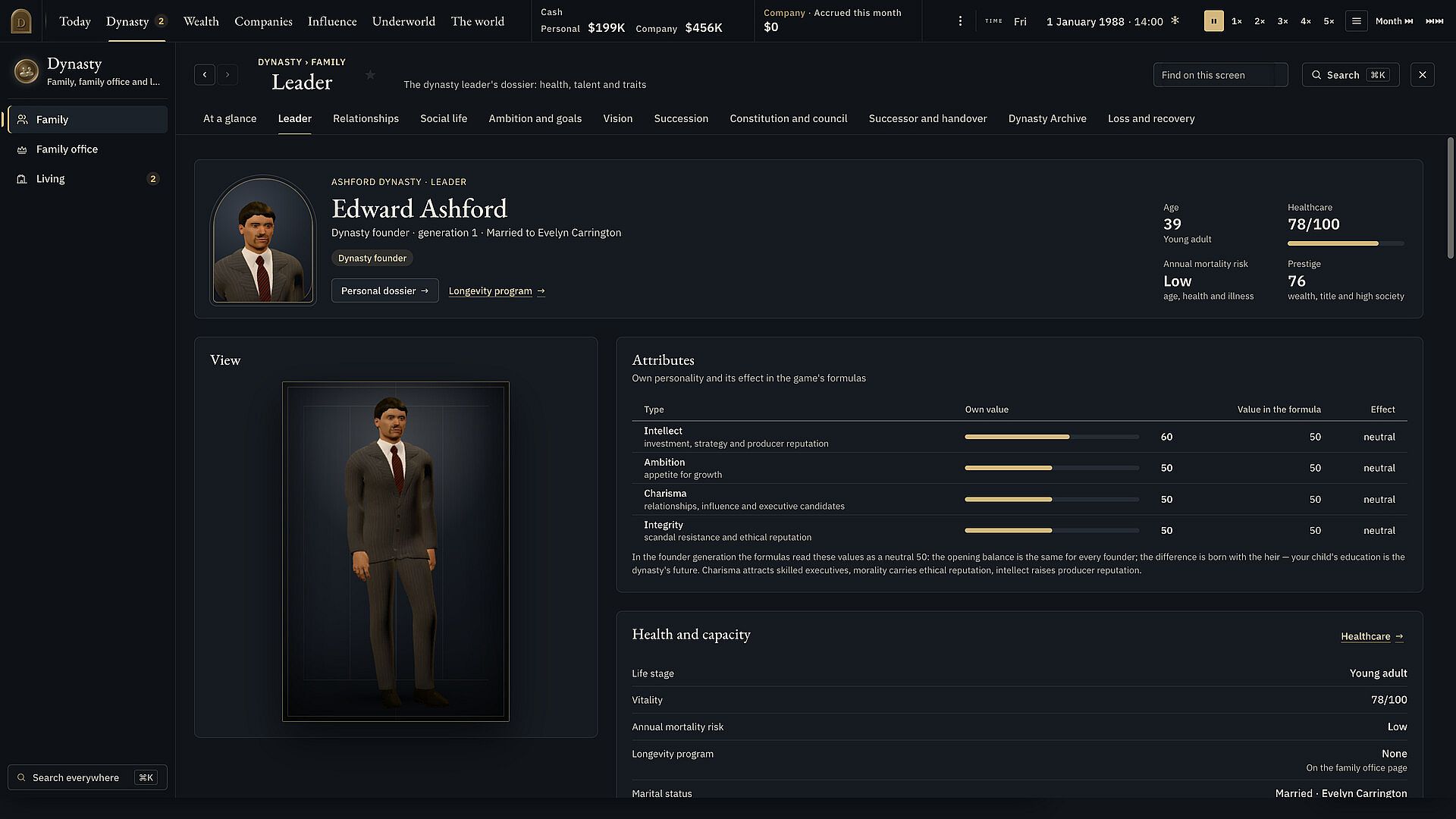
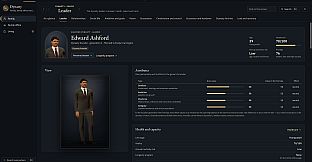
Family mechanics form the long-term core. Relationships lead to marriage and children, each with individual health, education, career goals, and aptitudes. Education at elite institutions and hands-on business experience prepare successors. Wills dictate asset distribution and tax strategies ahead of death. Poor succession planning can shift board dynamics and open opportunities for rivals, while successful transitions maintain momentum across generations. Chronicles record key events for each lineage member.
Is It Worth Playing?
This title suits players who enjoy detailed economic simulations combined with generational storytelling and risk management. The absence of a fixed endpoint encourages long-term planning across multiple lifetimes within one dynasty. Those drawn to production chain optimization, market competition, and family decision-making will find substantial depth in the systems. Individuals seeking faster-paced action or structured multiplayer sessions may find the deliberate pace less engaging. The game remains available on PC for those matching its simulation focus.











