


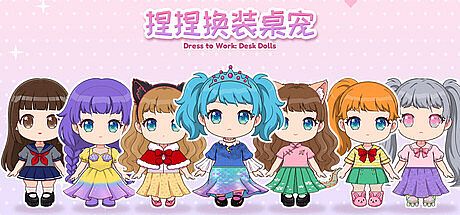


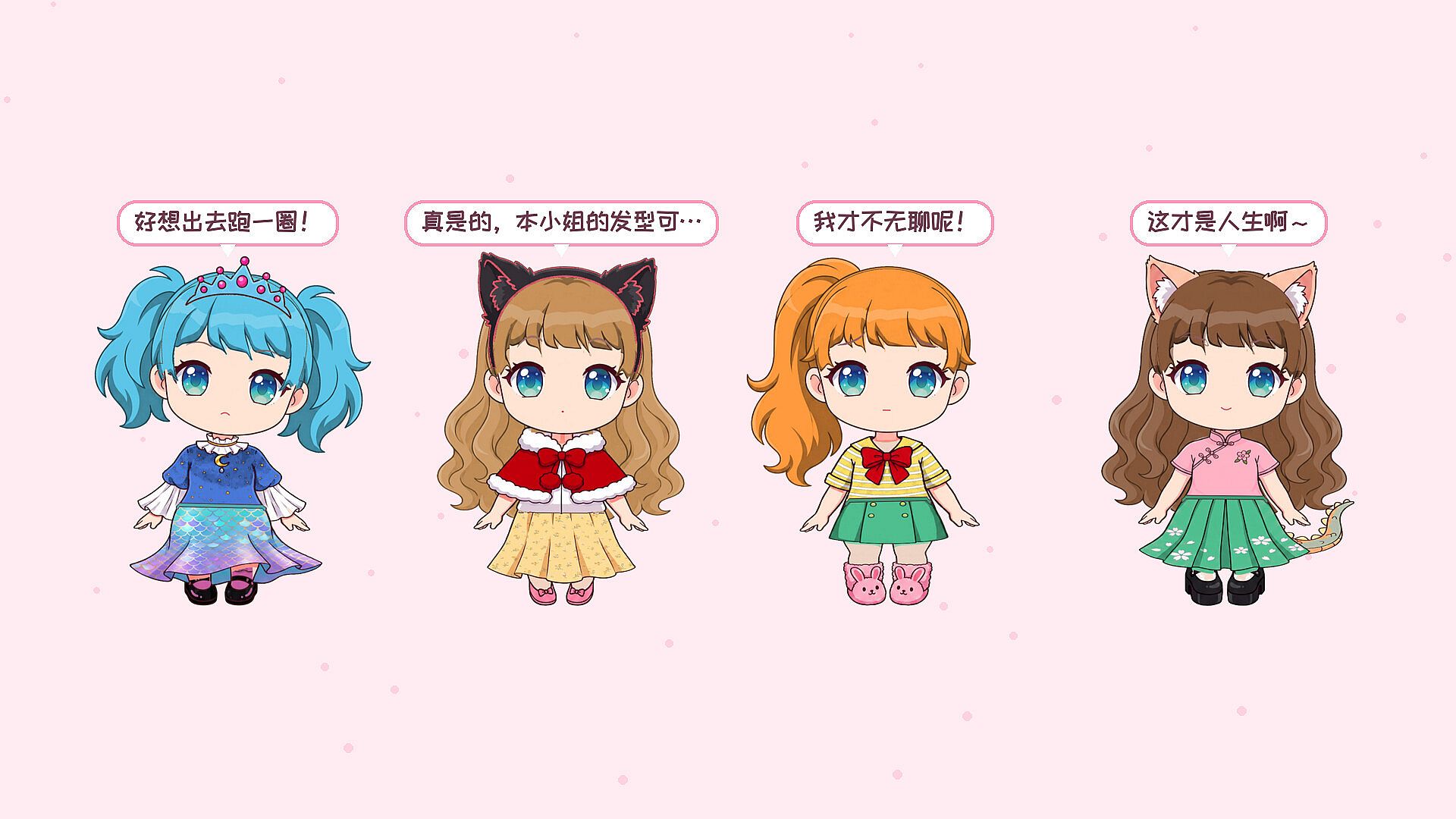
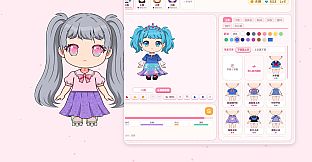
Dress to Work: Desk Dolls is an indie casual simulation game for PC where players create customizable chibi-style characters and integrate them into their desktop environment. The experience centers on extensive character customization, outfit styling for various jobs, and passive progression systems that run alongside everyday computer use.
Gameplay
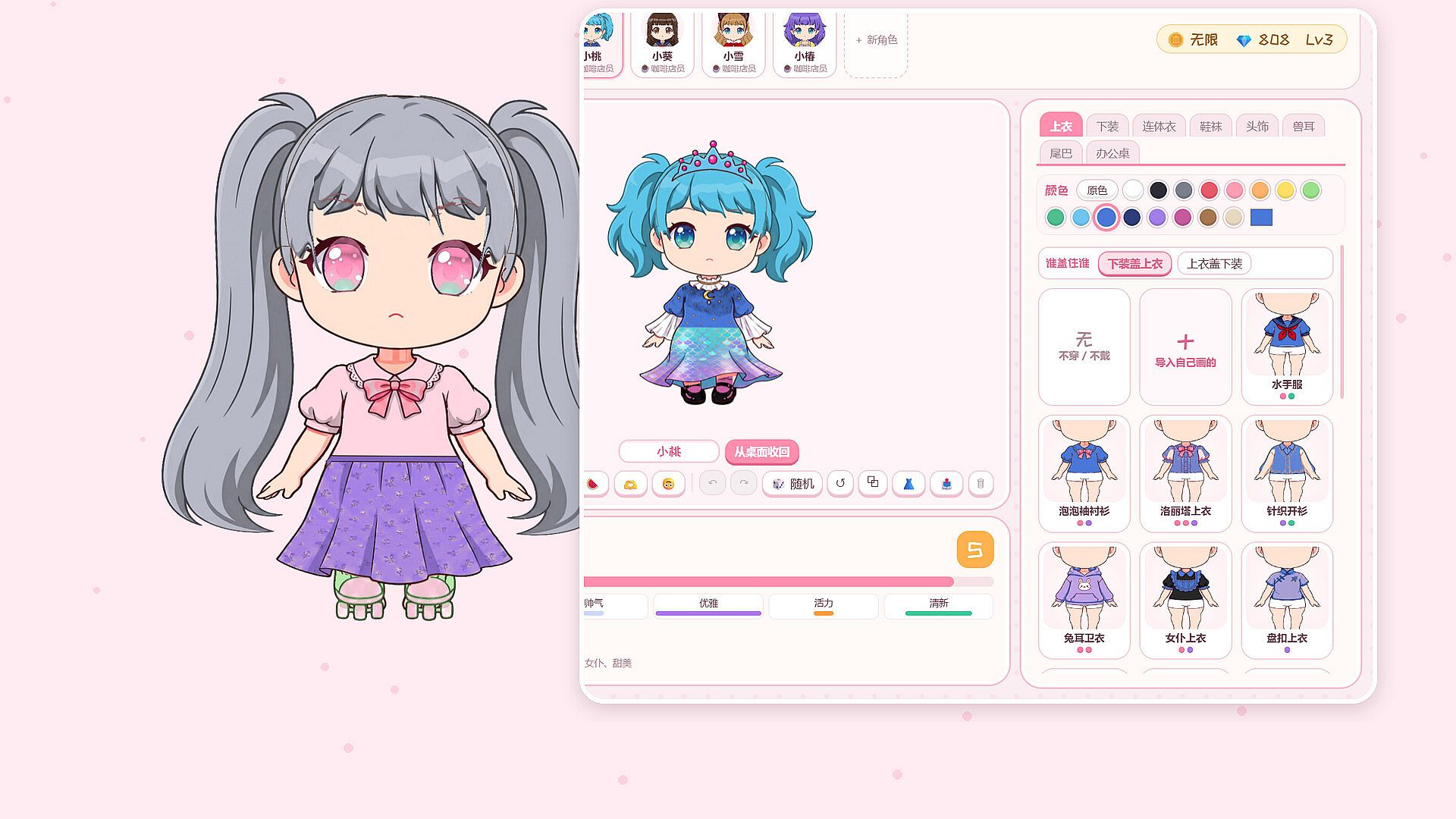
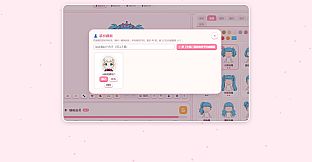
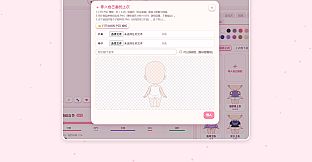
Players begin by assembling characters from hundreds of recolorable parts. The face customization alone offers over a million combinations through choices in hairstyles, eye shapes, pupils, eyebrows, mouths, face shapes, and skin tones. Additional options include dozens of tops, bottoms, dresses, shoes, headpieces, and animal ears or tails that can be mixed freely, with full color control across hair, clothing, eyes, and accessories. This results in trillions of possible appearances, and every piece fits the same body model for consistent visuals.
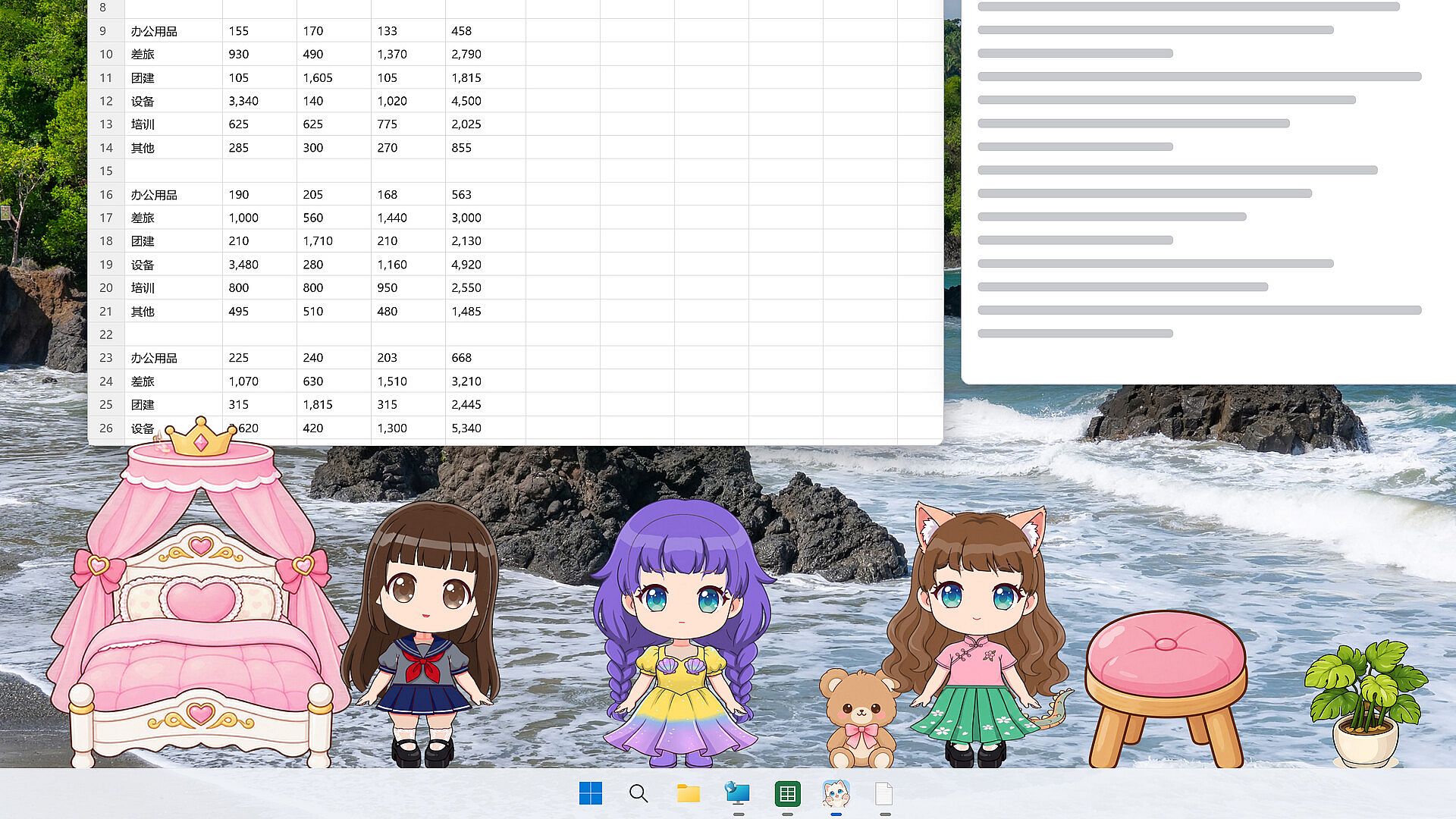
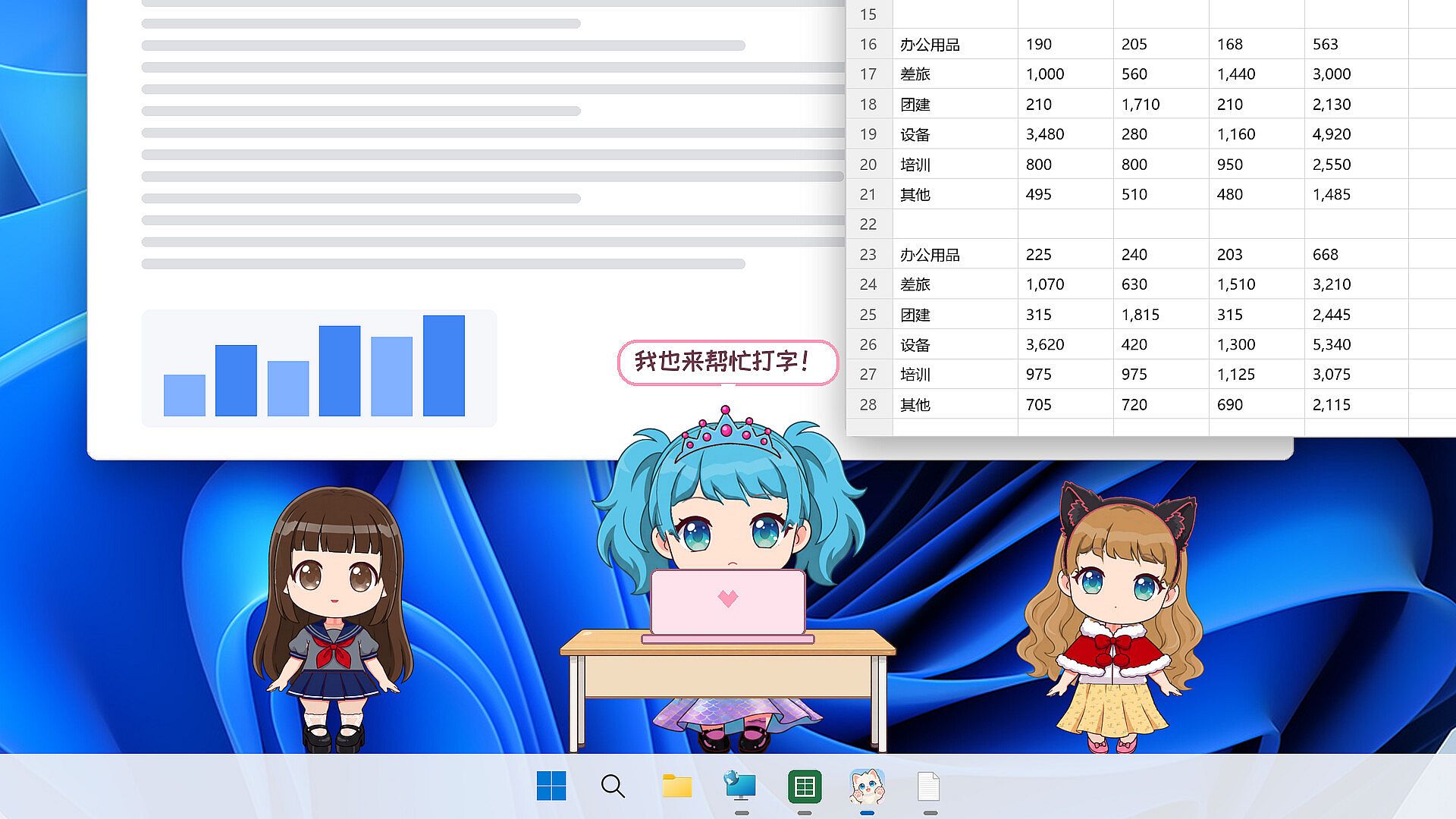
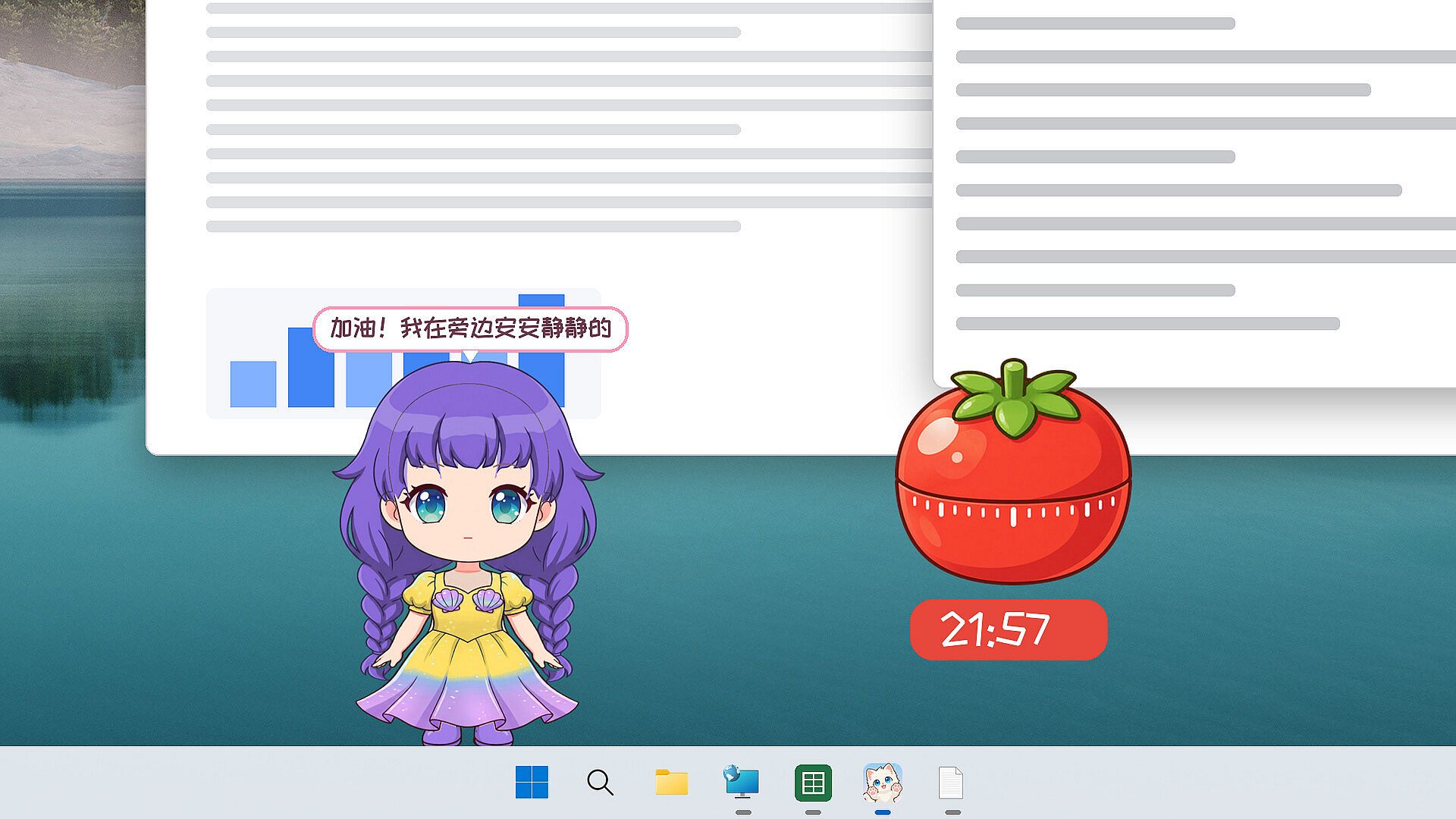
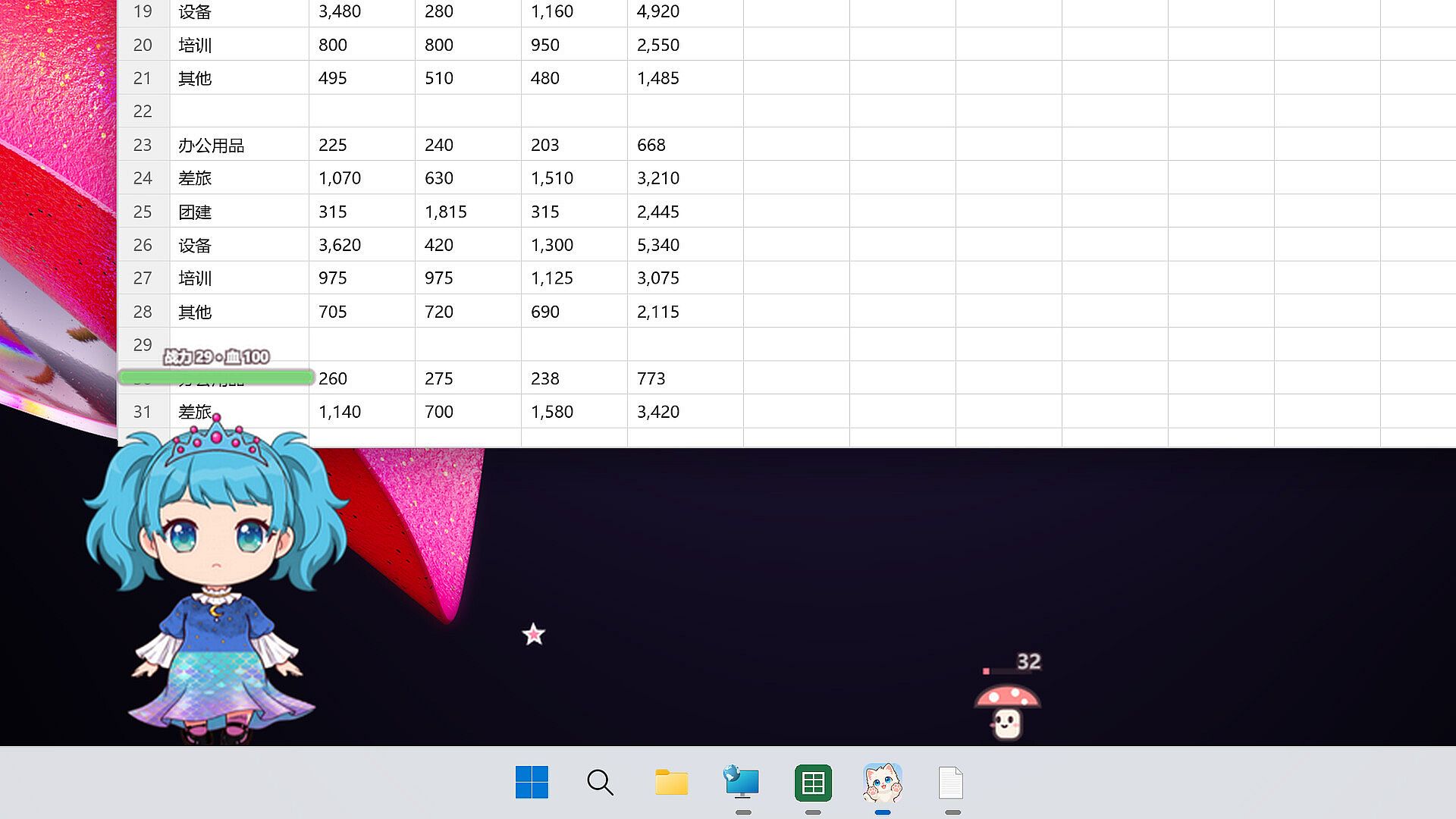
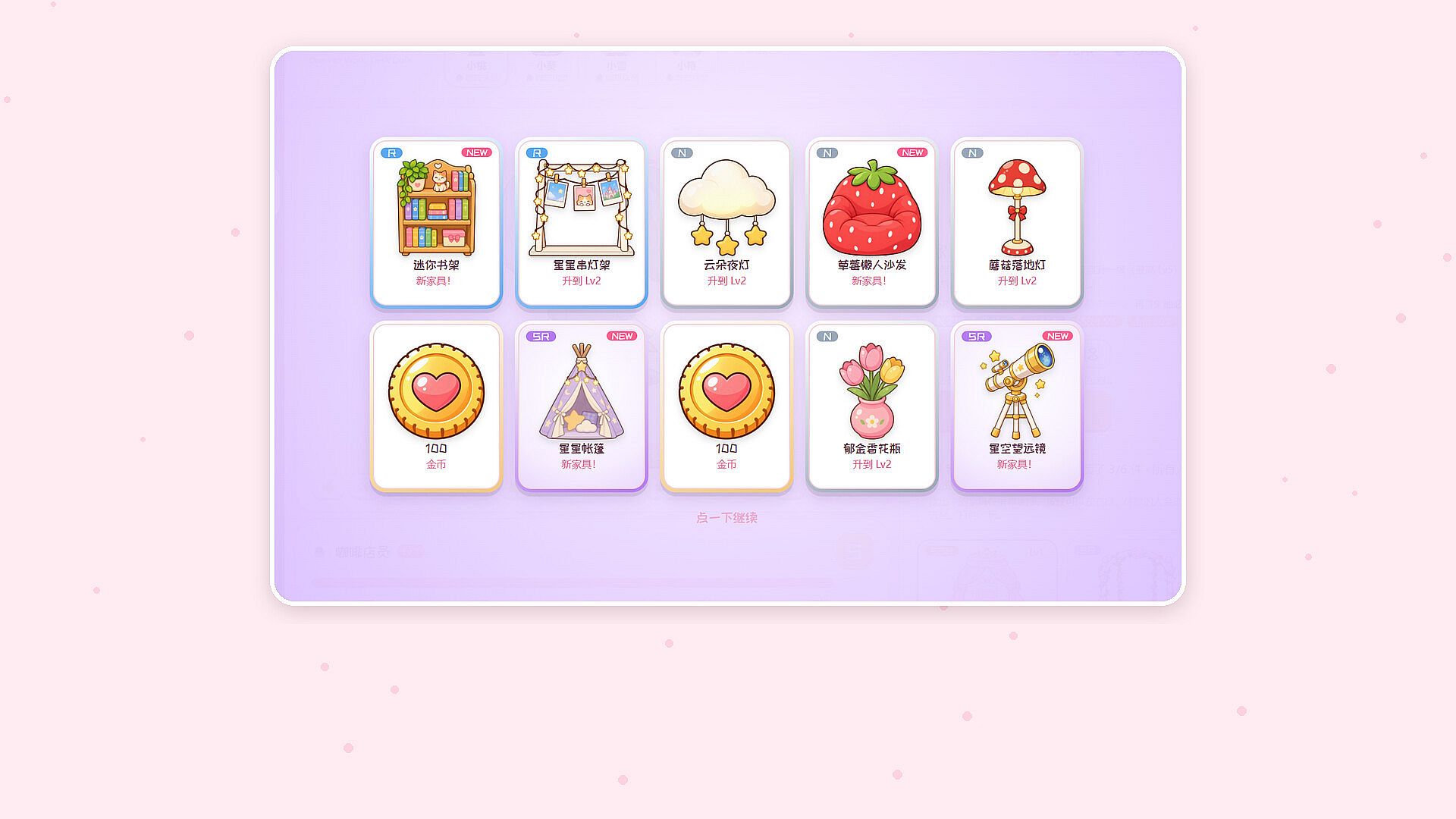
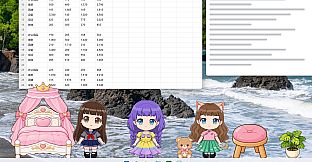
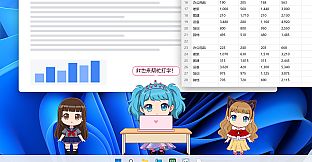
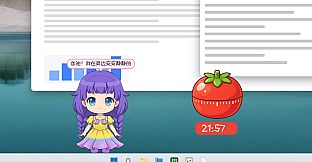
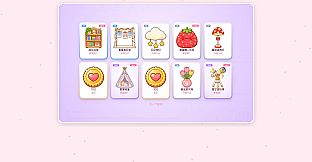
Once created, characters appear as transparent desktop widgets that sit on the taskbar. They move independently, respond to user activity such as typing by approaching a desk to type along, and provide small rewards like gift boxes after set numbers of keystrokes or clicks. Pomodoro-style focus sessions keep them quiet while offering completion bonuses. Furniture placement along the taskbar encourages interactions during breaks, and recoloring options extend to dozens of decorative items that also boost earnings when positioned.
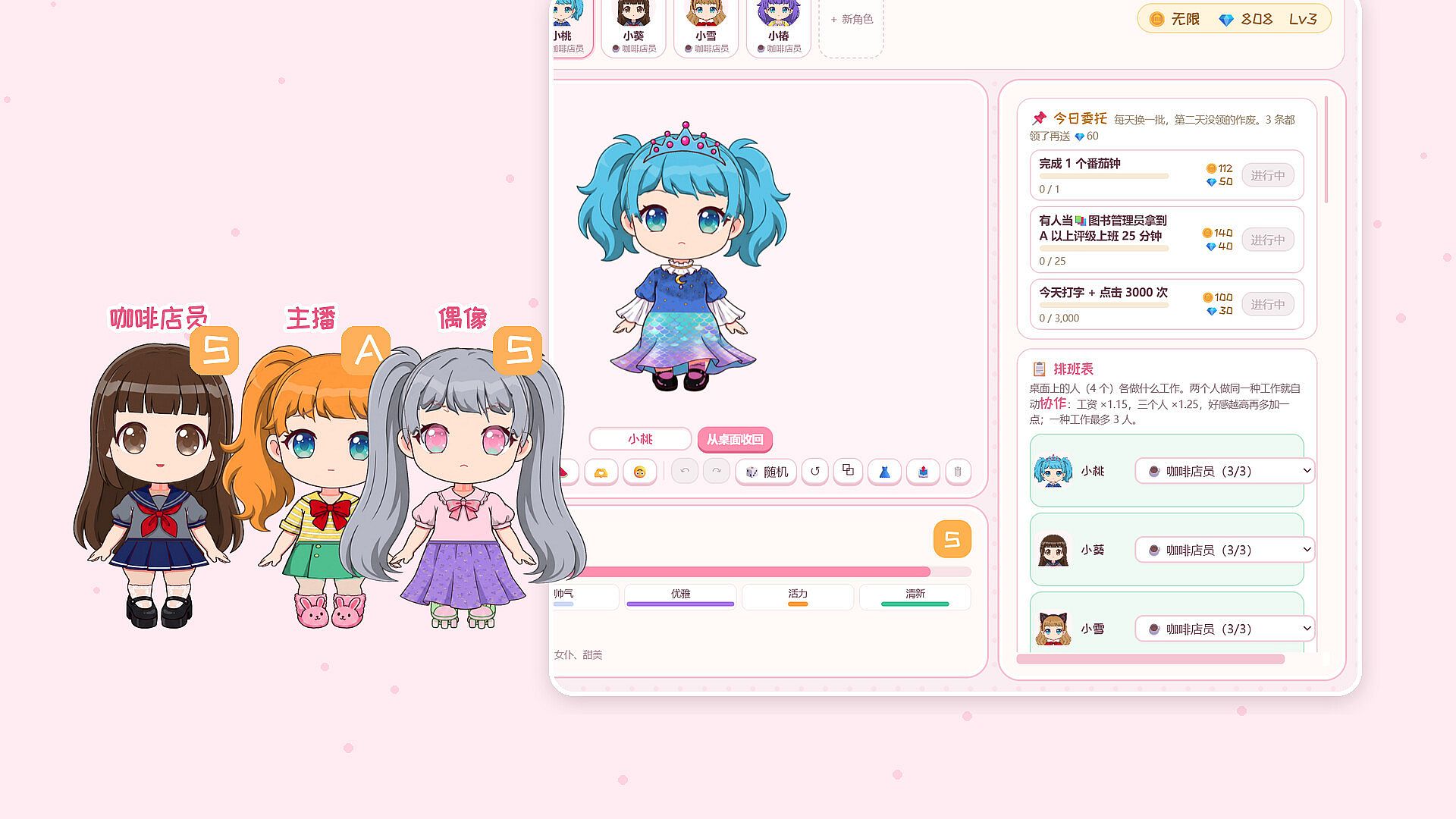
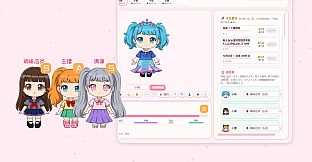
Job performance ties directly to outfit suitability. Ten professions such as cafe staff, pastry chef, florist, librarian, artist, fitness coach, secretary, model, streamer, and idol each favor specific styles. Matching improves ratings and pay, with two jobs trending daily for bonus multipliers. Multiple characters can share shifts for combined earnings and relationship growth. A skill tree uses earned coins to enhance pay rates, rewards, and other systems, while daily requests provide additional short-term goals.
Game Modes
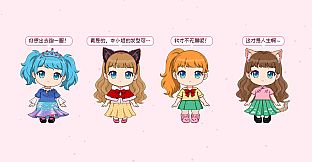
The core loop revolves around character creation and desktop companionship. Players manage up to eight characters at once, each with unique main and secondary personalities drawn from options like cheerful, shy, aloof, princess, airhead, hard worker, lazybones, and tsundere. These influence over two hundred lines of dialogue for actions including greetings, work departures, breaks, and late-night reminders. Custom personalities and lines can be imported for further variety.
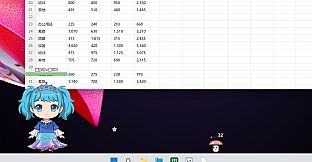
Progression includes an Abyss system with seventy floors where monsters appear on the taskbar and characters defend automatically. Strength depends on outfit style, job level, and collected furniture, with first-time floor clears and bosses every ten floors granting rewards. Seasonal limited outfits tied to holidays like Christmas, Lunar New Year, summer, and Halloween add time-sensitive customization options that disappear after their periods end.
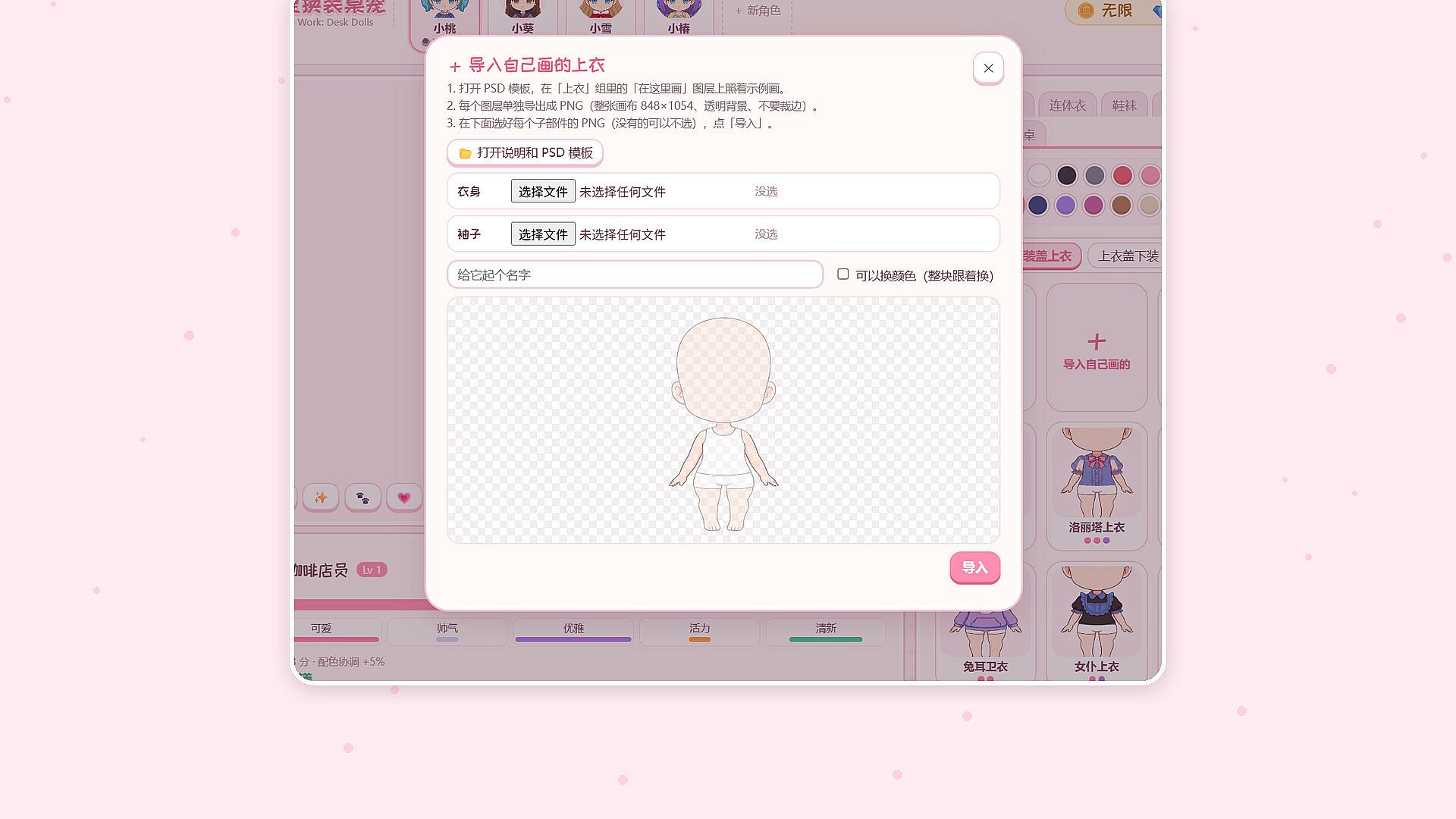
Players can also create and import custom parts using in-game drawing tools or external PSD templates. This extends to personalities as well. Three save slots support multiple playthroughs, and the entire experience runs fully offline without requiring an internet connection.
Customization and Progression
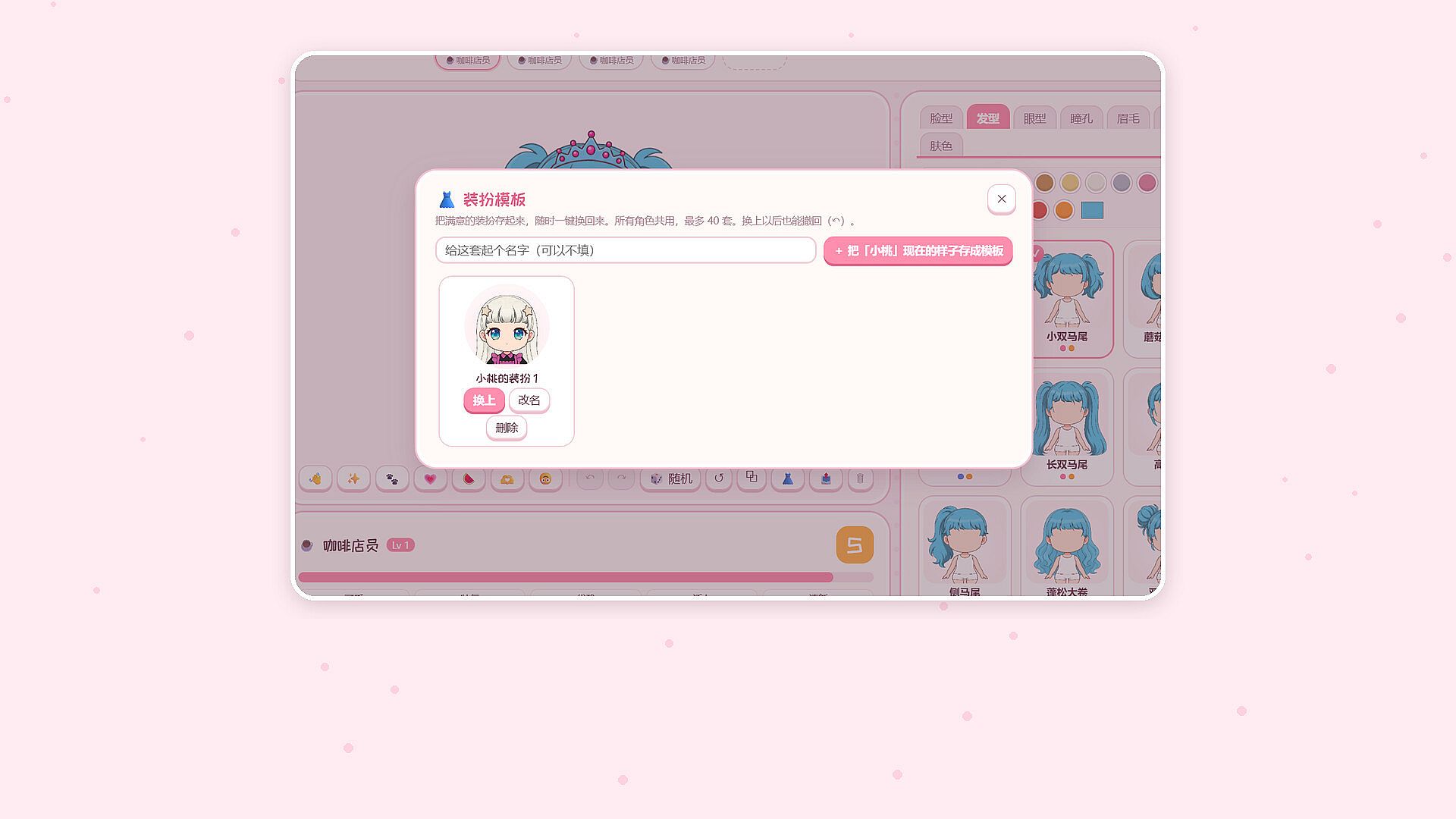
Outfit templates allow quick saving and loading of favorite looks, while share codes enable sending designs to others. Work desks can be swapped among several themed options. Character size, roaming distance, and monitor placement are adjustable for personal setups. As players advance, more characters become available to place on the desktop.
Is It Worth Playing?
This title suits players who enjoy deep customization in a relaxed, single-player simulation format that blends dress-up mechanics with idle desktop elements. The extensive part library and color options support highly personal creations, while the job and Abyss systems provide steady progression without constant attention. Since the game remains in a coming-soon state with no released version or player reviews available, those interested in its unique desktop integration and creative tools may wish to follow its development for future availability.











