



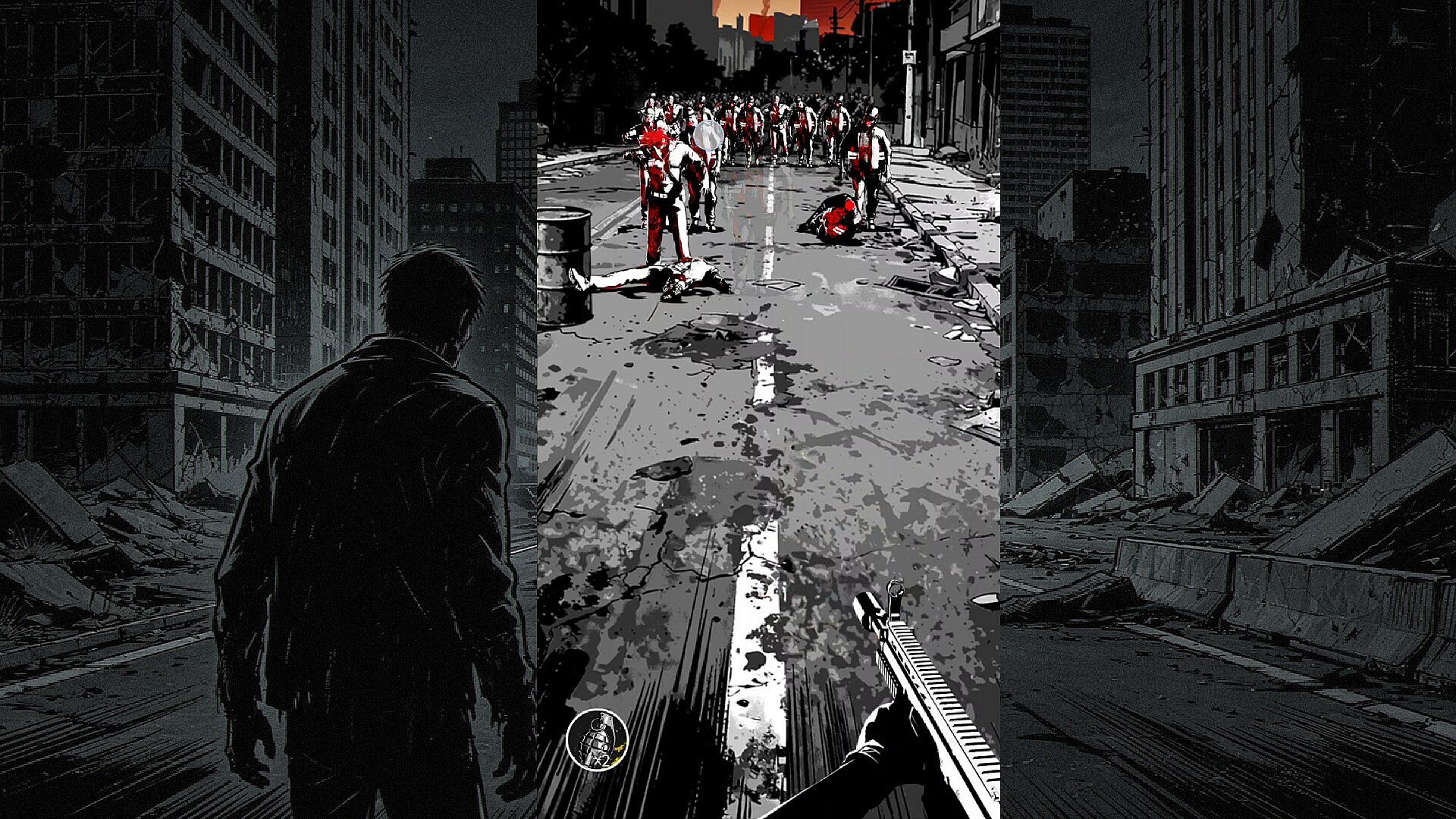





Doomsday Wildflower is a free to play casual adventure game set in a post apocalyptic world overrun by zombies and mutated threats. Players take on the role of a survivor who builds and manages a shelter while recruiting companions, forging personal bonds, and making choices that shape the remnants of humanity. The experience blends idle progression mechanics with light narrative elements, combat encounters, and strategic base development on PC.
Gameplay
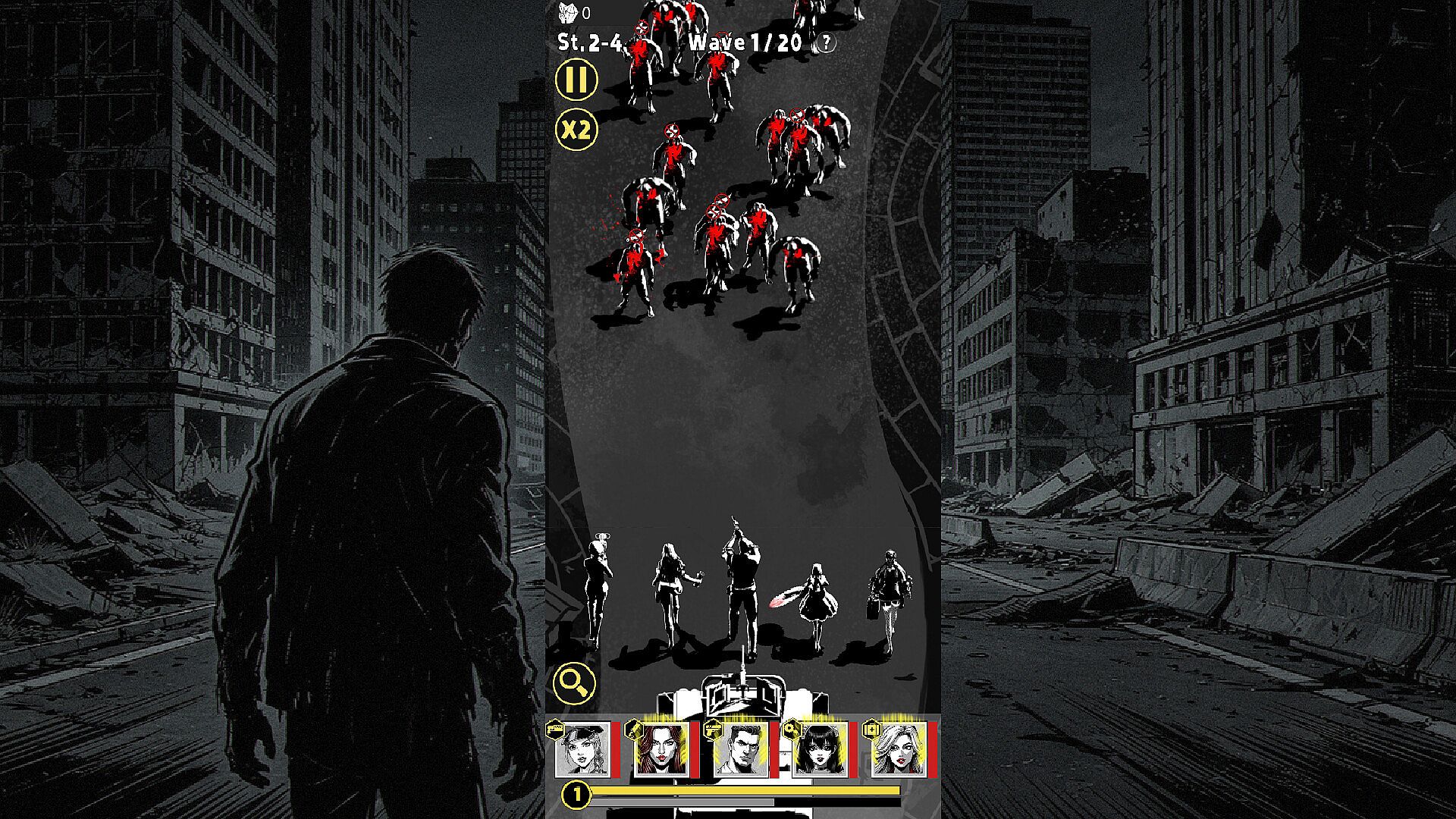
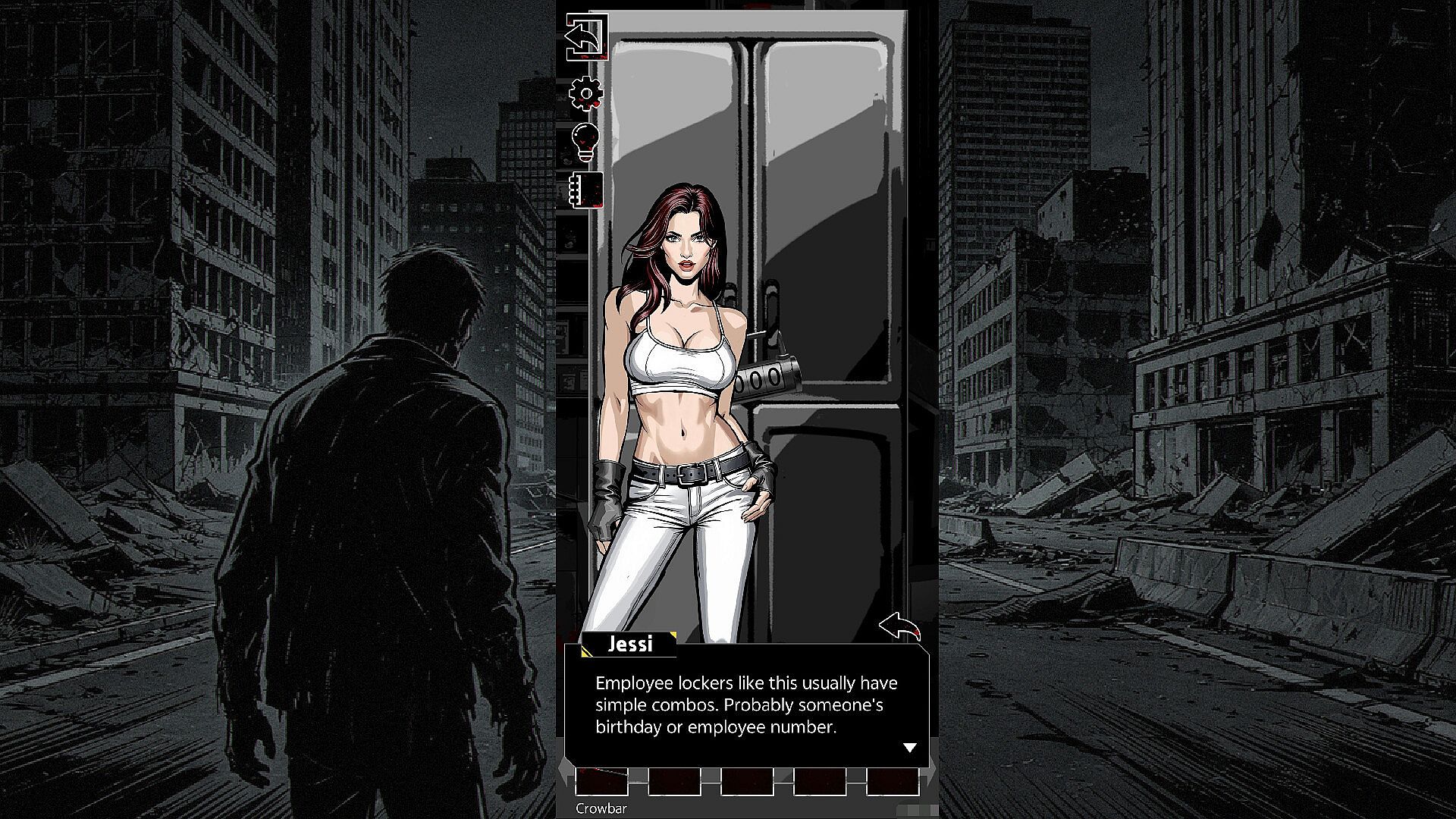
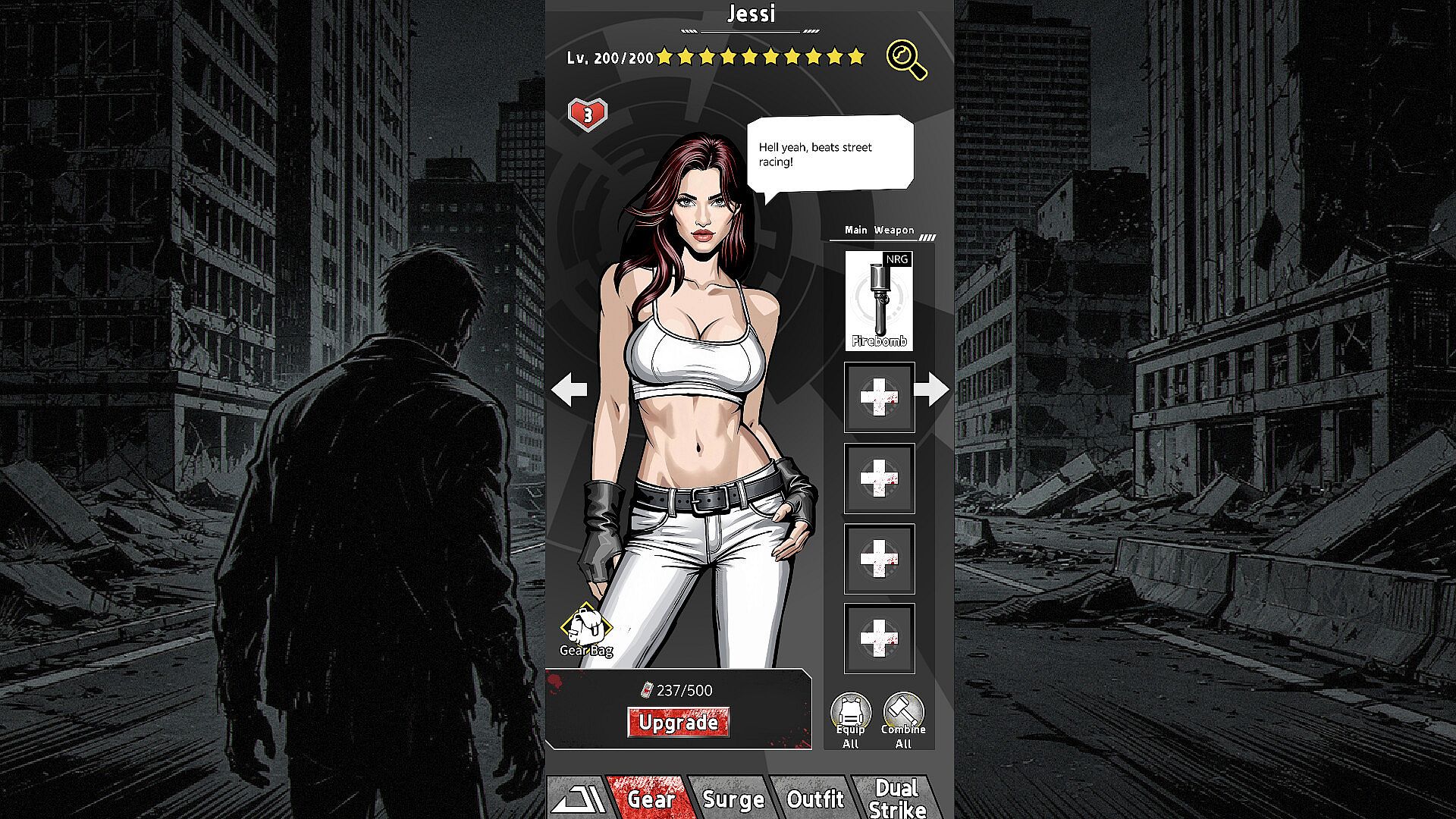
The core loop centers on shelter management and character interactions in a virus ravaged environment. Players scavenge supplies during the day and fortify positions at night against undead hordes and mutated beasts. Combat involves customized shotguns and incendiary devices to break through zombie waves, with emphasis on coordinated attacks and exploiting weaknesses when larger threats appear. Shelter upgrades include trap networks, underground farming plots, and weapon research that directly affect long term survival odds. Radiation storms and viral mutations add constant pressure, forcing ongoing resource allocation and defensive planning. Black and white art style creates stark visual contrasts that highlight the desolate atmosphere throughout exploration and base activities.
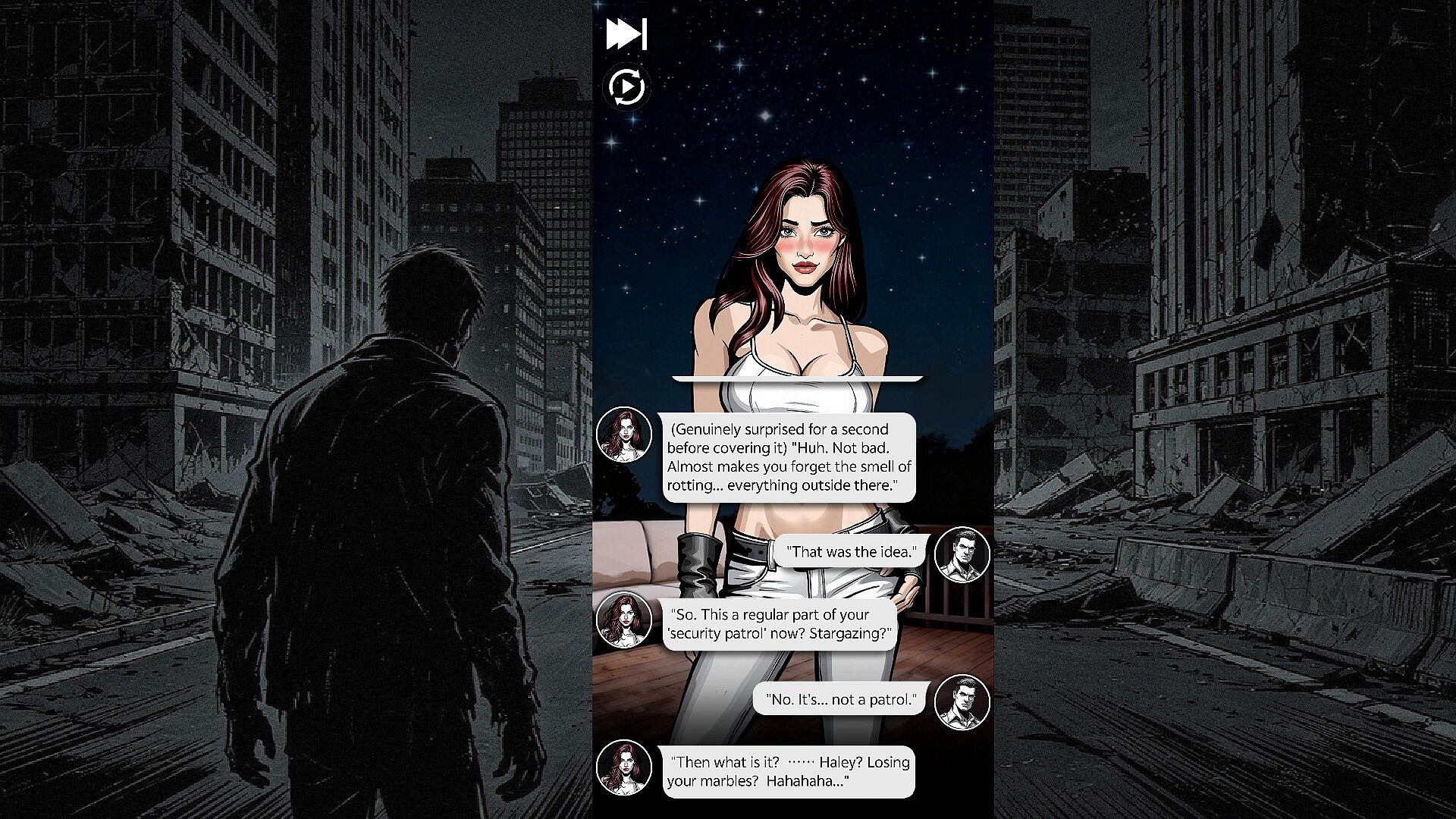
Recruitment expands the group with specialists such as spies, medical staff, and rebel leaders. Each companion carries personal history that unfolds through repeated conversations and shared challenges. These interactions unlock dedicated story branches and strengthen group cohesion. Choices made during recruitment and daily operations influence both immediate survival chances and the broader fate of the shelter community.
Game Modes
The primary focus is the shelter or home mode, where players construct and expand a fortified refuge while balancing daily scavenging runs with nighttime defenses. This mode integrates idle progression, allowing incremental growth even during offline periods through automated resource gathering and upgrades. Combat sequences occur within this framework as waves of enemies test the defenses built around the base. Narrative elements tie directly into the shelter activities, with companion stories advancing alongside base development and threat management.
No additional distinct modes have been confirmed beyond the central shelter experience. The design keeps all systems interconnected so that combat outcomes, relationship progress, and upgrade decisions feed into a single ongoing survival narrative.
Story and Atmosphere
A virus has collapsed civilization, leaving scattered survivors to navigate ruined cities and hidden laboratories. Players uncover the origins of the outbreak through exploration of abandoned facilities filled with dangerous experiments. Companion backstories provide personal stakes, revealing secrets and loyalties that affect group dynamics and future decisions. The black and white visual approach reinforces the grim tone while emphasizing light and shadow contrasts in the wasteland setting. Themes of conspiracy, redemption, and human resilience run through the recruitment and interaction systems.
Is It Worth Playing?
Doomsday Wildflower targets players who enjoy free to play idle games that combine base building, light combat, and character driven stories in a zombie survival context. The shelter management loop offers steady progression through upgrades and recruitment, while relationship mechanics add narrative depth without requiring constant active input. Since the game remains in a coming soon state with no released version or player feedback available, any assessment rests on the described systems of scavenging, defense, and companion bonding. Those drawn to casual adventure titles with post apocalyptic themes and incremental growth may find the integrated shelter and relationship features appealing once it launches. The single player focus and in app purchase model align with typical free to play casual experiences on PC.