




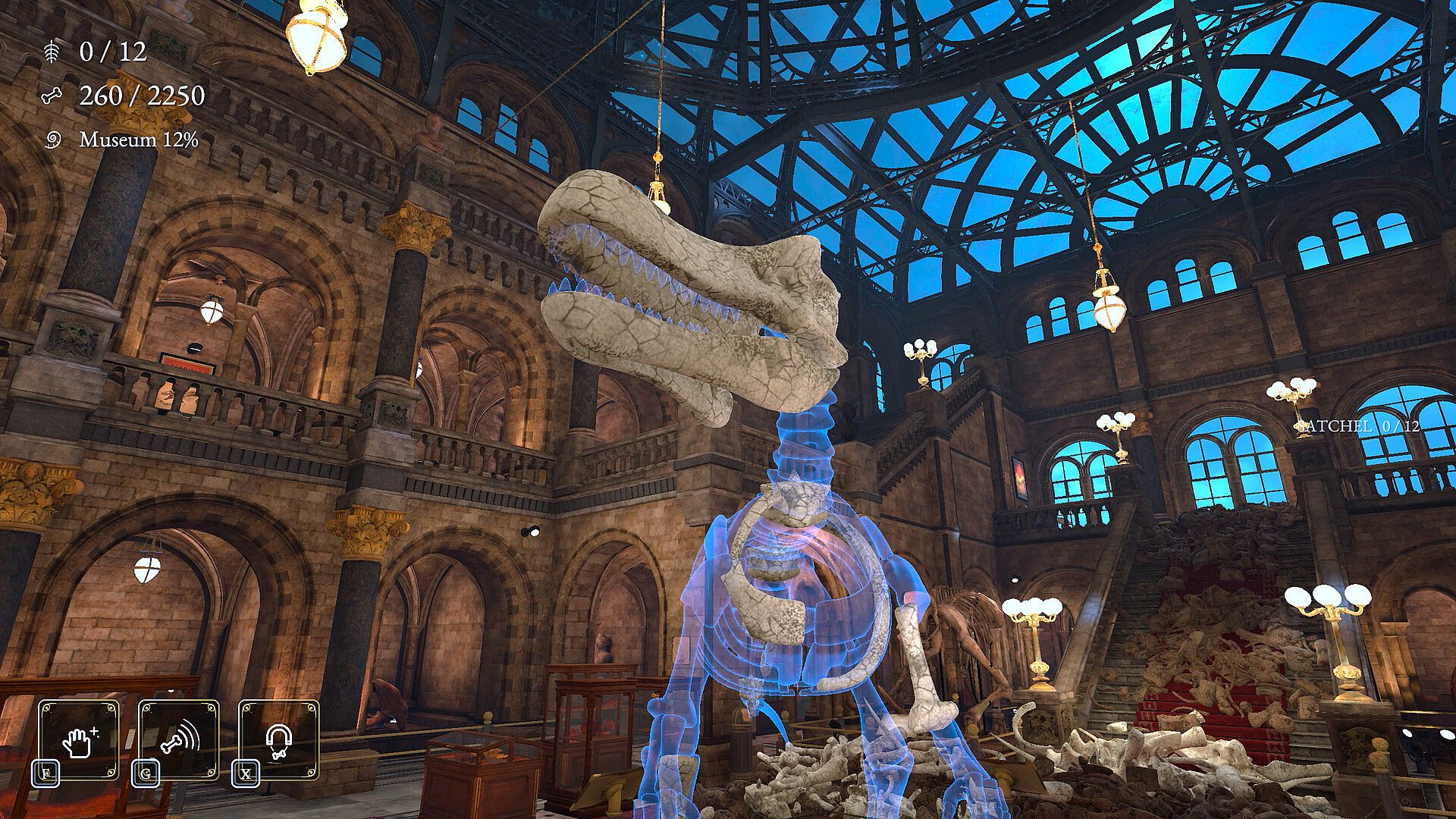
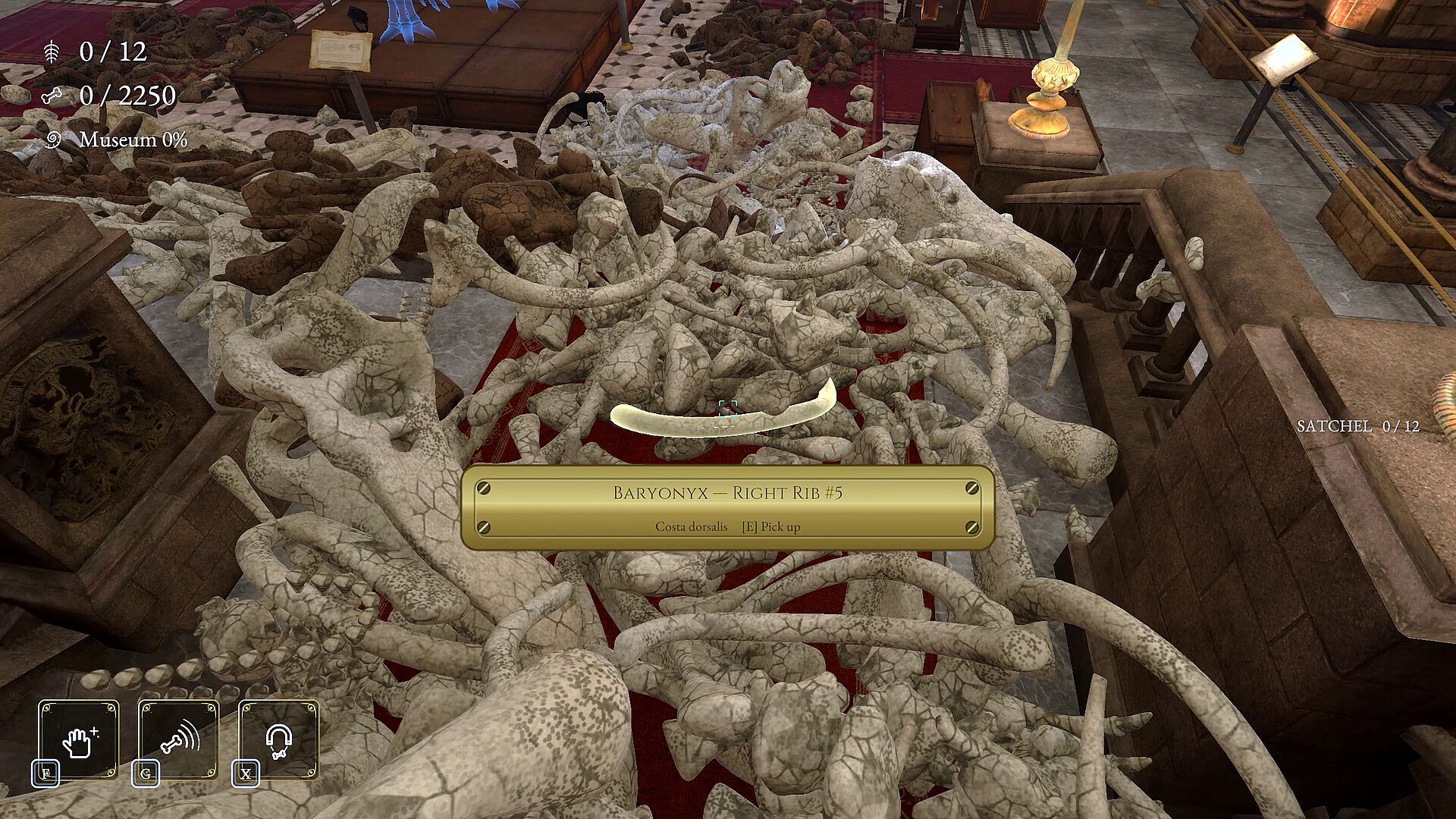
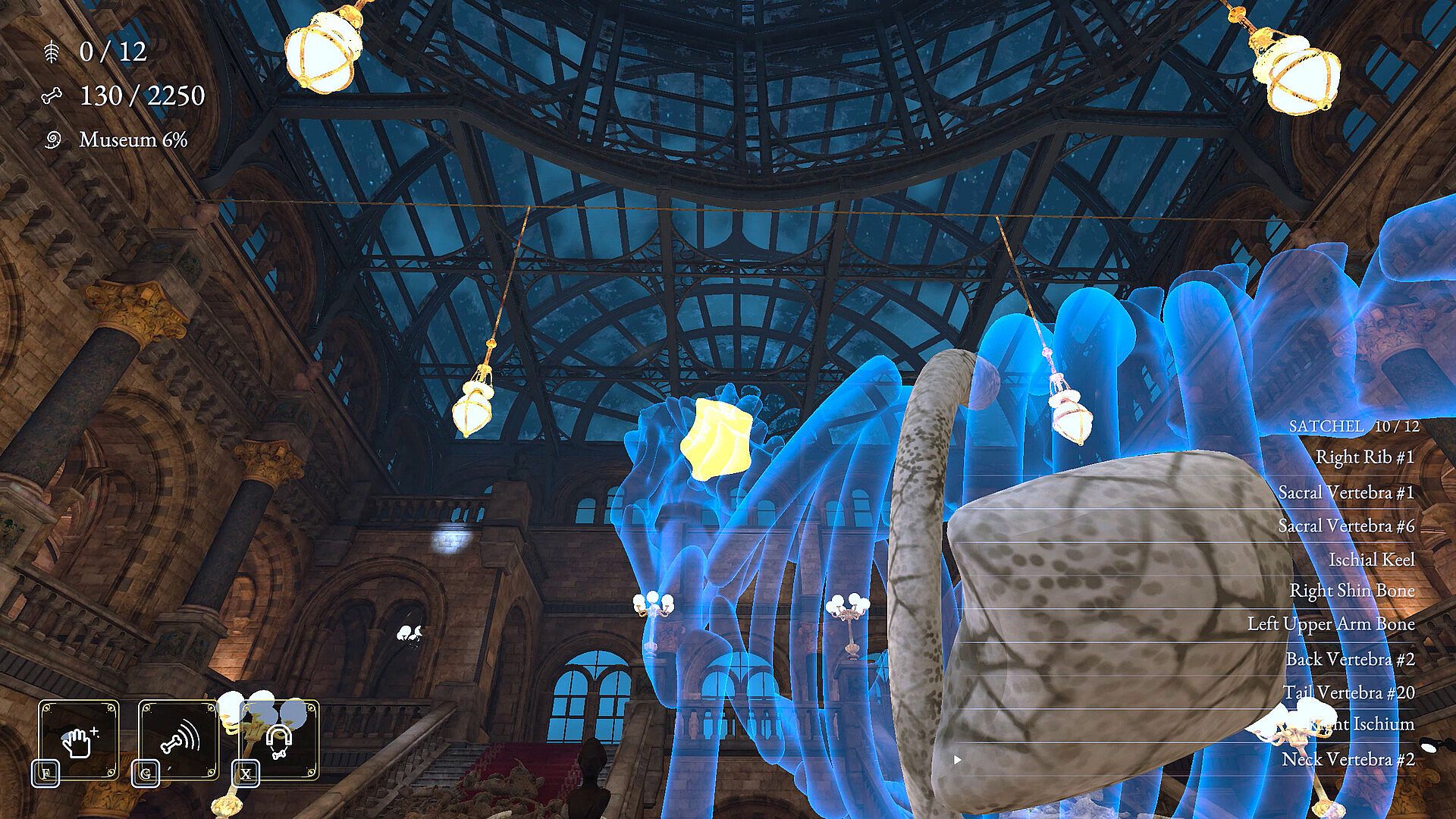
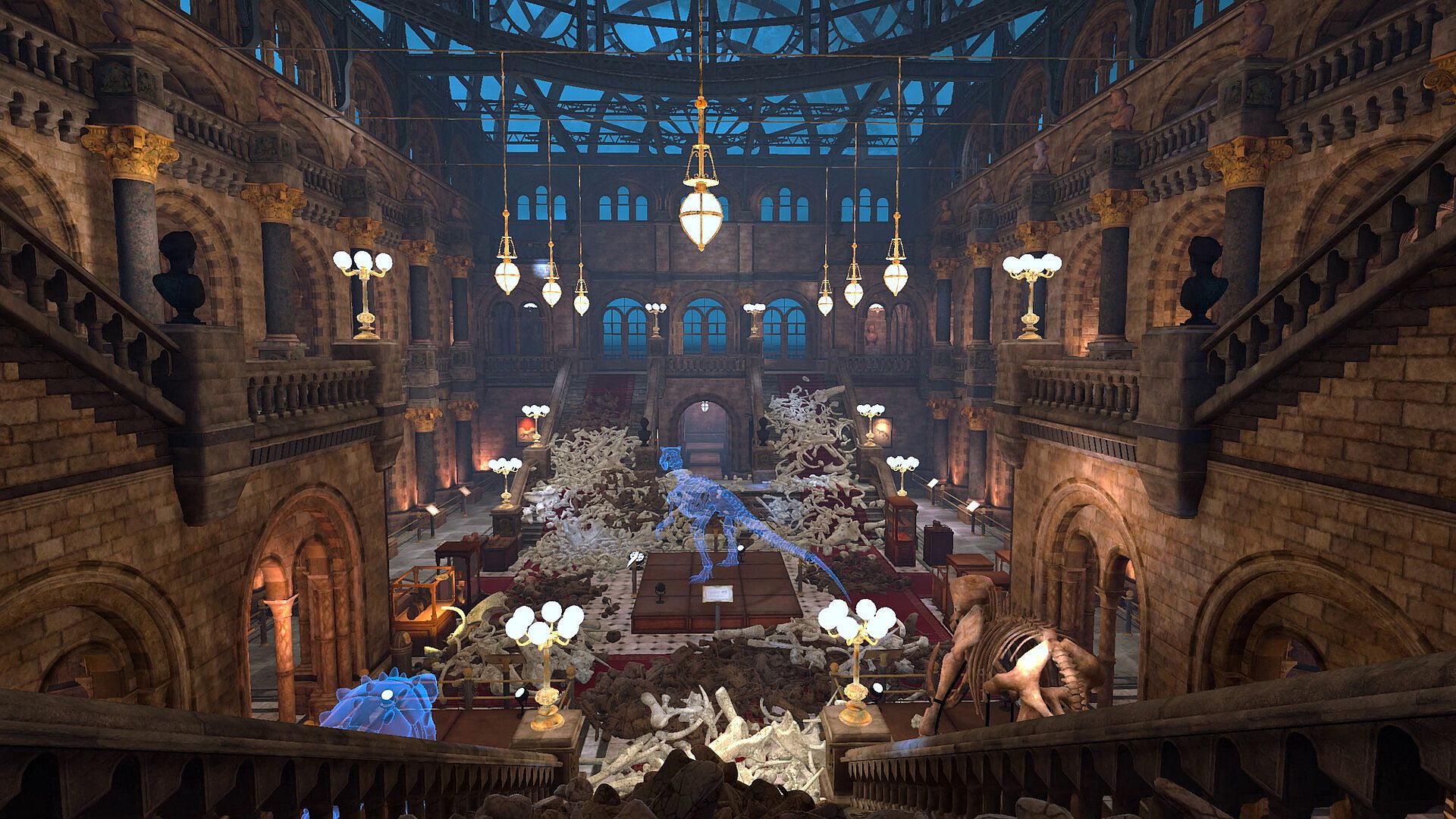
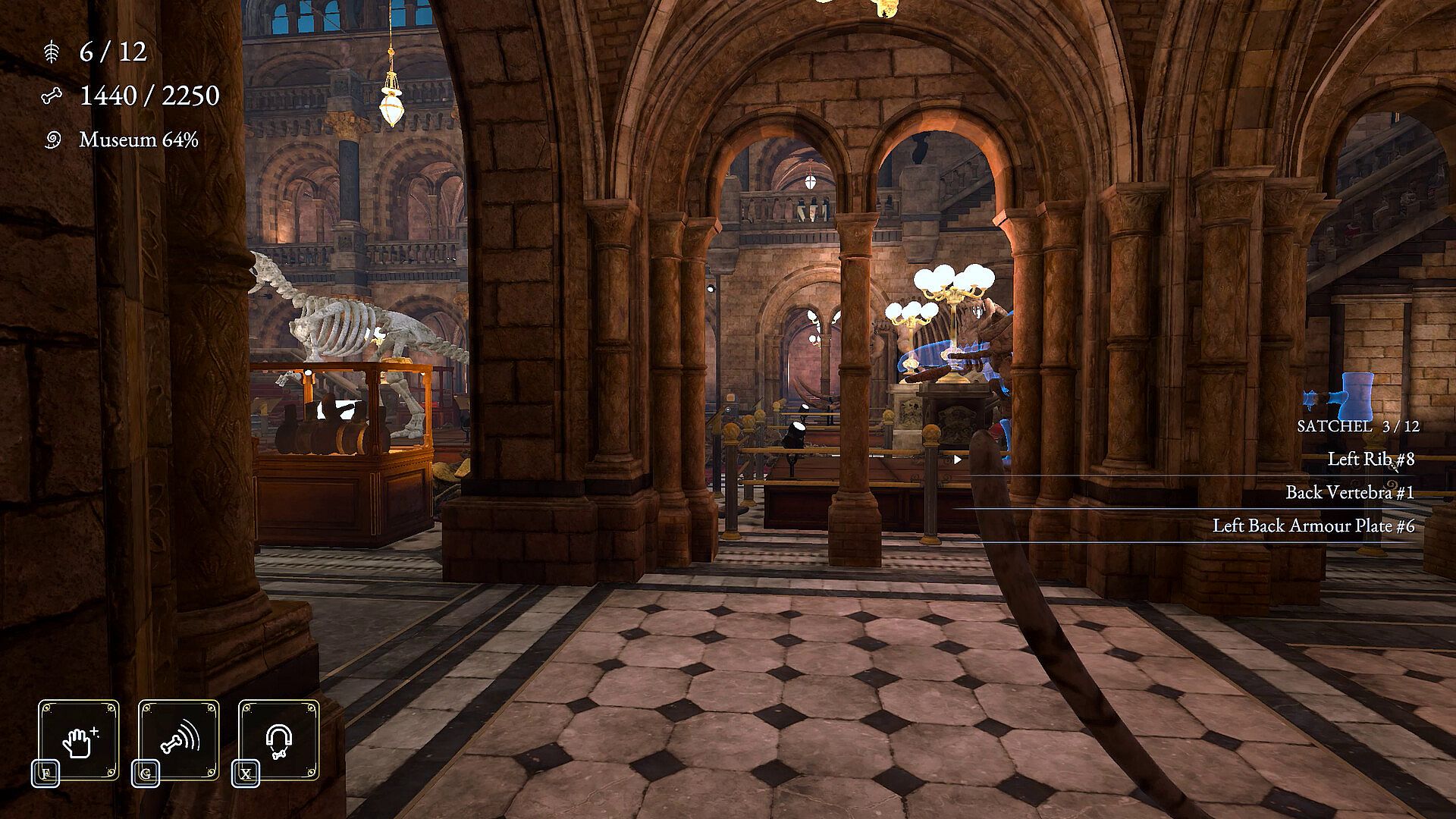
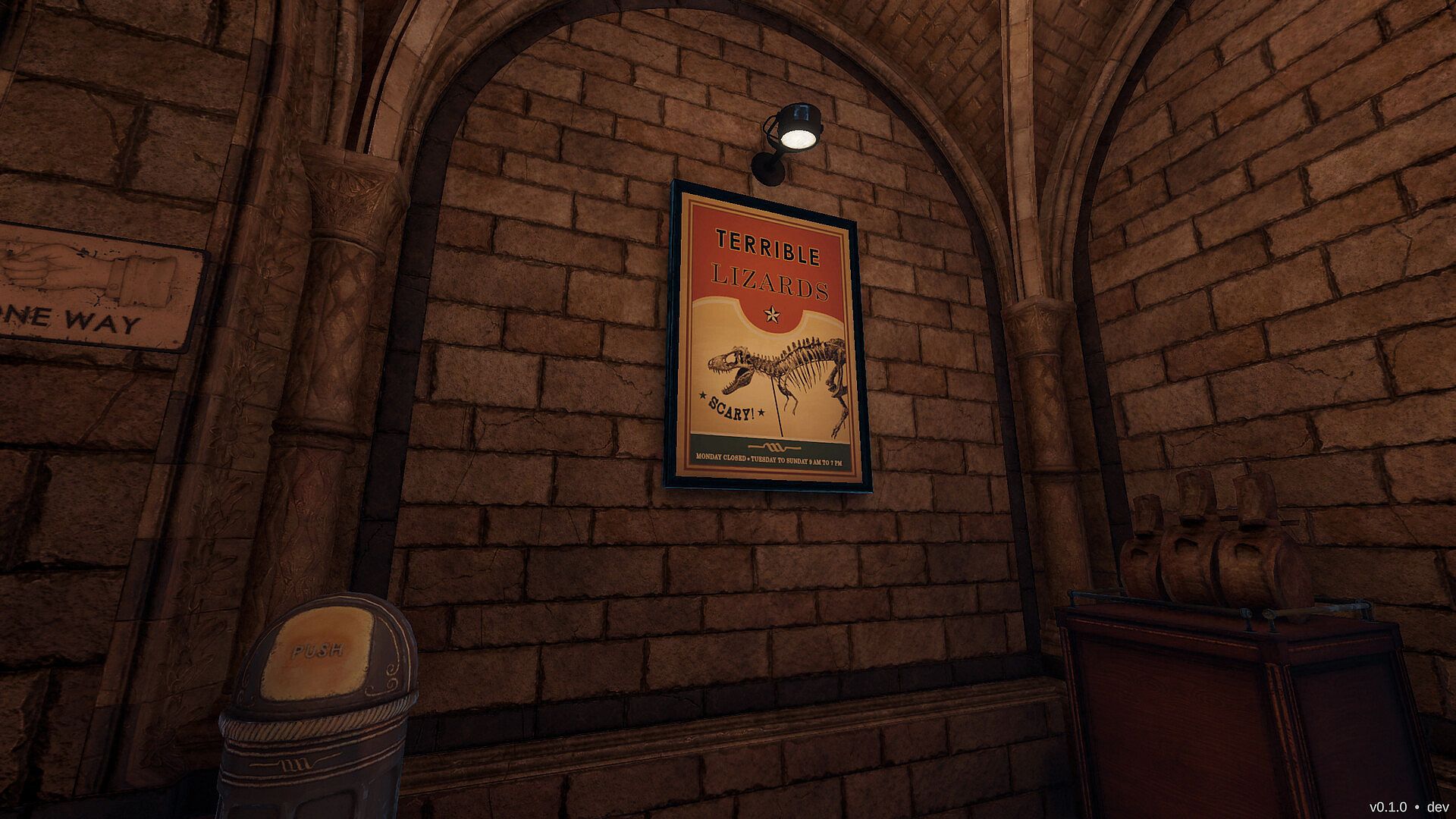
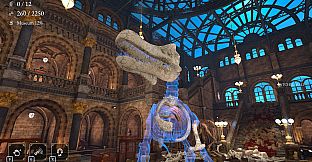
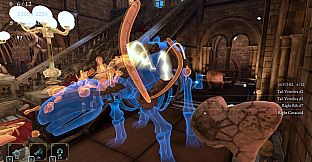
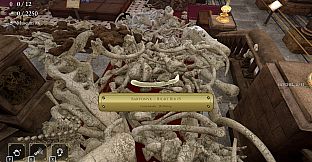
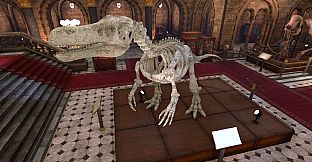
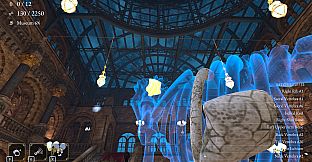

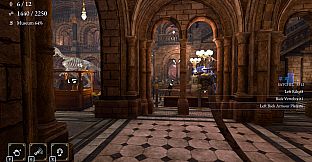
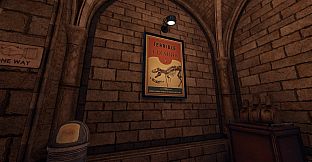
DinoBones: Tidy Up the Museum è un gioco indie di simulazione casual incentrato sul piacere di rimettere ordine in un museo in disordine, pieno di resti di dinosauri. Il giocatore si ritrova in una sala silenziosa dove le ossa sono sparse sul pavimento, sulle scale e nelle aree espositive, e il compito consiste nel raccoglierle, abbinarle correttamente e completare gli scheletri. L'esperienza valorizza l'osservazione attenta e il posizionamento metodico, senza alcuna enfasi su velocità o competizione, offrendo un'attività single-player ideale per sessioni brevi o prolungate su PC.
Gameplay
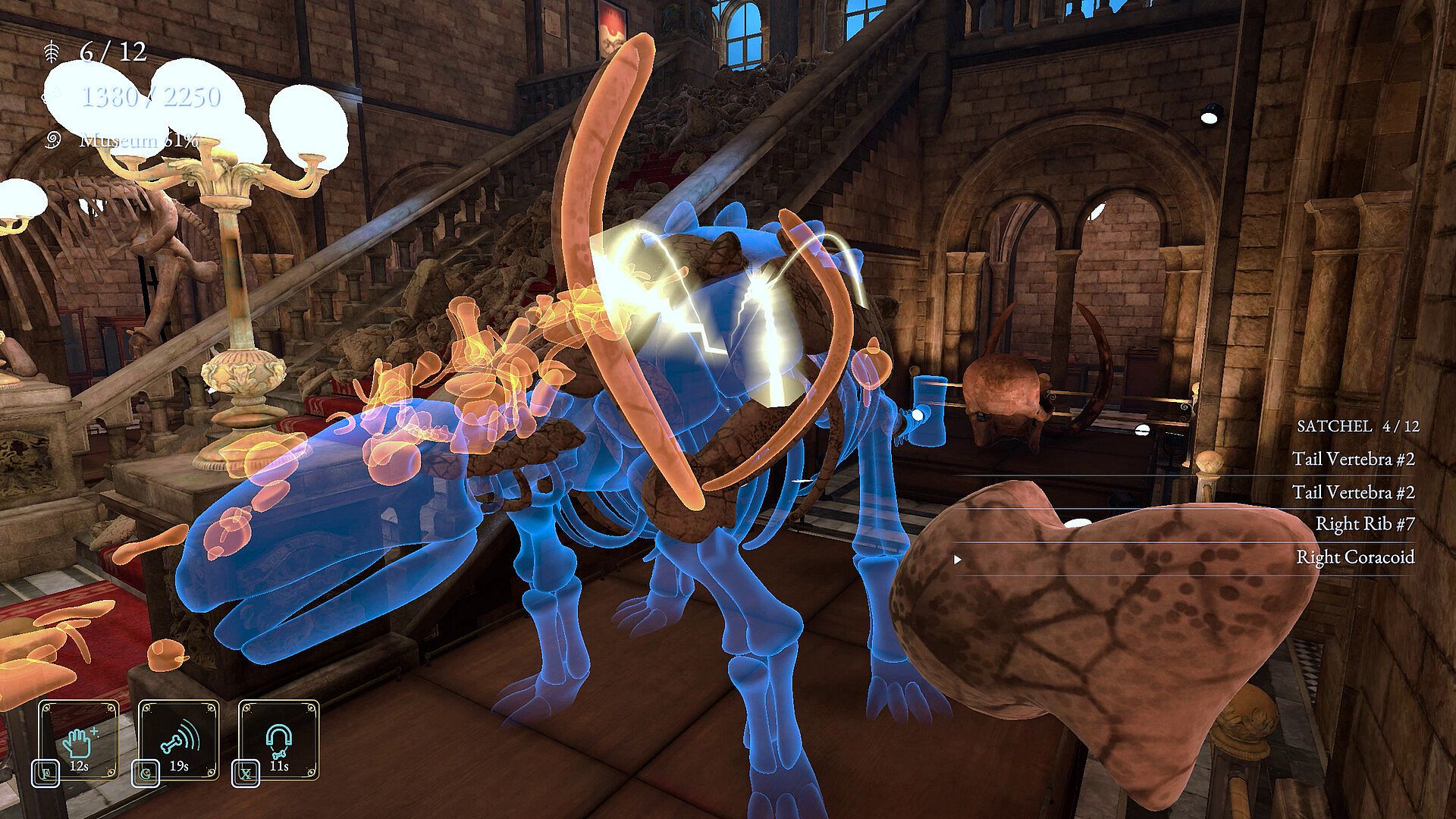
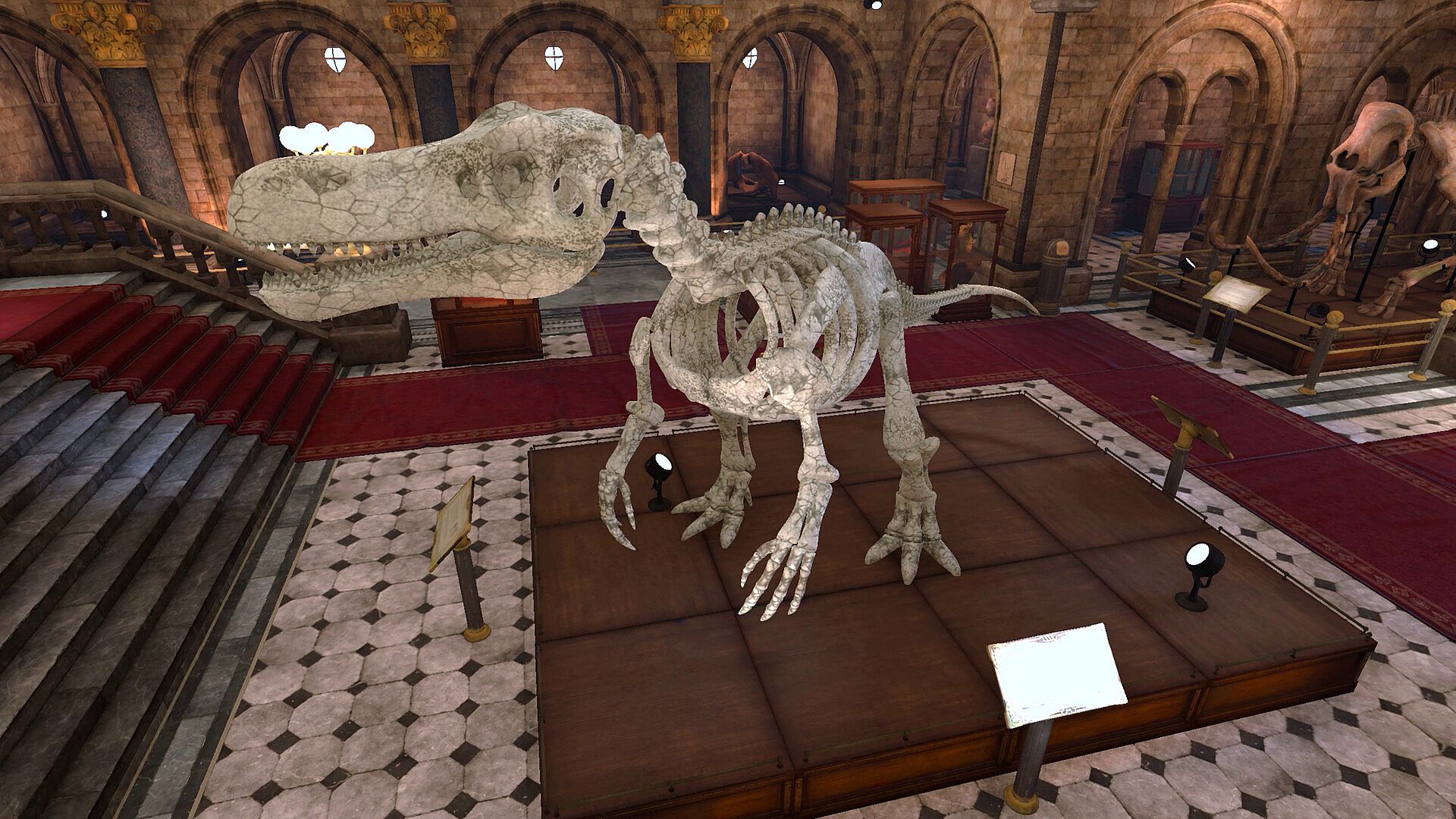
Il ciclo di gioco si basa su tre fasi collegate che si ripetono in più sale espositive. Prima si raccolgono le ossa sparse per tutto il museo. Poi si passa all'identificazione, confrontando forma, dimensioni e anatomia per associare ogni pezzo al dinosauro giusto. Infine le ossa vengono montate per ricostruire lo scheletro completo. Il montaggio richiede precisione, perché un posizionamento errato compromette la struttura e va corretto prima di procedere.
Man mano che si avanza si sbloccano abilità che semplificano il lavoro senza eliminare la necessità di attenzione. Tra queste: la possibilità di trasportare più ossa in un solo viaggio, l'evidenziazione dei pezzi compatibili e la correzione automatica di piccoli errori di posizionamento. Le meccaniche restano fedeli alla manipolazione realistica delle ossa, trasformando la pulizia del museo in un progetto di restauro concreto che premia pazienza e senso dello spazio.
Sono disponibili oltre sei scheletri di dinosauri, per un totale di più di 2500 ossa individuali. Ogni scheletro propone configurazioni uniche che richiedono di applicare le stesse competenze di identificazione e assemblaggio in contesti diversi. L'assenza di timer o stati di fallimento mantiene l'attenzione sul progresso costante attraverso le sale.
Modalità di gioco
Il gioco è esclusivamente single-player e non prevede modalità competitive o cooperative. Tutta l'attività ruota attorno al restauro del museo, con libertà di spostarsi tra le zone di raccolta e le postazioni di assemblaggio secondo i propri ritmi. L'esperienza resta uniforme tra una sessione e l'altra, basata sempre sulla sequenza raccogli-identifica-assembla senza percorsi alternativi o obiettivi secondari.
Le abilità sbloccate si integrano direttamente in questo ciclo principale, migliorando gradualmente l'efficienza senza alterare la natura rilassata delle fasi di identificazione e posizionamento. Non esistono modalità aggiuntive con regole o ambientazioni diverse: l'intero titolo è dedicato al completamento degli scheletri di dinosauro all'interno del museo.
Progressione e funzionalità
Il progresso si ottiene completando gli scheletri uno alla volta, scoprendo progressivamente nuove aree del museo e sbloccando ulteriori abilità. Il sistema permette di ripetere le stesse sale, perché ogni posizionamento può essere perfezionato in più tentativi. Gli achievement di Steam registrano traguardi specifici, come il completamento di determinati scheletri o l'uso efficace di certe abilità.
I comandi sono semplici e pensati per valorizzare la simulazione, privilegiando movimenti precisi e interazioni mirate rispetto a input complessi. Il design senza pressione consente di mettere in pausa o riprendere senza perdere i progressi, mentre il salvataggio cloud garantisce la continuità tra sessioni diverse sullo stesso account.
Vale la pena giocarci?
Il titolo è adatto a chi apprezza puzzle metodici in un ambiente tranquillo. La combinazione di raccolta, identificazione accurata e assemblaggio fisico genera un senso concreto di completamento a ogni scheletro finito. Chi cerca azione immediata o contenuti multiplayer troverà poco di interessante, mentre il formato si adatta bene a chi desidera un'attività di restauro rilassante ma coinvolgente.
Essendo single-player e privo di penalità, si presta sia a sessioni concentrate sia a un gioco di sottofondo mentre si svolgono altre attività. La progressione delle abilità e la presenza di più scheletri offrono sufficiente varietà per mantenere l'interesse fino al completamento di tutte le sale, senza introdurre complessità superflue.