




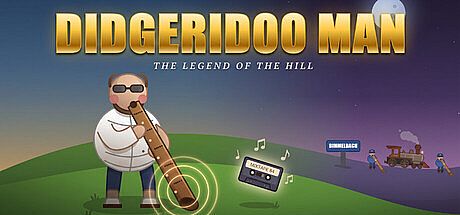


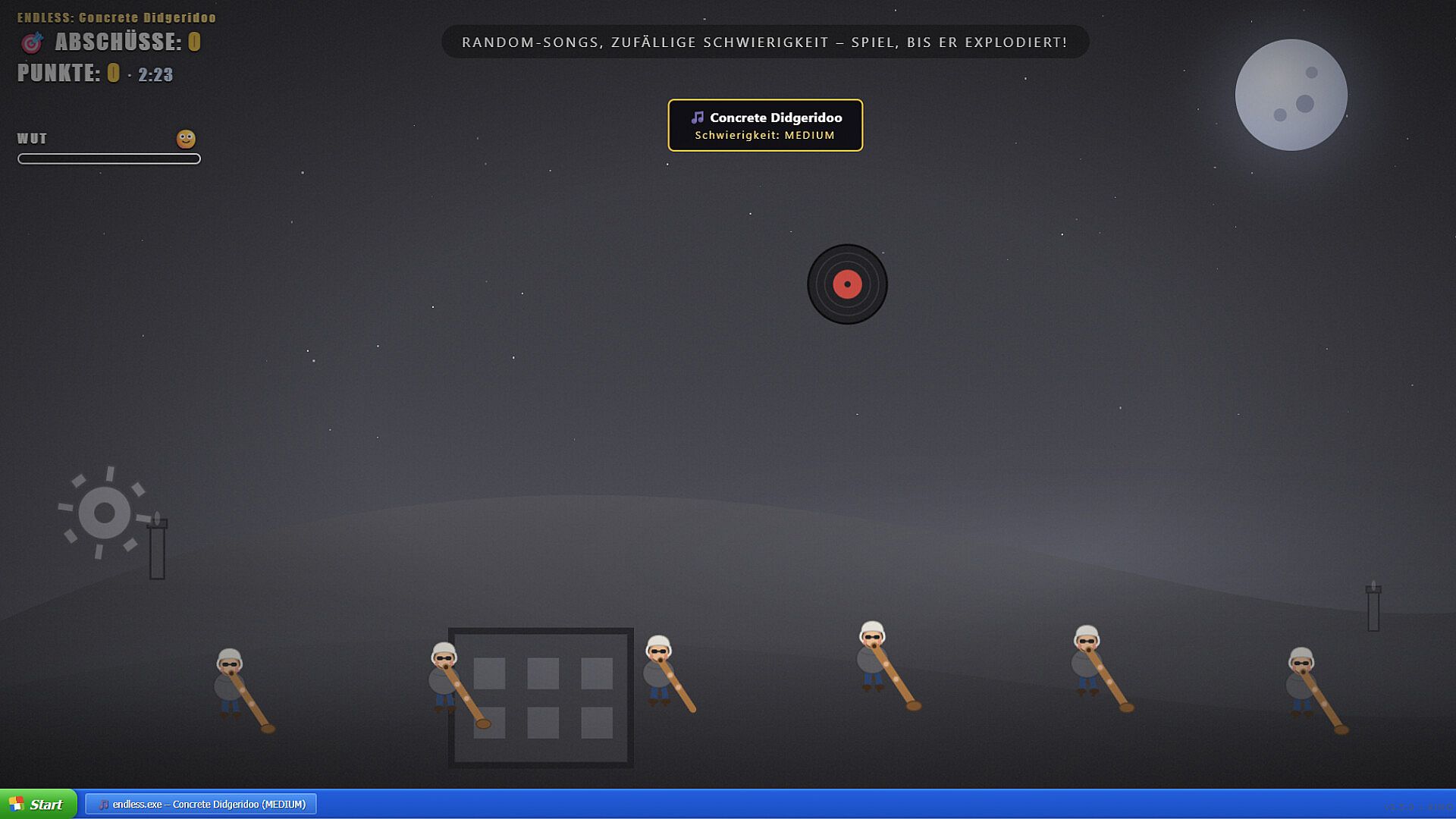
Didgeridoo Man - The Legend of the Hill is an action, indie, and casual rhythm-arcade shooter for PC. The premise centers on a single oversized figure seated on a grassy hill, performing the entire soundtrack live on a didgeridoo while players aim and fire at moving targets that appear on screen. The core loop ties shooting accuracy directly to the music's rhythm, with every note rendered in real time by the animated performer and his band.
Gameplay
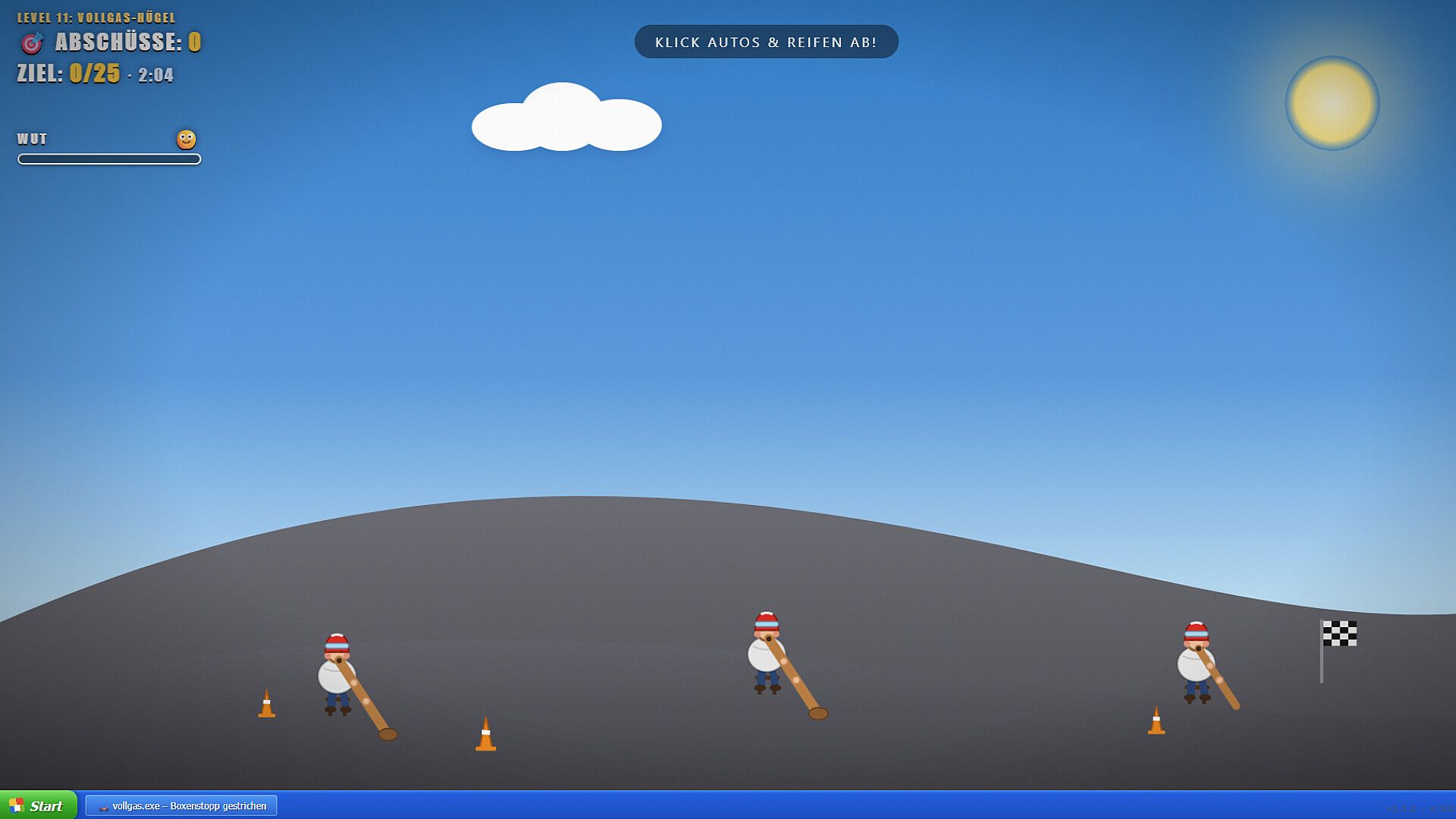
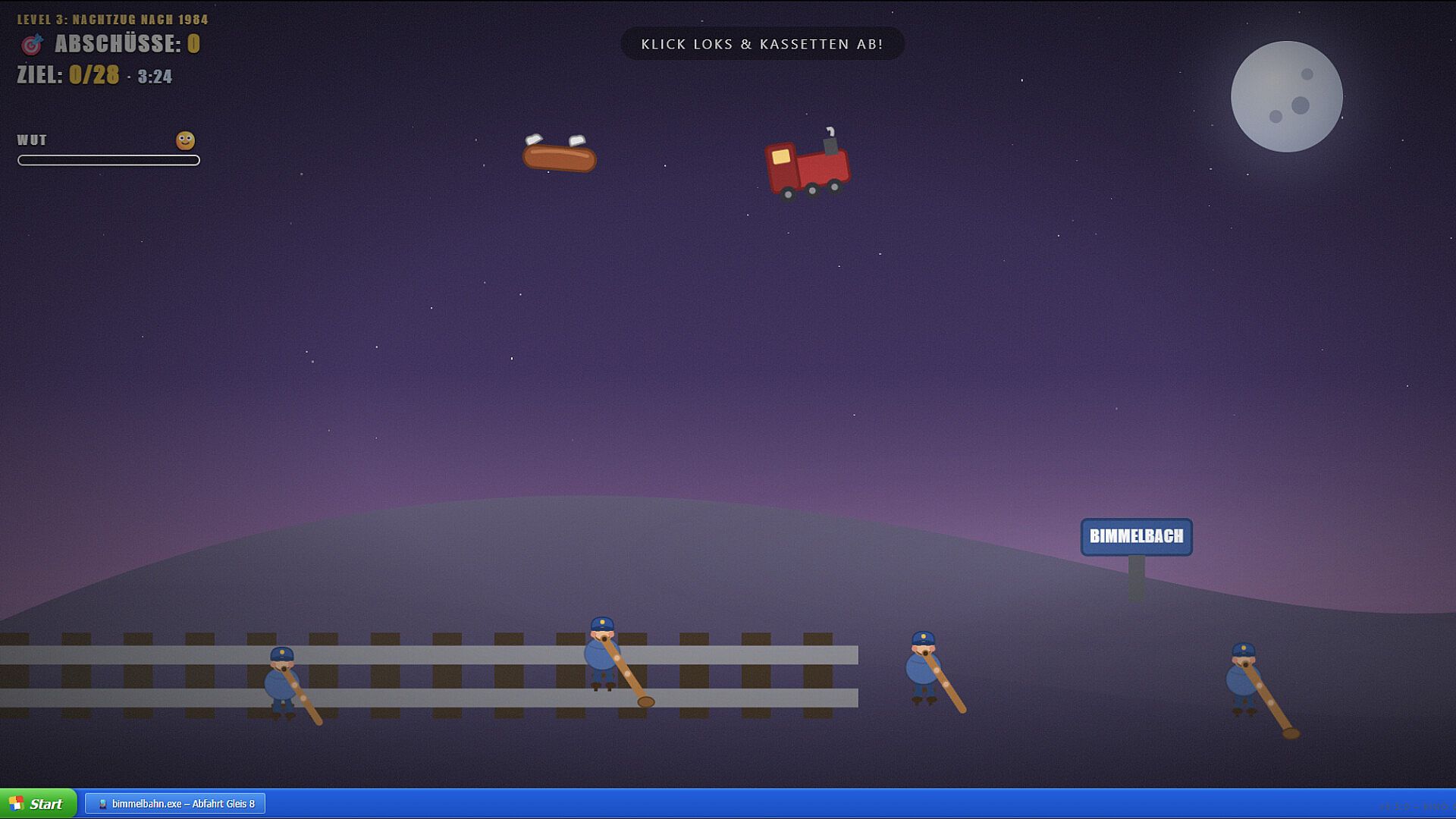
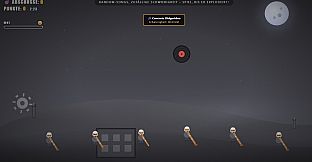
Players control a cursor with the mouse to target and eliminate objects that fly, hop, or wobble across the screen. Shots must land in sync with the didgeridoo performance, which forms the complete audio track for each stage. Missing a target increases the performer's visible frustration: his cheeks swell, his face reddens, steam rises, and the music grows louder and more intense. A flying sausage serves as the only reliable way to reduce anger when it appears. The system creates a direct feedback loop where sustained accuracy keeps the performance stable, while repeated errors escalate the visual and auditory pressure until the performer reaches a breaking point.
Controls remain straightforward. The mouse handles aiming and shooting. ESC or P pauses the action. F11 switches between windowed and fullscreen modes. Each level runs exactly as long as its song, requiring players to reach a target score before the track ends. Adjustable graphics settings and a high-contrast mode support different hardware and accessibility needs. Volume sliders separate master, menu music, in-game music, and effects for fine tuning.
Game Modes
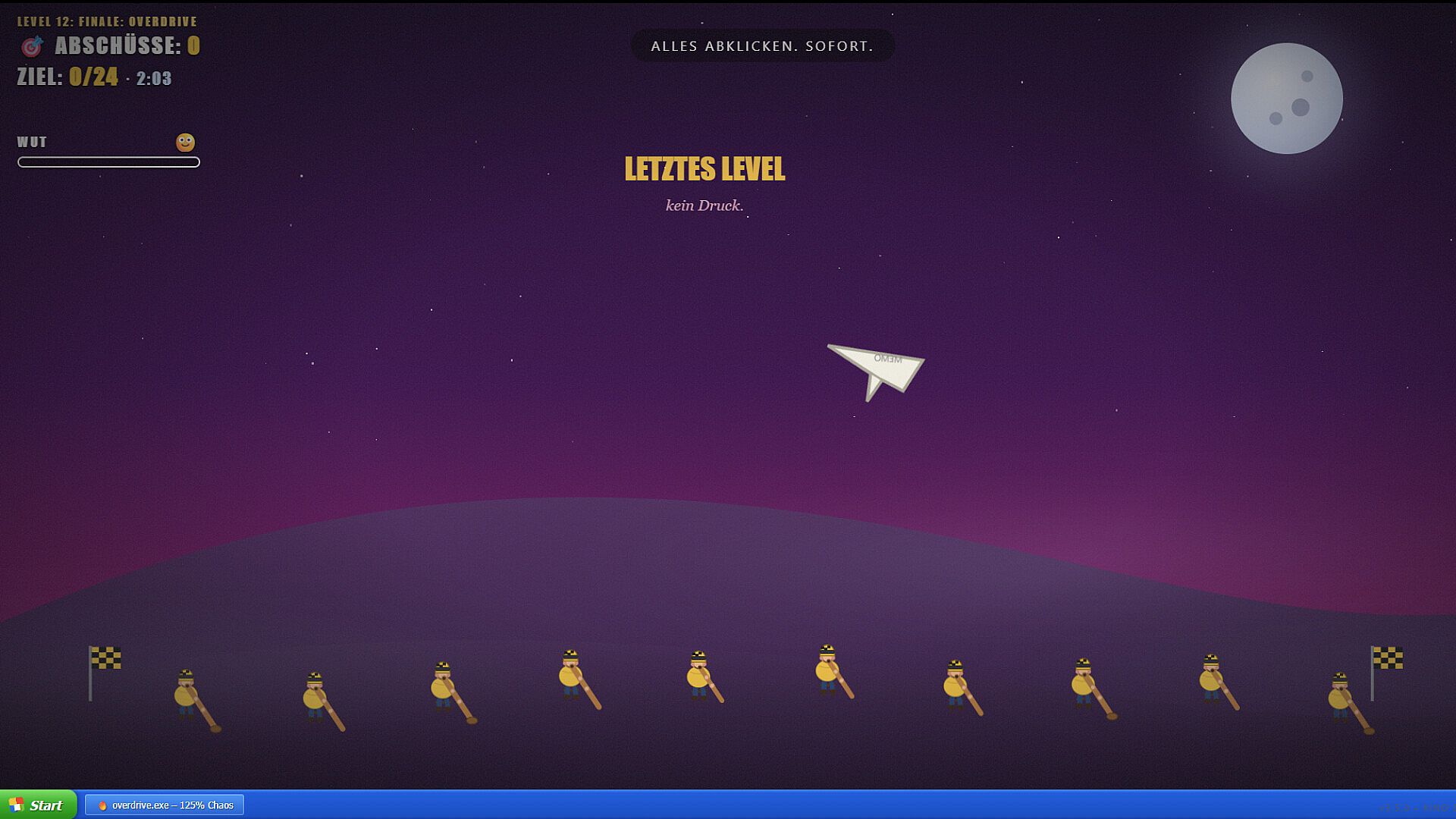
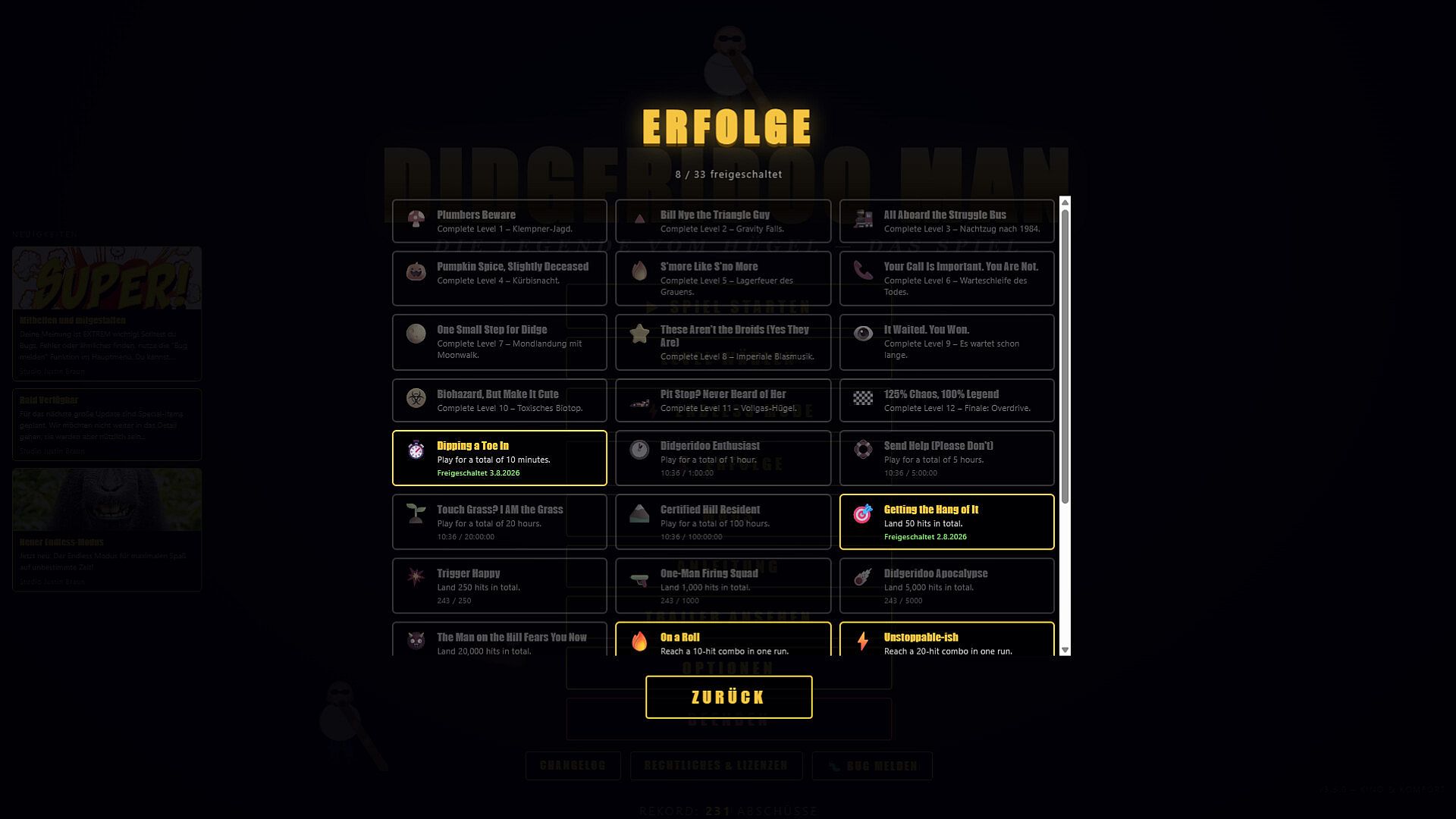
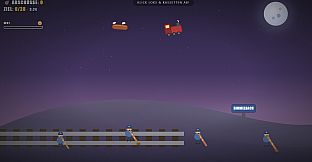
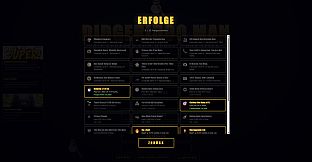
The game offers a 10-level campaign. Each stage features its own theme, costumes for the performer, and distinct sets of flying targets. Examples include a night train sequence, a pumpkin night setting, and a moon landing scenario. Progress through the campaign unlocks additional content and contributes to the collection of 33 achievements, some of which remain hidden in the menus.
Endless Mode expands the experience beyond the campaign. It draws from 63 original tracks arranged in random order across 15 rotating theme worlds. Difficulty resets with every new song, creating unpredictable runs that continue until the player stops. Persistent high scores track performance across sessions, and saved campaign progress carries over between playthroughs. Full mod support allows creation of custom levels using personal music, SVG or PNG characters, backgrounds, and Windows-style popup text without any coding required.
Additional Features
A hand-animated band performs every note of the soundtrack live on didgeridoos, adding visual synchronization to the audio. The game includes a cinematic boot sequence and an animated main menu. Discord Rich Presence displays current activity. Authentic error messages styled after early 2000s operating systems appear at appropriate moments. Separate volume controls and accessibility options round out the presentation for varied play sessions.
Is It Worth Playing?
The game remains unreleased at the time of writing, with a planned launch on November 11, 2026. Its appeal lies in the tight integration of rhythm shooting, escalating tension through the anger system, and the contrast between a simple control scheme and demanding timing requirements. Fans of rhythm-based action games or short, repeatable indie experiences may find the campaign and endless mode combination engaging. The mod tools and achievement list provide additional longevity for those who enjoy creating or collecting content. Players seeking a straightforward single-player rhythm shooter with a distinctive visual hook and no complex multiplayer systems will find the described mechanics align directly with that preference. Those who prefer traditional narrative-driven titles or high-fidelity graphics may want to review footage closer to release before committing.











