

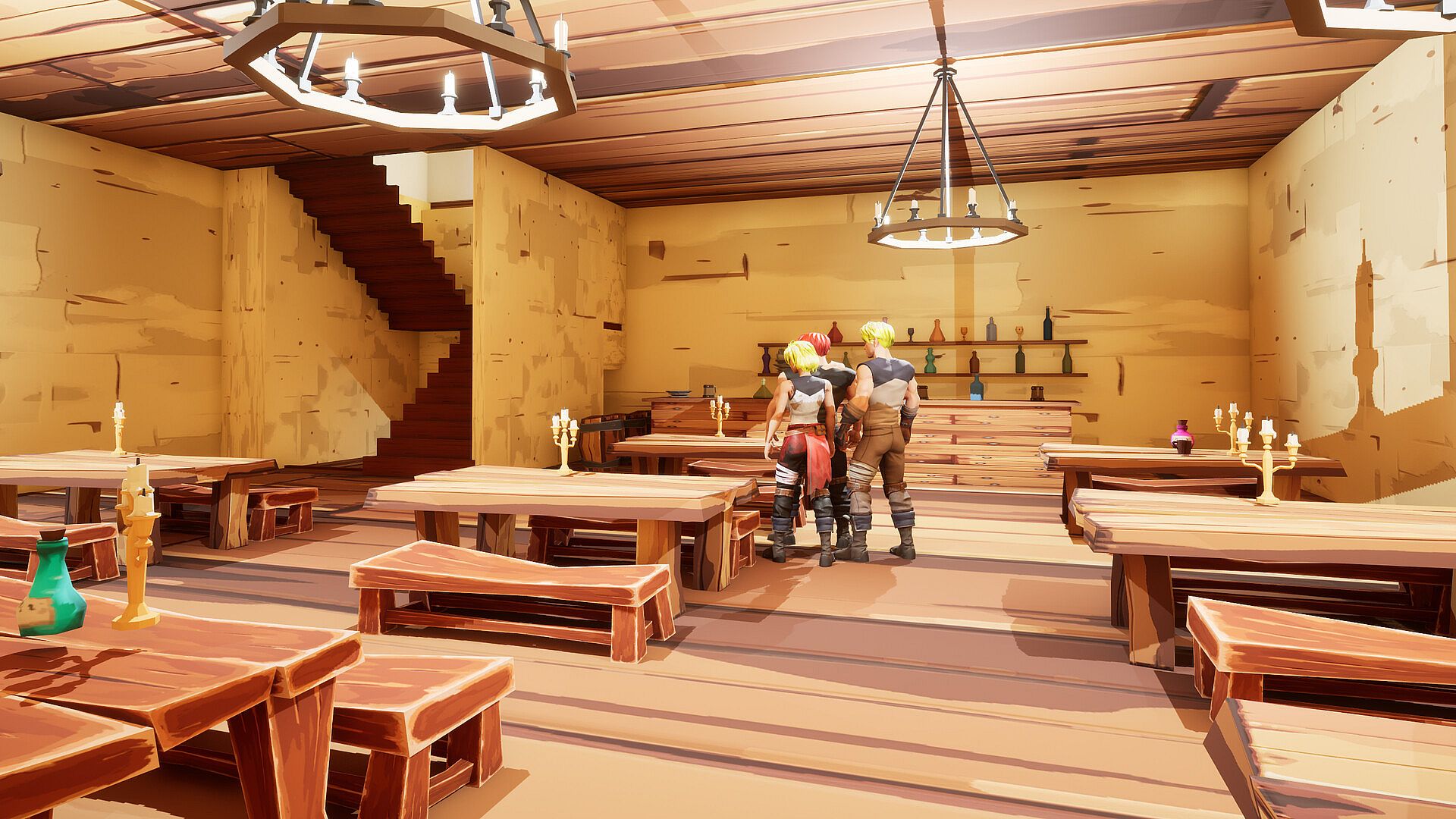

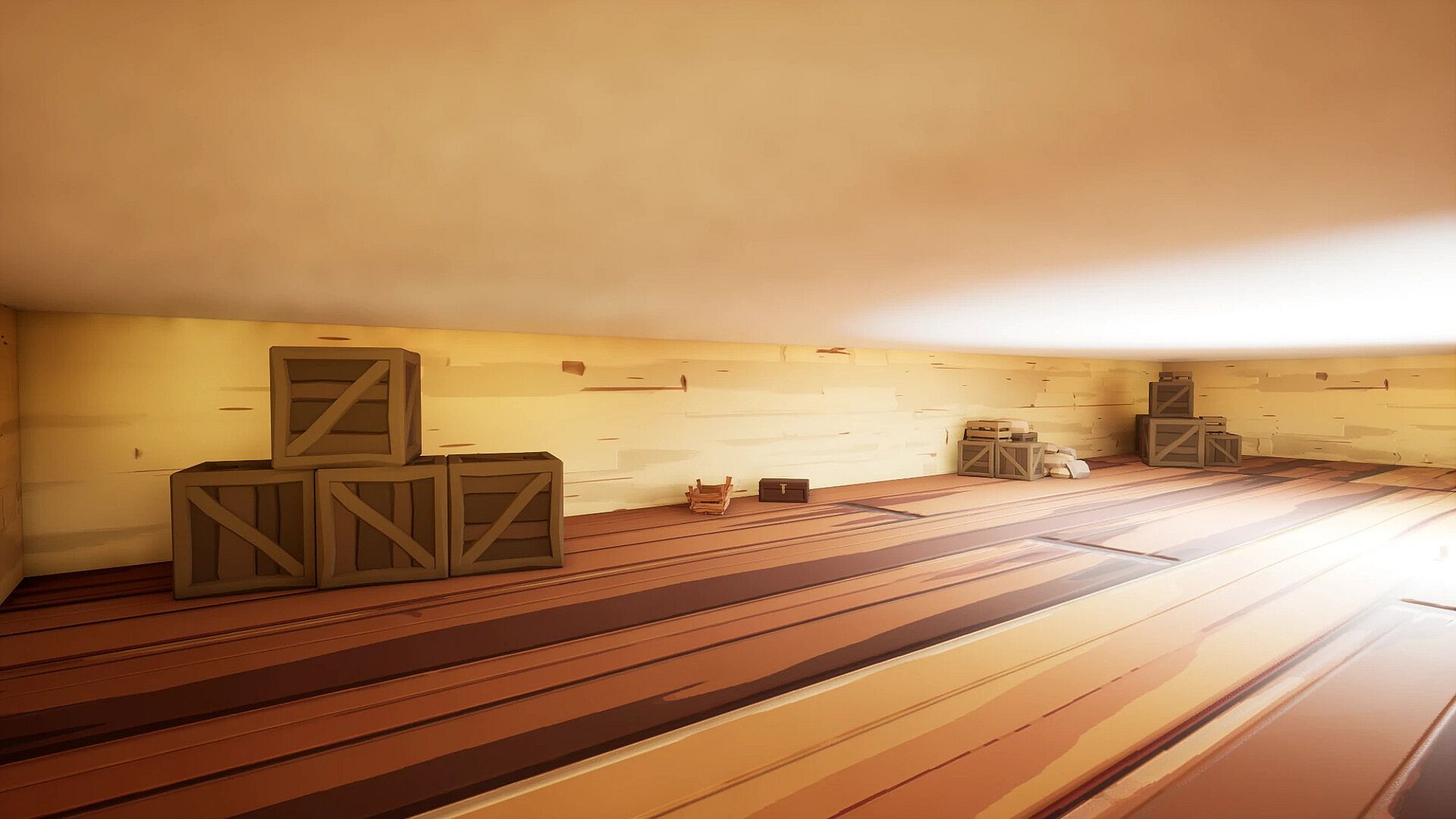
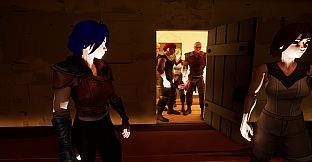
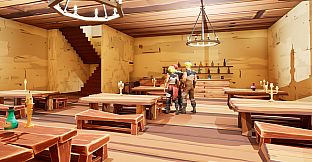


Deepwood Valley is a first-person survival RPG set on PC that places players in charge of restoring order to a fractured valley overrun by bandits and competing powers. The core experience centers on rebuilding from a near-empty castle with limited starting resources and a handful of loyal companions. Survival demands hands-on management of resources, construction, and community relations in a world where external kingdoms and empires eye the land for future control.
Gameplay
Players handle survival through direct first-person actions that include gathering materials, crafting equipment, and constructing buildings. Clearing land opens space for structures while fields and traps help sustain growing populations. Research improves tools, weapons, and production methods over time. Interactions with valley residents occur through face-to-face conversations that allow negotiation, persuasion, threats, or straightforward deals, making social skills a practical part of daily progress alongside physical tasks.
The underlying system follows classic tabletop d20 rules. Characters advance with levels, classes, skills, feats, and hit points. Combat, crafting checks, and persuasion attempts resolve using the same framework, so a high Diplomacy skill carries the same weight as an attack bonus. This approach keeps mechanics consistent whether players focus on combat, production, or leadership.
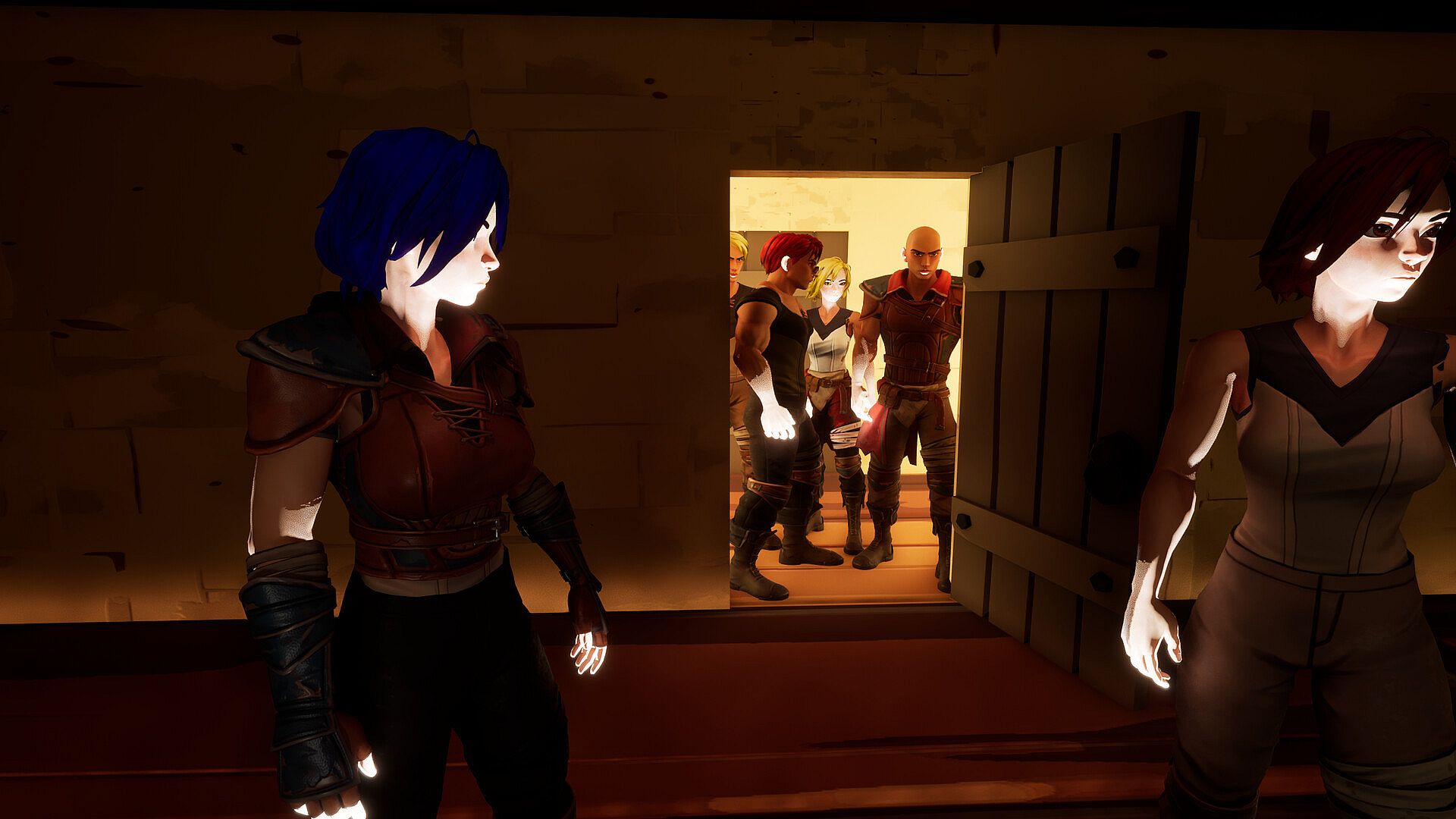
Six distinct companions each bring specialized strengths. Duke Thomas Aturna excels as a ferrier and horse trainer with a war-trained mount for early mobility. Duchess Lena Aturna manages bookkeeping and shopkeeping to boost enterprise profits. Max the blacksmith handles tool and weapon production plus technological research. Kyle the farmer organizes fields and improves village yields. Steven the carpenter and builder constructs structures and advances architectural options. Darlene the hunter focuses on trapping, hunting, and fishing while teaching these skills to others. Players switch freely between these characters during solo play by approaching and conversing with any companion, allowing seamless shifts to match immediate needs such as raising walls or planting crops.
Game Modes
The primary singleplayer mode supports full control over the six companions without locking the player to one character. Switching occurs naturally through in-game interactions, enabling one person to cover all roles as the valley develops. This setup emphasizes flexible management of survival, building, and diplomacy across the open-ended campaign.
Online multiplayer allows friends to join the same valley session. The six classes complement one another directly, so one player can focus on construction while another handles agriculture, a third manages negotiations, and others clear threats or scout roads. Shared progress depends on coordinated efforts to maintain villager confidence and prevent departures that erode the settlement.
Core Systems and Progression
Progression ties directly to practical outcomes rather than a fixed storyline. Better research unlocks improved crafting and building options. Successful diplomacy secures alliances or resources from villages. Mounted combat and specialized labor from companions accelerate early expansion. The living world reacts to player choices through villager retention, with each departure representing lost ground and the potential end of the settlement if numbers drop to zero.
Threats extend beyond direct combat to include bandit activity and external political pressures that influence local morale. Maintaining stability requires balancing production, defense, and social efforts to keep residents invested in the valley's future.
Is It Worth Playing?
Deepwood Valley suits players who enjoy first-person survival combined with RPG character systems and settlement management. The d20 framework provides familiar resolution for a wide range of actions, while companion switching adds variety without requiring multiple saves. Multiplayer supports cooperative division of labor across the six classes, making it suitable for groups interested in shared building and negotiation challenges. The open-ended structure rewards consistent attention to villager needs and long-term development over any single victory condition. Those who prefer structured campaigns or high-stakes competitive play may find the emphasis on steady rebuilding less engaging, but the integration of diplomacy with crafting and combat offers a focused experience for fans of detailed survival RPGs on PC.