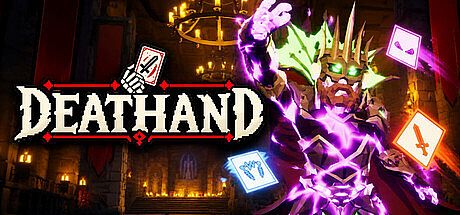


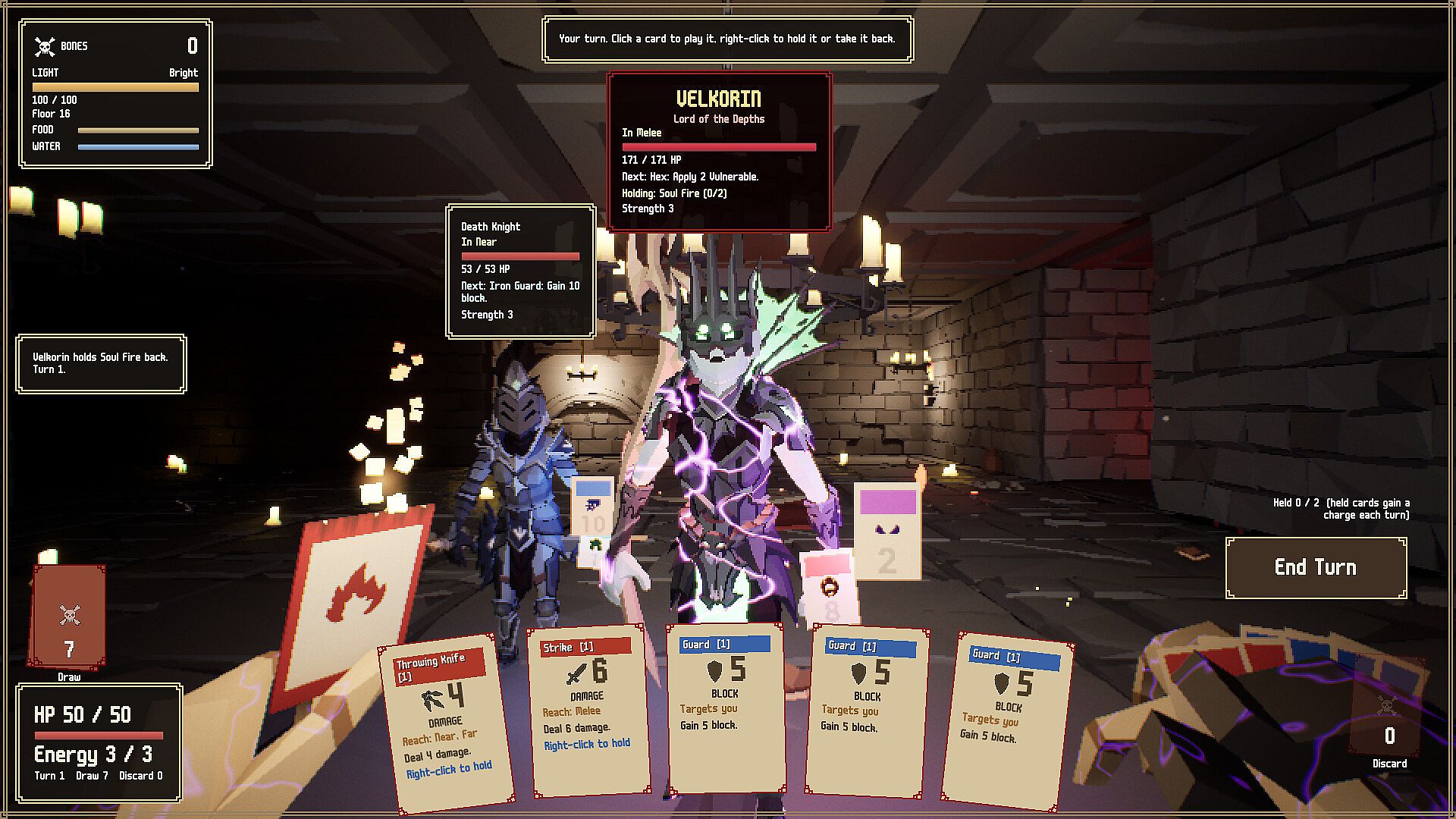
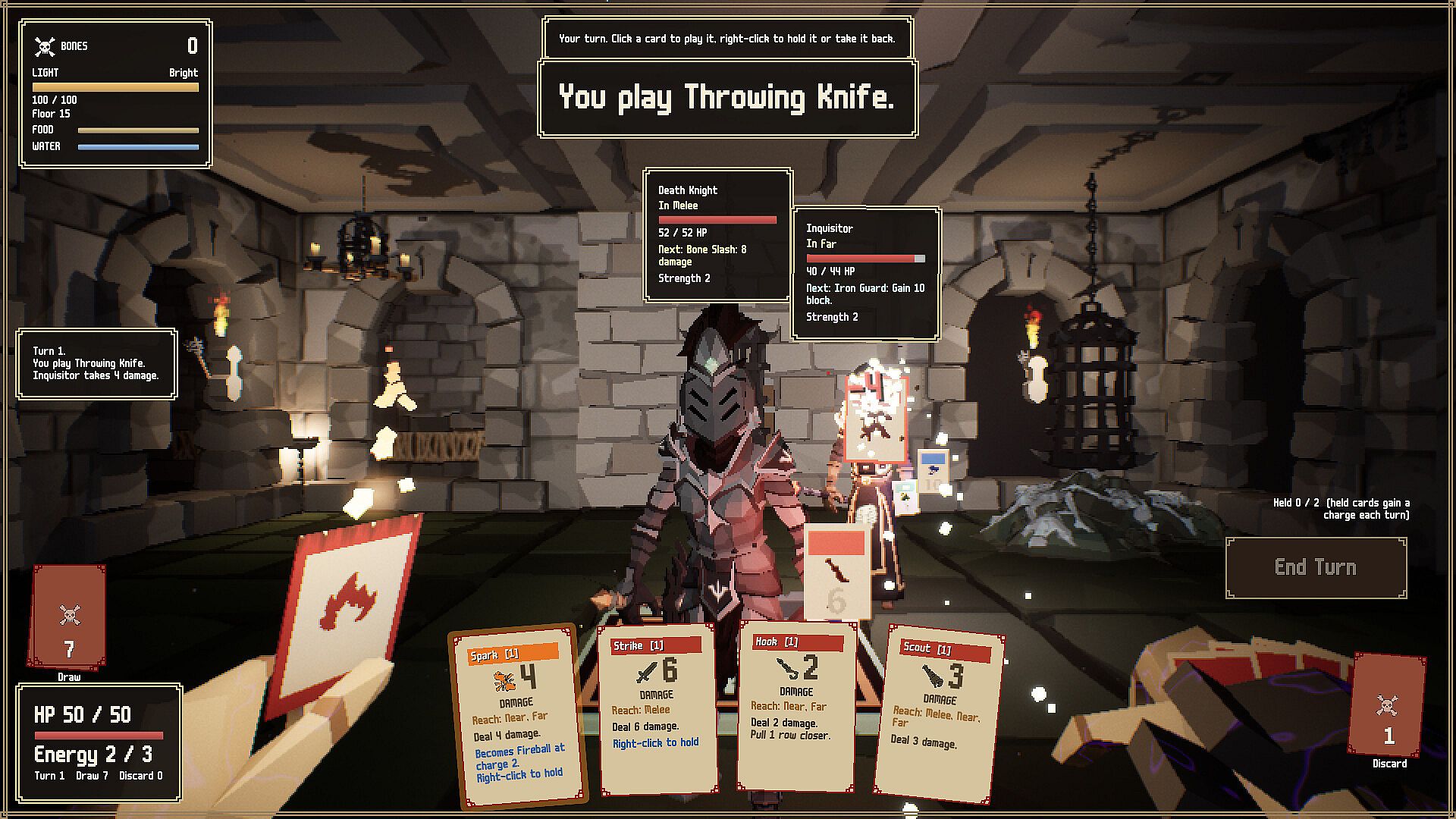
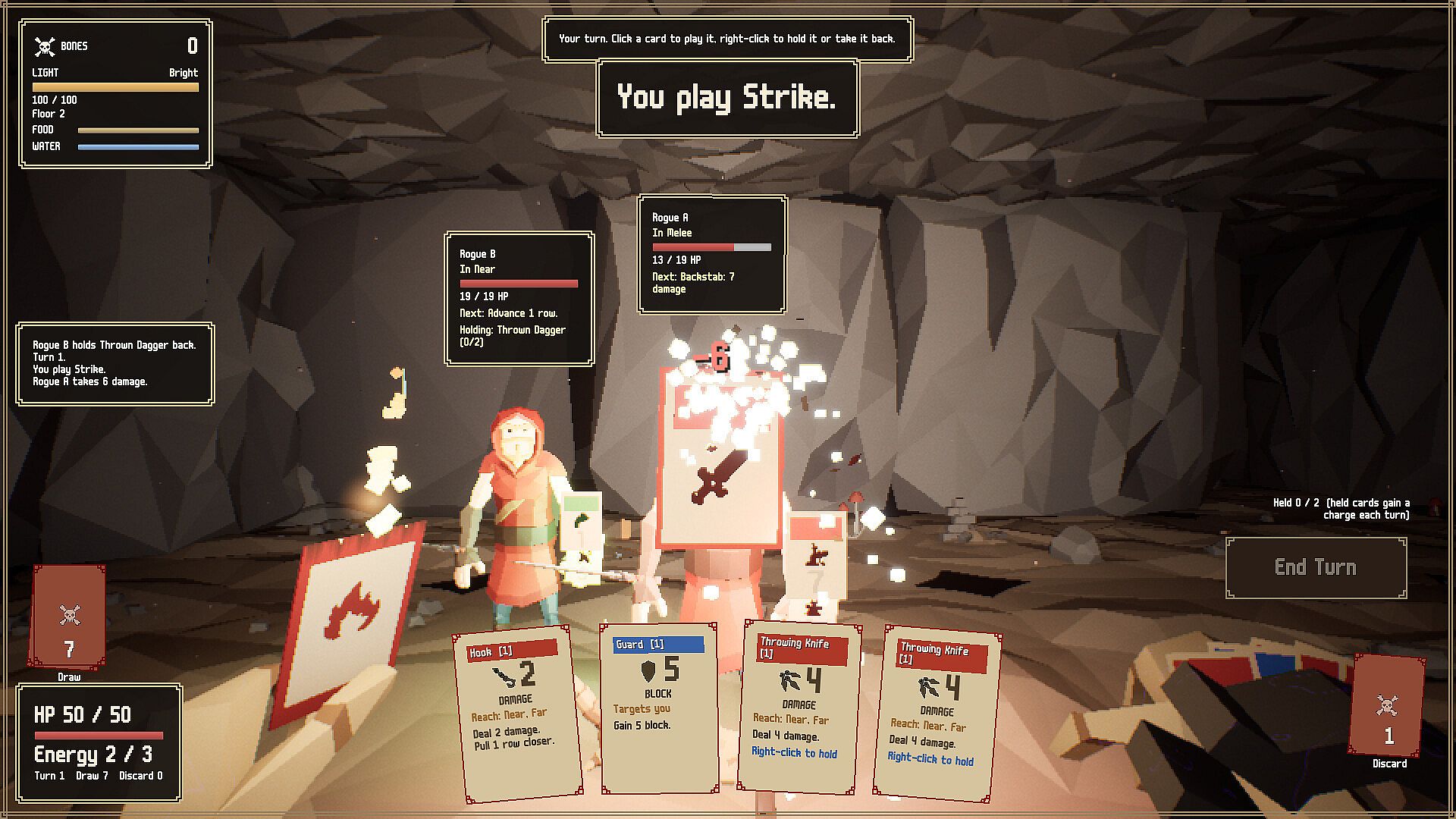
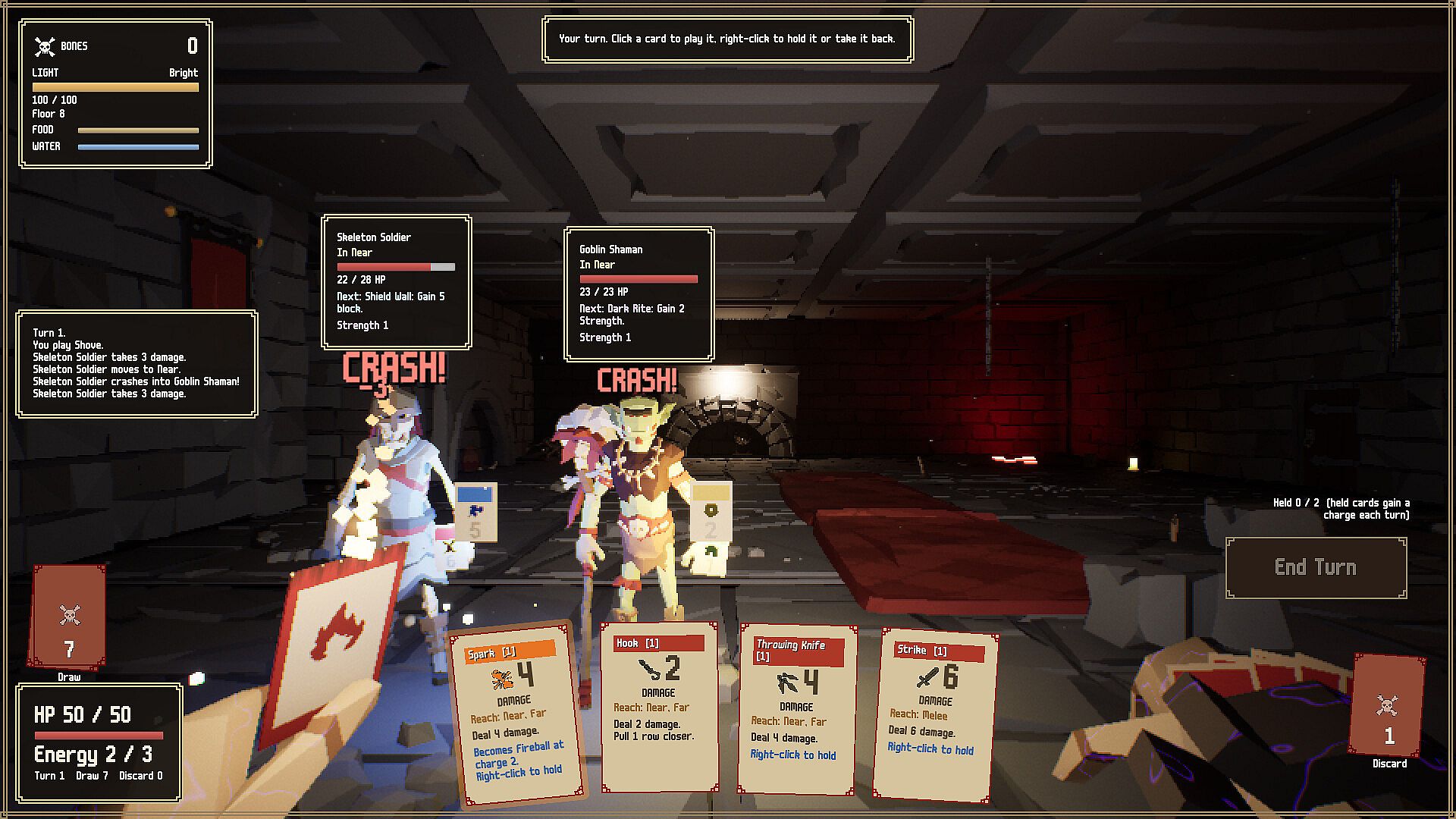
Deathand is a single-player strategy indie RPG for PC that blends grid-based dungeon exploration with turn-based card battles. Players descend through a cursed dungeon to confront the sorcerer Velkorin, managing light, cards, and positioning to survive procedural floors filled with enemies.
Gameplay
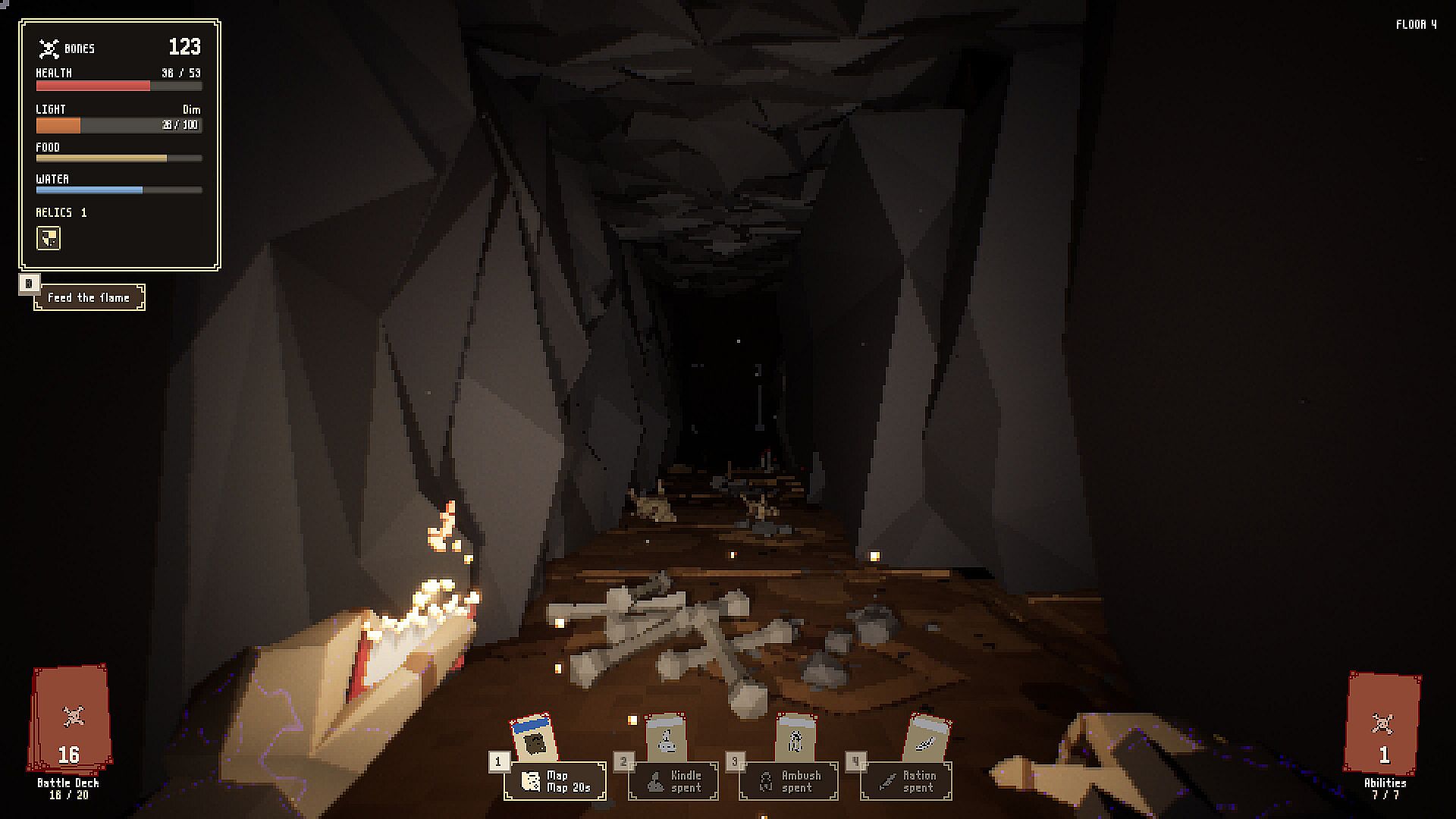
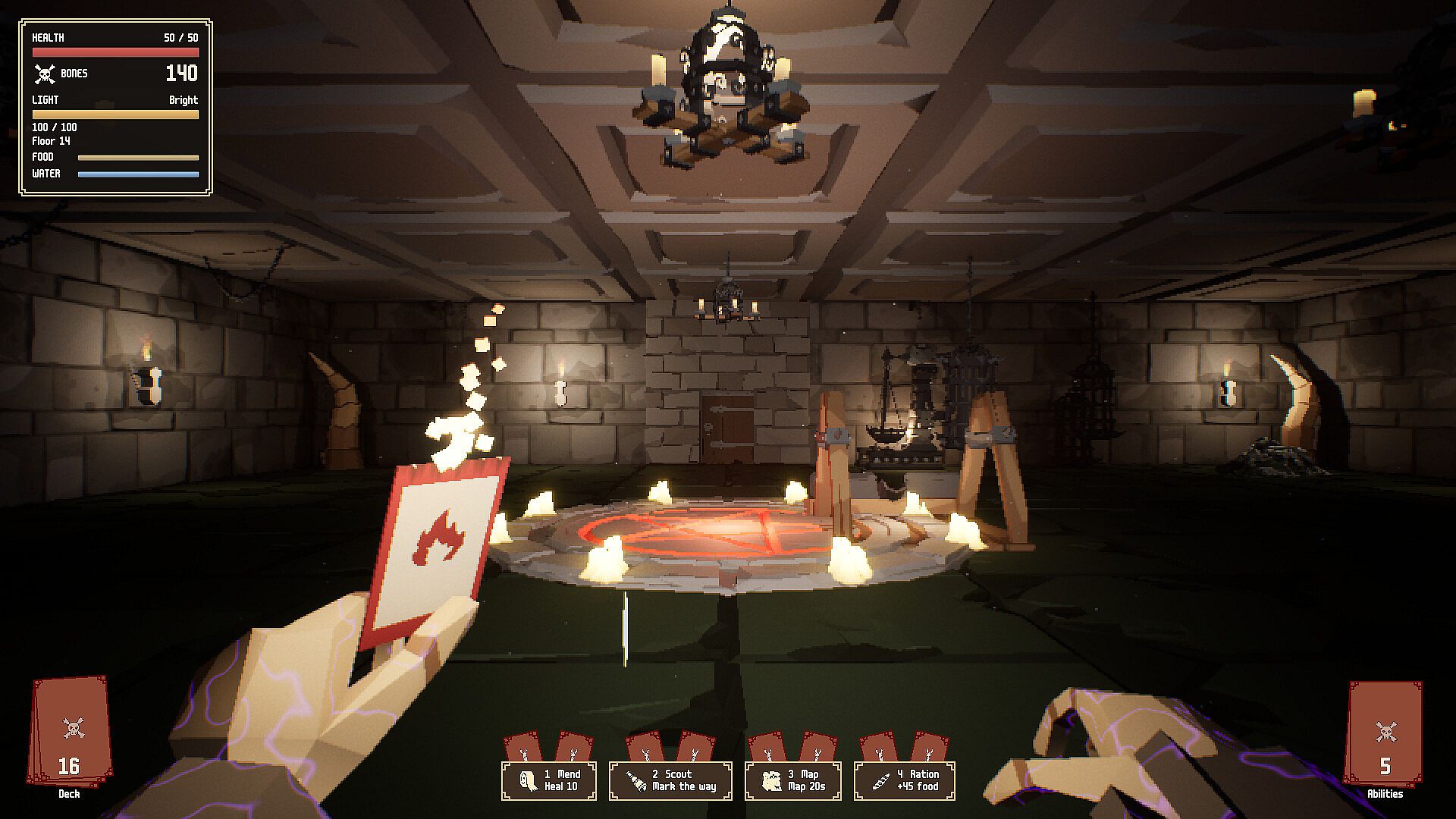
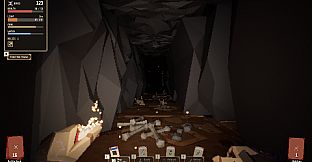
The core loop centers on first-person tile-by-tile movement through dungeon halls. A single card burns in the player's hand to provide light, consuming oil with each step. When light dims, the choice arises to continue in darkness or burn another card from the deck to restore visibility. In bright conditions every enemy intent is visible, while dim light reveals only move types and total darkness strengthens the dead.
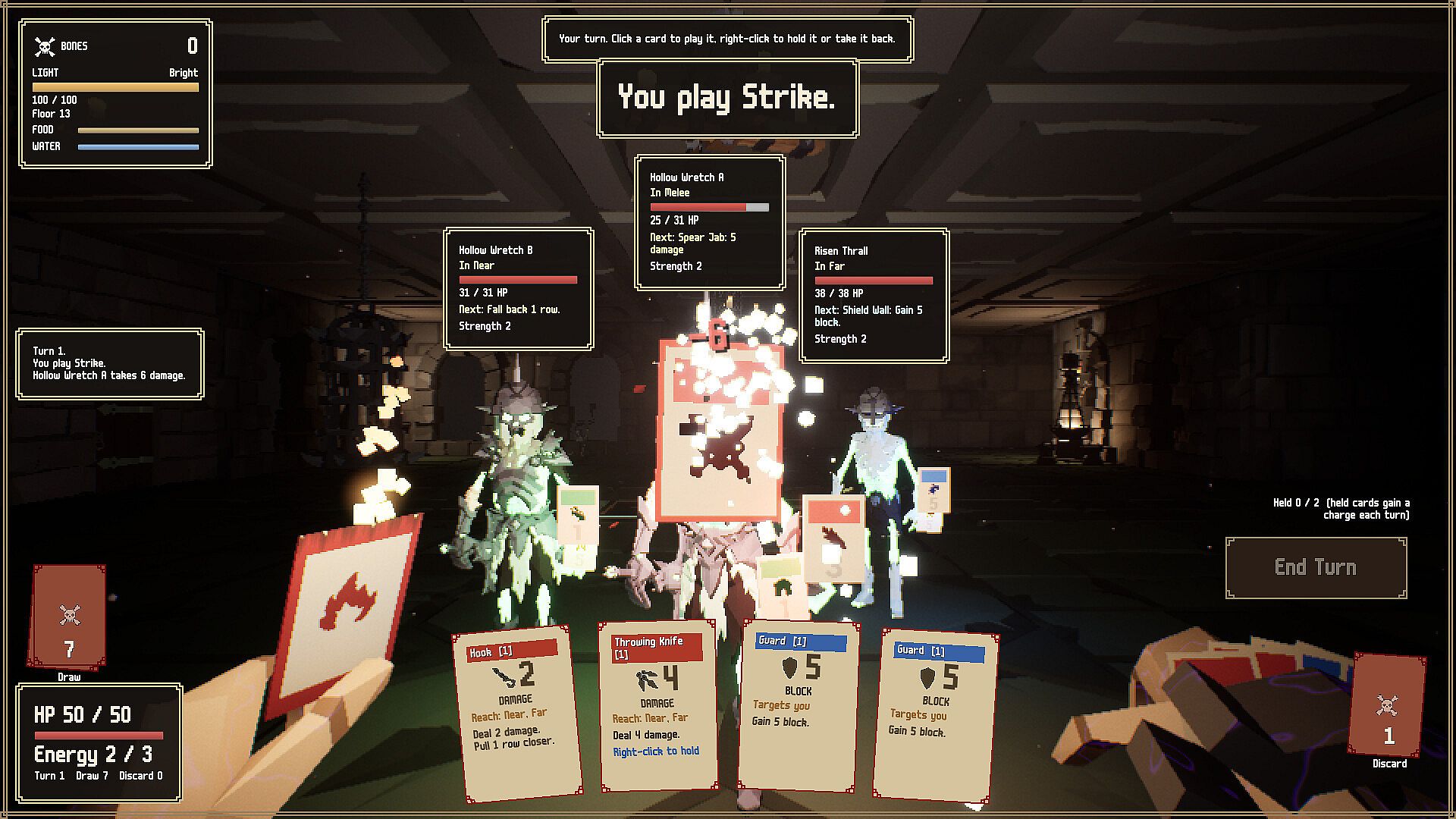
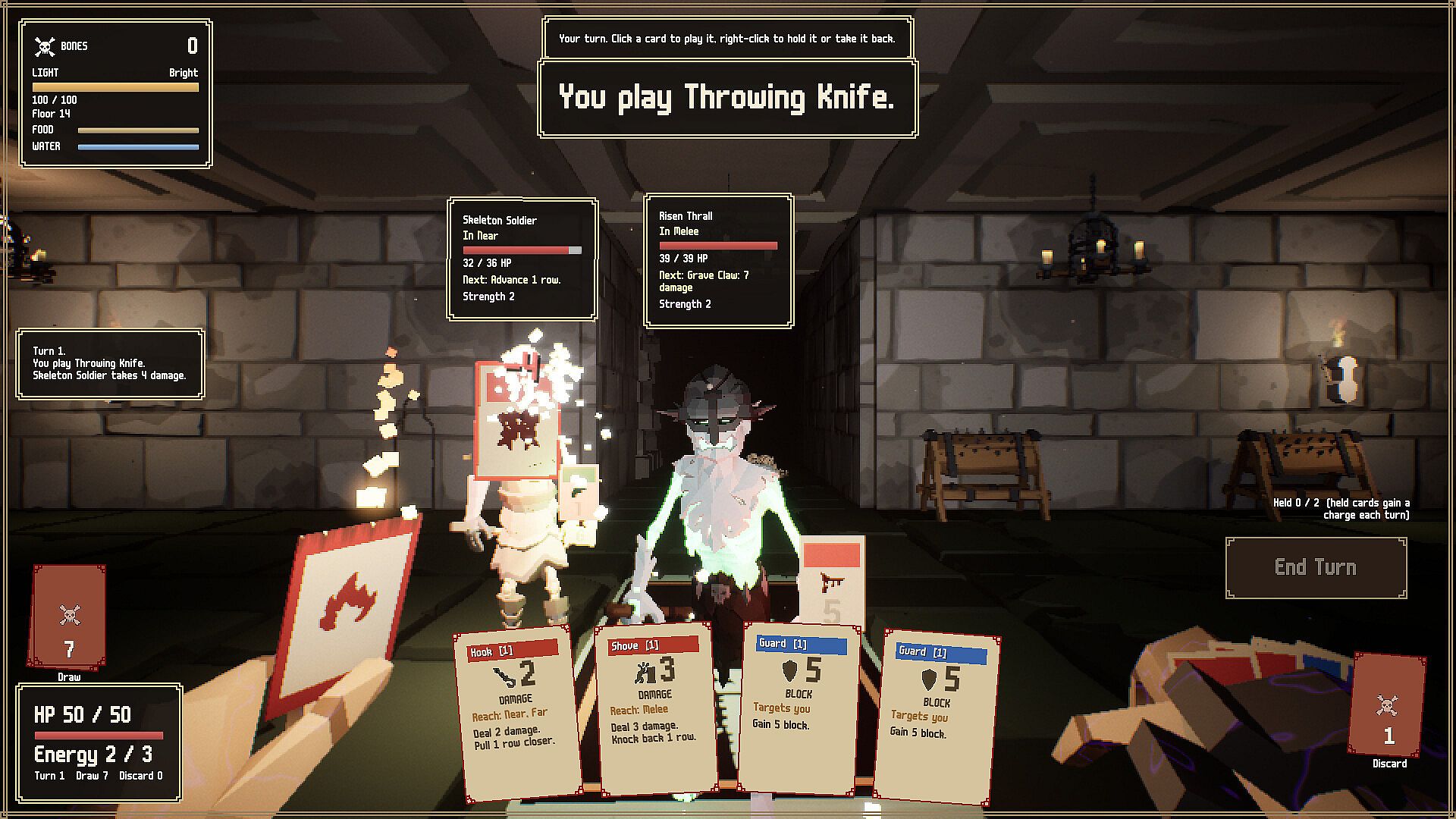
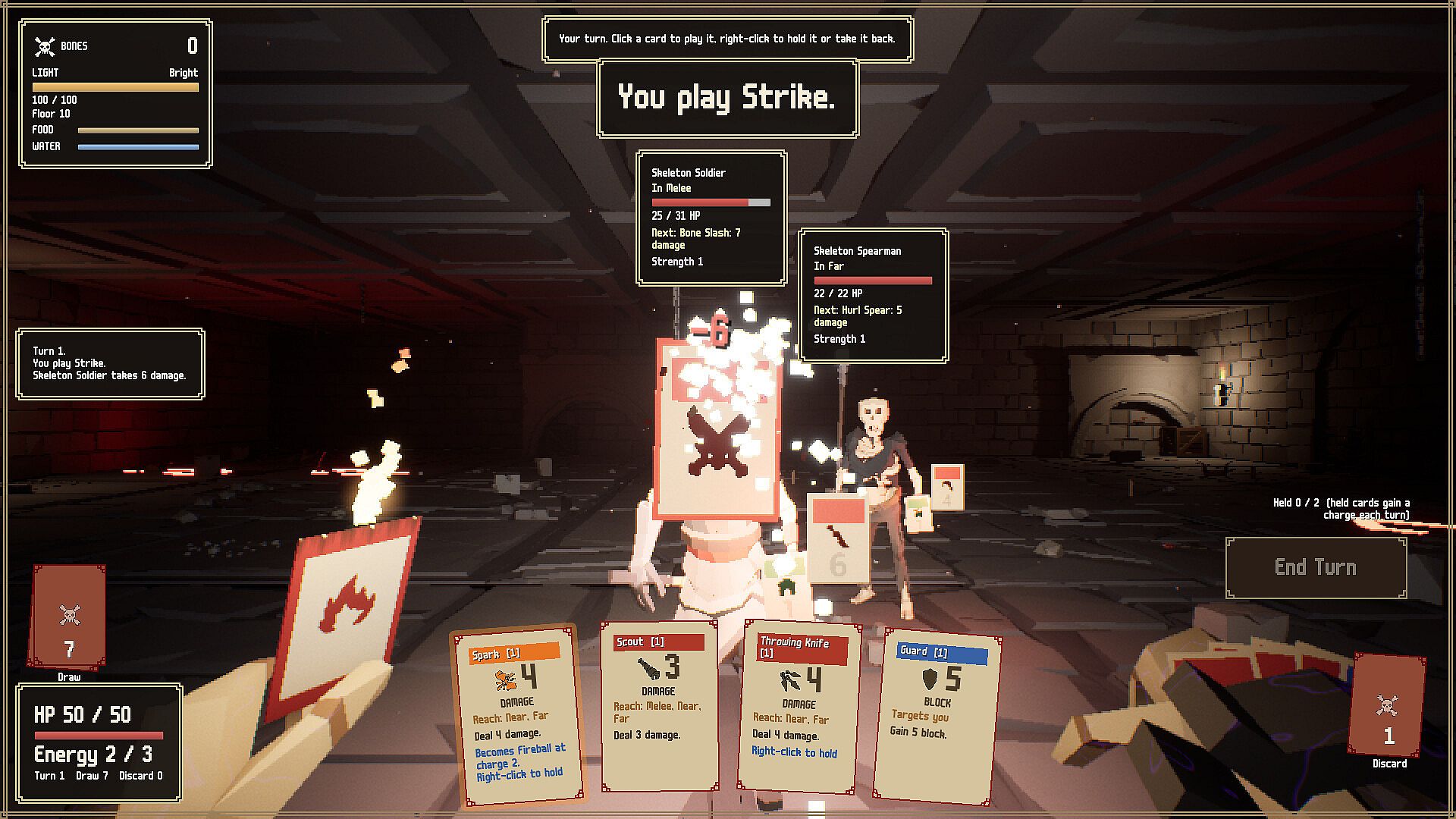
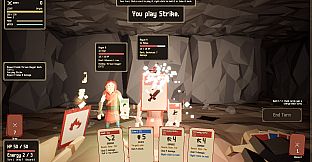
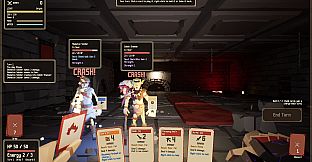
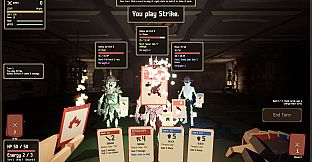
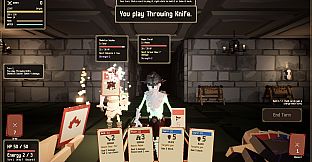
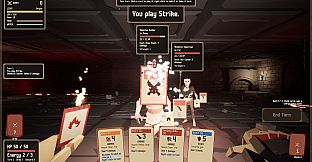
Combat unfolds in rows labeled Melee, Near, and Far. Enemies occupy positions and play cards from their own decks, with upcoming actions shown in advance. Cards possess specific reach: Strike affects only the front, Throwing Knives target the back row, and abilities such as Shove or Hook reposition foes. Right-clicking holds a card instead of playing it, allowing charges to accumulate over turns for increased power upon release. Cards also gain levels through repeated use, improving their effects.
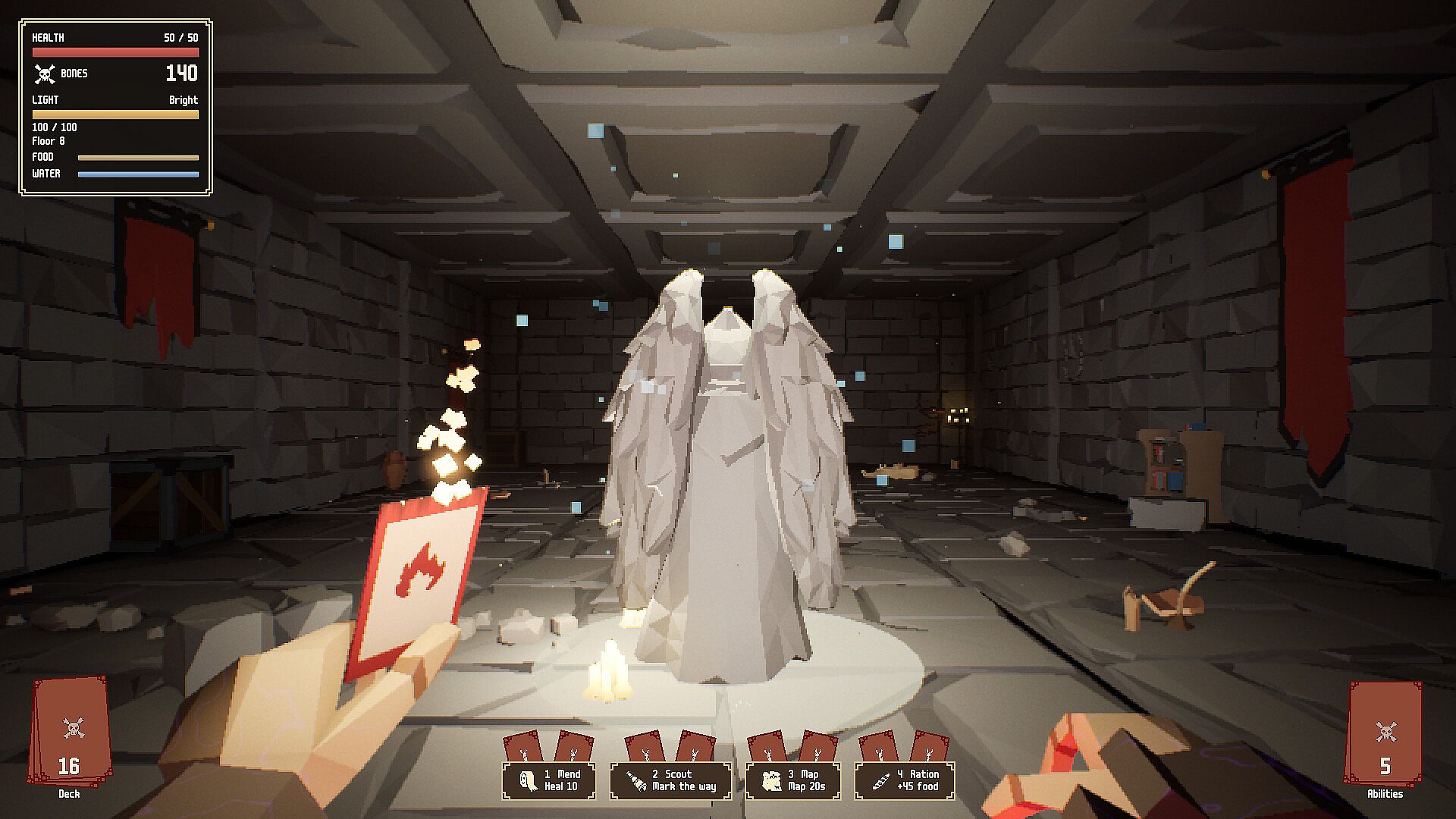
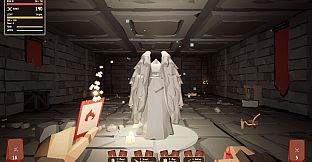
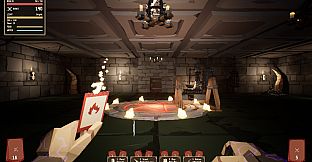
Exploration integrates several cards beyond combat. These handle wound mending, scouting stairs and chests, sensing enemies through walls, unlocking doors with Lockpick, or preparing Ambush setups for upcoming encounters. After victories or from chests, players select one of three new cards to add to the deck. Procedural generation creates varied floors that expand in size and complexity, shifting from caves to stone halls, pillared chambers, chasms with bridges, candle-lit ritual rooms, and multi-level galleries. Traps and locked doors add further layers to navigation.
Game Modes
The primary experience is the main dungeon descent, a single-player campaign of procedural floors leading to the final confrontation with Velkorin. Each run features unique layouts, enemy placements, and card rewards, with permanent loss of burned cards emphasizing resource decisions.
Trials provide a distinct mode of player-created content. These consist of standalone fights or compact dungeons built by others, using a fixed hand chosen by the creator. They can be browsed by name, maker, or challenge level and played without risking progress from the main run. Sealed doors encountered deep in the dungeon may hide a Trial linked to its maker, offering rewards upon completion.
The Trial Editor allows construction of custom scenarios using discovered cards and encountered enemies. Users position foes across rows, select terrain, define the starting hand, and adjust parameters such as health, energy, draw rate, light levels, and turn limits. A Trial must be completed by its creator before it can be sealed and shared, ensuring feasibility. Shared Trials appear in community lists and behind sealed doors for other players.
Key Mechanics and Progression
Light management forms the central tension, as every step depletes the flame and burning cards removes them permanently from the deck. Levelled cards burn brighter when sacrificed, rewarding investment in specific abilities. Enemy variety includes skeletons, archers, and goblin cultists, each employing distinct card strategies visible before their turns.
Card acquisition and deck building occur steadily through victories and exploration. The retro visual style features pixel-sharp textures, dynamic torchlight, and deep shadows that enhance the atmosphere of descending levels. Smooth first-person steps and turns maintain precise control during tile-based movement.
Is It Worth Playing?
Deathand targets players who enjoy deliberate strategy in roguelike dungeon crawlers combined with card-based combat systems. The integration of light as a depletable resource, positional row battles, and hold-to-charge mechanics creates layered decision-making during both exploration and fights. Procedural floors ensure replayability in the main campaign, while the Trial system and editor extend engagement through community content creation and sharing.
Since the game remains upcoming with no released version or player reviews available, its appeal rests on the described systems of card management, visibility trade-offs, and user-generated Trials. Those drawn to indie strategy RPGs with first-person dungeon crawling and turn-based encounters will find the mechanics distinctive and interconnected. The absence of multiplayer elements keeps focus on solo progression and creative Trial design.