




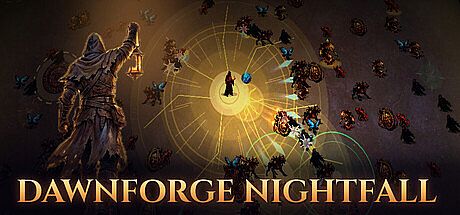


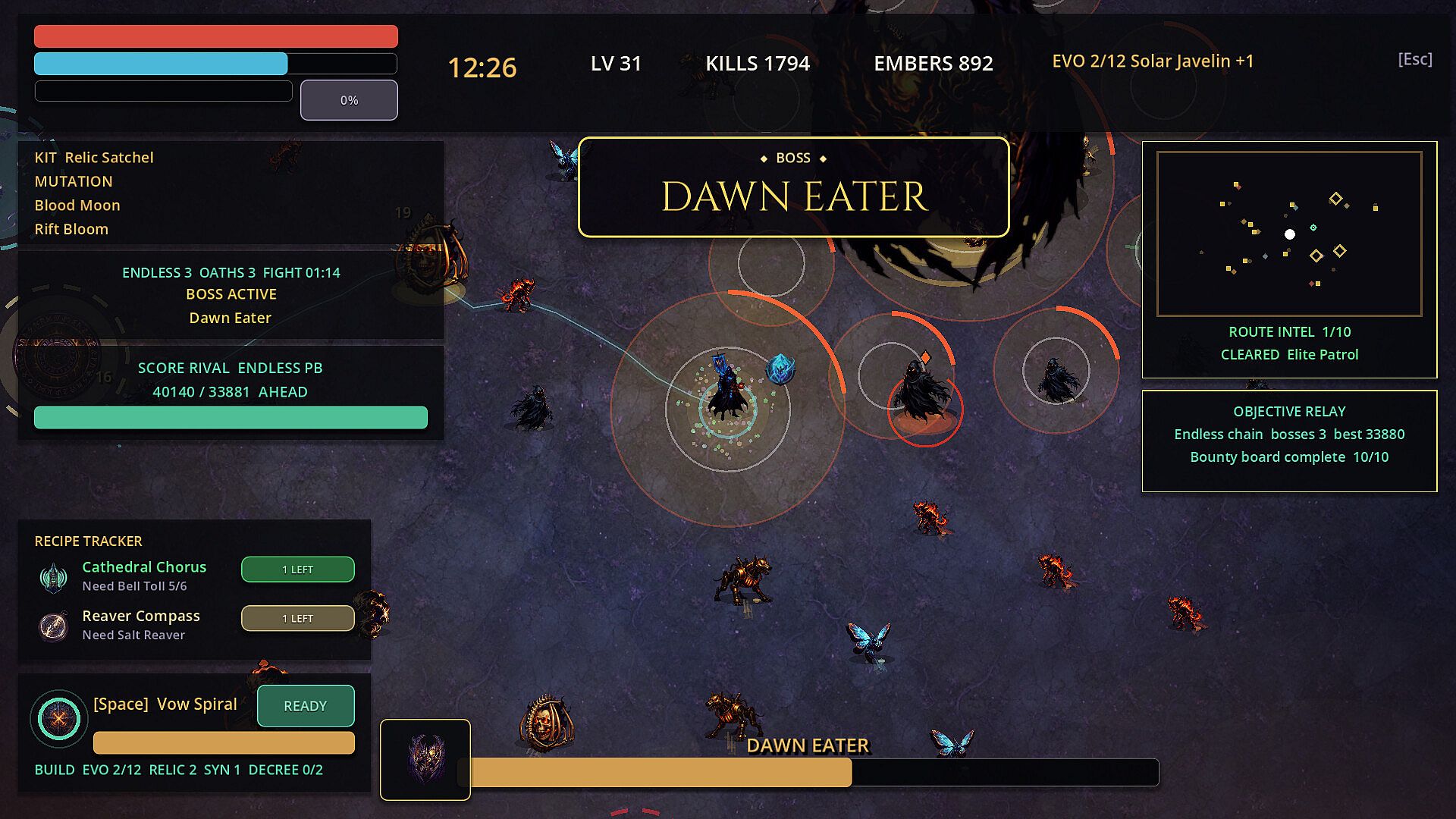
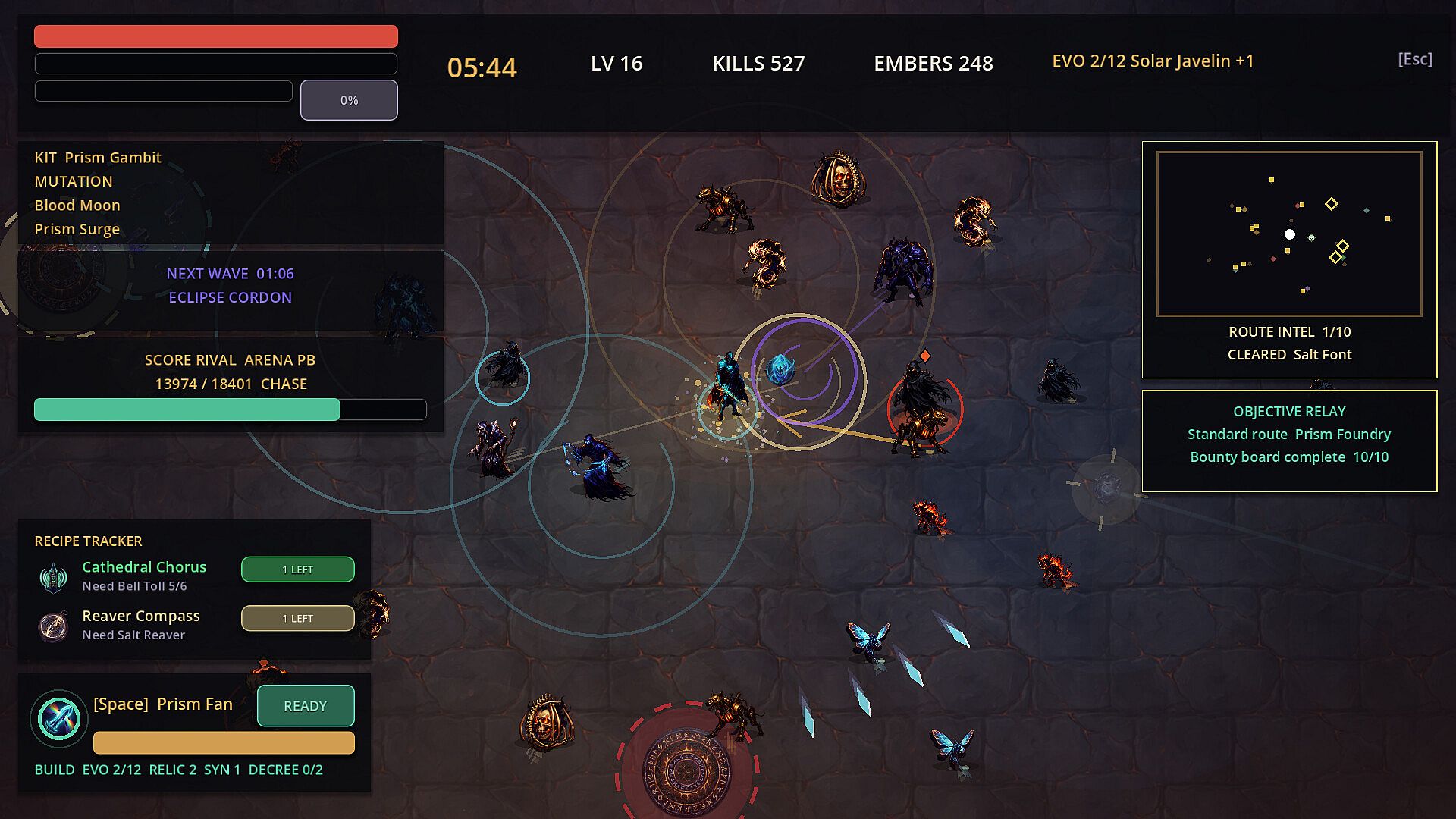
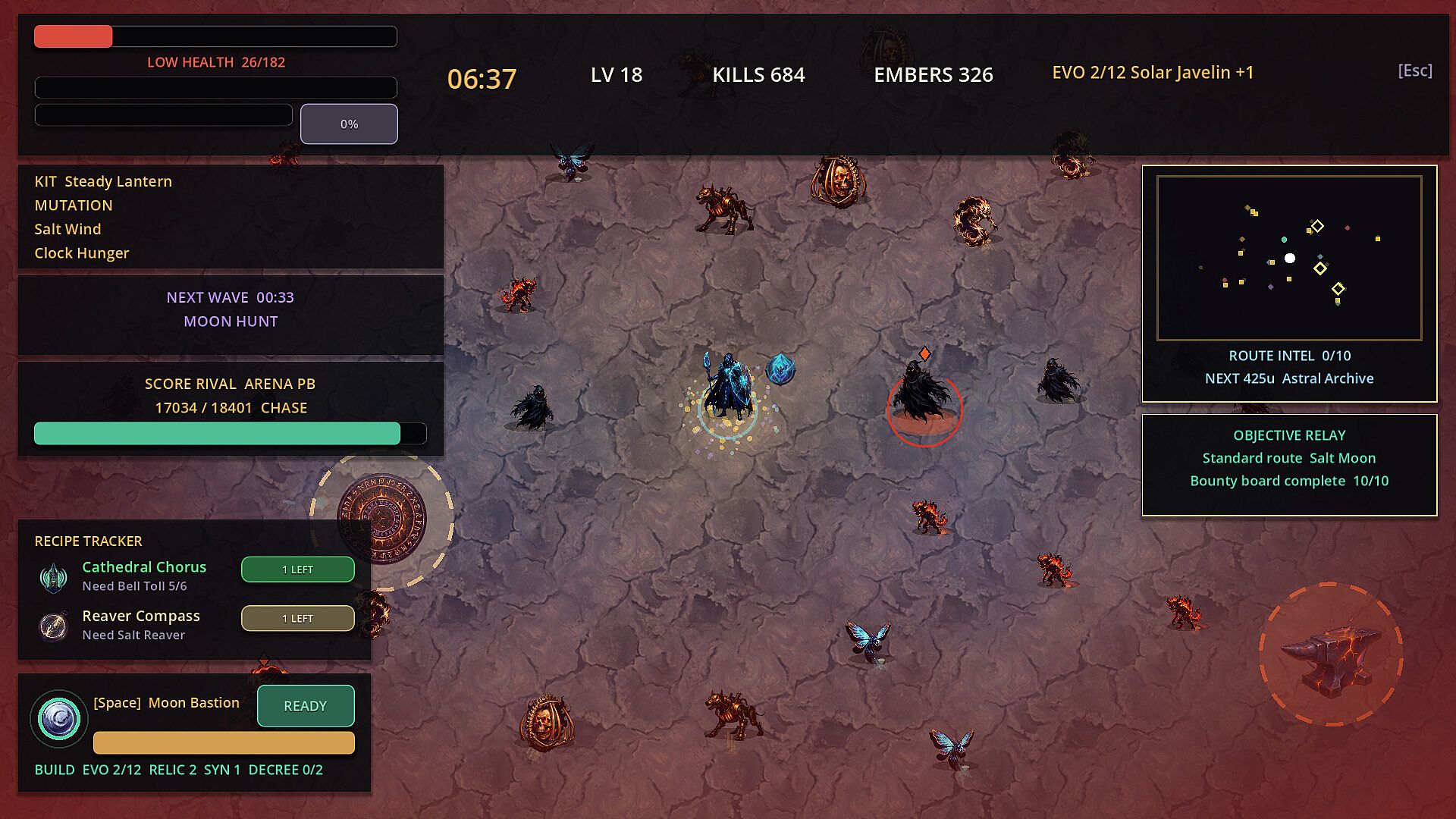
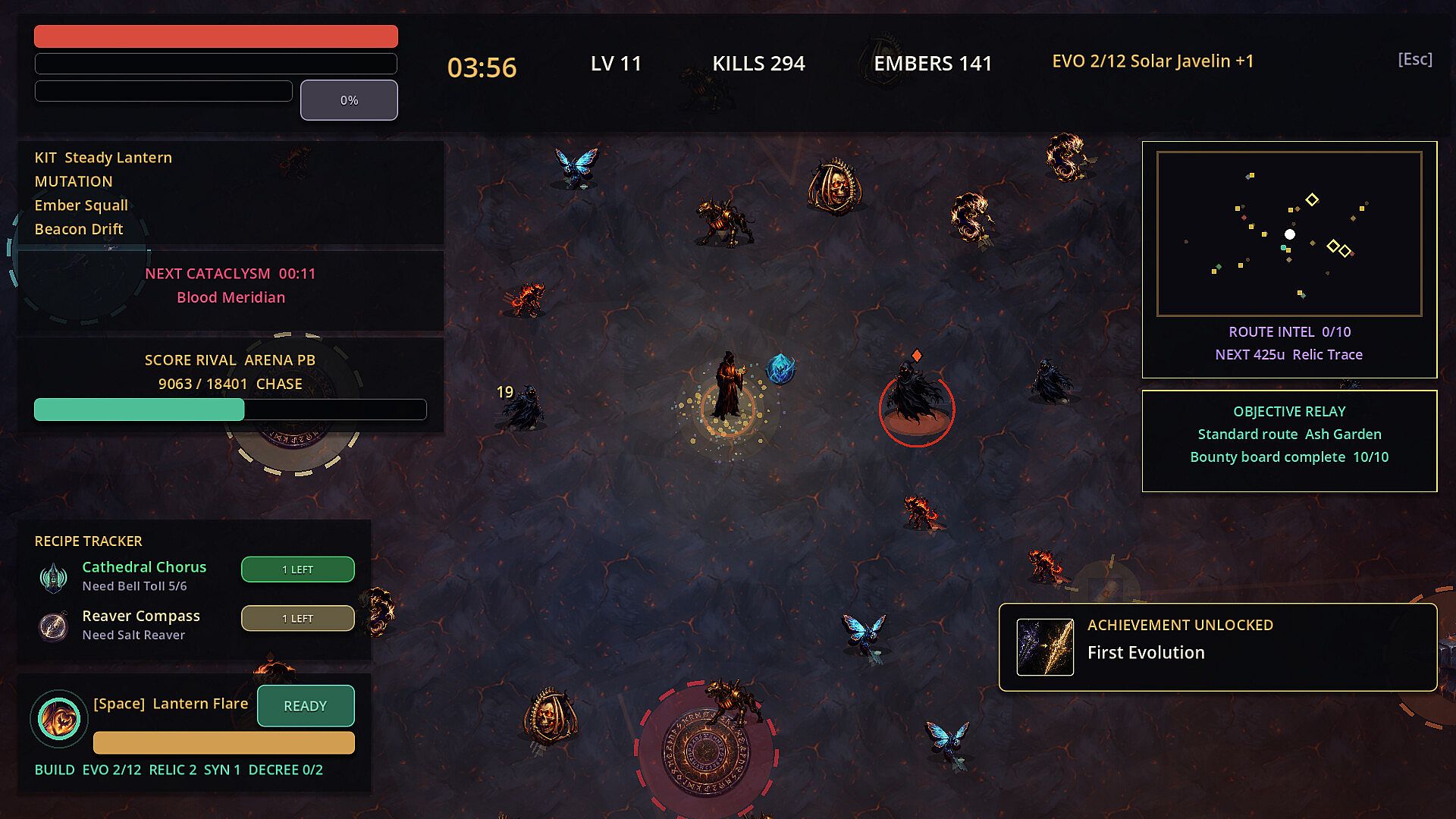
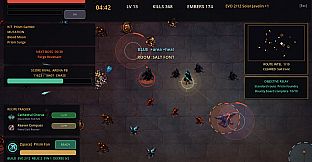
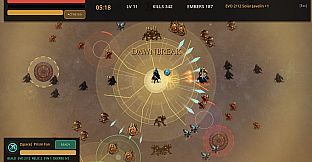
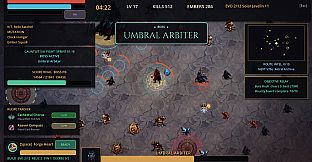
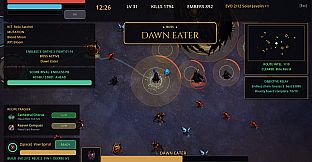
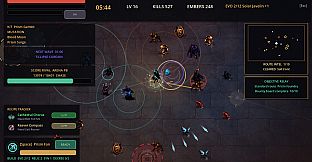
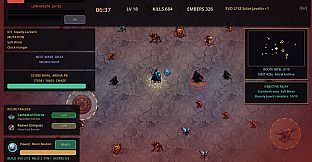
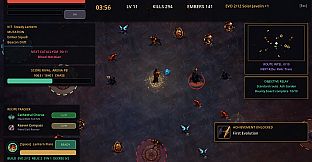
Dawnforge Nightfall is a painterly dark-fantasy survivor roguelite for PC that blends action, indie, and casual elements into short arena runs against escalating enemy swarms. Players control heroes who wield evolving weapons while managing pressure from waves that intensify over a typical twelve-minute session. The core appeal lies in a loop that rewards quick adaptation and timing rather than precise aiming or complex controls.
Gameplay
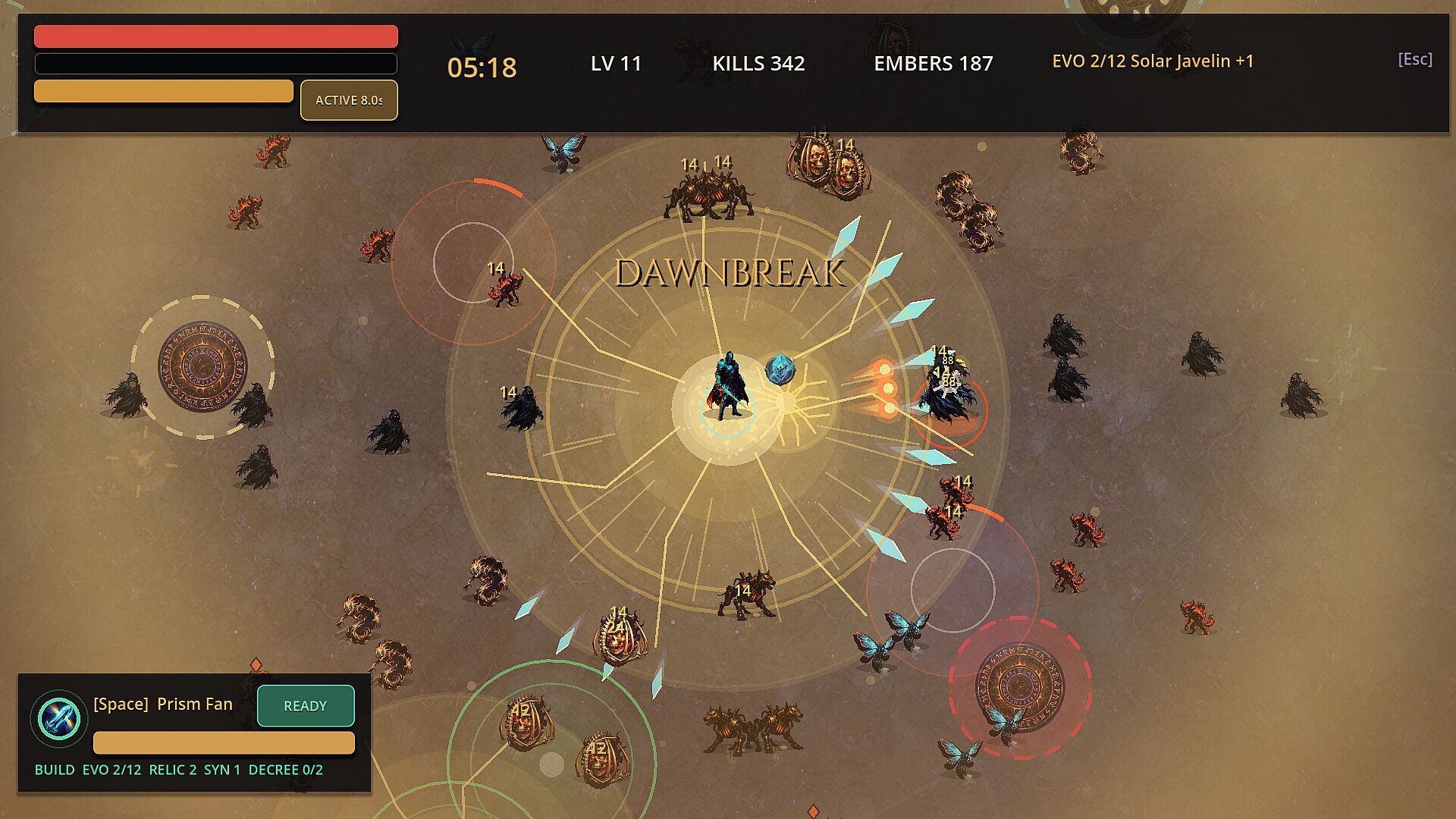
Combat centers on automatic weapons that feel responsive from the first moment, allowing focus to shift toward positioning and resource management within each arena. Kills contribute to a central meter that players can activate at chosen moments to trigger a powerful state. During this state the arena brightens dramatically, granting temporary safety, pulling in collectibles, repelling foes, and boosting weapon output with lingering effects on the ground. This creates a clear rhythm of building strength in darkness before shifting the battlefield in favor of the player.
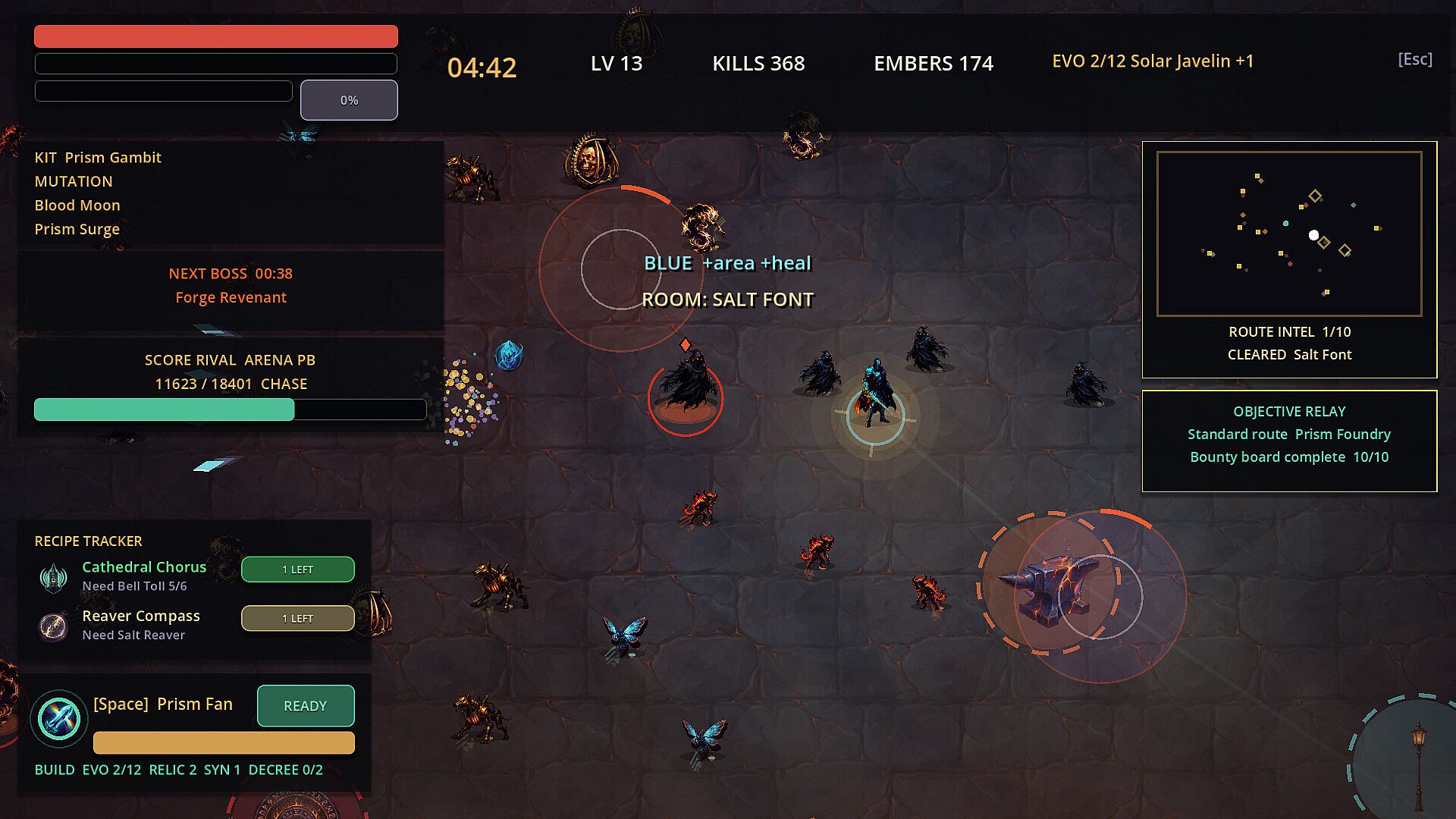
Scattered across arenas are special points that, once reached, create persistent areas of light. These zones provide ongoing advantages and carry forward into later encounters by reducing the strength of the final threat. Relics and other upgrades modify how the light-based ability behaves, extending its duration, range, or recharge speed to suit different approaches. A distinct variant restricts visibility to a lantern radius, turning every fight into a tighter contest of control within that illuminated circle.
The visual presentation uses warm ember tones against deep indigo backgrounds, evoking a hand-painted quality that highlights heroes, creatures, and bosses alike. Eleven distinct characters pair with twelve weapons that gain enhanced forms through play, while ten relics and eleven synergies offer further customization. Procedural layouts span roughly one hundred rooms, with shrines and route choices visible on a minimap to support informed decisions during a run.
Game Modes
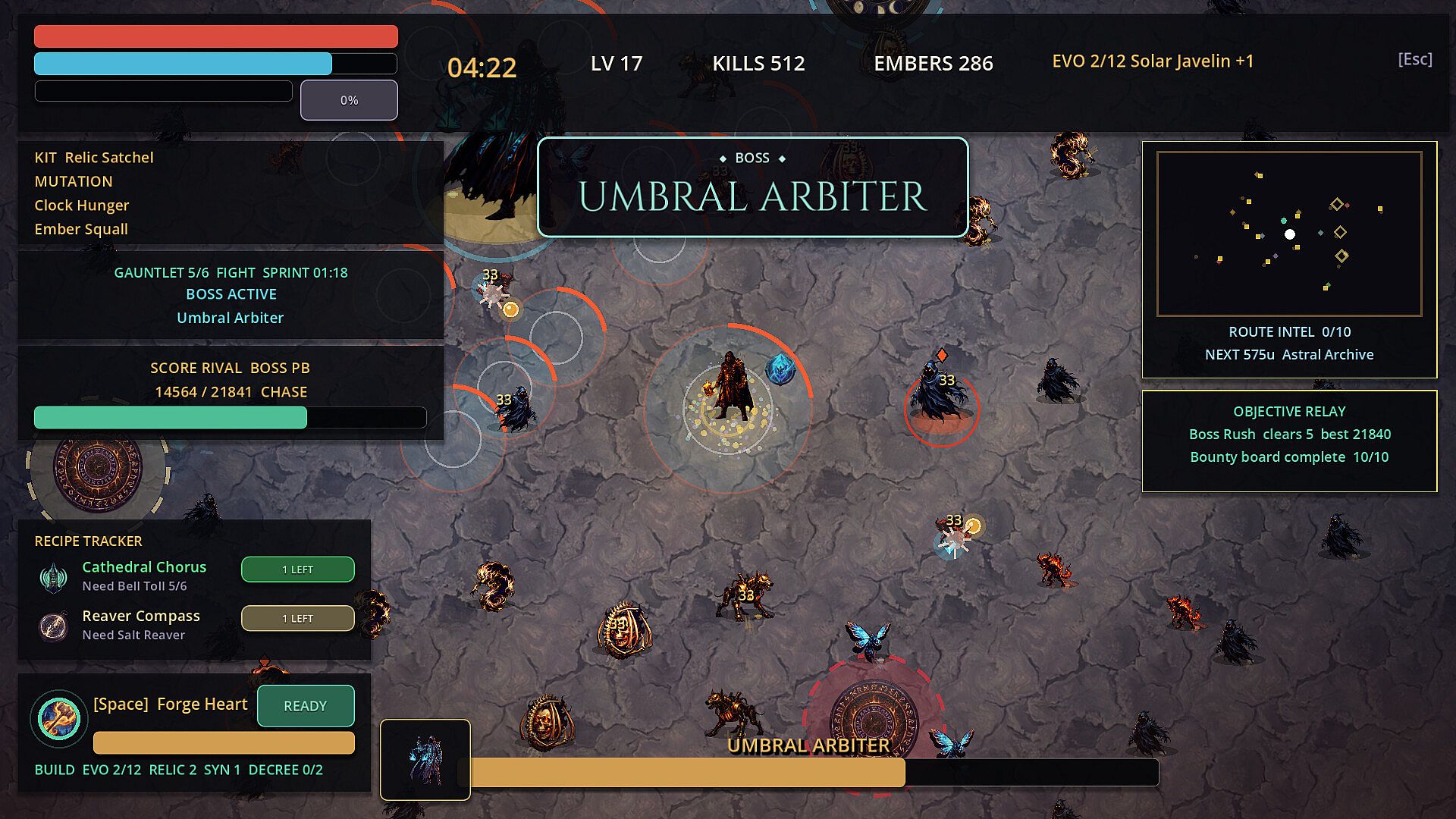
Standard sessions follow the twelve-minute structure with rising difficulty through mutations, waves, and occasional large-scale events. Beyond the main experience, several dedicated modes compress or extend the challenge. One condenses multiple boss encounters into a brief sprint. Another chains repeated finales into ongoing sequences that test sustained performance. Daily options provide a shared layout for comparison across players. Additional trials introduce varied conditions that alter rules or objectives for fresh attempts.
These modes support repeated play without requiring entirely new campaigns each time. The structure encourages experimentation with different heroes and weapon combinations while the core survival pressure remains consistent.
Progression and Customization
Resources gathered across runs fund permanent improvements, including masteries, skill modifications, and weapon enhancements. Boss remnants and companion creatures add further layers that persist between attempts. This fail-forward system turns each defeat into an opportunity to return stronger, with upgrades that directly influence future builds and synergies.
Full controller support includes prompts suited to handheld devices, alongside accessibility options such as high-contrast modes, reduced visual intensity, and adjustable rumble feedback. These features broaden accessibility while preserving the tactile feel of the combat loop.
Is It Worth Playing?
Dawnforge Nightfall suits players who enjoy survivor-style roguelites with a strong emphasis on timing a signature transformation ability and managing light-based advantages. Its painterly art direction and concise run length make it approachable for casual sessions, while the depth of hero and weapon evolutions plus relic interactions provides replay value for those who like refining builds. The endgame modes extend longevity for dedicated players without demanding long commitments per session. Availability on PC with controller and accessibility options further supports a wide audience. Those drawn to dark-fantasy themes and automatic combat systems that reward strategic activation of powerful states will likely find the experience engaging and distinct within the genre.











