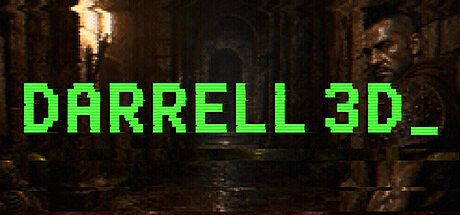


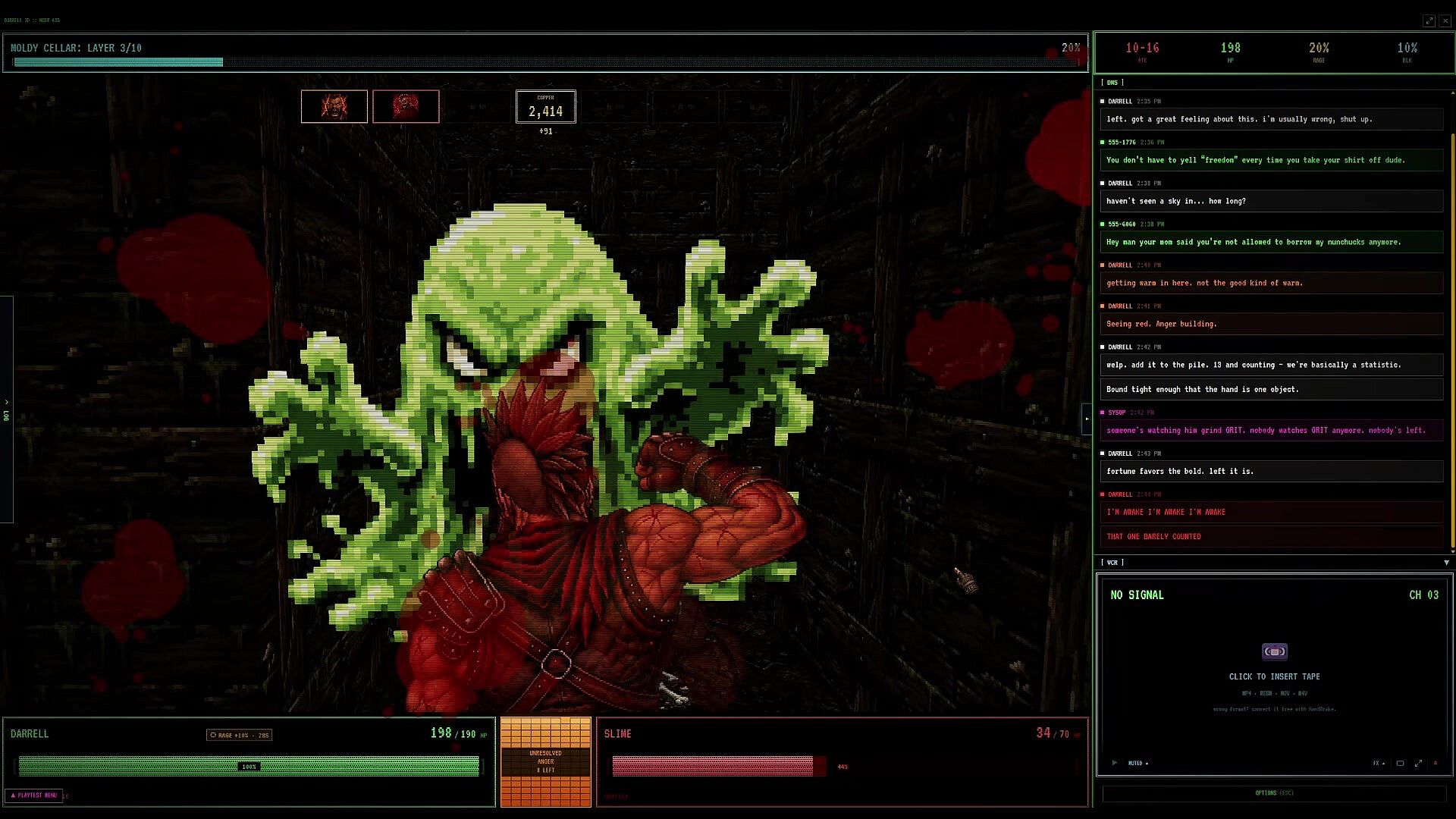
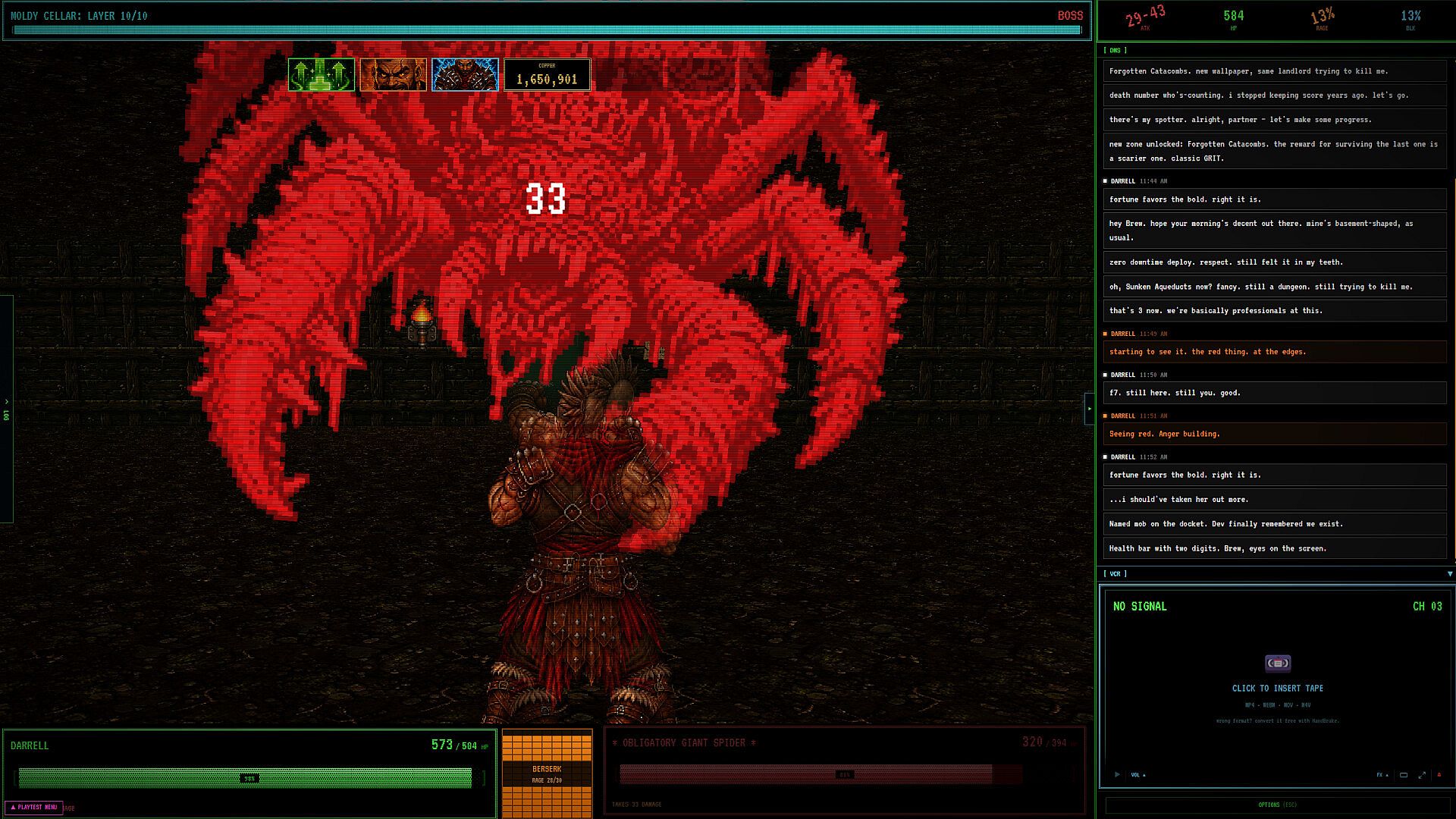
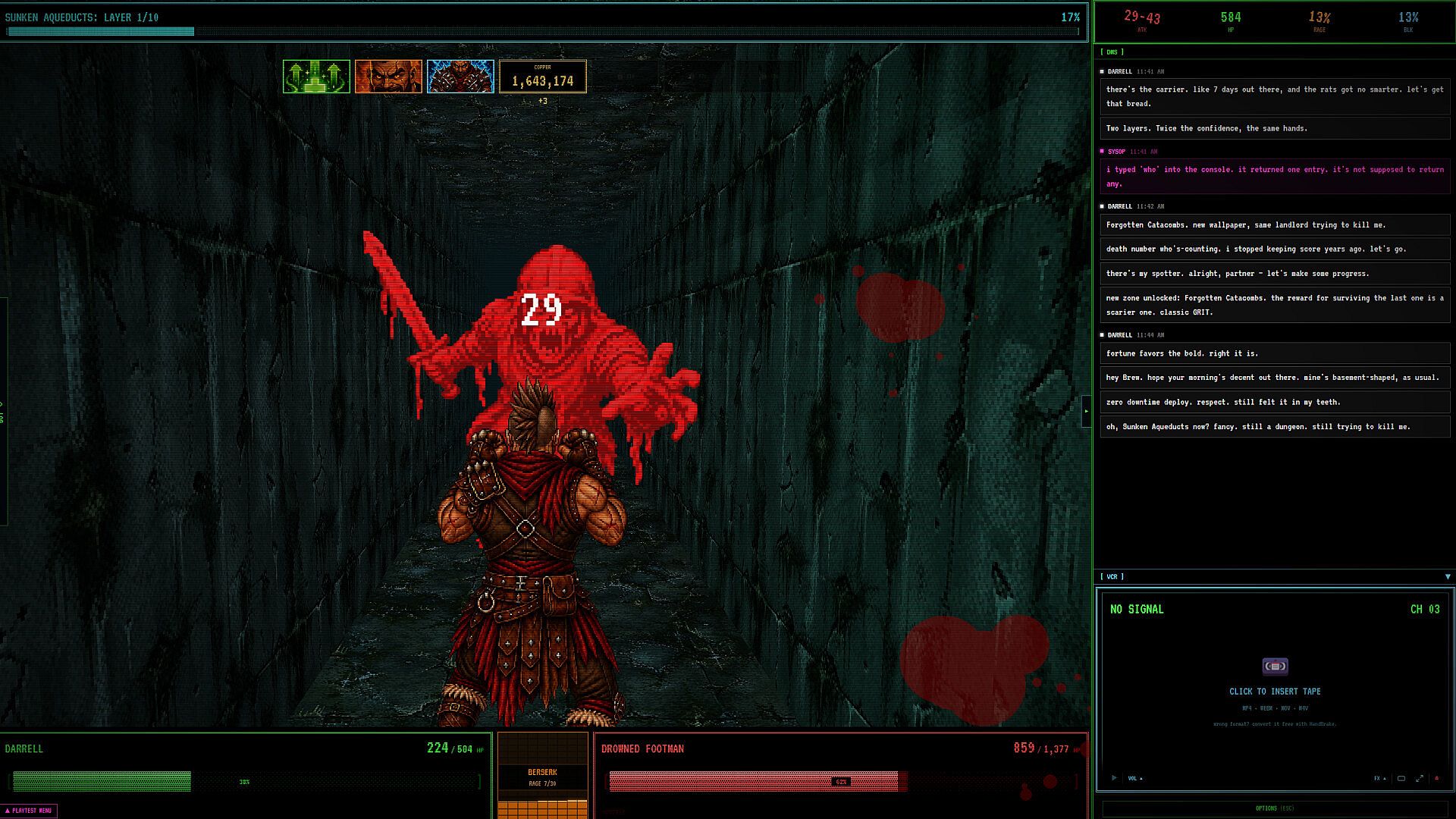
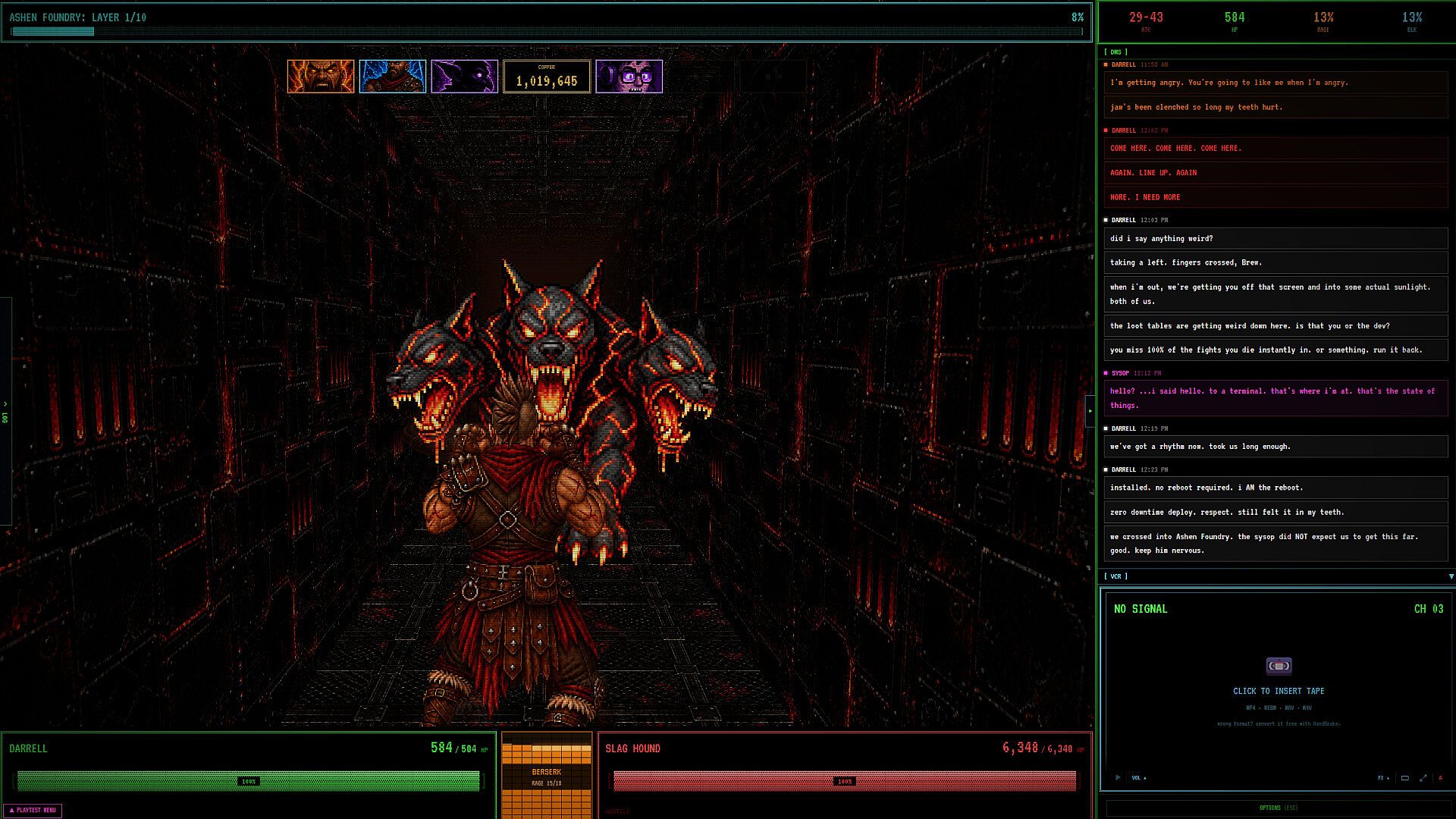
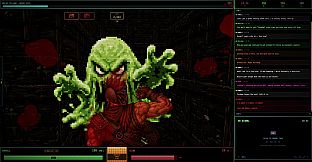
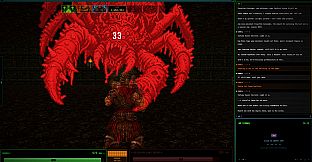
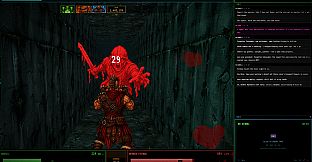
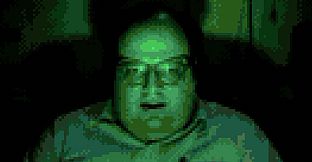
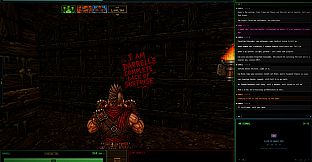
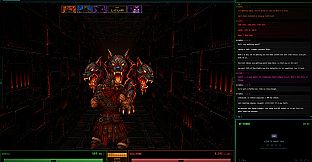
Darrell 3D is an indie RPG adventure game for PC in which players act as spectators rather than direct controllers. The title places you on the other side of a screen, managing resources and decisions for a character named Darrell who is trapped in a dungeon beneath a defunct BBS. Development is handled by a solo creator under the Fun Adjacent label, with an Early Access release scheduled for September 2026 that will include the full core loop from the start.
Gameplay
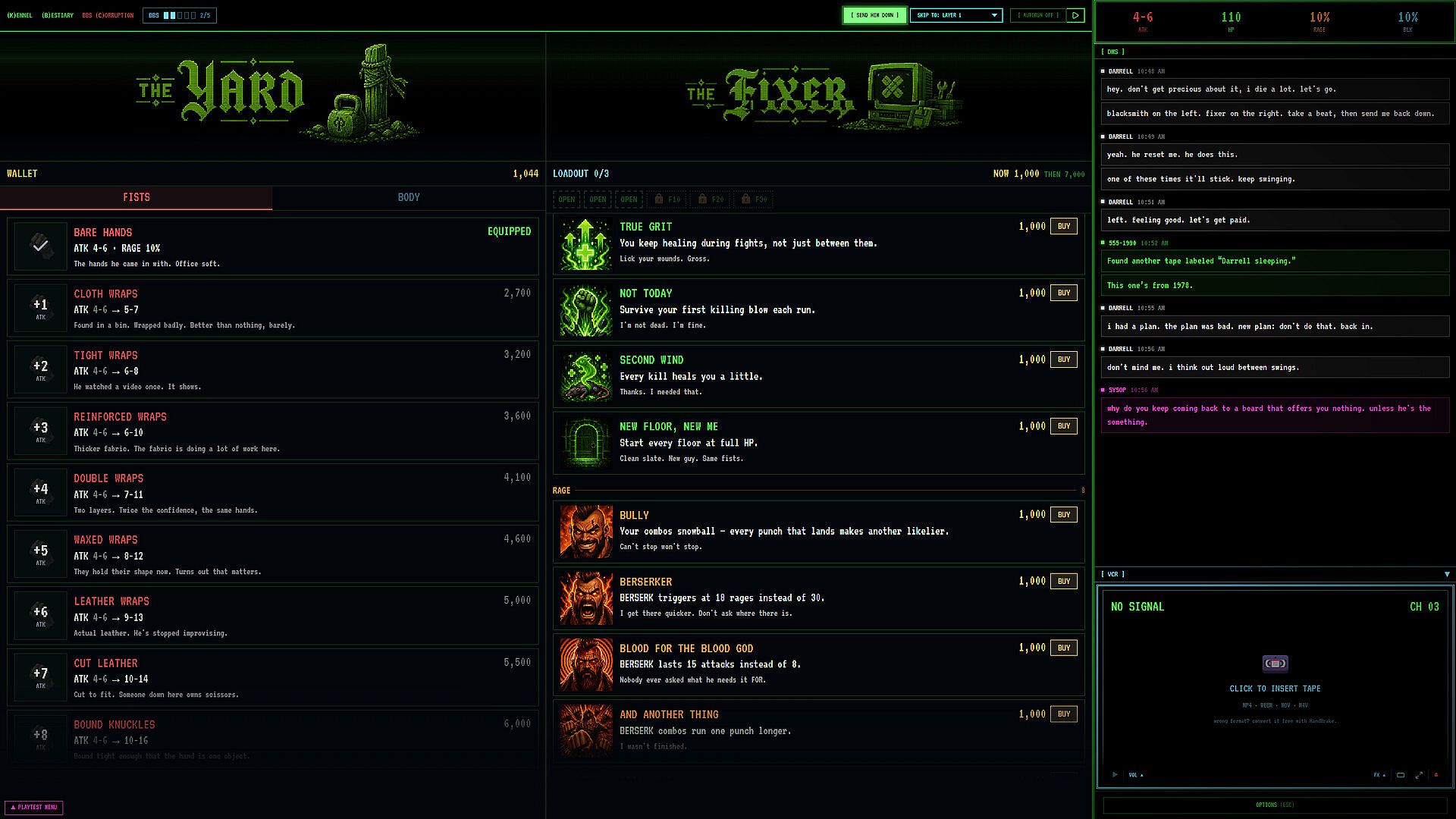
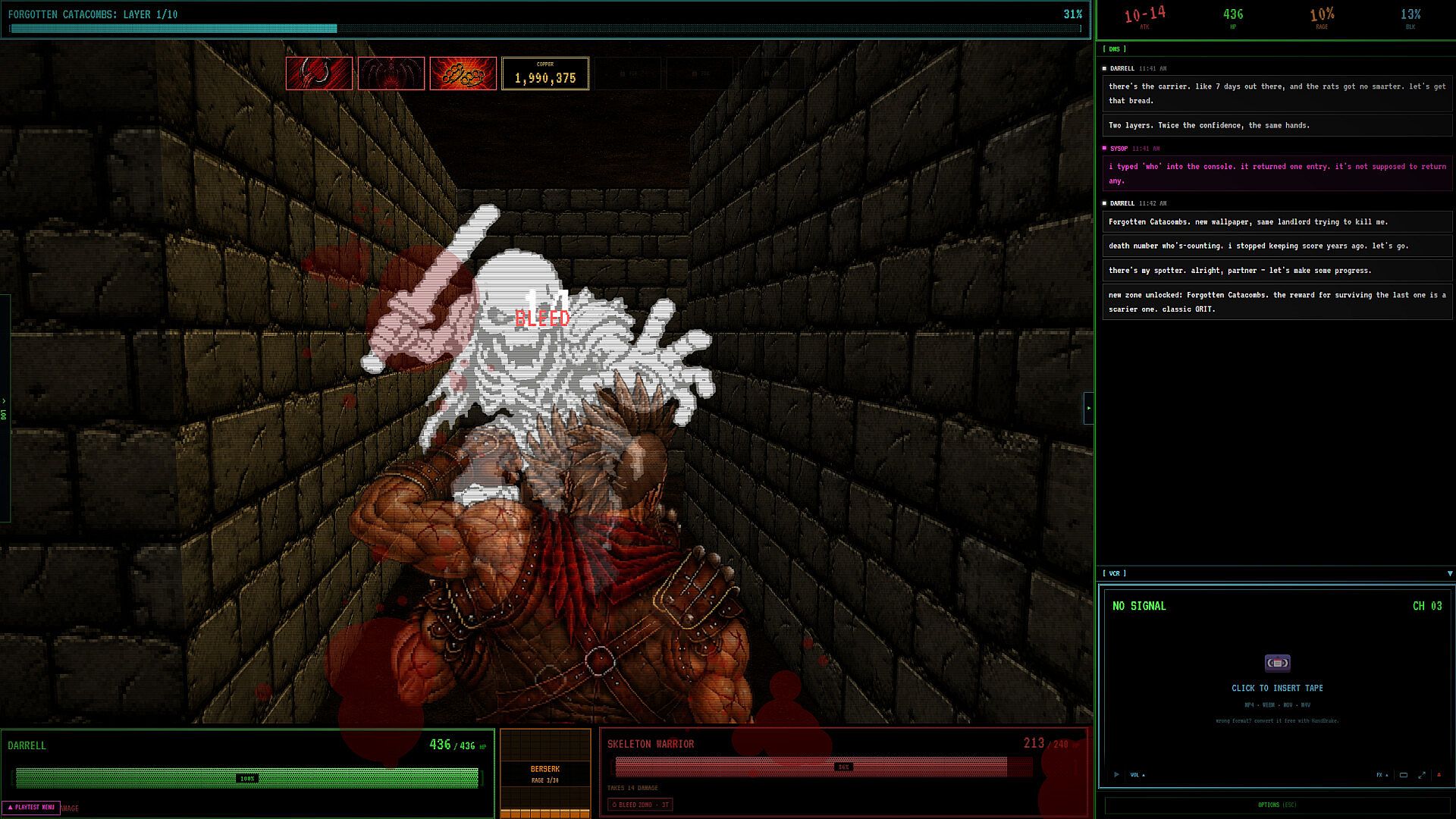
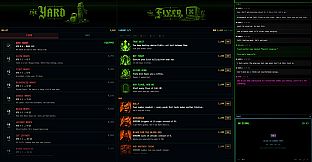
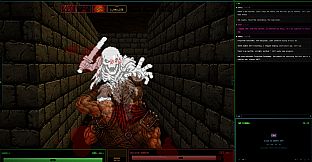
The central loop revolves around preparation, observation, and iteration. Players equip Darrell with gear and install patches that modify his capabilities across limited slots. Builds can emphasize damage output, health pools, defensive options, rage mechanics, resource generation, or survival traits, and combinations often produce unconventional results. Once sent into the dungeon, Darrell navigates and engages enemies independently through punching, blocking, and other actions without moment-to-moment player input on individual strikes.
Progression occurs through repeated runs. Darrell dies frequently, returning stronger each time after adjustments to his loadout. Five dungeon areas form the environment, populated with enemies, bosses, and opportunities to rescue dogs that join as a pack accompanying future expeditions. Additional systems include town interactions, a bestiary for tracking encounters, and a media player that allows loading personal videos to run in the background while dungeon activity continues.
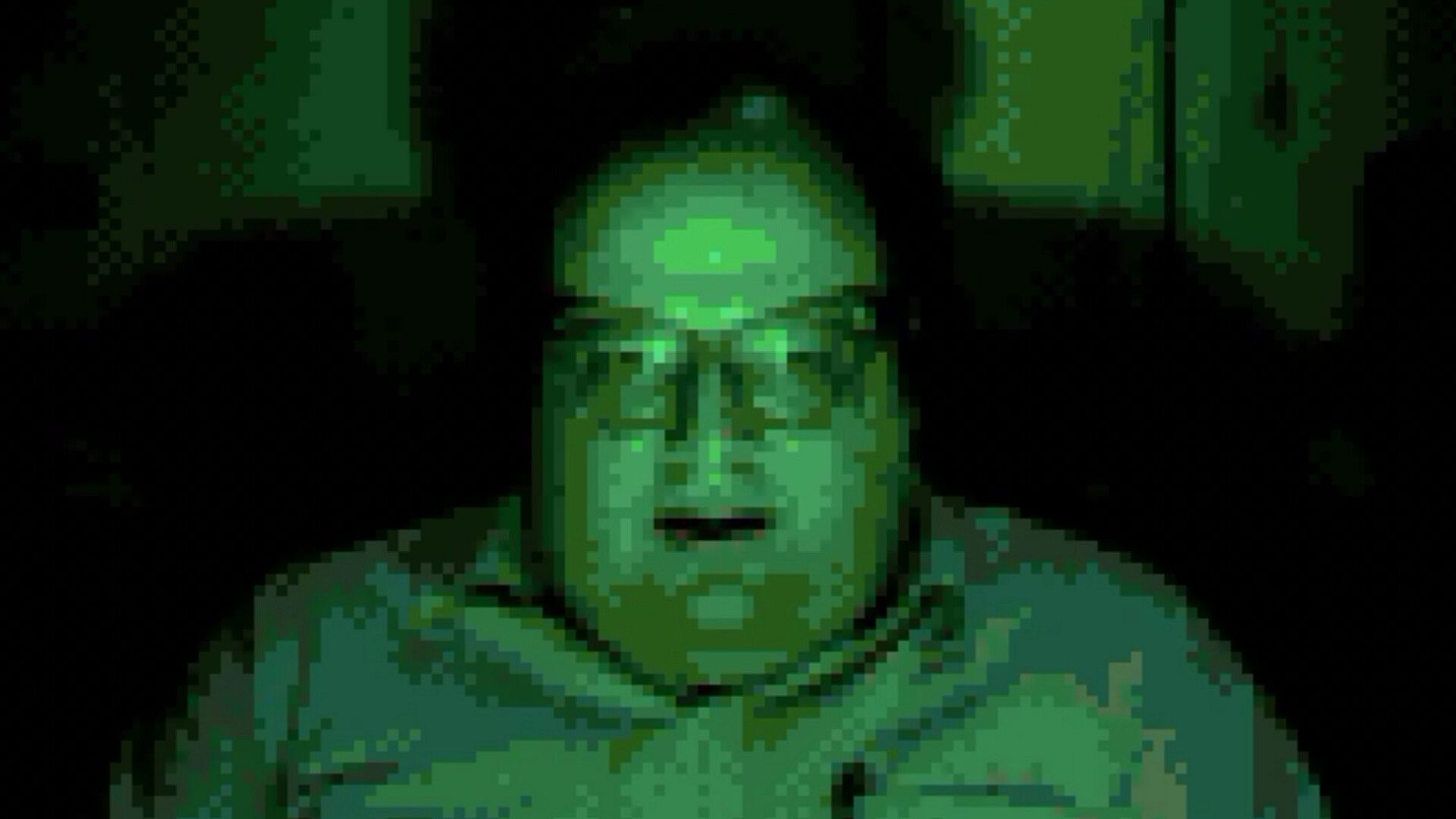
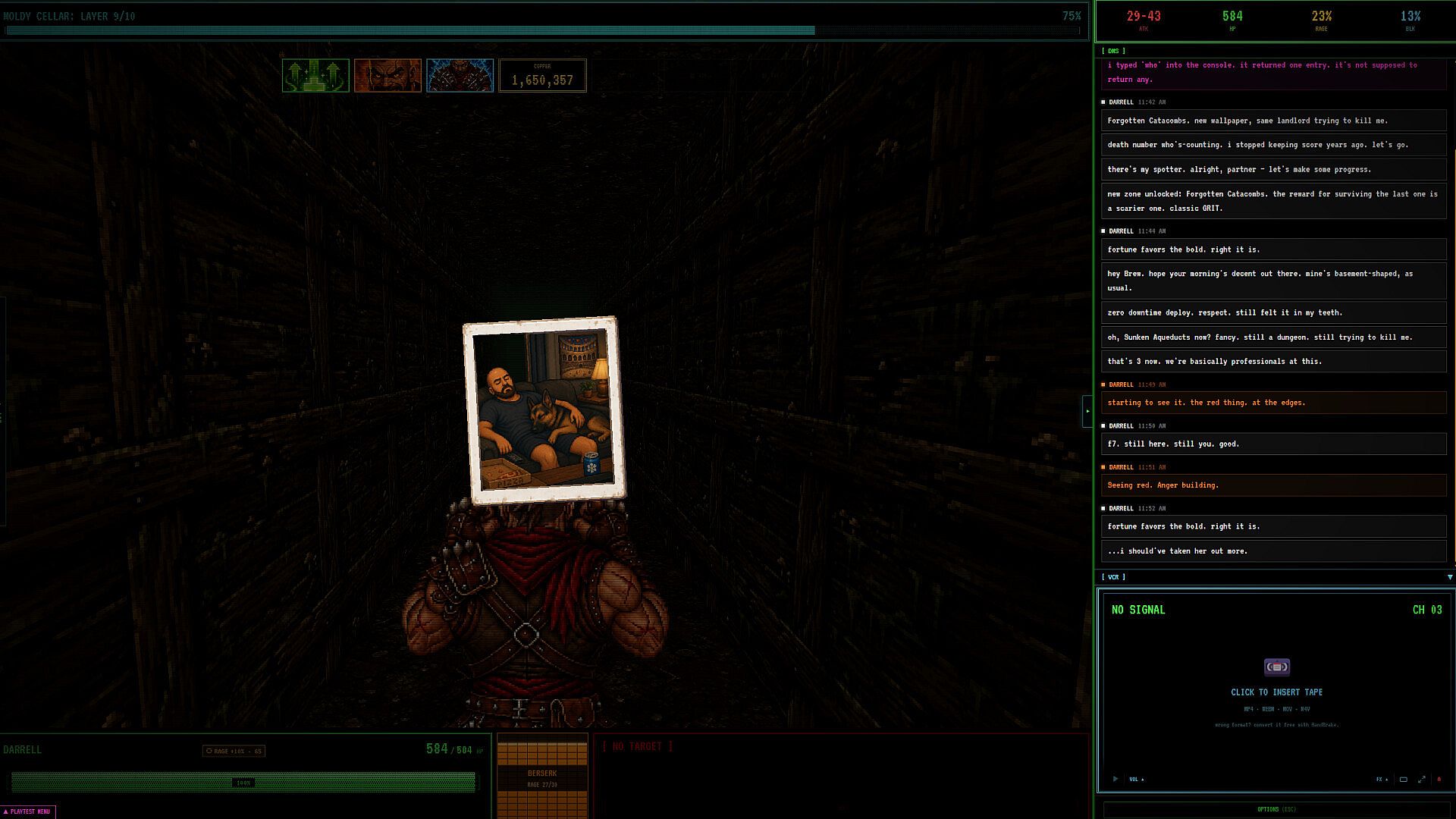
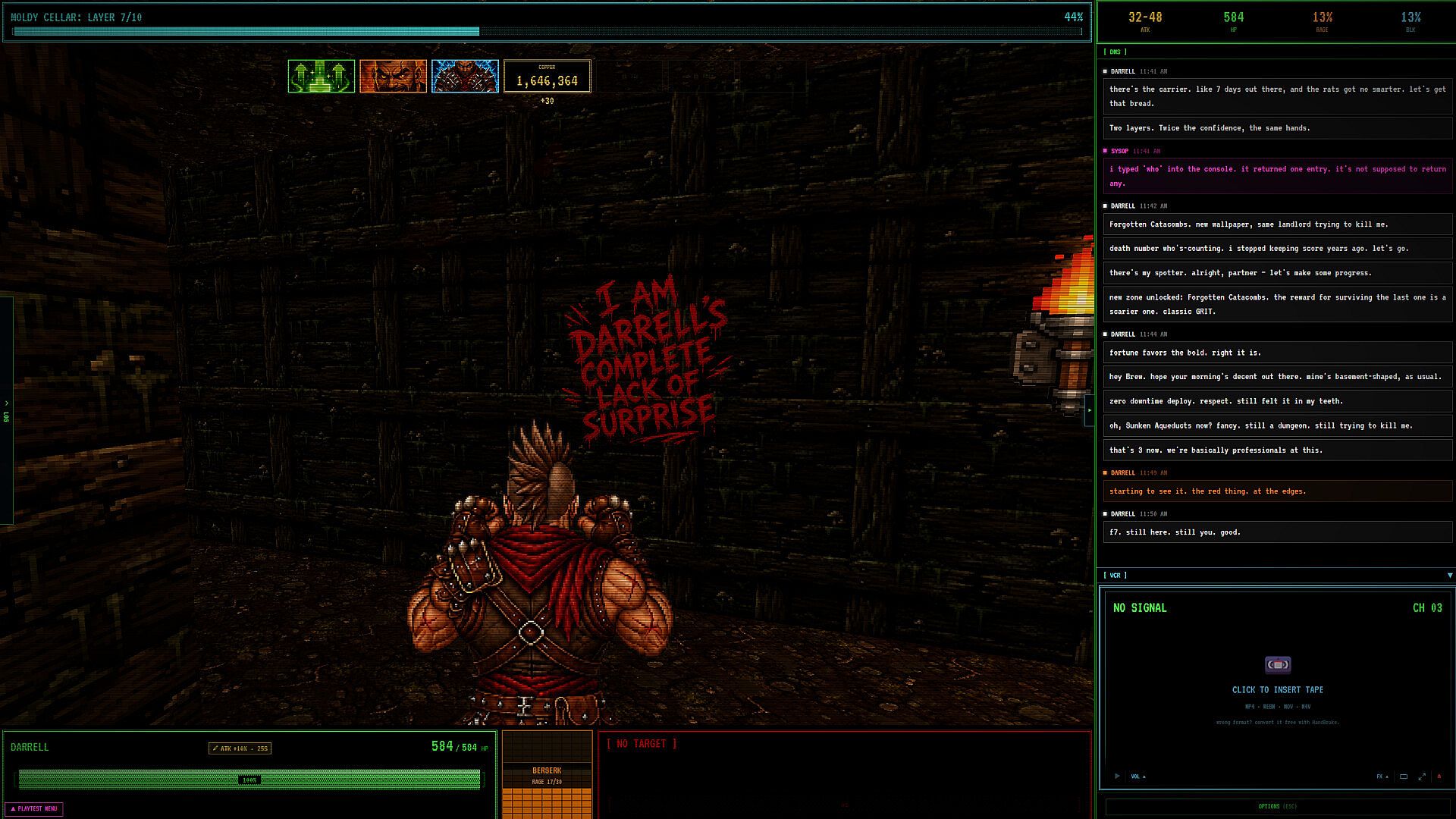
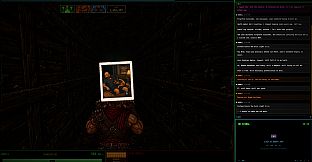
Events add layers of unpredictability. FMVs, direct messages, glitches, and interruptions occur during runs, some influencing outcomes while others remain cosmetic or irrelevant. The experience blends RPG progression with autonomous combat and meta-management, all presented through a first-person spectator viewpoint.
Game Modes
Darrell 3D operates as a single-player experience with no multiplayer components. The primary activity consists of iterative dungeon runs supported by build crafting and post-run analysis. Players prepare loadouts in a hub area before dispatching Darrell, then monitor his progress through the autonomous sections. Rescue mechanics for dogs integrate into the same loop, expanding the pack over time without shifting to separate modes.
Supporting features such as the VCR-style media player and event system operate alongside the core runs rather than as distinct modes. The structure encourages experimentation across multiple attempts, with the dungeon growing more challenging on subsequent visits. All five areas, combat systems, gear, patches, bosses, and progression elements are present in the planned Early Access version.
Progression and Systems
Resource management centers on limited equipment slots and patch installations that alter Darrell's performance in combat and exploration. Money and survival considerations factor into build choices, creating trade-offs between aggressive and defensive approaches. The kennel system tracks rescued dogs, which provide ongoing benefits during runs without requiring direct control.
Events and media integration allow breaks from constant monitoring. Players can open the VCR interface to play external videos while dungeon activity persists in the background. This setup supports varied play sessions, from focused build testing to more passive observation. The solo development approach means systems remain open to refinement based on player input during Early Access.
Is It Worth Playing?
Darrell 3D targets players interested in roguelike-style iteration, build experimentation, and unconventional spectator mechanics within an indie RPG adventure framework. The core loop of gearing, sending, and reviewing runs is fully implemented from Early Access launch, including all dungeon areas and supporting systems like the pack rescue feature and media player.
Because the game enters Early Access as a complete playable experience, participants can engage with the full progression structure while the developer incorporates feedback on balance, pacing, and polish over an estimated six to twelve months. Those who enjoy managing autonomous characters, uncovering event outcomes, and refining loadouts across repeated attempts will find the most direct appeal. Availability remains limited to PC, with the title positioned as an accessible solo-developed project that prioritizes its distinctive presentation and loop over conventional direct control.