

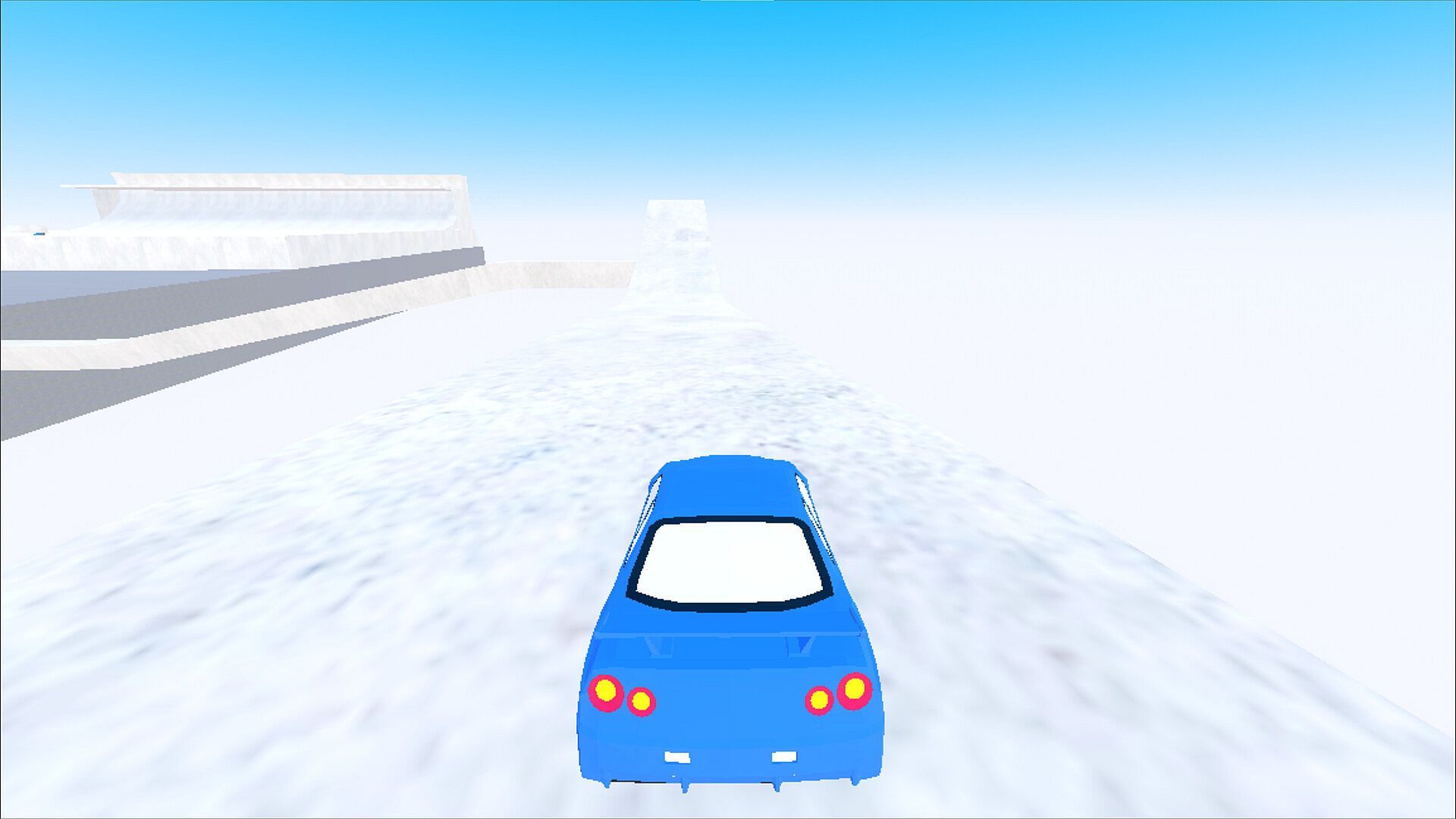
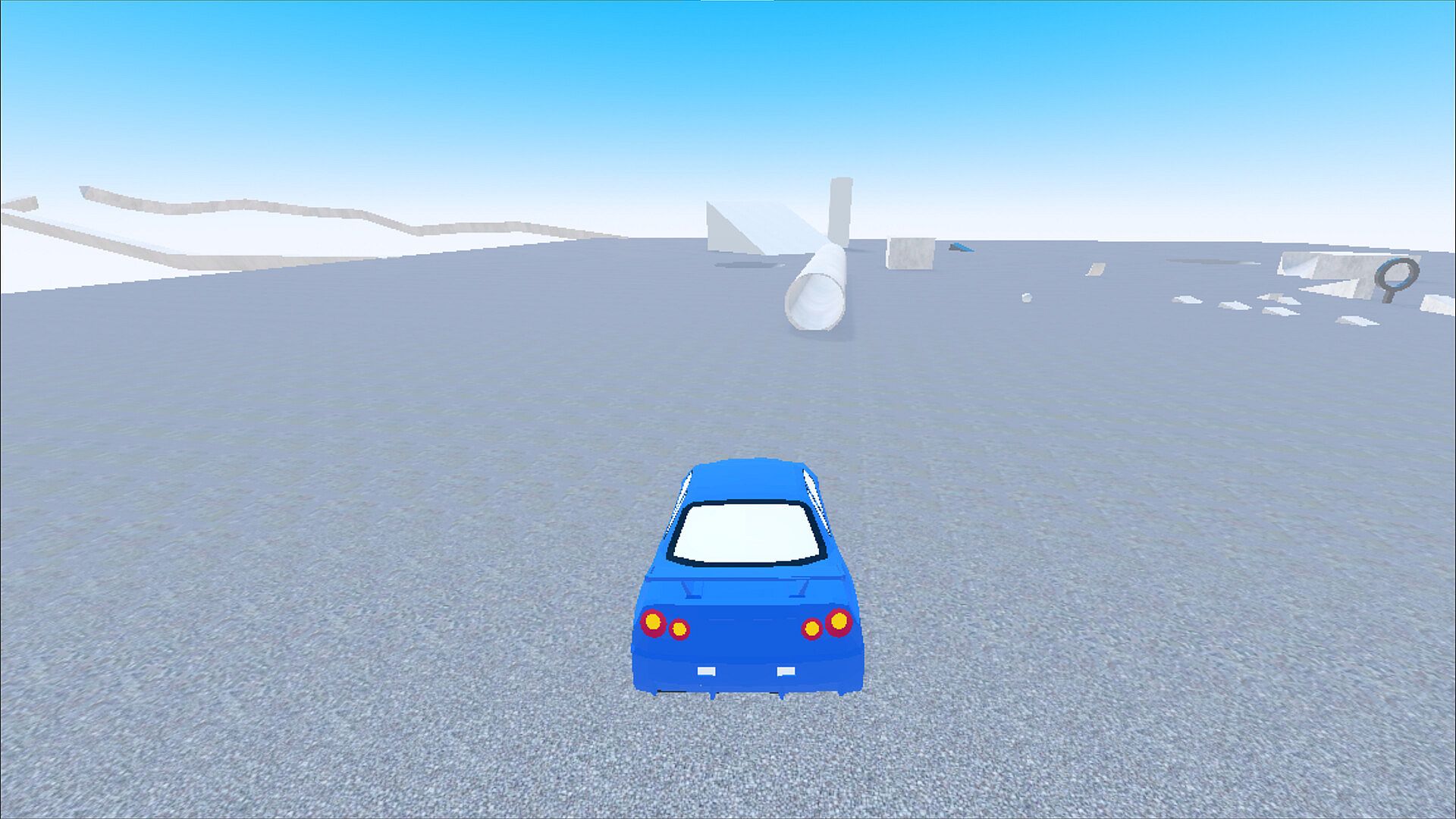

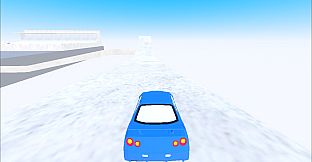
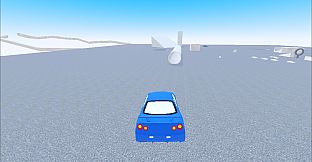
Concrete Carnage è un gioco di corse basato sulla fisica che unisce azione, simulazione e meccaniche casual in un'esperienza single-player incentrata sul controllo del veicolo e sulla navigazione creativa. Il giocatore guida in ambienti pensati per testare slancio, equilibrio e impatto, senza gare a giri o competizioni contro avversari.
Gameplay
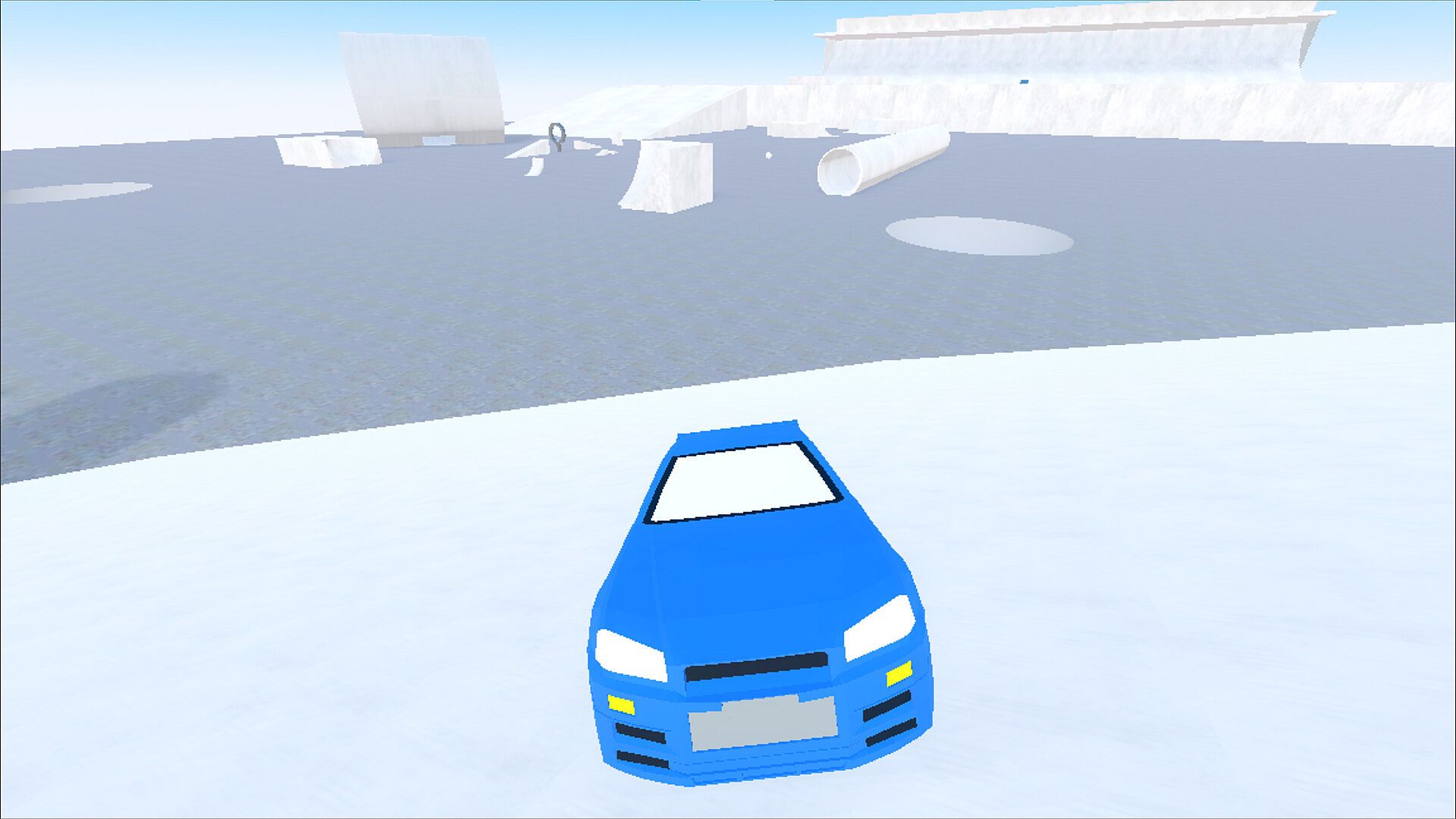
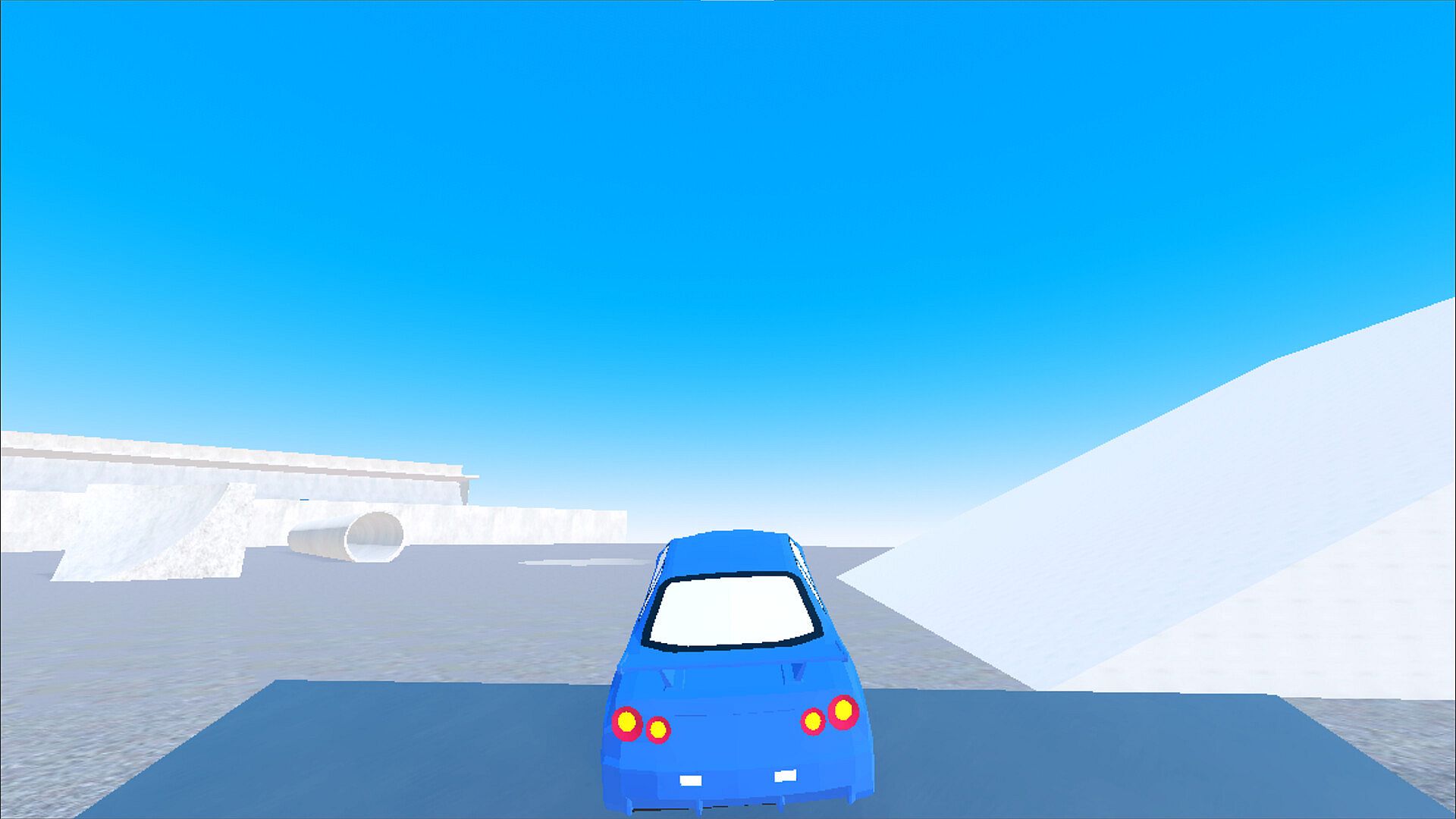
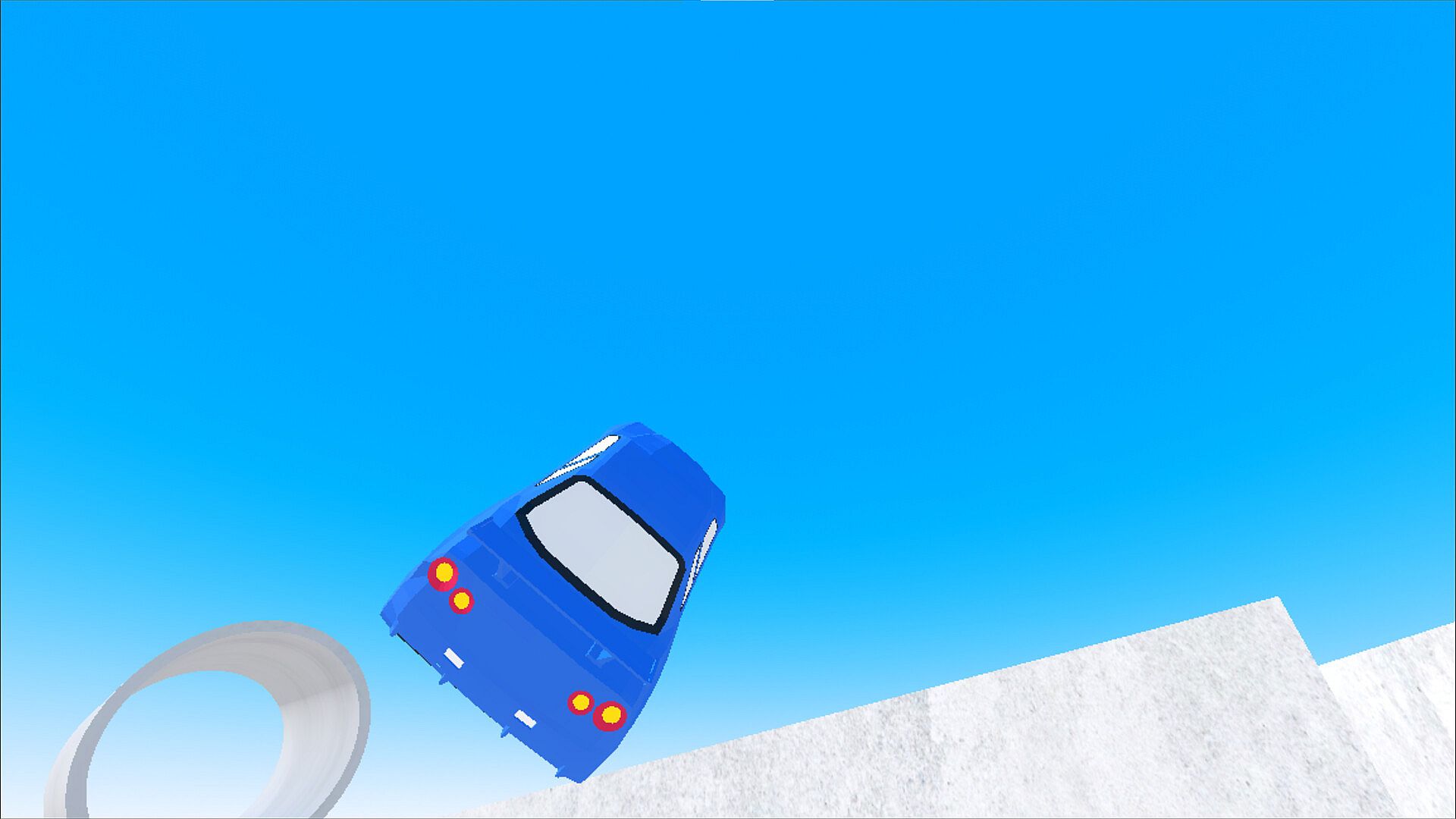
Il ciclo di gioco si basa sulla guida attraverso ampi spazi pieni di rampe, loop e ostacoli di vario tipo. La fisica risponde in modo realistico a velocità, angolazione e contatto con le superfici, spingendo a ripetere salti, capriole e derapate controllate. Le zone nascoste premiano chi esplora con attenzione, mentre l'attenzione resta concentrata sulla sperimentazione personale, senza sistemi di punteggio o cronometri nelle aree aperte.
Sterzo, accelerazione e frenata sono calibrati per il tentativo e l'errore. Piccoli cambiamenti nell'angolo di approccio o nell'acceleratore possono trasformare un tentativo fallito in un passaggio riuscito o aprire nuovi percorsi. Gli aspetti simulativi emergono quando si verifica come diverse velocità influenzino la stabilità all'atterraggio o come gli ostacoli modifichino la traiettoria in volo.
Modalità di gioco
Il gioco offre due approcci distinti. L'ambiente aperto principale funziona come sandbox: si guida liberamente, si scoprono percorsi e si esercitano manovre senza obiettivi strutturati. È ideale per sessioni rilassate focalizzate sulla scoperta e sulla sperimentazione della fisica.
La modalità Livelli propone invece tracciati costruiti su misura per la precisione. Ogni percorso presenta sequenze specifiche di ostacoli che richiedono tempismo accurato, velocità controllata e posizionamento costante del veicolo. Qui la padronanza della fisica viene messa alla prova all'interno di vincoli più stretti, dove anche piccoli errori diventano evidenti.
Interazione con il veicolo ed esplorazione
Il successo dipende dalla comprensione di come il veicolo interagisce con l'ambiente. Le rampe lanciano l'auto in aria, i loop richiedono di mantenere lo slancio e gli ostacoli sparsi impongono decisioni rapide su quando salire, sfondare o aggirare. Le sezioni nascoste spesso ricollegano alle aree principali, creando percorsi alternativi che premiano la curiosità.
Chi apprezza modificare lo stile di guida durante la sessione trova qui il maggiore coinvolgimento. Una corsa può puntare all'altezza massima dei salti, un'altra a infilarsi in spazi stretti o a mantenere il contatto con le superfici durante discese difficili. L'assenza di armi o minacce esterne mantiene l'attenzione sul veicolo e sull'ambiente circostante.
A chi si rivolge il gioco
Concrete Carnage è adatto a chi cerca una sandbox fisica per la guida piuttosto che gare ad alta velocità o campagne narrative. I giocatori occasionali possono semplicemente esplorare lo spazio aperto e provare stunt basilari, mentre chi vuole una sfida maggiore può affrontare i livelli strutturati che richiedono affinamento continuo della tecnica.
La scala indie mantiene l'esperienza concentrata, senza sistemi superflui. Non sono presenti componenti multiplayer né contenuti stagionali nella versione attuale, quindi le sessioni restano autonome e ripetibili in base agli obiettivi personali di miglioramento o scoperta.
Vale la pena giocarci?
Il gioco offre esattamente ciò che promette: uno spazio accessibile per sperimentare la fisica dei veicoli, con sfide di precisione opzionali. Chi apprezza la guida open-ended e la navigazione tra ostacoli più che la storia o le funzionalità online troverà intrattenimento costante sia nella sandbox che nei tracciati costruiti su misura.
Chi è attratto da un handling di tipo simulativo e dalla risoluzione creativa dei problemi attraverso il movimento tornerà probabilmente per più sessioni. La netta separazione tra esplorazione libera e livelli mirati offre varietà senza eccessiva complessità, rendendolo una scelta diretta per chi cerca questo specifico stile di gameplay su PC.