

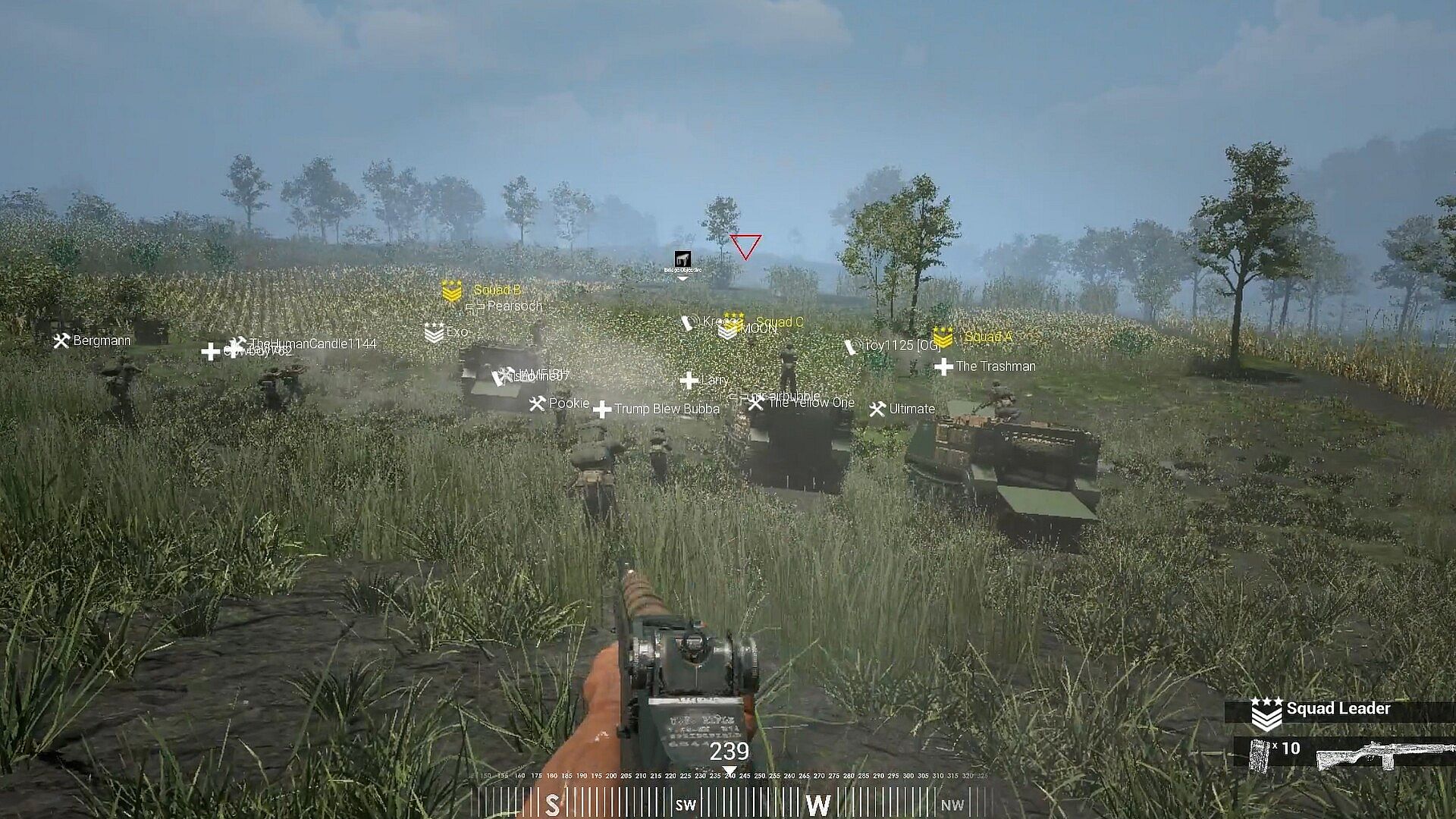
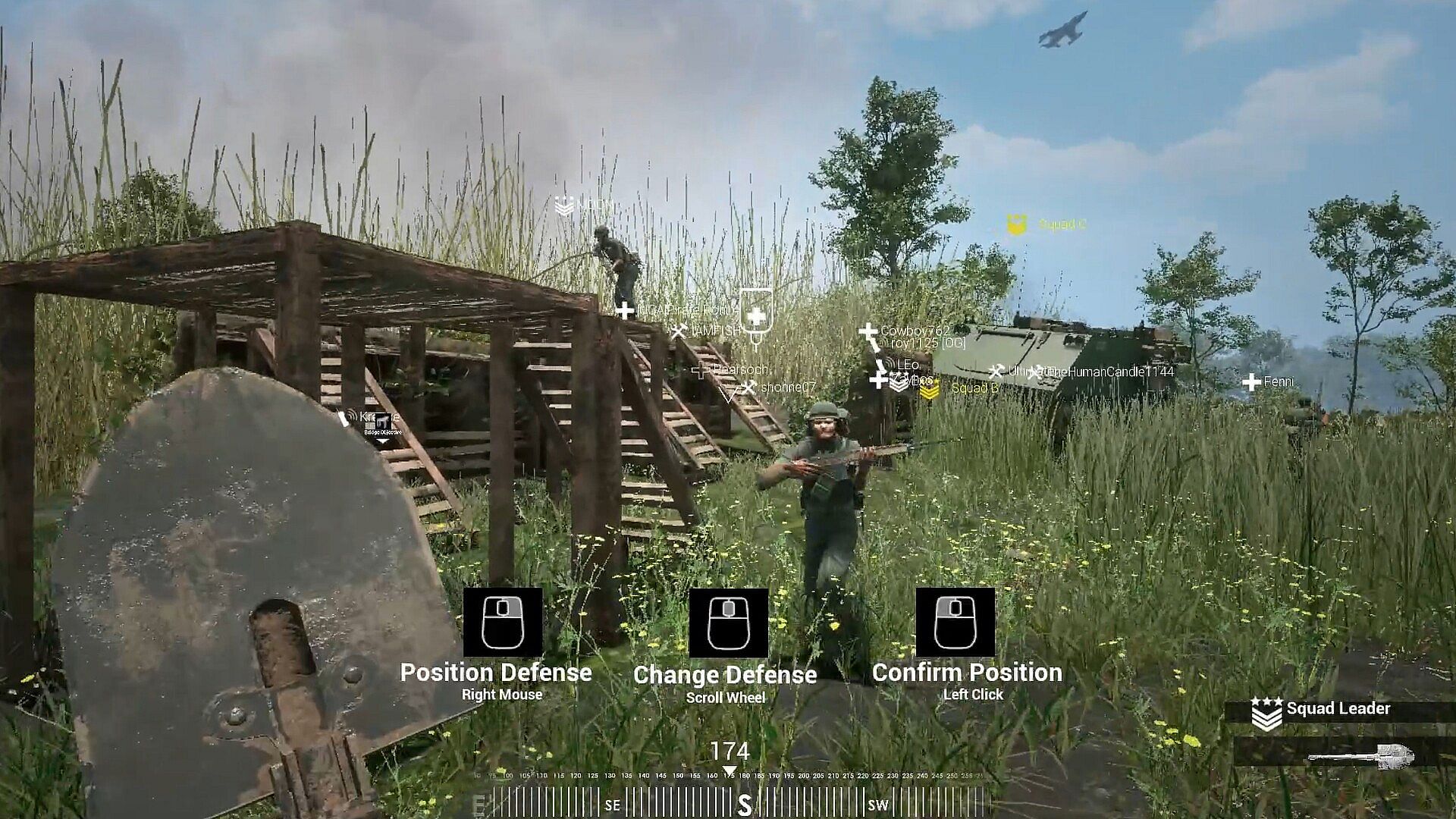
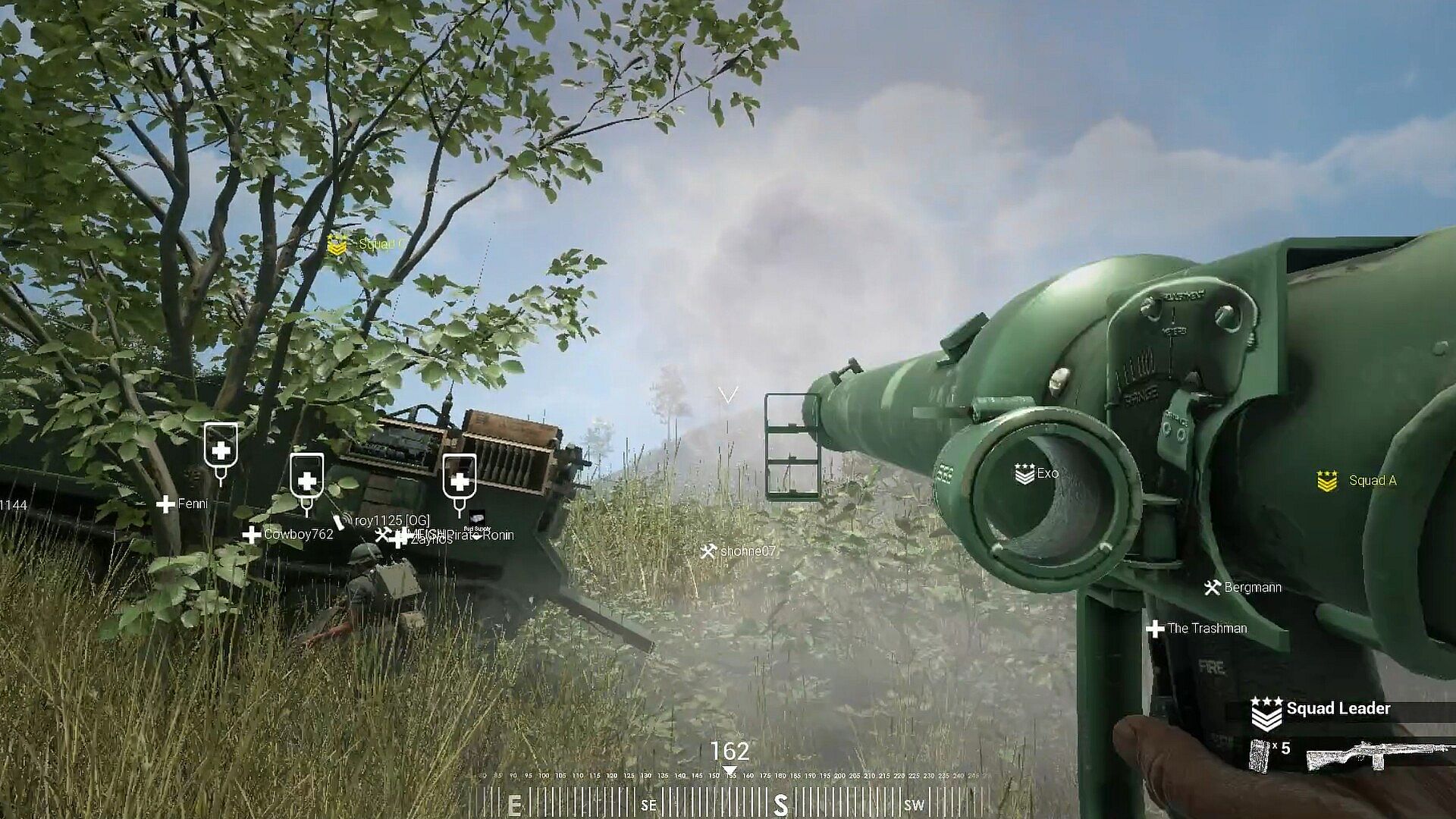
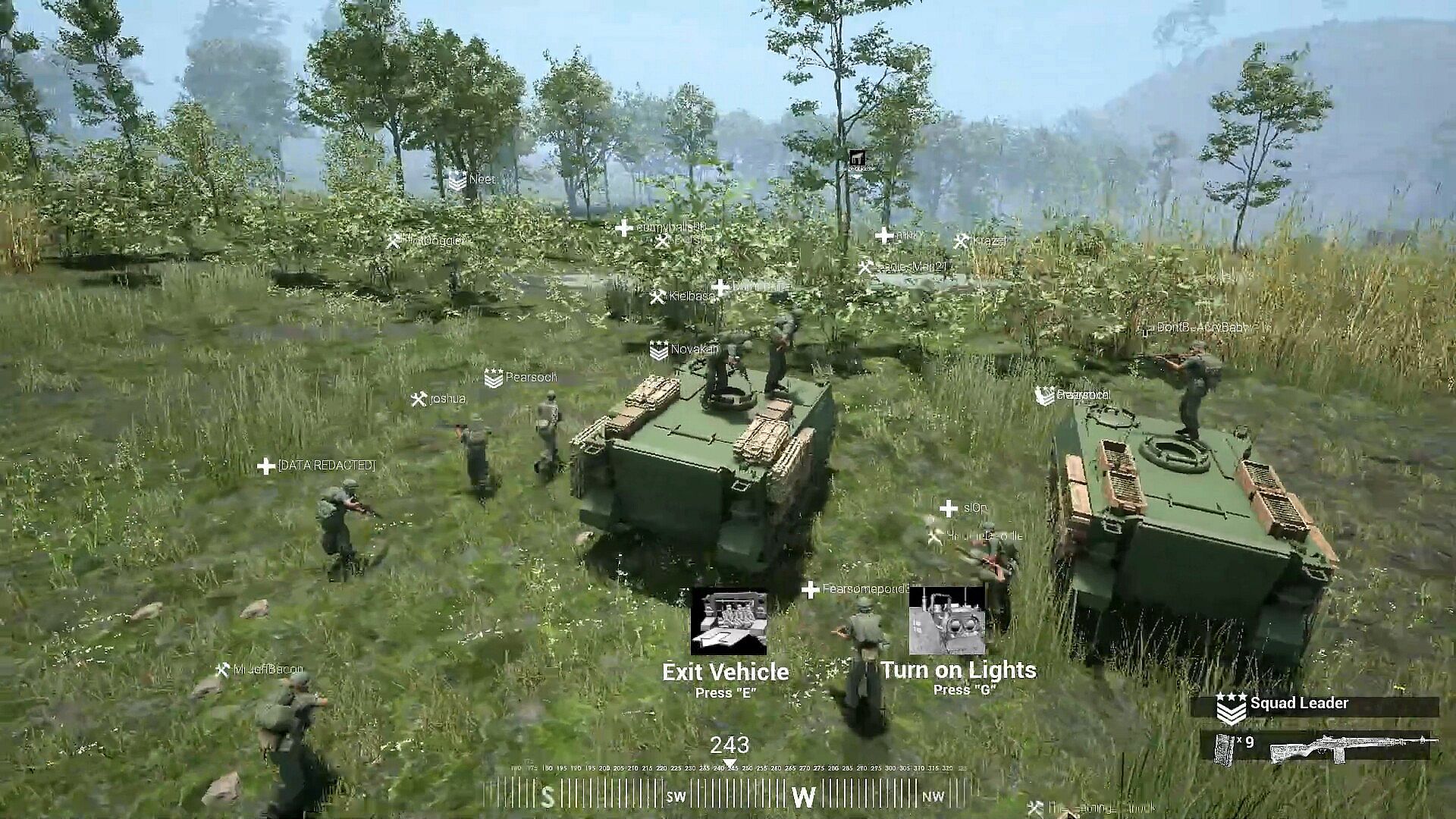
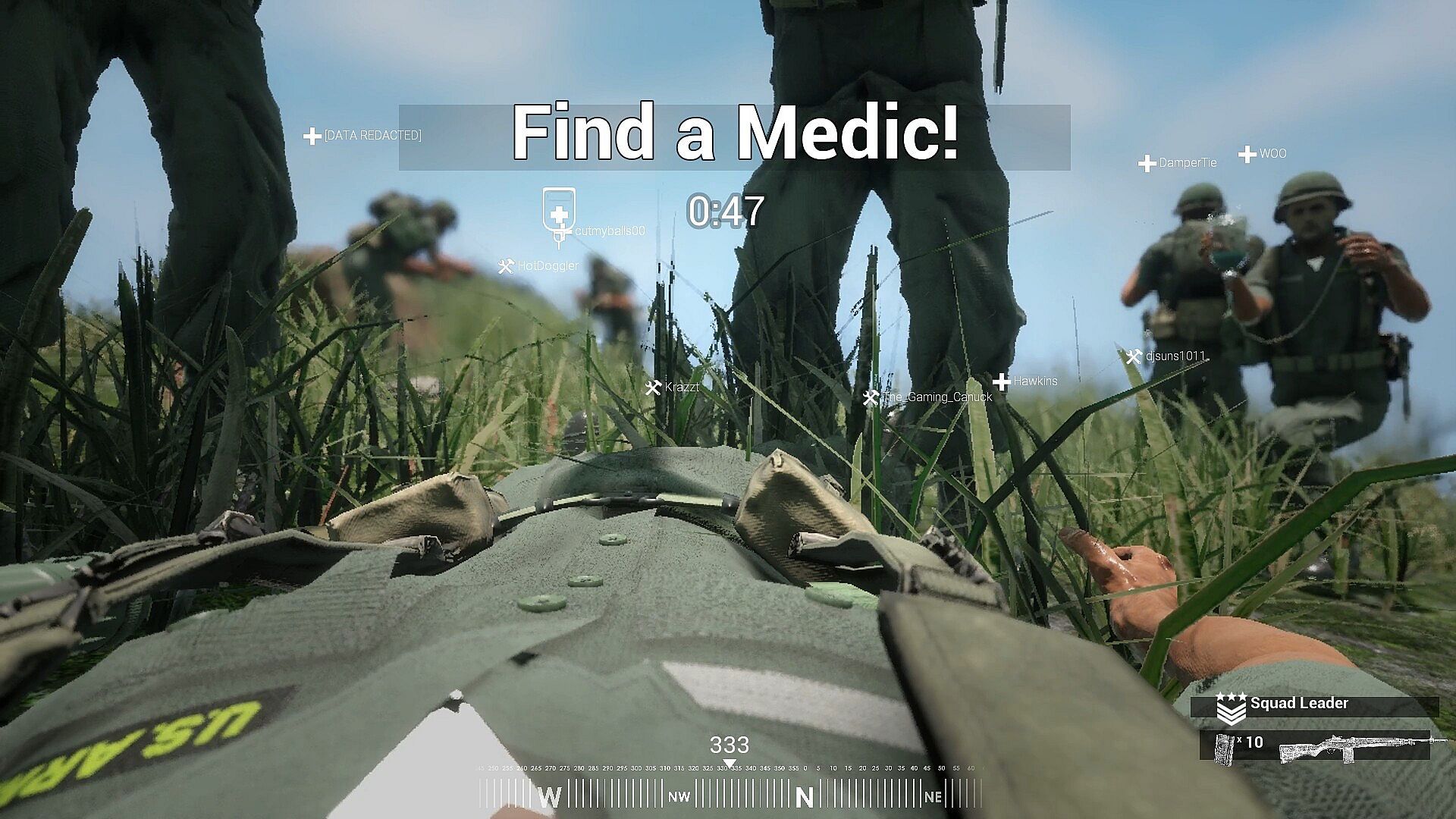
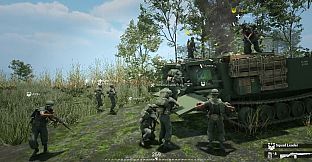
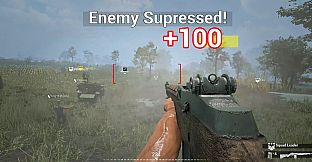
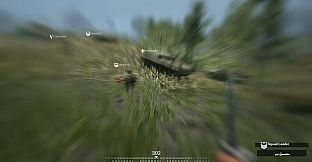
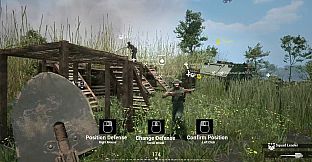
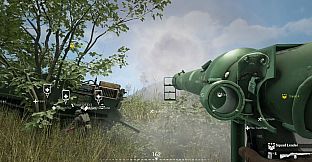
Companions of Victory! è un gioco d'azione e simulazione multiplayer per PC incentrato sul combattimento coordinato in plotone. I giocatori si uniscono in gruppi fino a 50 elementi per operare come un'unica unità contro plotoni avversari, puntando sul lavoro di squadra basato sulla vicinanza anziché sull'azione individuale.
Gameplay
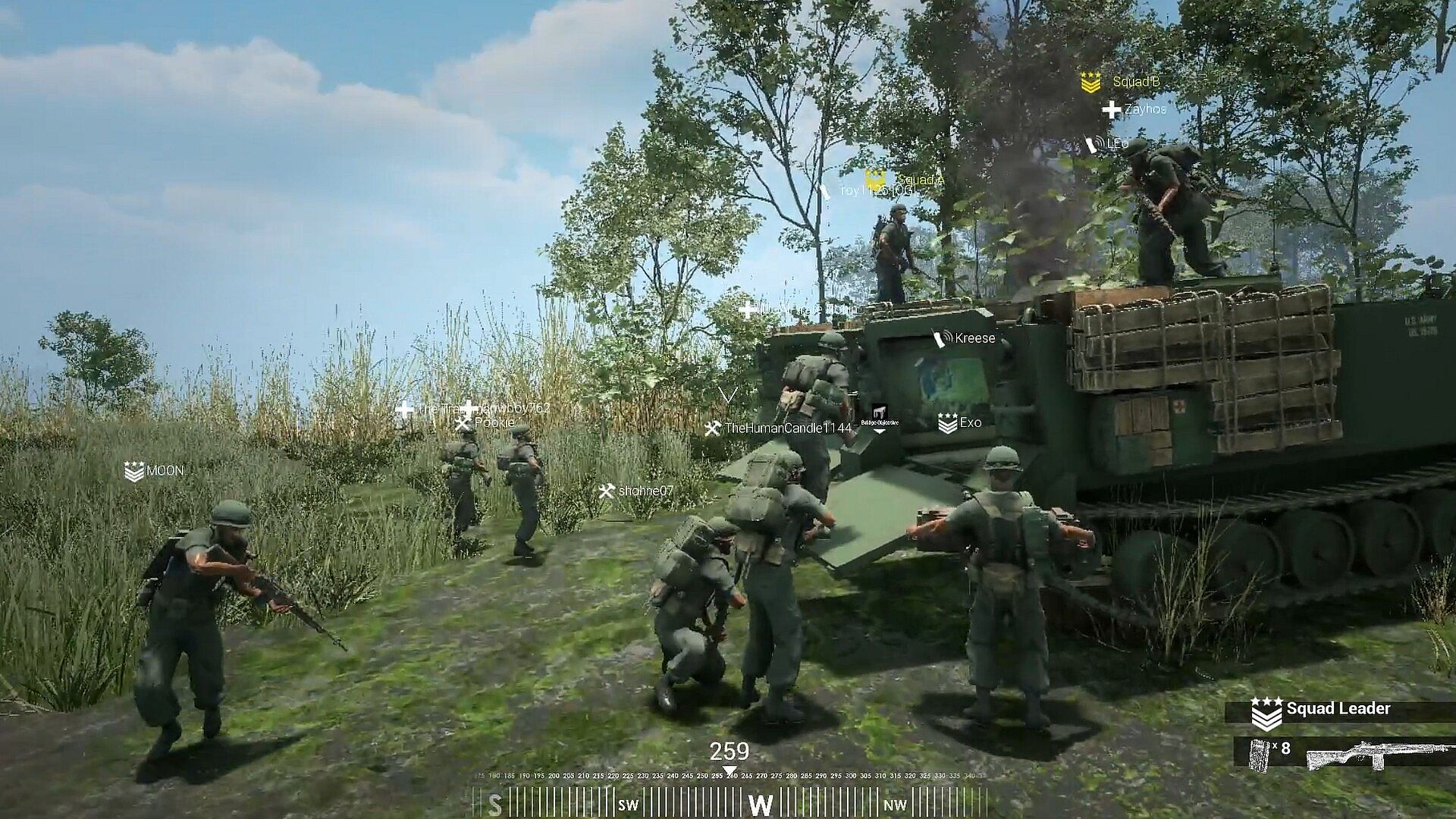
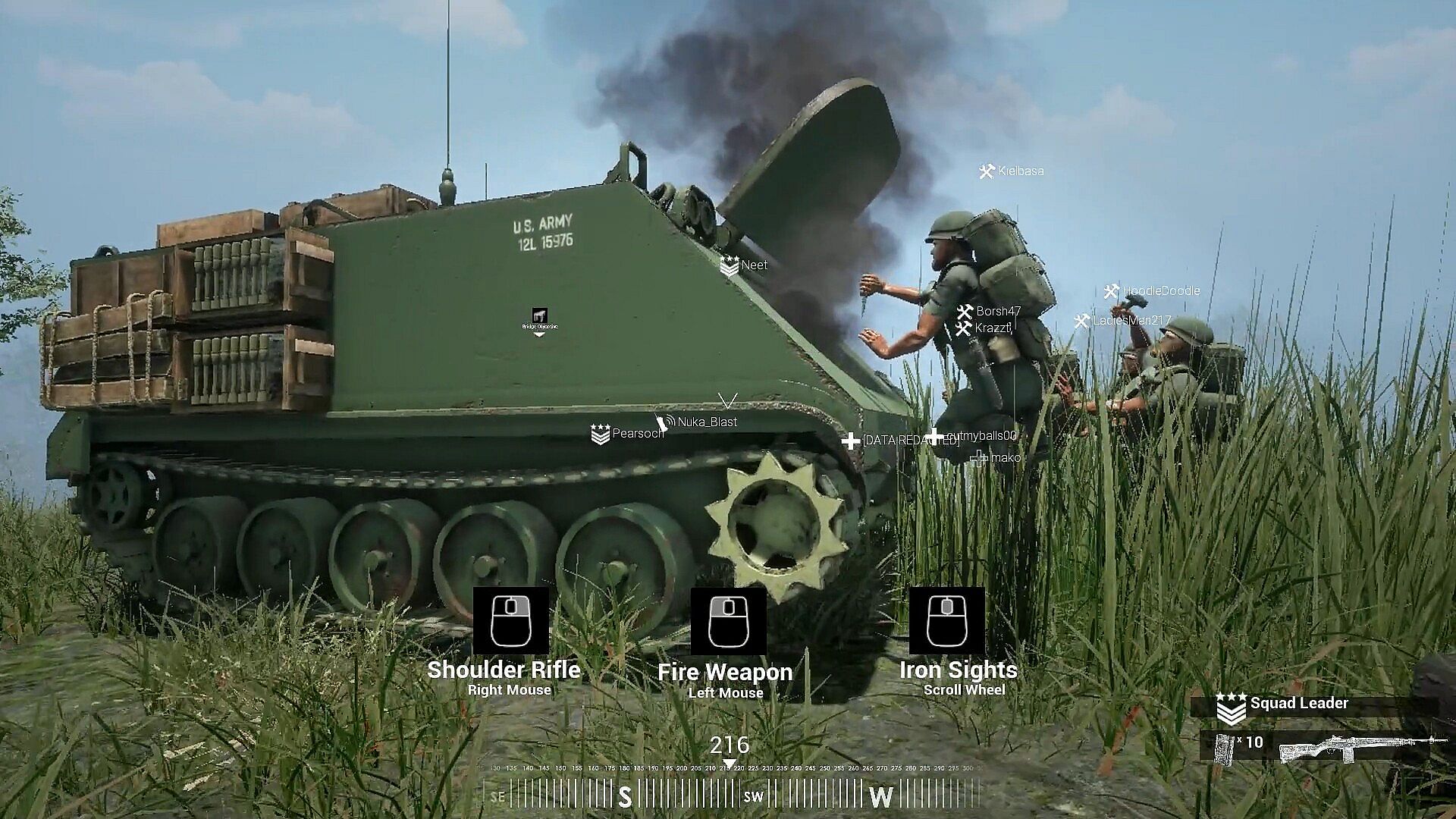
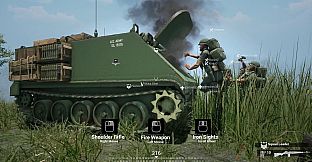
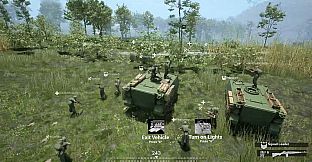
Il ciclo di gioco ruota attorno al sistema di prossimità del team, che tiene tutti i partecipanti vicini al comandante affinché l'intero gruppo avanzi, difenda e reagisca in modo compatto. Questa meccanica favorisce una comunicazione costante per operazioni come il caricamento di un APC con razzi, mitragliatrici, cibo, acqua, munizioni e rifornimenti medici prima di partire.
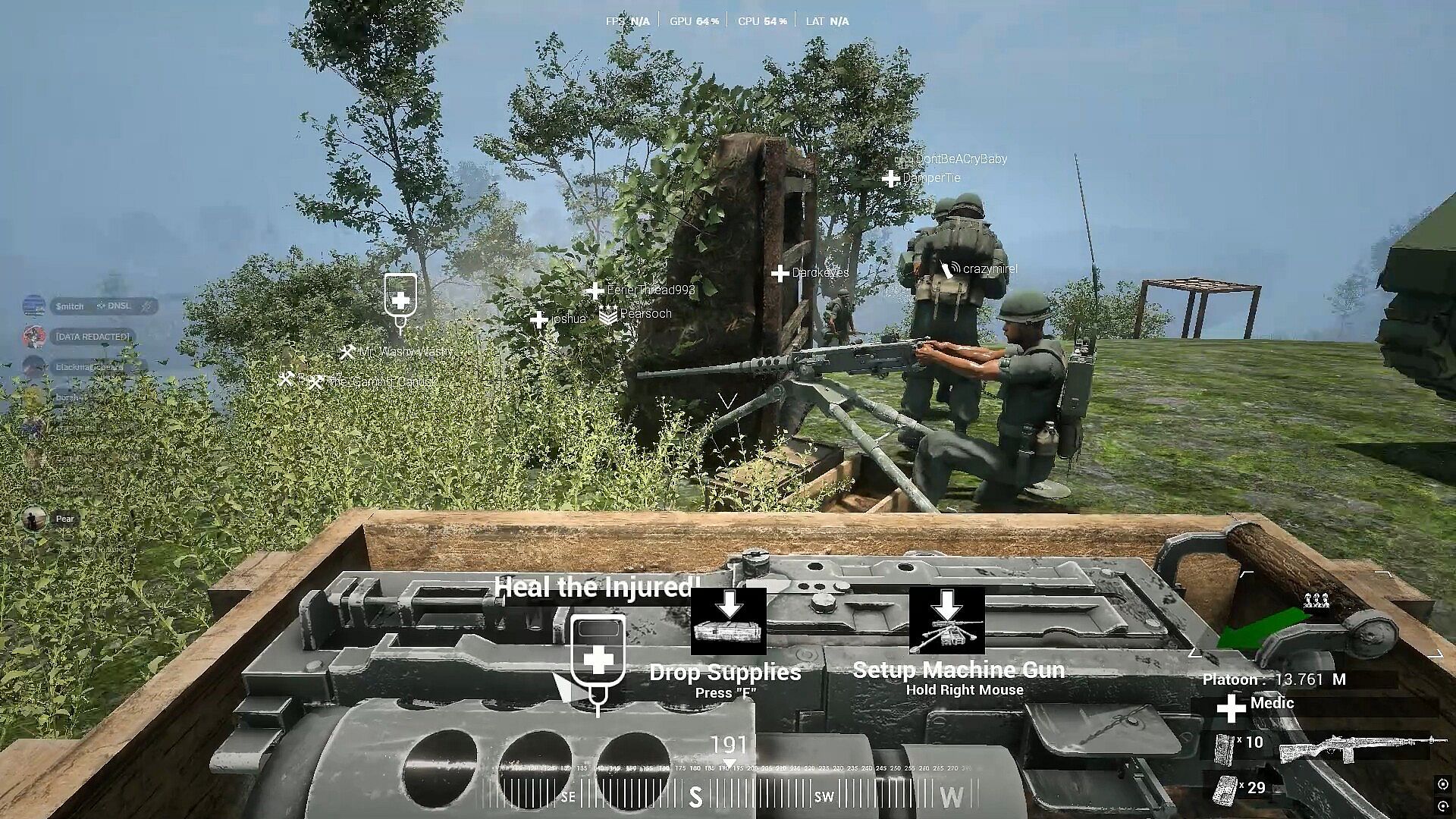
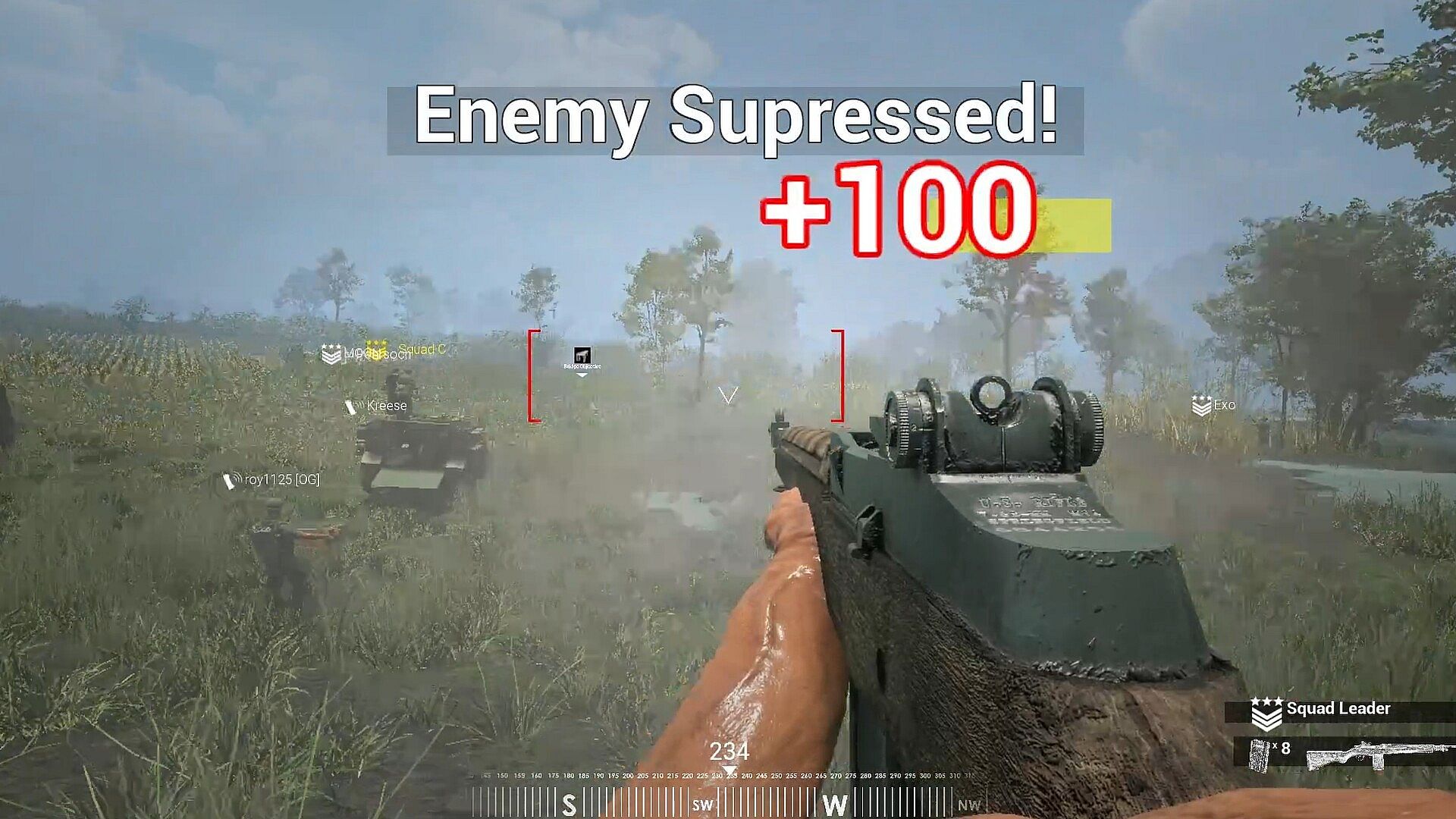
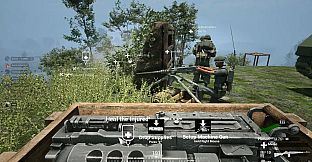
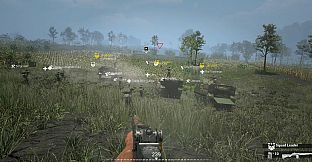
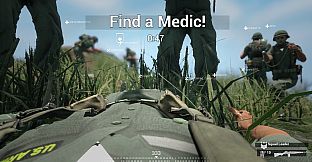
Una volta sul posto, i giocatori costruiscono postazioni difensive come nidi di mortai e mitragliatrici per consolidare la posizione. L'avvistamento dei nemici attiva raffiche ordinate che generano fuoco di soppressione sul campo. I compagni feriti vengono curati con strumenti specifici come morfina, flebo, tamponamento delle cavità, pinze chirurgiche e siringhe antibiotiche, il tutto sotto il fuoco nemico.
Altri ruoli prevedono la trasmissione delle coordinate nemiche a un operatore radio per richiedere supporto di artiglieria e attacchi aerei. Le riparazioni sul campo di veicoli e obiettivi richiedono attrezzi come chiavi a bussola, saldatrici, pinze a becchi lunghi, martelli e chiavi regolabili. Le partite si svolgono su campi di battaglia generati proceduralmente che cambiano ogni sessione, uniti a un ciclo giorno-notte completo che modifica le tattiche tra avanzate diurne e sorprese o fasi di ricostruzione notturne.
Modalità di gioco
L'esperienza principale è costituita dagli scontri tra plotoni, in cui due grandi squadre si affrontano su terreno aperto. Questi scontri privilegiano il movimento collettivo e la specializzazione dei ruoli rispetto alle azioni individuali disperse, con la vittoria che dipende dalla soppressione coordinata, dalla costruzione, dal soccorso medico e dalle richieste di supporto di fuoco.
Non risultano altre modalità con nomi distinti nelle informazioni disponibili, mantenendo l'attenzione su questi confronti su larga scala vincolati al team che si ripetono su mappe procedurali sempre diverse.
Ruoli e sistemi del team
Funzioni specializzate si distribuiscono all'interno del plotone per sostenere lo sforzo complessivo. Gli elementi di comando dirigono il movimento, gli ingegneri si occupano di costruzioni e riparazioni, i medici gestiscono le ferite e gli operatori radio coordinano gli attacchi pesanti. Il requisito di prossimità mantiene questi ruoli integrati anziché isolati.
La gestione dell'inventario e il caricamento dell'equipaggiamento costituiscono una fase iniziale di ogni partita, preparando il gruppo a operazioni prolungate che possono estendersi tra transizioni diurne e notturne sul campo di battaglia in continuo mutamento.
Vale la pena giocarci?
Il gioco è ancora in fase di sviluppo con uno stato "coming soon" sulla piattaforma principale e al momento non ha recensioni utente. Si rivolge a chi preferisce una coordinazione di squadra strutturata in ibridi action-simulation, dove il successo deriva da azioni sincronizzate del plotone piuttosto che da prestazioni solitarie.
Chi è attratto da meccaniche di costruzione, intervento medico, manutenzione dei veicoli e supporto di fuoco indiretto all'interno di grandi gruppi potrebbe trovare i sistemi coinvolgenti una volta uscito. Le mappe procedurali e il ciclo giorno-notte aggiungono varietà alle sessioni ripetute senza affidarsi a layout fissi.