




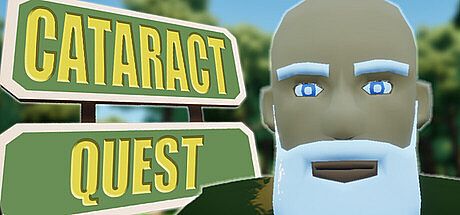


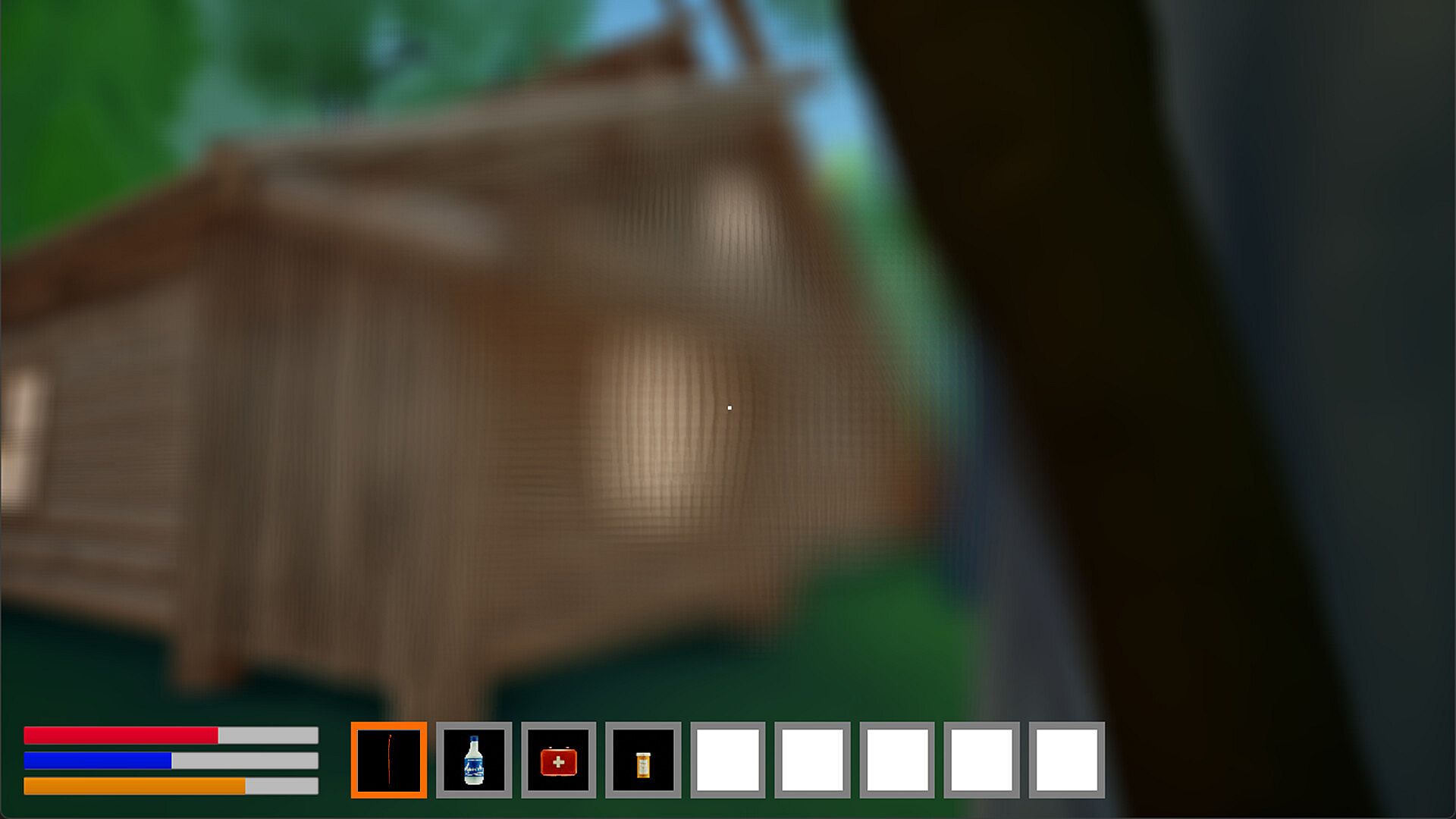
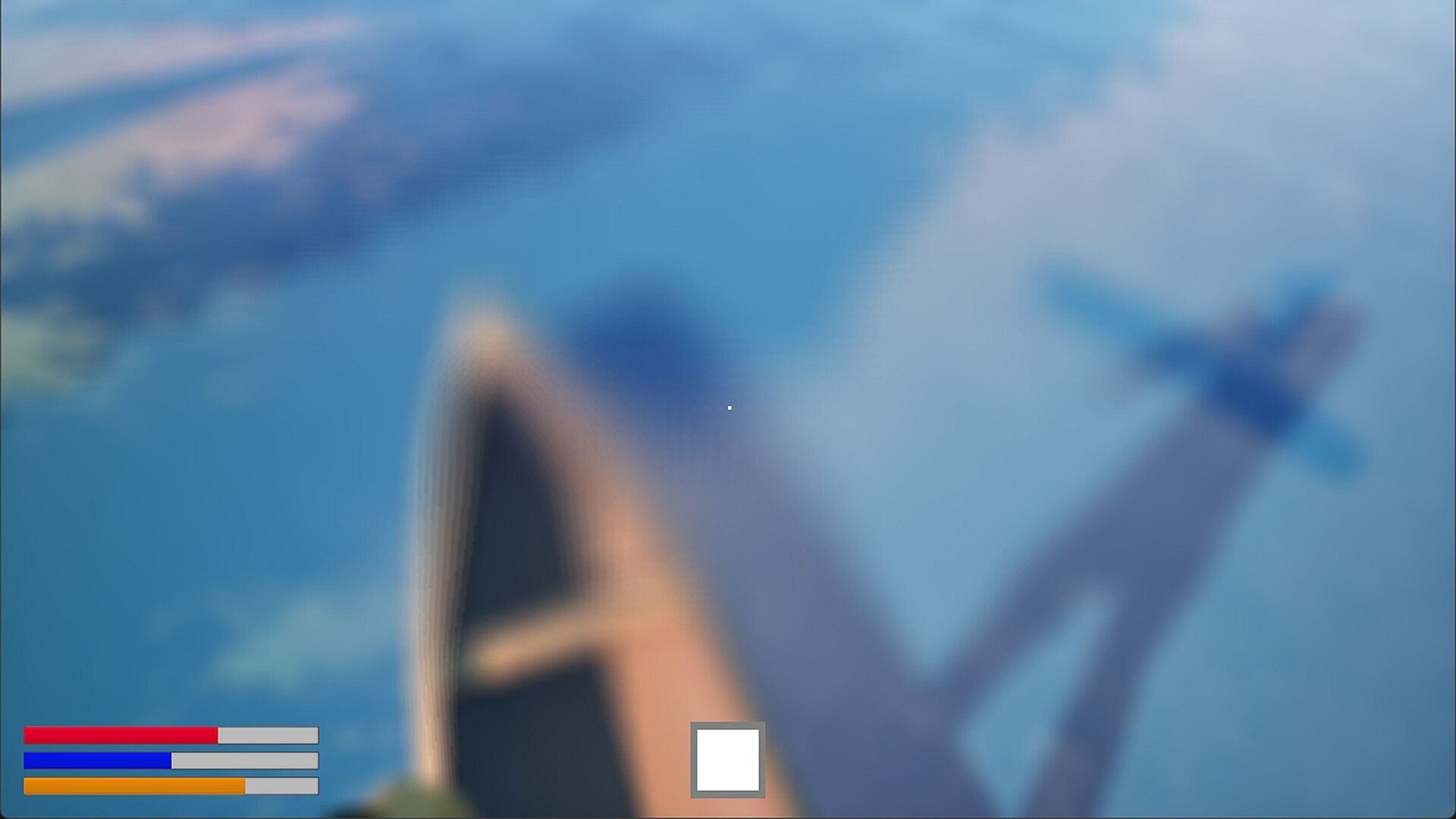
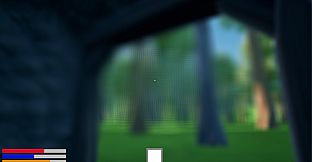
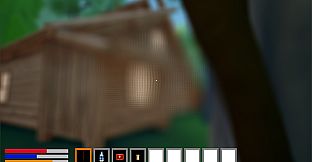
Cataract Quest is an action adventure game for PC in which one to four players control elderly men whose vision has been severely impaired. The premise places the group at a lakeside campsite the night before cataract surgery, where an accident leaves everyone struggling to see clearly. The core objective involves navigating the wilderness, gathering supplies, and reaching a gas station before morning complications arise.
Gameplay
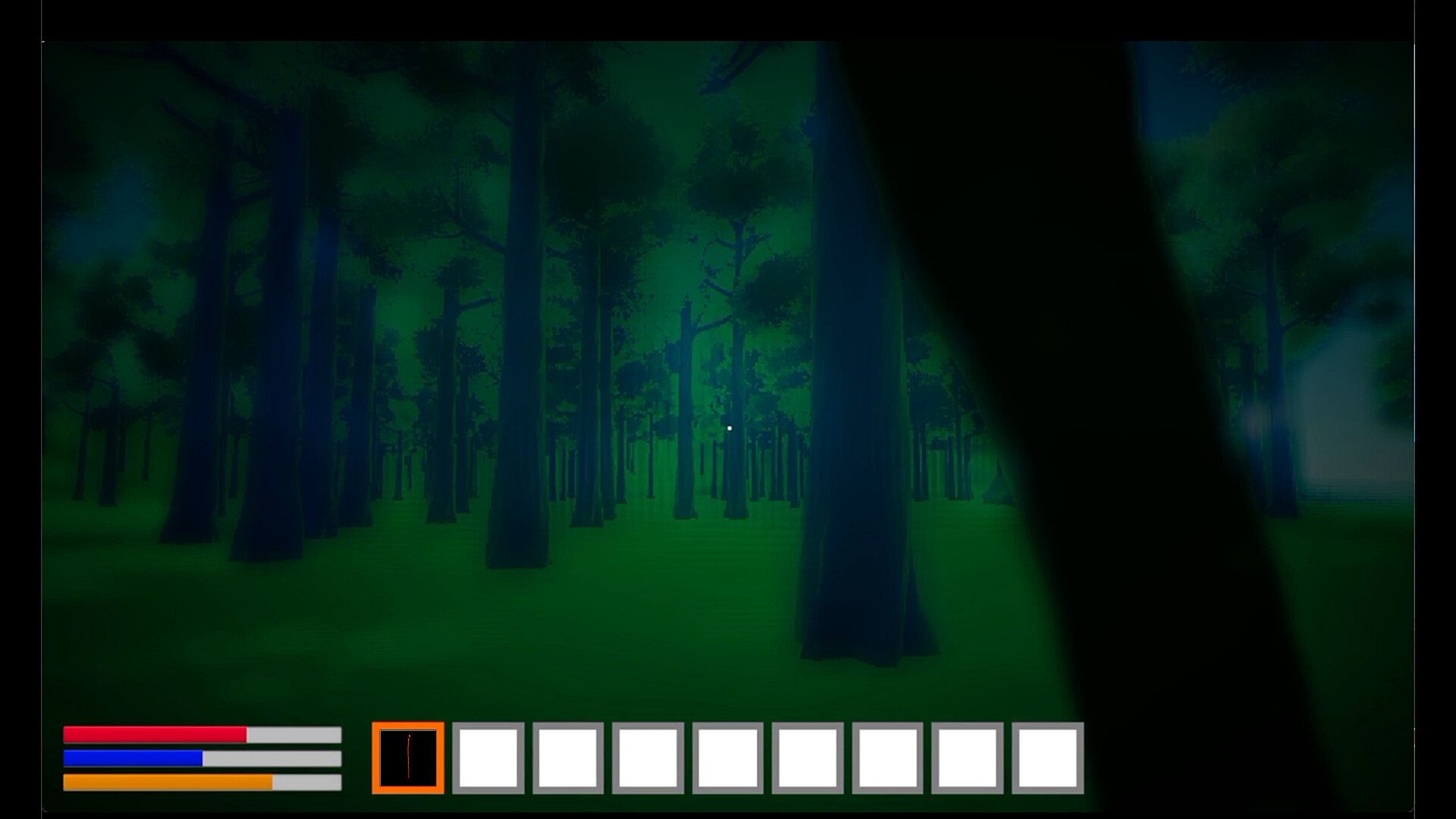
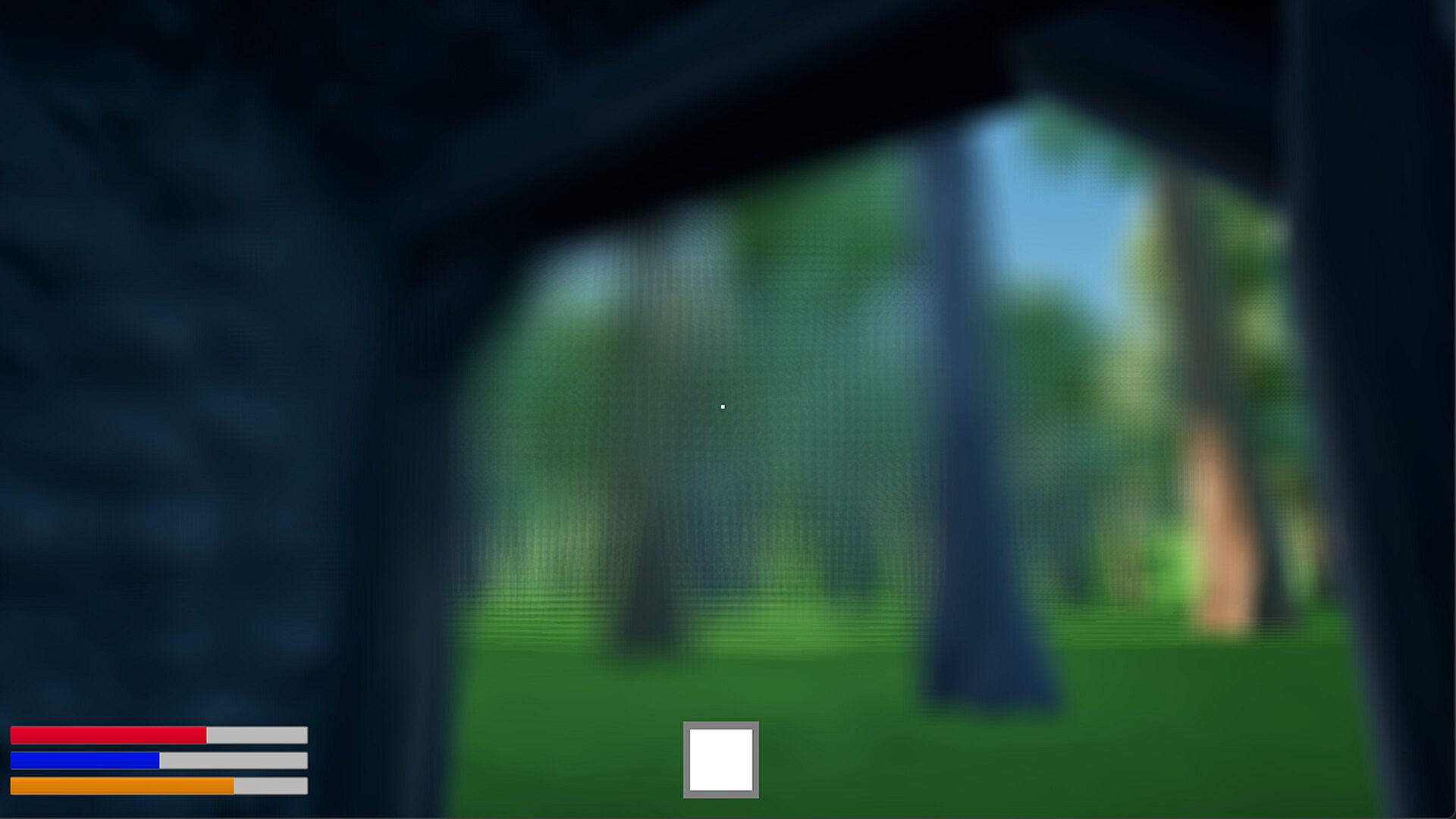
Players move through an outdoor environment with heavily restricted sight, relying on a walking stick for balance, probing the ground, and fending off threats. The stick serves multiple roles, from steadying movement to striking at dangers or interacting with the surroundings. Vision impairment introduces unpredictable side effects that can grant temporary advantages or cause sudden mishaps during critical moments.
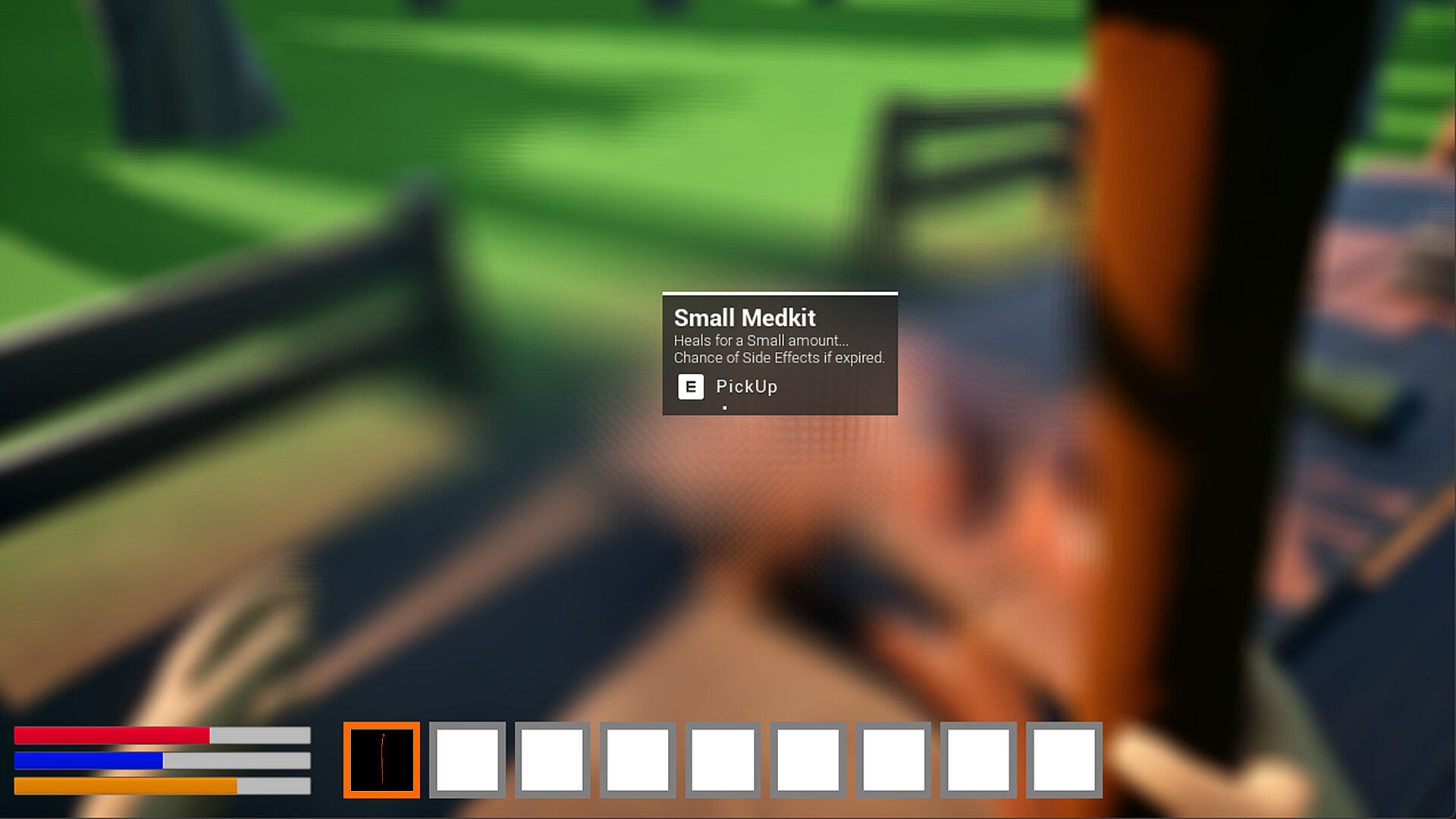
Scavenging forms a central loop. Backpacks fill with medical supplies, food, water, and miscellaneous objects whose usefulness varies. Some items provide clear benefits while others prove misleading or outright hazardous. Resting at campfires offers recovery and a chance to regroup before continuing the trek. Defense against wildlife, darkness, and unexpected encounters requires careful positioning and timing with the available tools.
The experience supports solo play through the full sequence of events. Coordination becomes essential when multiple players join, as impaired vision and shared space increase the chance of collisions, miscommunications, and unintended interference. Items collected must be managed across the group, and progress depends on collective navigation toward the distant goal.
Game Modes
Single player mode delivers the complete campaign without assistance. The player handles all scavenging, defense, and movement decisions while dealing with the vision limitations alone. This version emphasizes personal resource management and careful exploration.
Multiplayer supports up to four participants. The same objectives apply, yet the presence of additional impaired characters heightens the disorder. Players must account for each other's positions, share limited visibility information, and avoid accidental harm from swinging sticks or dropped items. The increased number of bodies in the environment amplifies both the humor and the risk of setbacks before reaching the gas station.
Core Mechanics and Progression
Progression centers on incremental survival rather than traditional leveling. Each successful scavenge run or safe rest improves the odds of reaching the destination. The walking stick remains the primary tool throughout, with its uses adapting to immediate needs. Strange abilities triggered by the concussion state appear at irregular intervals, forcing quick adaptation whether they help or hinder.
Loot selection demands attention. Not every shiny object proves beneficial, and carrying capacity limits force choices about what to keep. Medical items restore function, while other finds may alter movement or awareness in unexpected ways. The loop of stumble, gather, defend, and rest repeats until the group either succeeds or fails before dawn.
Is It Worth Playing?
Cataract Quest suits players who enjoy short, chaotic co-op sessions built around impaired perception and physical comedy. The single player option provides a self-contained challenge focused on careful navigation and item decisions. Groups of two to four will find the experience markedly more unpredictable, with frequent opportunities for mishaps that arise naturally from the shared vision handicap.
The game emphasizes practical survival tasks over complex systems. Those drawn to indie action adventures that reward patience and communication may find the premise engaging for one or two evenings. Availability on PC allows straightforward access for solo or local group play. No ongoing seasonal content or major updates have been detailed ahead of release, keeping the focus on the core camping-to-gas-station journey.











