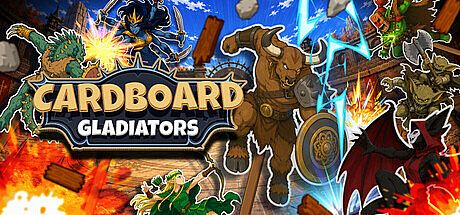


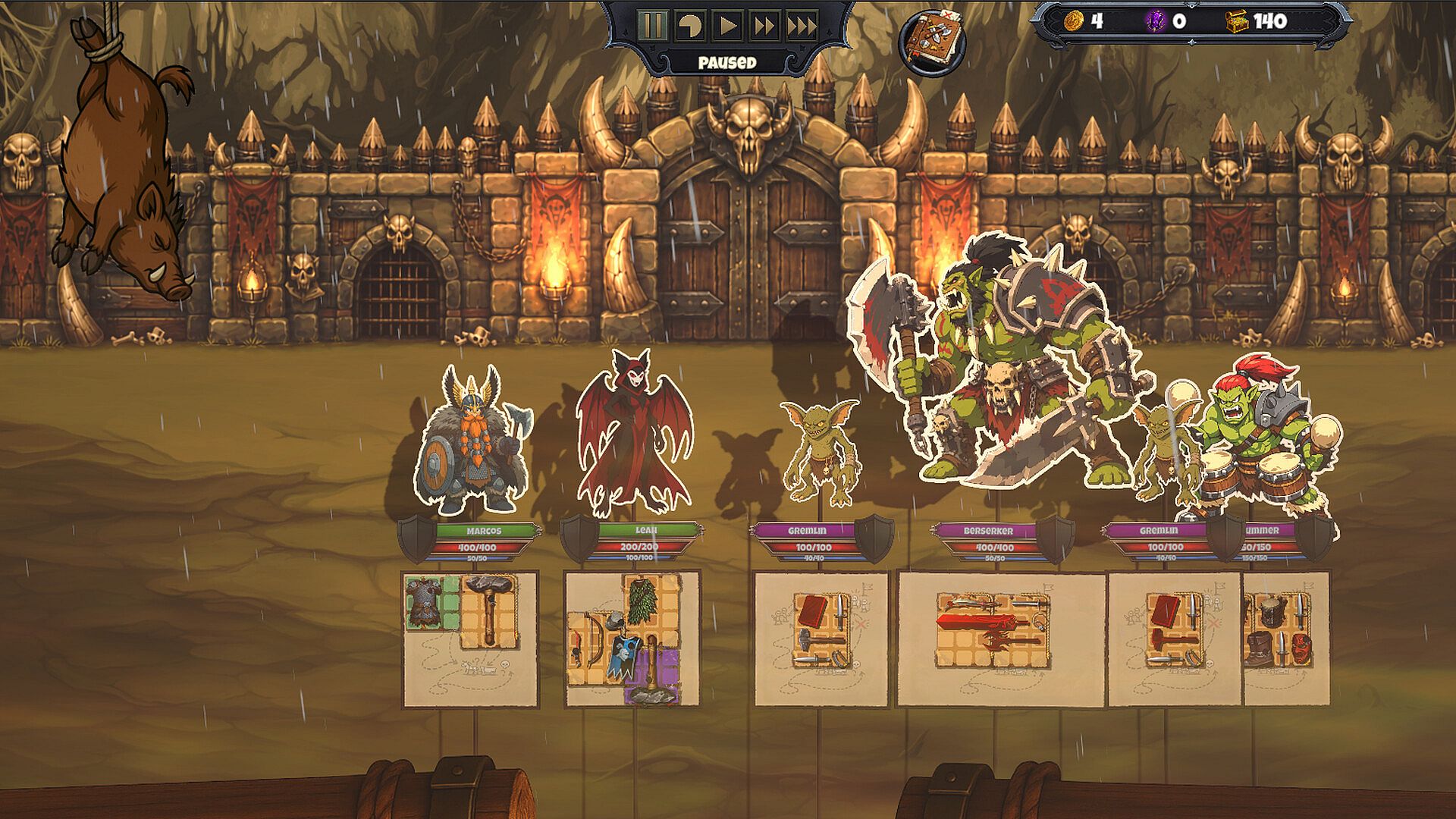




Cardboard Gladiators is a strategy game for PC that combines inventory management, item crafting, and automatic battles in a roguelike structure. Players assemble teams of gladiators, gather and combine equipment, and prepare setups that determine outcomes in asynchronous encounters against other players' teams. The experience emphasizes careful planning over direct control once combat starts.
Gameplay
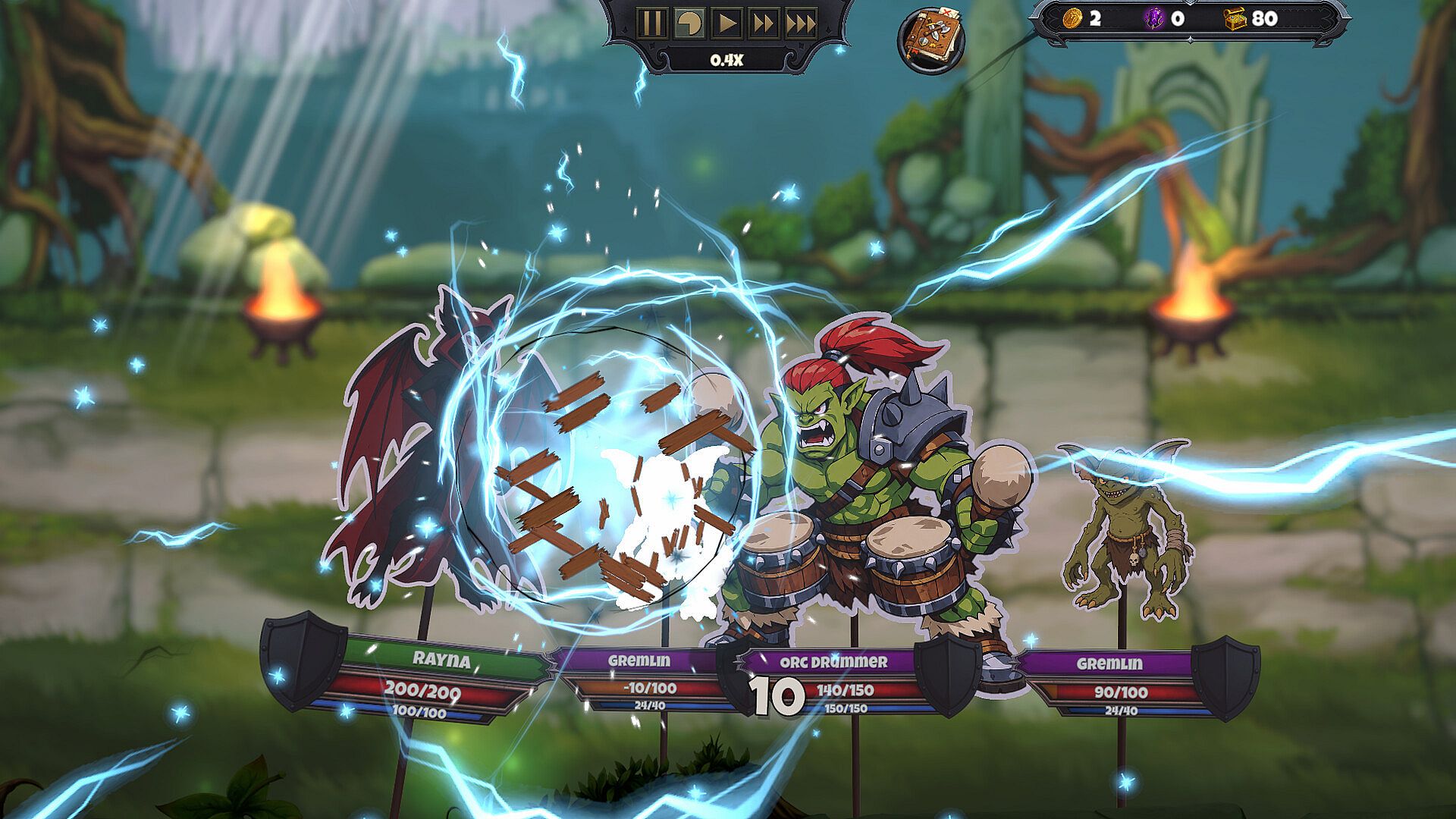
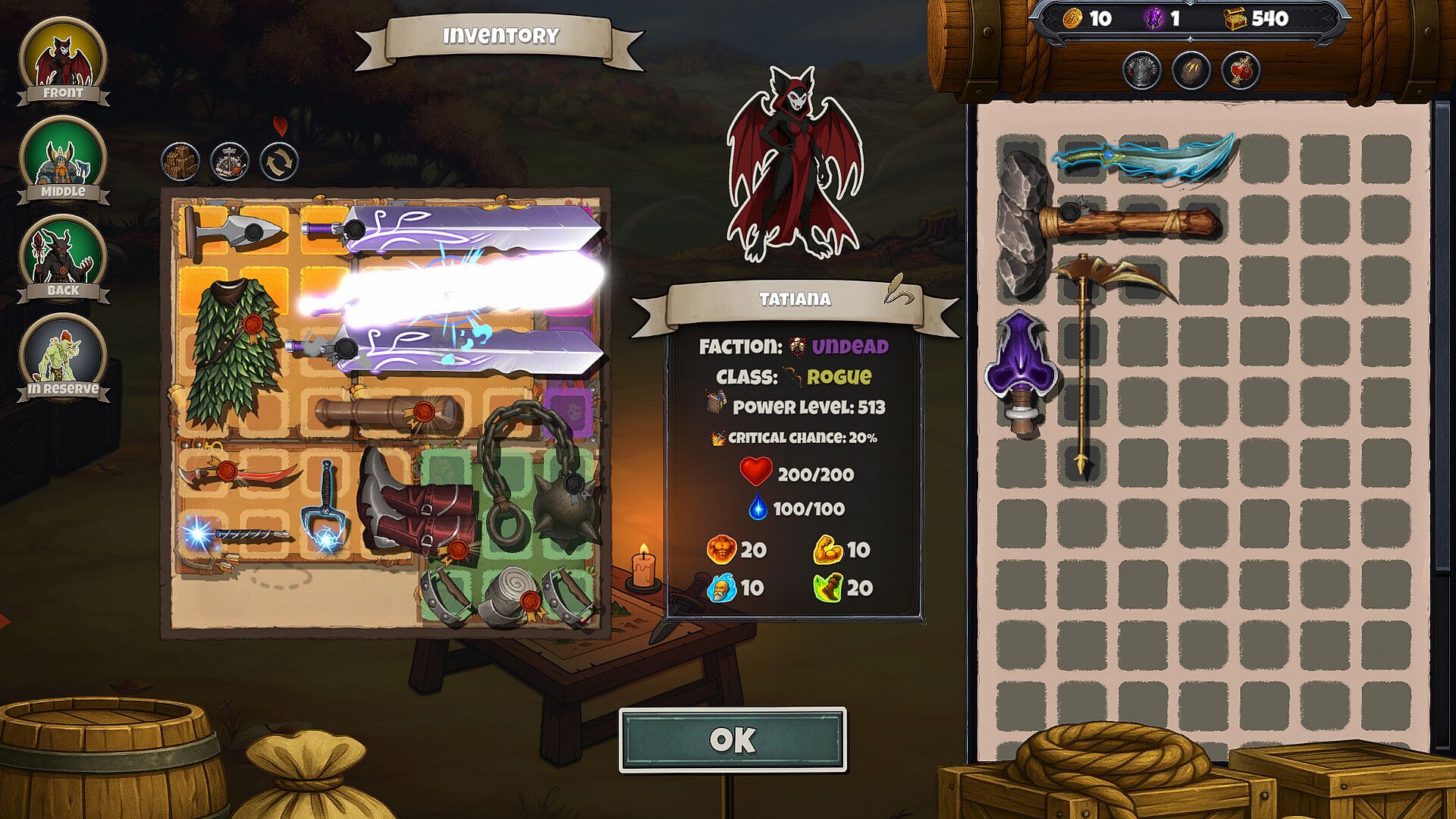
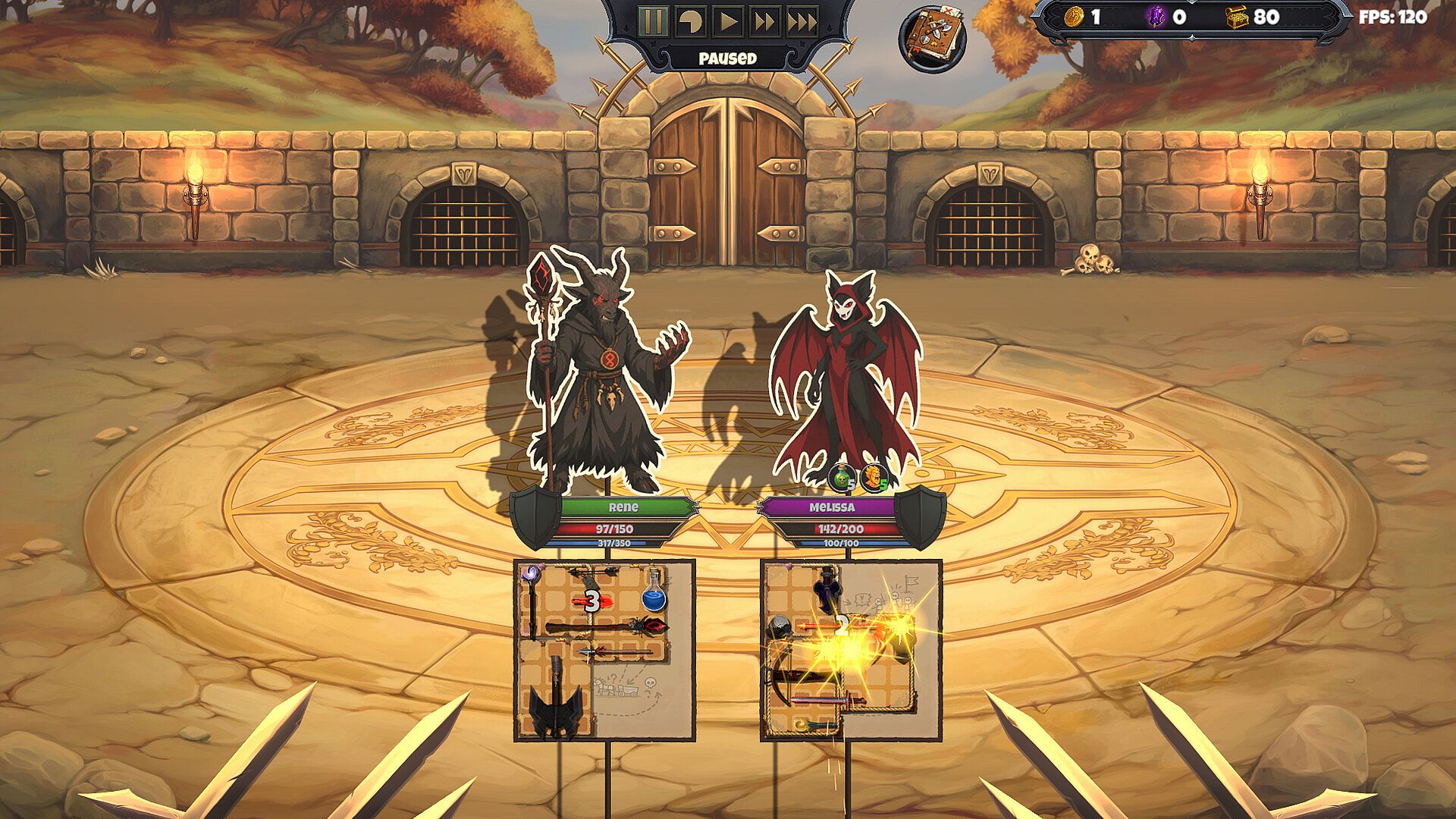
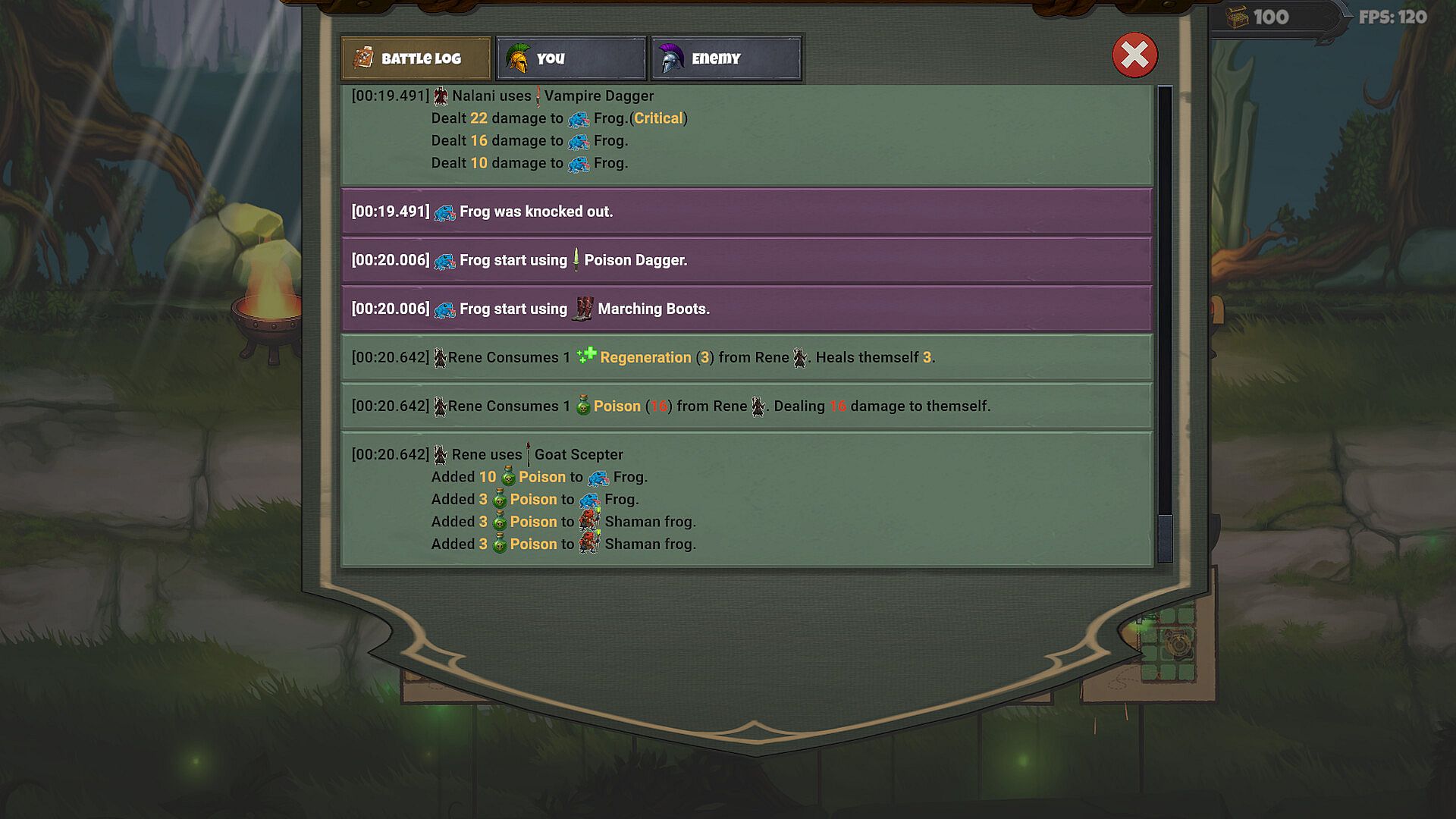
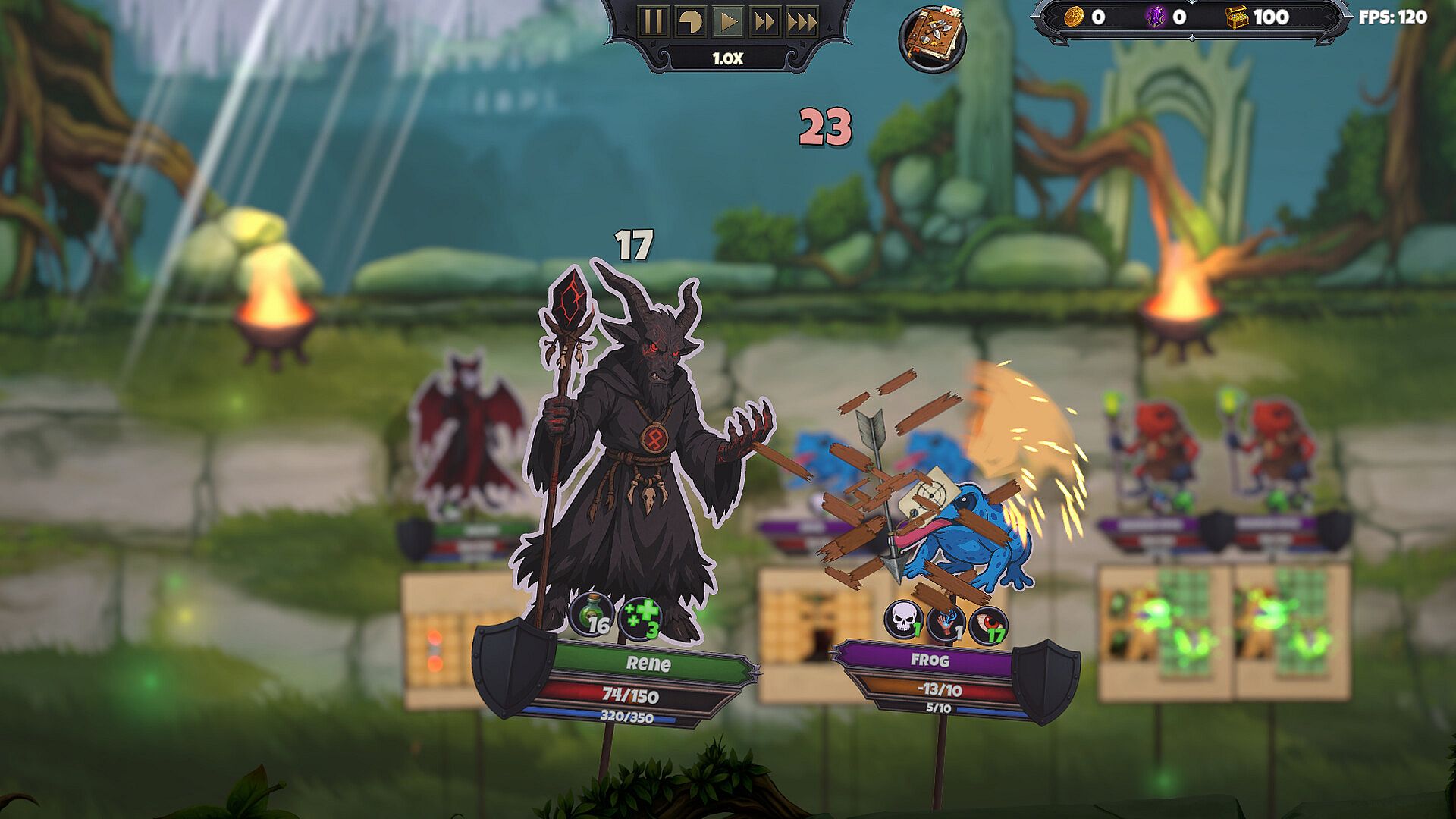
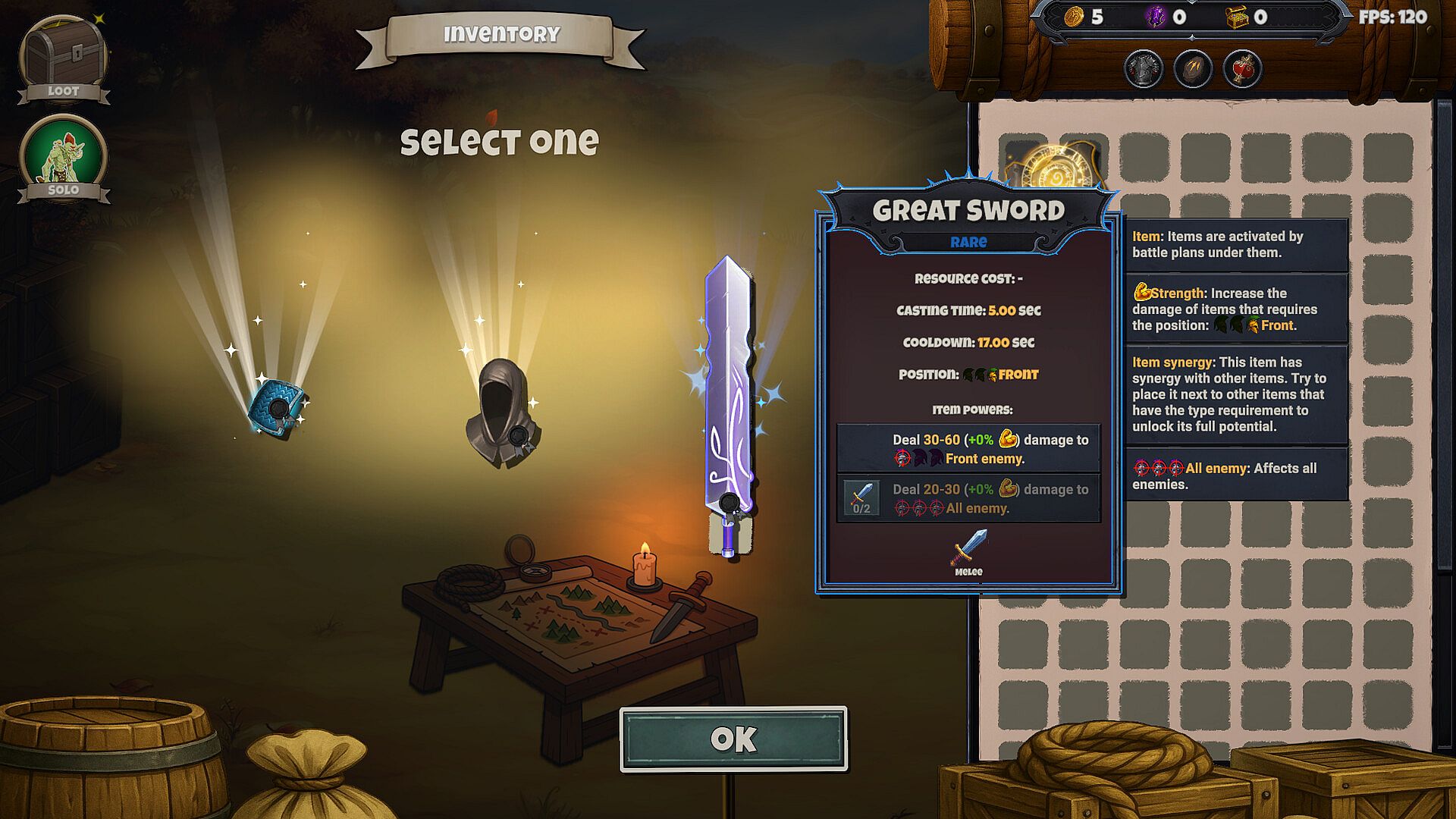
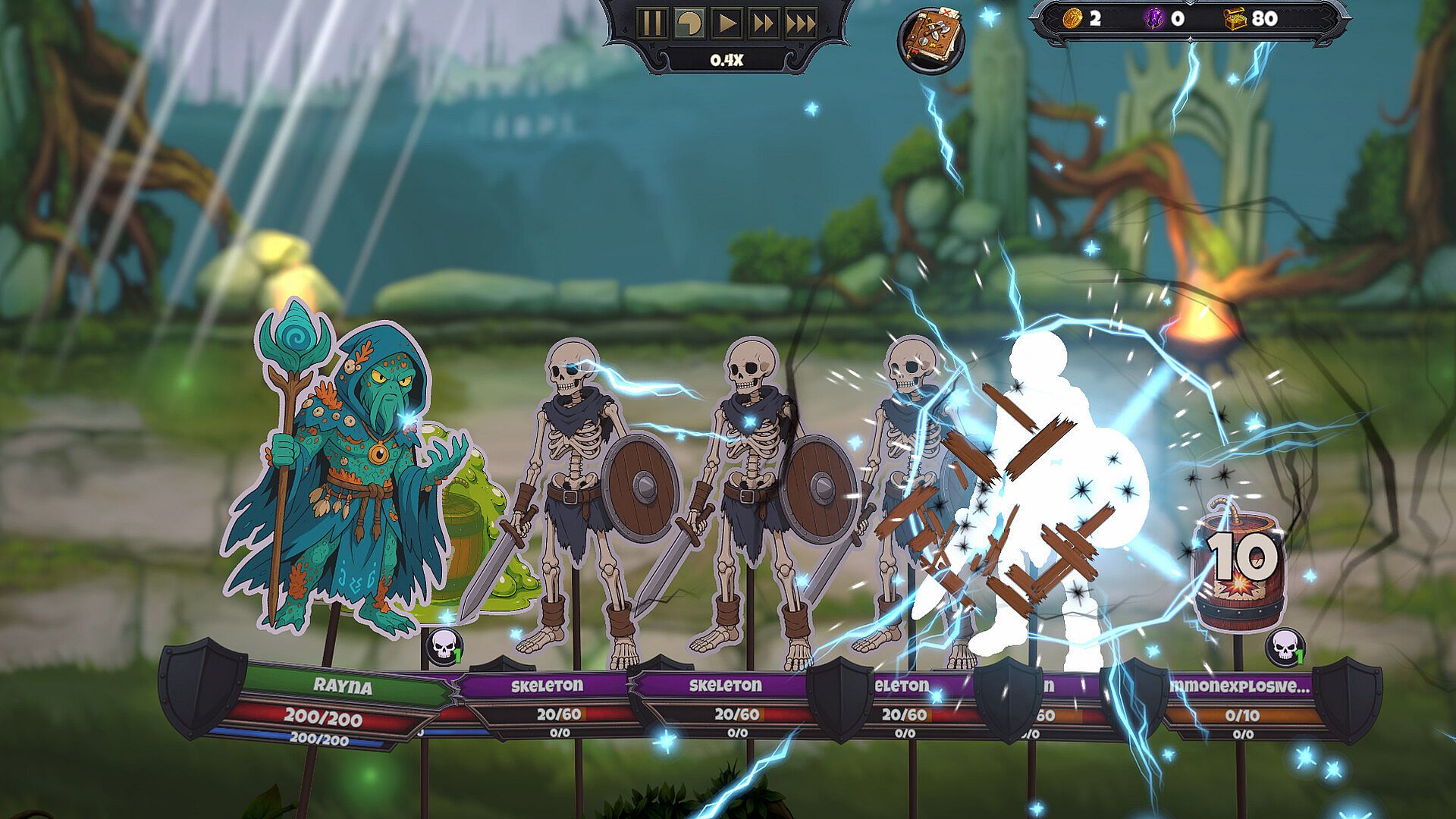
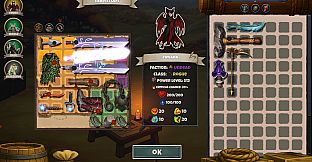
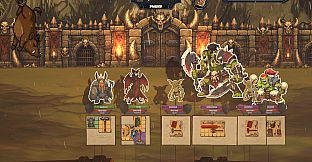
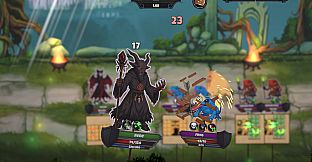
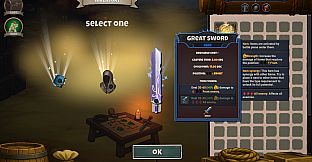
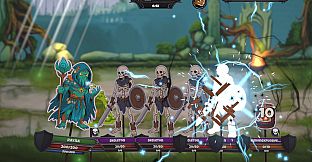
The core loop revolves around building a crew of three fighters selected from 15 distinct gladiators, each with unique fighting styles that support varied team compositions. Players collect more than 400 items during runs, purchasing equipment with earnings from battles and experimenting at forges to merge items into entirely new ones with fresh effects and synergies. Positioning and sequencing these items on the team setup controls activation timing and location during fights, which resolve automatically based on the prepared crew, gear, and order.
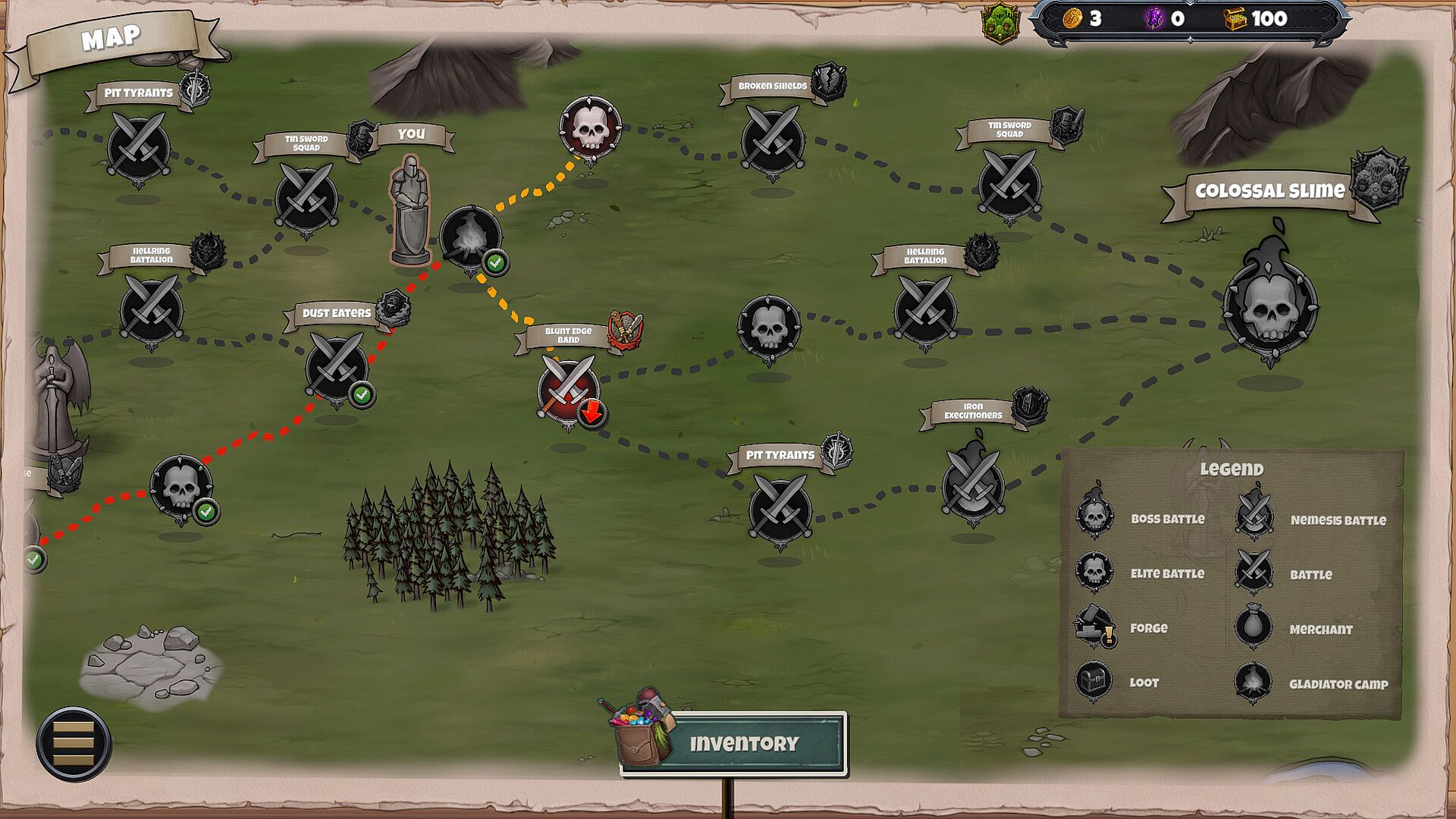
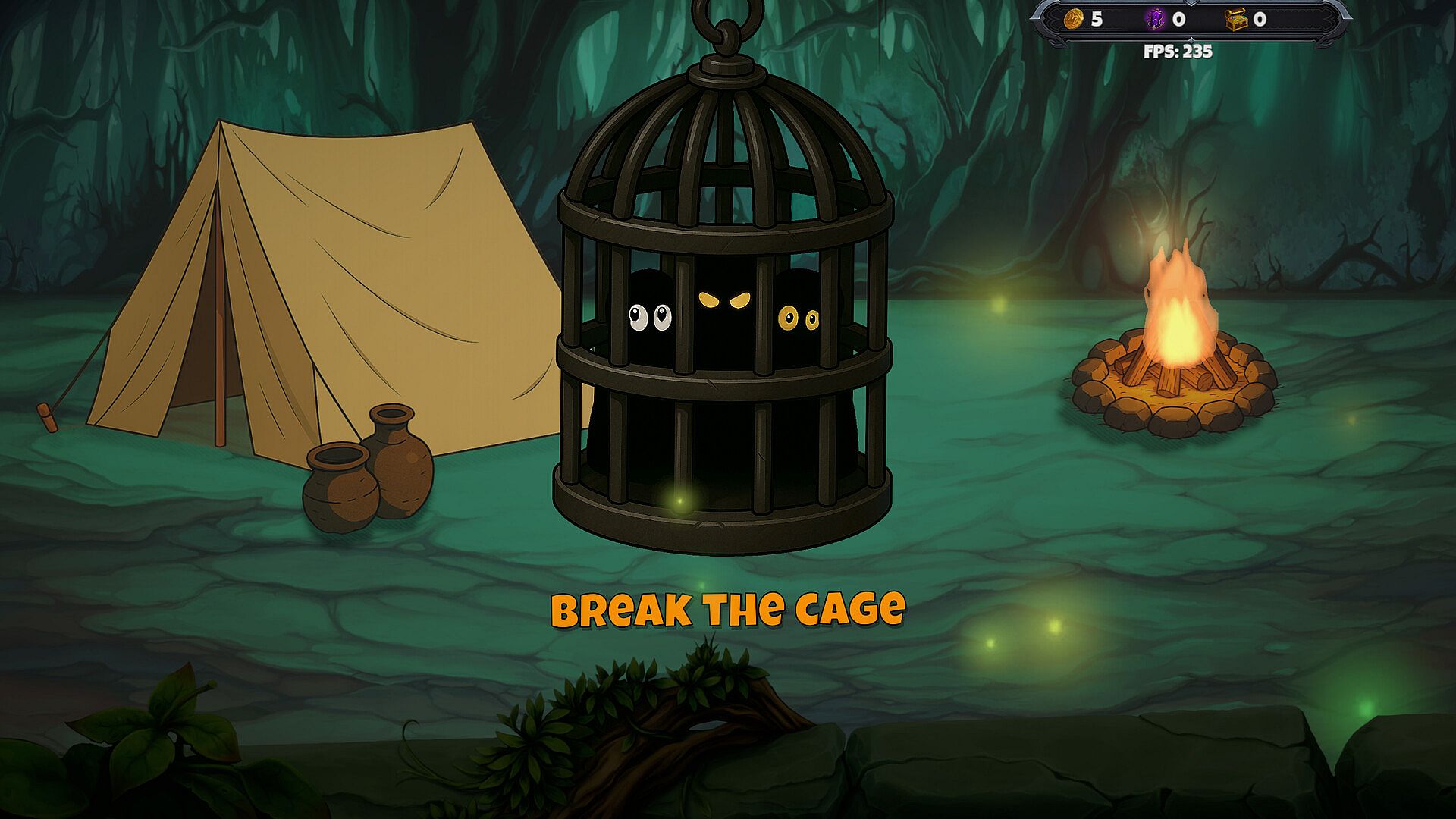
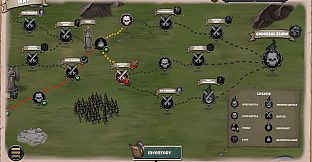
Before each encounter, players decide how many remaining bets to commit, raising potential rewards while increasing risk since bets double as lives. Losing all bets ends the current run. Normal fights match the prepared team against asynchronous opposition from other players, eliminating the need for simultaneous online presence. Along the path, choices include shops for buying gear, gladiator camps for recruiting unlocked fighters, and forges for further experimentation, all while balancing short-term gains against long-term build needs.
Game Modes
Runs unfold across three acts, each concluding with a powerful PvE boss that must be defeated to advance. A full successful run lasts approximately 90 minutes and encourages repeated playthroughs with different crews, item routes, and strategies. Asynchronous PvP provides the bulk of opposition in standard encounters, while PvE bosses and competitive leagues introduce escalating challenges with more skilled opponents and greater boss variety.
Leagues serve as a progression layer where players climb ranks through repeated runs, facing tougher opposition and unlocking additional gladiators for future attempts. The structure supports both focused single-strategy builds and hybrid approaches that combine complementary gladiator strengths with item synergies discovered through forging.
Progression and Systems
Meta-progression unlocks new gladiators that become available for recruitment at camps during runs. Item discovery and forging open new recipes and effects, expanding strategic options across multiple attempts. The betting system adds tension to every decision, as committing more resources heightens both upside and the chance of early run termination.
Inventory management plays a central role, requiring players to curate limited slots for maximum synergy while adapting to available encounters. Automatic resolution shifts emphasis to preparation, making each run a test of foresight in crew selection, item combinations, and encounter routing.
Is It Worth Playing?
Cardboard Gladiators targets players who enjoy strategy games built around preparation, item synergies, and roguelike repetition rather than real-time action or direct combat input. The asynchronous multiplayer element allows steady progress without scheduling conflicts, while the three-act structure with bosses and leagues provides clear goals and escalating difficulty.
With no user reviews available ahead of its planned 2027 release, reception remains unknown, yet the described systems offer strong replayability through varied gladiator crews, item builds, and risk-reward choices. Those drawn to inventory-focused autobattlers with crafting depth and asynchronous PvP elements will find the core loop aligned with those preferences. The game suits repeated short sessions or longer focused runs depending on chosen routes and build experimentation.