

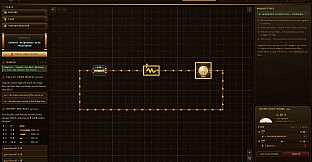
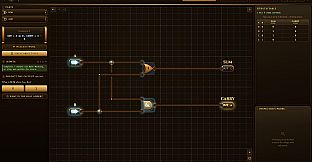
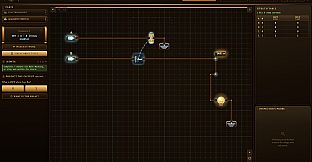
BitWise is an indie puzzle simulation game for PC that teaches the fundamentals of electricity and digital logic through hands-on circuit construction. Players place components on a virtual workbench, connect them with wires, and observe results from a real-time simulator that models both analog behavior and discrete digital steps. The experience begins with basic concepts like closing a simple loop to light a lamp and progresses to assembling complete computing machines from fundamental parts.
Gameplay
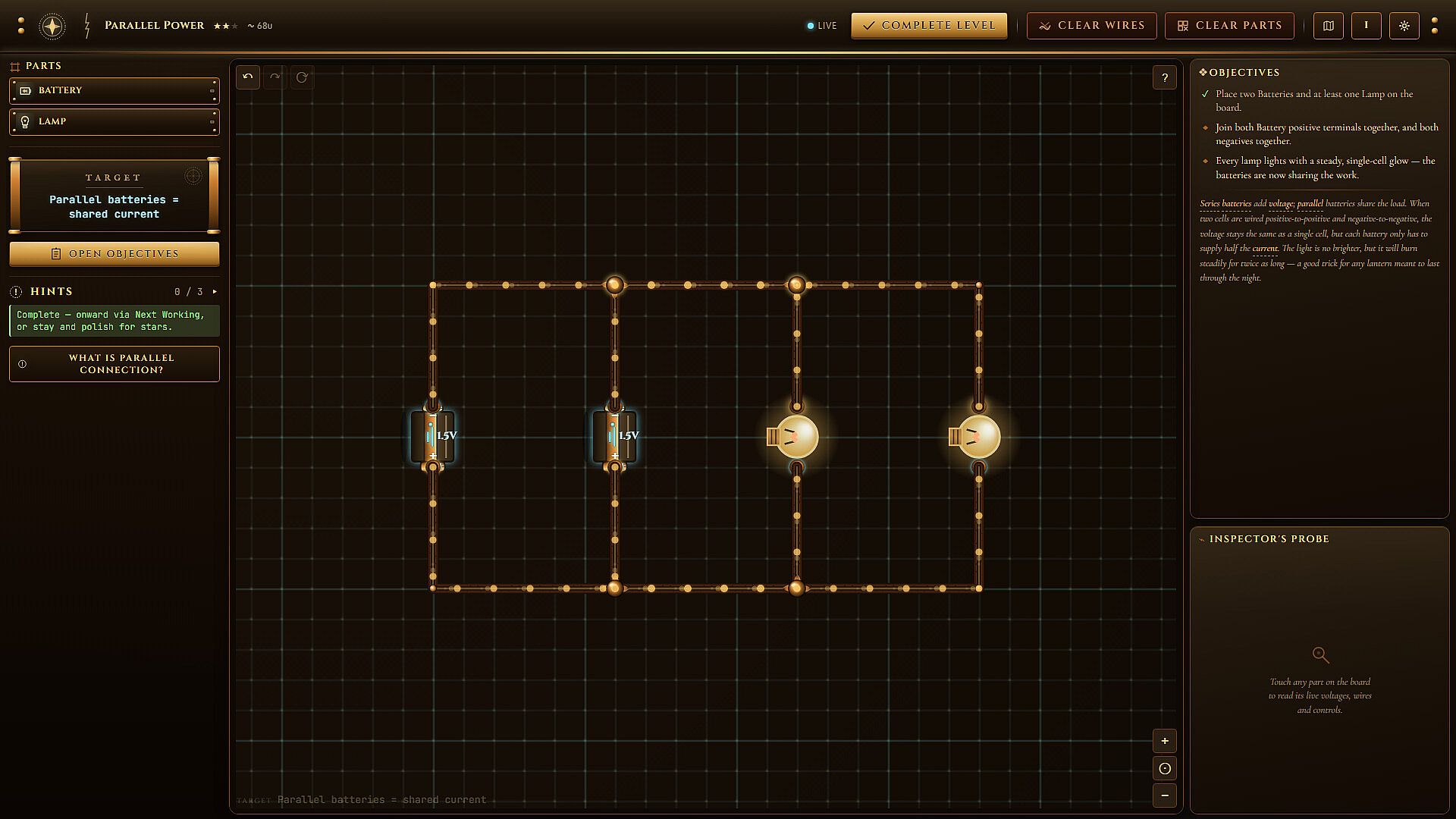
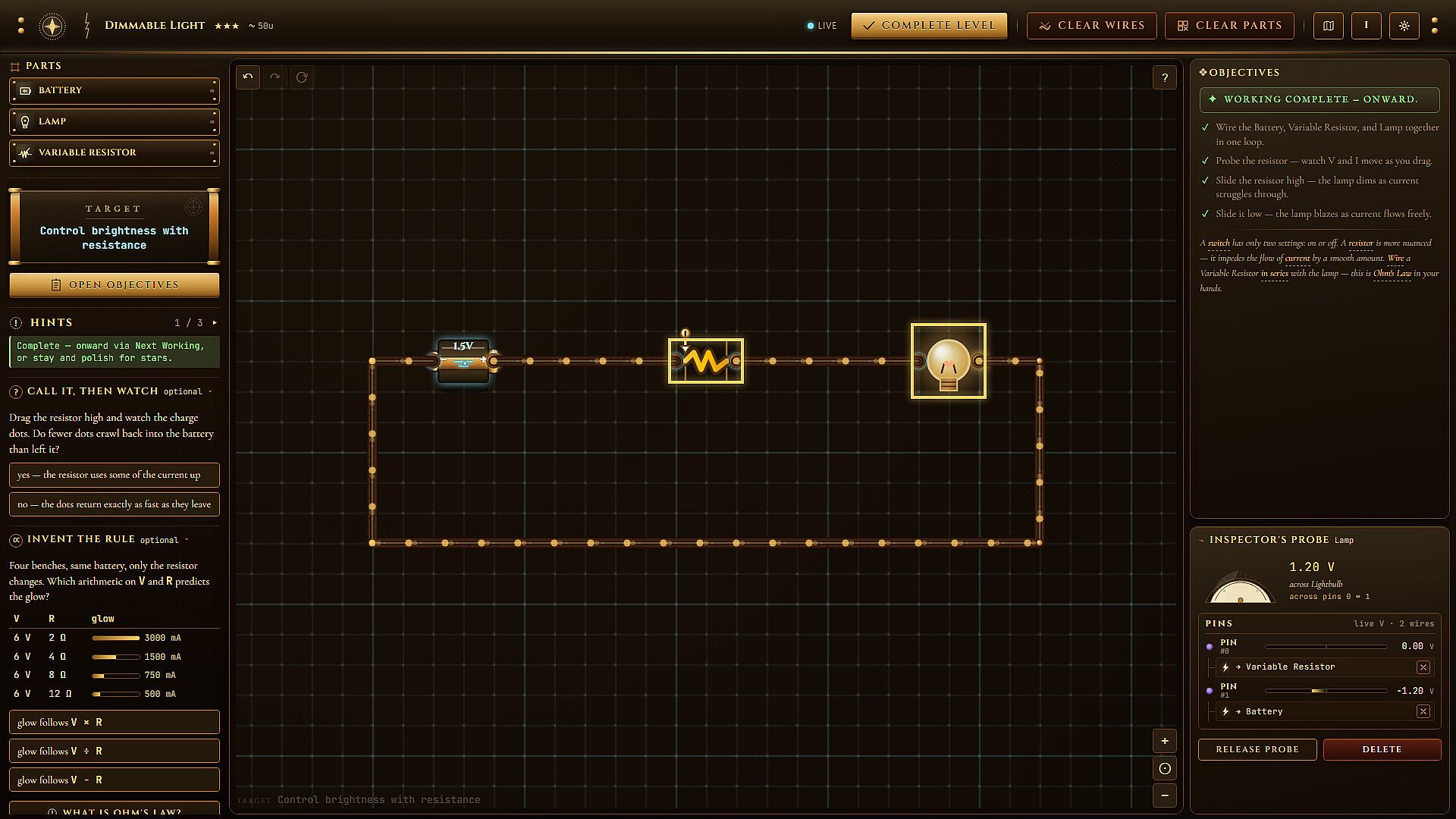
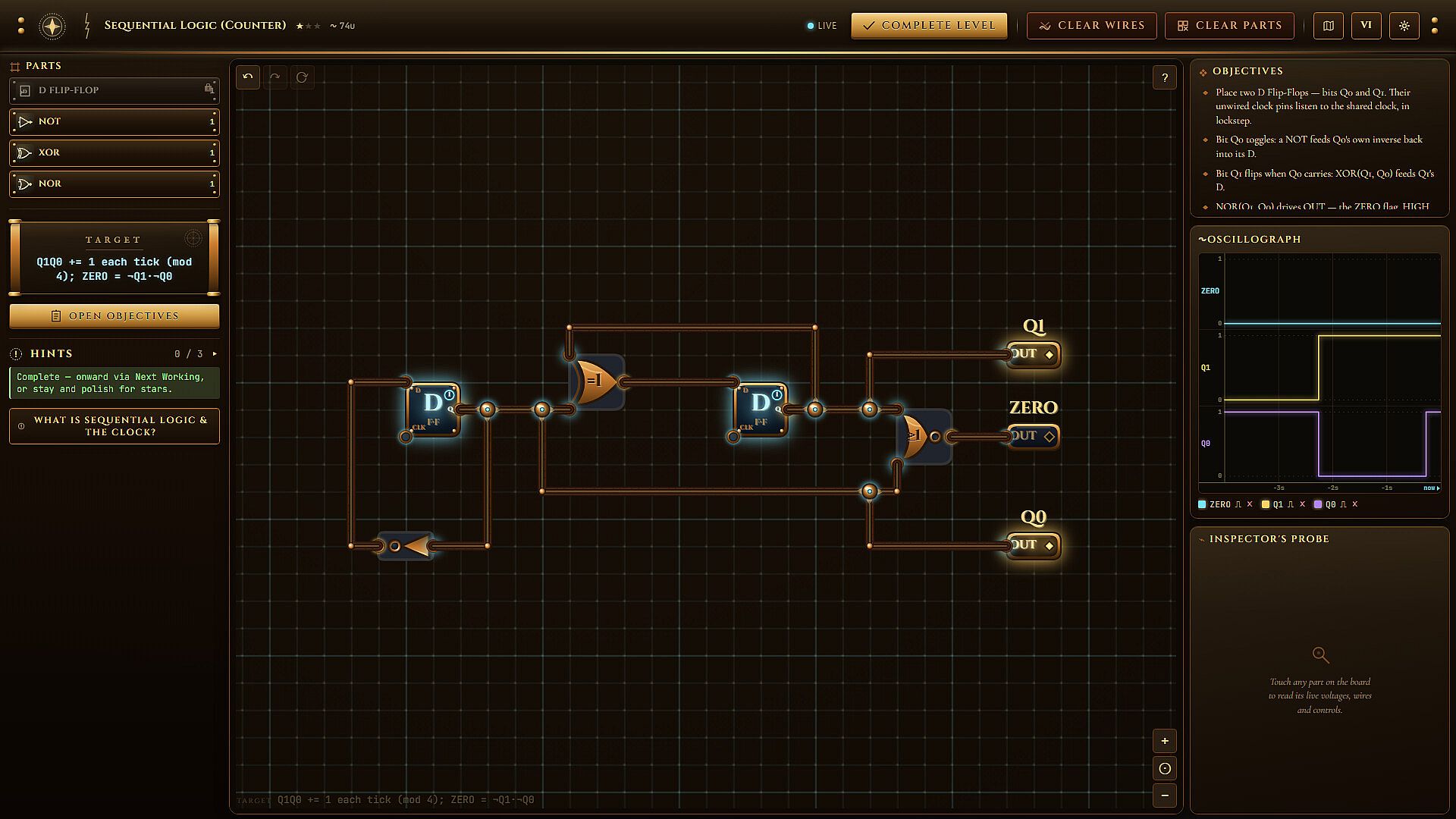
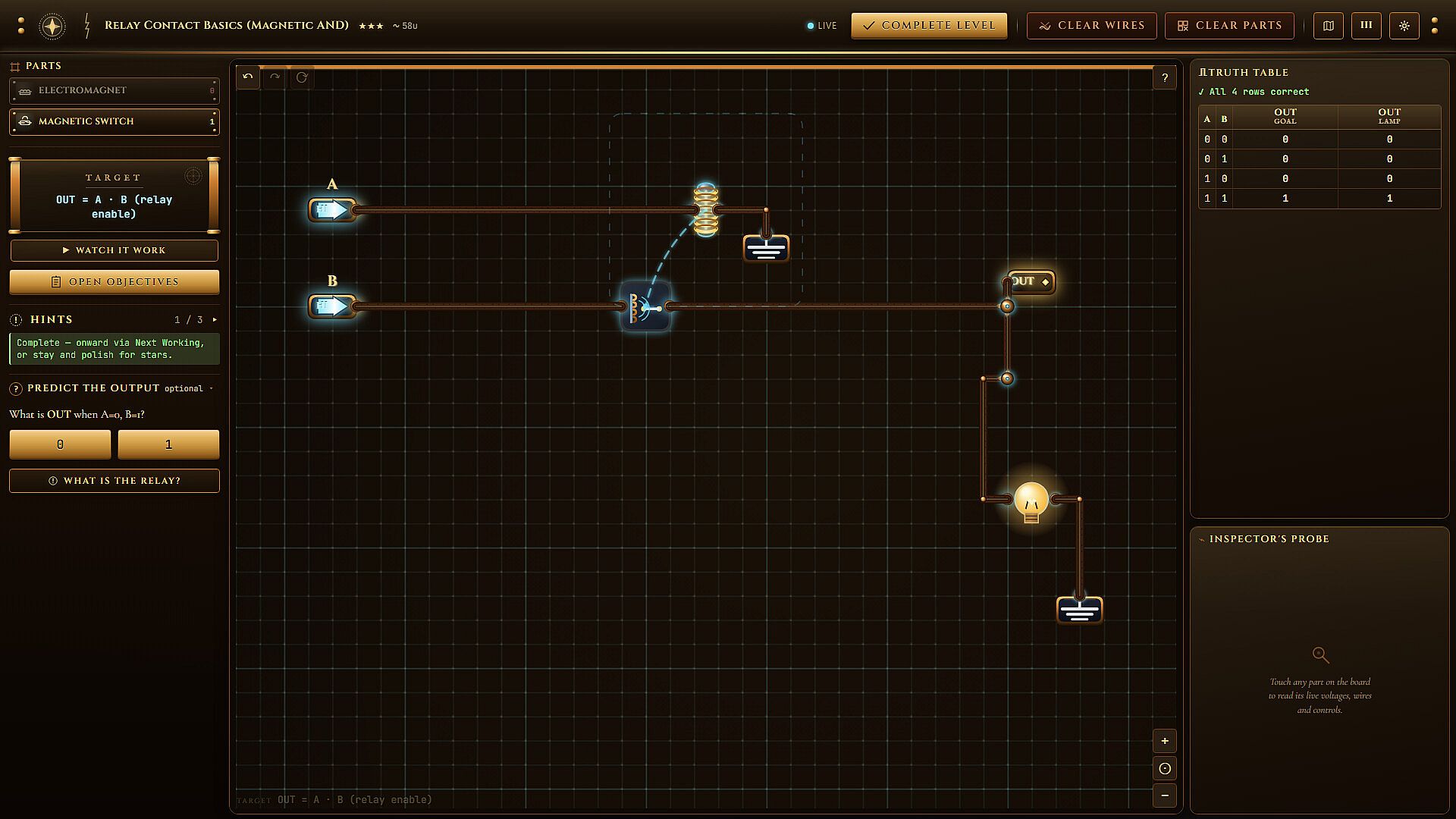
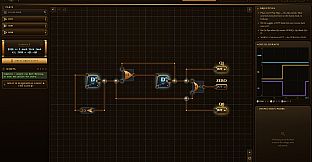
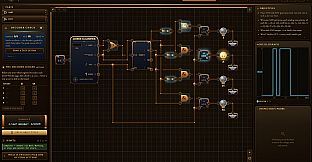
The core loop centers on building functional circuits that meet specific goals without relying on preset solutions. Each level presents a bench where components such as batteries, lamps, switches, resistors, capacitors, diodes, transistors, and op-amps can be positioned and wired by hand. The simulator runs the circuit using nodal analysis for analog sections and tick-based settling for digital elements. An inspector probe displays live voltages on any part, while an oscillograph allows tracing of signals over time, revealing behaviors like relay chatter or counter increments.
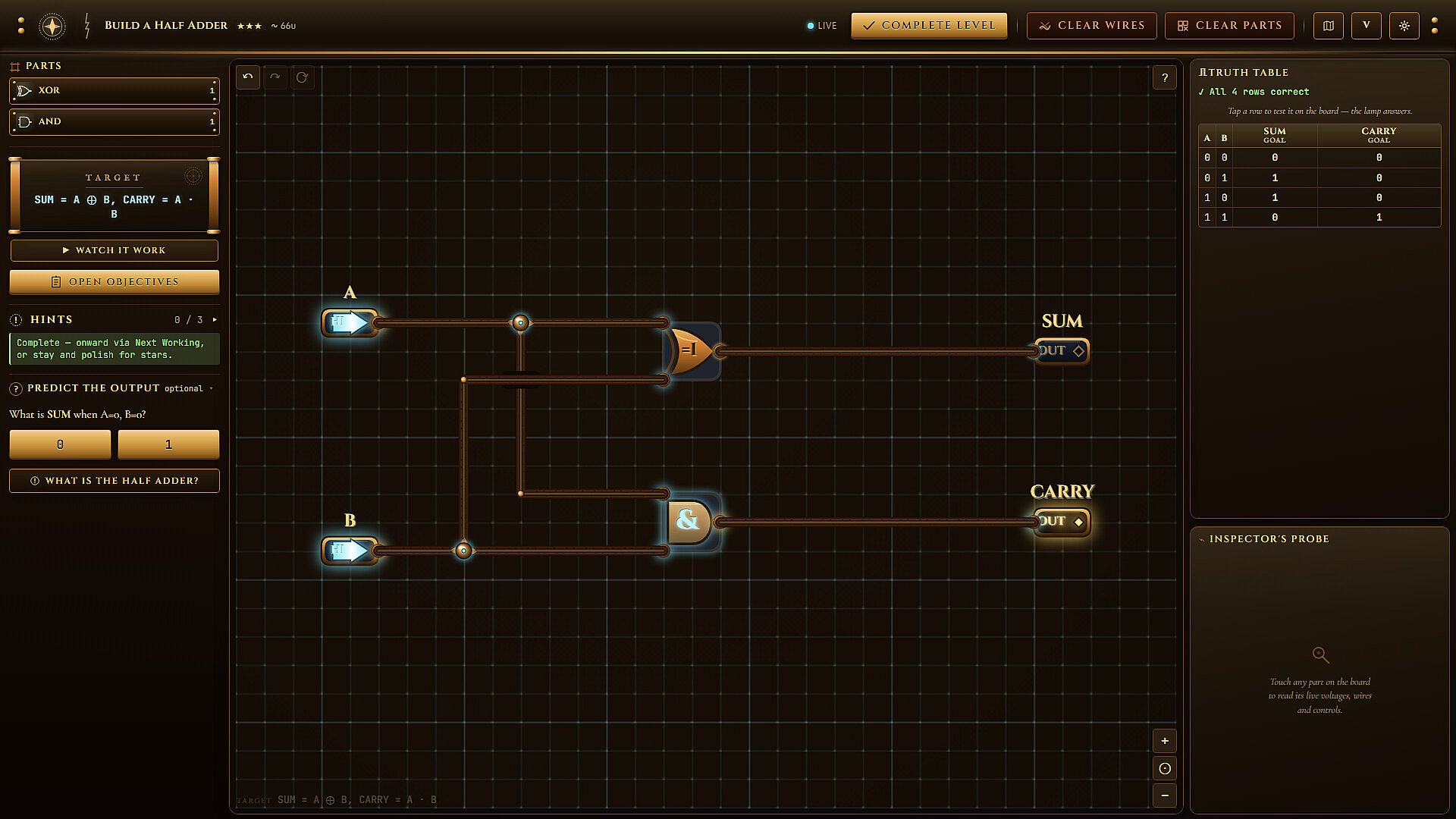
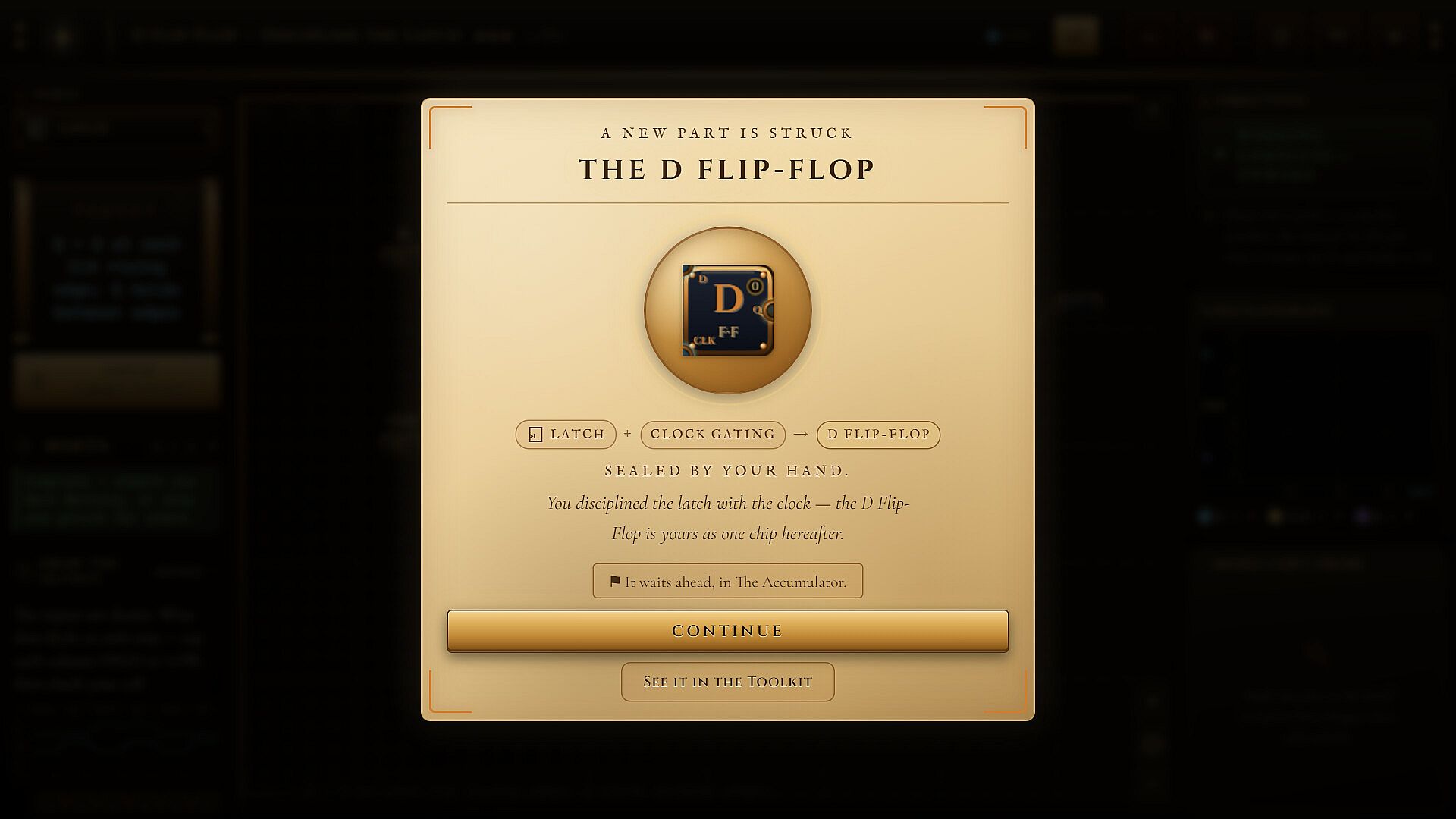
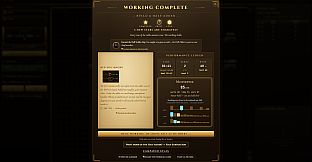
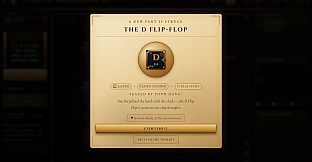
Progression follows a deliberate sequence where each new idea receives its own dedicated level before combinations appear. Players test predictions by running the circuit, and a grader evaluates outcomes rather than matching a fixed blueprint. Successful designs, even unconventional ones, pass if the required behavior occurs. Built circuits can be sealed into reusable chips that carry forward into later levels, enabling modular construction of larger systems such as adders, latches, counters, and eventually an arithmetic logic unit paired with program memory.
Visual and auditory feedback remains grounded in the simulation. Every sound, including background music, is generated procedurally by the game engine itself. The inspector and oscillograph provide immediate insight into circuit state, supporting experimentation and debugging without external references.
Game Modes
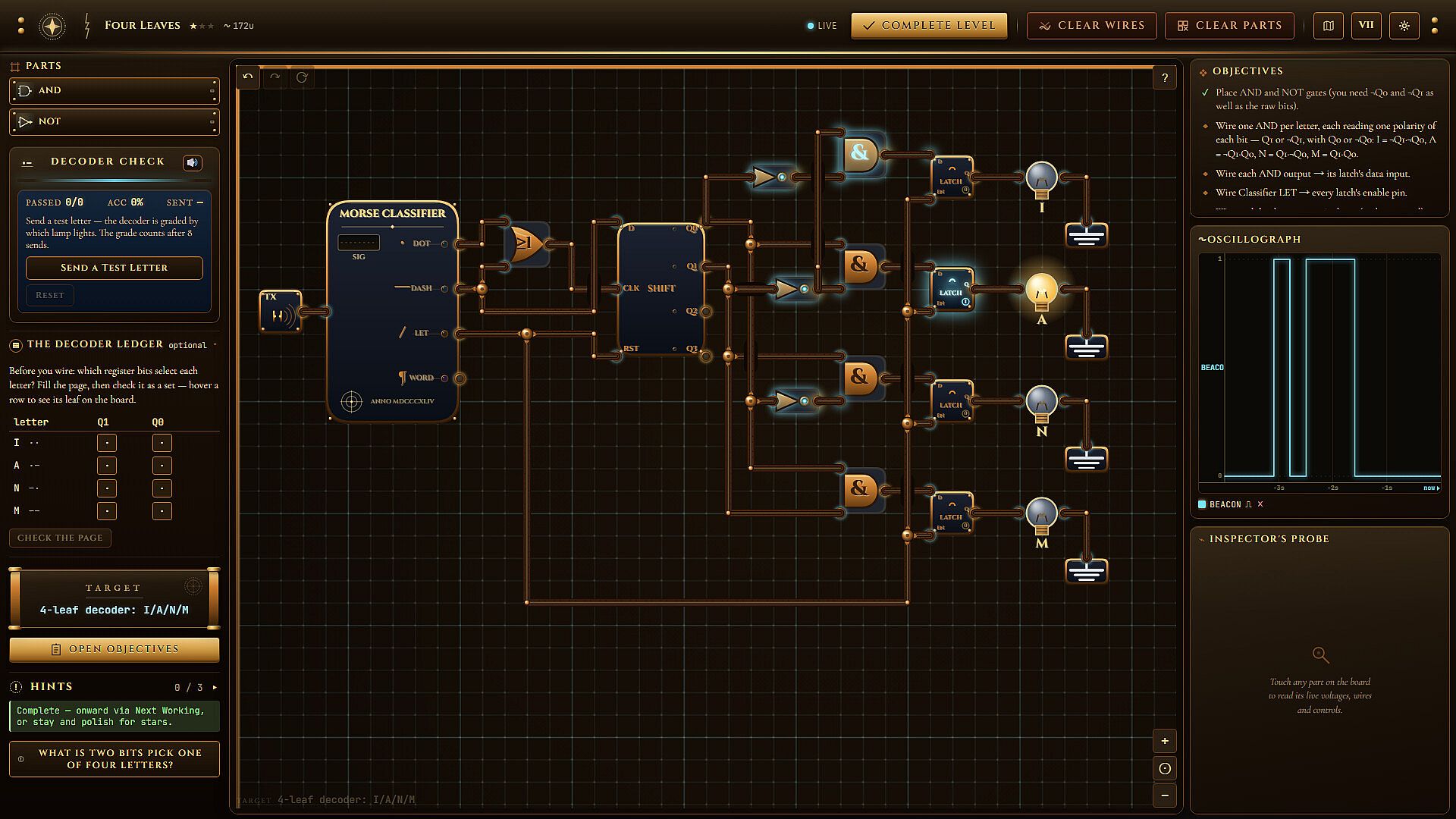
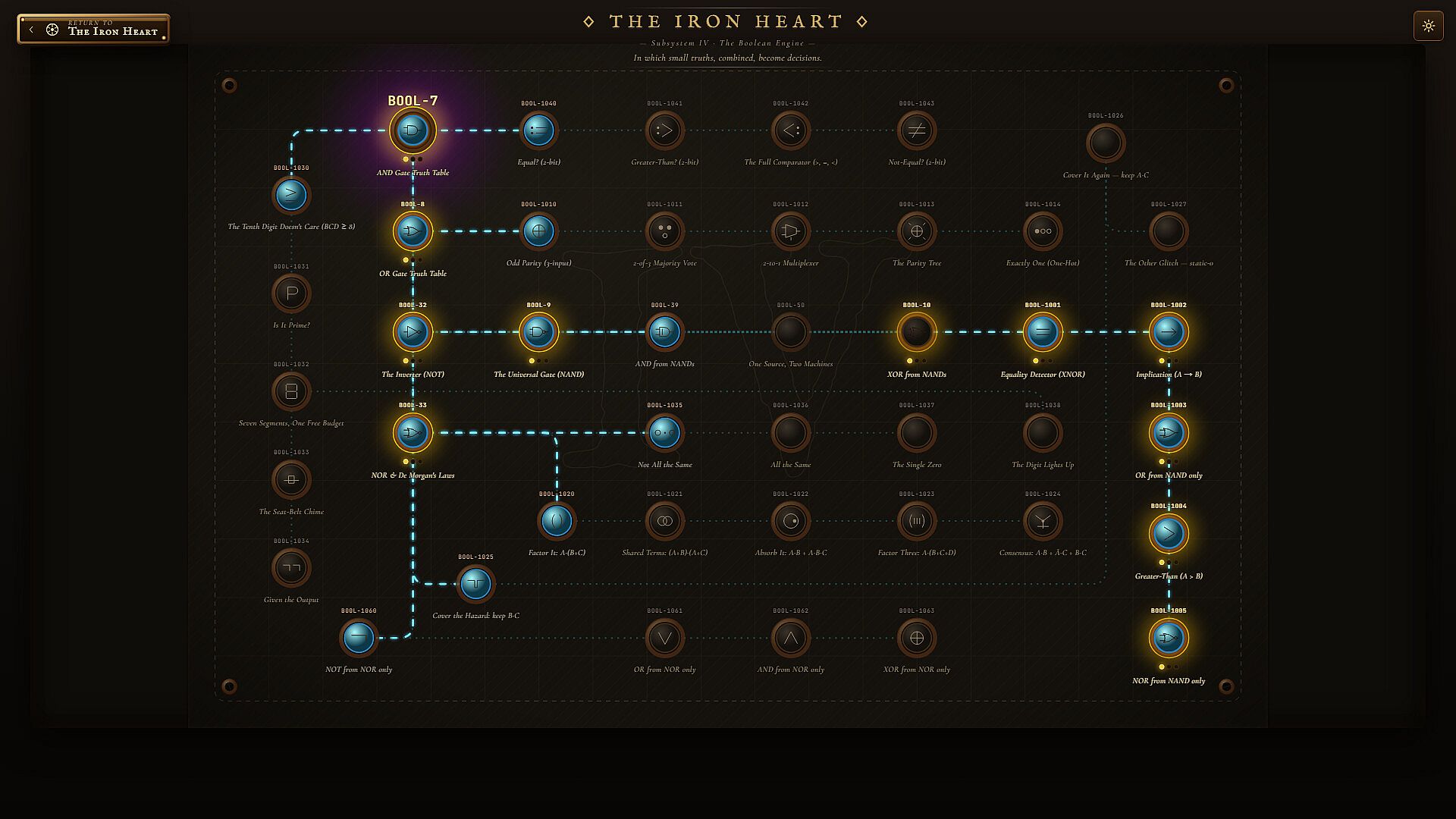
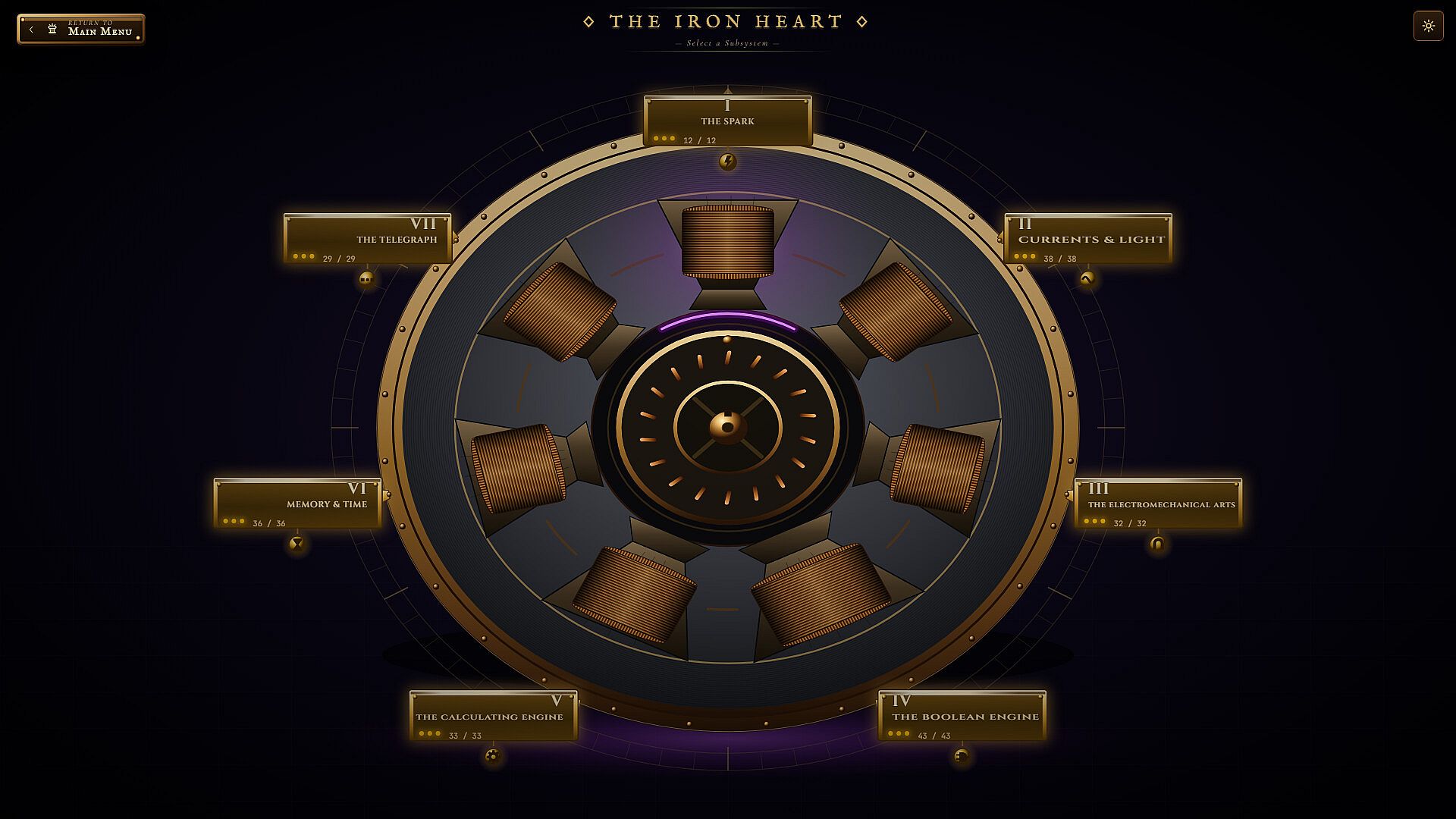
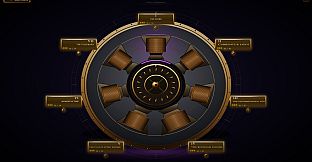
The primary experience unfolds across a 55-level campaign structured around seven chapters, each representing a subsystem of the overarching Iron Heart engine. Chapters introduce concepts in order: basic current flow and sparks, passive and active components with transformers, electromechanical devices like relays and motors, Boolean logic starting from NAND gates, arithmetic operations, memory elements with timing, and finally telegraph signaling using Morse code. The campaign map itself functions as a machine that players help construct in one chapter.
Beyond the campaign, 168 challenge levels are grouped into themed families that emphasize specific skills. These include diagnostic and repair tasks, identification of hidden glitches, address decoding exercises, and construction of autonomous machines that execute stored instructions and halt. A dedicated Wireless Room serves as a Morse code trainer that builds listening and keying proficiency through progressive exercises.
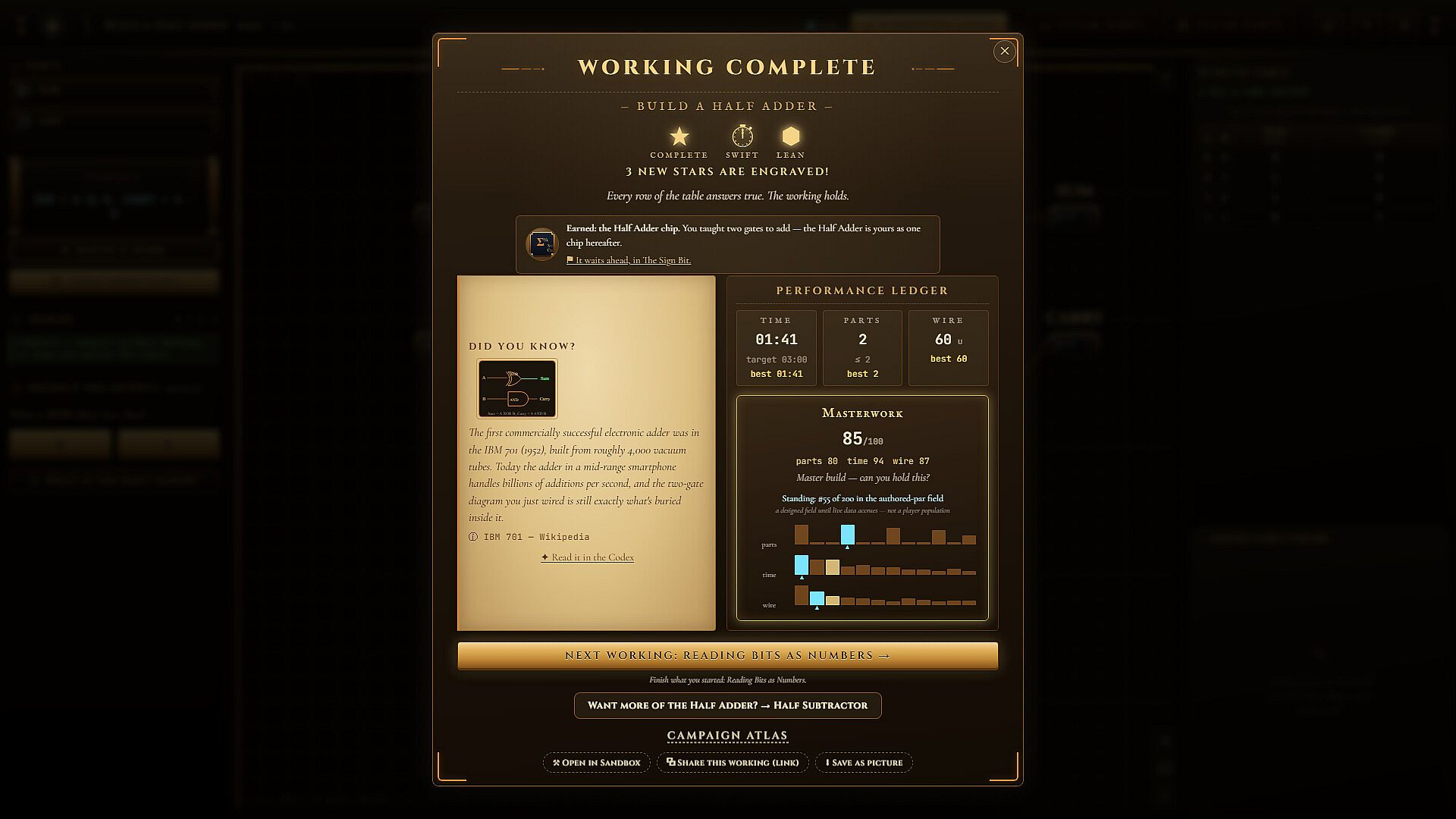
Additional modes support open-ended play. The sandbox provides blank benches for free experimentation. A level editor allows creation of custom puzzles, with sharing available through the integrated workshop system. Three-star completion targets on many levels encourage optimization, while a set of 14 achievements tracks broader accomplishments across the experience.
Progression and Tools
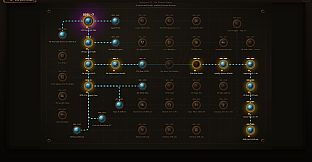
Sealing completed circuits as chips creates a growing personal library that reduces repetition in later stages. The almanac maintains a concept map linking ideas across chapters, a catalog of all sealed parts, and historical notes on the origins of each element, from early electrostatic experiments to stored-program architectures. Hints are available in graduated tiers, allowing players to request minimal nudges or full solution outlines as needed.
Controls emphasize direct interaction. Parts are placed and wired manually, with the probe and oscillograph serving as diagnostic instruments. Digital sections advance on discrete ticks, while analog portions update continuously, giving circuits a tangible sense of operation. Cloud saves preserve progress across sessions.
Is It Worth Playing?
BitWise suits players interested in understanding how computers work from the ground up, particularly those who enjoy methodical puzzle solving and incremental system building. The campaign delivers a structured path from elementary circuits to functional processors, while challenges and the sandbox extend replay value for experimentation. Features such as the level editor and workshop integration support community-created content. The game runs entirely offline, with all progress stored locally or via cloud saves, and includes synthesized audio throughout. Those who appreciate precise, logic-driven puzzles without time pressure or competitive elements will find a focused and self-contained experience here.