




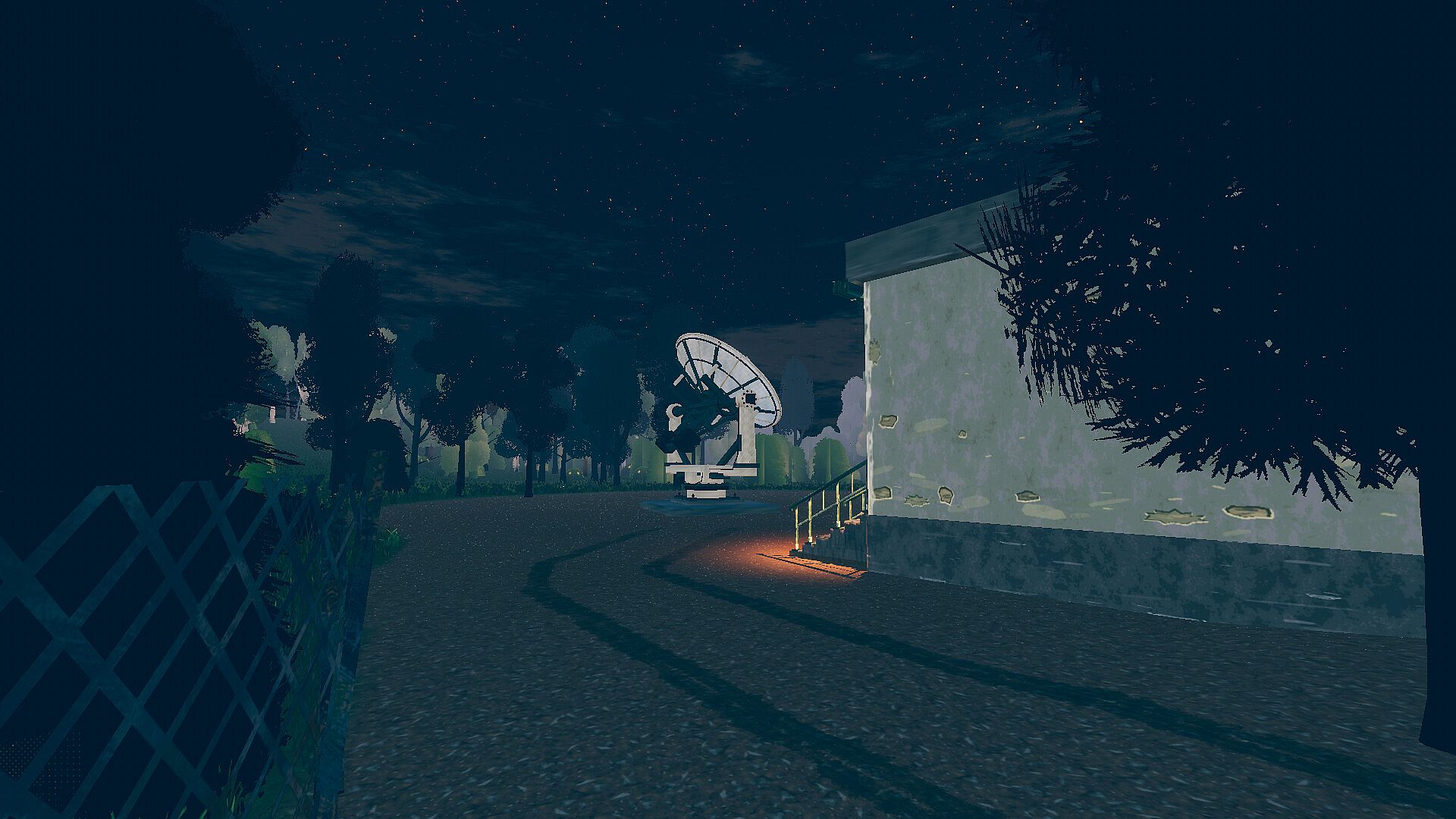
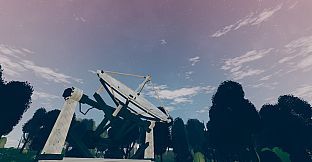
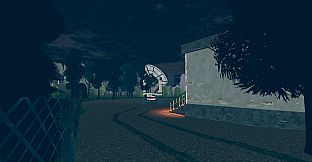
Beyond the Noise: Radio Observatory is an indie simulation game for PC that places players in the role of a radio astronomer building and operating their own facility. The core experience revolves around constructing telescopes, tuning equipment, and extracting faint signals from cosmic background noise, all drawn from realistic principles of radio astronomy.
Gameplay
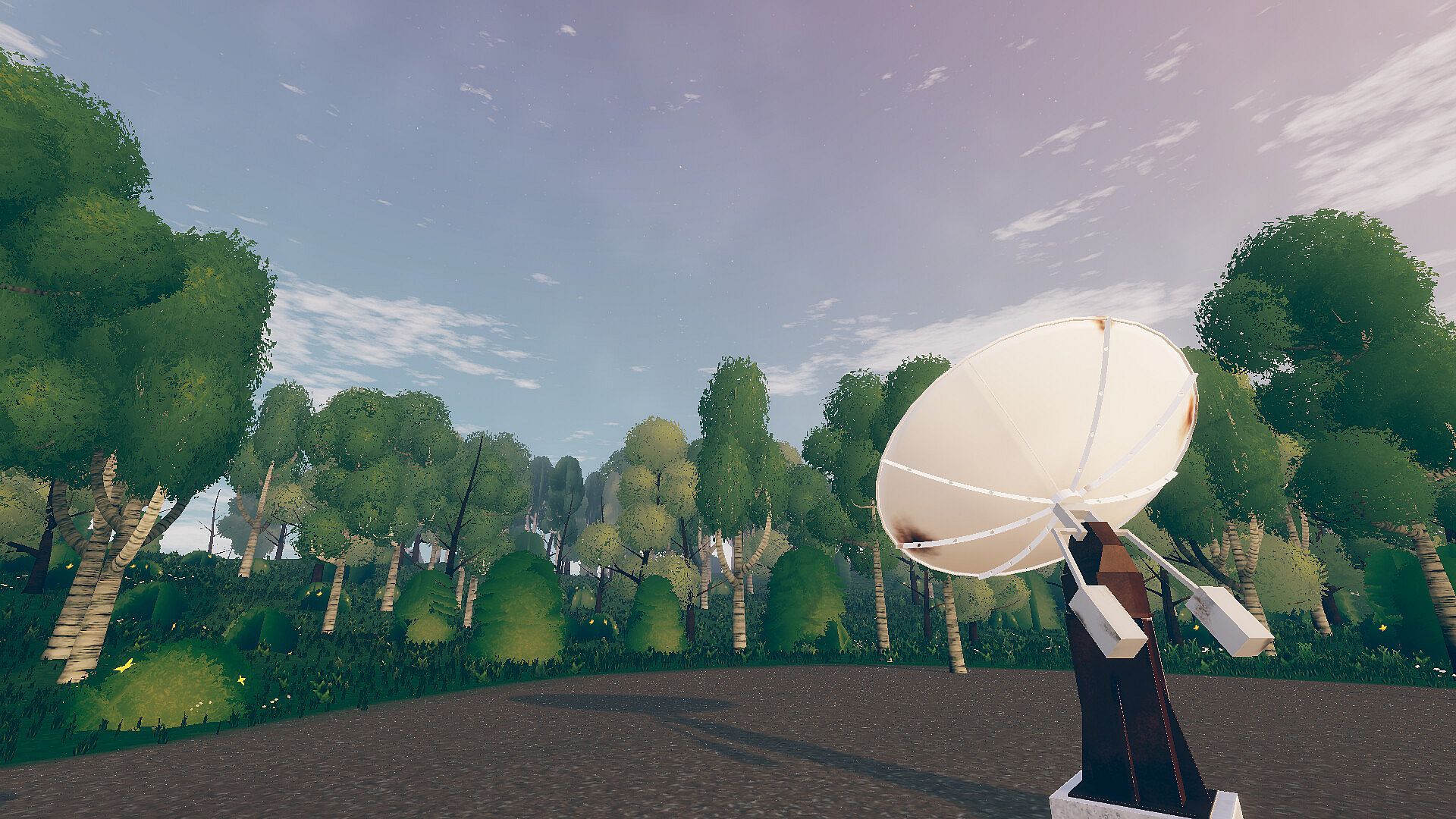
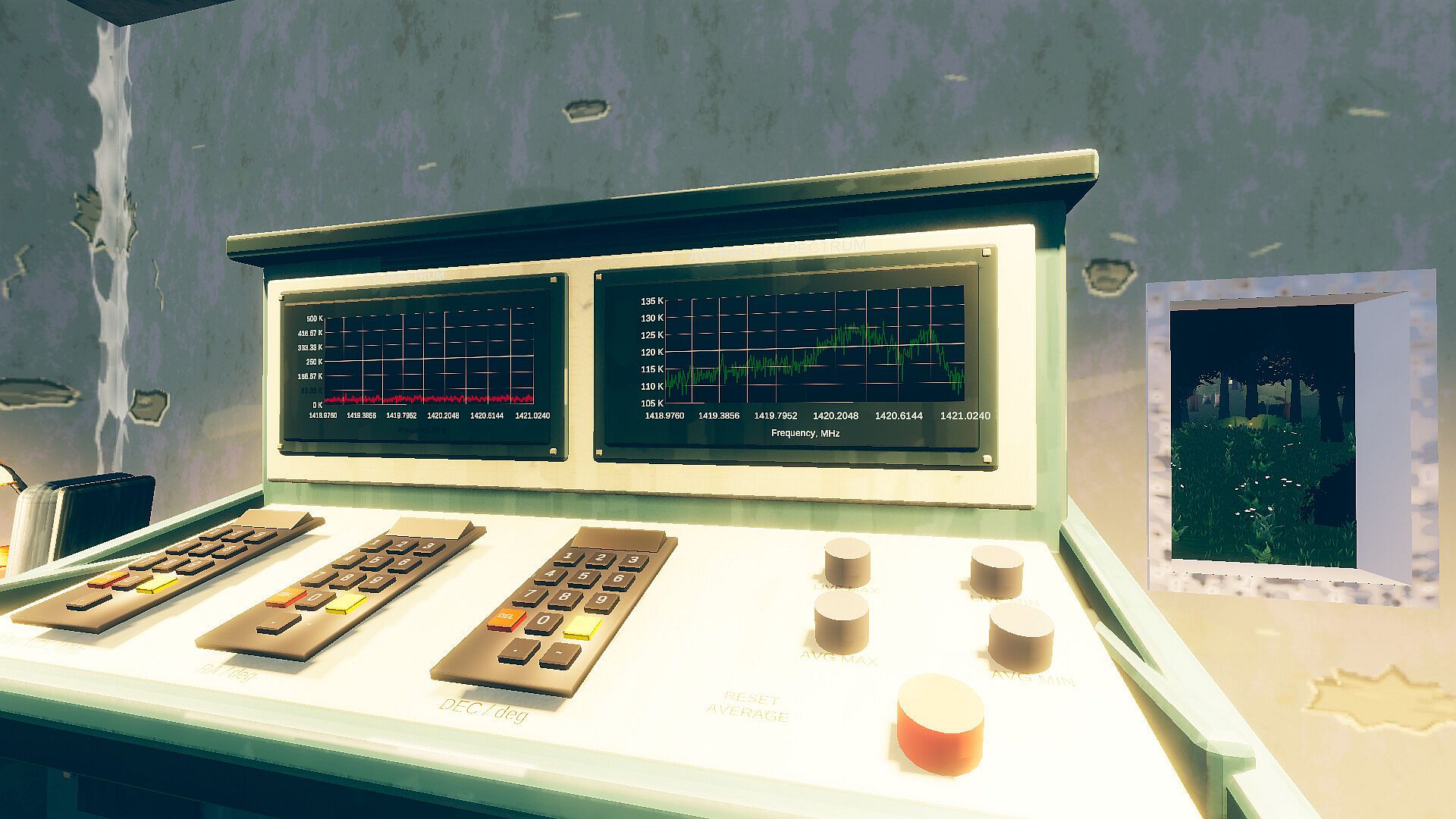
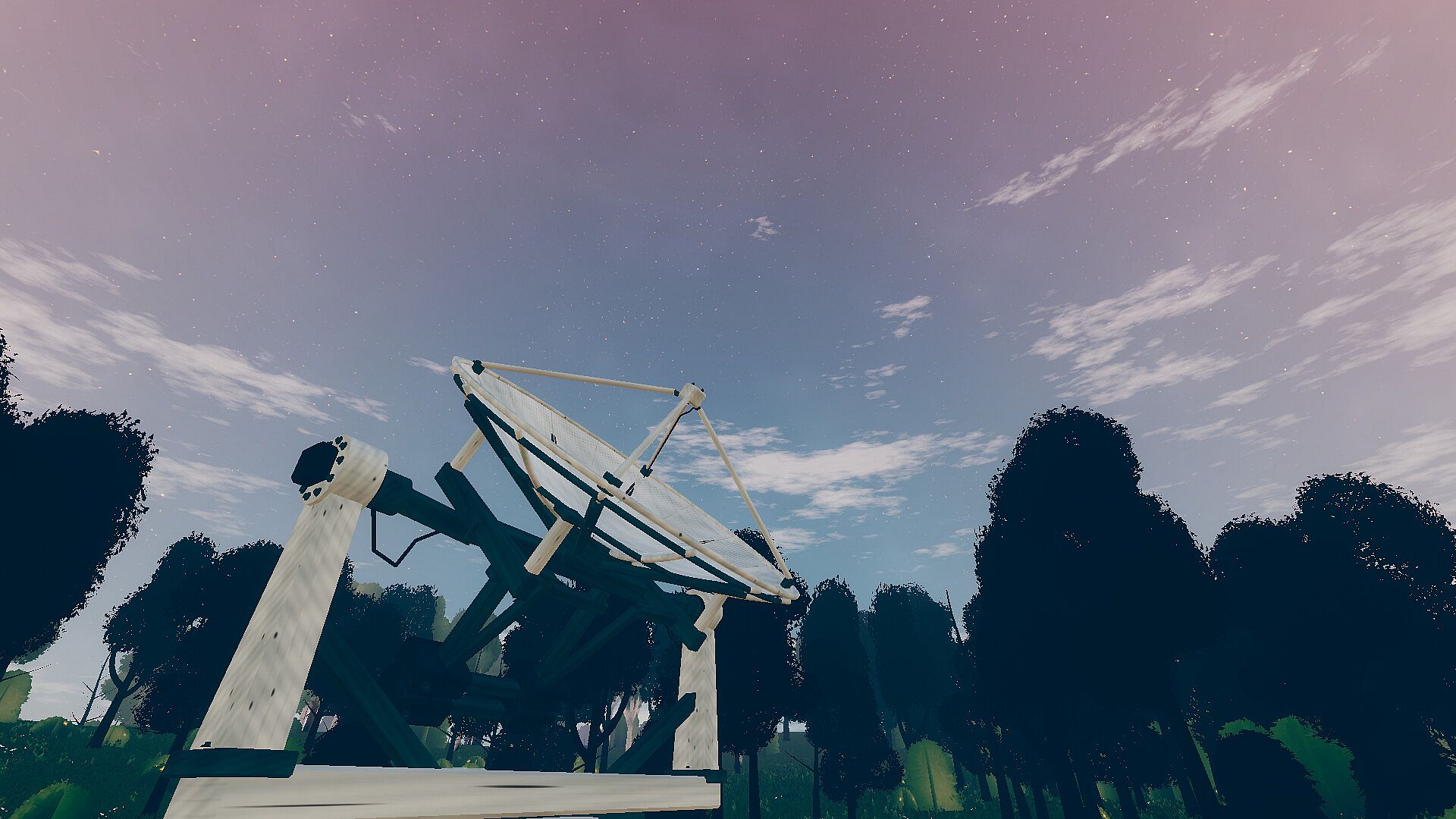
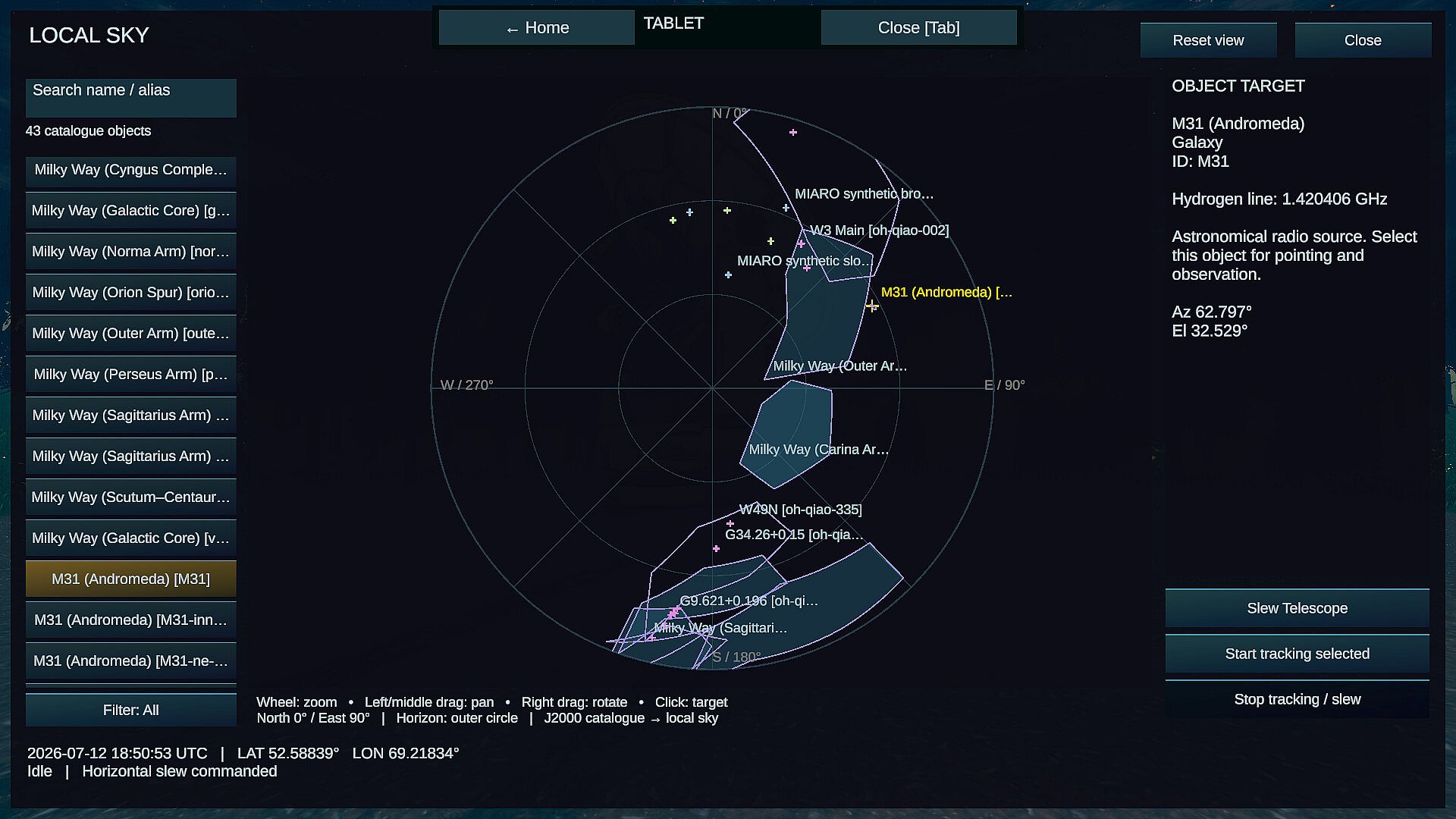
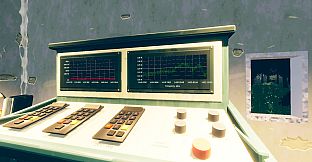
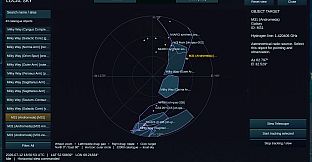
Players begin by establishing a basic observatory and gradually expand it through component selection and placement. Antenna sizes, receivers, feeds, amplifiers, and filters each influence observation quality, requiring careful matching to target objects and conditions. Once set up, telescopes are directed at the sky to capture data from molecular lines in interstellar clouds, periodic pulses from pulsars, and emissions from distant deep space objects. Signal processing forms the heart of daily work, where raw spectra arrive filled with noise. Techniques such as averaging multiple scans, baseline correction, and signal-to-noise improvement help isolate genuine astronomical features from interference. Progress comes through completing observation tasks that reward better equipment and expanded capabilities, creating a steady loop of construction, calibration, and discovery.
Game Modes
The game operates as a single-player simulation without separate competitive or cooperative modes. All activity centers on observatory development and scientific observation tasks. Players manage equipment upgrades while pursuing a variety of celestial targets, each demanding specific configurations and data-handling steps. The focus remains on methodical exploration of the radio spectrum rather than narrative branches or multiplayer elements.
Key Mechanics and Systems
Equipment configuration stands out as the primary decision point. Different antenna diameters and receiver setups alter sensitivity and frequency coverage, directly affecting what signals can be detected. Observation sessions involve pointing instruments, collecting spectra, and applying processing steps to reveal hidden details. The simulation emphasizes realism in how weak cosmic signals interact with noise, encouraging repeated measurements and adjustments. As the observatory grows, new instruments unlock access to additional object types and more precise analysis tools.
Target Audience and Experience
This title appeals to players interested in science-based simulations and slow-paced management rather than action or fast reflexes. Sessions involve planning equipment layouts, interpreting spectral data, and refining techniques over time. The absence of combat or time pressure allows focus on the technical satisfaction of turning noisy readings into clear detections. Visuals and interface prioritize functional clarity over spectacle, aligning with the educational tone set by the developer's background in radio astronomy.
Is It Worth Playing?
The game suits enthusiasts of realistic science simulations who enjoy building systems and interpreting data. Its strength lies in the detailed modeling of radio telescope operation and signal extraction, offering a niche experience not commonly found in other titles. With no player reviews or update history available yet, expectations should center on the core loop of construction and observation described in the official materials. Those drawn to methodical, knowledge-driven gameplay will find the most value, while players seeking varied modes or rapid progression may prefer other options in the indie simulation genre.











