




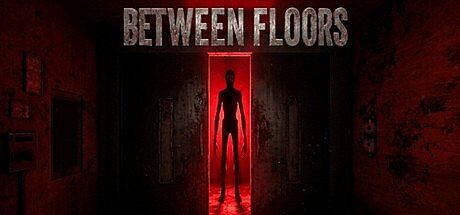


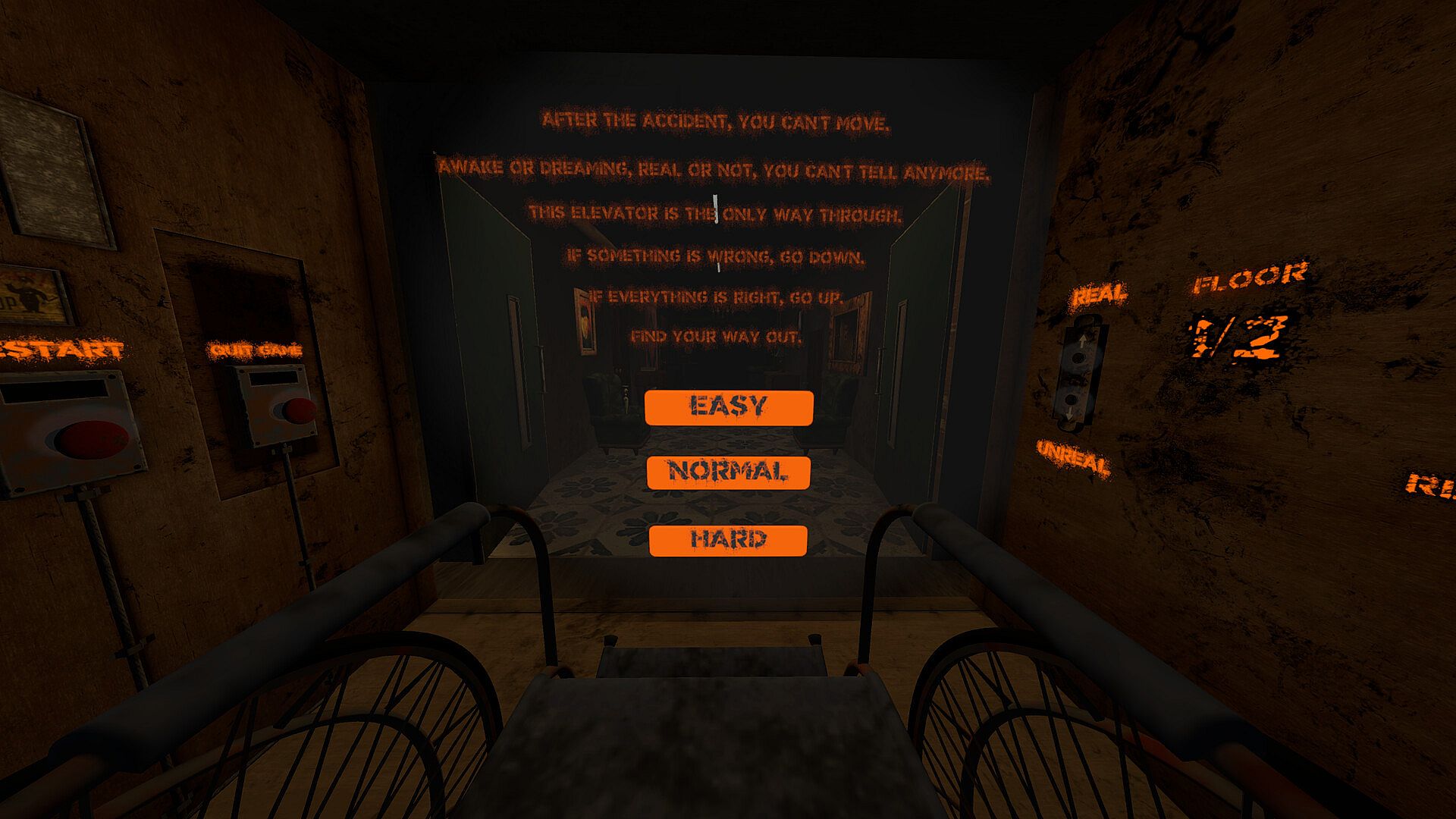
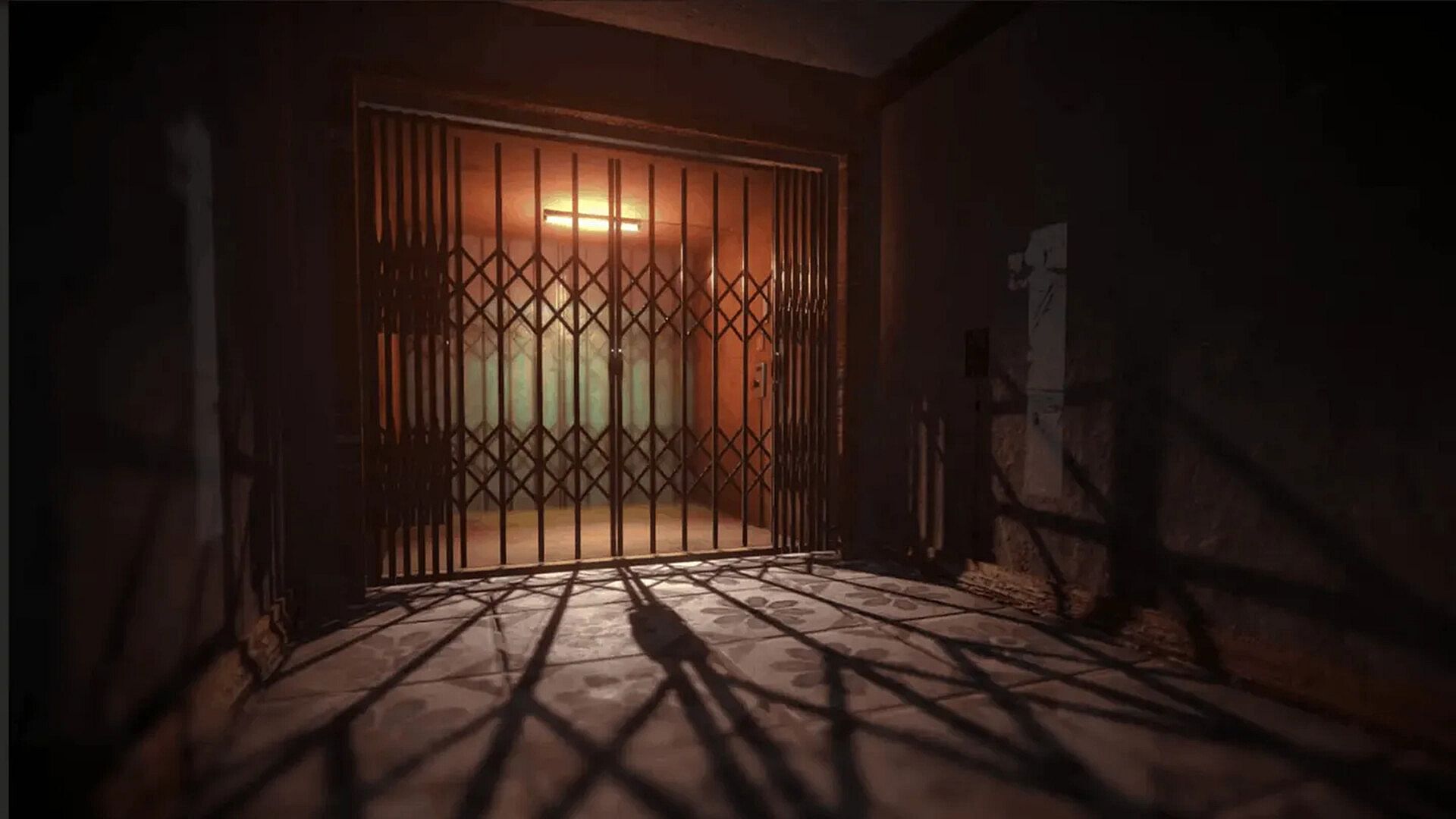

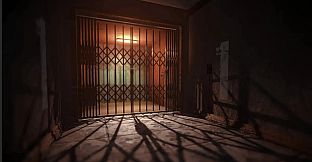
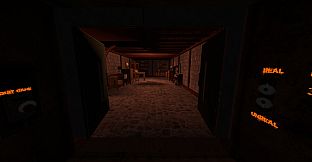
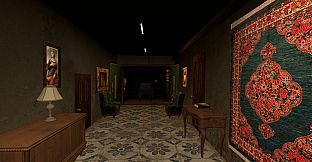

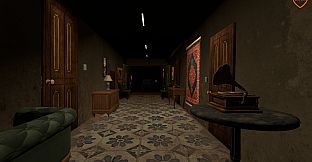
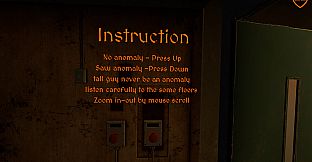
Between Floors is a single-player psychological puzzle game that places players in a wheelchair inside a looping elevator. The core experience revolves around careful observation of corridors and passengers to decide whether to ascend or descend, all while avoiding a pursuing tall figure. Genres listed for the title include action, indie, RPG, simulation, and adventure elements, though the gameplay centers on tension built through pattern recognition and quick decisions rather than combat or character progression systems.
Gameplay
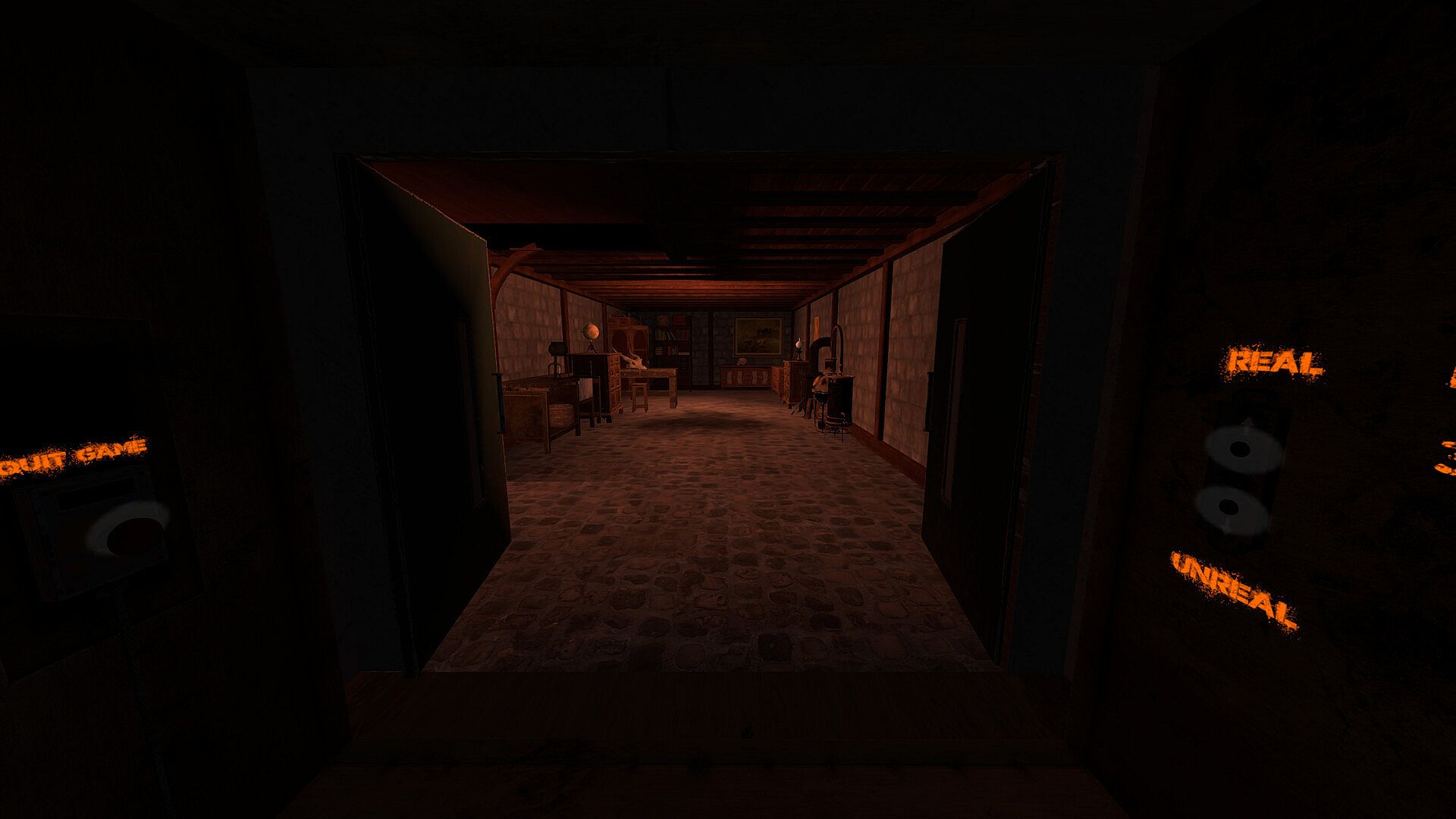
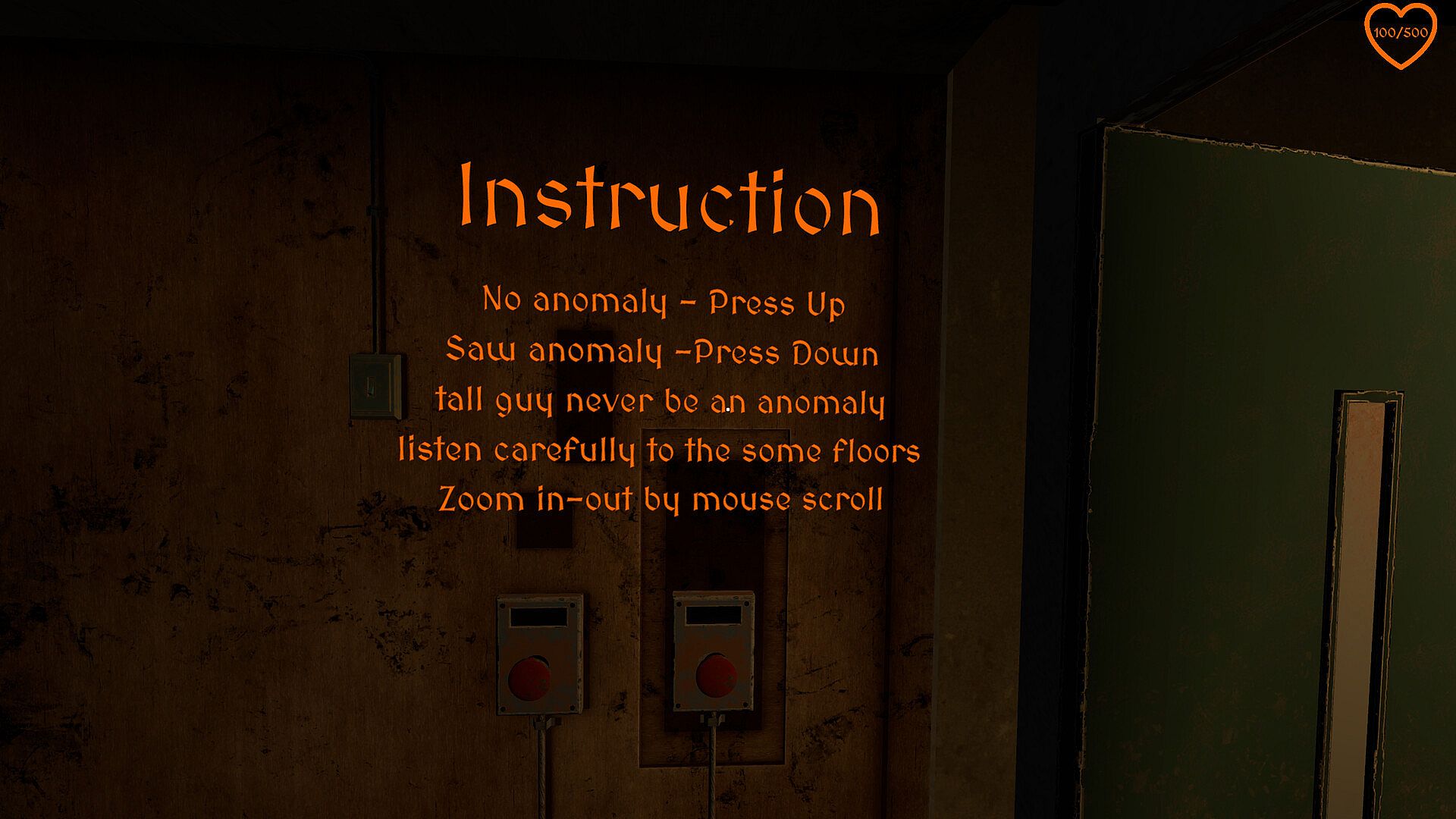
The gameplay loop begins each time the elevator doors open onto a new corridor. Players examine the scene for any changes from previous stops. Spotting an anomaly means selecting the down option to reset progress slightly, while a normal appearance allows continued ascent. Checkpoints prevent total loss on errors, keeping runs viable across multiple attempts. The fixed wheelchair perspective keeps movement minimal and supports comfort during extended sessions.
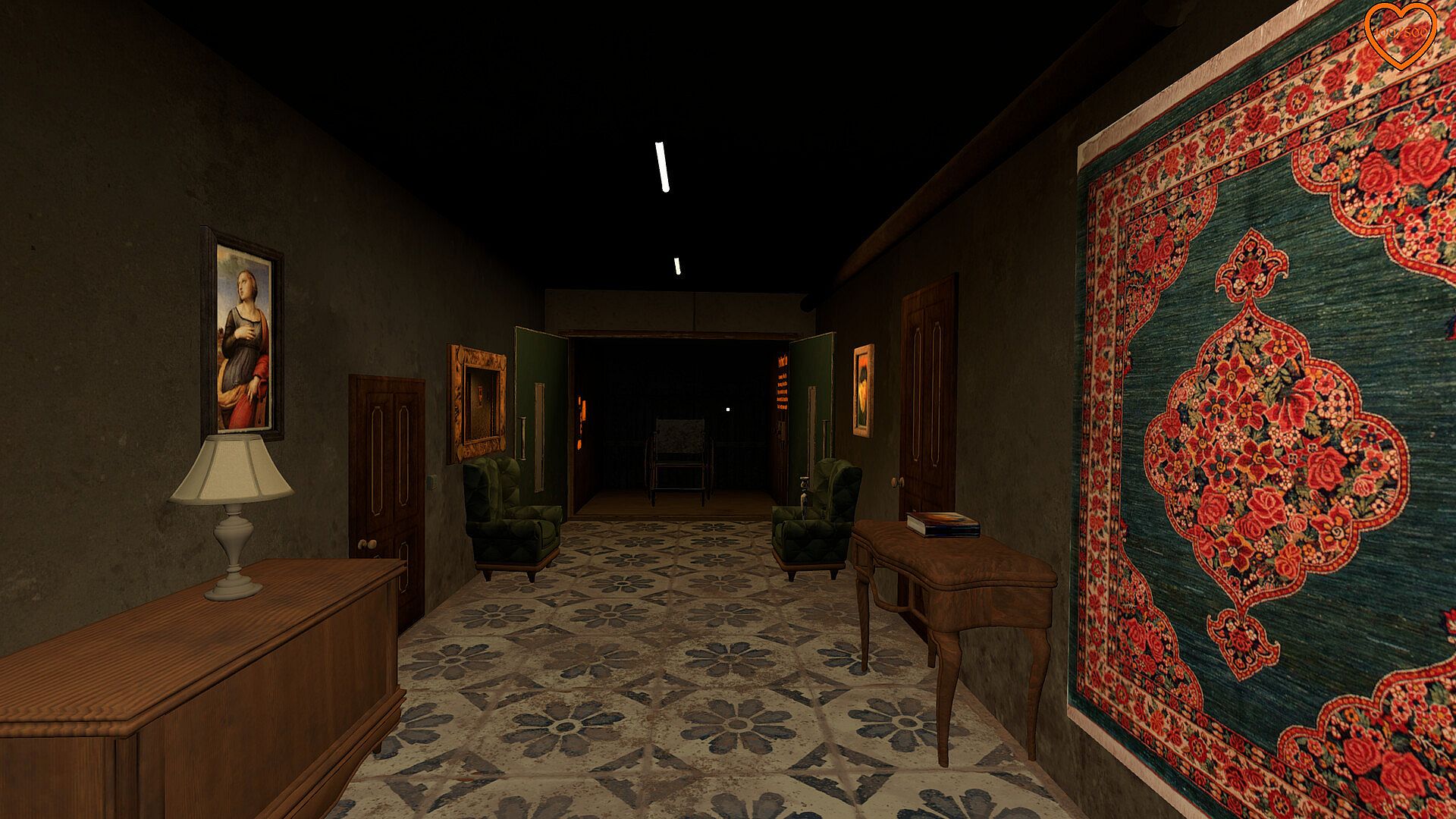
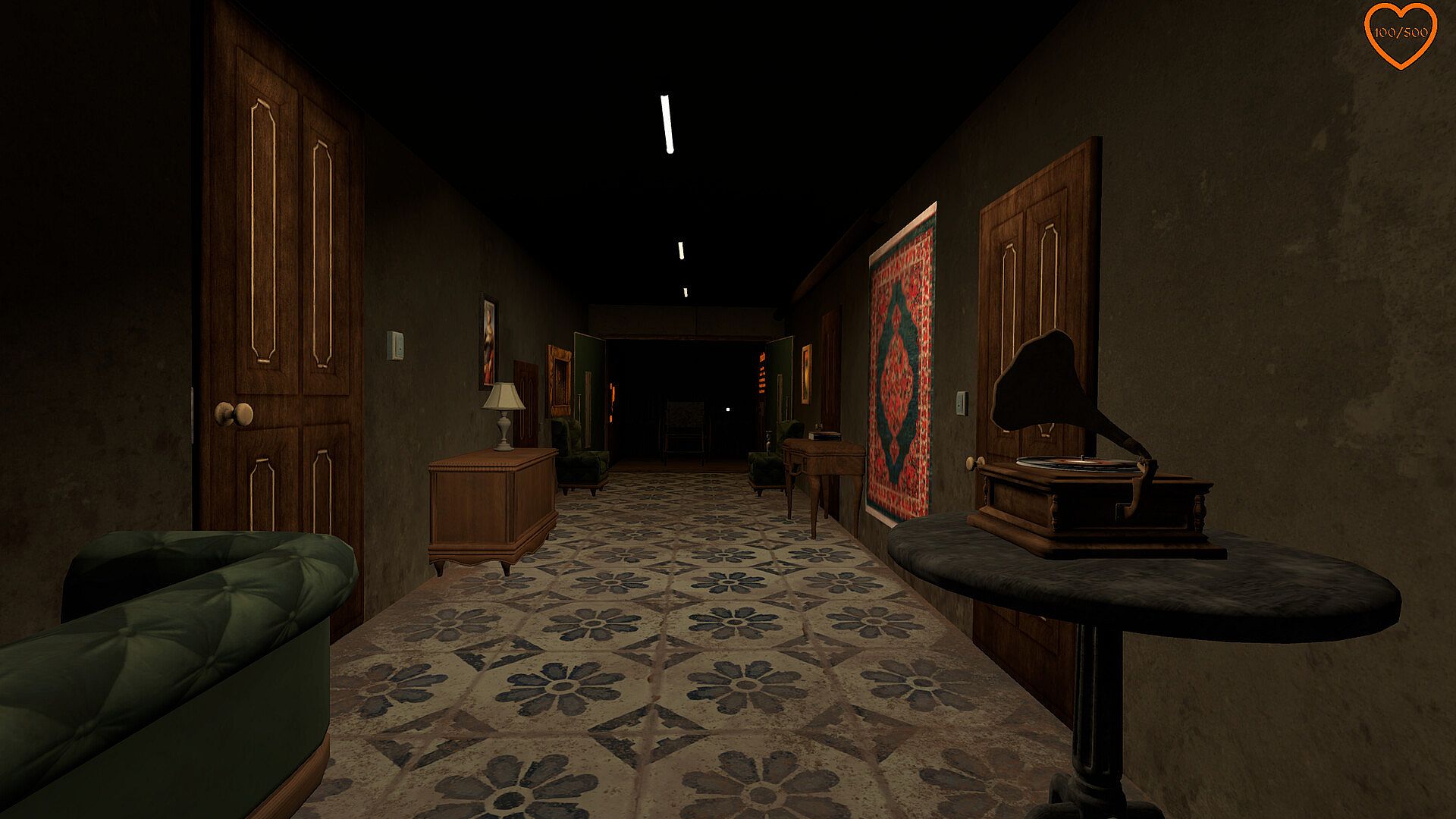
Subtle environmental shifts form the main challenge. Objects might relocate, lighting can behave oddly, or small details in the hallway may differ. Later floors introduce passengers who enter the elevator. Comparing details on a monitor against the person standing nearby reveals whether they match expectations or represent something else. Randomized placement of these elements across runs encourages repeated play to build familiarity with possible variations while maintaining uncertainty.
Stress management becomes relevant as the sequence lengthens and anomalies grow more intricate. Dozens of hand-crafted anomalies increase difficulty gradually, testing memory and attention without relying on sudden startling events. The tall figure remains a constant background presence that advances the sense of pursuit but does not serve as the primary anomaly to detect.
Game Modes
The game operates entirely in a single-player format focused on the elevator ascent challenge. No separate multiplayer or co-op options exist. Replayability stems from randomized anomaly locations and event variations that alter each attempt. Players can revisit earlier sections through checkpoints to refine observation skills or attempt longer successful runs toward the upper floors.
The structure emphasizes one continuous experience rather than distinct named modes. Runs build toward reaching the top floor, with failure sending progress backward but preserving the ability to continue from saved points. This design supports both short practice sessions and longer focused attempts to complete the building.
Key Mechanics and Atmosphere
Observation forms the foundation, requiring players to compare current views against remembered previous ones. Environmental anomalies range from minor object displacements to broader inconsistencies in the corridor layout. Passenger encounters add a layer of verification through displayed information versus visible traits.
The atmosphere stays psychological throughout. Sound design and visual cues heighten tension during decision moments without jump scares. The wheelchair viewpoint reinforces isolation and limited mobility, aligning with the trapped premise. Randomized elements ensure that even familiar floors can present new surprises on subsequent runs.
Is It Worth Playing?
Between Floors suits players who enjoy deliberate observation games and psychological tension built on small details. The elevator loop provides a contained yet escalating challenge that rewards careful attention and memory. Early feedback highlights the clever core concept and comfort-focused VR design as strengths for those seeking low-motion experiences.
Support appears active following the August 2026 release, with the title positioned as an early access or recently launched experience. Availability centers on VR platforms where the fixed perspective and anomaly spotting shine. Fans of similar anomaly detection titles will find a focused, replayable loop here, while those preferring action-heavy or story-driven adventures may find the pace more measured. The absence of cheap scares and emphasis on pattern recognition make it a solid choice for short to medium sessions focused on skill improvement.











