


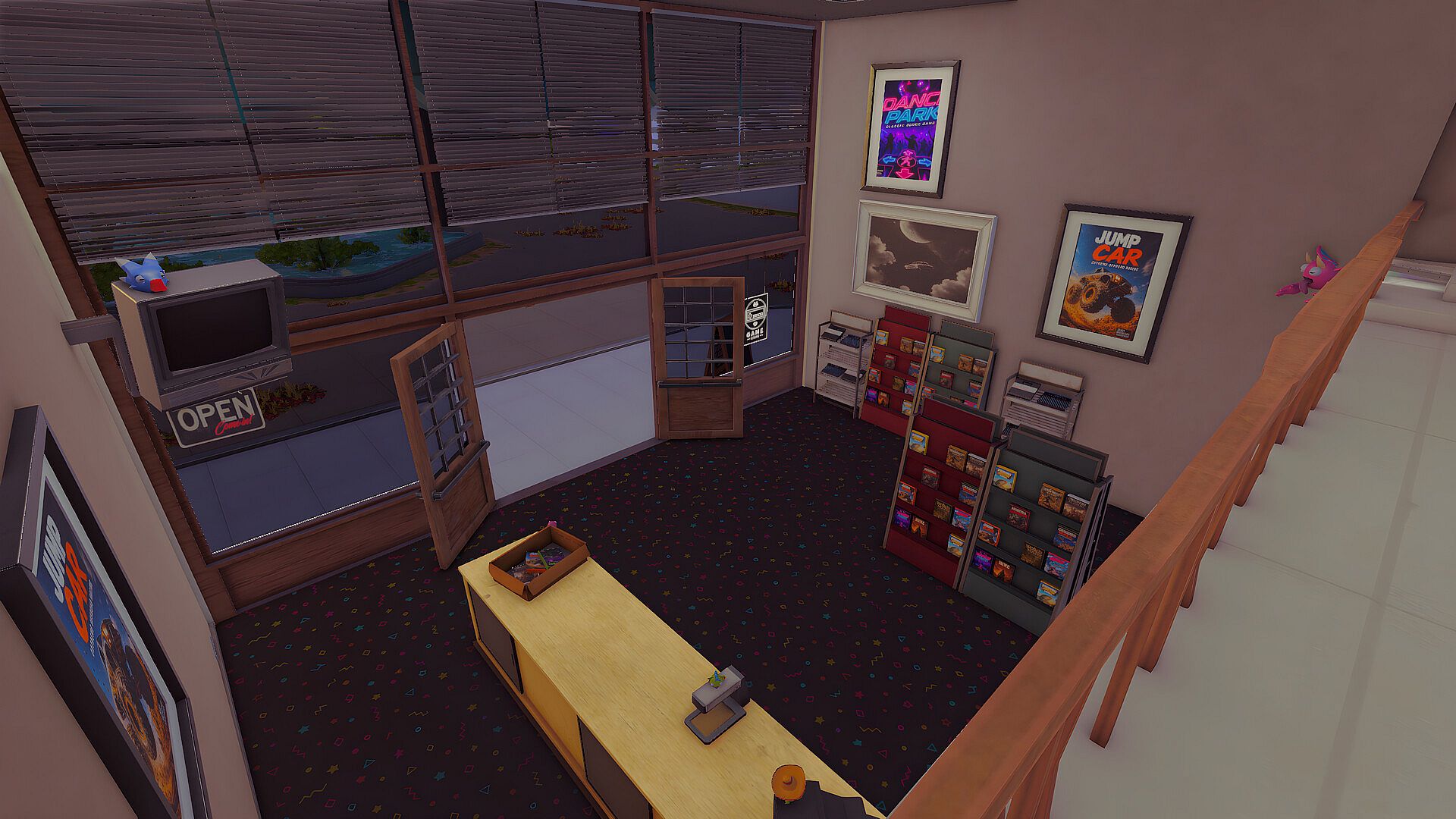
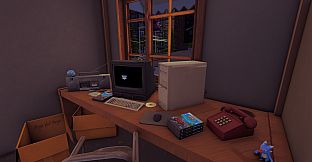
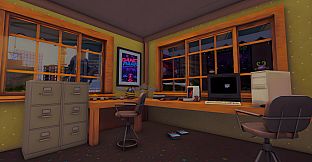
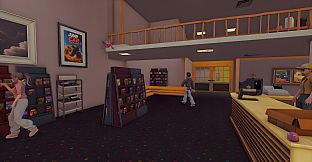

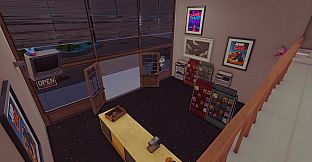
Arcade Vault Manager : Game Sell Simulator is a simulation game focused on building and operating a retro game store from the ground up. Players start with an empty space and gradually transform it into a personalized retail destination through careful layout planning, stock management, and business decisions.
Gameplay
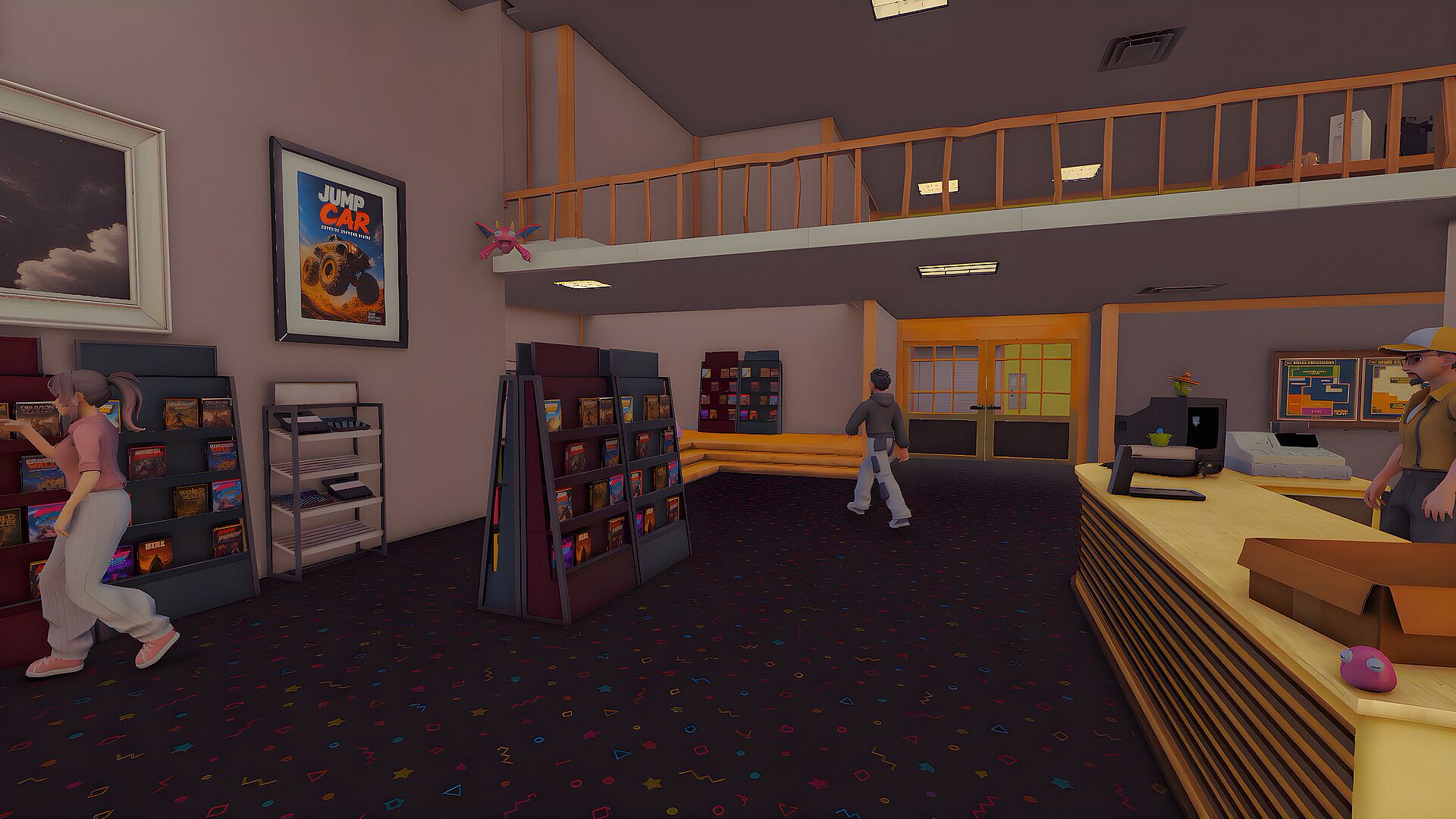
The core loop centers on shop management in a single-player setting. Players place shelves and displays to create functional customer flow while adding personal style to every area. Stock comes from purchases of new and second-hand games and consoles, where each item requires inspection for condition, value estimation, and pricing decisions that balance fast turnover against maximum profit.
Market awareness plays a key role. Demand shifts with new releases and console generations, requiring players to decide which items to sell immediately, hold for potential value growth, or pass on entirely. Certain products reveal themselves as rare editions or collectible hardware upon close examination, adding layers to inventory choices as older items transition from everyday stock to sought-after pieces of gaming history.
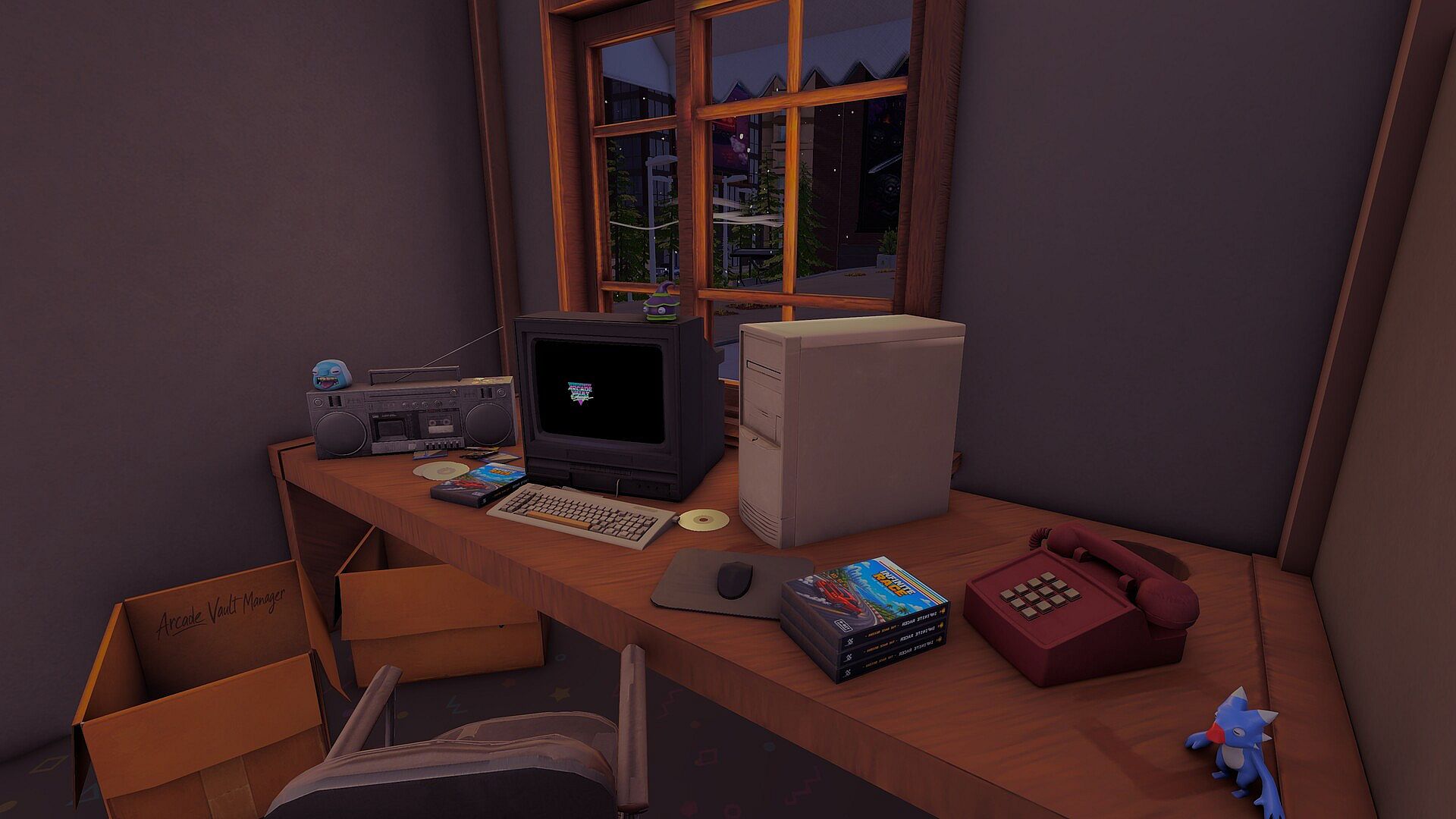
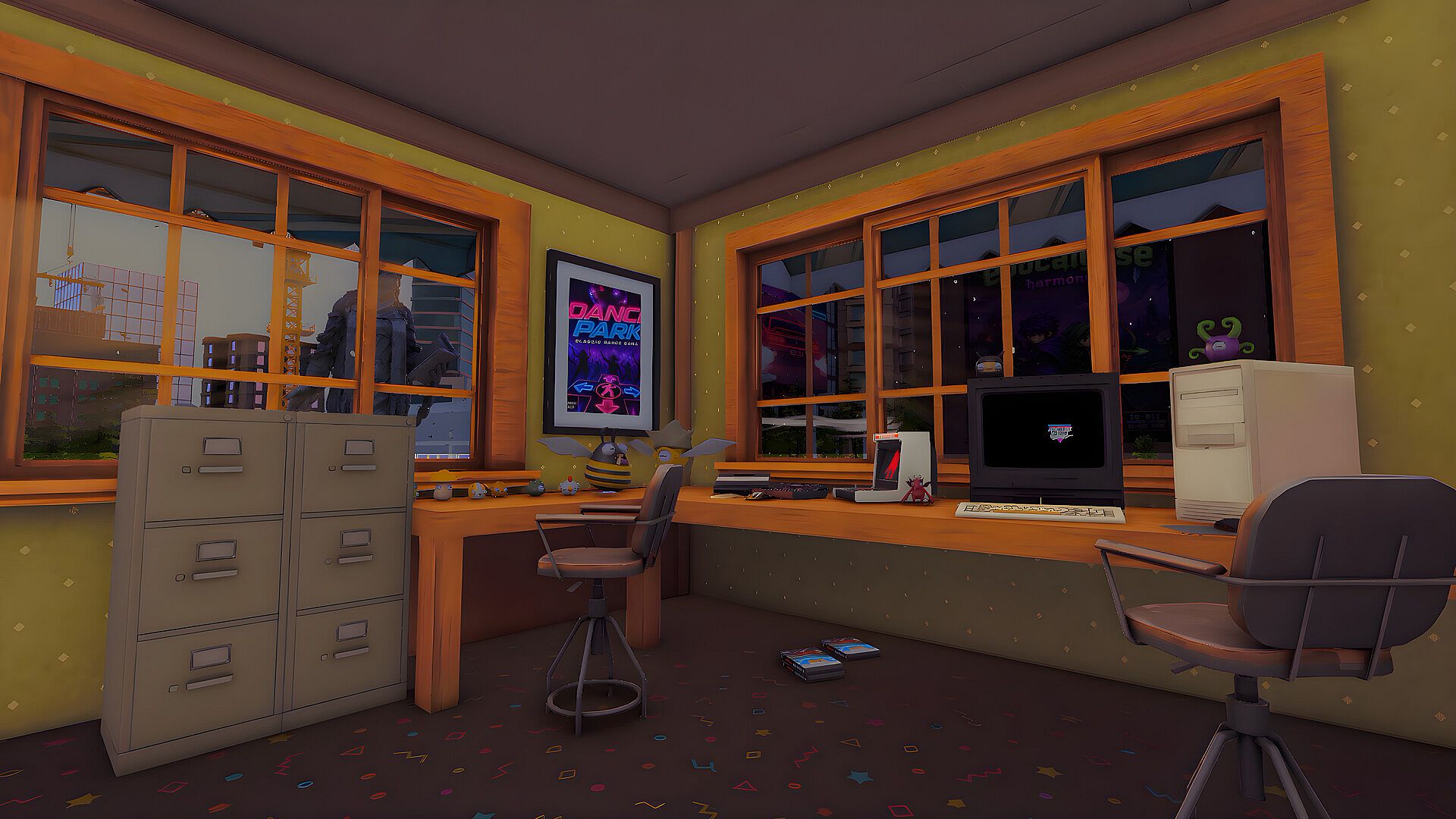
Profits fund store upgrades, new areas, expanded inventory options, and staff hires. Later progression opens a game development office where players assemble a team to create original titles sold through the retail location. The experience emphasizes steady daily operations over rapid expansion, with layout adjustments and pricing tweaks forming the bulk of hands-on activity.
Game Modes
The game operates as a continuous single-player simulation without separate named modes. Players manage the store day by day at their own pace, handling purchases, inspections, pricing, customer service, and long-term growth decisions within one unified experience. Progression occurs through business milestones such as area unlocks and staff additions rather than distinct campaign or competitive structures.
Progression and Business Growth
Early stages focus on basic organization and stock turnover in a modest space. As revenue accumulates, players unlock additional rooms, increase inventory variety, and bring on employees to handle routine tasks. Market trends continue to influence decisions, with console generations affecting both current sales and the collectible status of older hardware.
The development office phase extends the simulation into content creation. Players build a team and produce original games that integrate with the store's sales pipeline, creating a closed loop between retail operations and in-house production. This layer rewards consistent management with opportunities for higher margins on self-published titles.
Is It Worth Playing?
This title suits players who enjoy methodical shop management simulations with an emphasis on retro gaming themes. The gameplay rewards attention to detail in layout, pricing, and trend tracking while offering a relaxed pace without time pressure or combat elements. Those drawn to cozy business builders will find satisfaction in the steady progression from empty room to multi-faceted operation that includes both retail and development aspects. Availability on PC makes it accessible for extended sessions focused on customization and incremental improvements.