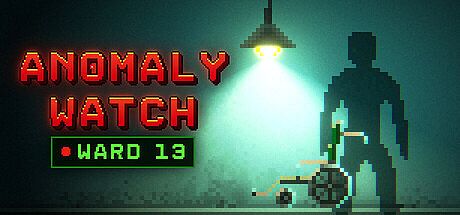


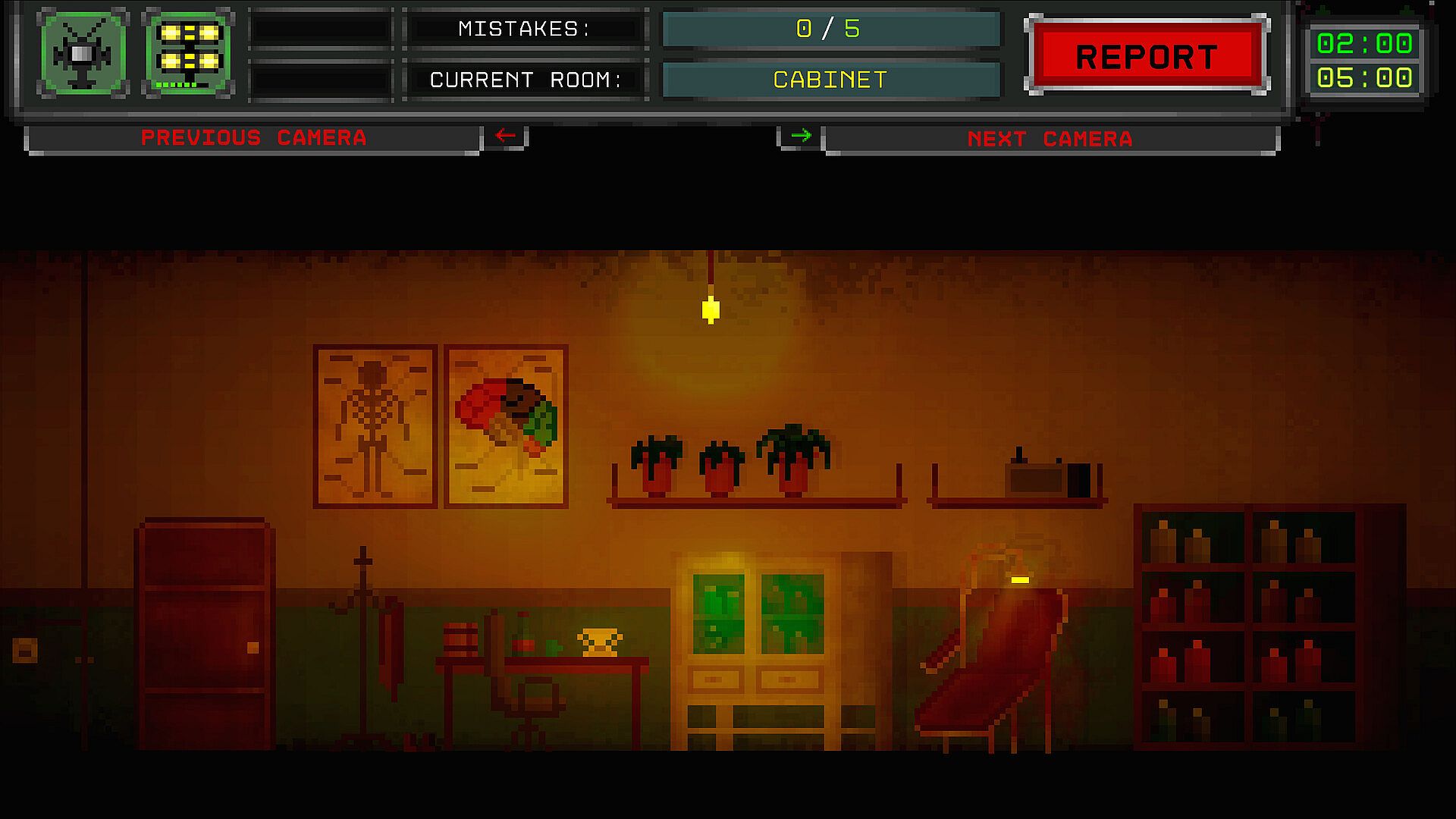

Anomaly Watch: Ward 13 is a single-player indie simulation game set during a tense night shift in an old hospital. Players monitor six security cameras from 10 PM to 5 AM, scanning for random anomalies that alter the environment in subtle or striking ways. The core loop centers on observation and quick reporting to prevent anomalies from accumulating and ending the shift prematurely. Every playthrough generates fresh changes, making repeated sessions feel distinct without relying on scripted events.
Gameplay
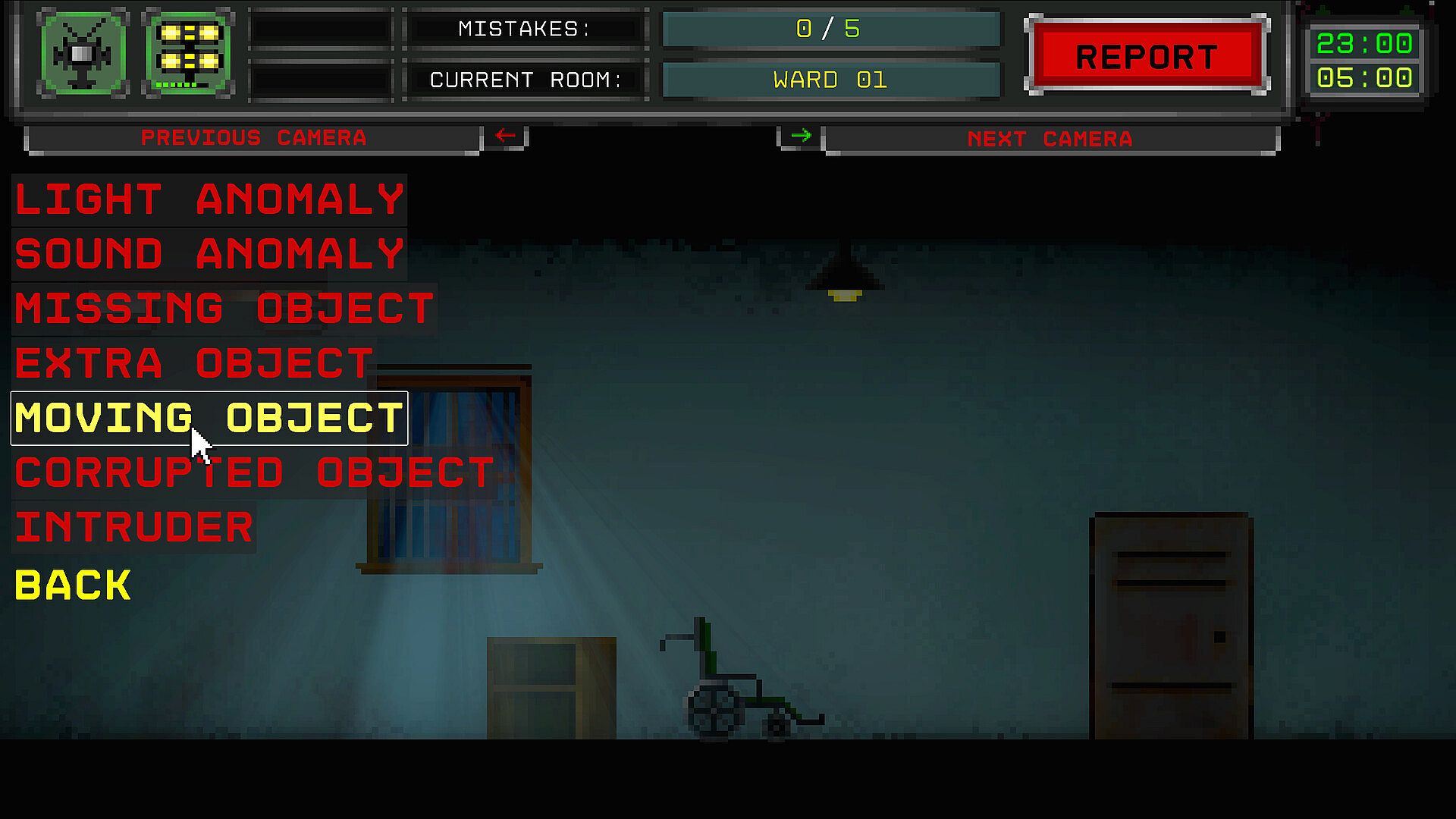
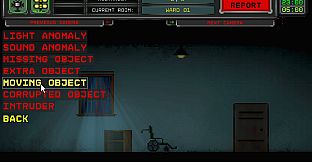
The experience revolves around vigilance across multiple camera feeds. A light might flicker or shift color, objects can vanish or relocate, and unexpected figures or sounds appear in empty spaces. Reporting an anomaly immediately keeps the situation under control, while missed changes allow problems to compound until survival becomes impossible. A flashlight helps illuminate darker areas on the feeds, and an EMF detector provides readings on anomaly density in specific rooms. Screen filters such as VHS, CRT monitor, security camera, and digital recorder alter the visual style for added atmosphere or challenge. The tutorial breaks down each anomaly category so new players learn the patterns before tackling full shifts.
Game Modes
Four difficulty levels adjust the pace and tolerance for errors. Lower settings introduce anomalies more slowly and allow more mistakes, suiting those new to the observation style. Higher settings accelerate anomaly appearance and reduce the margin for oversight, appealing to players seeking repeated pressure. Shifts remain single-player focused with no multiplayer components, emphasizing personal skill in pattern recognition and timely decisions. Procedural generation ensures no two nights unfold identically, supporting extended replay sessions across the difficulty options.
The Hospital at Night
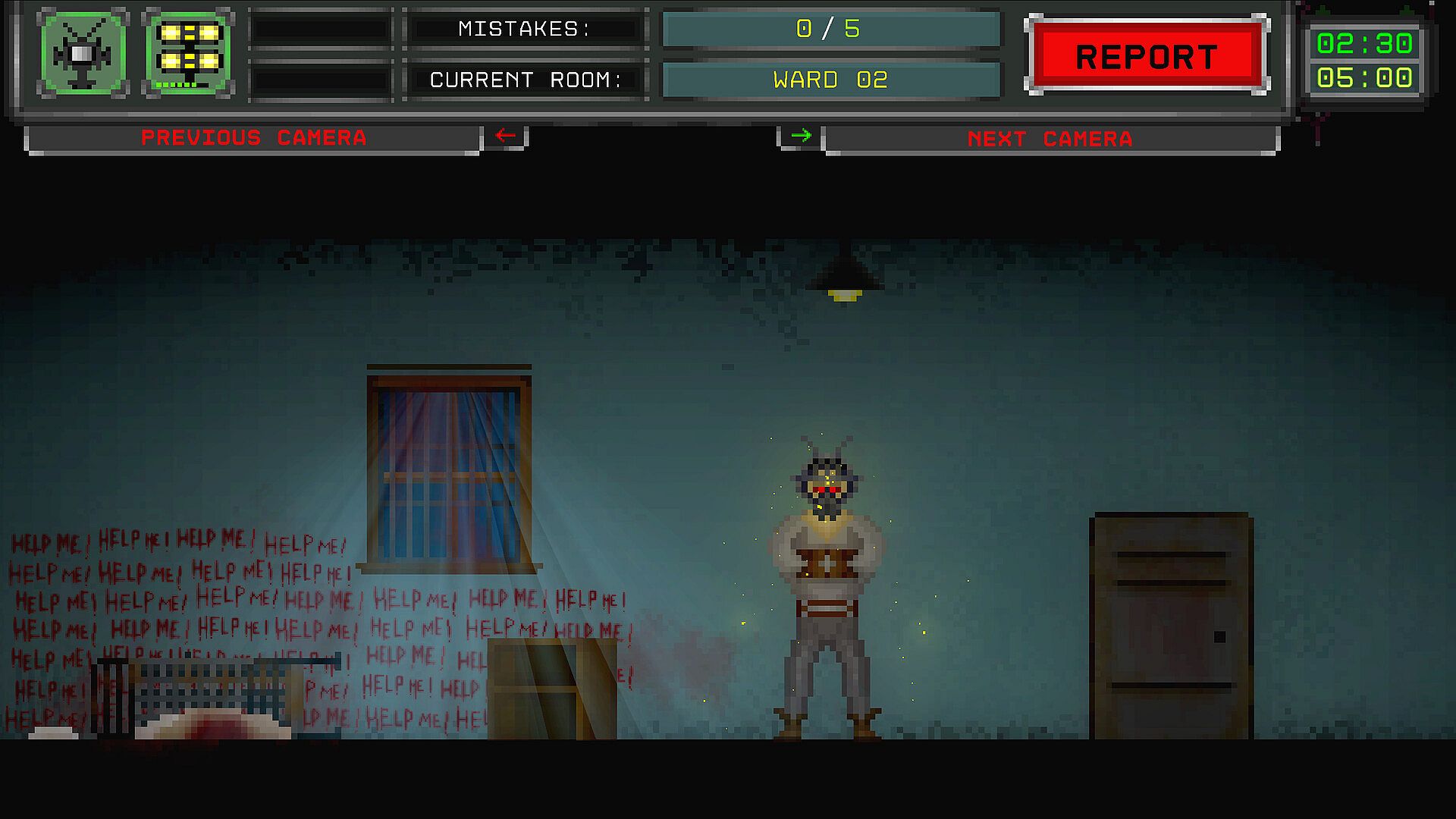
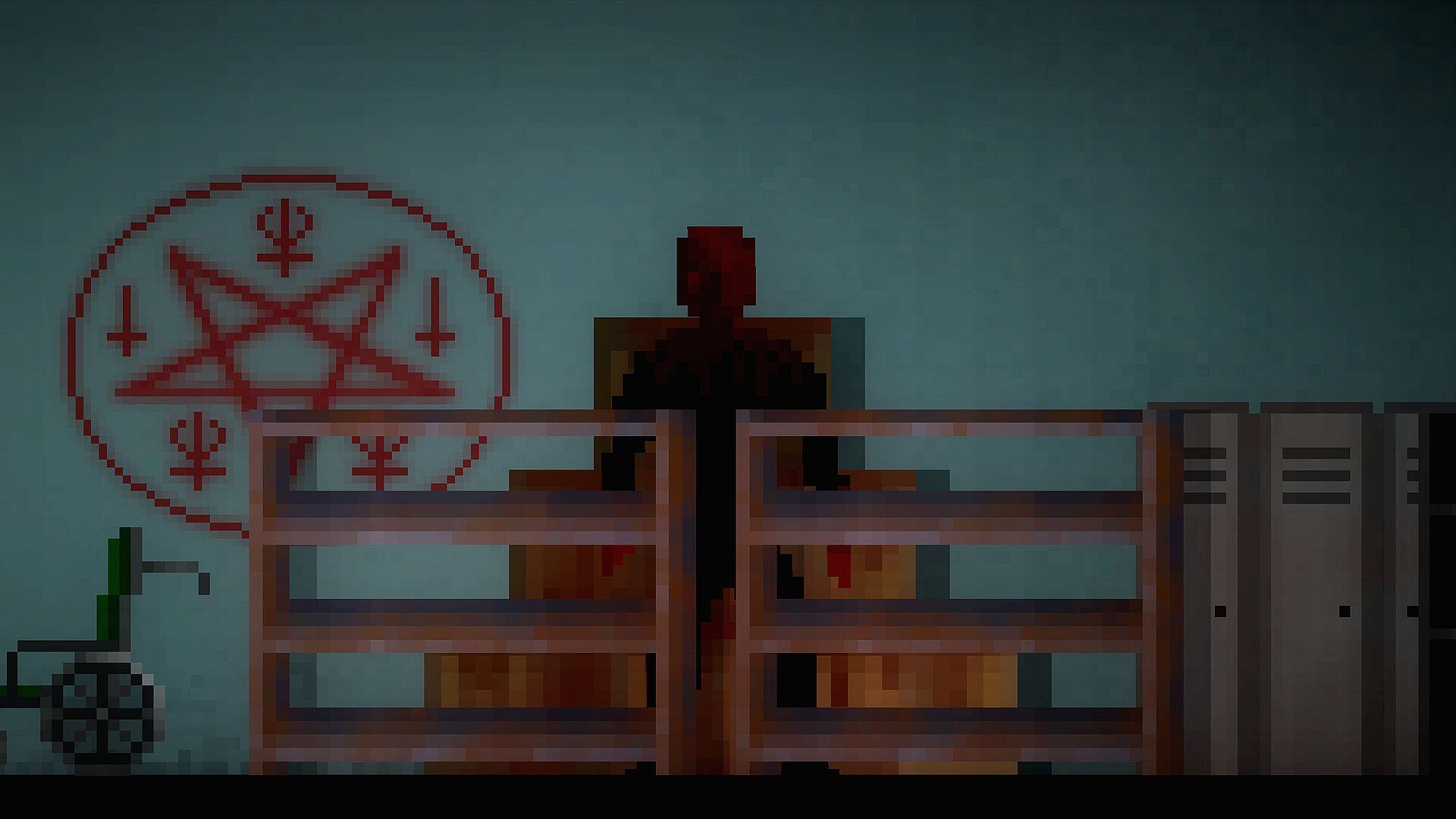
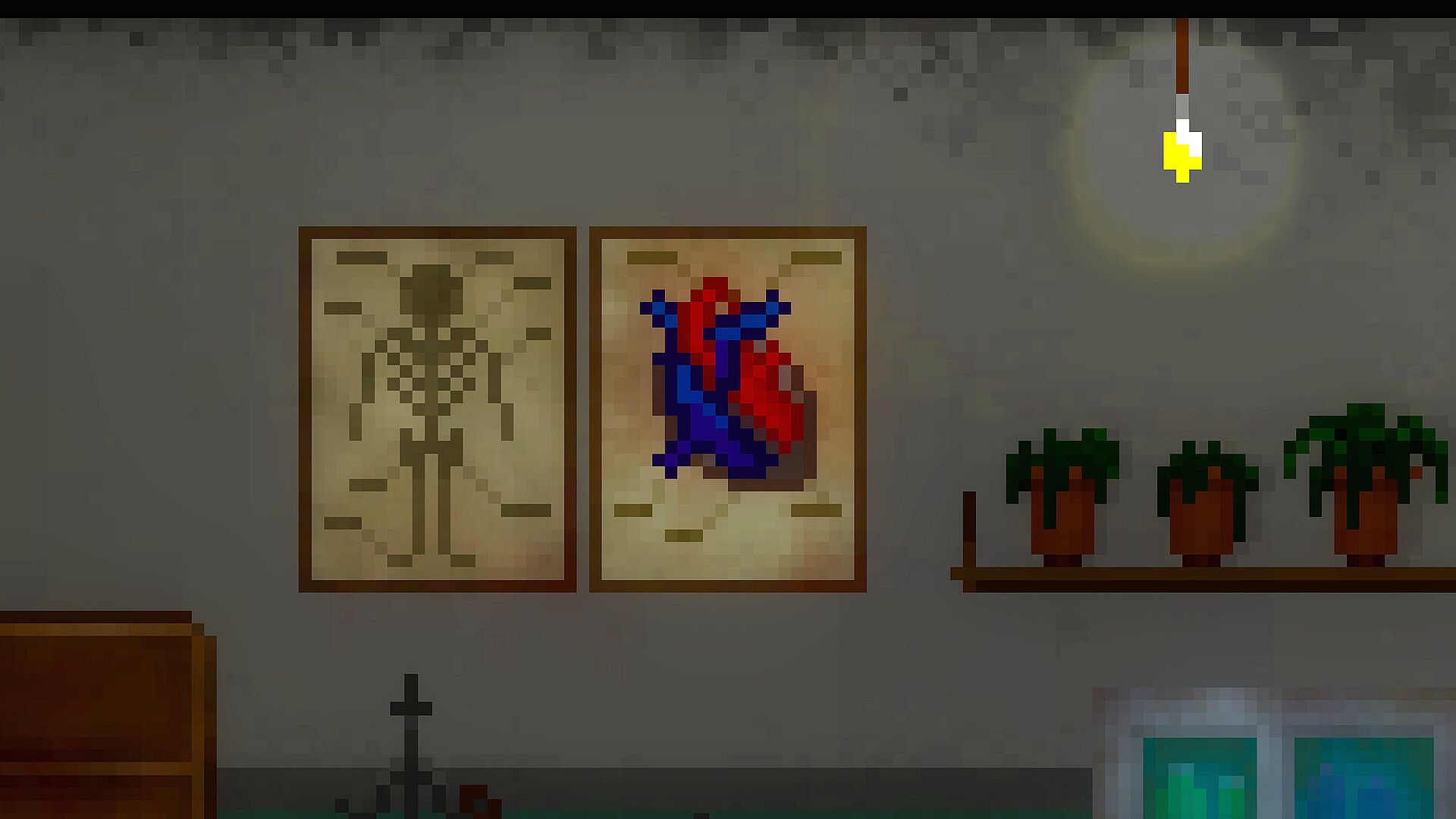
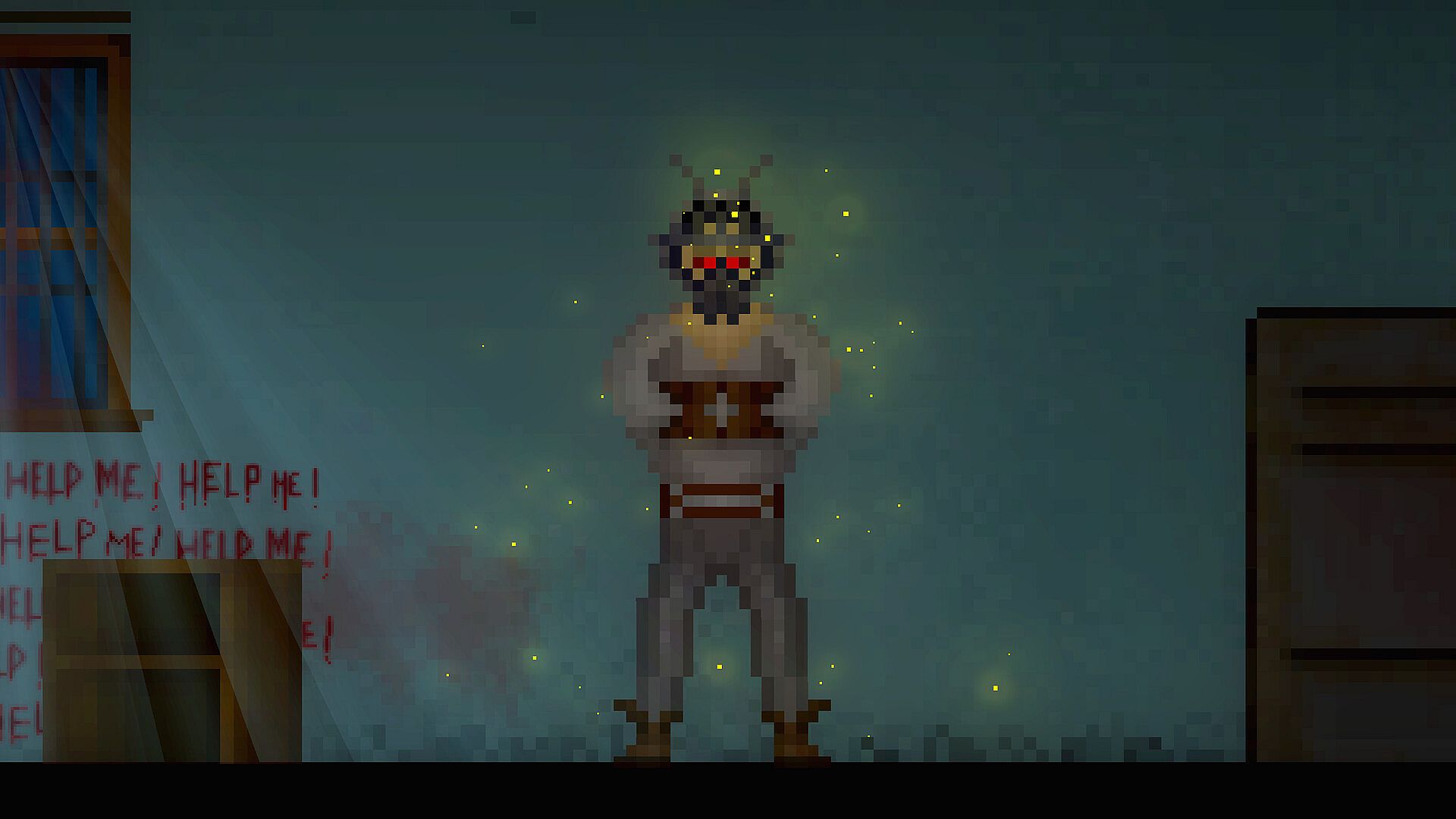
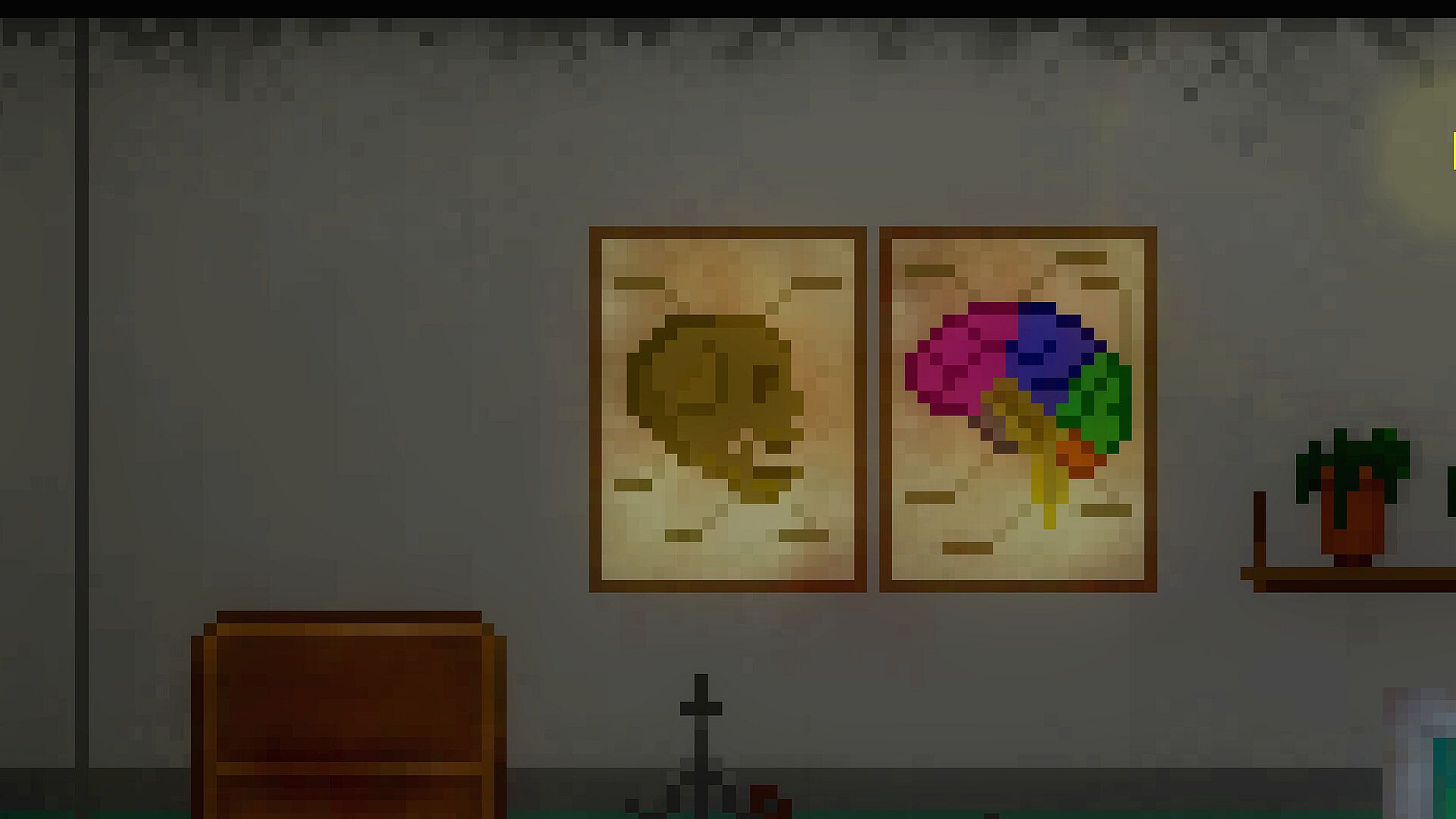
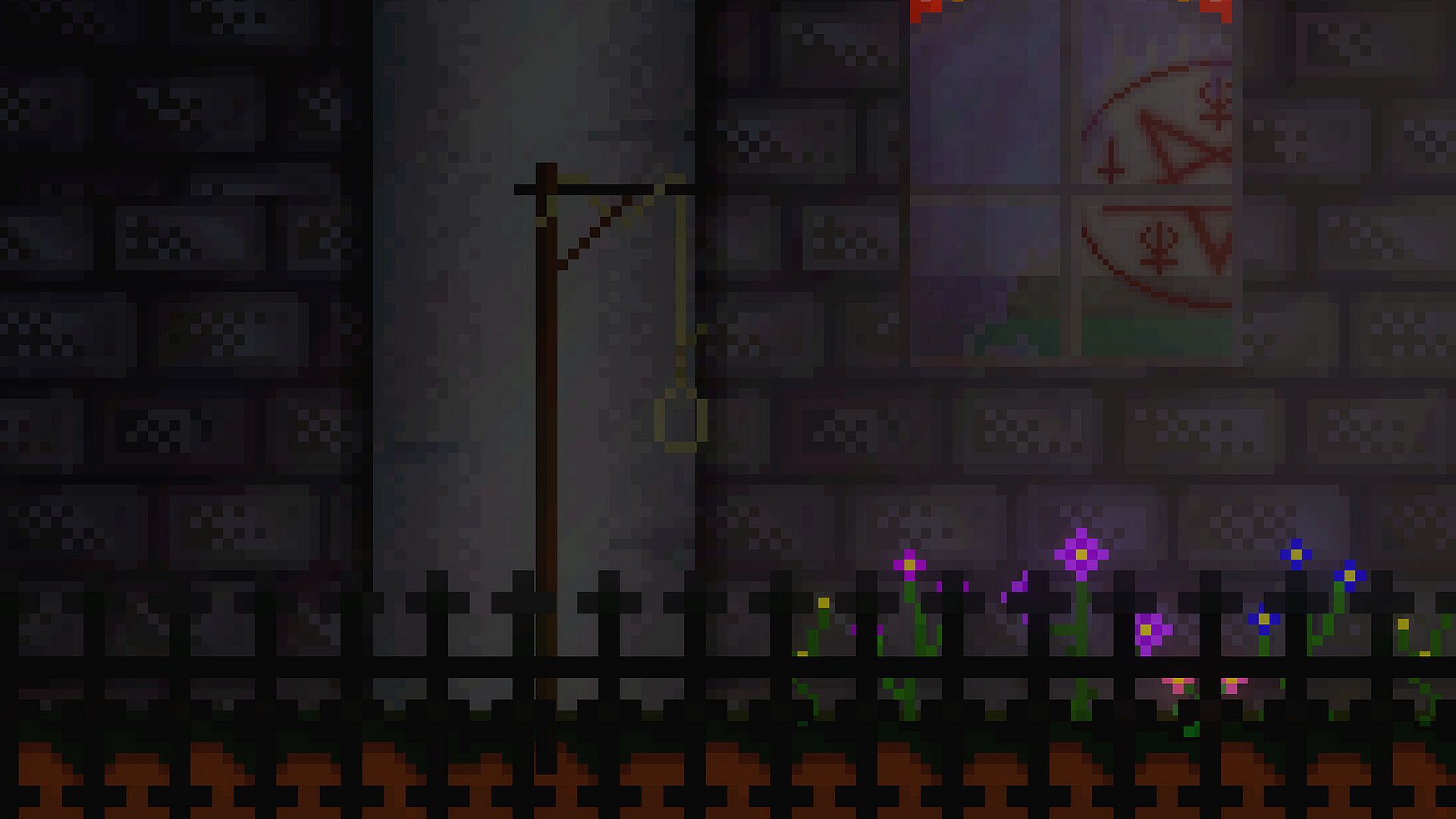
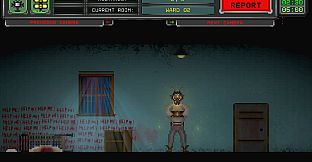
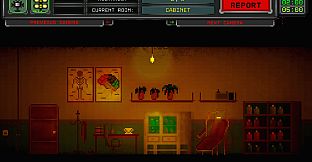
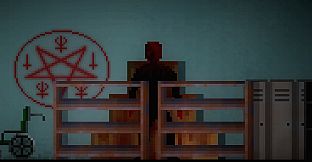
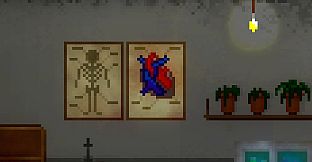
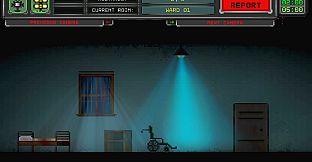
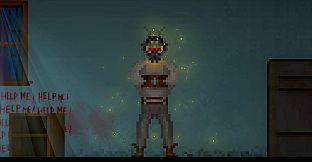
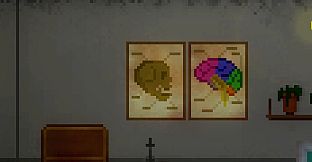
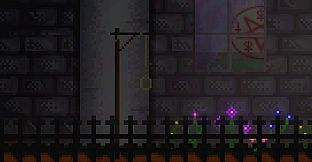
Ward 13 presents a quiet, empty facility that transforms through anomalies. Examples include a bed suspended upside down from the ceiling in Ward 01, a brain poster shifting into a heart image, or the cabinet light turning orange. In the stock room, a dark figure may stand behind shelves. Ward 02 features walls covered in "HELP ME" messages where a man in a straitjacket can suddenly materialize. These changes range from environmental swaps to the appearance of unauthorized presences, all detected solely through the camera system. The quiet baseline heightens the impact of each alteration.
Is It Worth Playing?
Anomaly Watch: Ward 13 suits players who enjoy deliberate, low-action simulation focused on attention to detail and short, repeatable sessions. The combination of camera monitoring, anomaly variety, and escalating difficulty creates a clear progression path from tutorial to expert runs. Casual and indie audiences interested in atmospheric observation games will find the mechanics accessible yet demanding on higher settings. The random anomaly system supports many playthroughs without repetition fatigue, and the included tools like the EMF detector add layers to decision-making. Those preferring fast-paced action or narrative-driven experiences may find the deliberate pace less engaging, while fans of spot-the-difference or security simulation titles have a strong match here.