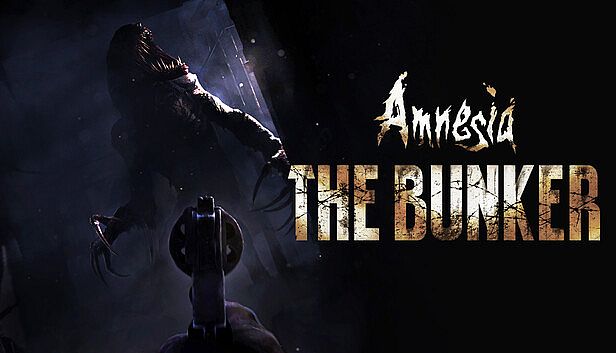



















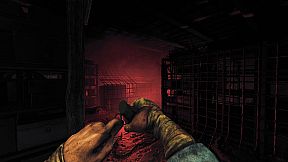
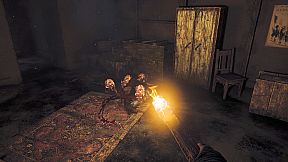
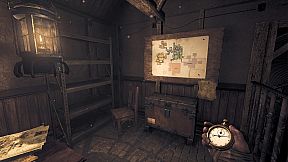
Amnesia: The Bunker è un survival horror in prima persona per un solo giocatore, sviluppato da Frictional Games. Il giocatore interpreta il soldato francese Henri Clément, intrappolato da solo in un bunker della Prima Guerra Mondiale dove le risorse scarseggiano e una minaccia costante è sempre in agguato. Il gioco ruota attorno alla gestione delle scorte limitate, all'esplorazione di ambienti collegati tra loro e alla fuga da un luogo che punisce ogni rumore e ogni zona buia.
Gameplay
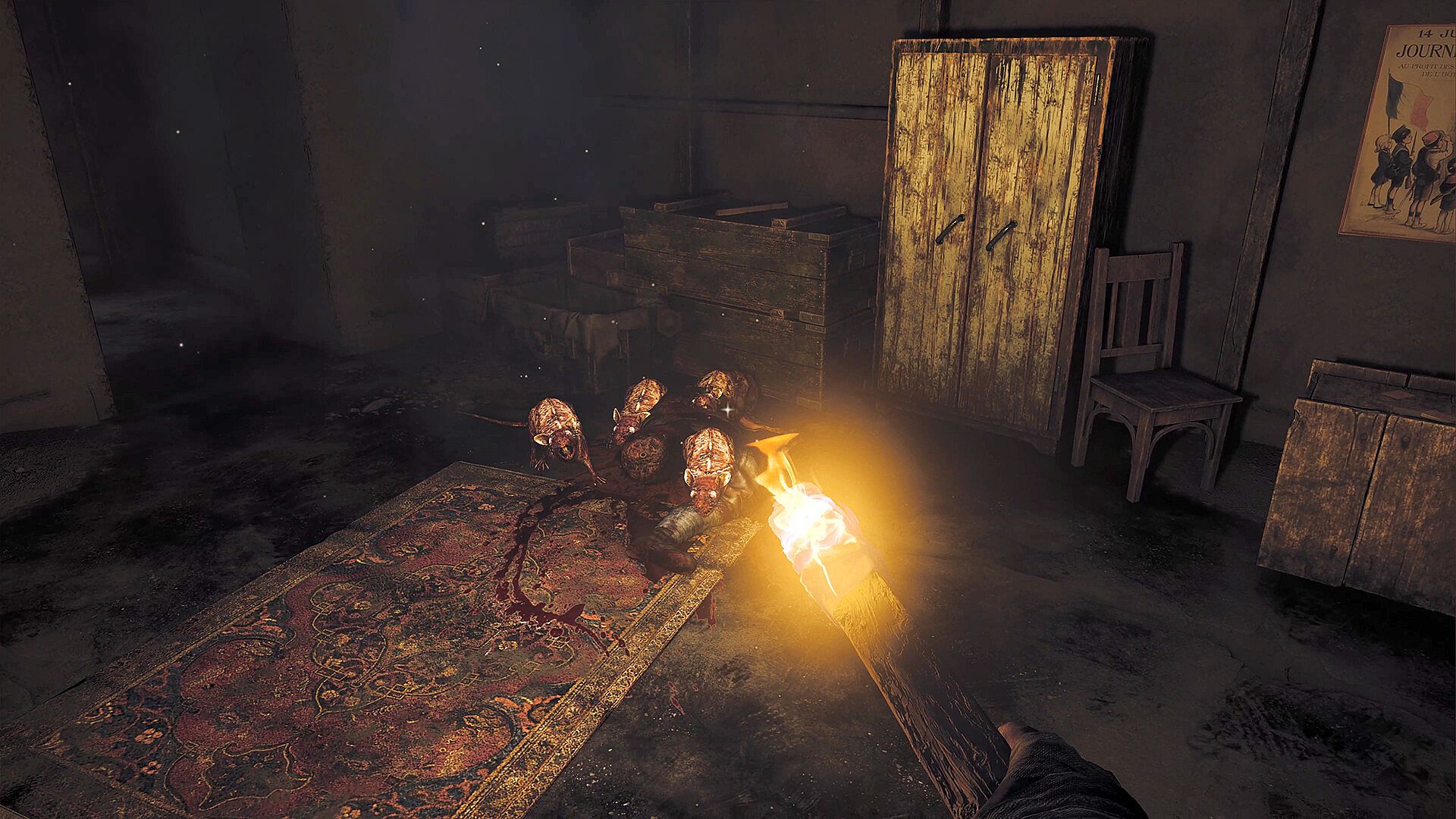
Il ciclo di gioco si basa su esplorazione, recupero di risorse e scelte ponderate all'interno di un bunker semiaperto. Al centro c'è un generatore che alimenta le luci delle varie sezioni; il carburante va recuperato e aggiunto regolarmente per tenere accese le lampade, perché il mostro predilige il buio e diventa più aggressivo quando manca la corrente. La torcia a dinamo permette di vedere, ma emette un suono che può attirare attenzioni indesiderate, costringendo il giocatore a bilanciare visibilità e furtività.
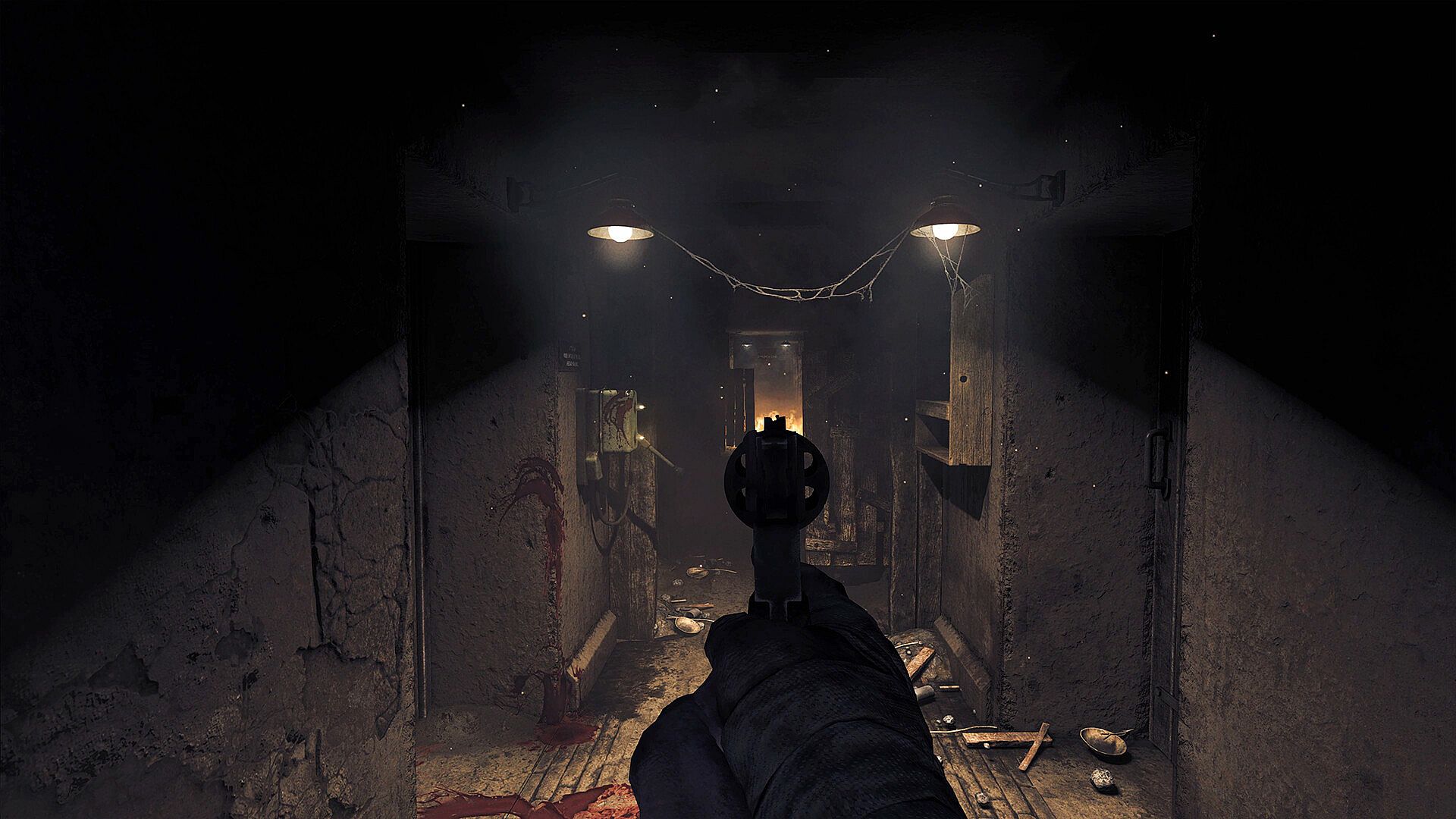
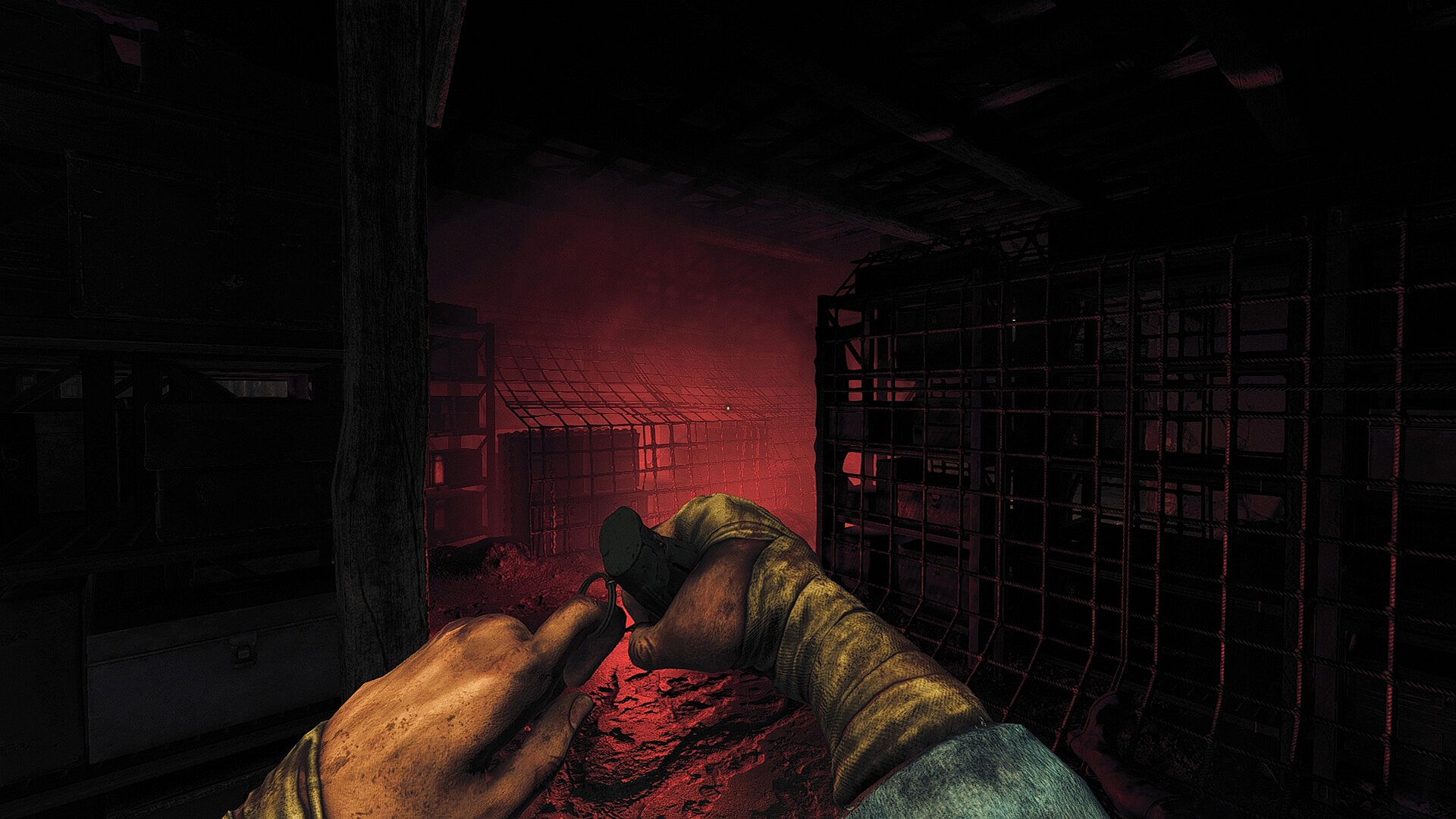
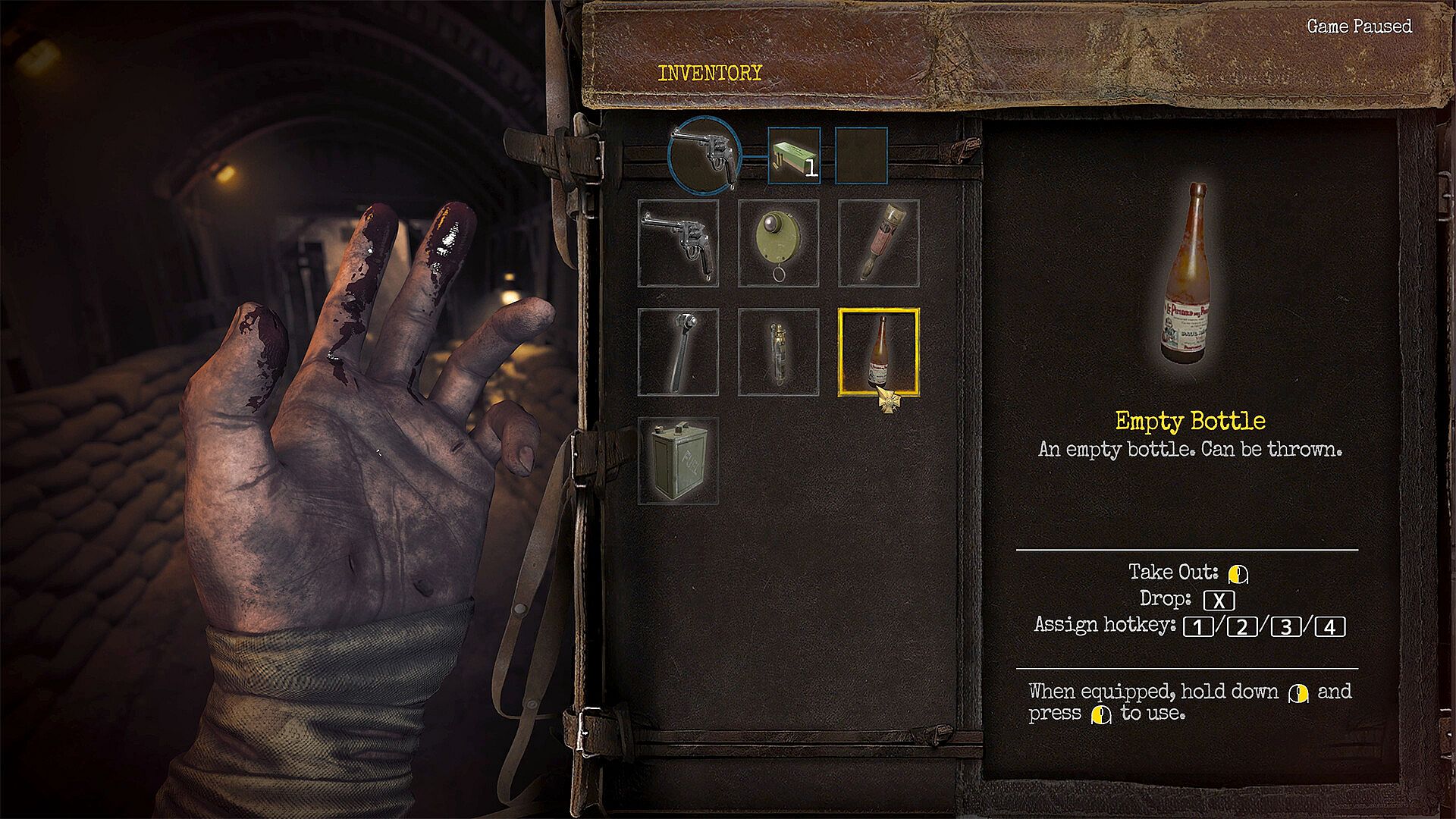
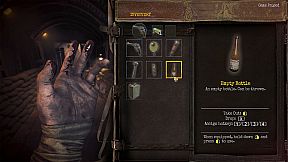
La gestione dell'inventario è fondamentale: gli slot limitati impongono di scegliere con cura tra attrezzi, materiali da creazione e la rivoltella, che parte con pochissime munizioni. Ogni oggetto ha usi multipli: le bottiglie possono distrarre o trasformarsi in armi improvvisate, le granate stordiscono le minacce o rimuovono ostacoli, gli attrezzi aprono zone chiuse in modi diversi. Le interazioni fisiche consentono di spostare, impilare o lanciare oggetti, favorendo soluzioni creative senza sequenze predefinite.
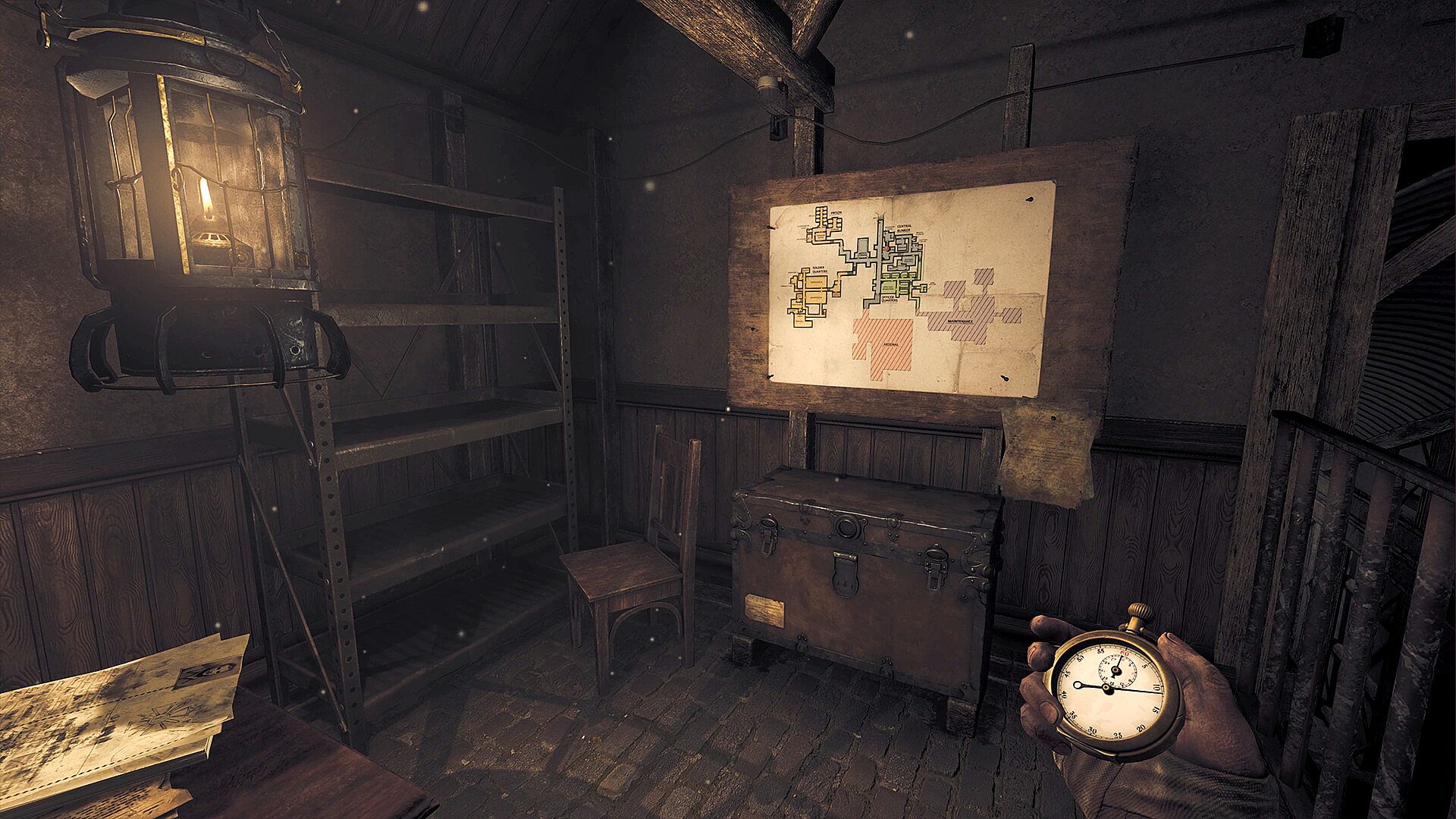
Il posizionamento degli oggetti e il comportamento del mostro variano a ogni partita. La creatura reagisce a passi, porte sbattute o spari, investigando o inseguendo il giocatore. Letti e armadi offrono nascondigli temporanei, ma restare troppo a lungo al buio o fare troppo rumore aumenta il rischio. La progressione non lineare permette di affrontare gli obiettivi in ordine variabile, sperimentando percorsi diversi attraverso le quattro aree secondarie che si diramano dal centro.
Modalità di gioco
L'esperienza base include impostazioni di difficoltà regolabili che modificano la disponibilità di risorse e l'aggressività del mostro. Un aggiornamento successivo ha introdotto la modalità Shell Shock, che intensifica la casualità del posizionamento degli oggetti, cambia i percorsi di pattuglia del mostro e aggiunge meccaniche come il sistema di fusibili nei livelli secondari. La modalità personalizzata offre oltre trenta opzioni configurabili, tra cui dimensione dell'inventario, durata della luce e reattività della minaccia, per creare sfide su misura.
Queste modalità aumentano la rigiocabilità senza modificare la struttura single-player. Non sono presenti funzioni multigiocatore cooperative o competitive, mantenendo l'attenzione sulla sopravvivenza individuale e sull'adattamento.
Esplorazione e atmosfera
L'ambiente del bunker invita a ispezionare angoli, armadietti e zone di manutenzione per scoprire indizi sui soldati scomparsi e sugli eventi accaduti. I dog tag e i documenti forniscono contesto e rivelano codici di combinazione. Il sound design mette in risalto scricchiolii, rumori lontani e il ronzio del generatore, rendendo ogni azione più consapevole.
Per progredire è necessario recuperare esplosivi e aprirsi un varco verso l'uscita finale, superando porte blindate, grate e trappole. Ogni ostacolo offre più soluzioni, dal ricorso alla forza a metodi più silenziosi, ognuno con un costo in rumore o risorse. L'ambientazione resta fedele al periodo storico, integrando gli elementi horror tipici della serie.
Vale la pena giocarci?
Amnesia: The Bunker offre un'esperienza survival horror concentrata su tensione, risorse limitate e minacce reattive. È indicato per chi apprezza l'esplorazione metodica, gli enigmi basati sull'inventario e i momenti di alta tensione in cui bisogna nascondersi piuttosto che combattere. La struttura non lineare e le modalità post-lancio ne prolungano la longevità per chi vuole sperimentare più partite.
La critica ha lodato l'atmosfera opprimente e l'uso intelligente della struttura del bunker, apprezzando come le meccaniche rafforzino il senso di vulnerabilità. Alcuni giocatori segnalano che gli incontri con il mostro possono risultare ripetitivi dopo diverse sessioni e che i comandi mantengono il ritmo deliberato tipico del genere. Il gioco continua a ricevere aggiornamenti che aggiungono varietà.
Per gli appassionati di horror single-player incentrati su furtività, creazione e consapevolezza ambientale, rappresenta un pacchetto solido che premia pianificazione e adattamento. Chi cerca un ritmo più rapido o elementi multigiocatore potrebbe trovare il passo troppo misurato. Disponibile su PC, è accessibile a chi cerca un'esperienza basata su pressione psicologica e scarsità di risorse.