

Alchemy Workshop is a simulation game for PC centered on running an alchemy shop through hands-on crafting and business management. Players process ingredients in varied ways, infuse mana at precise moments, and balance hidden properties to produce potions, bombs, or entirely new alchemical results that shift with each attempt.
Gameplay
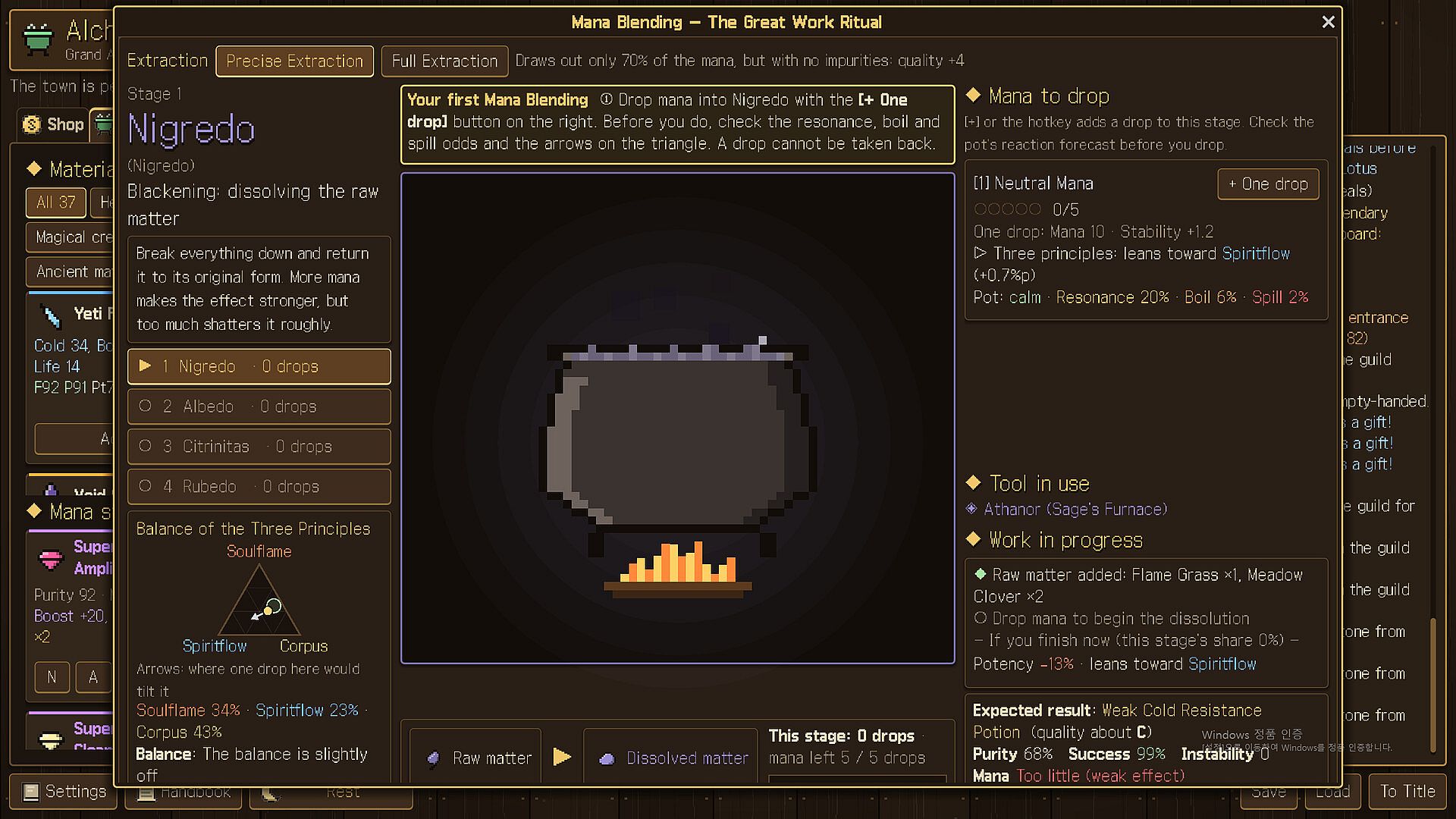
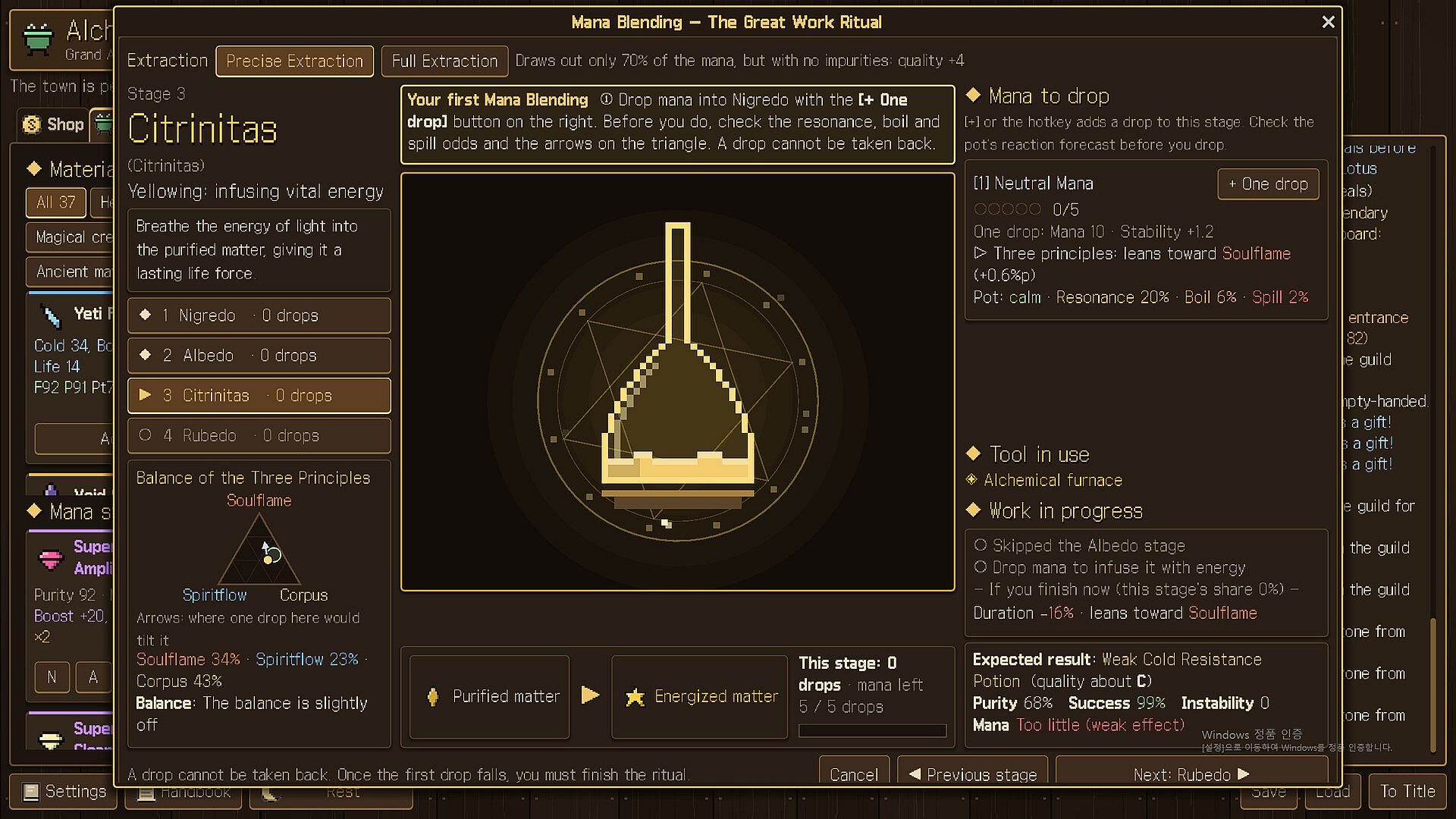
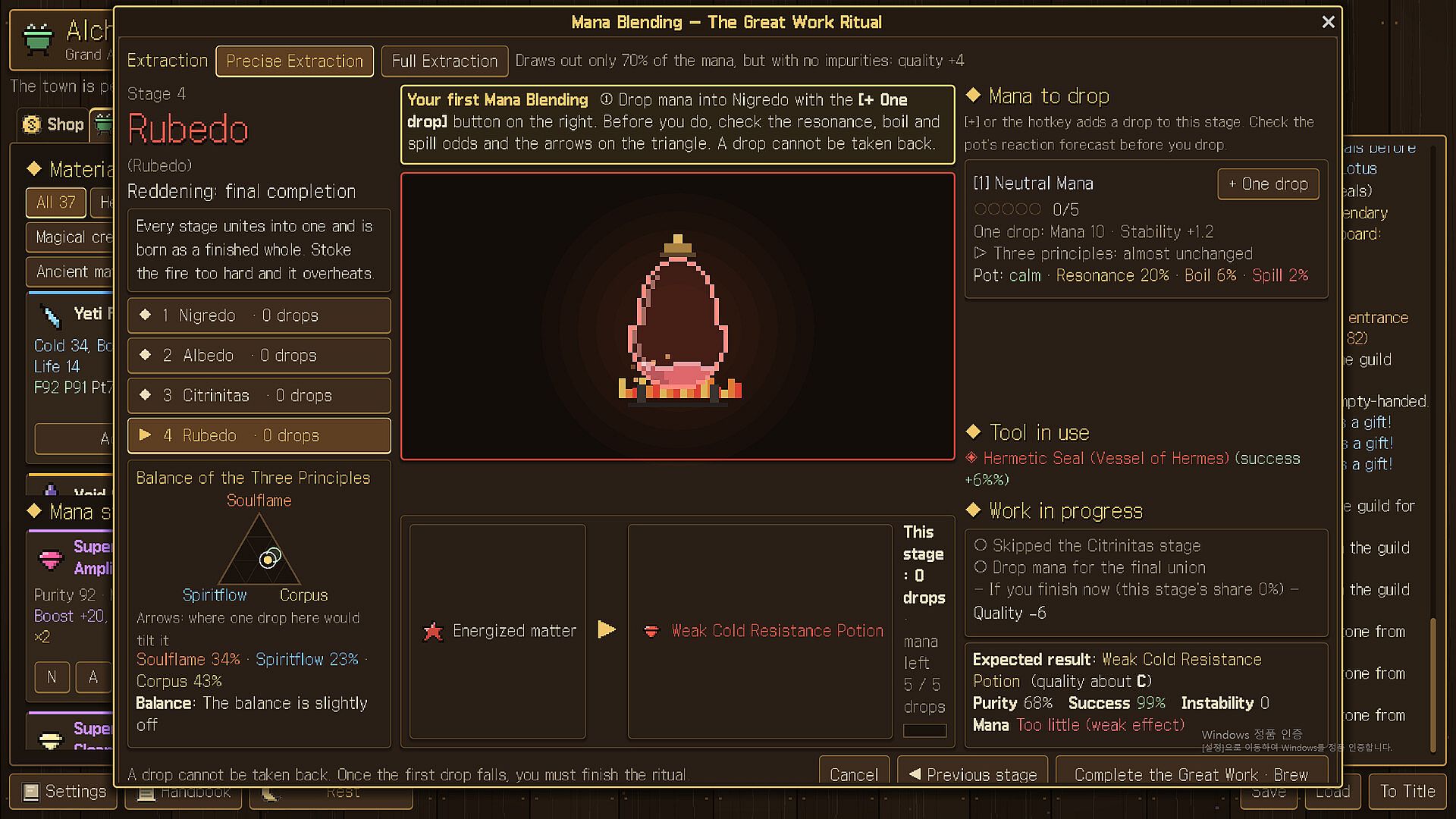
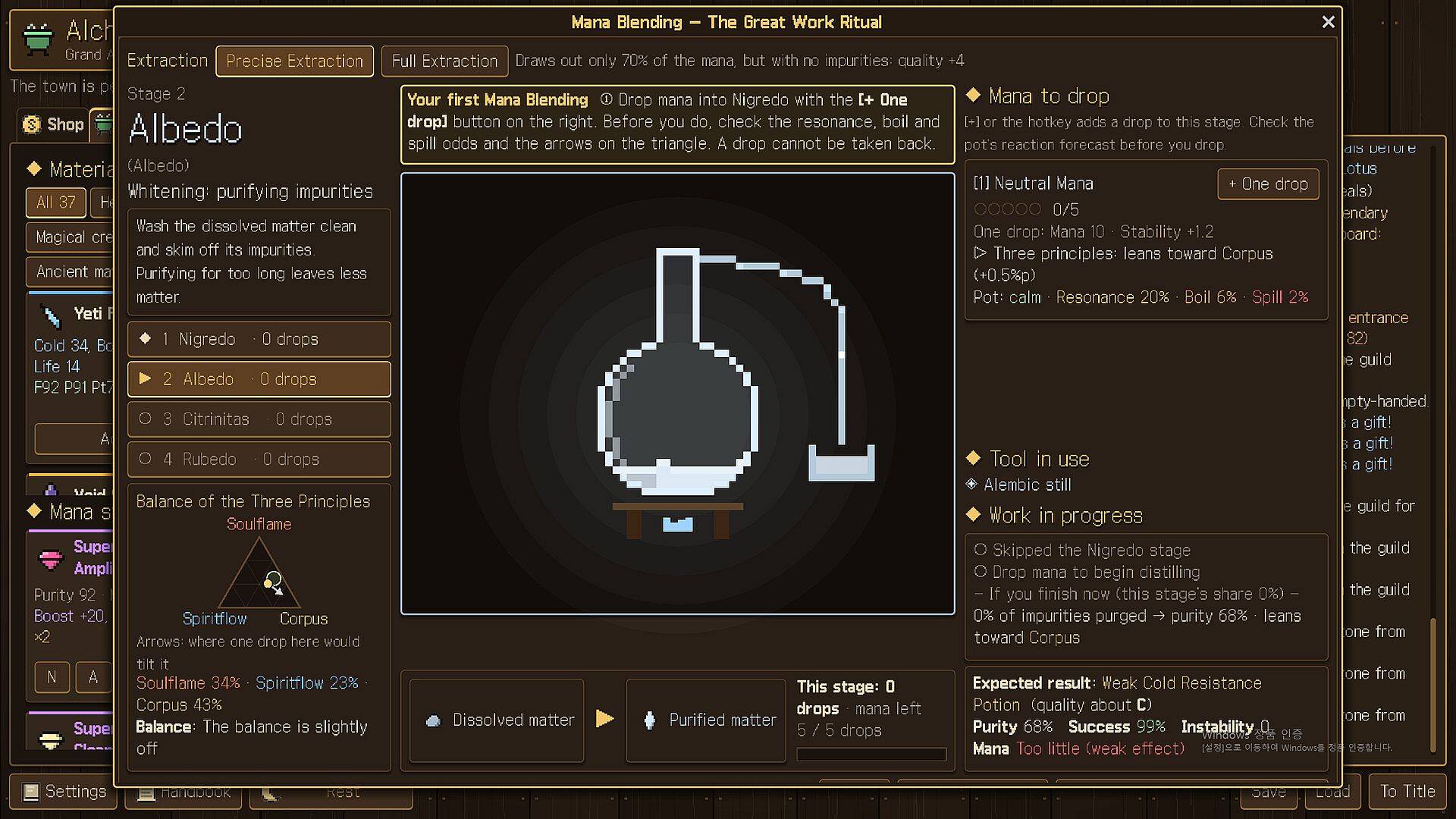
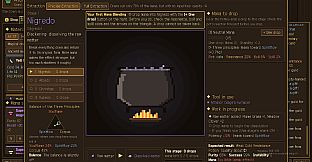
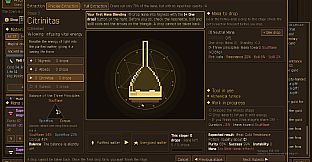
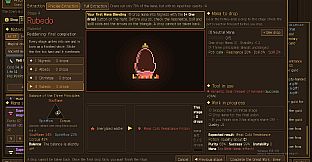
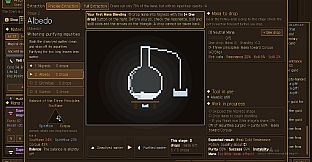
The core loop revolves around transforming raw materials through multiple processing steps before committing them to the cauldron. The same healing herb can yield different outcomes depending on whether it is trimmed, dried, extracted, or enhanced beforehand. Mana stones are broken into individual drops added one at a time across four ritual stages known as Nigredo, Albedo, Citrinitas, and Rubedo. Each addition carries permanent consequences, as drops cannot be removed once placed, and the cauldron may resonate, boil over, or spill if the balance tips too far.
Three principles-Soulflame, Spiritflow, and Corpus-define every ingredient and mana stone. Products carry their own hidden balance points that change between playthroughs. A triangle chart and notes from past failures guide experimentation, encouraging players to observe results and adjust mana flow or ingredient treatment on subsequent attempts. Quality grades range from F to SS, with higher grades removing unwanted side effects from the final item.
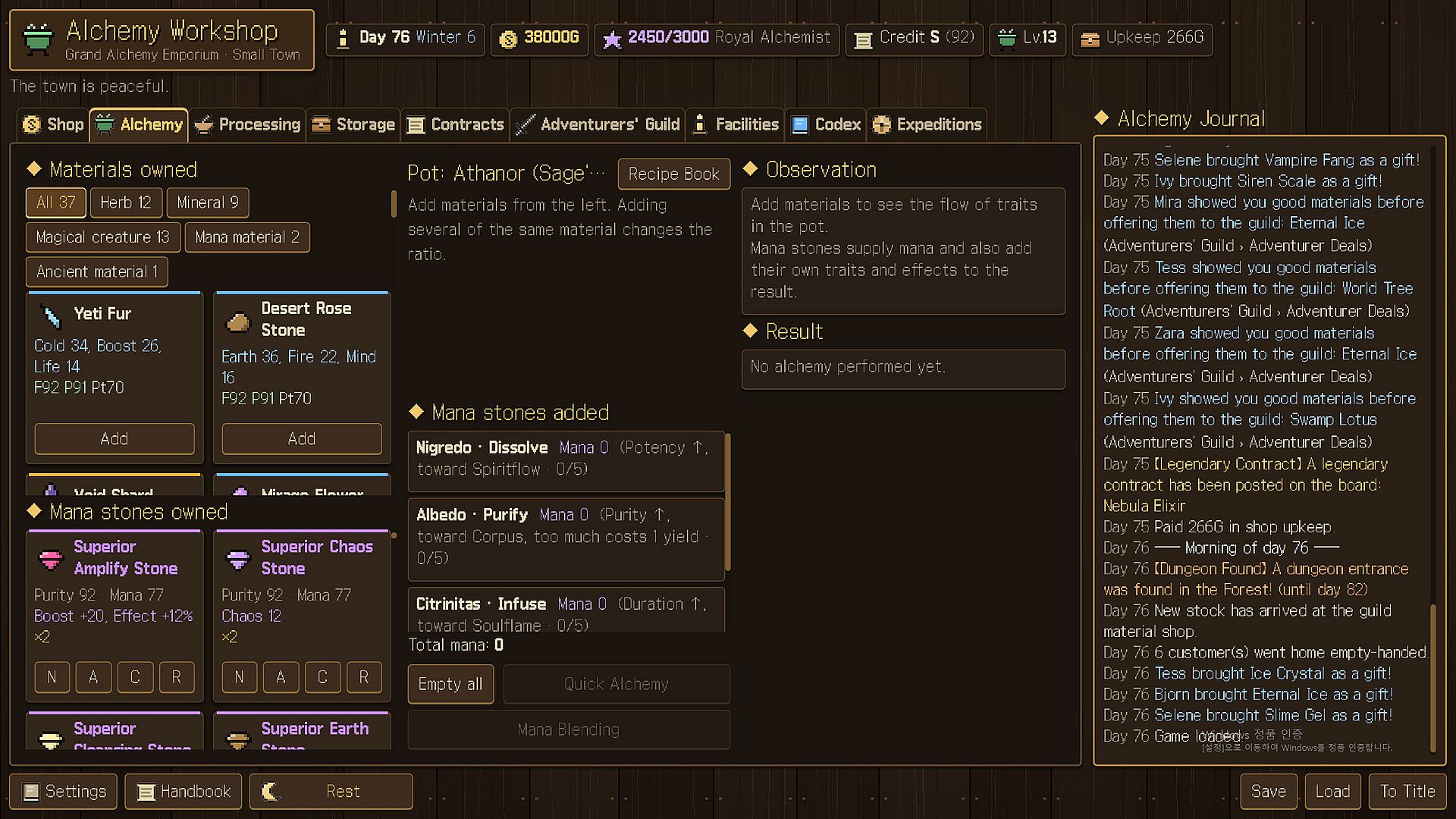
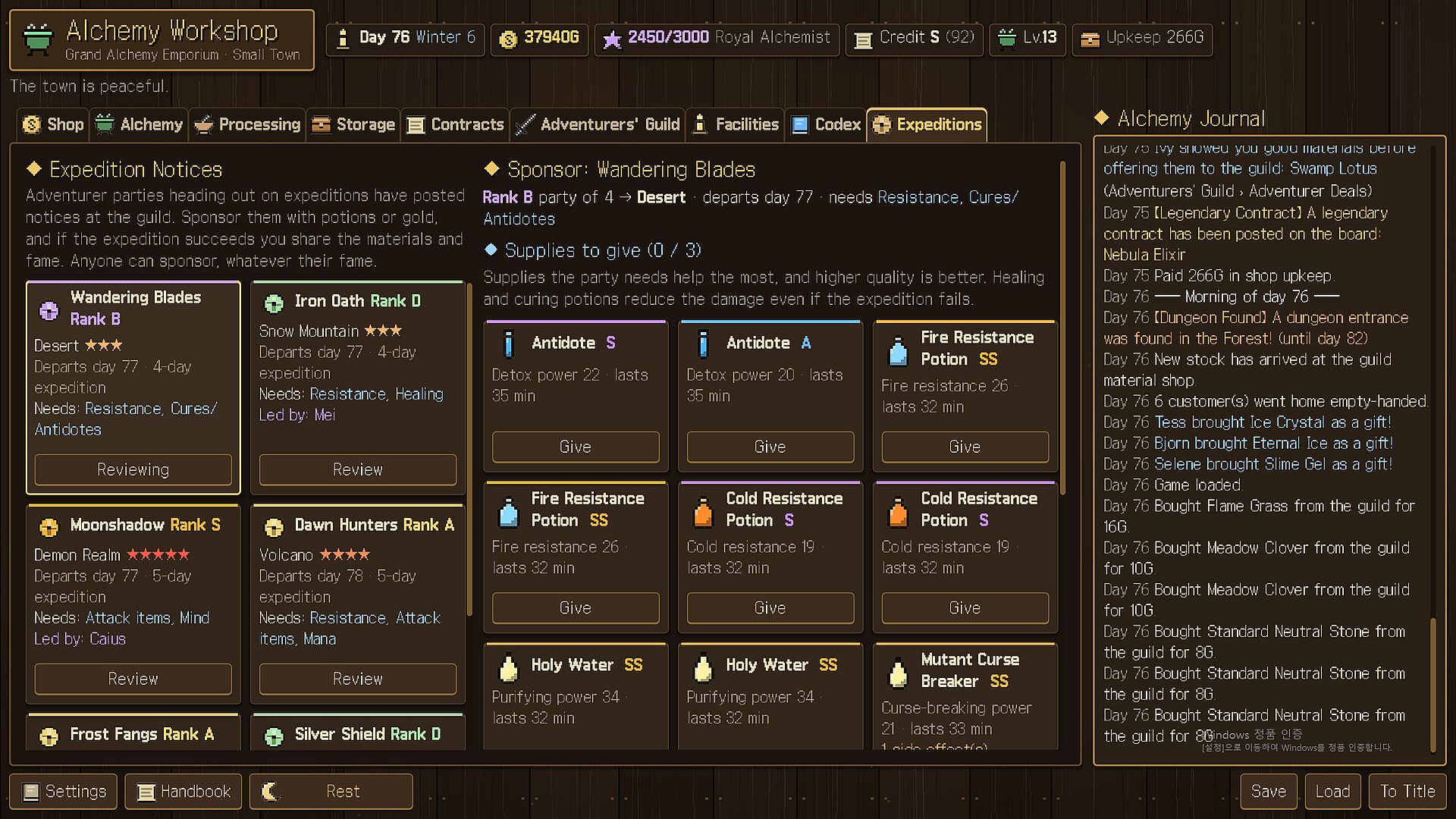
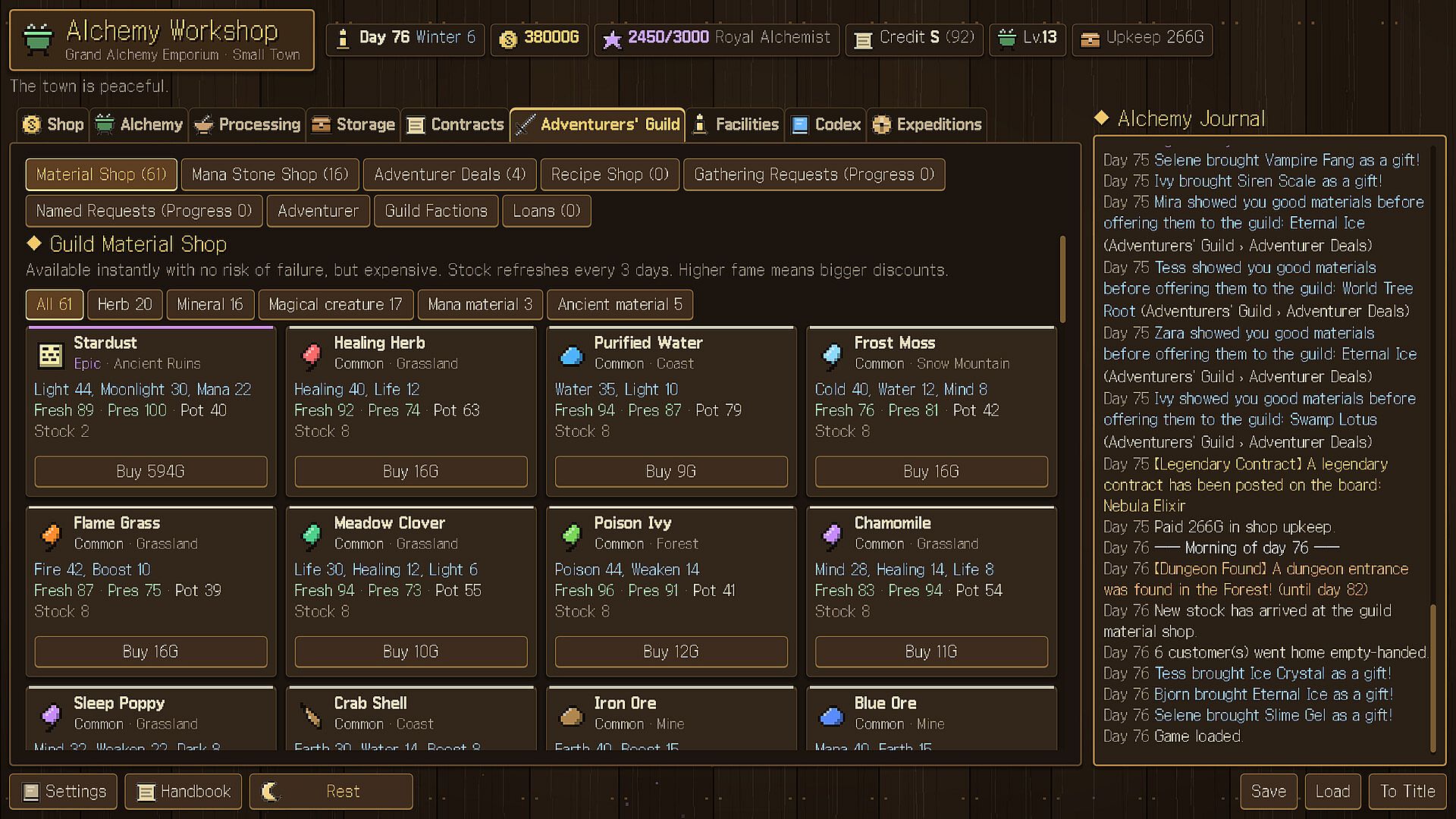
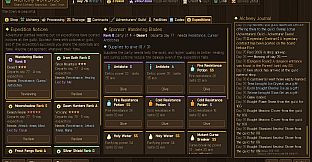
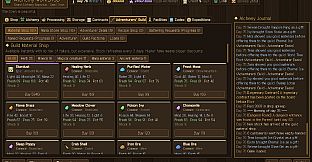
Shop operations add layers of resource and market management. Customers arrive with shifting seasonal demand, and overproducing any single product lowers its market price. Requests arrive from the guild, adventurers, nobles, and the royal court, some carrying hidden conditions that require careful reading. Expeditions can be dispatched across ten regions to obtain rare ingredients, with returning adventurers sharing stories that strengthen bonds over time. Facilities can be upgraded, staff hired, and new techniques researched to expand capabilities.
Game Modes
The experience centers on a single-player progression loop that blends open-ended crafting with structured shop upkeep. Players move between ingredient preparation stations, the cauldron ritual, market sales, and expedition planning without switching between separate modes. Failure to maintain positive finances for a full week triggers bankruptcy and a detailed report on the contributing factors, providing a clear end condition for each run.
Late-game objectives include completing royal projects, pursuing the Philosopher's Stone, and creating a Homunculus. These goals build on the same systems of ingredient experimentation and shop expansion rather than introducing distinct rule sets. A hands-on tutorial and an always-accessible alchemy guide support learning the principles and stages without interrupting the main flow.
Shop Management and Progression
Running the business requires monitoring market trends and fulfilling varied requests while expanding infrastructure. Rival shops and guild factions influence available opportunities as the town grows across six fame tiers. Upgrades to cauldrons and processing tools increase efficiency, while hired staff handle routine tasks to free the player for higher-level decisions.
With 103 ingredients, 40 products including six hidden alchemies, and 14 trait reactions, the crafting system supports extensive experimentation. Each successful or failed batch leaves data that informs future choices, rewarding careful observation over rote recipe following.
Is It Worth Playing?
Alchemy Workshop suits players who enjoy simulation games focused on crafting systems and incremental shop growth. The emphasis on variable ingredient treatment and mana timing creates repeatable experimentation that differs from fixed-recipe crafting found in many similar titles. Shop management elements, including seasonal demand shifts and expedition management, add ongoing goals without requiring separate multiplayer sessions.
The game supports English, Japanese, and Korean with fully rebindable controls. As an upcoming title with no released player data yet, its appeal rests on the detailed systems described in its design: the three-principle balance, four-stage rituals, and interconnected shop economy. Those drawn to deliberate, observation-driven alchemy mechanics and long-term business building will find the most direct match with its described features.