

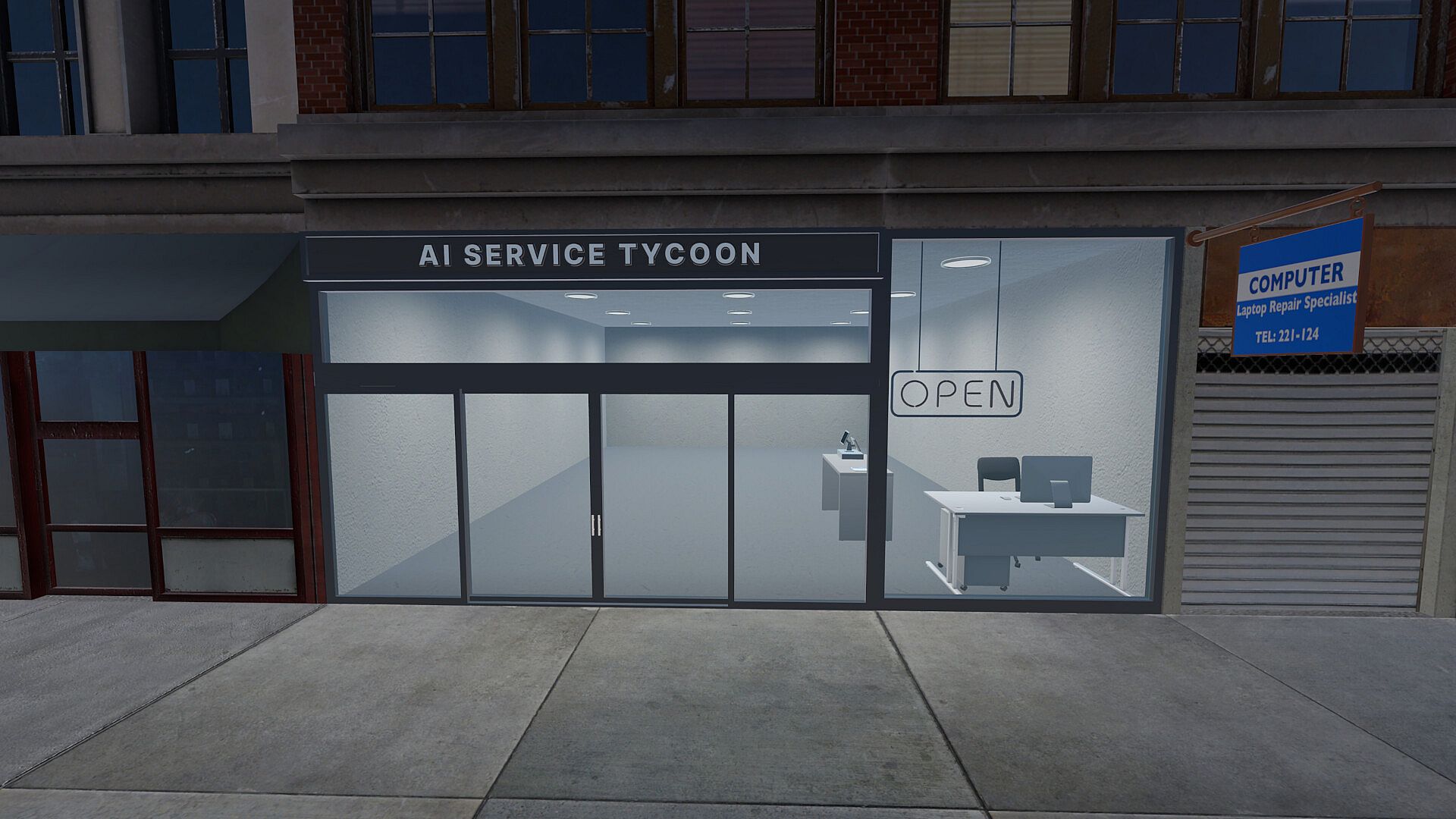
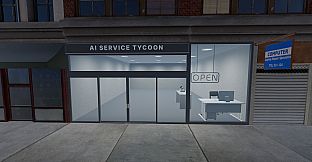
AI Startup Simulator is a simulation game centered on founding and expanding an artificial intelligence company from a modest beginning on PC. Players handle every aspect of operations in a first-person perspective, starting with basic resources in a small storefront and scaling up through deliberate choices about contracts, equipment, and infrastructure.
Gameplay
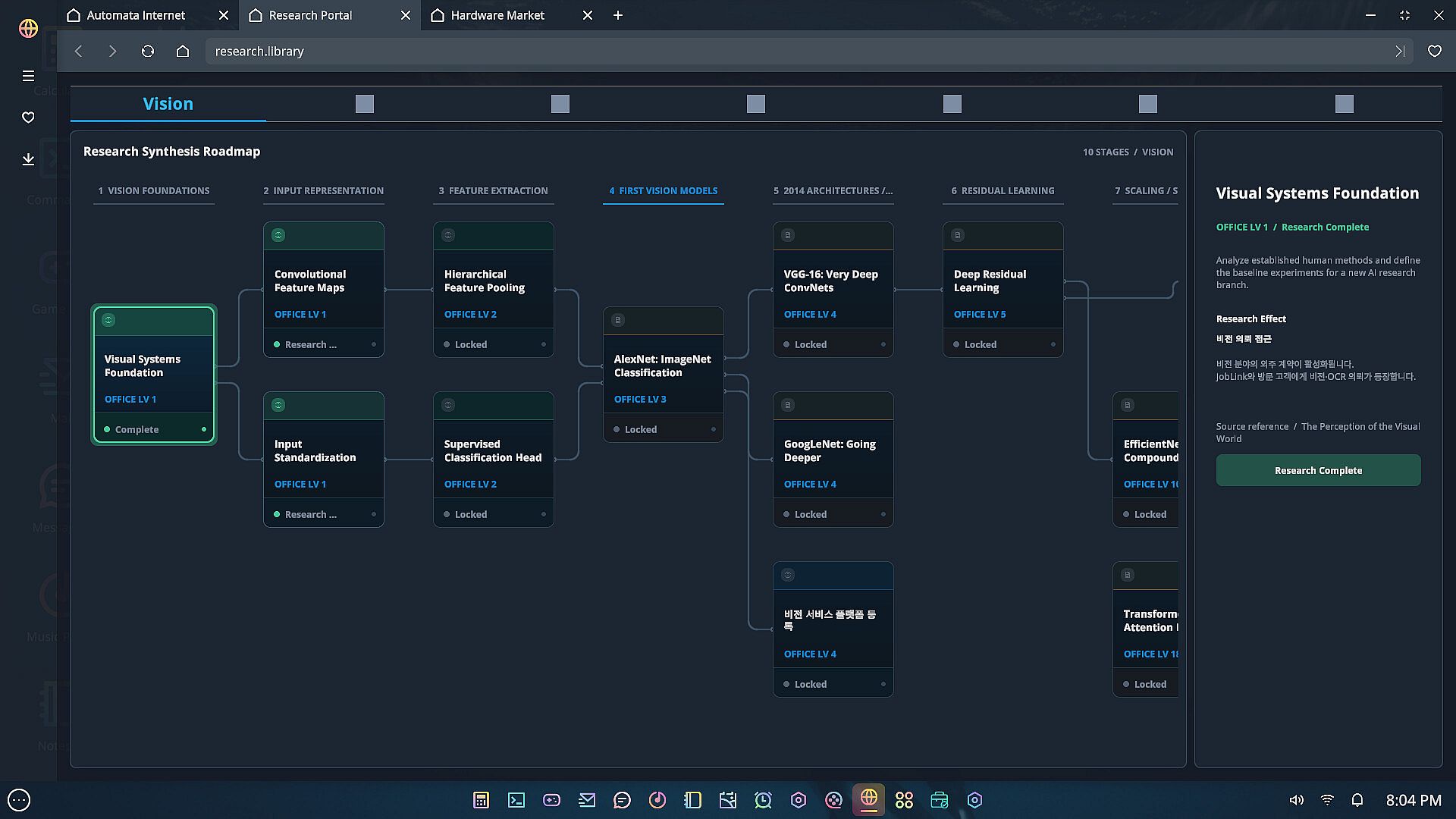
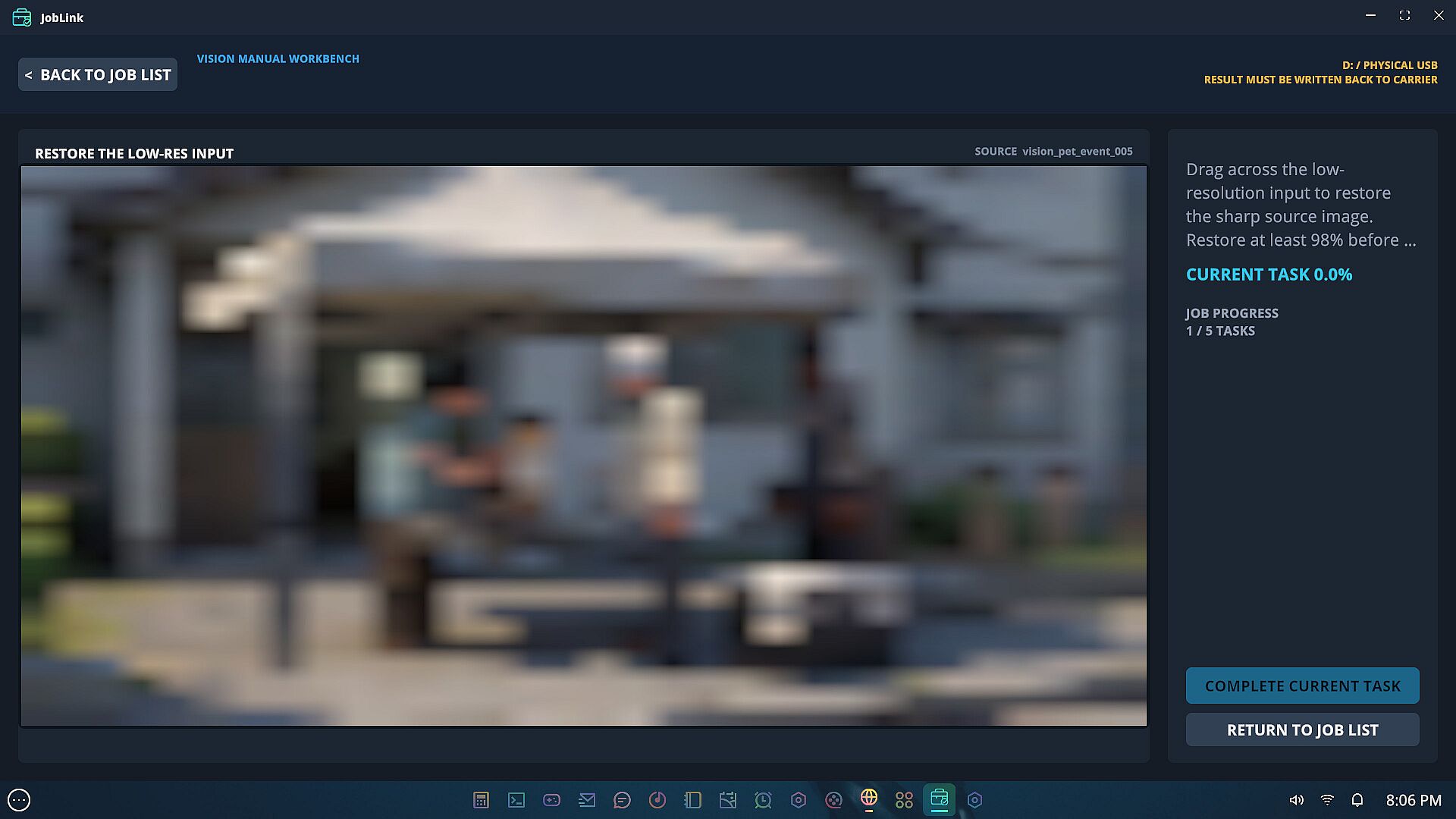
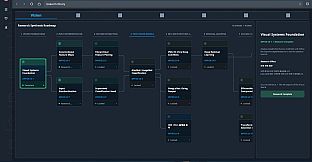
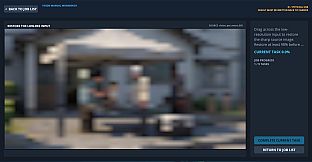
The core loop revolves around accepting client contracts that provide datasets and income. These jobs supply the raw material needed to train models and develop new offerings. Resources must be allocated carefully between fulfilling work for clients, advancing internal projects, and preparing for growth. Training models improves capabilities, while automation reduces manual effort on repetitive tasks.
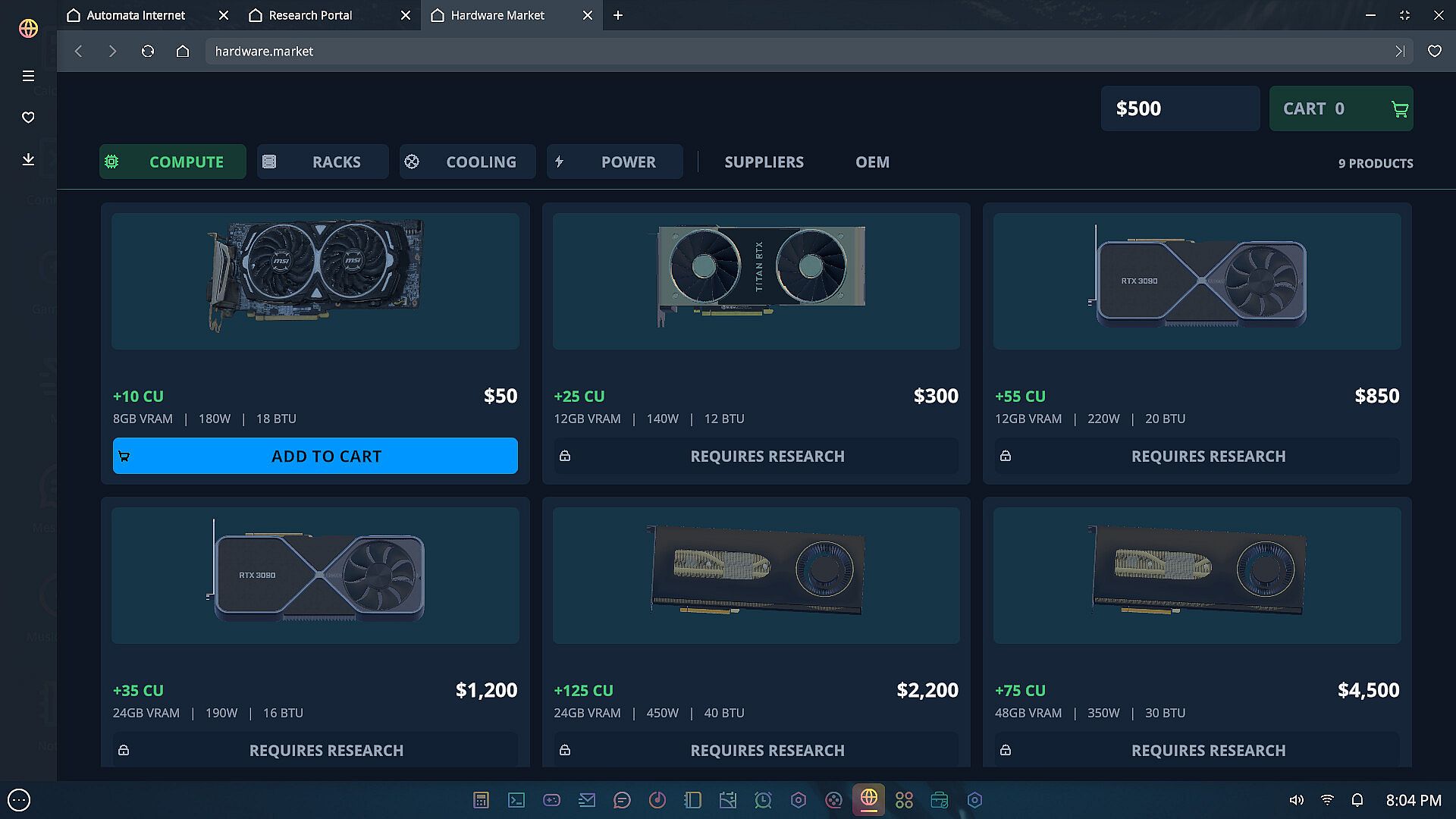
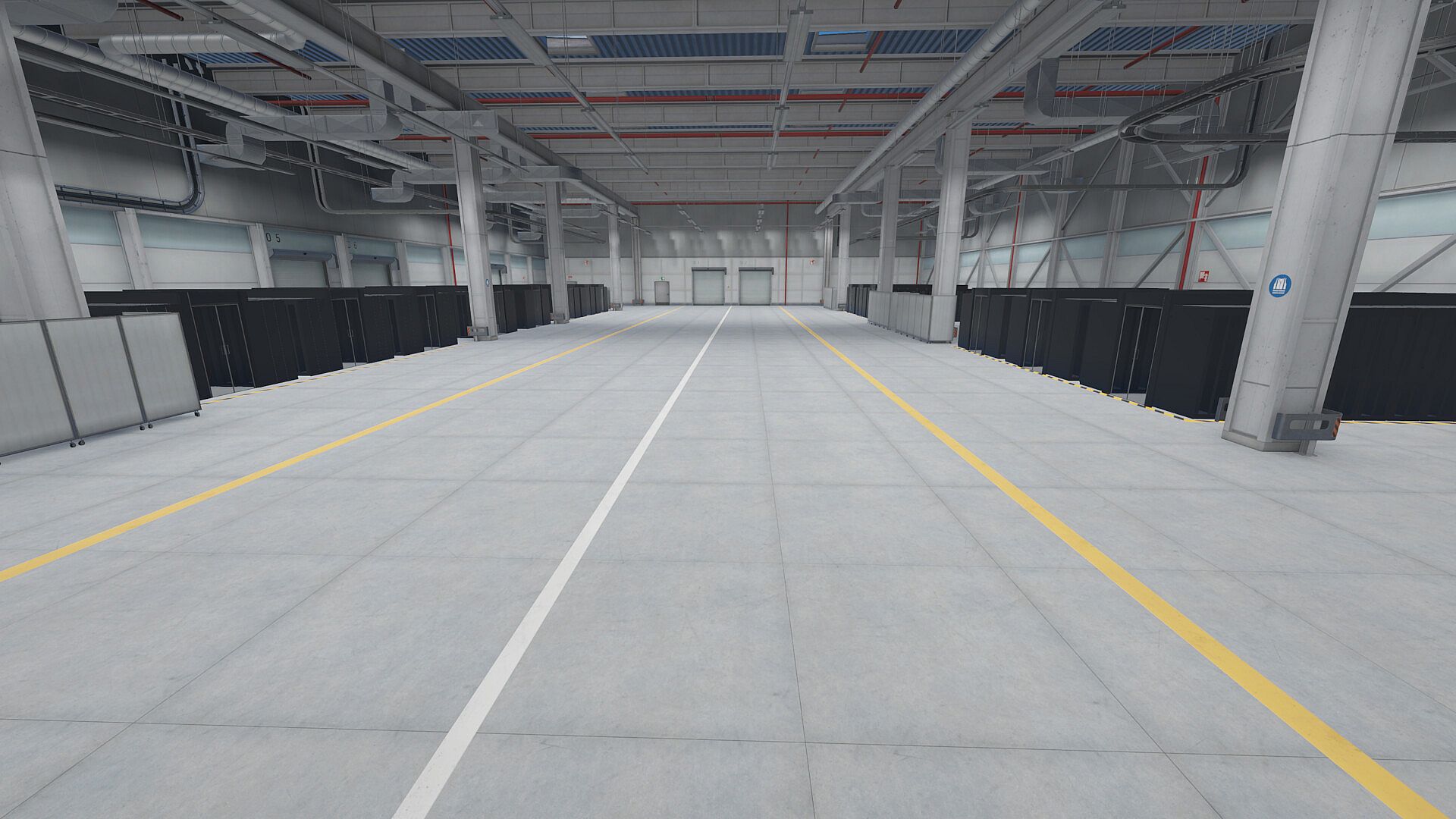
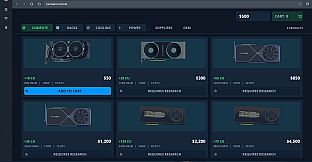
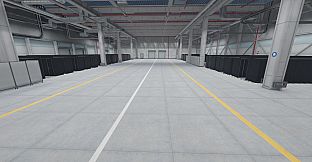
Expansion requires purchasing and installing physical hardware such as GPUs, servers, and cooling systems. Deliveries arrive, and players position equipment within the facility, connect components, and ensure the space supports increasing demands. Power availability, data storage limits, floor space, and cash flow all constrain decisions at every stage.
Upgrades bring more computing capacity but raise ongoing expenses and strain existing systems. Balancing these factors means prioritizing client deadlines alongside long-term infrastructure improvements and efficiency gains through automation. The progression moves from handling a few machines and opportunities to operating a full data center with streamlined workflows.
Game Modes
AI Startup Simulator runs as a single-player experience with no multiplayer components. Progression follows a continuous campaign structure where players manage one company through its entire growth arc. There are no separate competitive or cooperative modes, allowing uninterrupted focus on resource allocation, contract selection, and facility development.
Within this framework, players experiment with different approaches to spending time and computing power. Some emphasize rapid client work for quick revenue, while others invest early in hardware and automation to support larger operations later. The absence of predefined scenarios encourages repeated playthroughs to test varied strategies for reaching a successful data center scale.
Building Infrastructure and Scaling Operations
Facility management forms a central pillar of the experience. Players receive hardware shipments and must physically arrange servers, GPUs, and supporting systems inside the available space. Cooling solutions become essential as equipment density rises, and power capacity must be monitored to avoid overloads that halt progress.
Expansion decisions involve weighing immediate costs against future returns. Adding machines increases training speed and service capacity, yet each addition requires corresponding investments in space, electricity, and maintenance. Successful runs demonstrate efficient layouts that minimize wasted area while maximizing output from every component installed.
Resource Management and Decision Making
Every contract presents trade-offs in time, data usage, and computing allocation. Players decide which jobs to pursue based on the datasets they yield and the revenue they generate. These choices directly influence how quickly models improve and which new services become viable to launch.
Cash flow tracking ensures funds remain available for critical purchases without neglecting client obligations. Automation features help offset growing operational demands, freeing attention for higher-level planning. The interplay between short-term revenue goals and long-term capacity building creates ongoing strategic tension throughout a play session.
Is It Worth Playing?
AI Startup Simulator suits players who enjoy detailed business management simulations with a focus on physical setup and incremental growth. The first-person hardware installation and resource balancing provide tangible feedback on decisions, appealing to those interested in the operational side of technology ventures rather than abstract number crunching alone.
Progression feels rewarding when efficient workflows and smart expansion lead to a thriving data center. Those seeking a relaxed yet thoughtful single-player experience will find the mechanics engaging without external competition or time-limited events. The game rewards careful planning and adaptation to constraints, making it a solid choice for simulation fans who appreciate hands-on facility building alongside strategic contract work.