

After Oasis TD is a tower defense strategy game developed for PC. It emphasizes building defenses through ability combinations while maintaining an approachable pace for players who enjoy the genre without excessive complexity.
Gameplay
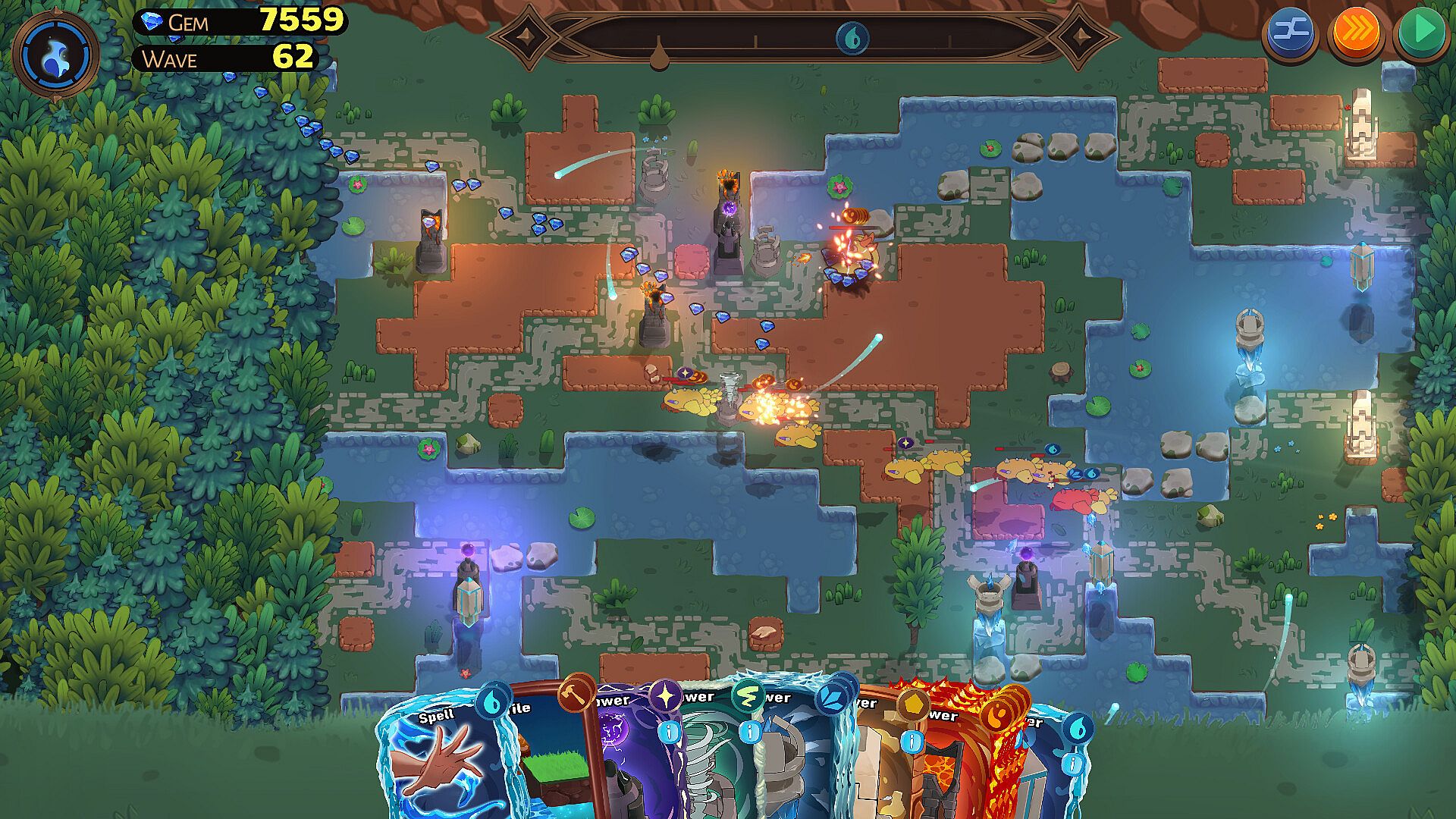
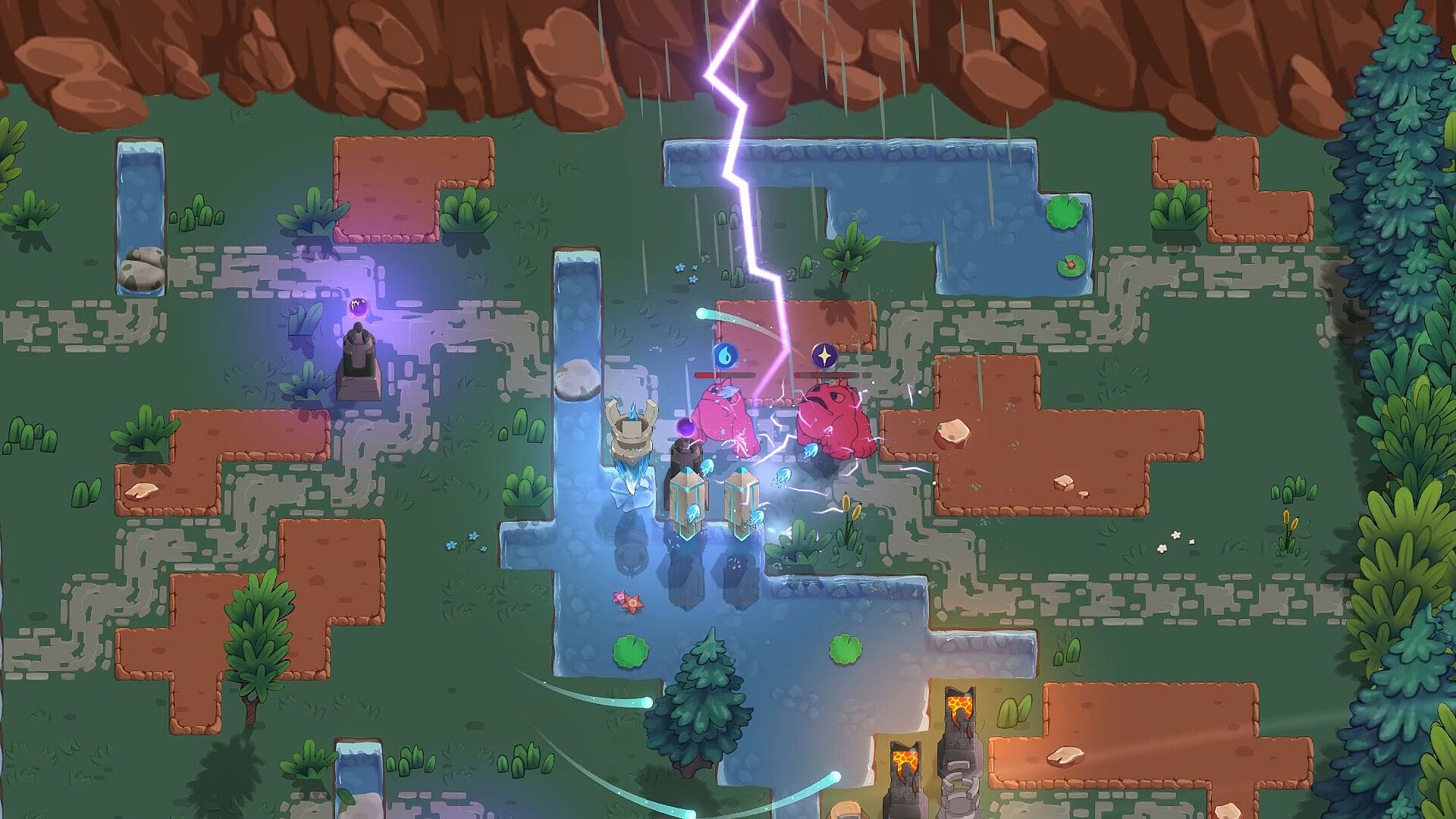
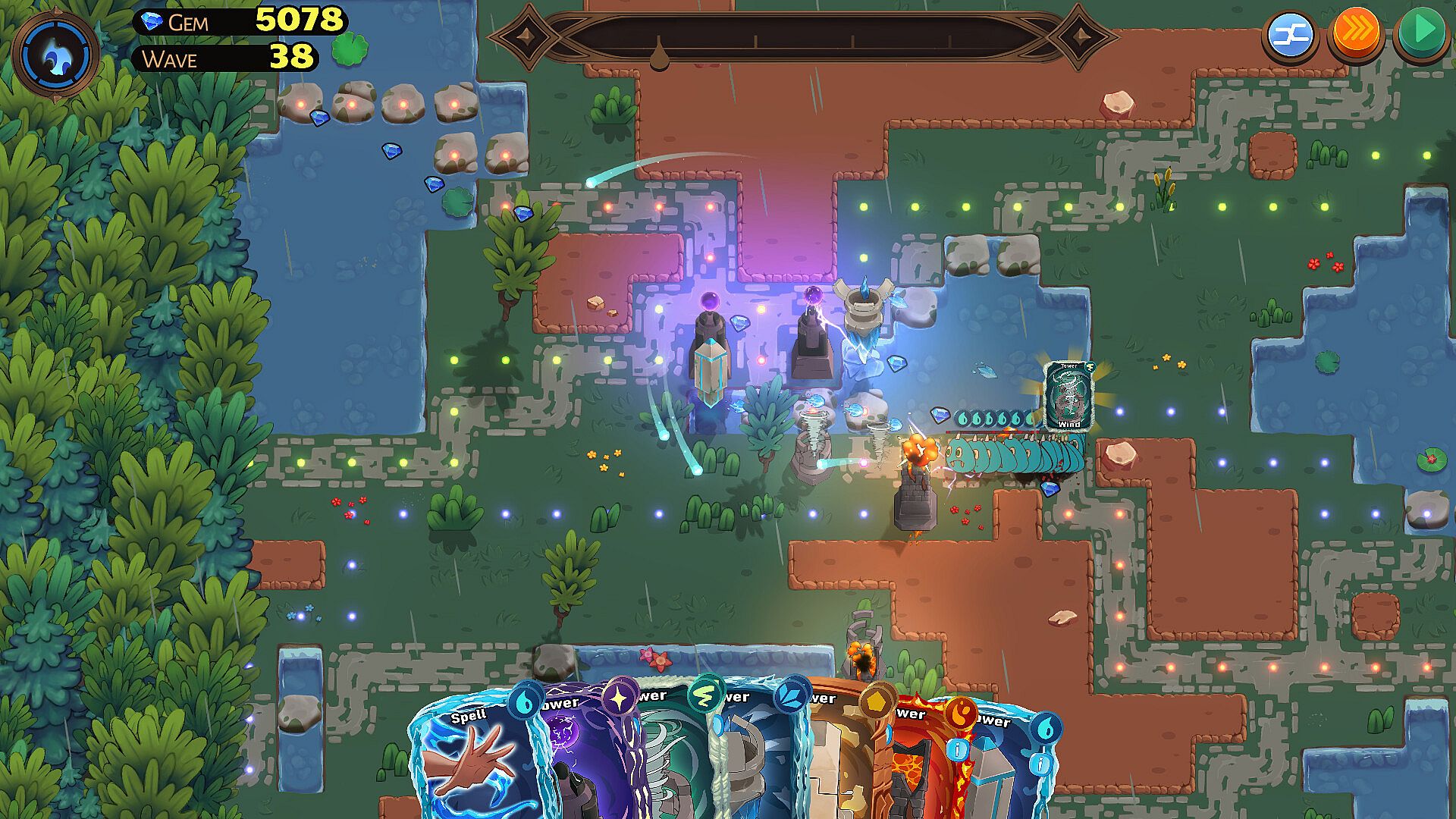
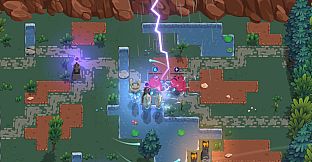
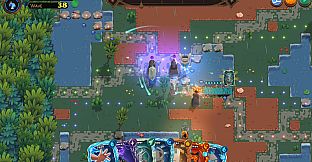
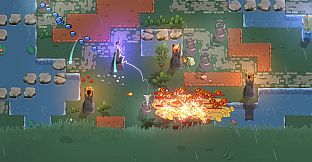
The core loop revolves around placing permanent towers and deploying one-time spells to protect a central flame from advancing enemies. Towers remain on the field for an entire round and form the backbone of any defense. Spells provide targeted bursts of power when waves intensify or particularly resilient foes appear.
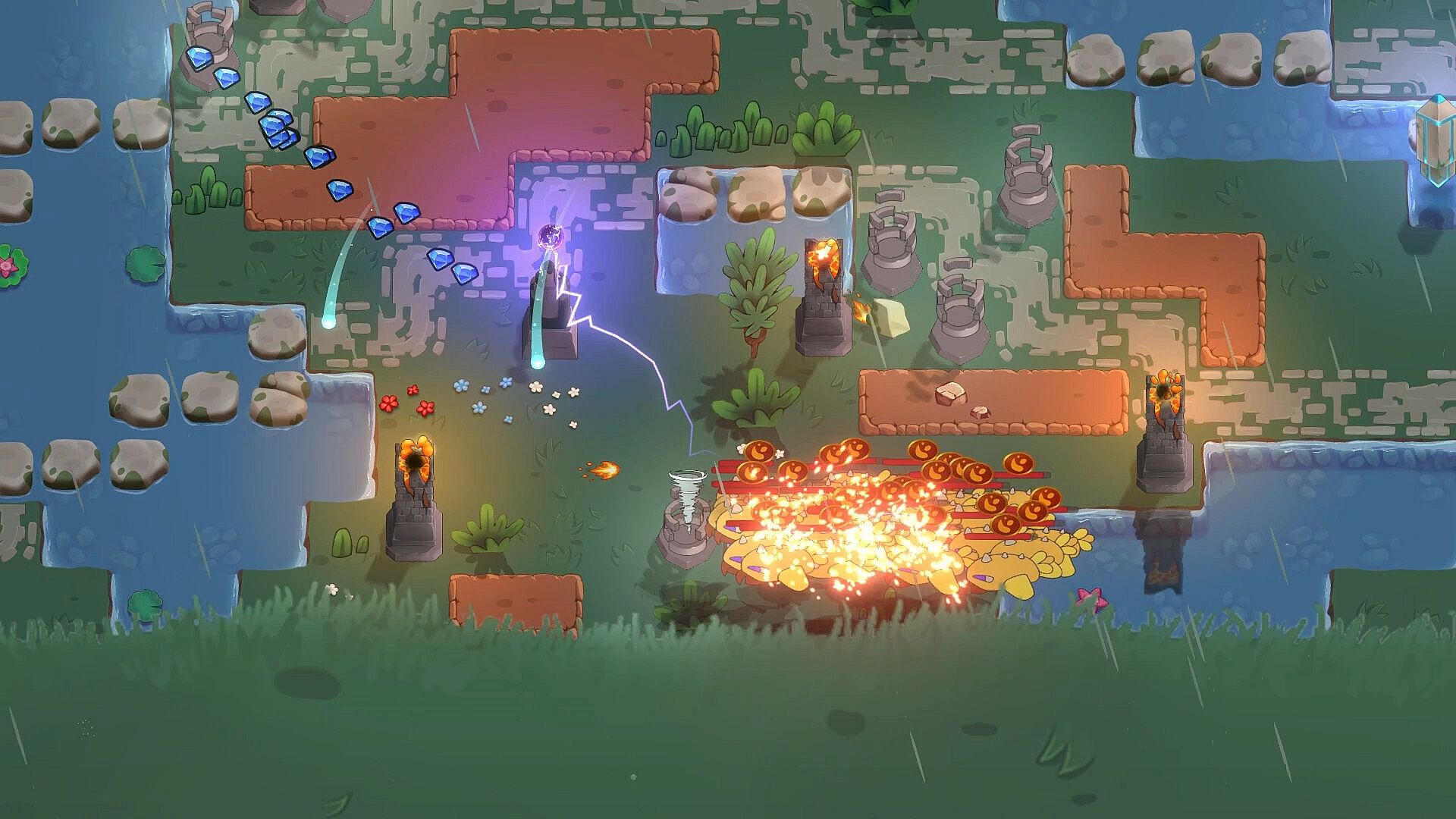
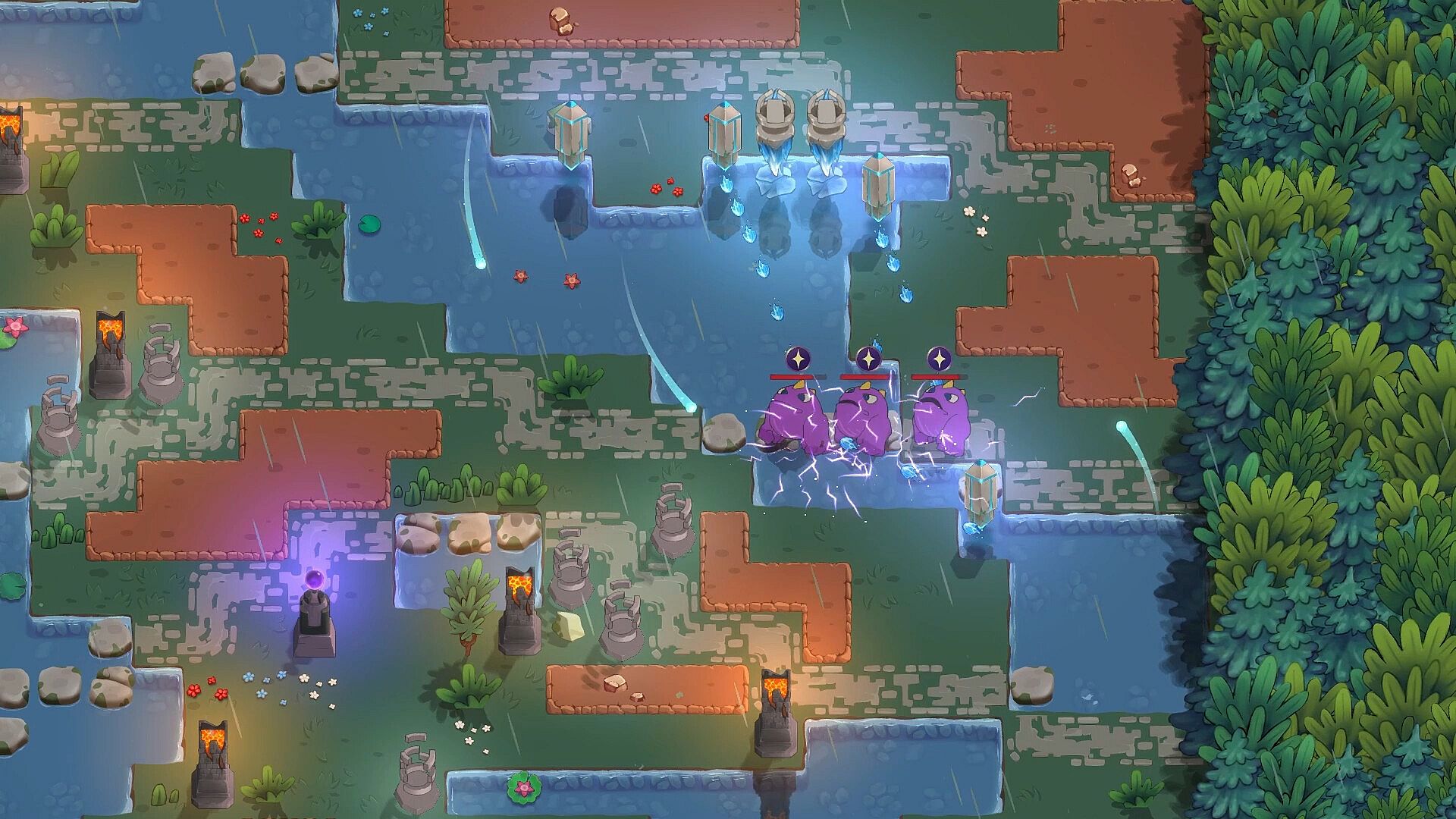
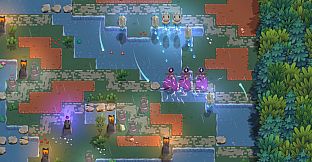
Maps generate randomly each round, creating fresh layouts and pathing challenges. Enemies adapt by seeking the shortest routes rather than following fixed trails, which forces players to adjust placements dynamically. This setup rewards foresight in tower positioning while allowing experimentation with different arrangements.
Towers and spells fall into six elemental categories. Each element interacts with the others in distinct ways, enabling layered synergies. Combining compatible types can produce amplified effects that handle groups of enemies more efficiently than isolated placements. The system encourages testing various pairings to discover effective counters without requiring deep prior knowledge of the genre.
Game Modes
Play centers on rounds that feature procedurally generated maps, ensuring each session presents unique terrain and enemy approach vectors. The emphasis stays on single-player defense runs where the goal remains consistent: safeguard the flame through strategic tower placement and timely spell use.
Random generation extends replayability by altering path options and forcing new defensive configurations every time. Players can approach the same elemental combinations differently based on the map layout, promoting repeated sessions focused on refinement rather than repetition of identical scenarios.
Is It Worth Playing?
After Oasis TD targets players who appreciate tower defense fundamentals paired with a synergy-driven twist. The casual tone keeps sessions manageable, while the combo mechanics add depth for those who enjoy optimizing elemental interactions. Random map generation supports extended play without relying on preset levels.
As an upcoming release with no public reviews or completed updates available yet, its appeal will depend on how well the elemental reactions and adaptive enemy pathing perform in practice. Those drawn to strategy games that reward creative combinations over rigid meta builds may find it a fitting addition to their library once it launches.
Strategic Depth and Player Approach
Success hinges on balancing long-term tower investments with reactive spell deployment. Early rounds allow experimentation with elemental pairings, while later waves test whether those choices scale against tougher threats. The six-element structure provides enough variety for multiple viable strategies without overwhelming decision points.
Because enemies prioritize efficiency in movement, static defenses alone rarely suffice. Players learn to anticipate shortcuts and reinforce vulnerable areas, often by chaining elemental effects that slow, damage, or redirect groups. This interplay keeps the focus on adaptation rather than rote placement.
Who the Game Suits
The title fits solo players seeking a relaxed yet engaging tower defense experience on PC. Its emphasis on combos and randomization appeals to those who value discovery and iteration over competitive leaderboards or complex progression systems. Newcomers to the genre can start with basic setups, while veterans can pursue optimized elemental builds across successive rounds.