


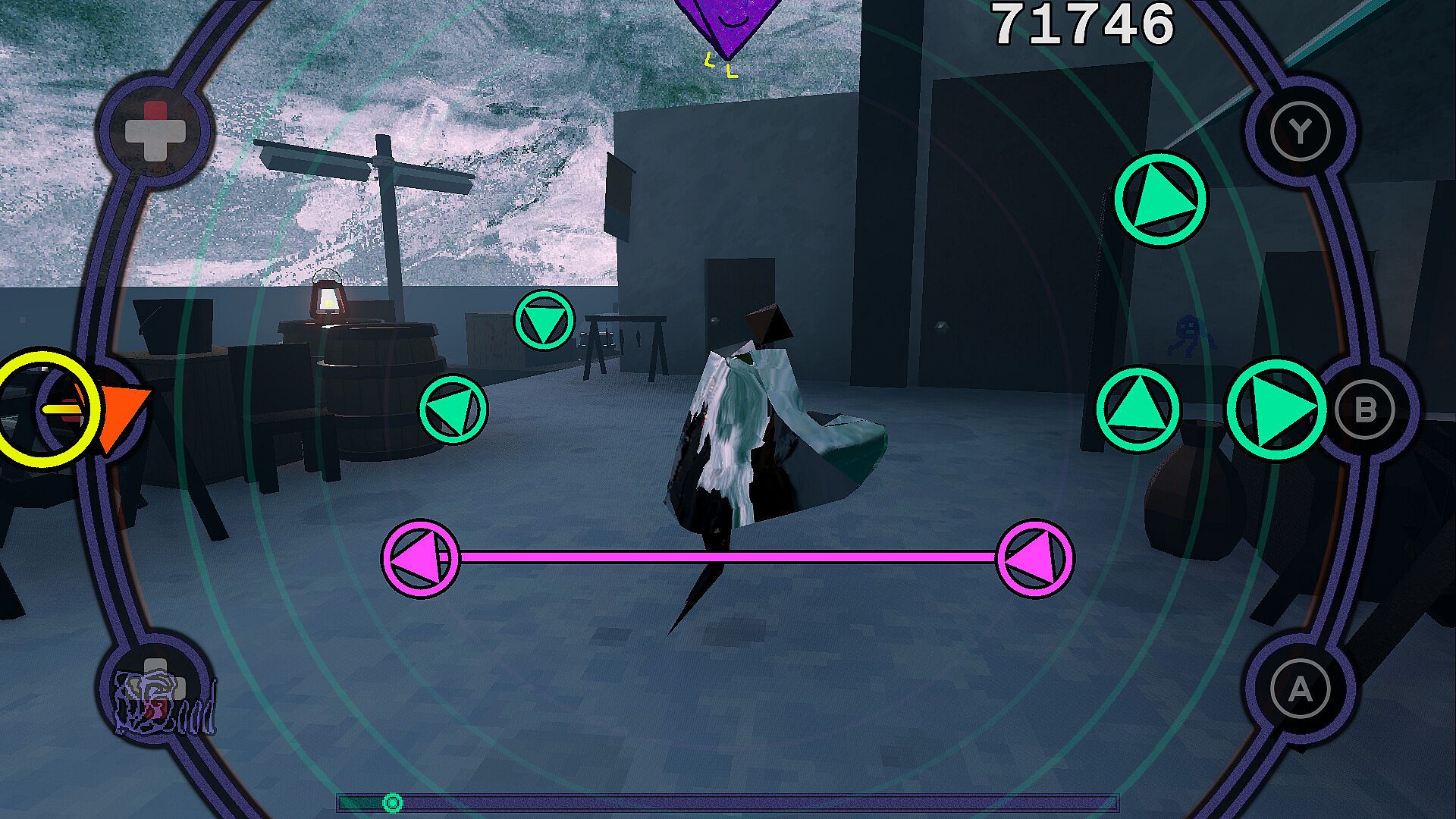
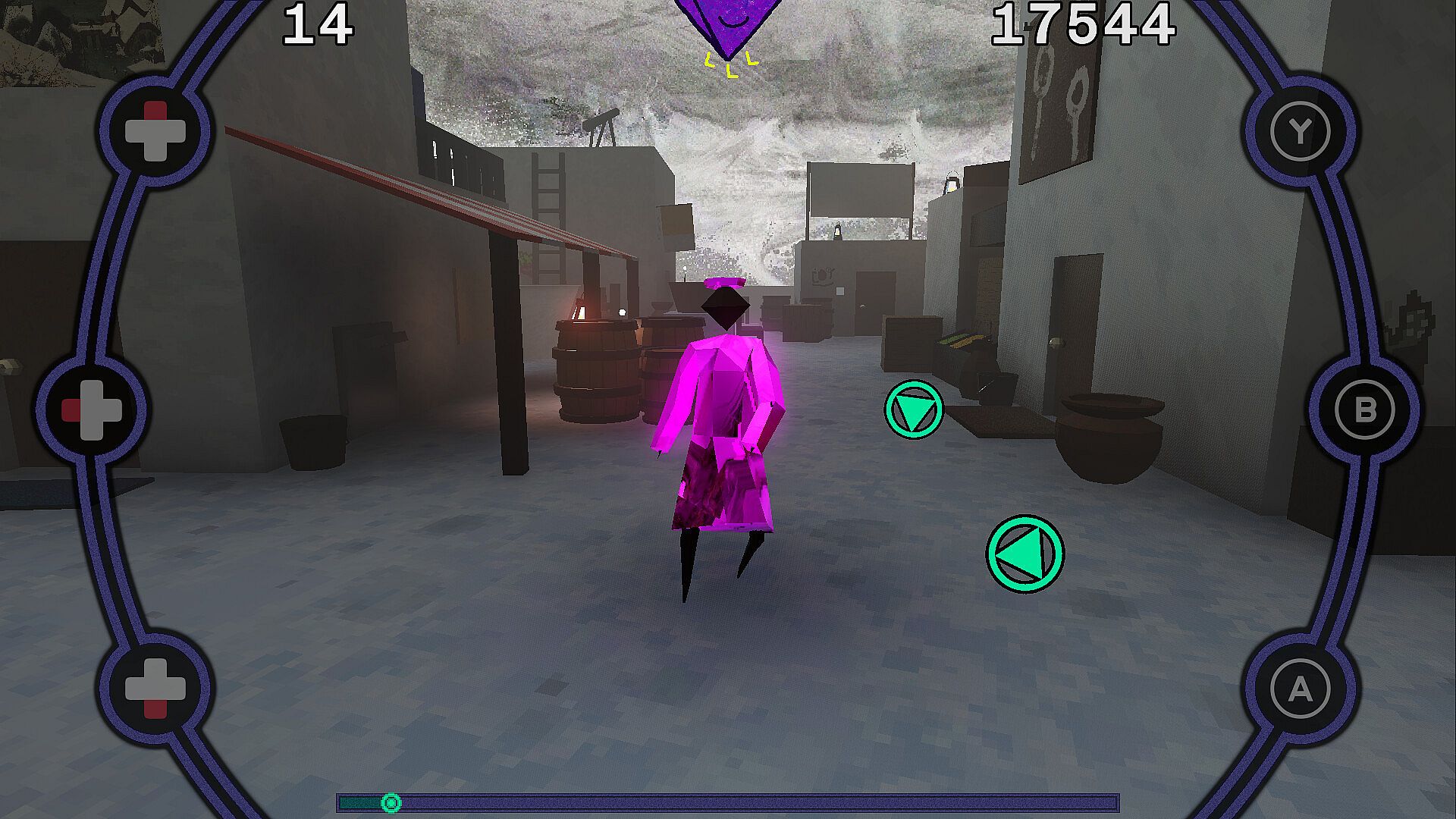
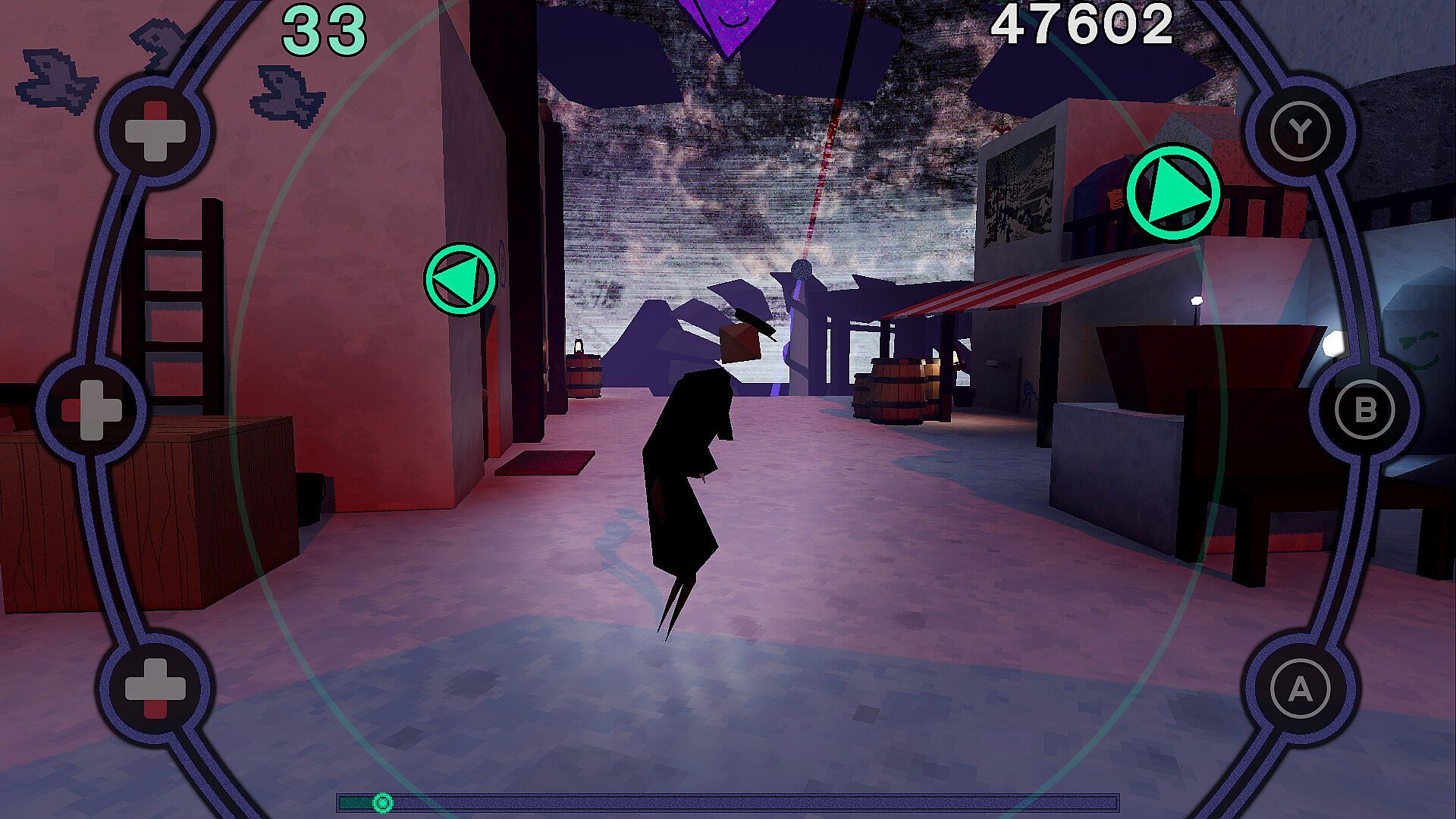
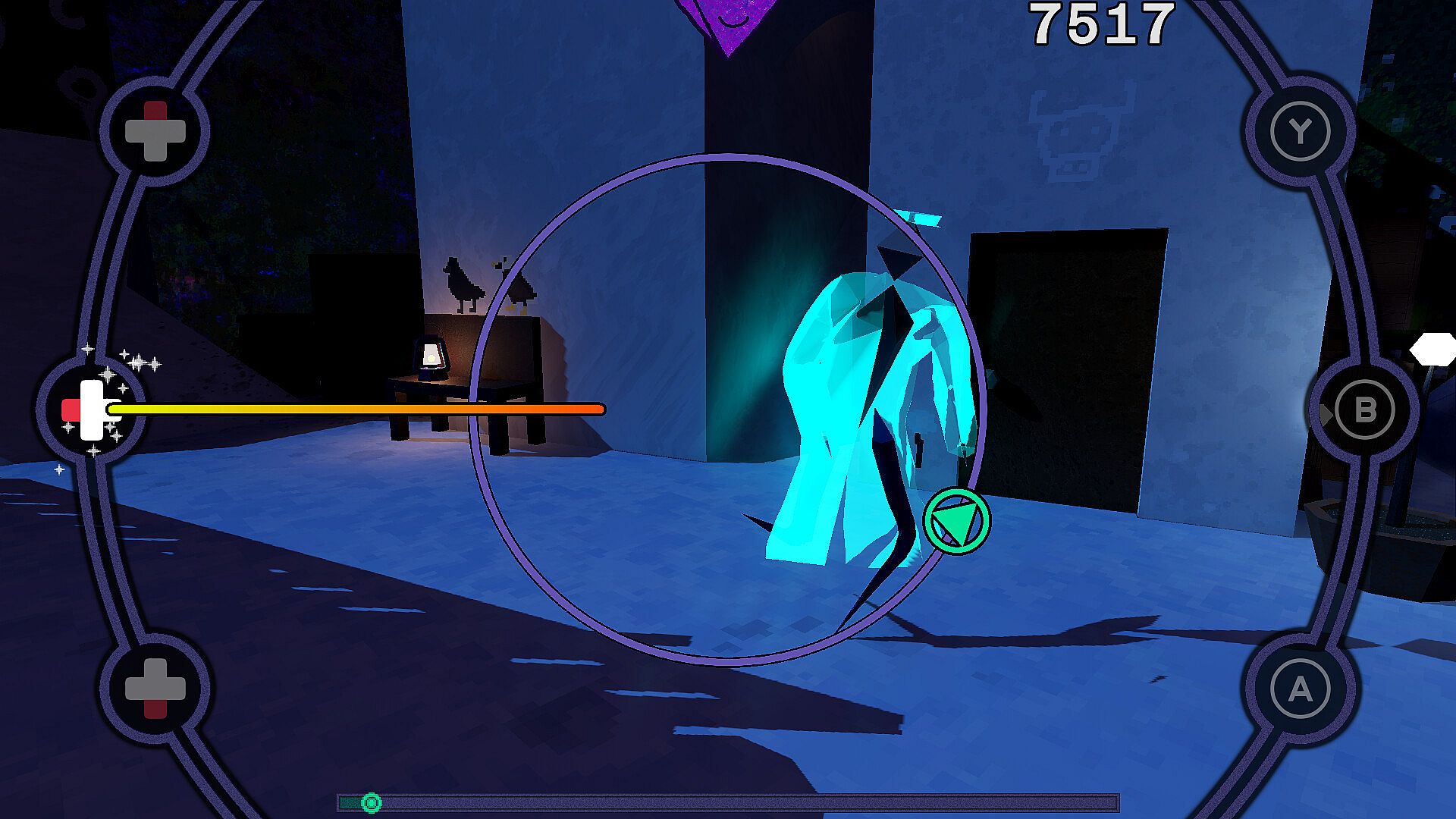
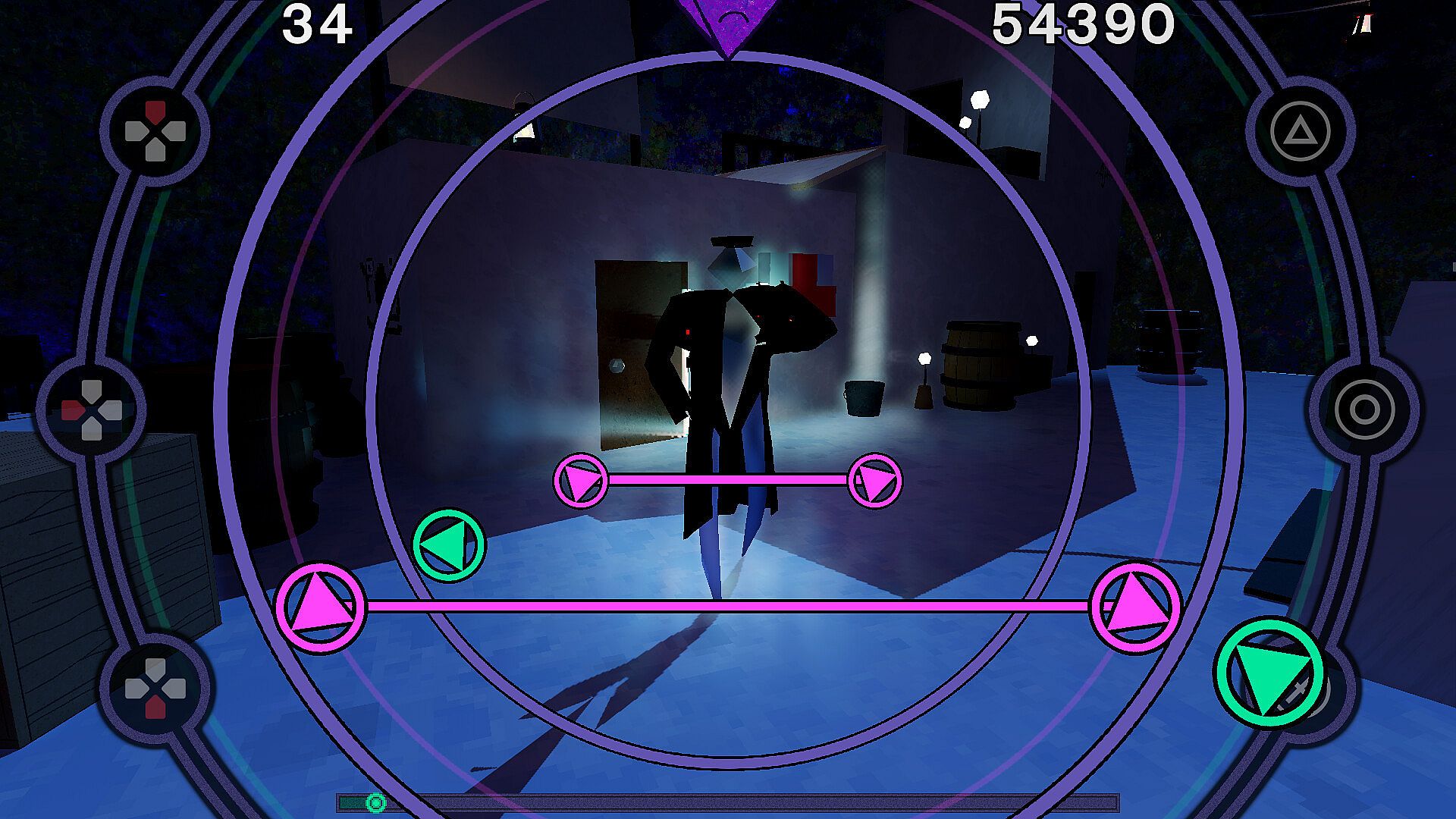
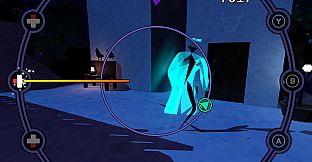
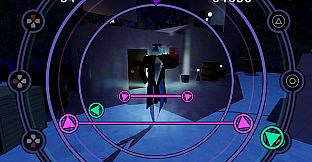
Island Off Outer Dancing is a free-to-play indie narrative rhythm game set shortly after the events of its predecessor. Players take on the role of DC in a story that introduces the new Postman, Utah, and follows a fresh mystery involving space-warping elements on the island of Rekkieg. The experience centers on rhythmic button inputs synced to music while advancing a character-driven narrative.
Gameplay
The core loop involves pressing buttons in time with over 15 tracks from a soundtrack composed by CalamityRhapsody along with remixes from additional artists. Each sequence ties directly into the unfolding story, where players dance as one of five available characters. The rhythm mechanics emphasize precise timing against the music, with the narrative providing context for the sequences through dialogue and scene progression. A recent update introduced support for additional content and an updated control scheme to refine input handling.
Game Modes
The game operates as a single-player experience that blends rhythm challenges with story elements. Sequences unfold in a linear fashion tied to the plot, allowing players to progress through songs while meeting characters and uncovering details about the aberration affecting the setting. There are no separate competitive or multiplayer options confirmed, keeping the focus on personal engagement with the music and narrative beats.
Story and Characters
The narrative picks up after the first ending of the prior game and explores themes of bureaucracy, identity, and larger existential questions through interactions with Utah and other residents. Players encounter five distinct characters to control during dance sequences, each contributing to the central mystery. The story remains grounded in the world established previously, expanding on community and personal elements without relying on external references.
Current State and Availability
Released on August 27, 2026, the title receives ongoing small updates from its solo developer. It runs on Windows systems with modest hardware requirements and includes Steam achievements for tracking progress through the songs and story. The free-to-play model removes any upfront cost barrier, and the entire project was created without generative AI tools.
Is It Worth Playing?
Those who enjoy rhythm games that incorporate narrative progression will find a focused experience here. The free availability makes it accessible for anyone curious about the sequel story or the specific soundtrack style. With only a handful of reviews available so far, reception remains early-stage, but the emphasis on precise timing and character interactions suits players seeking a compact, story-led rhythm title rather than extended sessions or varied side activities. If the predecessor appealed or if rhythm mechanics paired with dialogue interest you, it offers a direct continuation worth sampling at no cost.