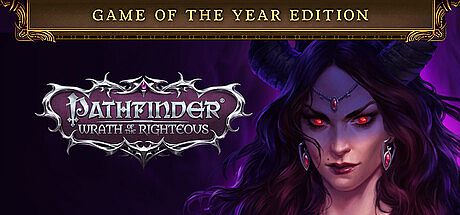
















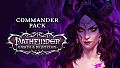
Pathfinder: Wrath of the Righteous - Game of the Year Edition is an isometric computer role-playing game developed by Owlcat Games. It places players in command of a crusade against demonic invaders in the Worldwound, a rift that has allowed hellish forces to threaten the land of Golarion. The title emphasizes deep character customization, party management, and narrative choices that shape both the story and available abilities through mythic paths.
Gameplay
The core loop revolves around exploration of detailed maps, dialogue-driven quests, and combat encounters governed by the Pathfinder tabletop ruleset. Players build a protagonist and recruit companions, each with distinct classes, alignments, and backstories that influence interactions and party composition. Combat supports advanced maneuvers such as mounted attacks and requires careful positioning and ability selection.
Character progression includes leveling, feat selection, and mythic path choices that grant powerful new mechanics and alter available story branches. The crusade management layer adds strategic oversight, where players allocate resources, recruit armies, and resolve events that affect the broader war effort. Exploration rewards thorough investigation of locations, hidden areas, and side content that expands on the central conflict between crusaders and demons.
Game Modes
Two combat modes are available and can be switched between at any time during encounters. Real-time with pause allows faster pacing while still permitting tactical pauses to issue orders. Turn-based mode slows the action for precise planning of each character's actions in sequence.
A separate tactical combat mode supports the crusade system, letting players direct larger forces from a strategic view while also participating directly on the battlefield. These options accommodate different play styles without requiring a full restart or mode selection at the start of the game.
Key Mechanics and Systems
Mythic paths form a central progression system that begins early and expands significantly. Each path offers unique spells, abilities, and dialogue options that can shift the tone of the campaign from heroic defense to darker or more chaotic alternatives. The ruleset supports complex builds involving multiclassing, prestige classes, and alignment mechanics that affect both combat effectiveness and story outcomes.
Party management requires attention to equipment, buffs, and role specialization. Resource systems track both personal character resources and crusade-wide assets such as morale and army strength. The game runs entirely in single-player format with no multiplayer components.
Is It Worth Playing?
This edition targets players who appreciate lengthy single-player RPGs with extensive character options and branching narratives. The combination of flexible combat pacing and mythic path variety provides replay value through different approaches to the same campaign. Those who enjoy methodical party building and strategic layer management will find substantial depth in the systems.
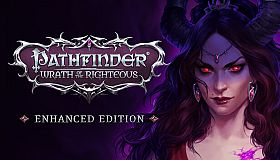
Support continues through the Enhanced Edition, which incorporates refinements to balance and features. The title suits fans of the Pathfinder setting or similar isometric RPGs who value mechanical complexity over streamlined action. Players seeking shorter experiences or real-time multiplayer may find the scope and pacing less suitable.