




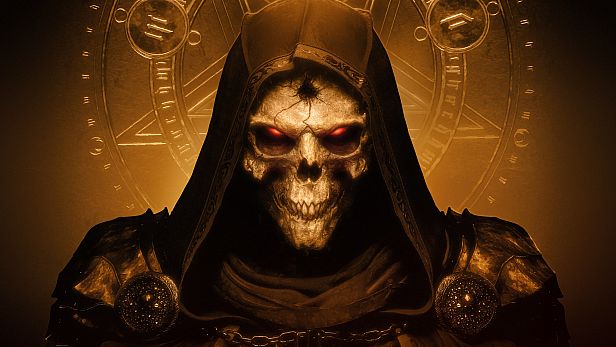












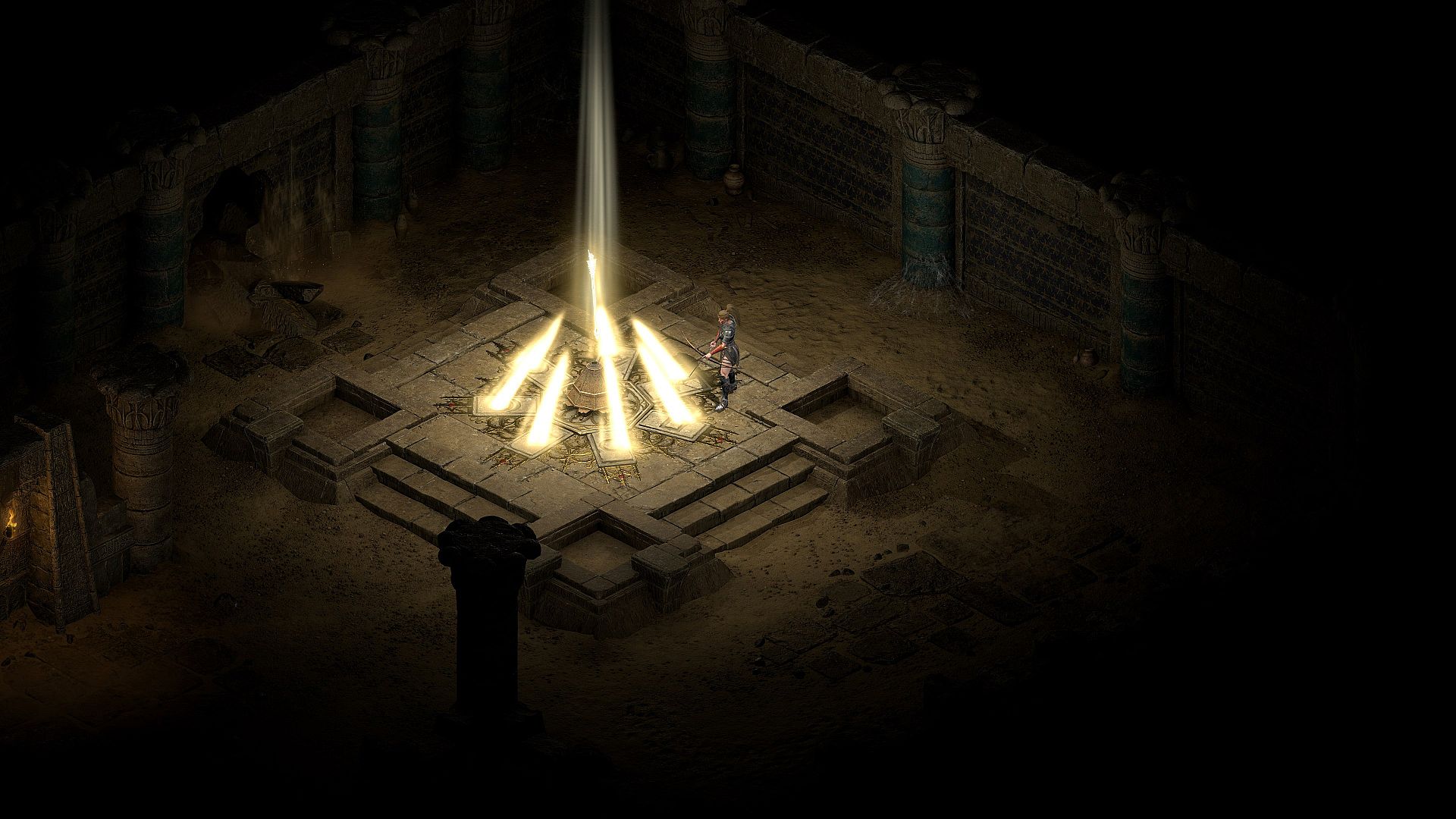
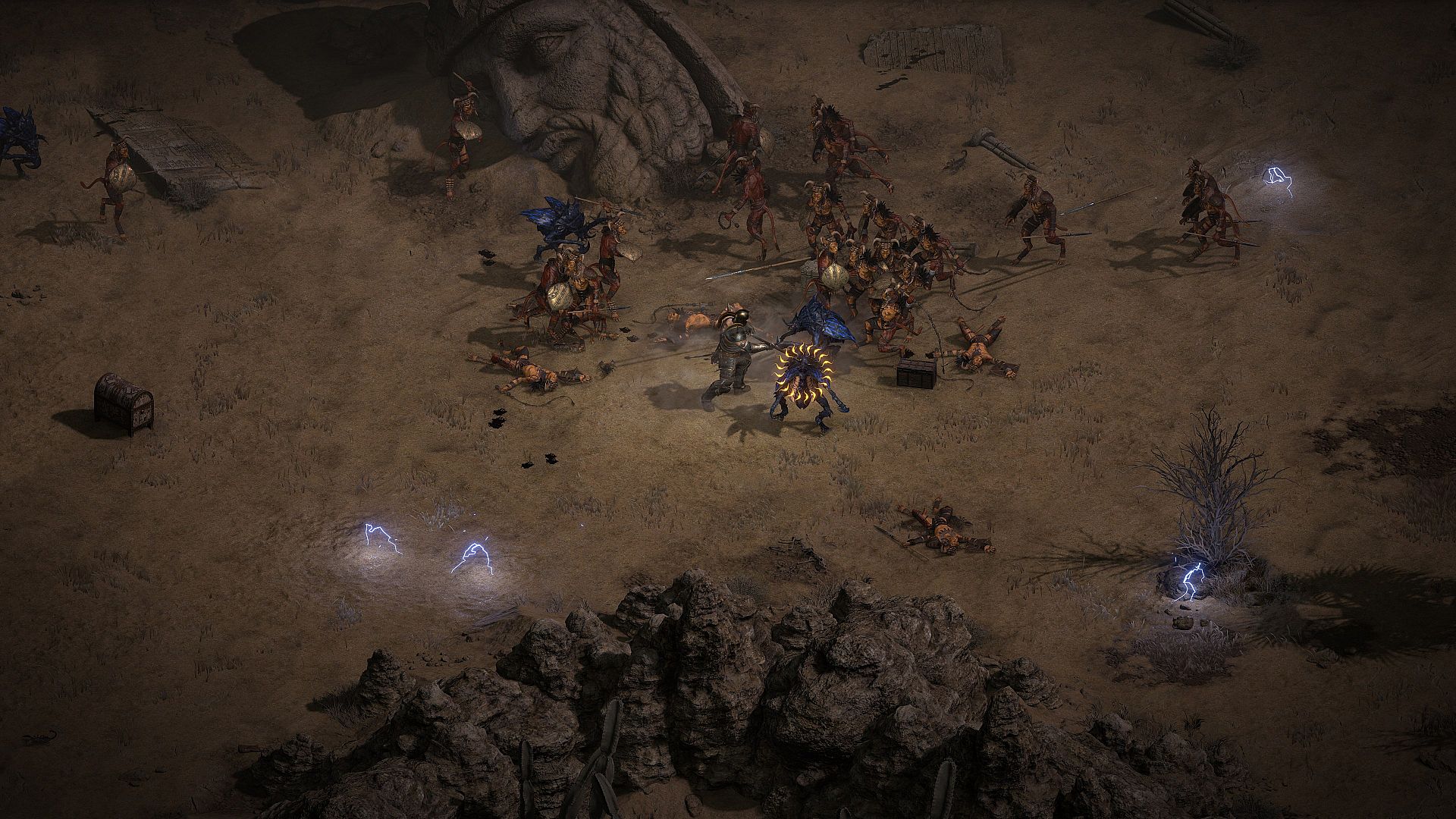
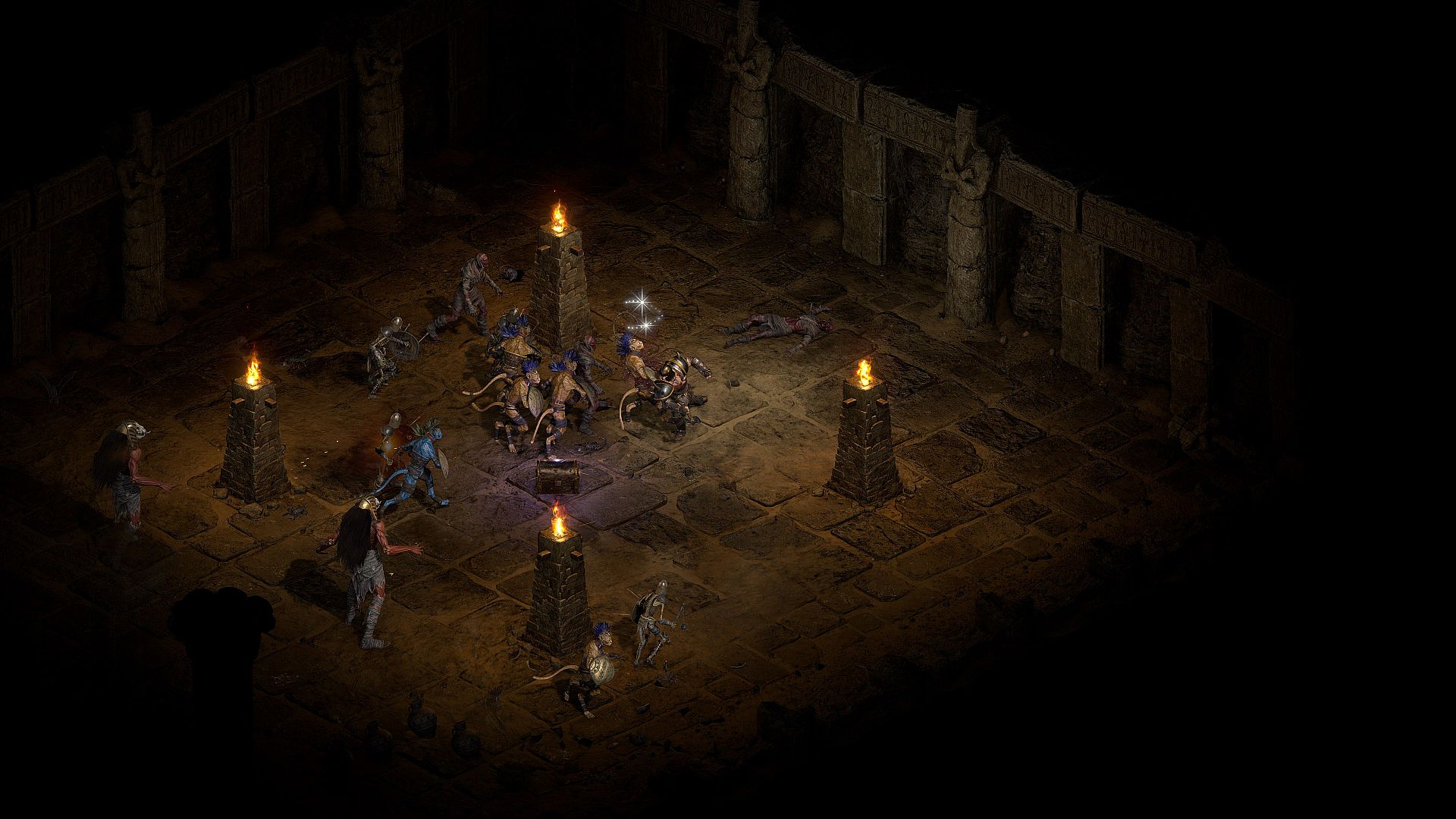
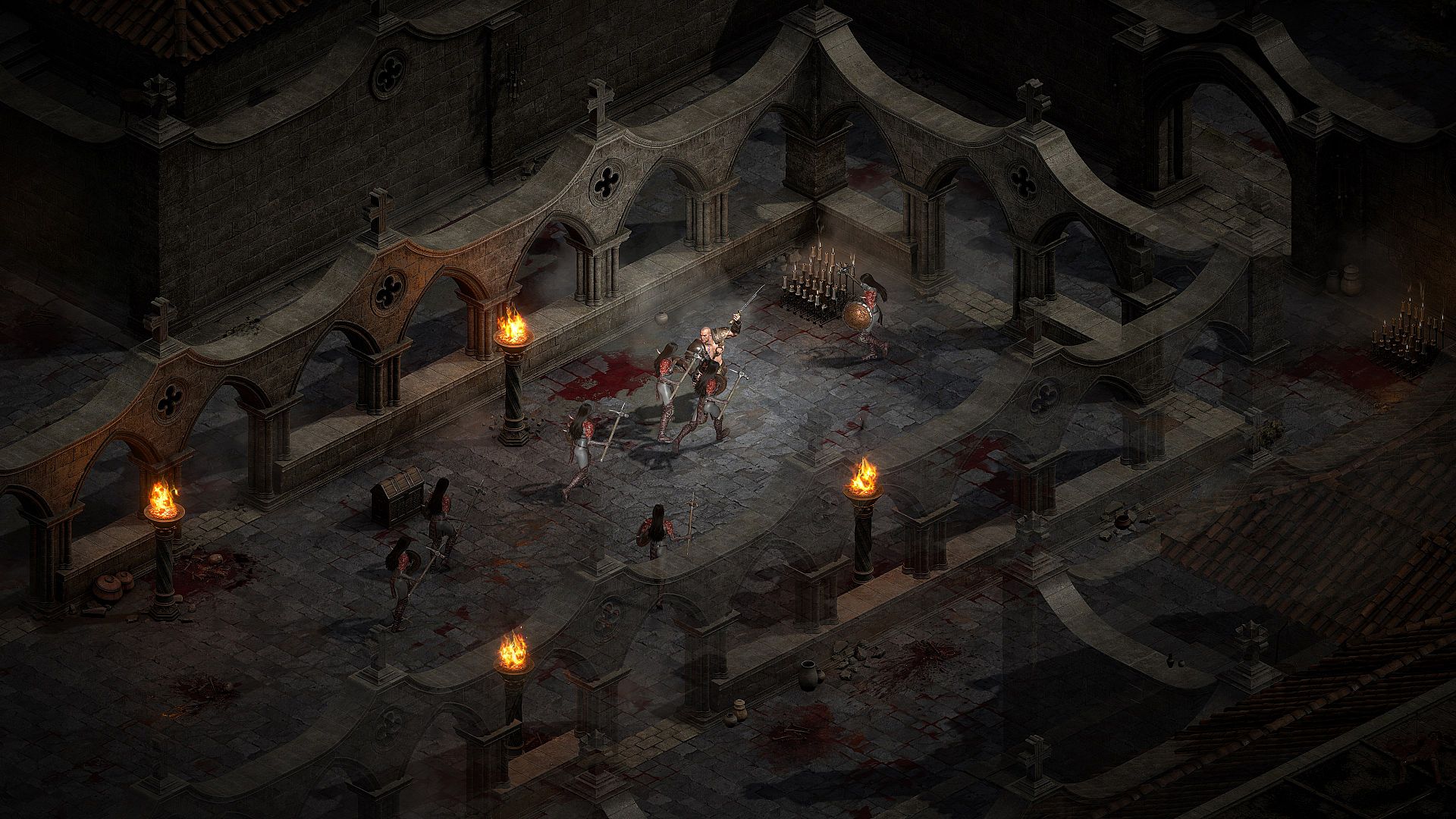
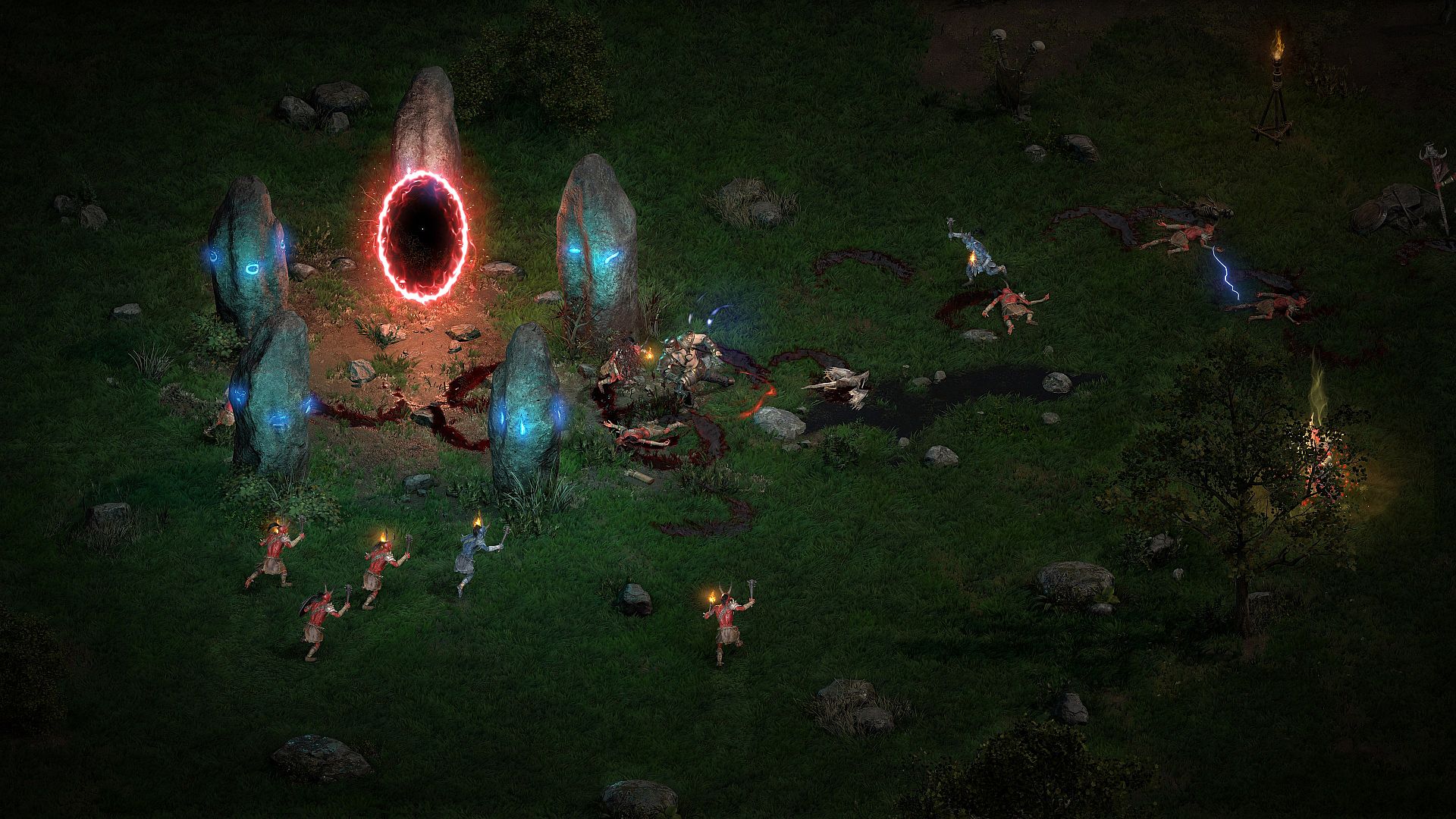
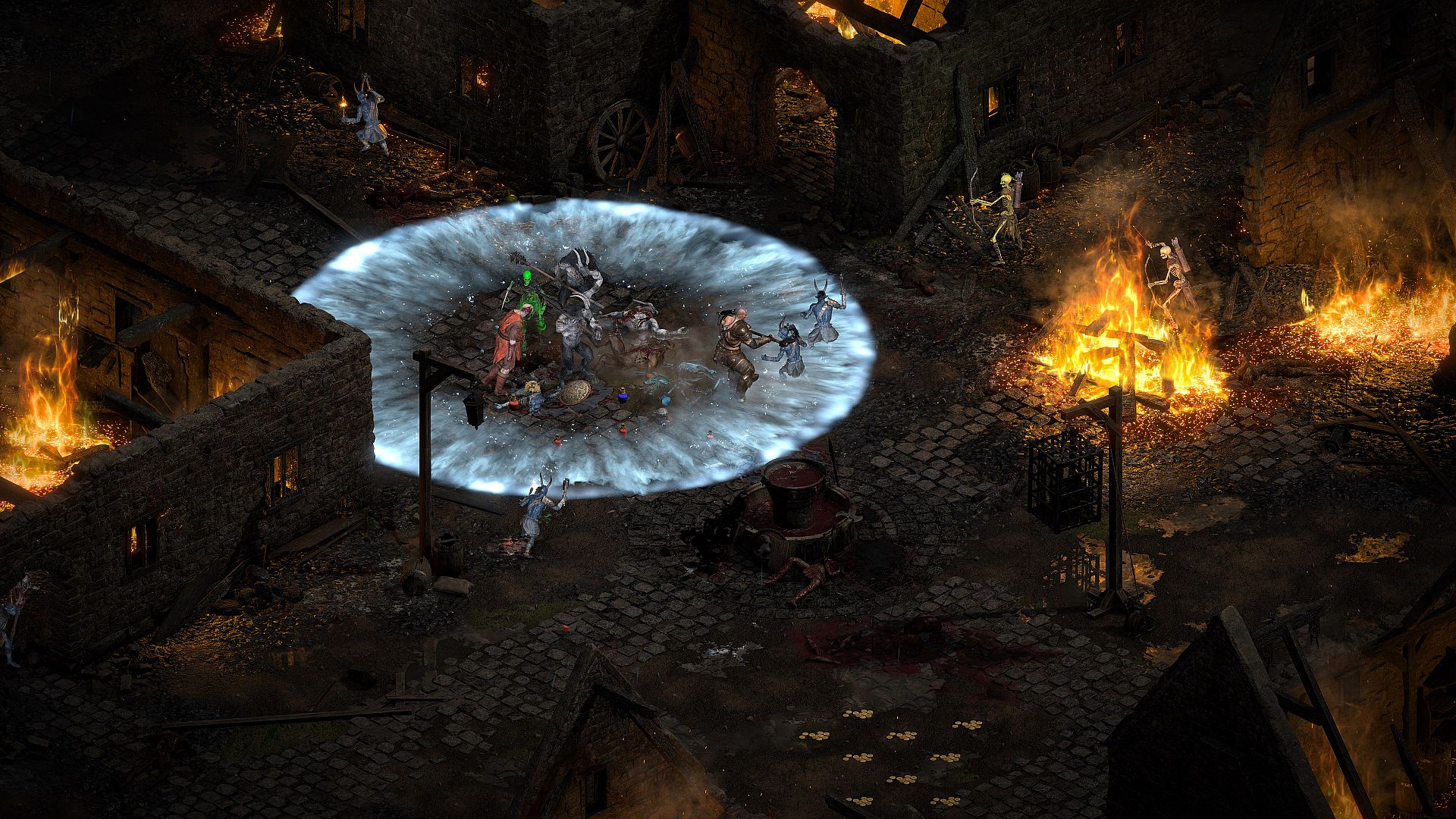
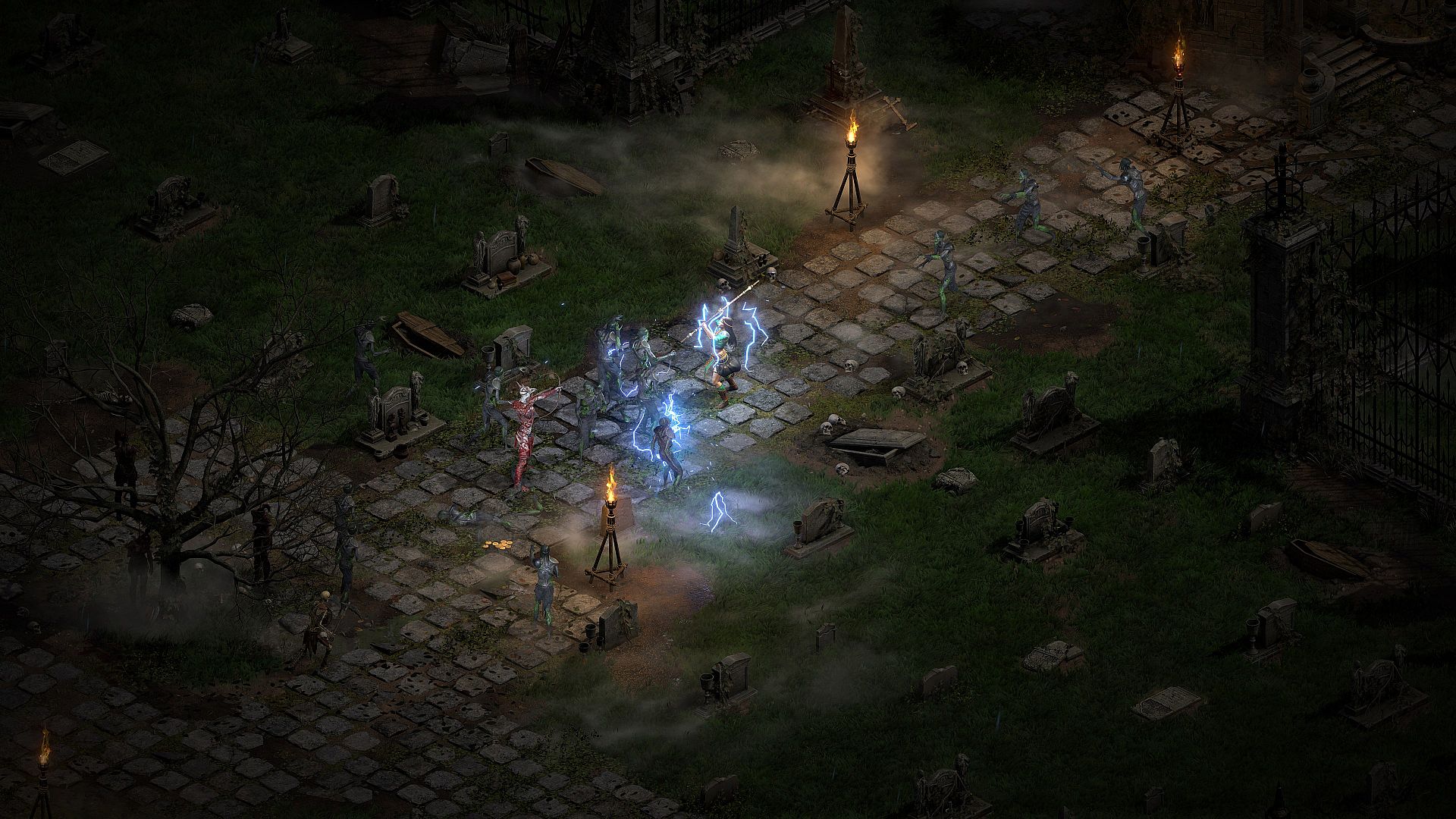
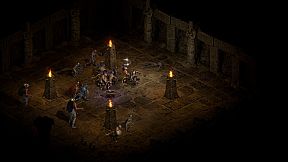
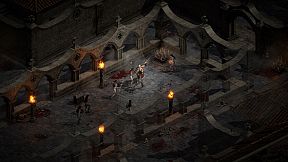
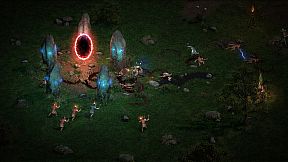
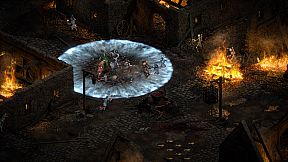
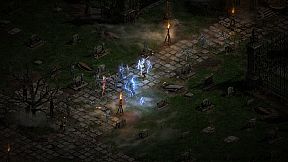
La Diablo Prime Evil Collection è un bundle action RPG che riunisce i classici rimasterizzati della storica serie Blizzard, permettendo ai giocatori di immergersi in epiche battaglie contro i demoni attraverso due titoli principali su Xbox One e Xbox Series.
Gameplay
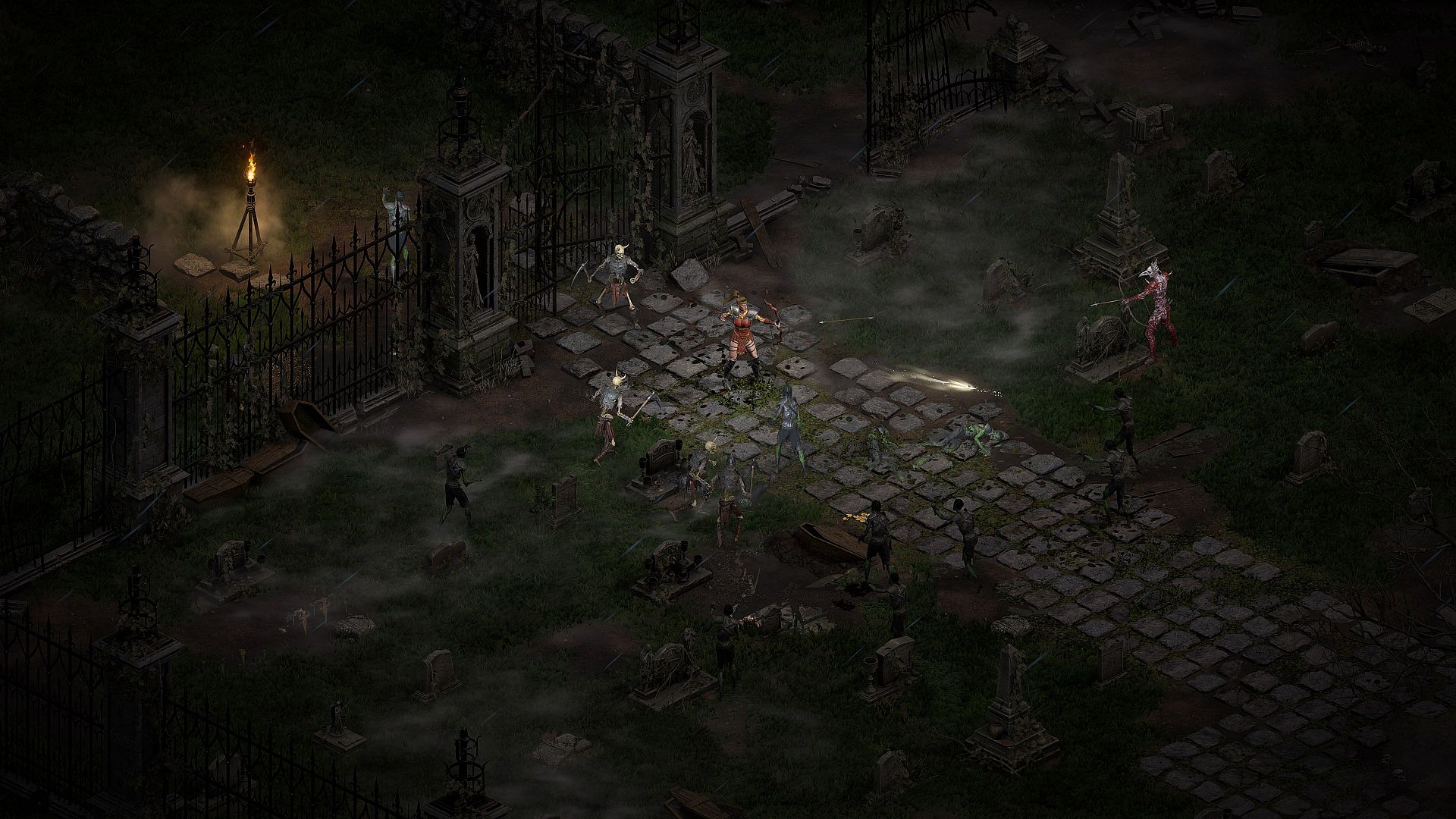
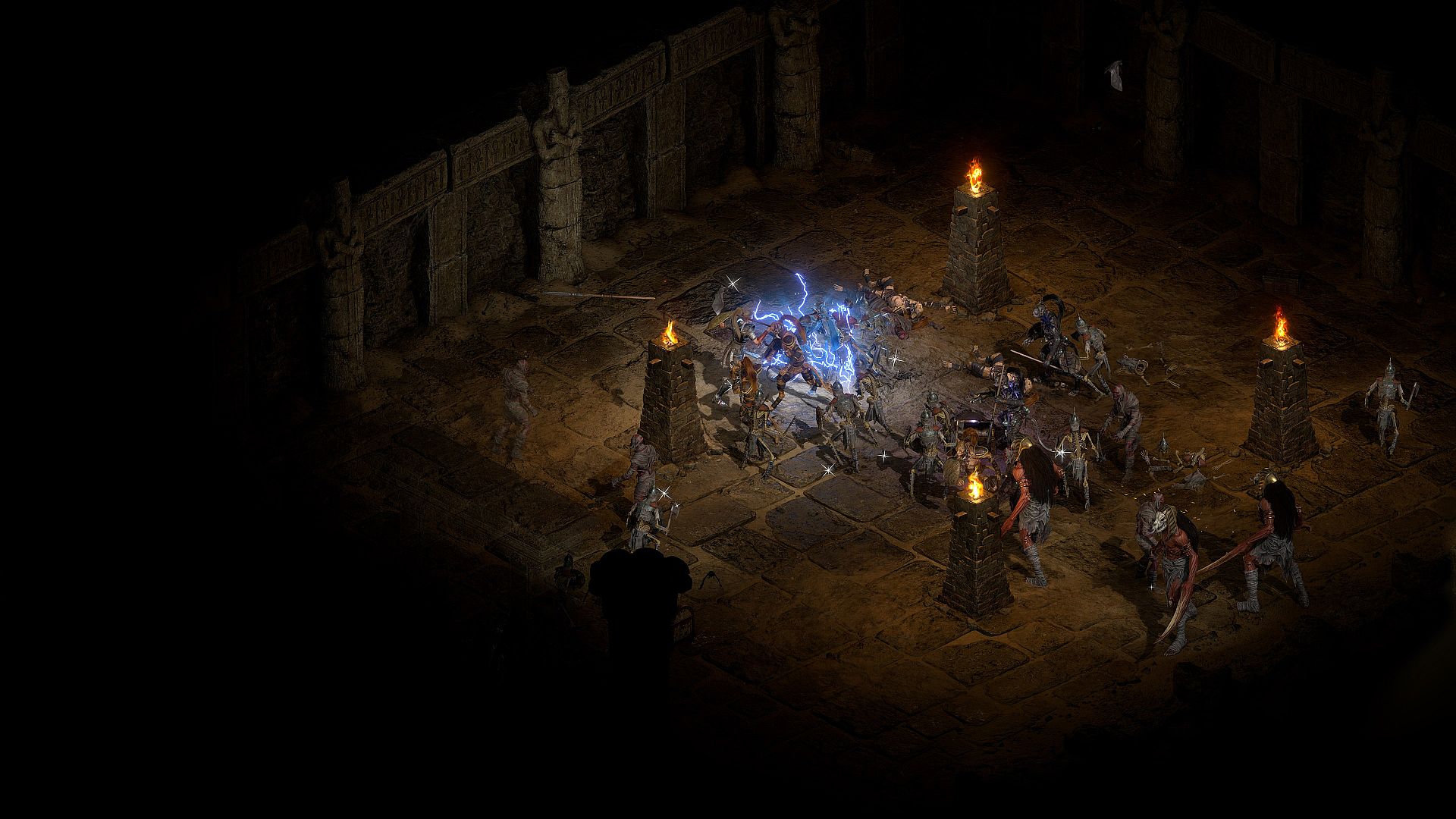
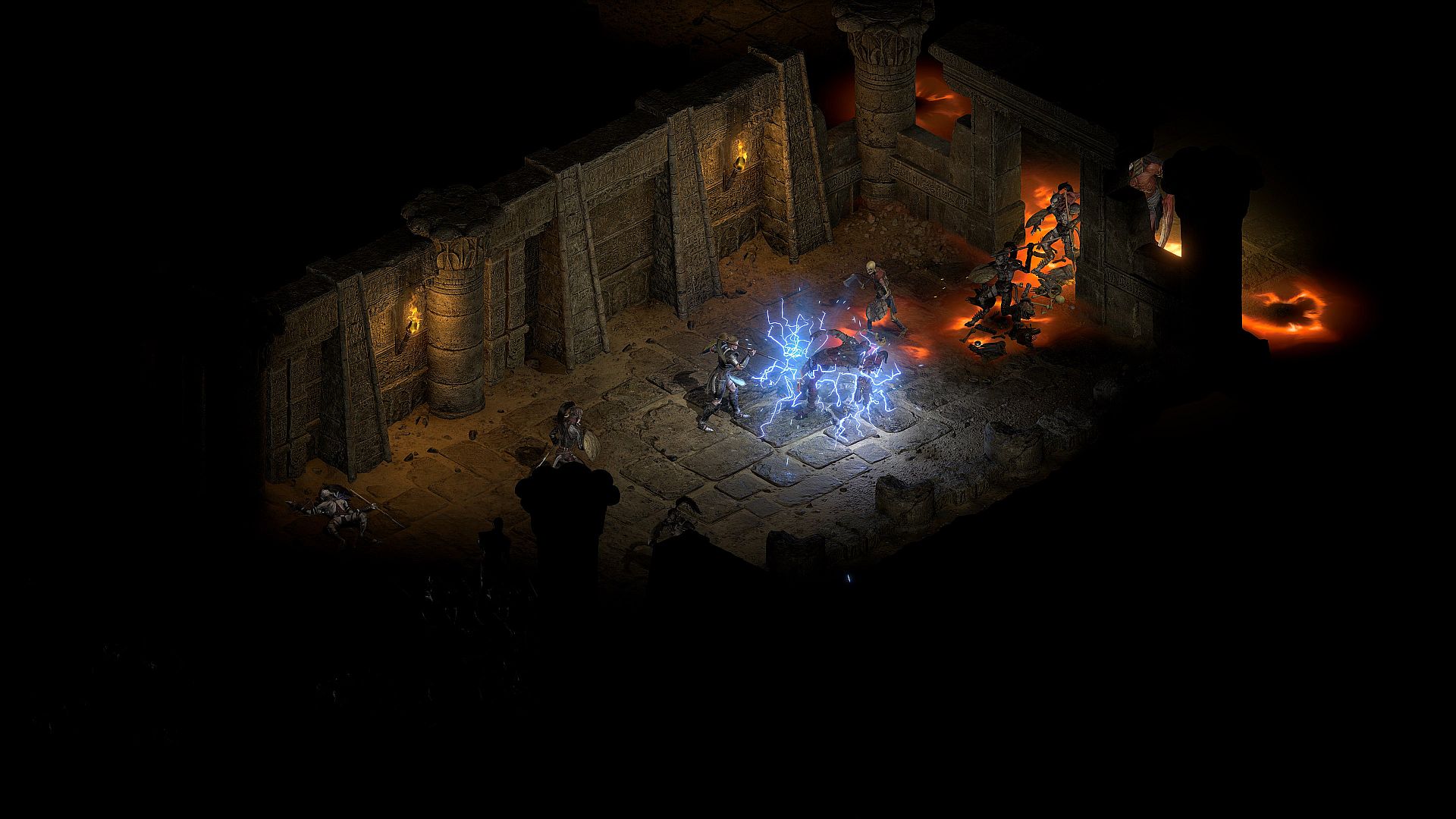
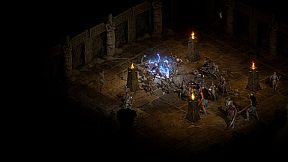
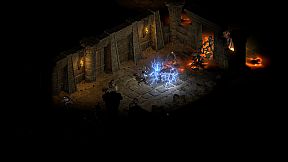
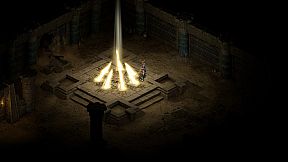
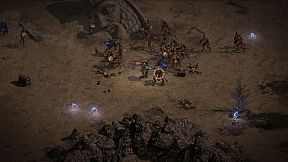
Al centro di questa collection c'è un combat frenetico contro orde di mostri in ambientazioni oscure e gotiche. In Diablo II: Resurrected selezioni una delle sette classi uniche, con abilità e skill esclusive, e progredisci esplorando vaste mappe, completando quest e raccogliendo loot per potenziare il tuo personaggio. Il combattimento premia il posizionamento strategico, l'uso delle skill e la gestione delle risorse, con un sistema di equipaggiamento personalizzabile e alberi dei talenti per creare il tuo eroe.
Diablo III: Eternal Collection adotta un approccio più fluido e orientato alle abilità, con sette classi tra cui scegliere per scatenare attacchi devastanti contro le forze demoniache. Il loop di gameplay ruota intorno allo svuotamento di dungeon, allo scontro con i boss e alla raccolta di equipaggiamento da potenziare o smantellare. Entrambi i giochi includono elementi randomizzati nei drop di loot e negli incontri nemici, incentivando run multiple per ottimizzare le build e affrontare difficoltà crescenti.
Modalità di gioco
La collection supporta il single player per vivere le campagne complete in solitaria, con livelli di difficoltà regolabili in base alle tue abilità. In Diablo II: Resurrected è possibile il co-op online fino a otto giocatori, per affrontare insieme quest e boss.
Le arene PvP aggiungono competizione pura, con duelli diretti fuori dalle zone sicure. Diablo III: Eternal Collection offre la adventure mode per un'esplorazione libera e i greater rifts, sfide a tempo con difficoltà scalabili. Le opzioni multiplayer si estendono al co-op, con enfasi su strategie di gruppo contro ondate di nemici.
Classes and Mechanics
Le classi di Diablo II: Resurrected comprendono Amazon, Assassin, Barbarian, Druid, Necromancer, Paladin e Sorceress, ognuna con stili di gioco specializzati come evocare minion o lanciare incantesimi elementali. Meccaniche come i rune words per potenziare l'equipaggiamento e il shared stash arricchiscono la gestione dell'inventario.
In Diablo III le classi vanno dal Demon Hunter al Wizard, con skill runes che modificano le abilità e paragon levels per la progressione post-max level. Entrambi i titoli prevedono seasonal reset, in cui personaggi freschi competono nelle leaderboard con temi e ricompense uniche, mantenendo viva la community.
Vale la pena giocarci?
Questa collection è ideale per gli amanti degli action RPG con profonda customizzazione e alto replay value, soprattutto se apprezzi i classici rivisitati per hardware moderni. Il punteggio medio di 3.74 riflette l'apprezzamento per la remaster fedele e il combat coinvolgente, pur con qualche critica sull'età dei design originali.
Con stagioni continue che portano nuovo contenuto e update per il balance, resta un'esperienza supportata e dinamica. Se cerchi un mix di narrazione nostalgica e demon hunting cooperativo, è un'ottima scelta, perfetta per i nuovi arrivati che vogliono recuperare prima di passare ai titoli più recenti.


