




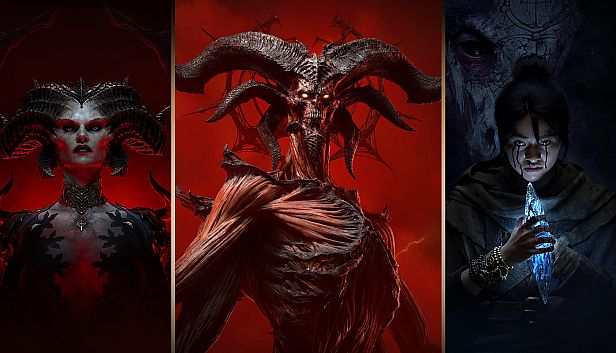










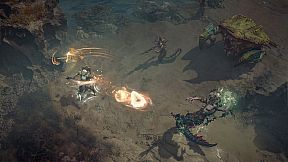
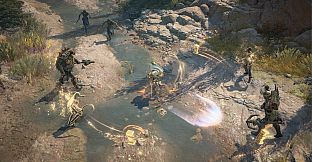
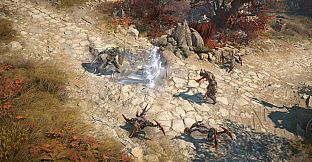
Diablo IV: Age of Hatred Collection è un completo pacchetto action RPG che include il gioco base e le sue espansioni principali, offrendo un'esperienza dark fantasy incentrata su combattimenti, esplorazione e progressione del personaggio nel mondo di Sanctuary.
Gameplay
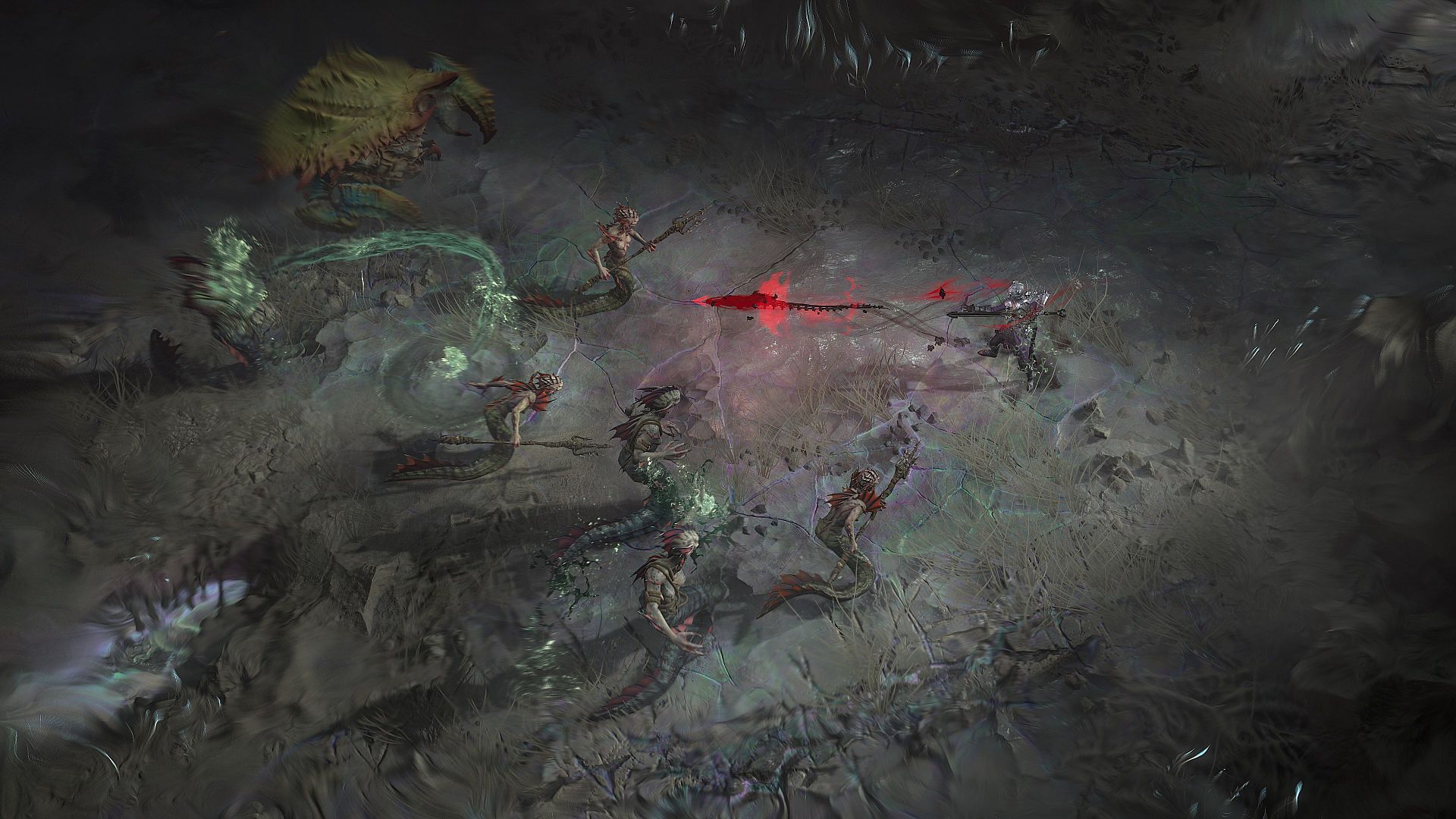
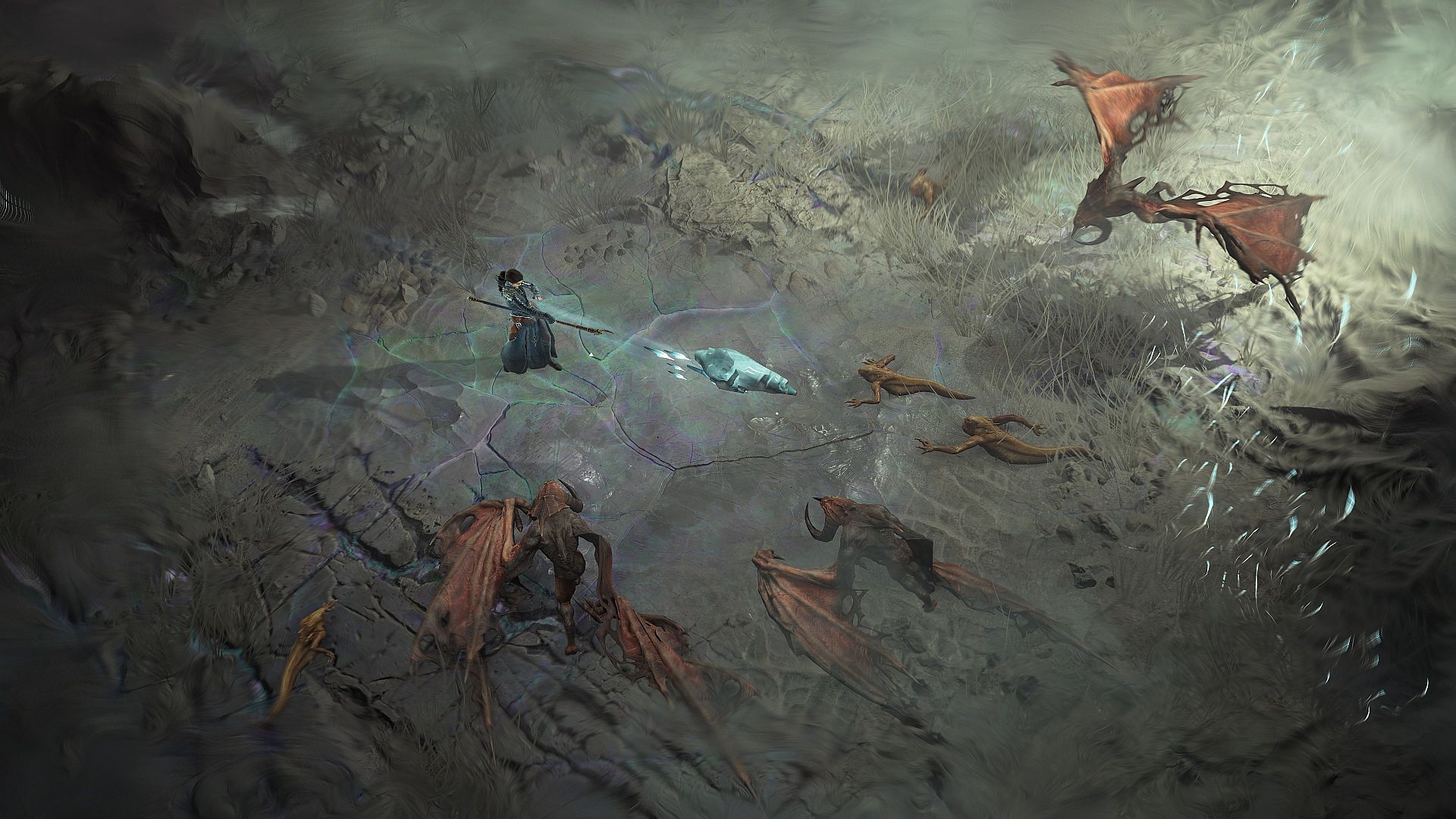
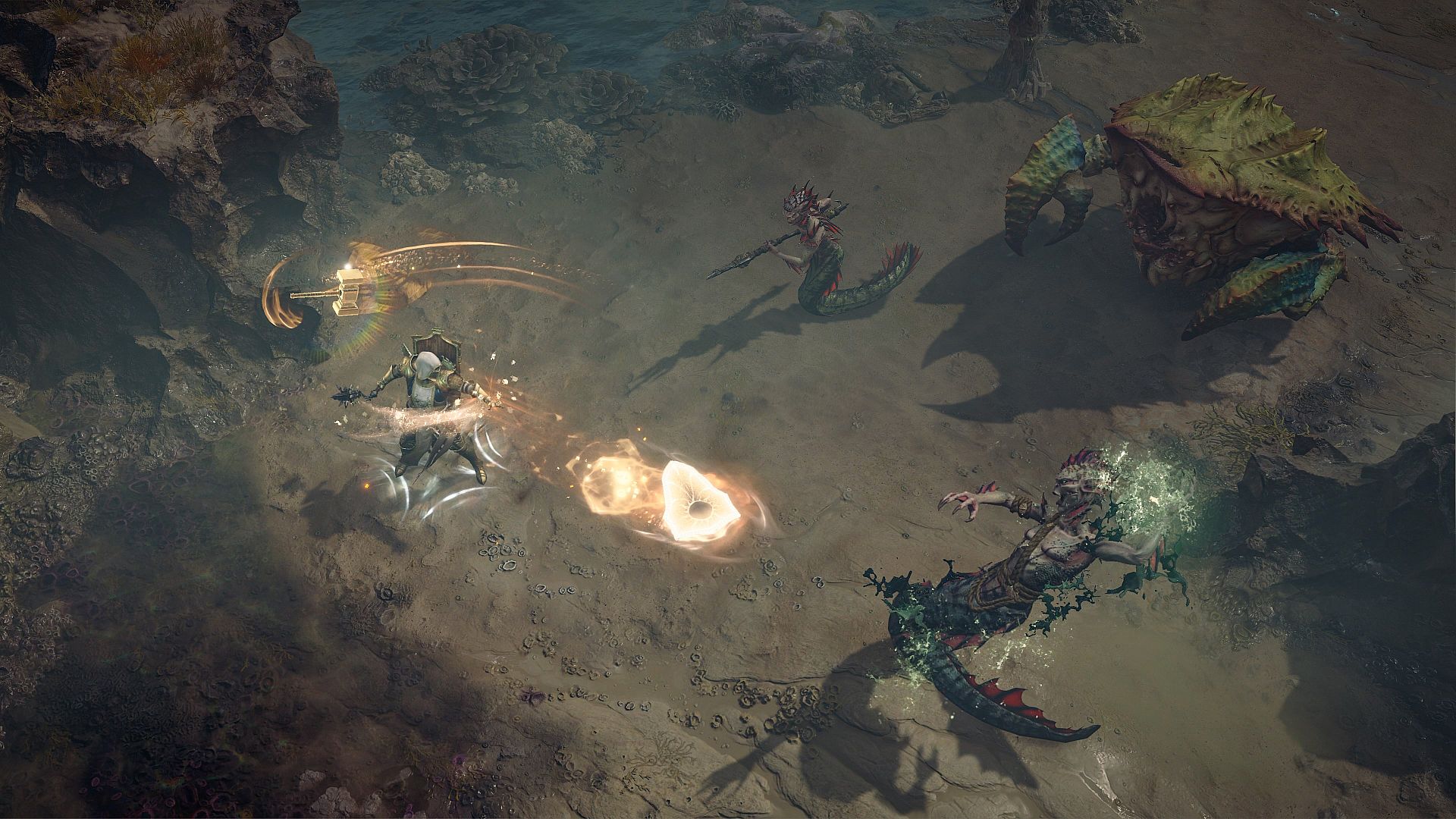
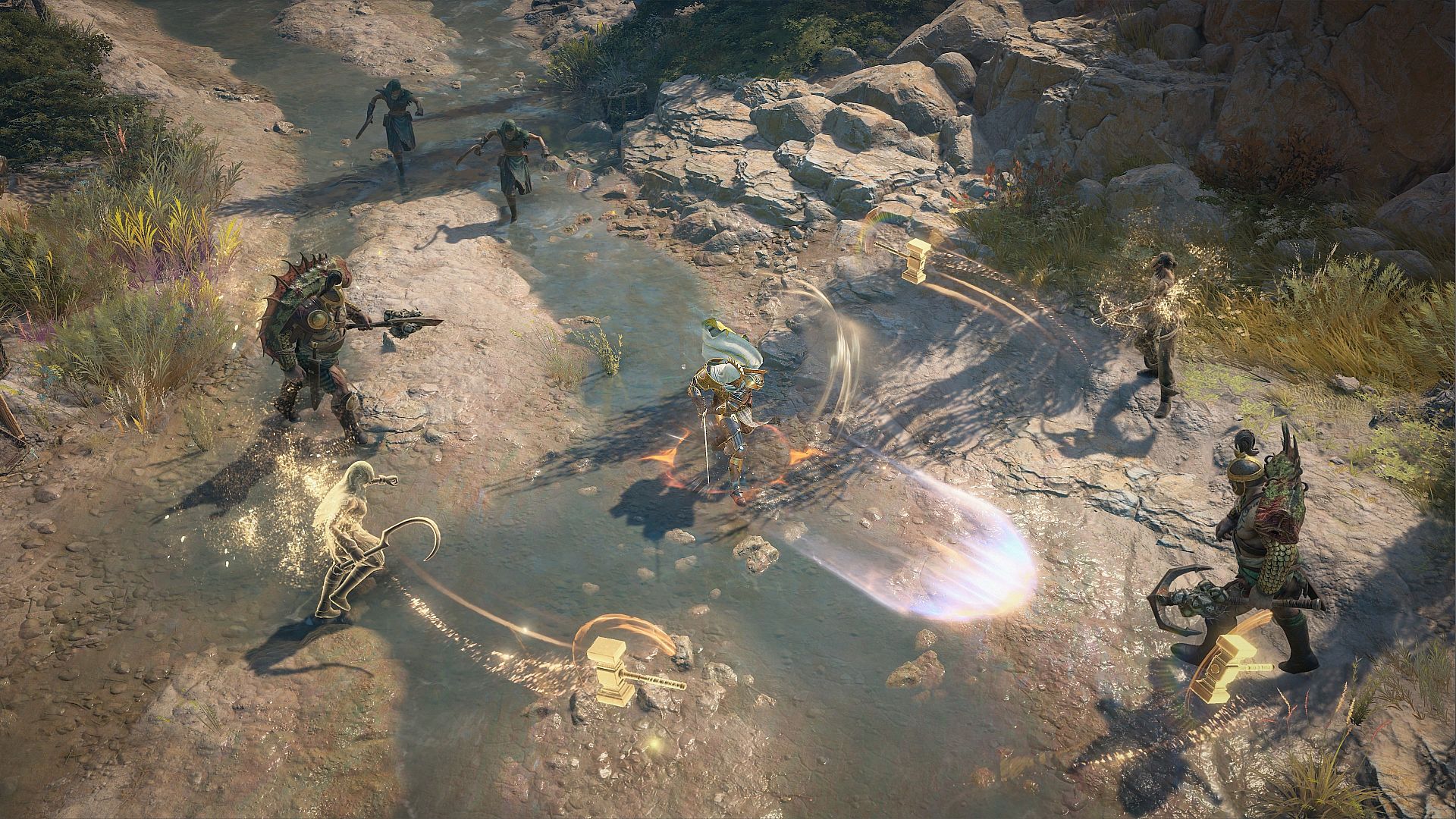
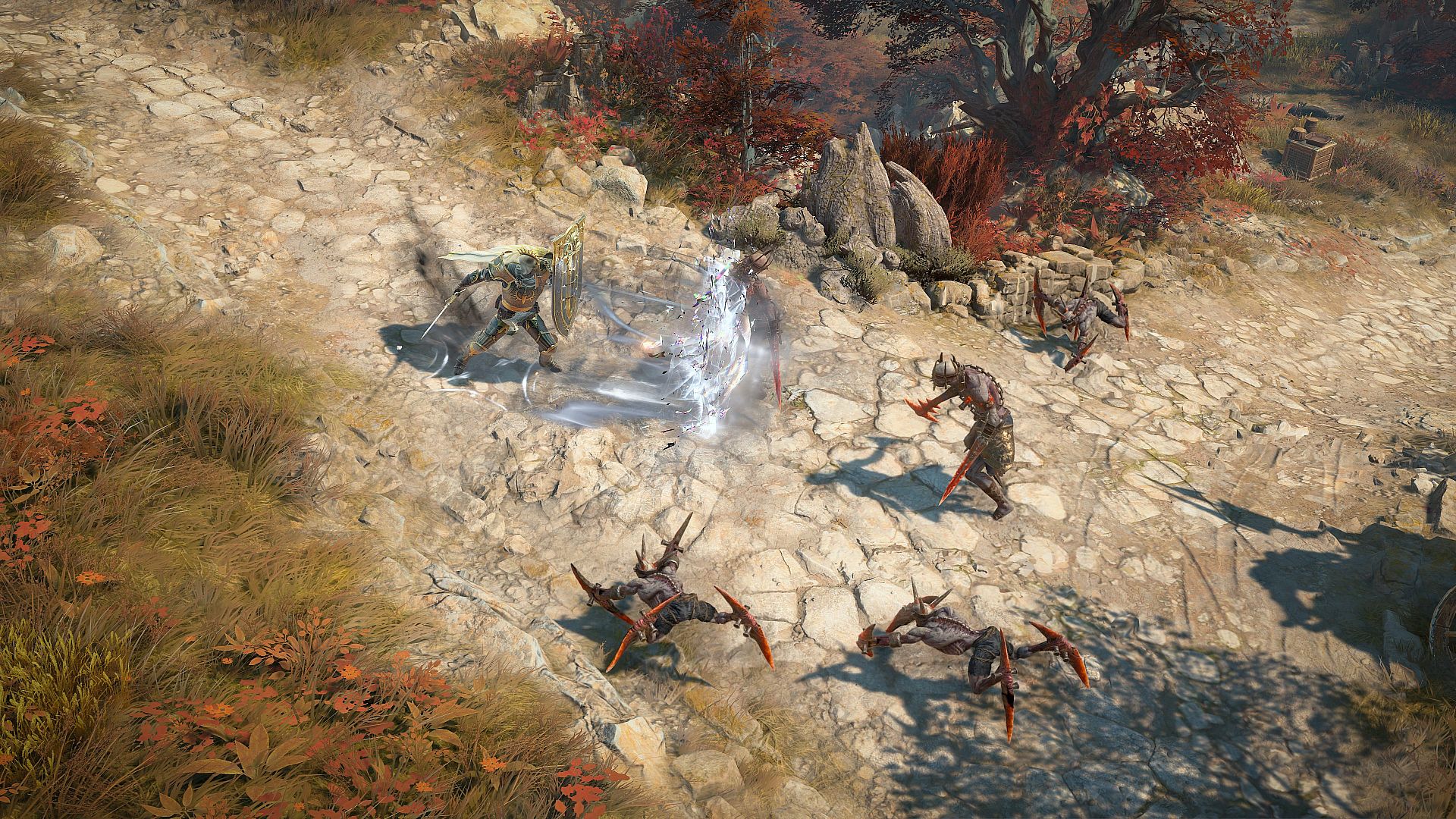
In Diablo IV, il combattimento si basa su azione in tempo reale con otto classi distinte, ognuna con abilità e stili di gioco unici. I Barbari puntano su forza pura e assalti corpo a corpo, i Sorcerer evocano magie elementali per attacchi a distanza. I Rogue sfruttano agilità e trappole, i Druid cambiano forma per un combattimento versatile, mentre i Necromancer evocano servitori per travolgere i nemici. L'espansione Vessel of Hatred introduce gli Spiritborn, che canalizzano energie spirituali per build adattabili, e Lord of Hatred aggiunge il Paladin, maestro di luce divina per difesa e offesa, insieme al Warlock, che domina forze demoniache e trasformazioni.
La progressione si fonda su un albero delle abilità rinnovato con oltre 40 opzioni riviste e 80 extra, per una personalizzazione profonda tramite rami attivi che modificano le abilità, come il cambio di tipo elementale o l'aggiunta di nuovi effetti. L'equipaggiamento è cruciale, con loot che potenzia le statistiche, e tool come l'Horadric Cube per crafting, transmog e manipolazione degli affix. Un loot filter gestisce i drop nascondendo o evidenziando oggetti in base a criteri come rarità o potenza. L'esplorazione si svolge in un mondo aperto colmo di quest e nemici, con una mappa sovrapposta per navigazione e pathfinding ottimizzati.
Le meccaniche endgame includono talismani con bonus cumulabili e affix fissi, separati dall'armatura per build flessibili. La pesca è un'attività rilassante per raccogliere risorse in zone specifiche. Il multiplayer offre cross-play e cross-progression, anche se alcune attività premiano l'efficienza in solo.
Modalità di gioco
La campagna principale segue un arco narrativo attraverso Sanctuary, affrontando minacce come Lilith e Mephisto in regioni come Nahantu e le Isles of Skovos. Questa modalità story-driven si articola in più atti, con la possibilità di saltare sezioni dopo il primo completamento per accedere prima all'endgame.
Le modalità endgame si ampliano con attività come le Nightmare Dungeons, varianti difficili delle dungeon standard, e le Helltides, eventi a tempo con ondate di nemici per ricompense. Le Infernal Hordes mettono alla prova la sopravvivenza contro assalti demoniaci, mentre la Pit sfida le build su 12 tier di tormento crescenti. I War Plans collegano queste attività in playlist fluide con percorsi ramificati e perk personalizzabili tramite command table, anche se il co-op può causare discrepanze di progressione.
Echoing Hatred offre una rara modalità horde accessibile con oggetti speciali, focalizzata su ondate massicce di minion per sfide ad alto rischio. La modalità Tower include leaderboard con update beta, nuovi ambienti, boss e un build viewer per confrontare setup. Le modalità stagionali, come l'attuale Season of Reckoning, portano sfide di rank, benedizioni per drop migliori e un sistema di reliquiari per cosmetici e mount.
Expansions and Current State
Vessel of Hatred introduce la regione di Nahantu, la classe Spiritborn e nuove attività endgame come l'Undercity. Lord of Hatred, uscito il 28 aprile 2026, aggiunge Skovos come hub con la capitale Temis, due nuove classi e sistemi rivisti tra cui tier di difficoltà ampliati e il framework dei War Plans.
A maggio 2026, il gioco continua a ricevere supporto con stagioni e patch; la Season of Reckoning punta su update sistemici importanti e sfide comunitarie come Hatred's Downfall, dove punti paragon collettivi sbloccano ricompense per tutti. Il level cap è 70, con itemizzazione core raffinata che include chance per affix ancestrali e greater sul gear.
Vale la pena giocarci?
Con un punteggio IGN di 8/10 per l'espansione Lord of Hatred, che ne elogia la conclusione narrativa appagante e i miglioramenti al build-crafting, Diablo IV conquista i fan degli action RPG loot-driven con ampia customizzazione. I giocatori apprezzano l'endgame denso e le nuove classi, pur notando attriti nel co-op di certe modalità e complessità dei menu.
La collection è ideale per solisti o gruppi in cerca di progressione a lungo termine, grazie a stagioni regolari e feature cross-platform. Se il grinding per gear e il perfezionamento delle build ti appassionano, questo pacchetto vale ampiamente il suo prezzo con campagne e sfide in evoluzione, perfetto per gli amanti degli action RPG.


