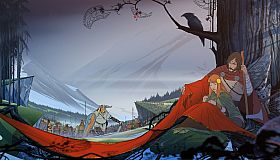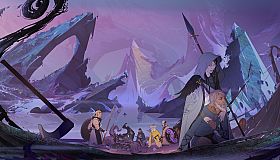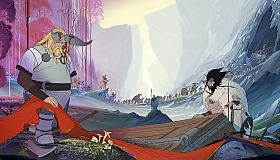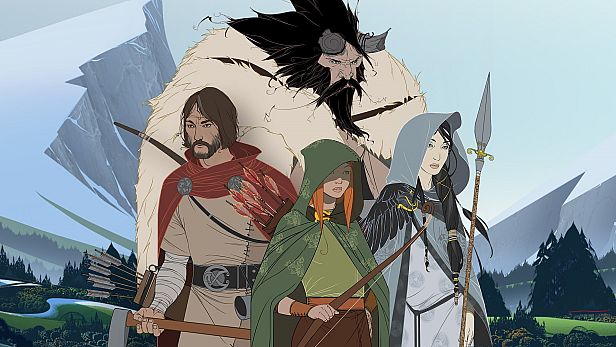




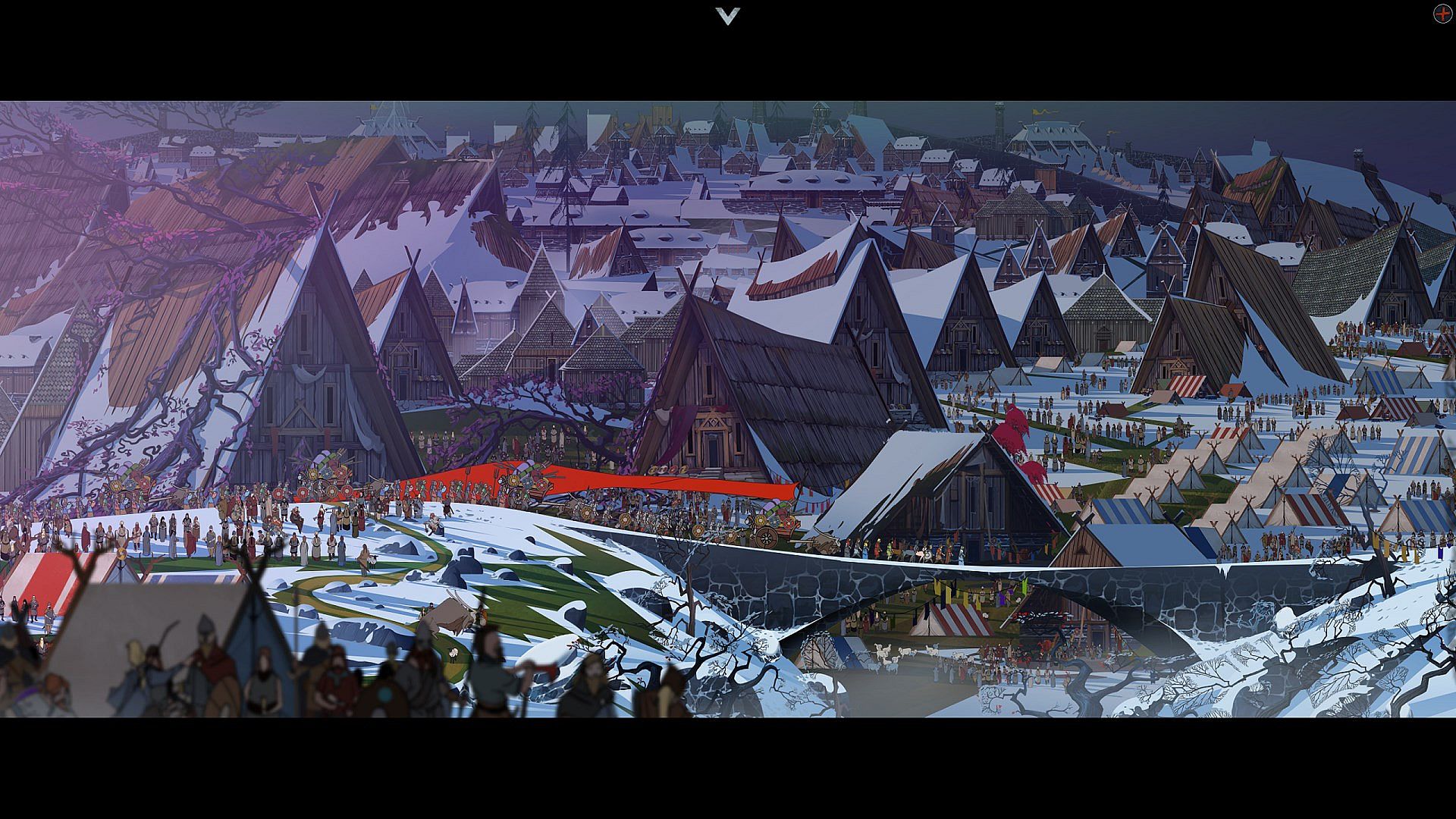
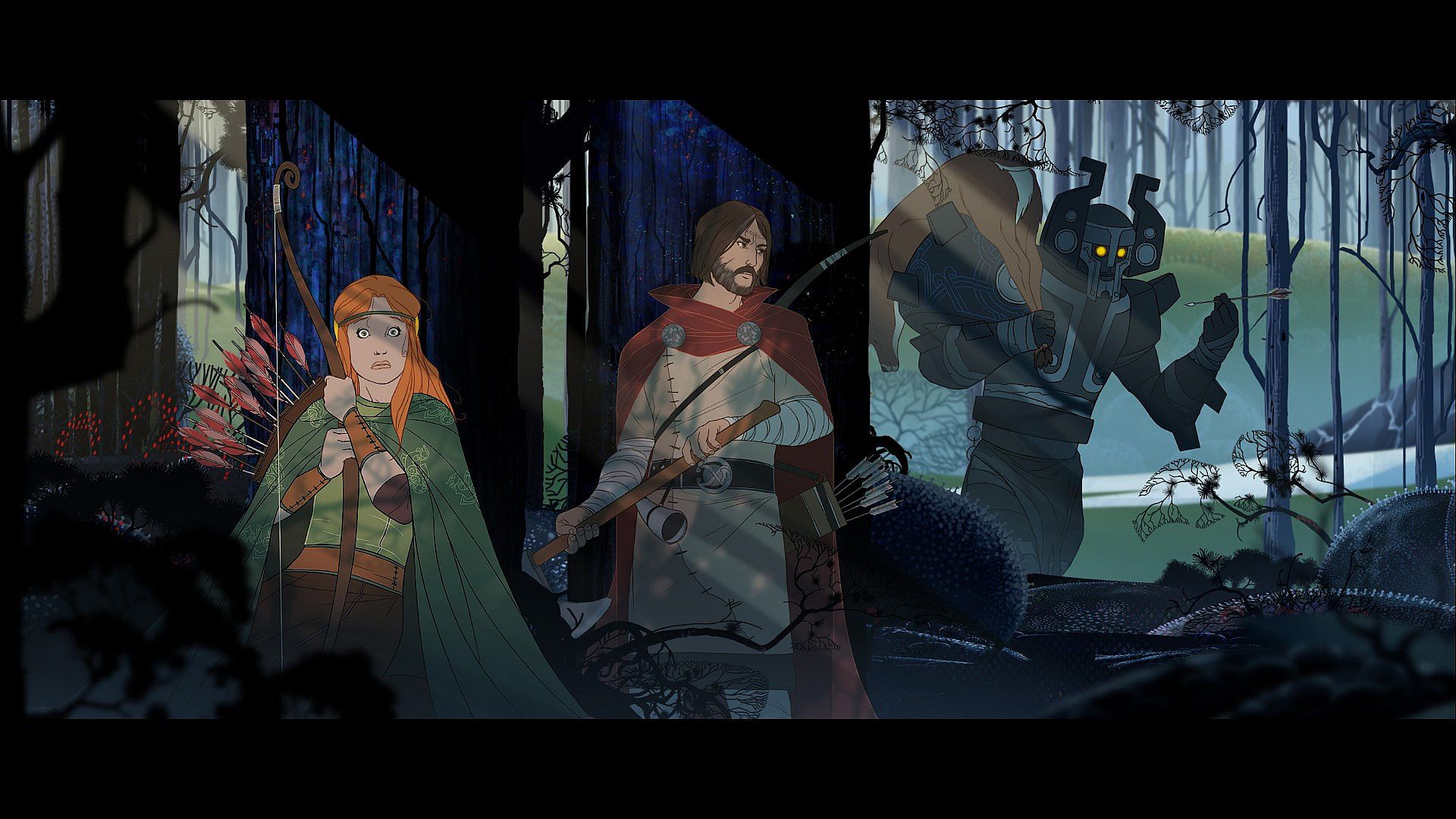
The Banner Saga Trilogy is a strategy RPG that places players in command of a caravan fleeing catastrophe across a world inspired by Norse mythology. The experience centers on managing limited resources, making permanent decisions about who lives and who dies, and engaging in deliberate turn-based battles where positioning and resource allocation determine outcomes. Available on Xbox One and Xbox Series consoles, the trilogy compiles three connected campaigns into one package focused entirely on single-player storytelling and tactical gameplay.
Gameplay
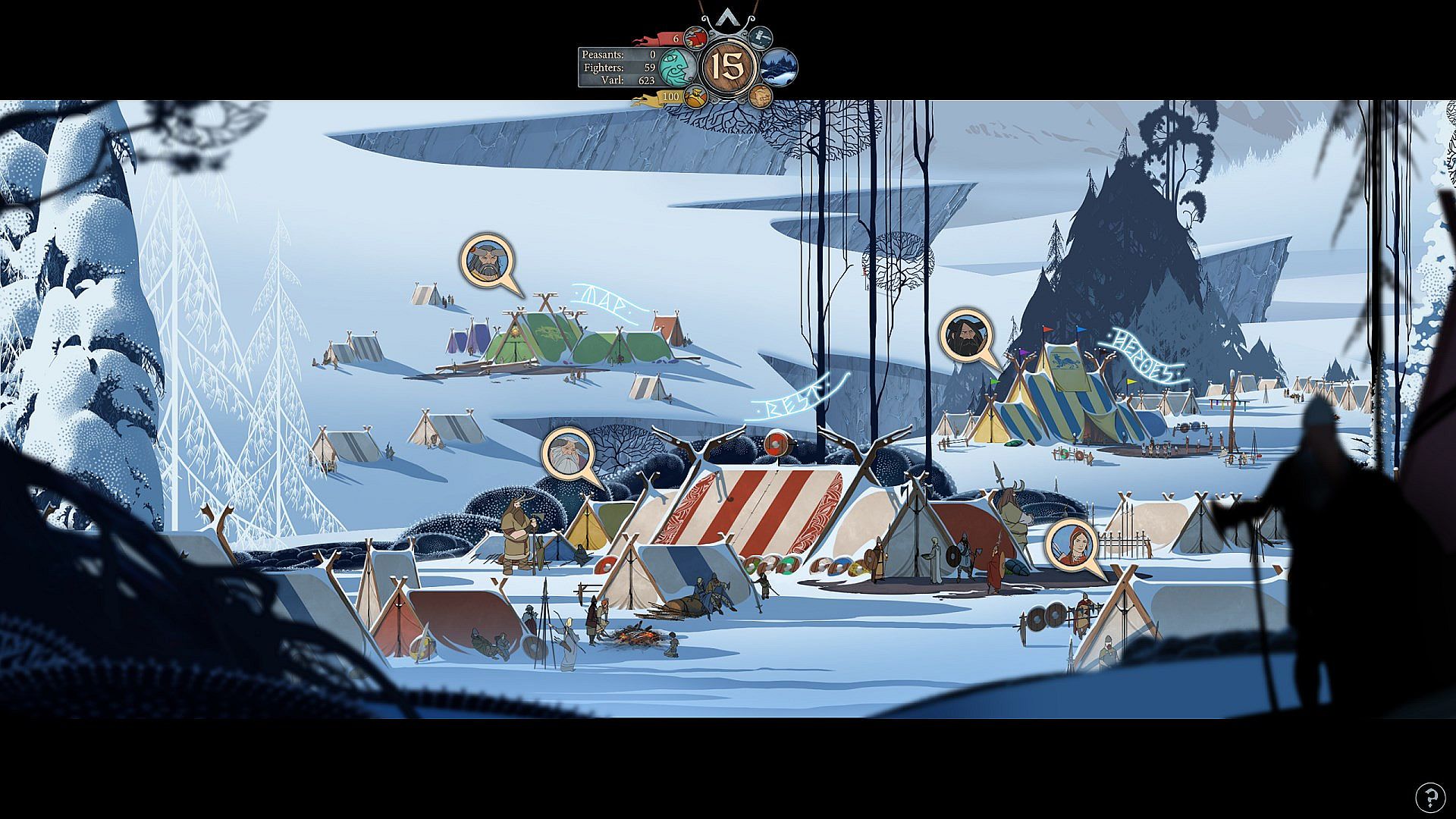
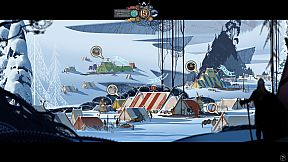
Core play revolves around three intertwined systems: caravan travel, narrative events, and grid-based combat. Players guide groups of survivors across a vast landscape, balancing supplies, morale, endurance, and group size to avoid disaster. Resting consumes time but restores key stats, while poor management leads to starvation, low spirits, or lost followers. Events during travel present branching choices that alter the caravan's composition, unlock new paths, or trigger combat encounters.
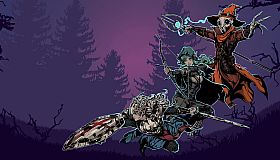
Combat unfolds on square grids where each unit possesses strength and armor values. Strength serves as both health and offensive power, so damaging it weakens attacks over time. Armor absorbs incoming blows until stripped away. Players select from dozens of characters across multiple races and classes, each bringing distinct abilities that can be upgraded through earned renown. Up to six units deploy per fight, with large characters occupying multiple tiles and certain classes limited by team composition rules. Willpower allows special actions or movement boosts, and a horn mechanic rewards kills by restoring resources to the party. Defeat or victory carries lasting consequences, as characters can be lost permanently outside of battle based on earlier decisions.
Character progression ties directly to combat performance and resource spending. Glory points earned from fights and resolutions fund both leveling and caravan upkeep, forcing trade-offs between strengthening fighters and keeping the larger group alive. The hand-drawn animations and accompanying score enhance the sense of a living, harsh world without altering the deliberate pace of strategy.
Game Modes
The trilogy offers a single continuous campaign experience across its three parts. Players advance through a linear yet choice-driven narrative that carries over decisions and surviving characters from one installment to the next. Combat encounters arise naturally from travel and events rather than through separate queues or arenas. In the final chapter, certain battles introduce wave reinforcements that arrive after a set number of turns, adding pressure to finish fights quickly or prepare for escalating threats. No separate multiplayer or competitive modes exist within the trilogy itself.
Story and Characters
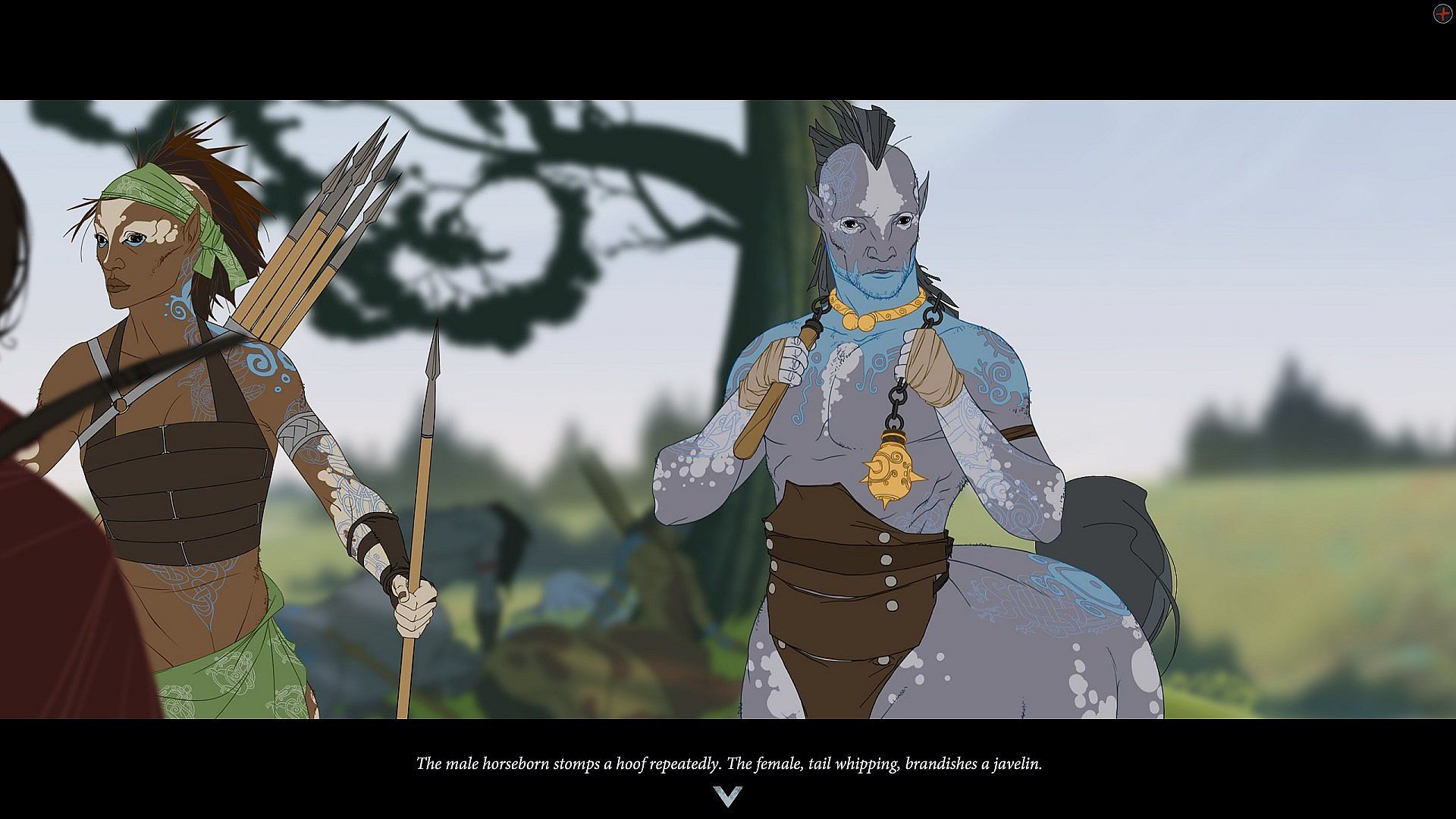
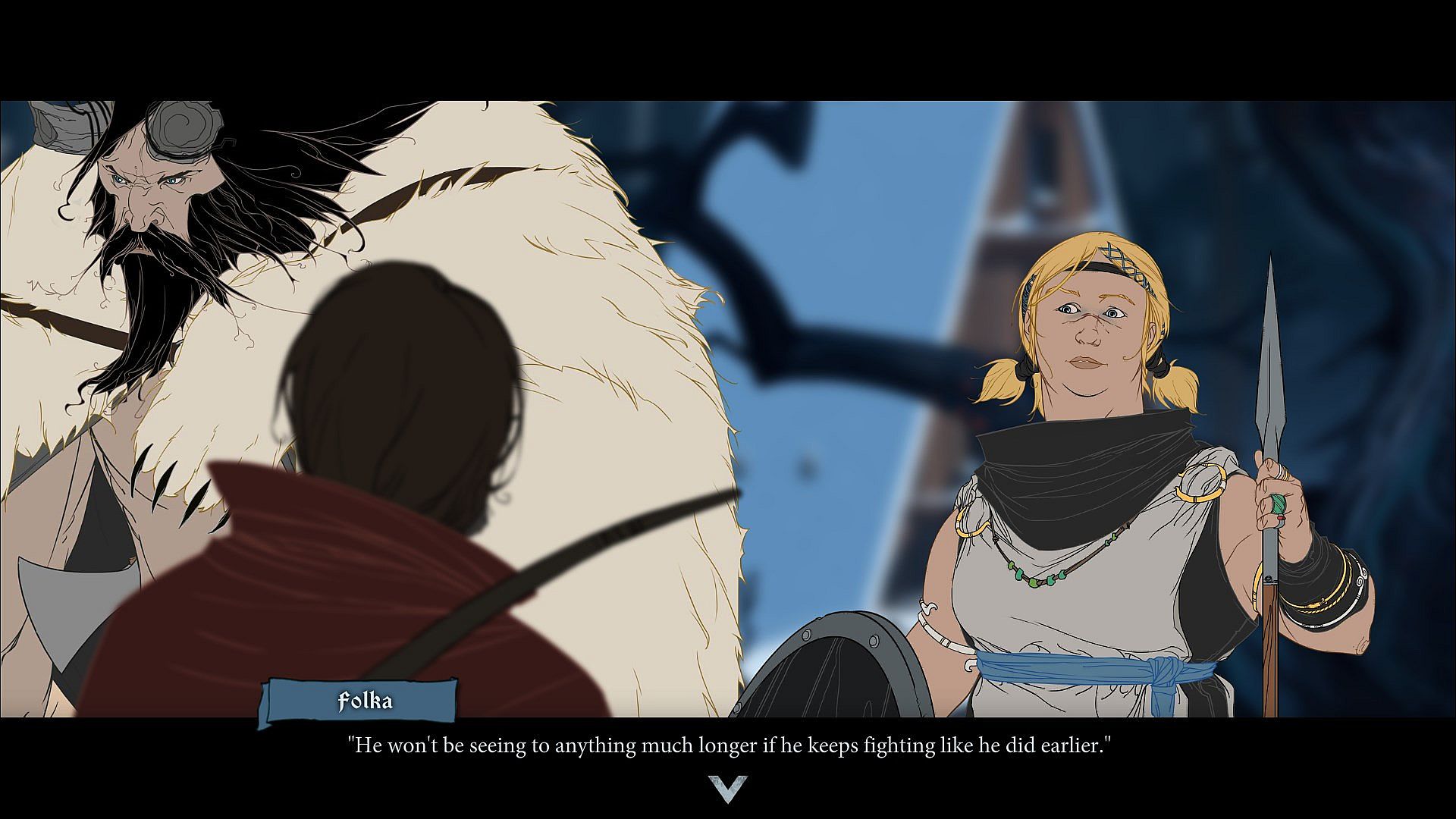
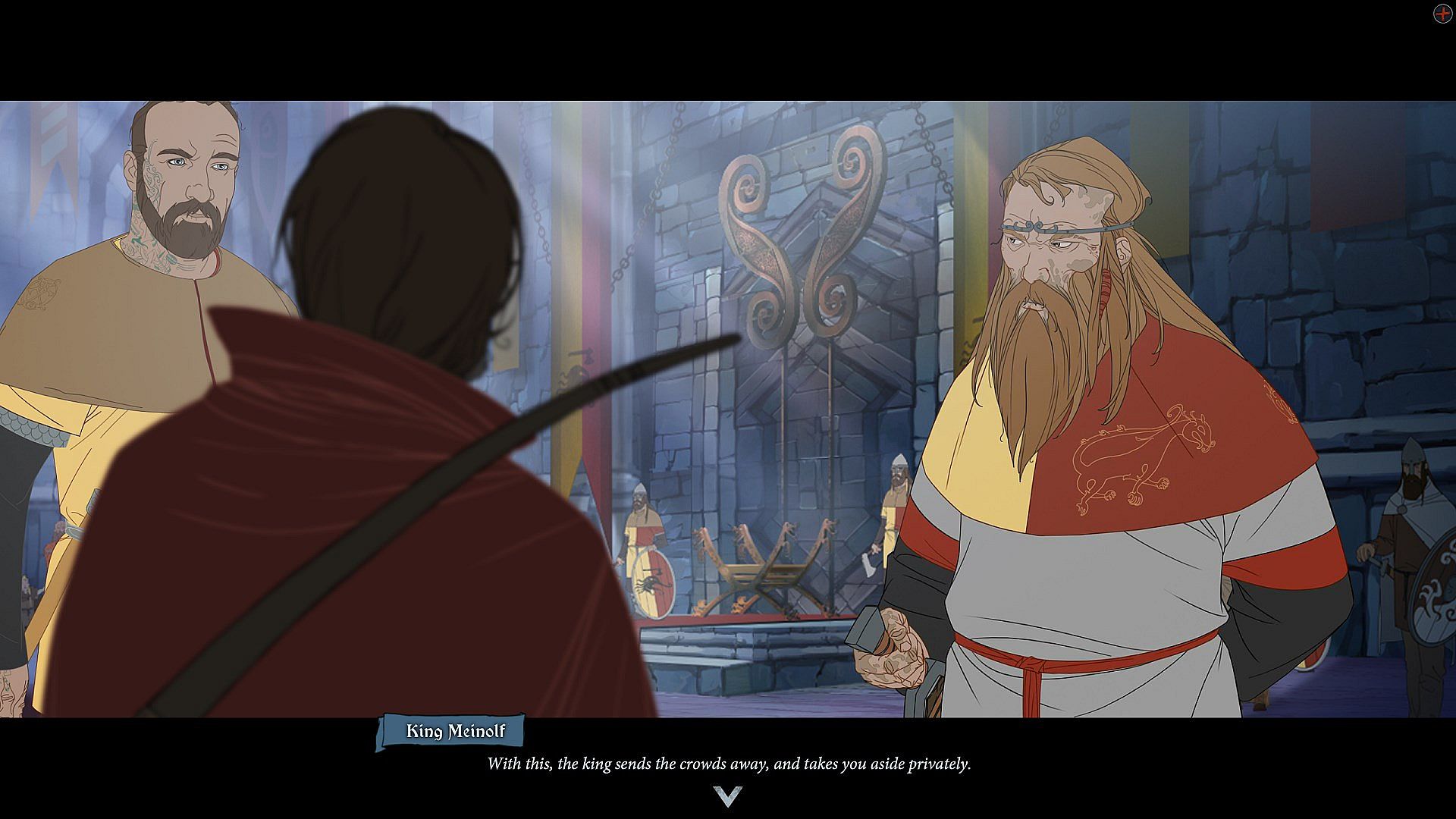
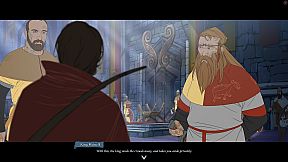
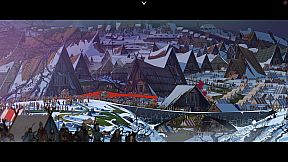
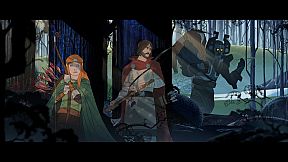
The narrative follows multiple groups navigating the collapse of their world, with human and Varl leaders making difficult calls about alliances, rations, and battle deployments. Dozens of recruitable individuals from four races and numerous classes join the effort, each with personal stories that intersect based on player actions. Permanent losses reshape later chapters, encouraging replays to explore different survival paths. The focus remains on leadership under pressure rather than open exploration or side quests.
Is It Worth Playing?
The Banner Saga Trilogy suits players who enjoy tactical RPGs built around meaningful choices and resource scarcity. Its deliberate combat rewards careful planning over fast reflexes, while the caravan systems create ongoing tension between short-term survival and long-term strength. Reception has been consistently positive for the integration of story, art, and mechanics, with praise for how decisions ripple across the full experience. The package remains a complete, self-contained journey without ongoing updates or seasonal content. Those seeking fast-paced action or multiplayer elements will find little here, but fans of grid tactics and branching narratives will appreciate the depth of its systems and the weight of its consequences.