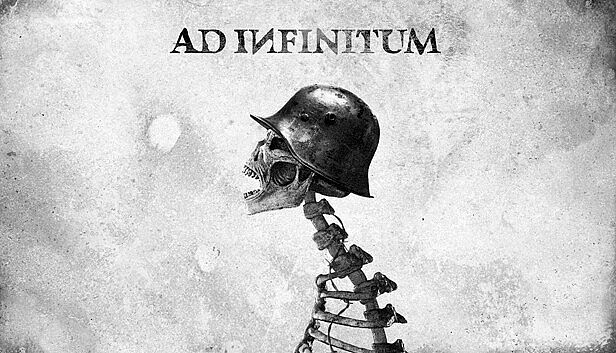










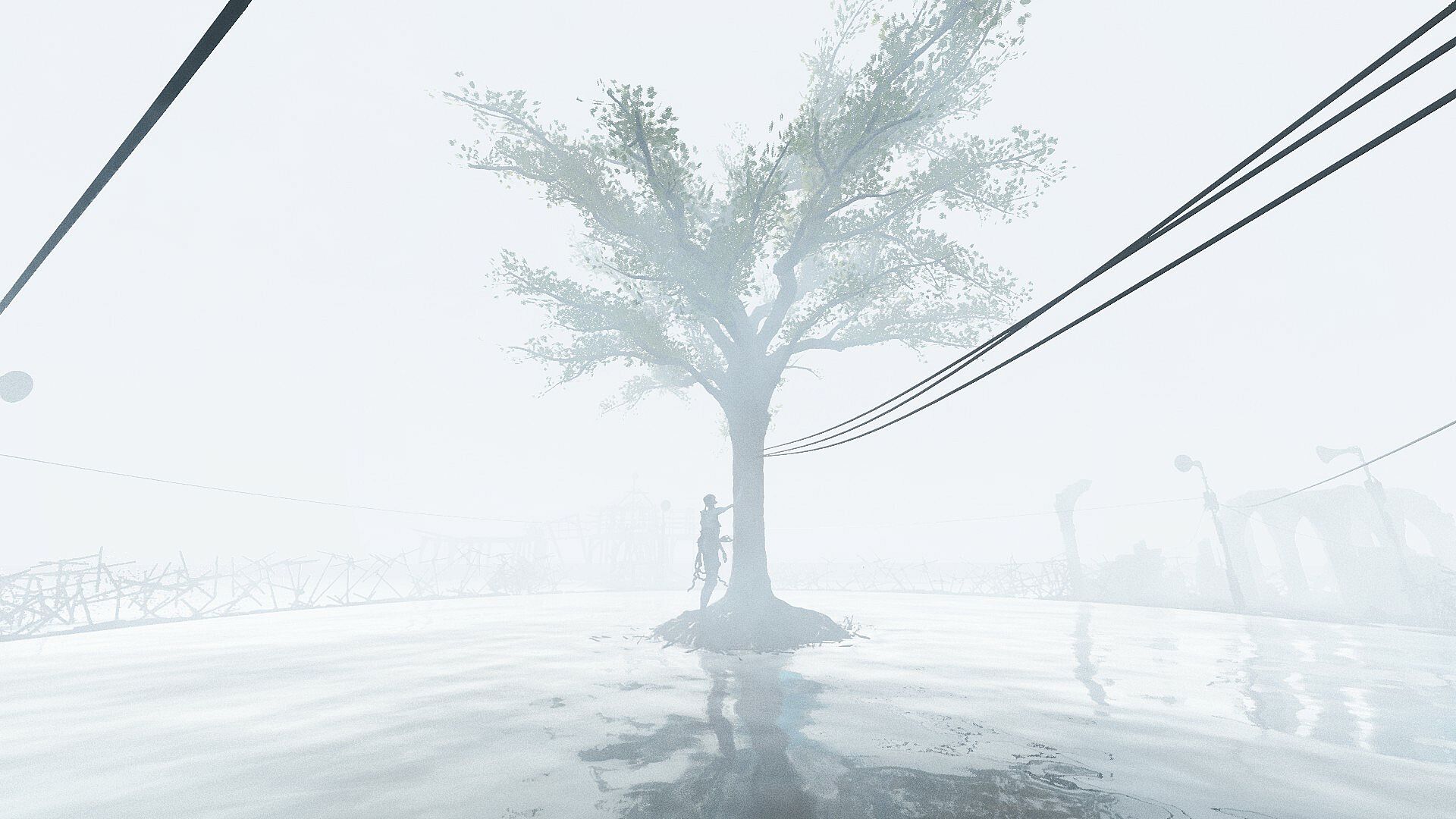
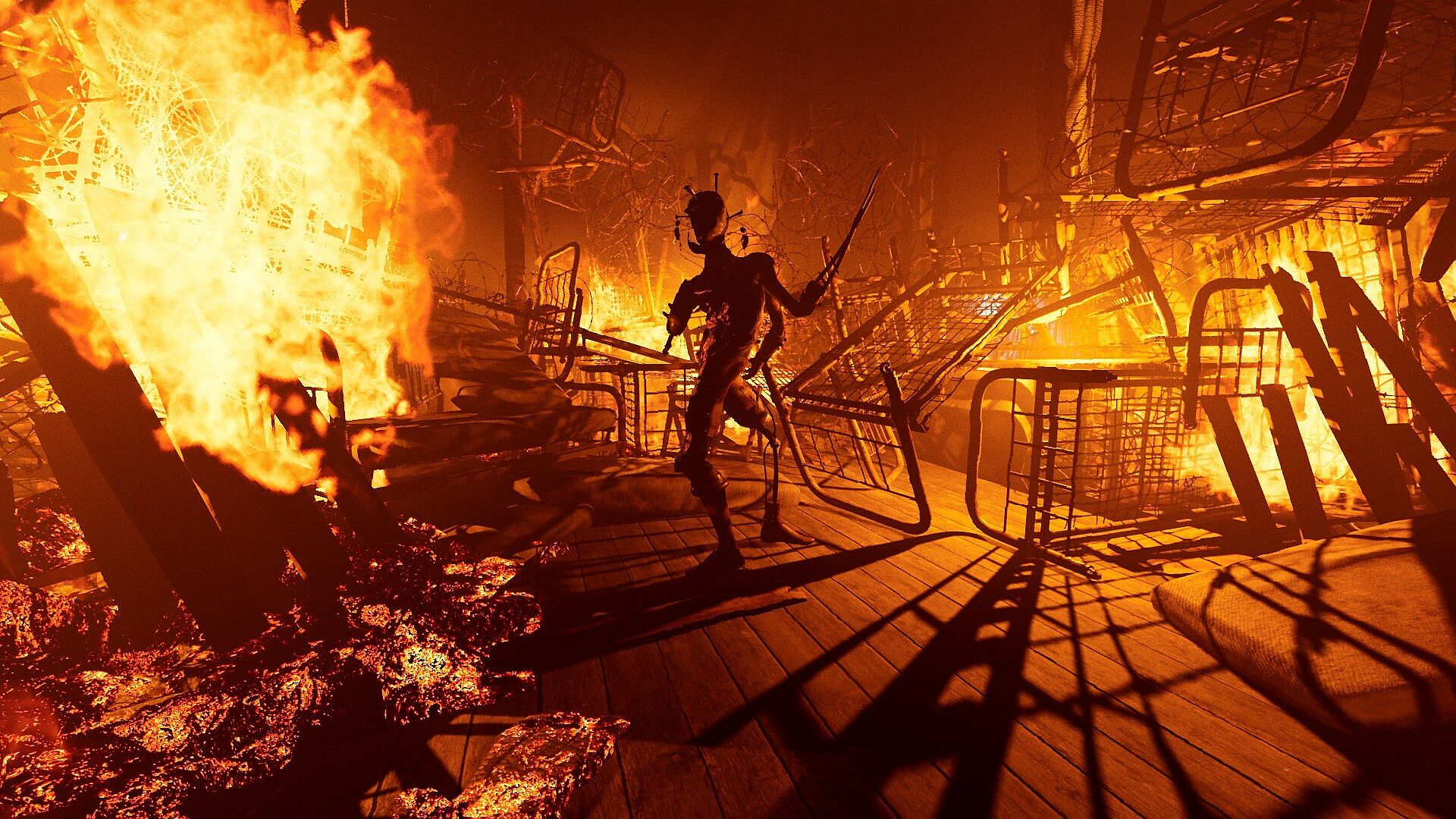
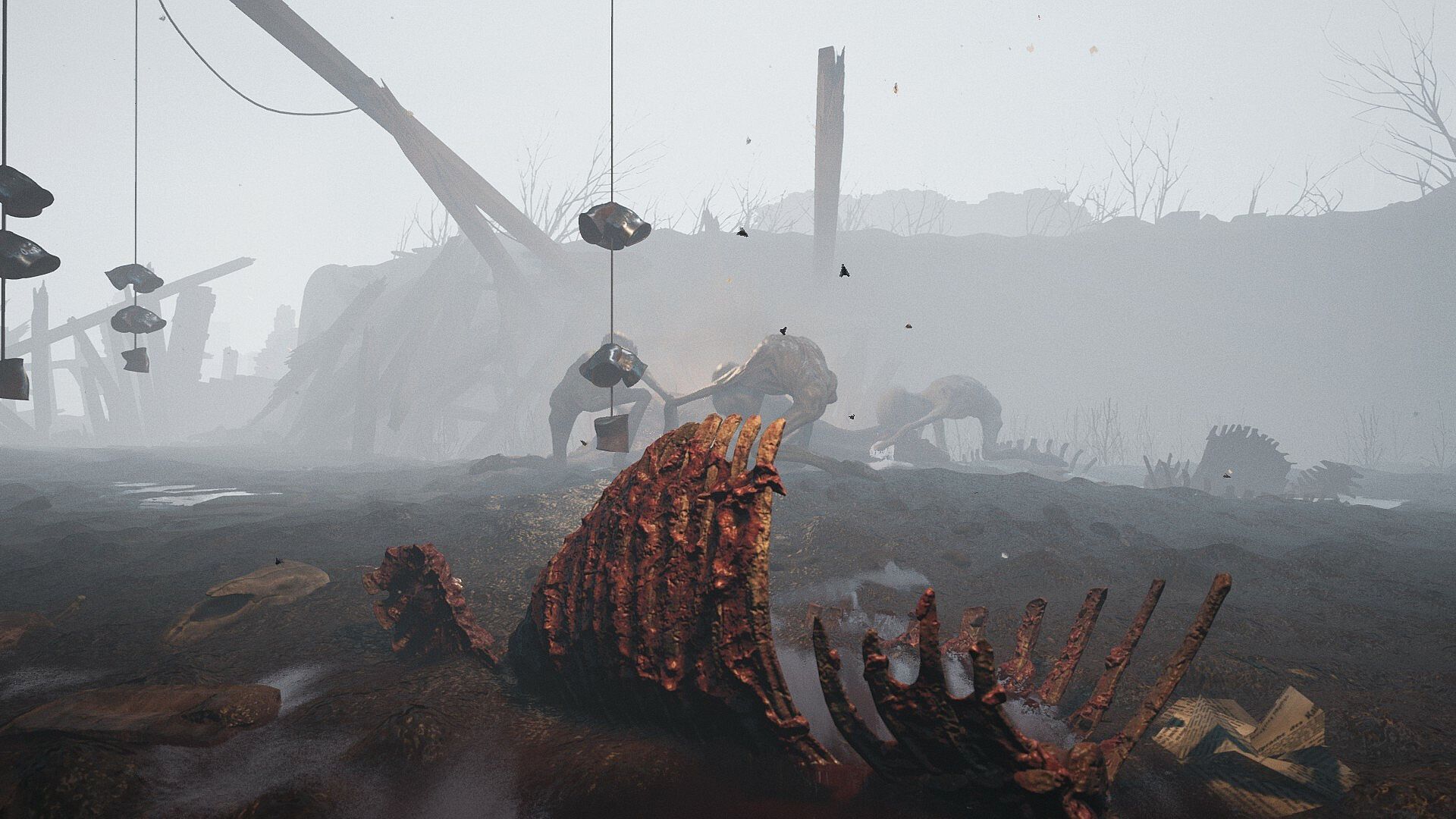
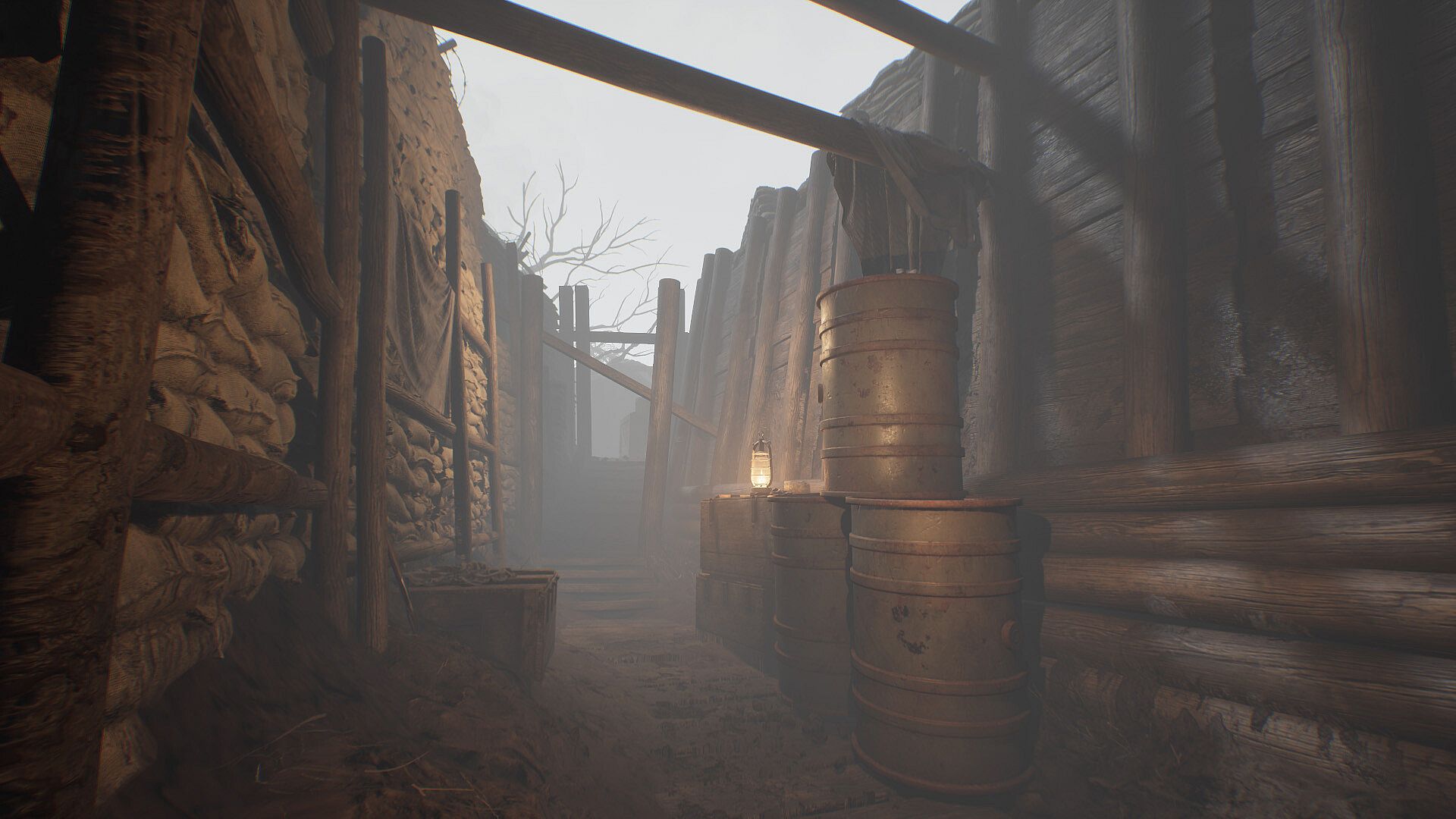
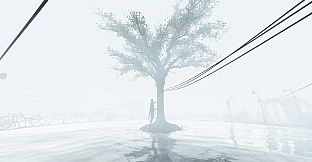

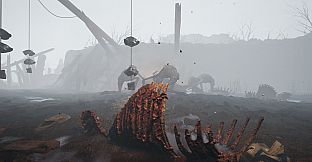
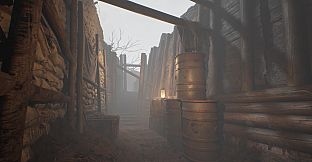
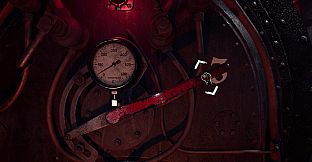
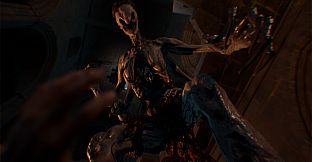
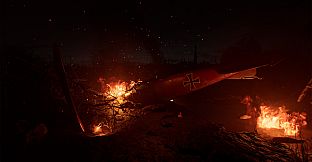
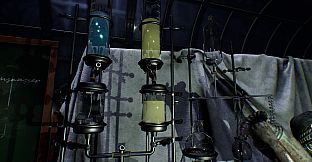
Ad Infinitum is a first-person psychological survival horror game set against the backdrop of World War I. Players take control of a German soldier named Paul von Schmidt who returns from the front lines only to confront the lingering effects of trench warfare on his mind and family. The experience blends exploration of a decaying family manor with nightmarish recreations of battlefields, forcing players to navigate shifting realities while piecing together personal history.
Gameplay
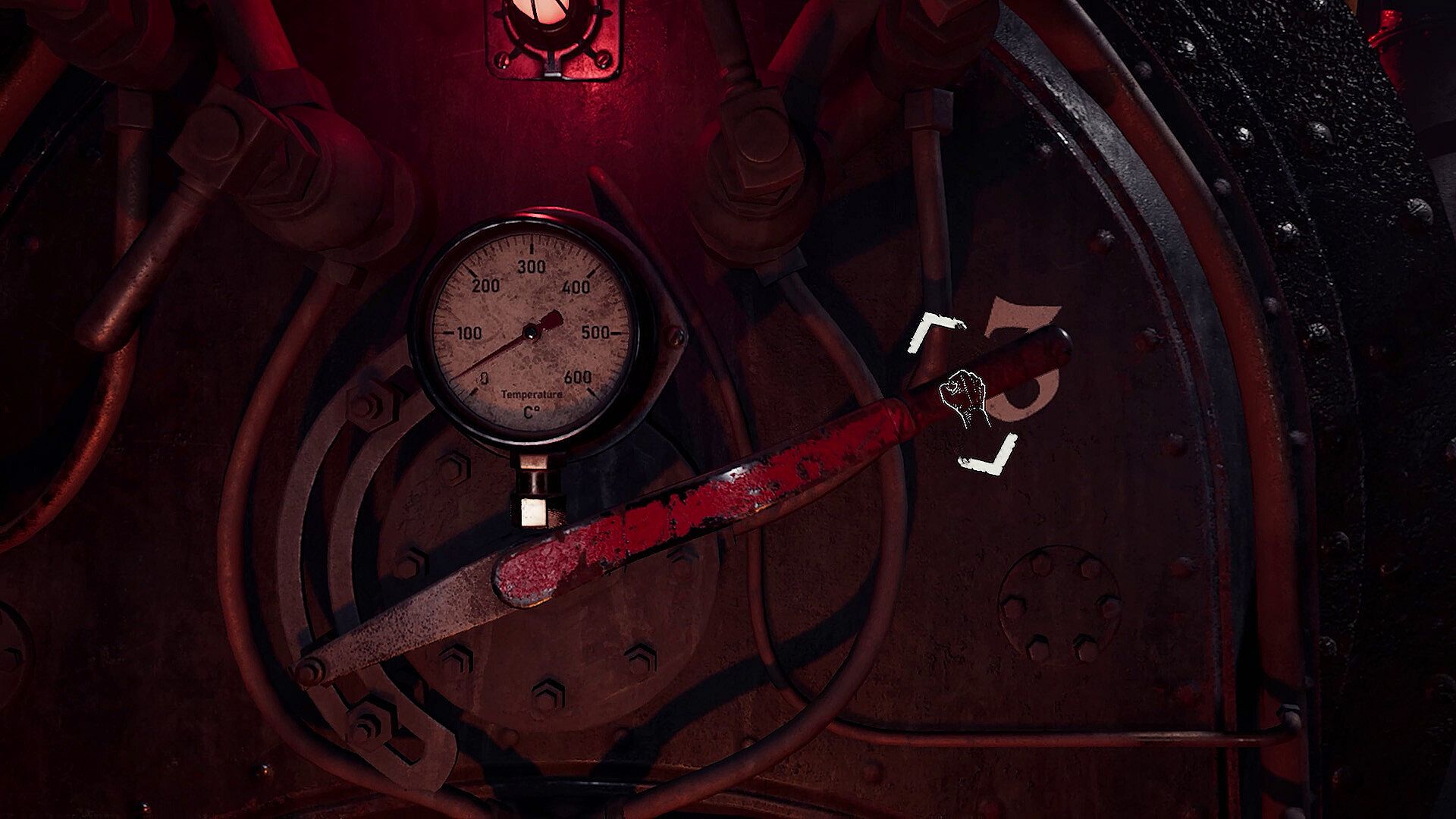
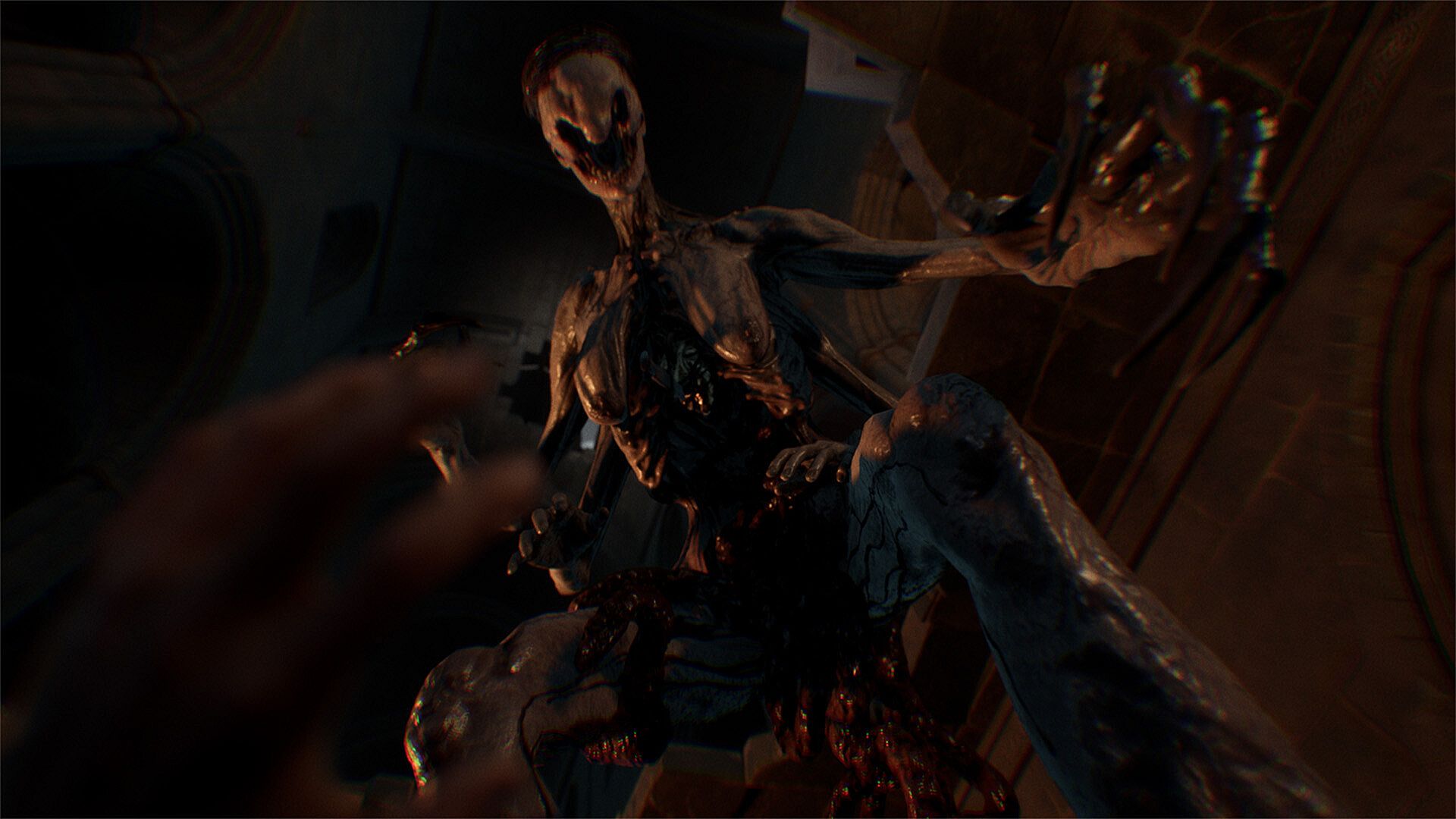
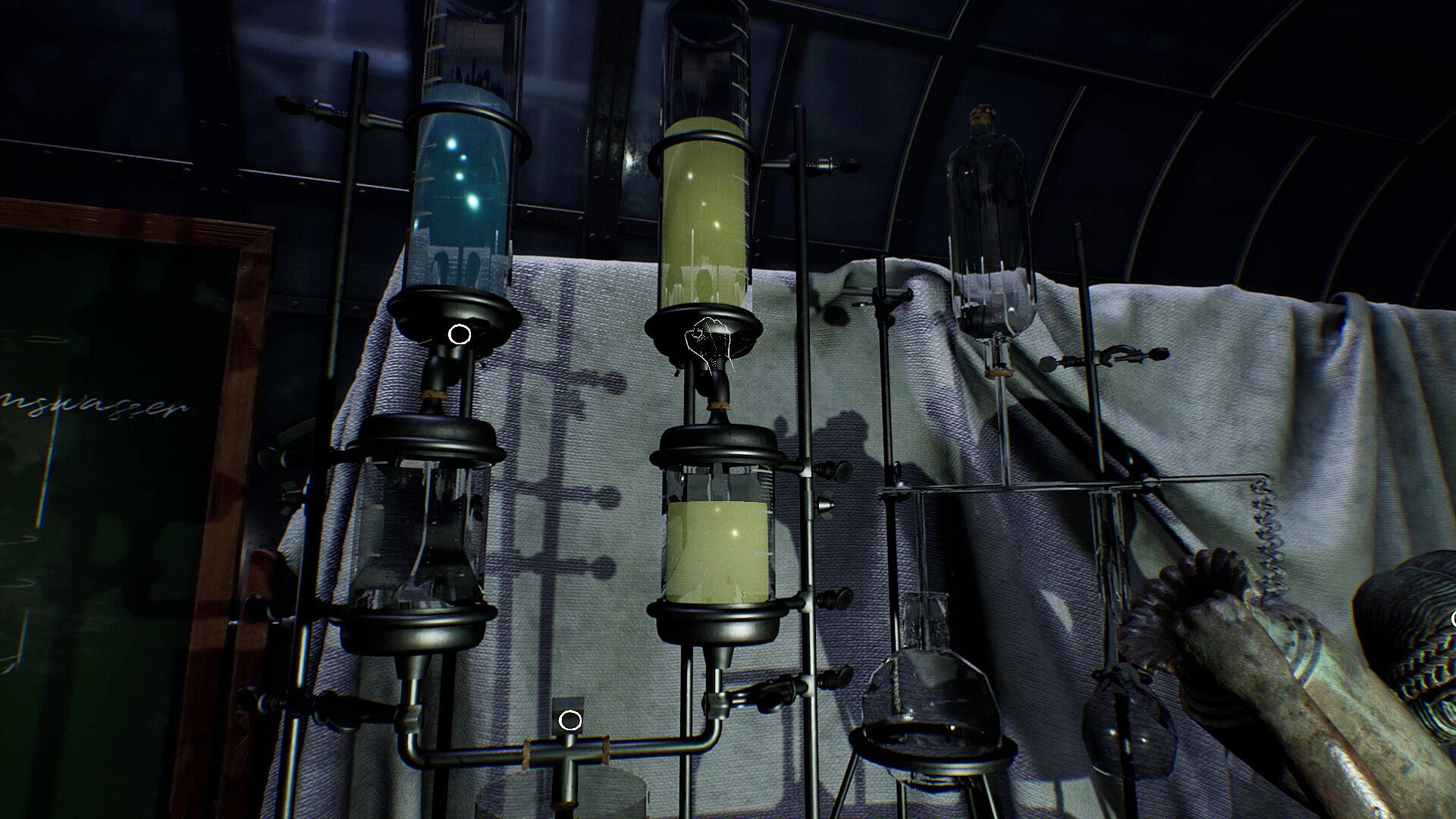
The core loop centers on careful movement through two distinct environments. In the family home sections, players examine rooms, interact with objects, and solve environmental puzzles that reveal fragments of the past. These areas emphasize observation and narrative discovery without immediate threats. Once the setting shifts to the trenches and battlefields, survival elements take over. Players must avoid or outmaneuver grotesque creatures born from trauma, using hiding spots such as foxhole nooks and managing limited resources like gas masks to cross hazardous zones. Certain enemies react to sound or light, requiring players to time movements between illuminated areas or employ a wind-up flashlight to freeze threats temporarily. Boss encounters unfold in contained arenas where players navigate chases or environmental hazards, with some offering a choice between confrontation and mercy that influences progression.
Mechanics remain grounded in tension rather than combat. Stealth and puzzle-solving drive forward momentum, while checkpoint returns punish failed evasions. The first-person perspective heightens immersion in the confined spaces of both the manor and the war-torn landscapes.
Game Modes
Ad Infinitum offers only a single-player campaign. The story unfolds across chapters named after the horrors that define them, such as Despair, Rage, Mayhem, and others. Each chapter alternates between safer exploration sequences and high-stakes survival segments, building toward resolutions that tie personal memories to the broader consequences of war. No competitive or cooperative options exist, keeping the focus entirely on the solitary journey through trauma and revelation.
Narrative and Setting
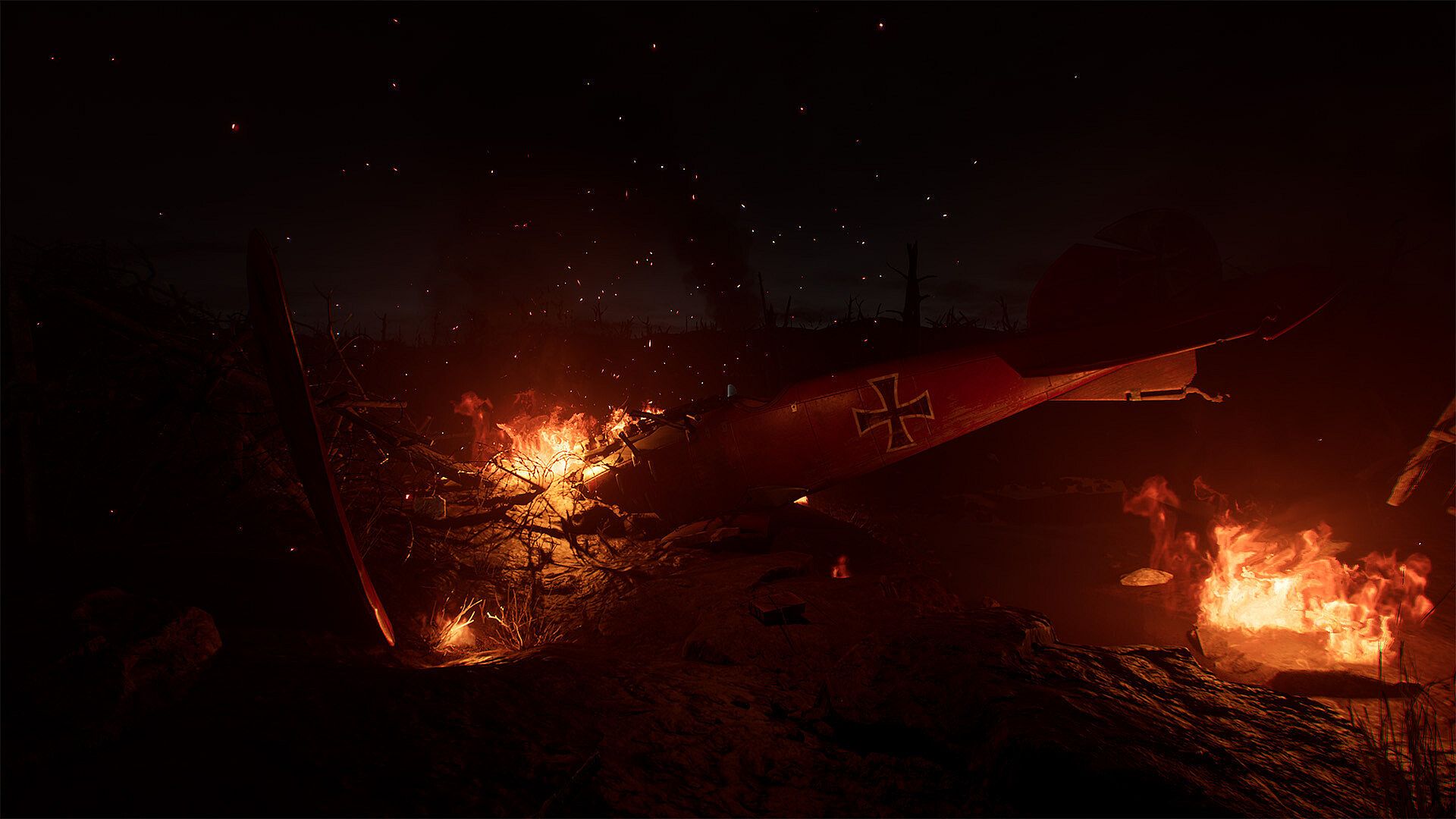
The game draws from the historical realities of World War I to explore themes of guilt, loss, and fractured family bonds. Locations include the unchanged childhood bedroom of the protagonist alongside ruined French towns and muddy front lines that manifest as mental projections. Monsters embody specific facets of wartime suffering, from charging brutes that demand concealment to entities that thrive in darkness. Puzzles often incorporate period-appropriate items and documents, reinforcing the connection between the soldier's personal story and the larger conflict. The experience maintains a consistent tone of psychological unease across its roughly eight-hour main campaign length.
Is It Worth Playing?
Player reception on major platforms sits in the mostly positive range, with feedback highlighting the strength of the story and atmospheric design for those drawn to narrative-driven horror. The title suits fans of slow-burn psychological experiences that prioritize atmosphere, puzzle integration, and monster avoidance over action or resource management. Current support appears limited to the original release without additional seasons or major post-launch content, making it a self-contained package best approached by players comfortable with its deliberate pacing and emphasis on mental horror. Those seeking intense single-player campaigns centered on WWI trauma and personal reckoning will find the verified mechanics and structure align well with that interest, while anyone preferring multiplayer or faster gameplay may want to look elsewhere.