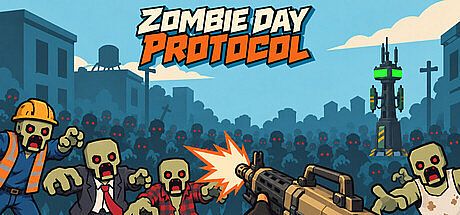


Zombie Day Protocol is an action indie first-person shooter set in a post-outbreak world where survival hinges on boarding a mysterious train and fulfilling a contract to reach the last human settlement.
Gameplay
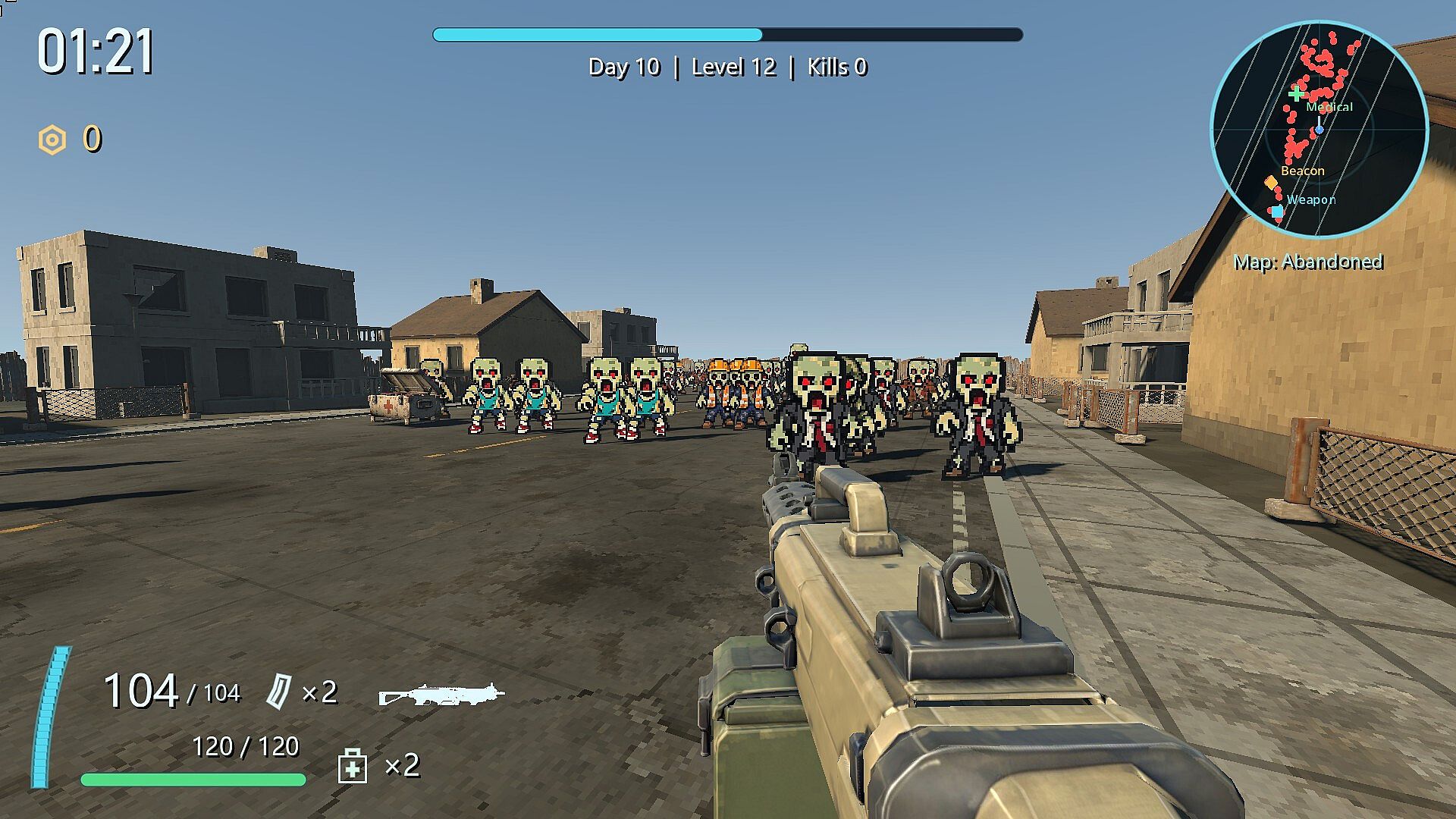
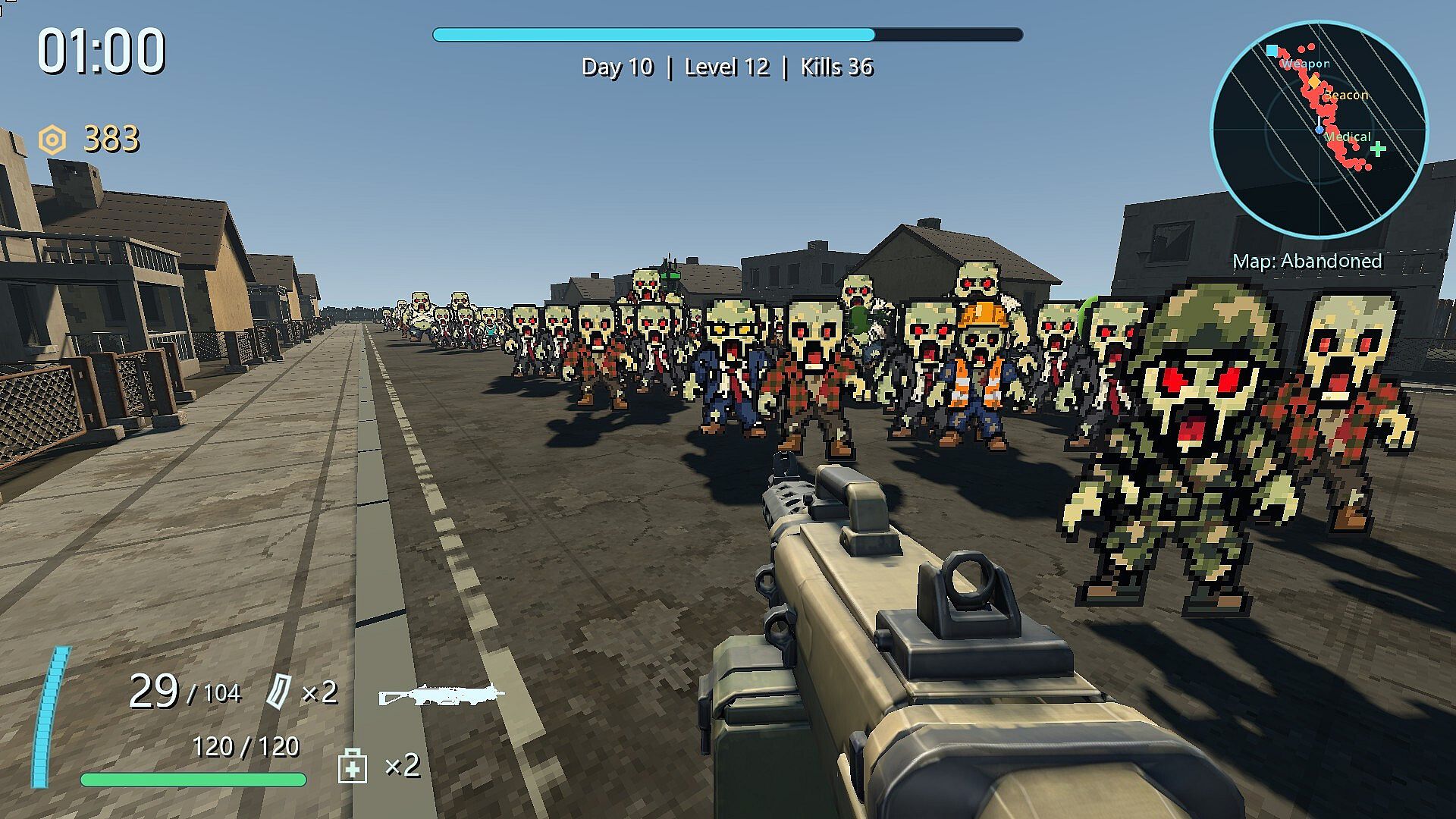
The core loop centers on a cycle of leaving the train to activate beacons and returning to prepare for the next leg of the journey. Players step off at each stop, trigger the beacon themselves, and then defend against waves of zombies that converge on the location. Combat unfolds in first person with a focus on aiming, firing, and reloading under pressure from large groups of enemies. Special zombies appear among the hordes, including one that increases the speed and attack power of nearby threats, requiring priority targeting to manage the escalating danger. The environment includes recognizable details that add a layer of dark humor, such as zombies resembling former colleagues or supervisors.
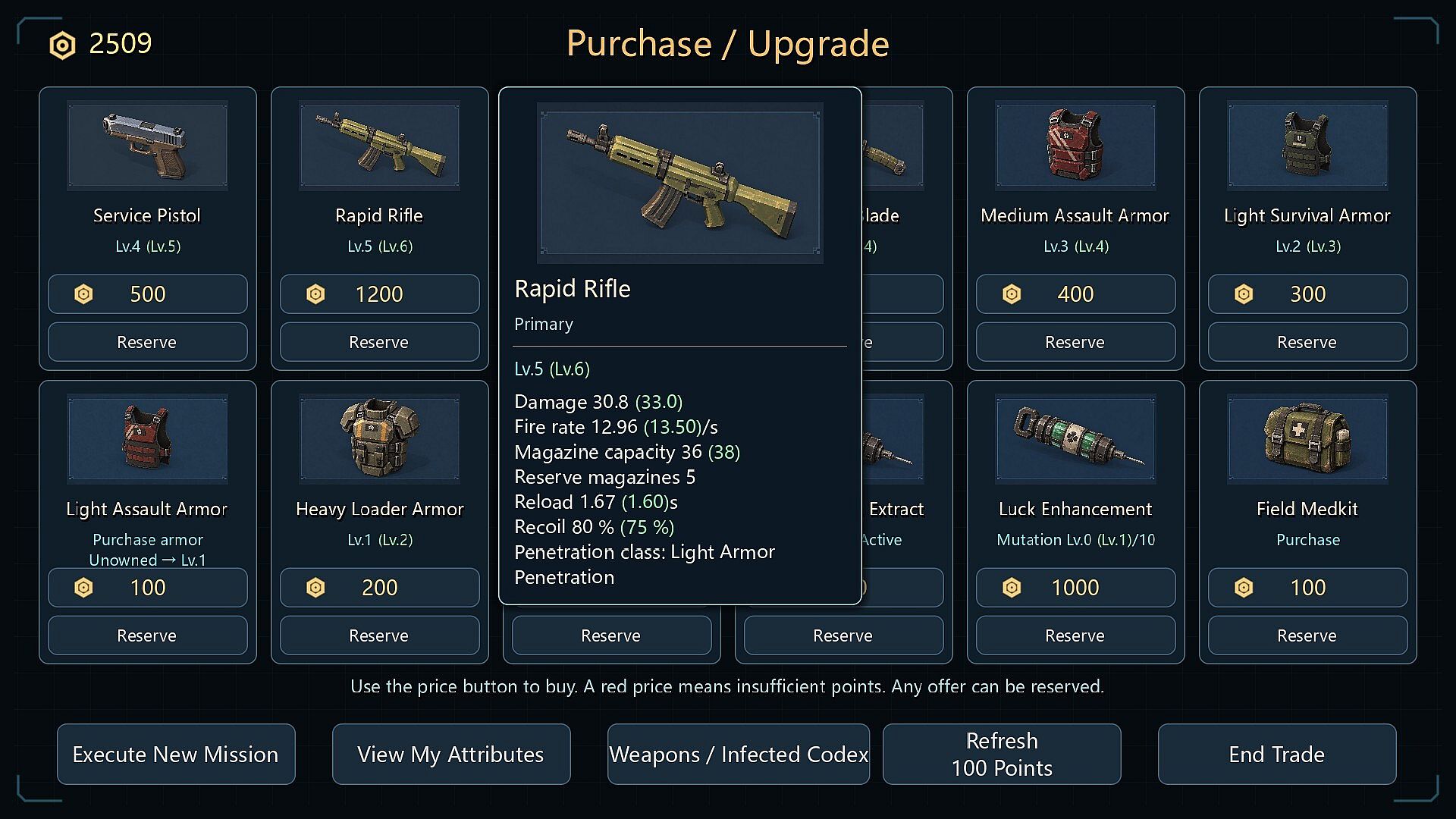
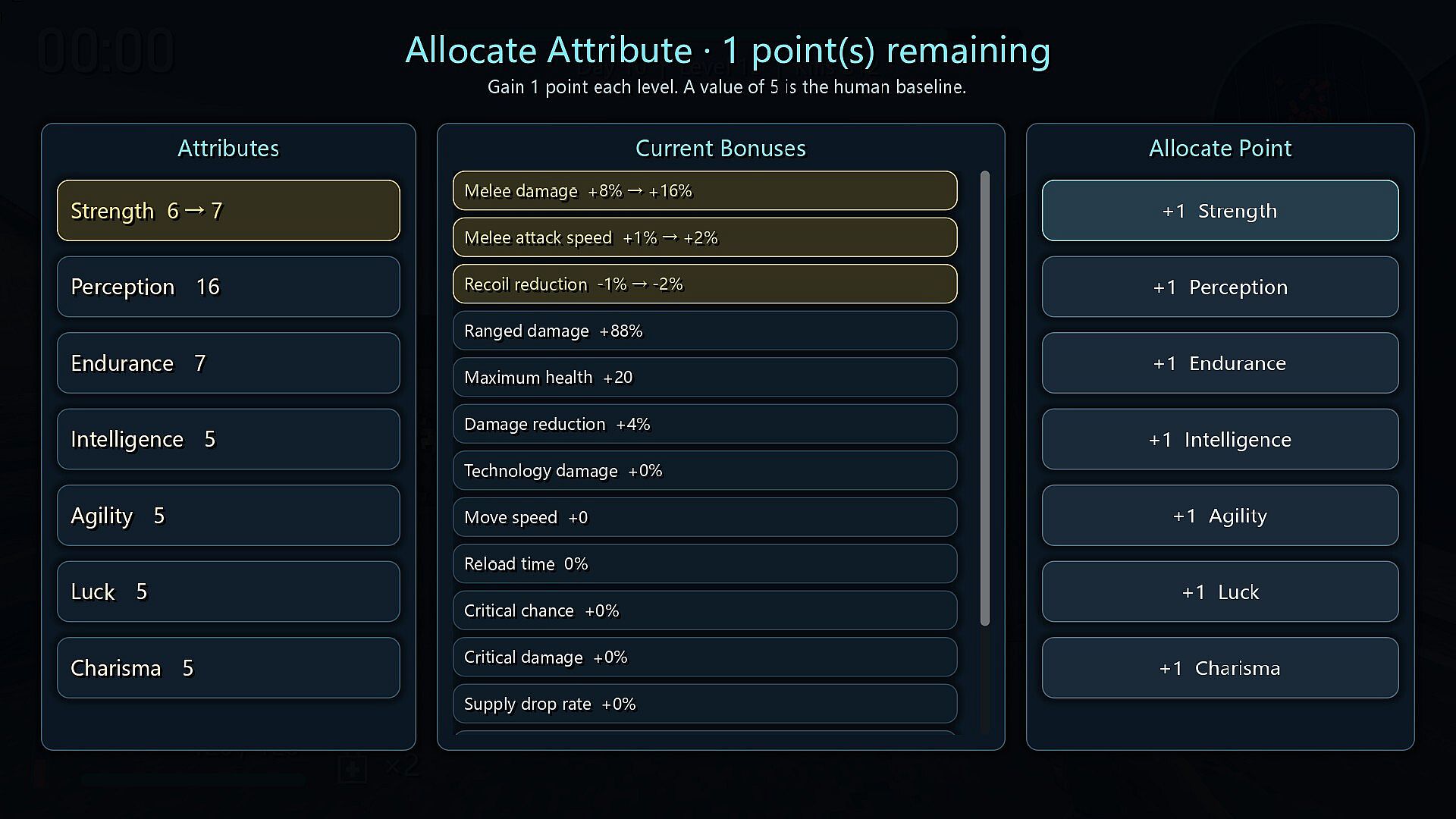
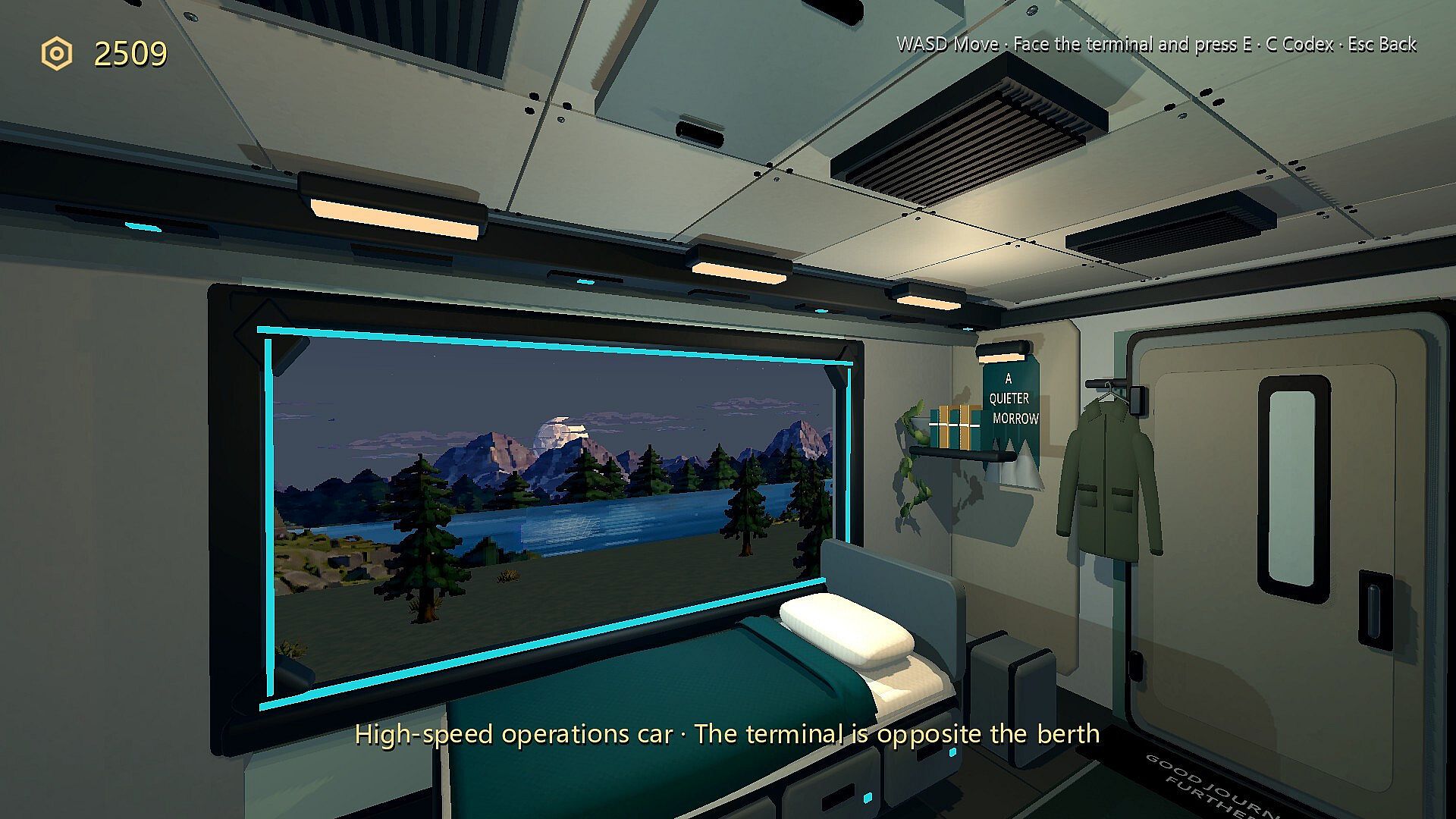
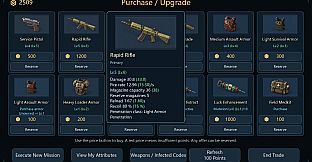
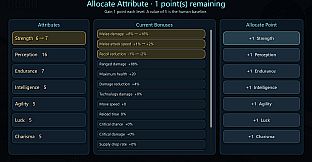
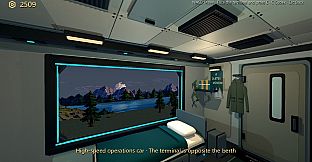
After each beacon activation, players return to the train for the upgrade phase. Resources gathered during the outing allow choices that shape the next run. Options include building heavy firepower to act as a stationary turret, emphasizing mobility to circle and evade the horde, or investing in charm attributes that alter zombie behavior in unexpected ways. These decisions carry forward across the 25-day contract period, turning each return into a moment of strategic planning before the next assignment begins. The progression emphasizes repeated exposure to hordes while refining personal loadouts and tactics.
Game Modes
The experience revolves around a structured 25-day sequence of beacon activations and horde defenses. Each day follows the same pattern of disembarking, completing the objective, and retreating to the train, but the accumulating upgrades create variety in how subsequent days play out. The contract system ties the entire run together, with success measured by surviving the full sequence to earn passage to the survivors' camp. Failure on any leg does not end the broader narrative, as items or resources left behind benefit the next passenger who boards the same train.
Combat encounters scale with the number of days completed, introducing denser hordes and more frequent special zombies as the journey advances. The beacon activation serves as the consistent objective across all segments, while the train functions as the hub for reflection and customization between fights. This creates a focused single-player loop without branching side activities or alternative objectives beyond completing the daily assignments.
Progression and Upgrades
Upgrades form the main avenue for player expression and adaptation. Firepower builds turn the character into a high-damage anchor capable of sustained fire against clustered enemies. Speed enhancements support a more fluid style that involves constant movement to avoid being overwhelmed. Charm investments introduce a risk-reward element by drawing zombie attention in ways that can either create openings or increase immediate threats. These systems encourage experimentation across multiple runs, as each 25-day attempt allows different combinations to be tested against the same core horde mechanics.
The contract structure rewards persistence through the full 25 days while acknowledging that not every attempt reaches the end. Resources or equipment carried over from one passenger to the next provide a sense of continuity even when individual runs end prematurely. This setup keeps the focus on incremental improvement and adaptation rather than permanent loss.
Is It Worth Playing?
Zombie Day Protocol suits players who enjoy first-person horde defense combined with between-mission decision making on a linear contract timeline. The beacon activation and train return cycle delivers repeated combat loops with meaningful choices in how to gear up for the next encounter. The presence of special zombies and the humorous flavor text around certain enemies add personality to the otherwise straightforward survival premise.
Those seeking a compact indie experience built around escalating daily challenges and light roguelike progression through upgrades will find the described systems align with that preference. The 25-day structure provides a clear endpoint while allowing room for multiple attempts to refine strategies. Availability on PC makes it accessible for those interested in this specific blend of action and contract-based survival without additional layers of complexity.