














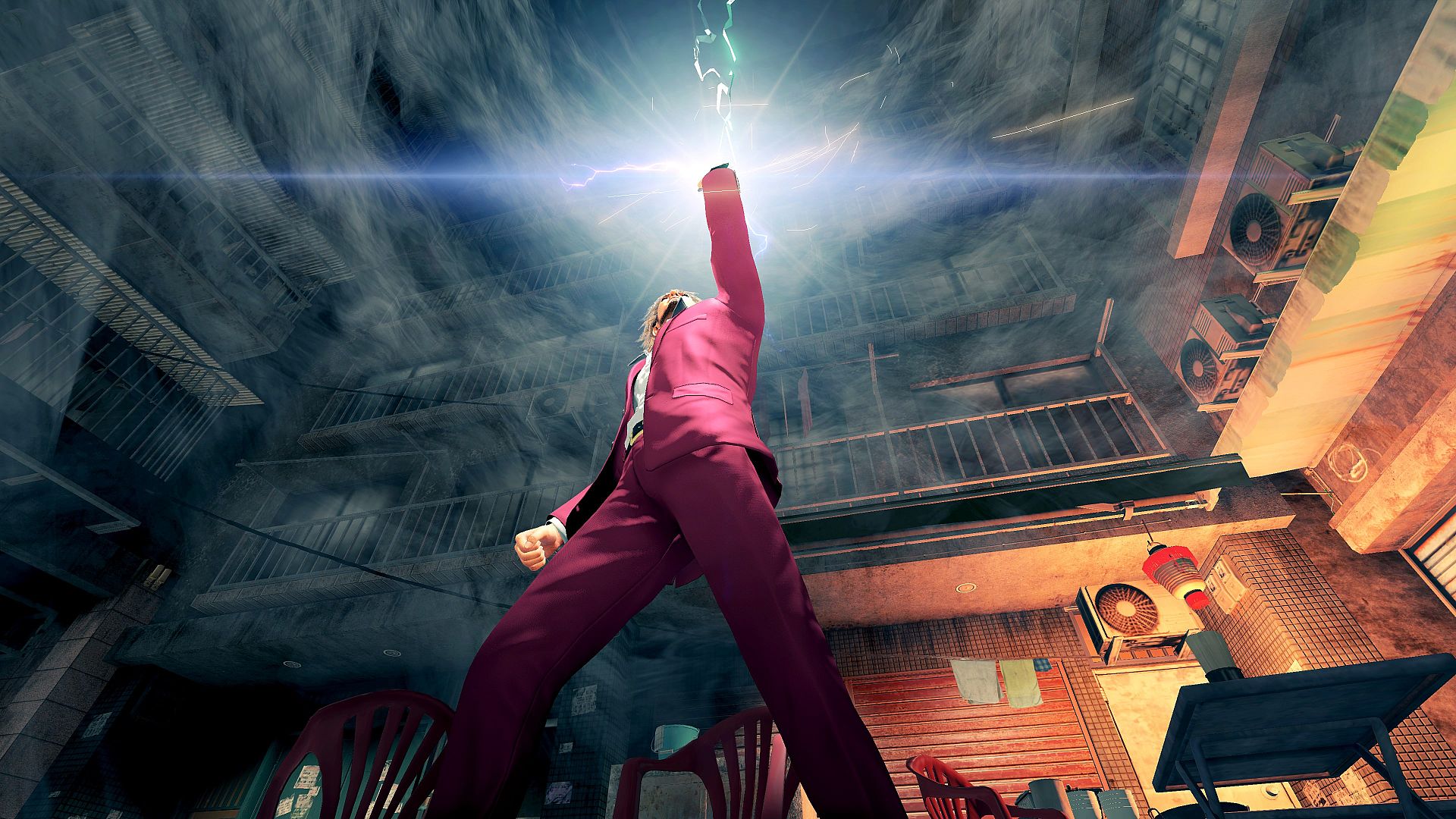



Yakuza: Like a Dragon is a single-player RPG that shifts the long-running series into turn-based combat while keeping its focus on street-level crime drama and quirky side activities in a detailed recreation of modern Yokohama.
Gameplay
The core loop centers on Ichiban Kasuga as he rebuilds his life after an 18-year prison sentence. Exploration takes place across the districts of Isezaki Ijincho in Yokohama, where players walk the streets, enter buildings, eat at restaurants for temporary stat boosts, and interact with the environment. Random encounters lead into battles that play out in a turn-based system with up to four party members active at once.
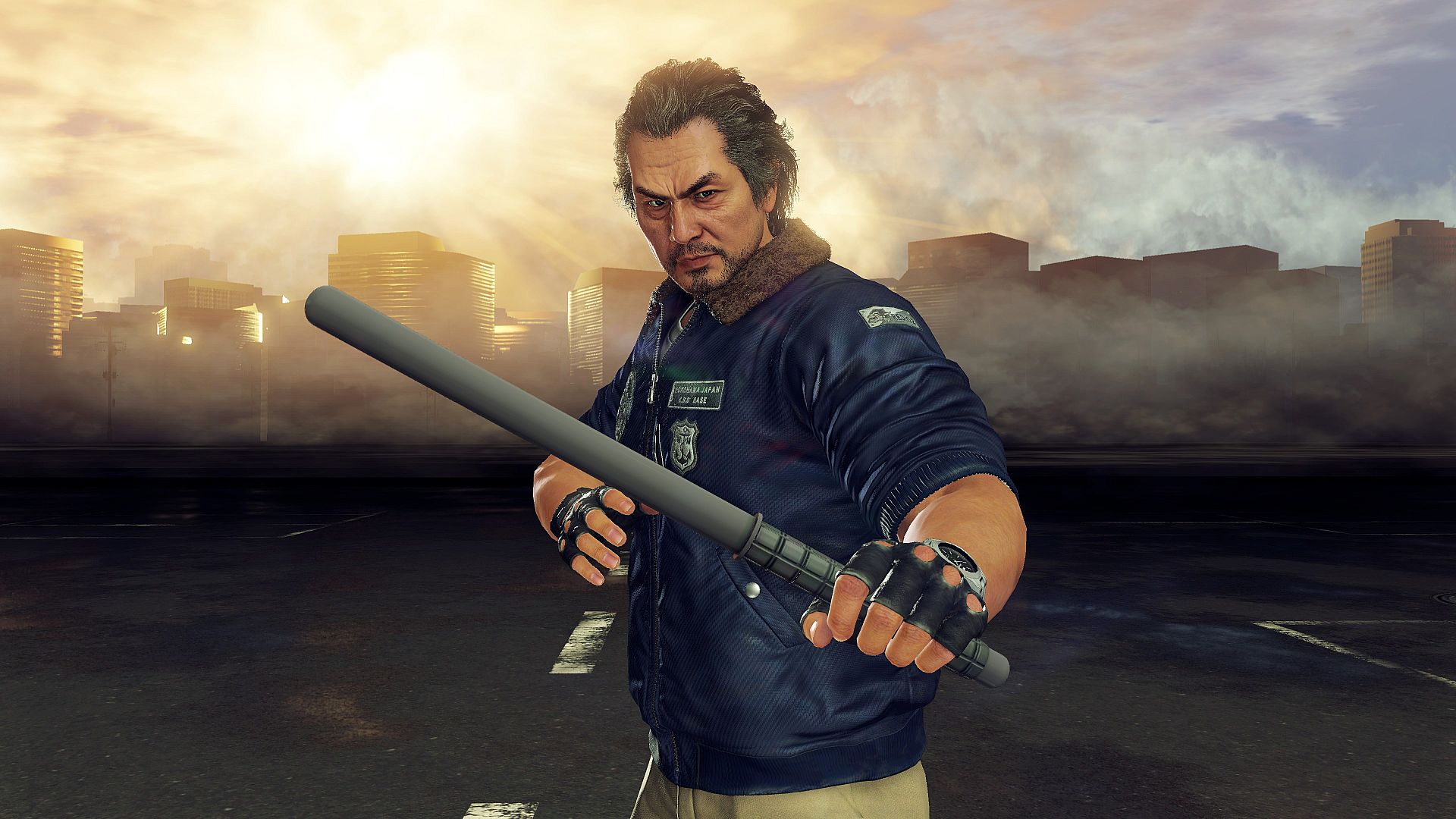
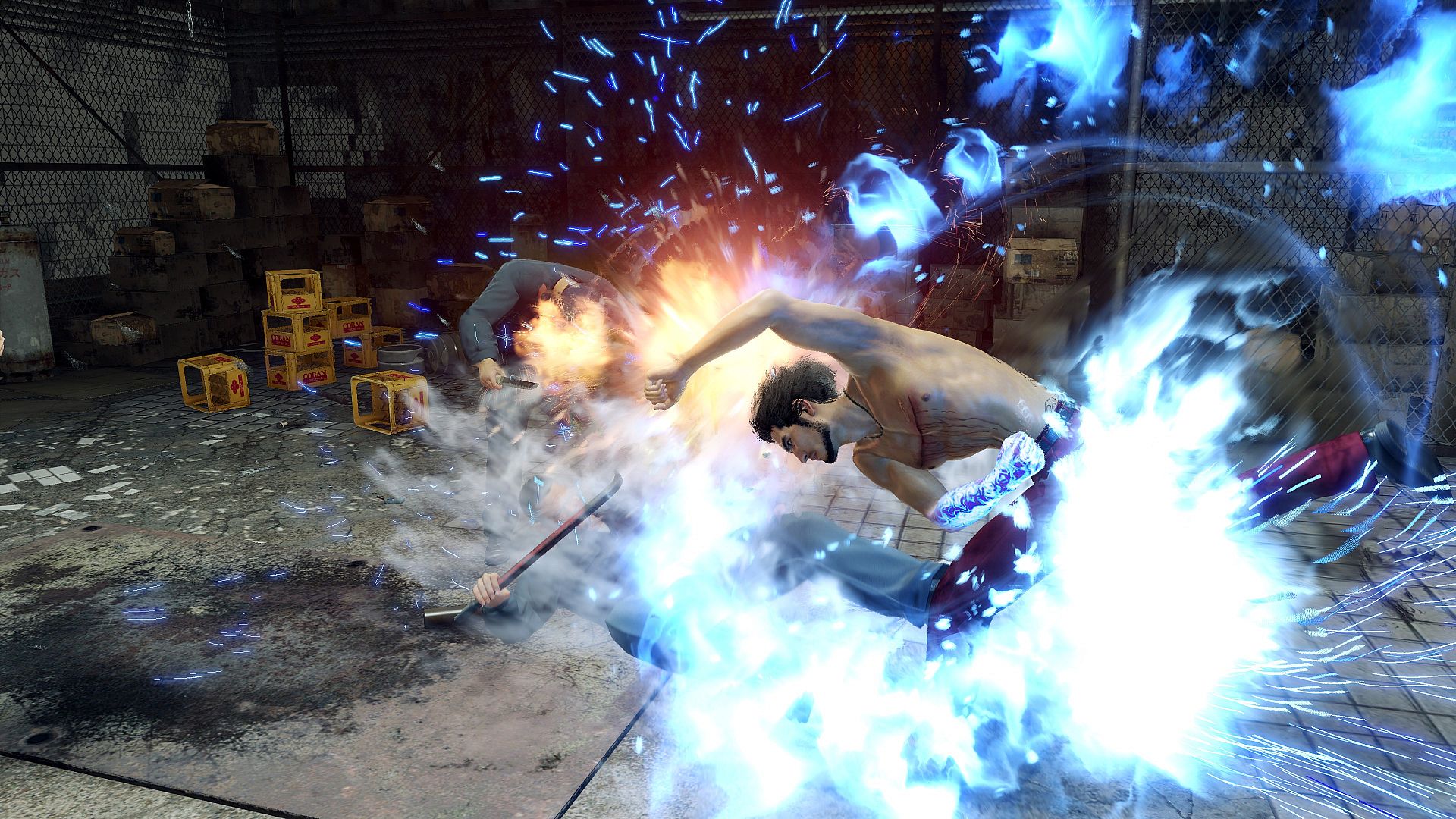
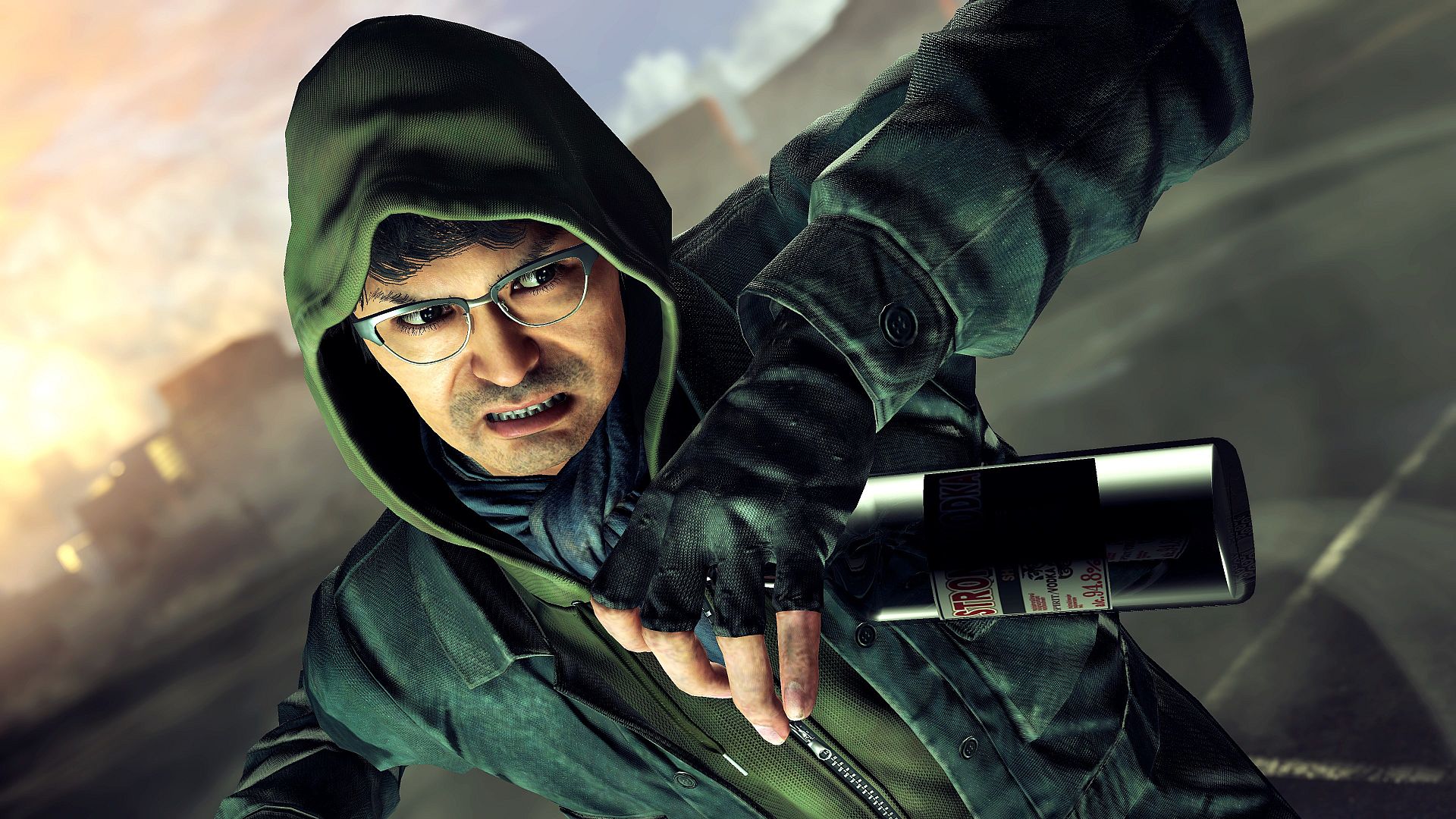
Combat emphasizes positioning and improvisation. Characters can grab nearby objects such as bicycles, street signs, or umbrellas to strike enemies, and they can kick environmental hazards toward foes for extra damage. A real-time guard input and follow-up strikes add timing elements to the otherwise menu-driven fights. The job system lets players assign any of 19 classes to party members, each unlocking distinct skills, weapons, and stat focuses as they level. Character-specific jobs like Hero for Ichiban or Detective for Adachi provide unique starting points, while shared options such as Bodyguard, Musician, Host, Chef, and Enforcer allow flexible party builds. Skills split between job-locked abilities and permanent character skills that carry over when switching classes.
Outside combat, players develop bonds with up to seven recruitable allies through story events and gifts. These relationships unlock powerful combo attacks and passive bonuses. Equipment crafting and upgrades occur at workshops, and a business management mini-game becomes available midway through the campaign for additional income and resources.
Game Modes
The main experience follows a linear chapter-based story campaign that mixes narrative scenes with exploration and battles. Side content expands the playtime through 50 optional substories that deliver self-contained stories about the city's residents. These range from light comedy to more serious character moments and reward experience, items, and new party assists.
Mini-games provide breaks from the main loop. Players can visit arcades to play classic SEGA titles, enter no-holds-barred go-kart races around Yokohama in Dragon Kart, or tackle Part-time Hero support, rescue, and challenge quests scattered across the map. Dungeons such as the Yokohama Underground and Sotenbori Battle Arena offer structured combat challenges with tougher enemies and better rewards.
After completing the story, New Game+ becomes available with higher difficulty options including Legendary mode, allowing players to carry over progress and tackle the campaign again under stricter conditions.
Story and Setting
Ichiban Kasuga starts as a loyal low-ranking member of a small yakuza family. After taking the blame for a crime he did not commit, he serves nearly two decades in prison only to return to a changed world where his clan has collapsed and his former boss has turned against him. Alone and without resources, he begins investigating the betrayal while forming a new circle of allies from Yokohama's fringes.
The narrative unfolds across multiple districts that include both the new Isezaki Ijincho area and familiar locations like Kamurocho. It blends serious themes of loyalty, betrayal, and redemption with the series' signature humor and eccentric characters. Party members each bring their own backstories that tie into the central conflict involving political figures and rival underworld groups.
Is It Worth Playing?
Yakuza: Like a Dragon delivers a complete single-player package built around a strong central story, a distinctive take on turn-based combat, and a wide variety of side activities that reward exploration. The job system and environmental interactions keep battles engaging across dozens of hours, while the substories and mini-games add personality and replay value through New Game+.
Player reception remains strongly positive years after release, with consistent praise for the writing, character work, and the successful transition to RPG mechanics. The game suits players who enjoy narrative-driven experiences with humor, city life simulation elements, and tactical party building rather than pure action combat. Those seeking a self-contained story with substantial optional content will find it holds up well on Xbox and PC without requiring ongoing updates or additional purchases beyond the base title.