



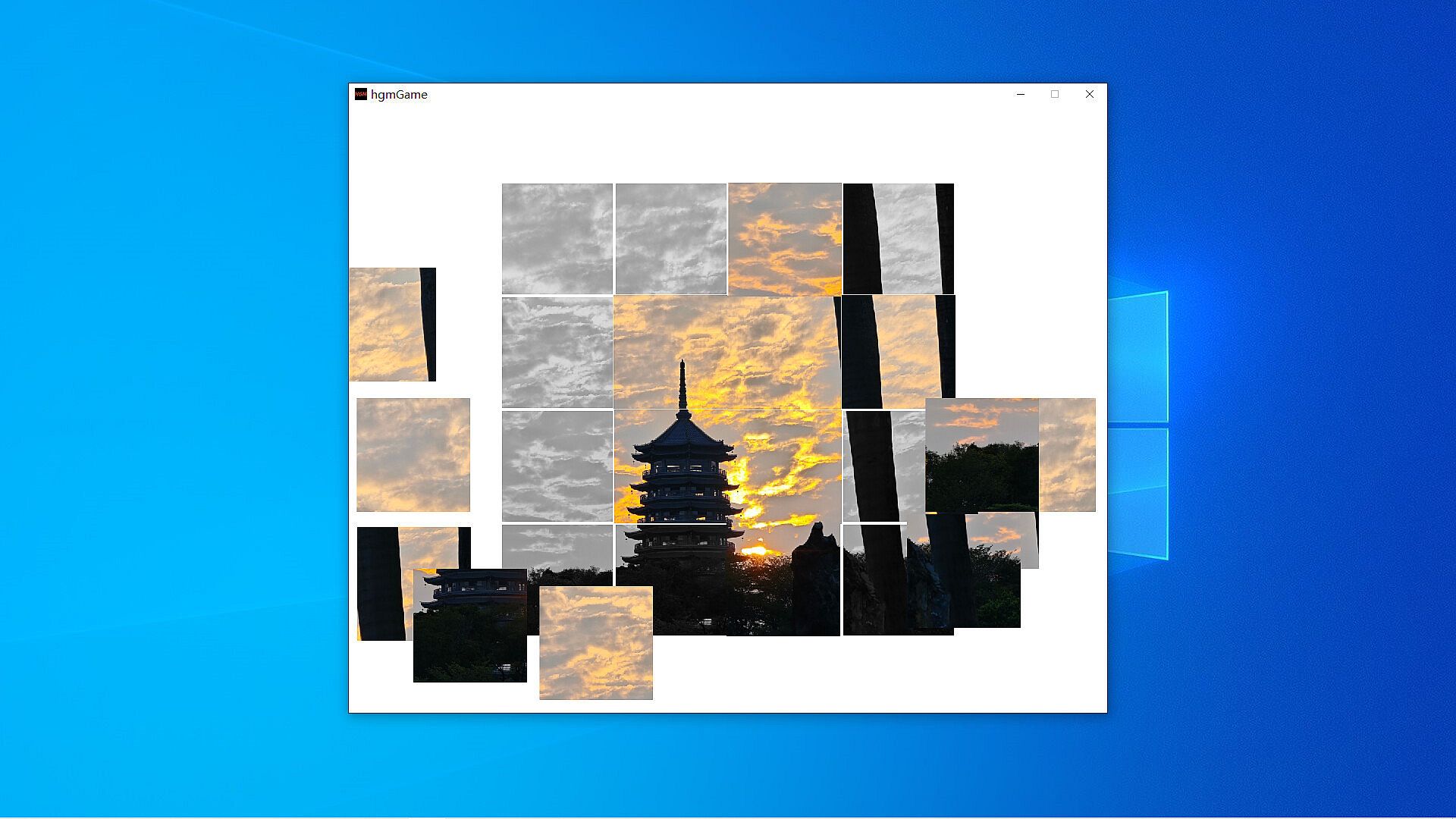
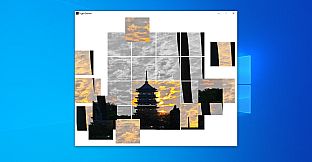
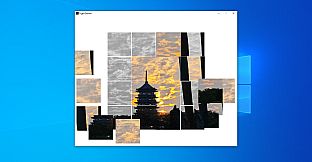
Wuxiang Lake is a casual puzzle game developed for PC. It centers on restoring a scenic image of the real-world lake in Nanning, Guangxi, China, complete with its prominent lighthouse landmark. Players engage with a straightforward rearrangement mechanic that turns the full-color photograph into a grayed-out background while scattering 16 colored fragments across the screen.
Gameplay
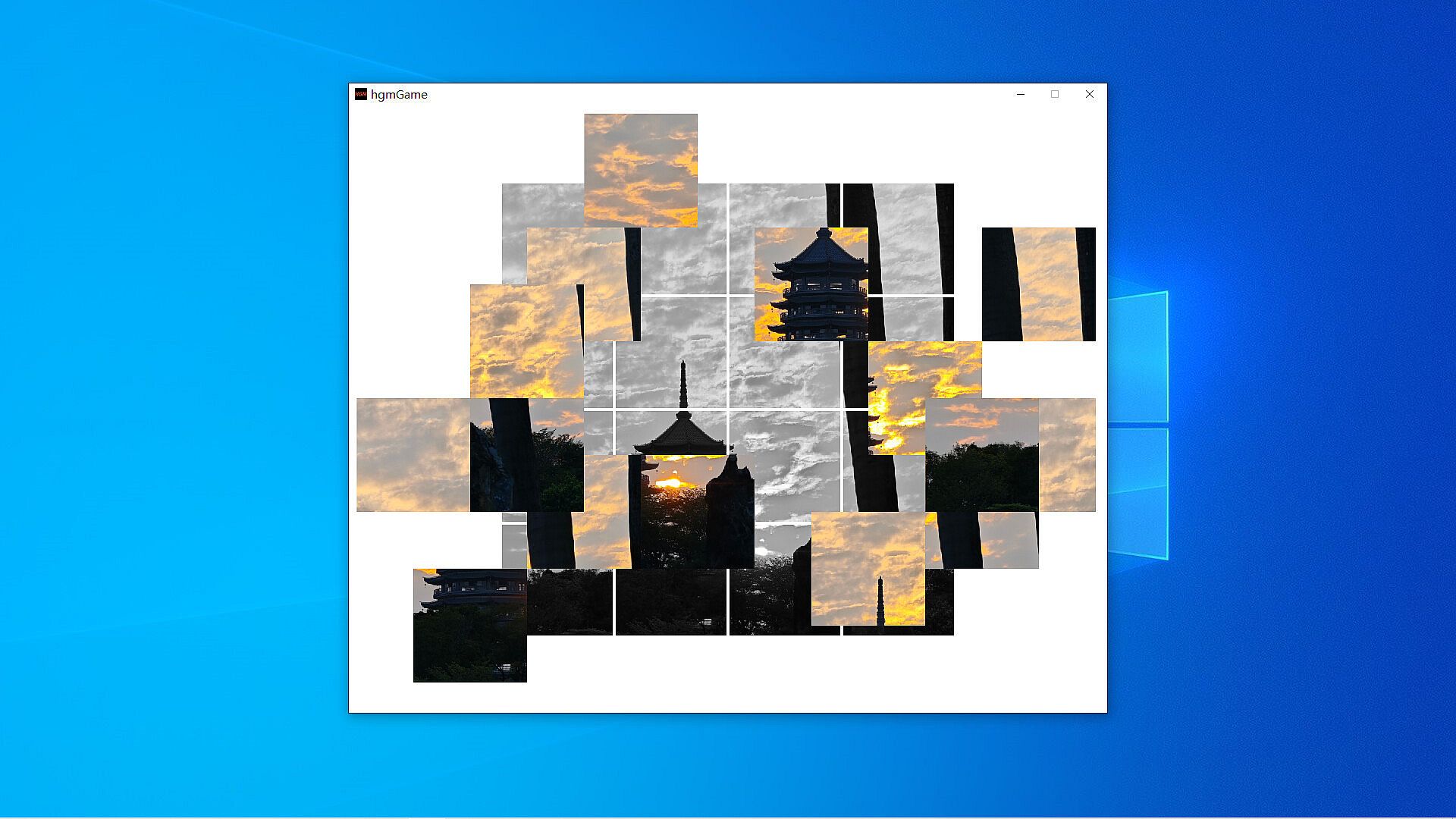
The core loop begins when the player clicks to start. The original image fades to grayscale, and the 16 fragments appear in random positions and orientations on screen. Each fragment represents a portion of the lake scene, including water, shoreline, and the lighthouse structure. The objective remains consistent: select individual pieces with the mouse and drag them into alignment with their matching locations on the background template.
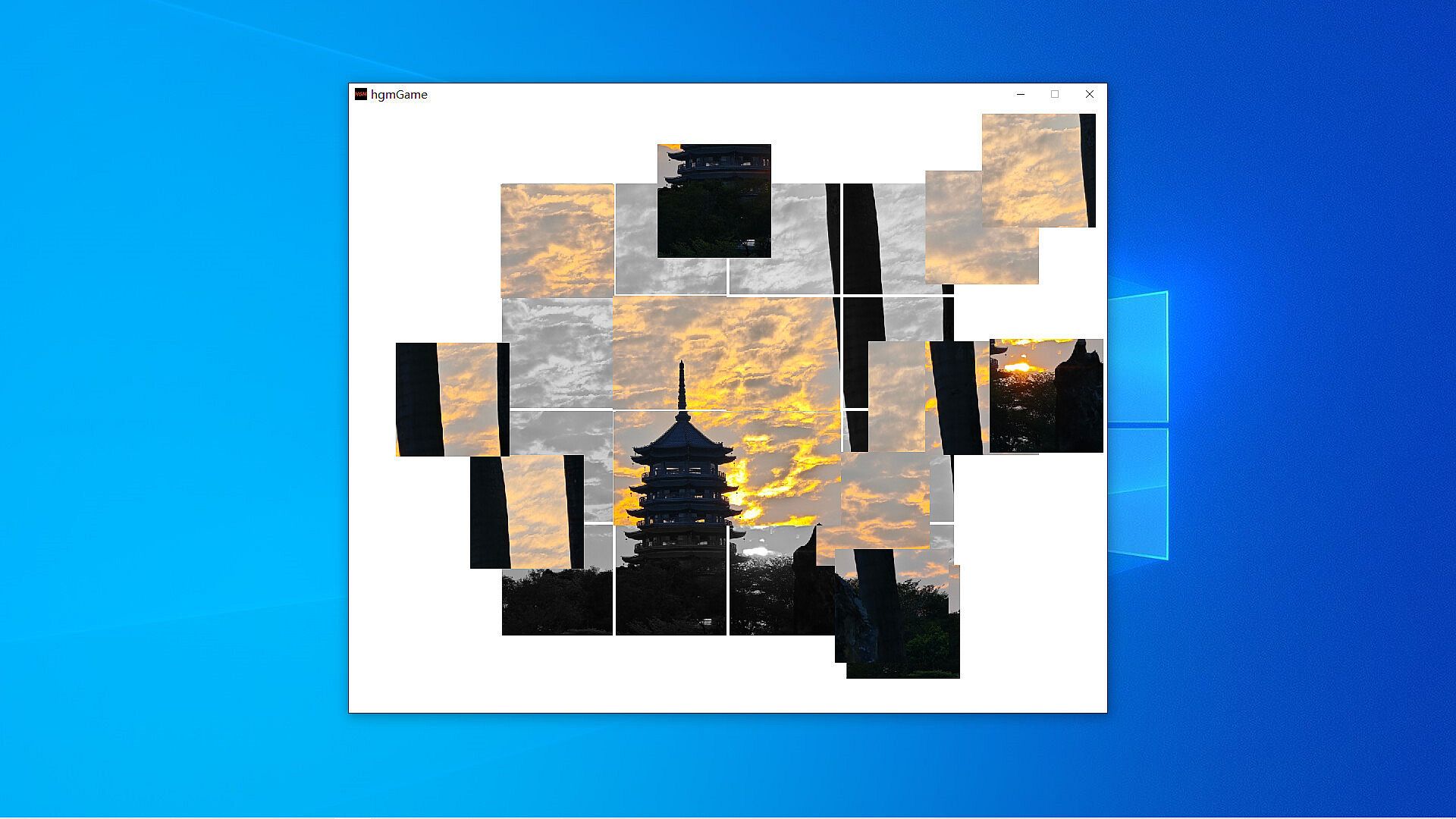
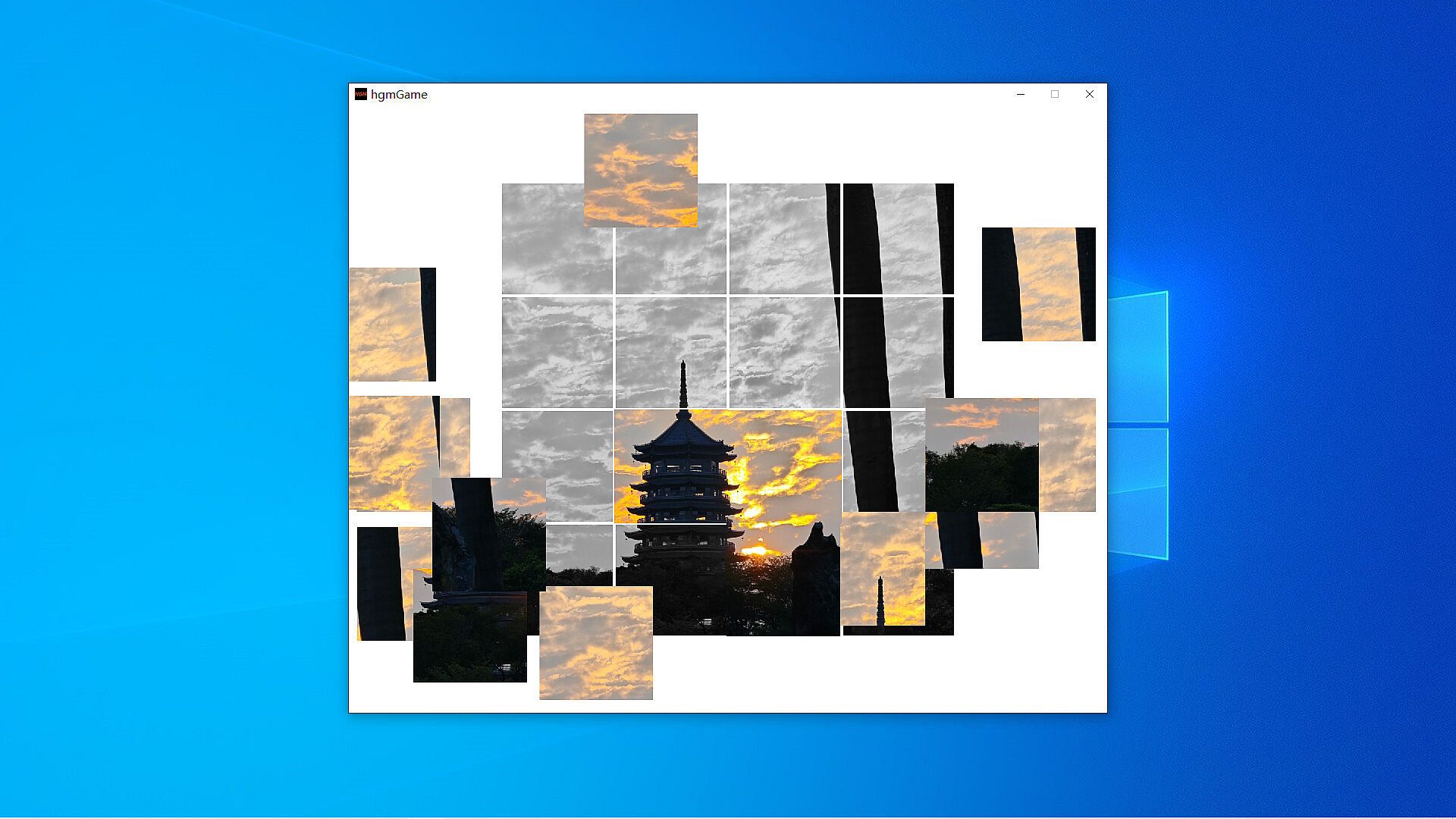
Progress occurs piece by piece. As fragments snap into place, the corresponding section of the grayscale image regains its original colors, providing immediate visual feedback. The process continues until every fragment occupies its correct position. No timers, scoring systems, or additional objectives appear during a session. The interaction relies entirely on precise mouse movement and visual matching rather than complex controls or layered systems.
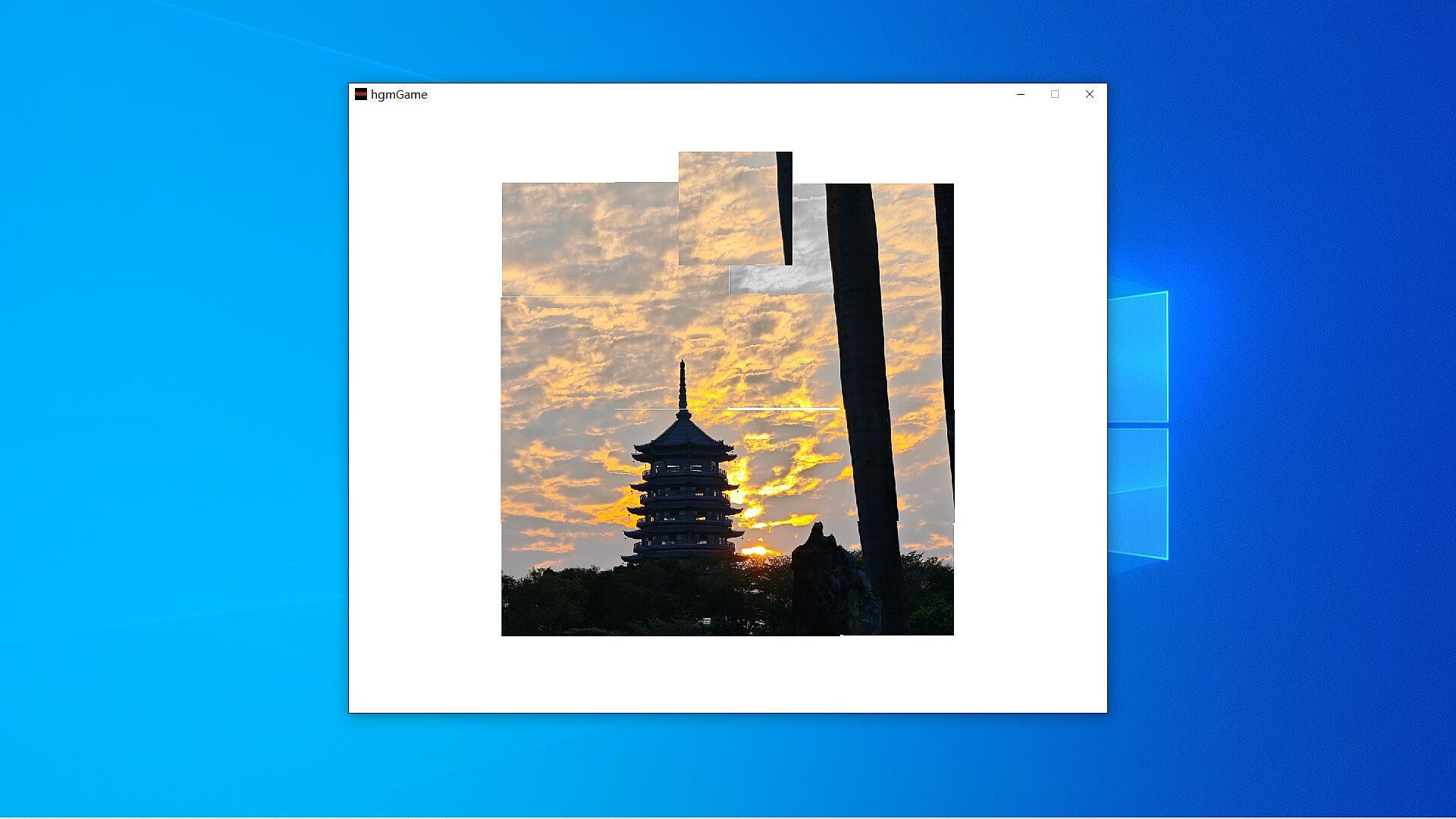
Completion triggers an end state where the full image displays in color once more. From there, the player can choose to restart the same puzzle or exit. The design keeps focus on the spatial reasoning required to identify correct placements amid the scattered pieces.
Game Modes
Only a single gameplay mode exists. It consists of the one-time scramble of the 16 fragments followed by manual restoration through drag-and-drop actions. No variations in difficulty, piece count, or alternative objectives are present. Each playthrough follows the identical sequence: scramble, rearrange, complete, and repeat if desired.
The mode supports repeated attempts on the same image without changes to fragment layout or visual elements. This repetition allows players to refine their approach to piece identification and placement speed over multiple sessions.
Visual Presentation
The game draws from a photograph of Wuxiang Lake, emphasizing the natural beauty of the water body and its signature lighthouse. The full-color reference remains visible as a guide throughout the puzzle. Fragmentation breaks the scene into 16 distinct sections, each preserving details such as reflections on the water or architectural elements of the lighthouse.
Color restoration happens incrementally as pieces align correctly. This gradual reveal highlights the contrast between the initial grayscale state and the completed vibrant image. The interface stays minimal, directing attention solely to the puzzle area and the scattered fragments.
Is It Worth Playing?
Wuxiang Lake suits players seeking a relaxed, single-session puzzle experience on PC. The mechanics require basic spatial awareness and patience rather than advanced skills or prior genre knowledge. Sessions last as long as it takes to arrange the 16 pieces, making it accessible for short breaks or repeated casual play.
Those who enjoy simple jigsaw-style challenges without extra layers of progression or competition will find the loop consistent and direct. The focus on one fixed image means variety comes only from personal improvement in solving speed across replays. No ongoing updates or additional content have been confirmed, so the experience remains exactly as described from the initial release.
Overall, the game delivers a contained puzzle activity centered on visual restoration. It appeals most to individuals comfortable with straightforward drag-and-drop interactions and an appreciation for scenic photography themes.