


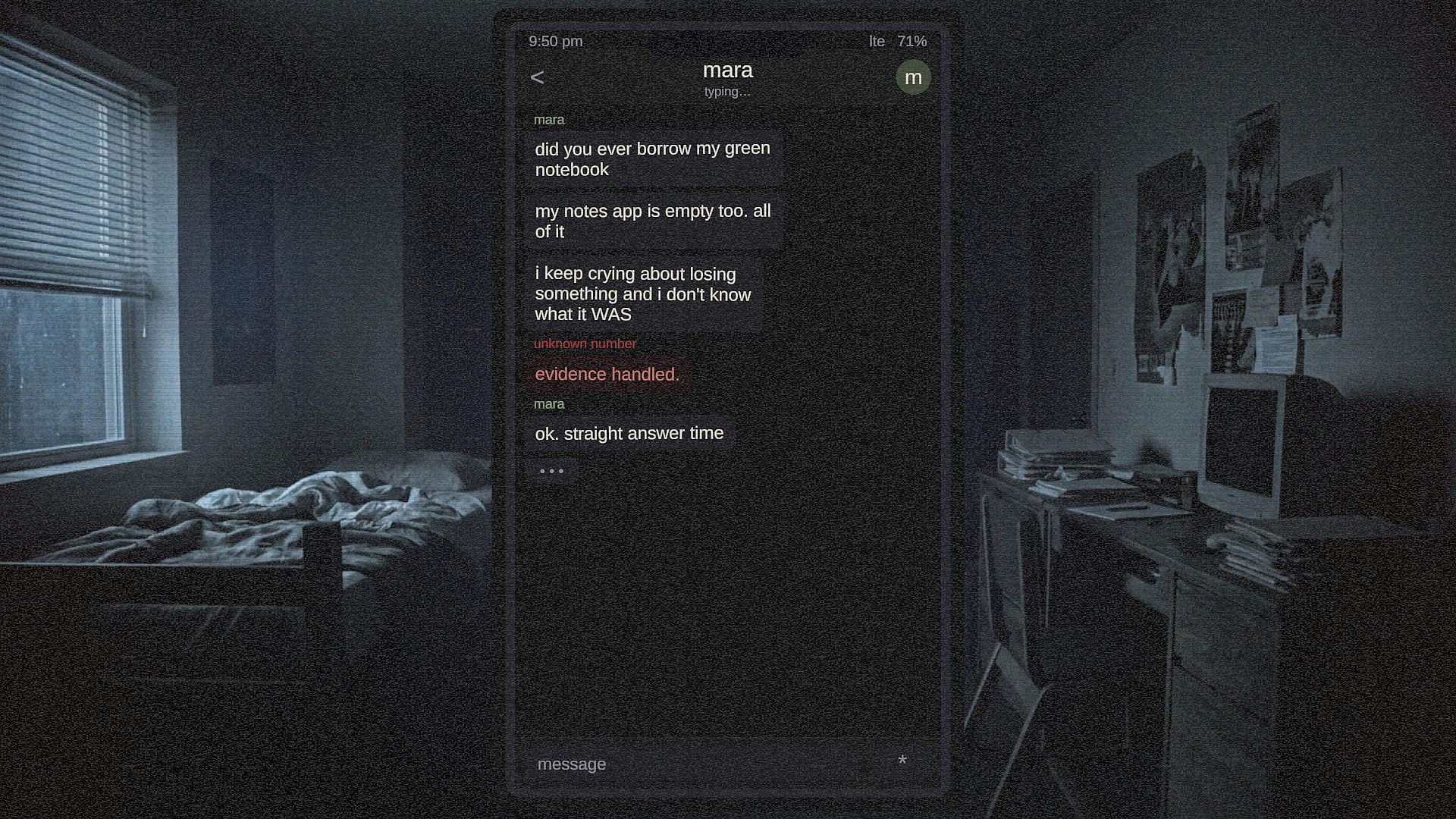
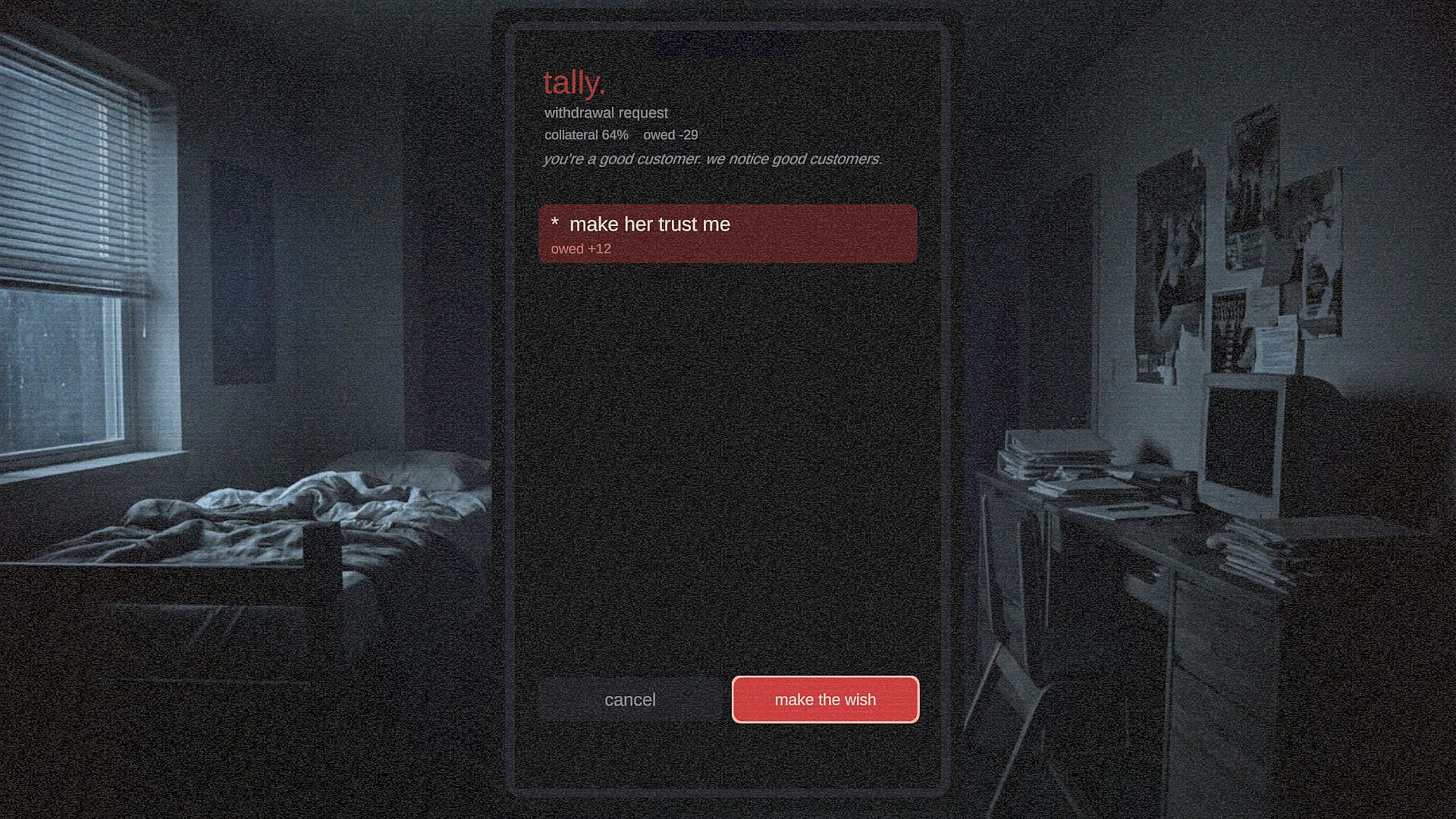
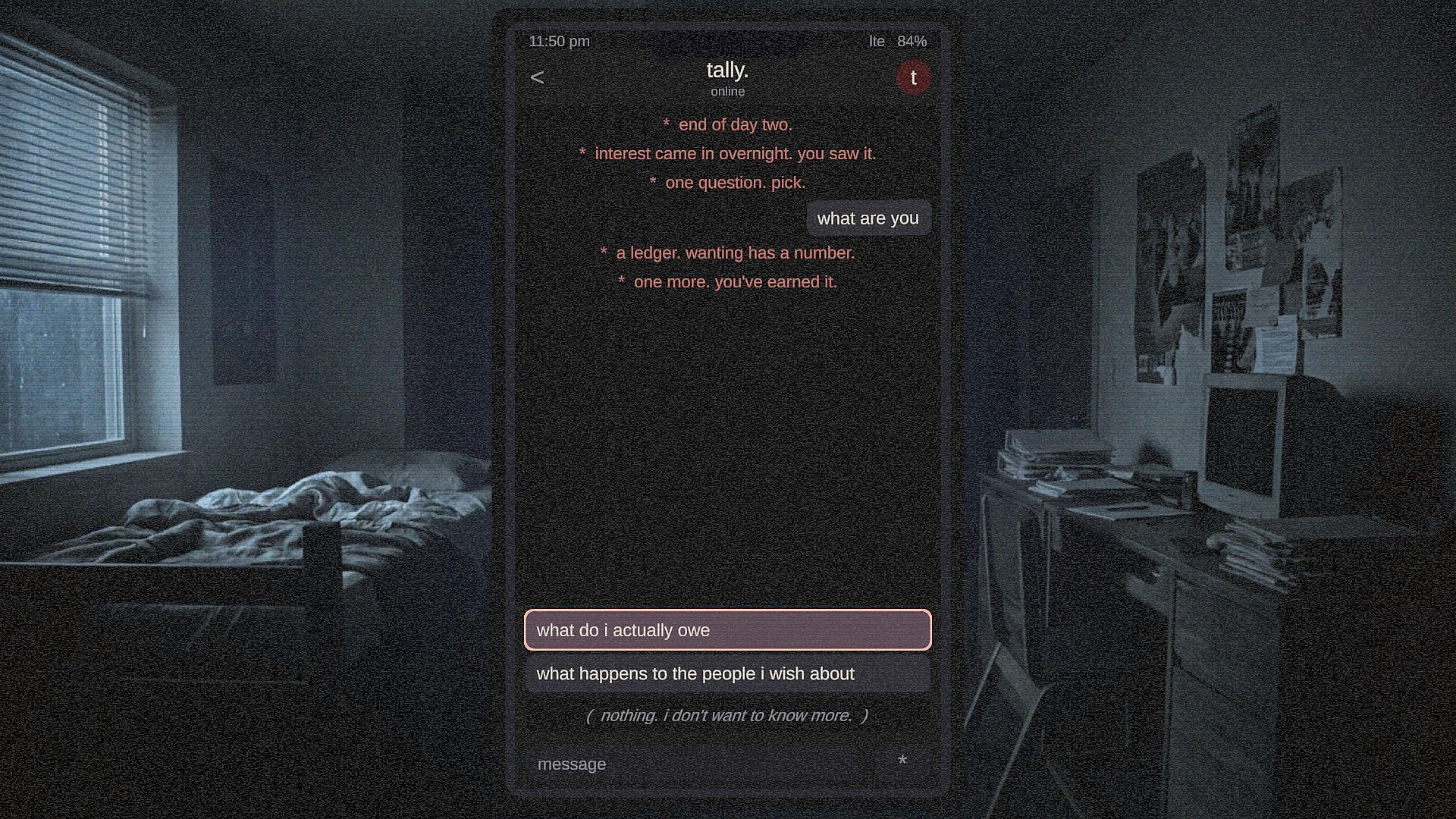
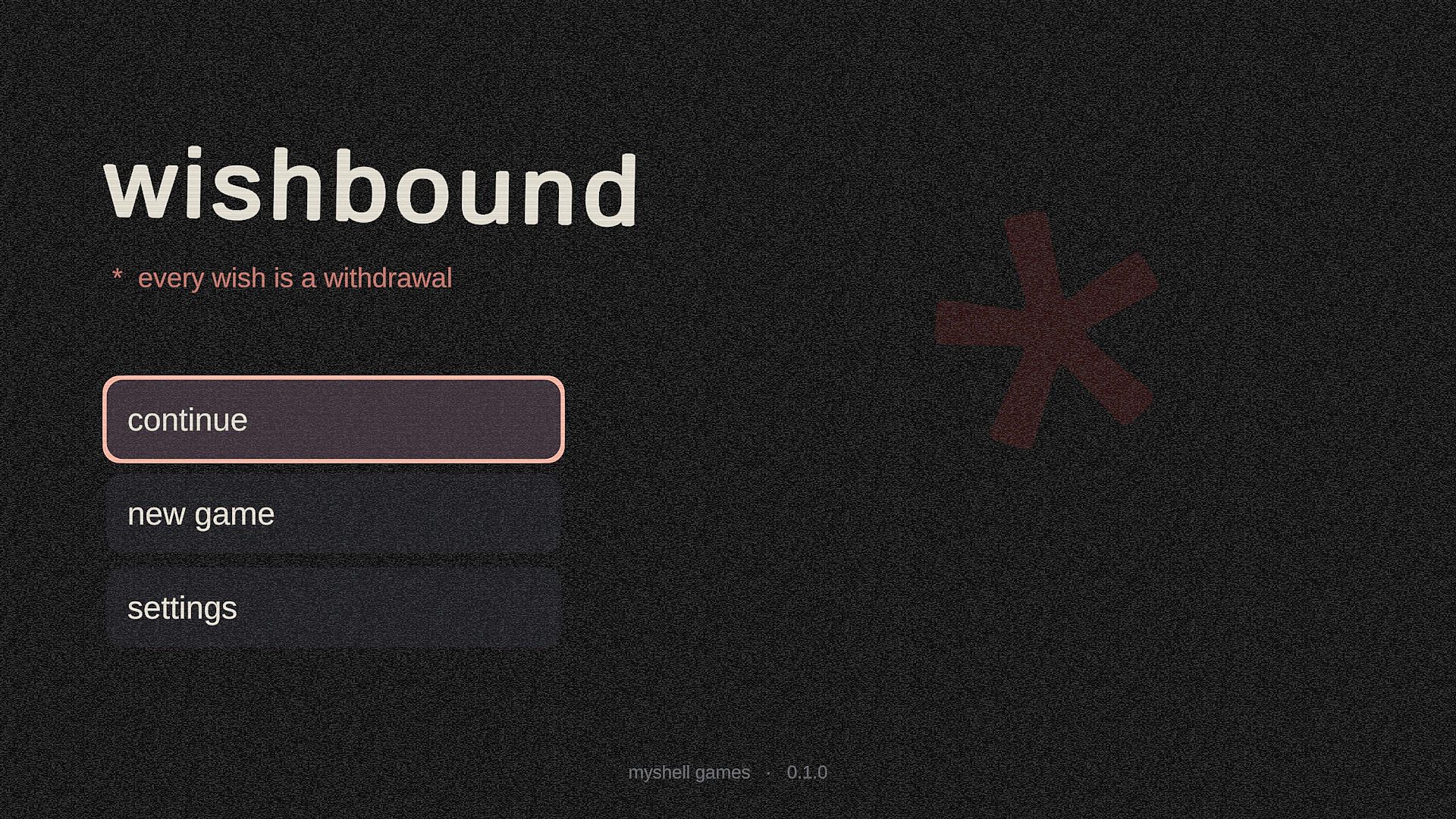
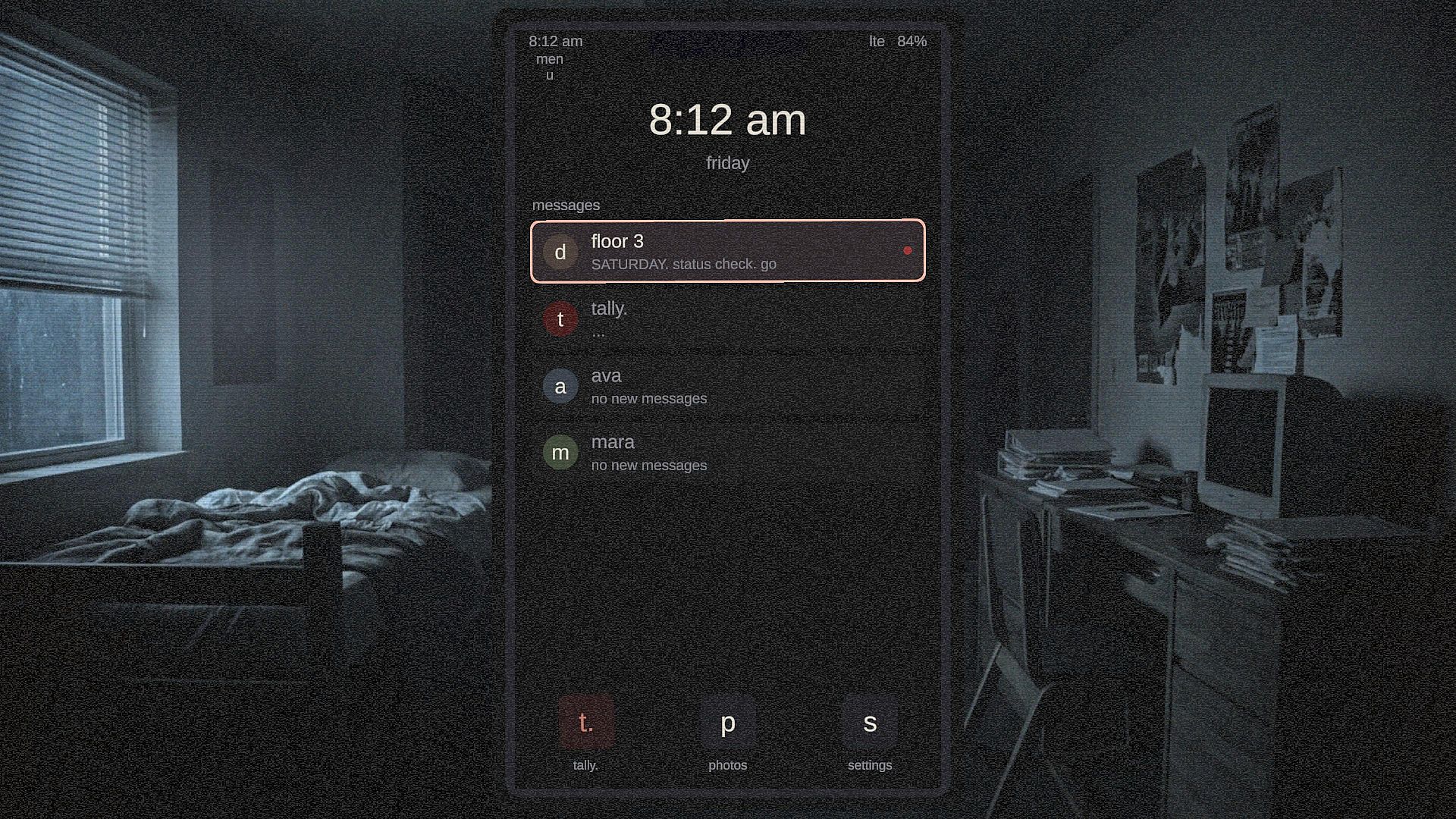
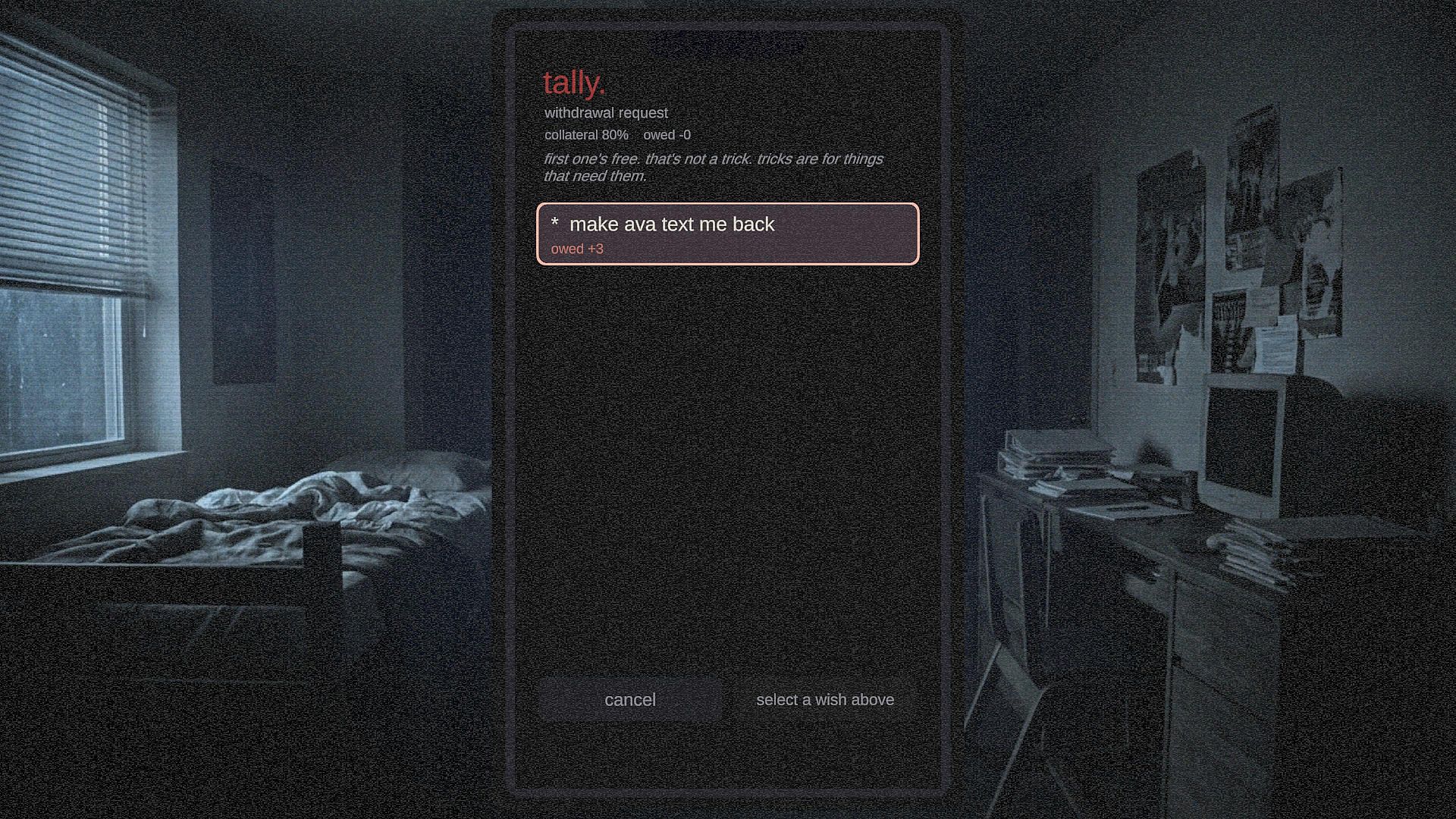





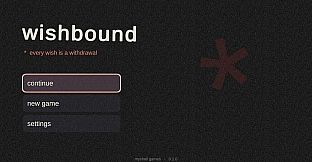


Wishbound è un indie horror psicologico per PS5 che si sviluppa come esperienza narrativa interamente fruibile tramite interfaccia smartphone. Al centro della storia c'è un'app chiamata Tally che compare sul dispositivo del giocatore e inizia a esaudire desideri, partendo da richieste apparentemente innocue prima di rivelarne il vero prezzo. Il giocatore affronta cinque notti di scelte che influenzano tre trame intrecciate, legate a persone che dipendono dall'aiuto del protagonista.
Gameplay
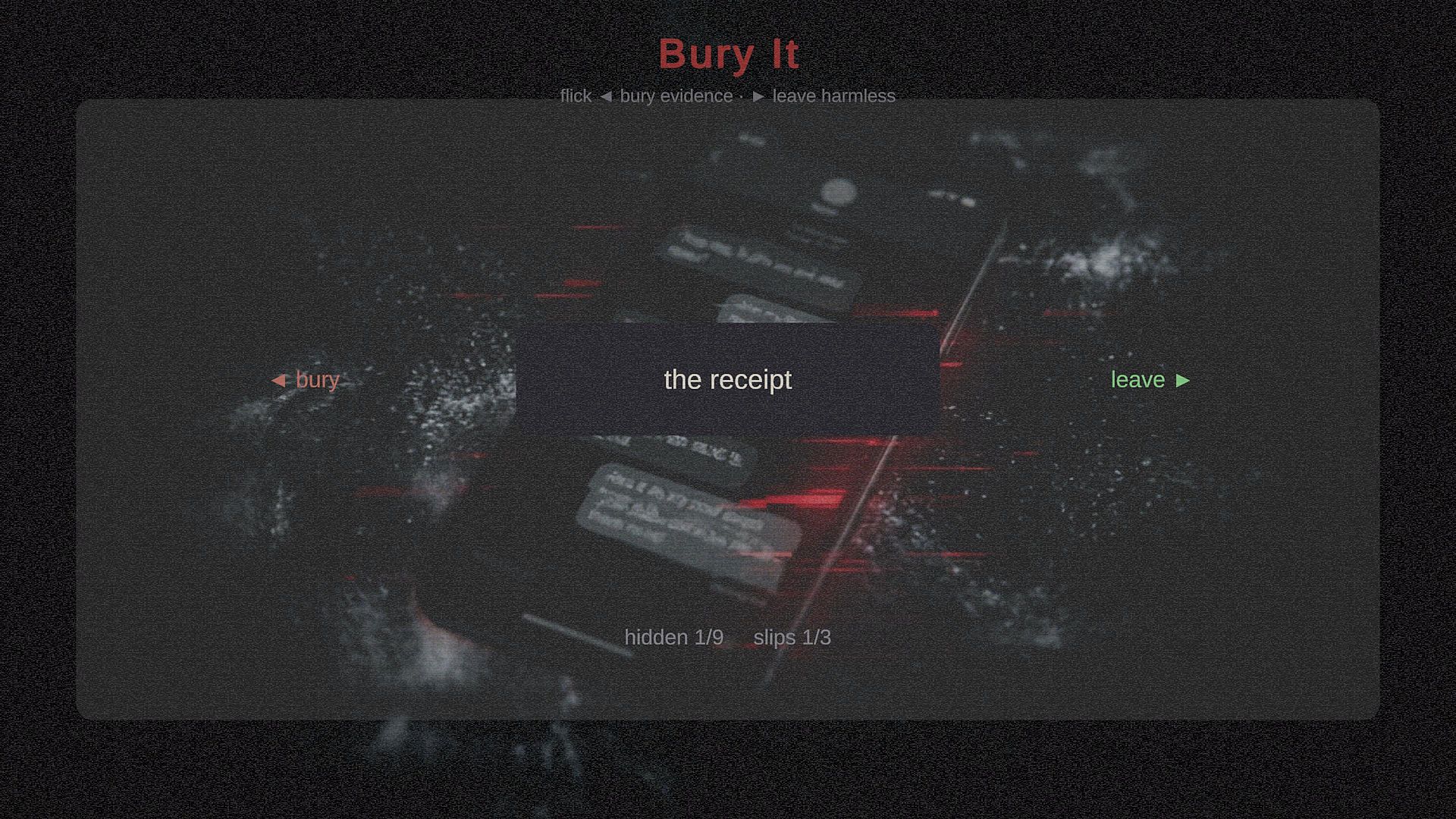
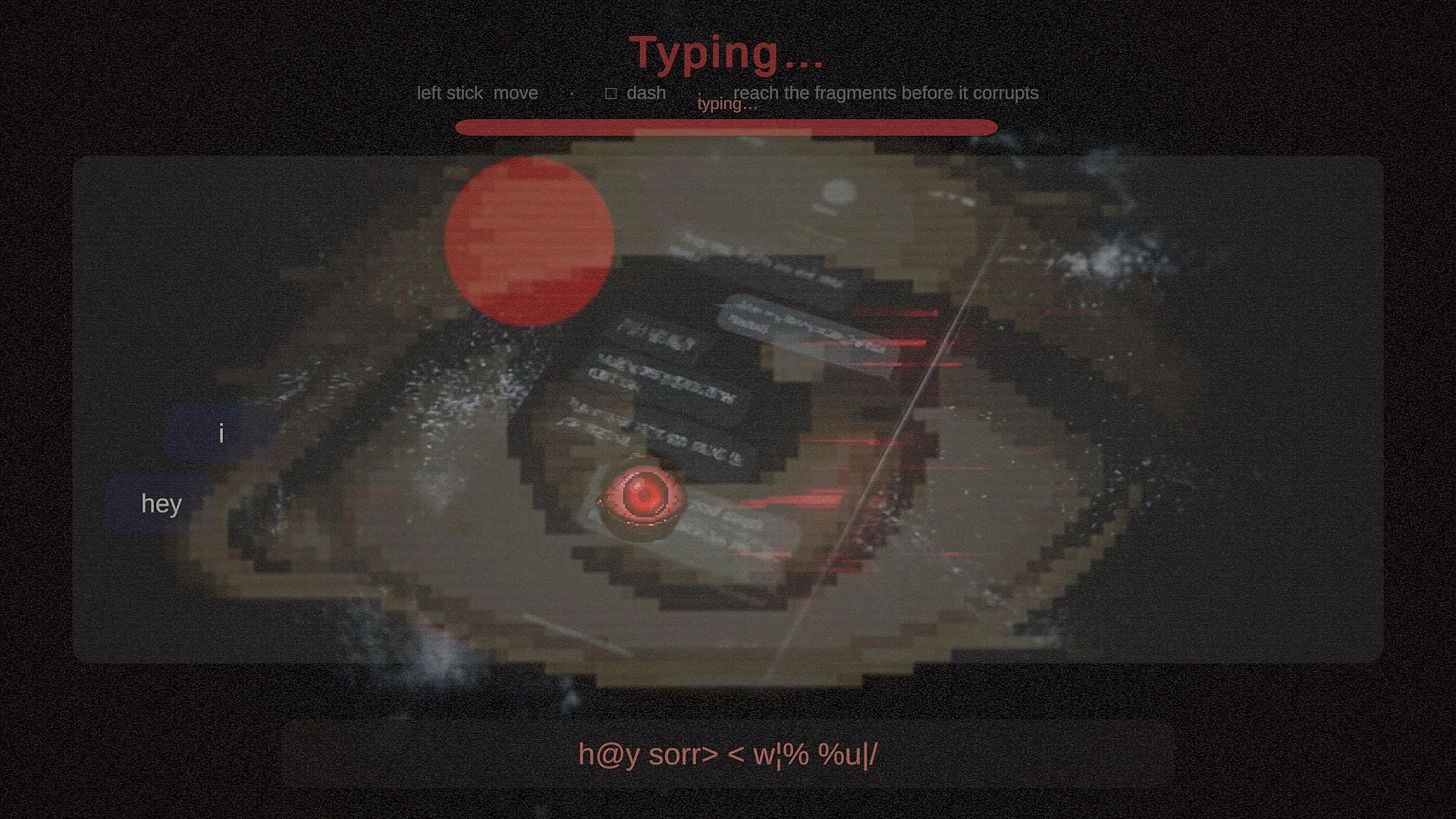
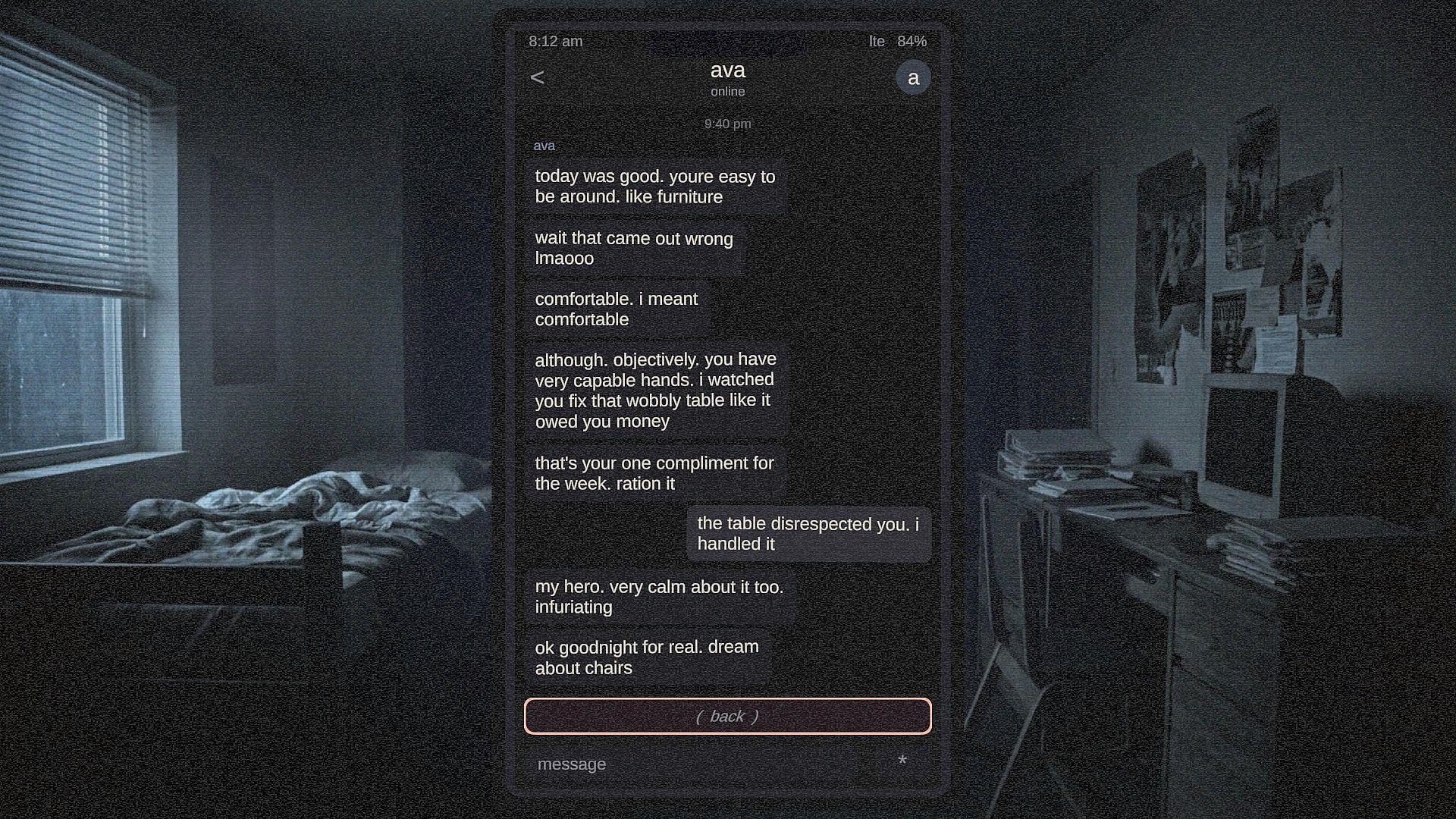
Il ciclo di gioco si basa sulla lettura di chat, sull'osservazione degli indicatori di digitazione e delle conferme di lettura, e sulla scelta delle risposte che determinano le reazioni dei personaggi. Ogni desiderio attiva una sequenza onirica presentata come minigioco, in cui il giocatore cerca di ottenere un esito favorevole. Il successo permette che il desiderio si realizzi senza distorsioni immediate, mentre il fallimento lo soddisfa comunque, ma introduce conseguenze impreviste che influenzano gli eventi successivi.
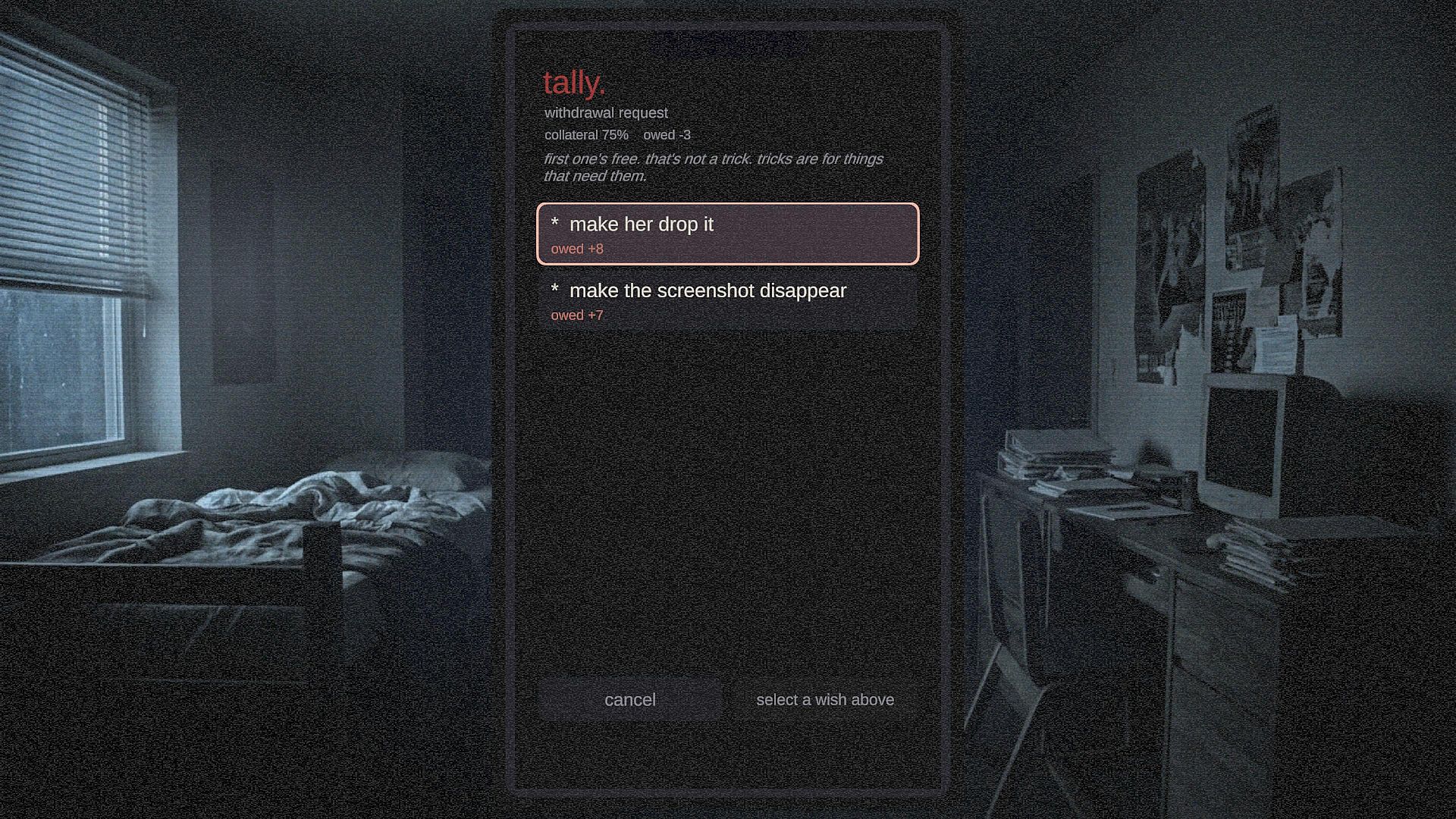
Quattro indicatori nascosti monitorano affetto, sospetto, sanità mentale e debito. Questi valori modificano le opzioni di dialogo, i dettagli ambientali della stanza intorno al telefono e il tono complessivo della narrazione. Con l'aumento del debito, l'ambiente reagisce visivamente: illuminazione e elementi grafici cambiano per riflettere la tensione crescente. Ogni decisione mostra chiaramente il suo costo prima della conferma, spingendo il giocatore a valutare i vantaggi immediati rispetto alle ripercussioni future.
Durante una partita compaiono ventidue minigiochi onirici distinti, ciascuno collegato a un desiderio specifico e dotato di meccaniche uniche per evitare ripetizioni. Il telefono funge da interfaccia completa: tutte le interazioni avvengono sullo schermo simulato, mentre l'ambiente fisico fornisce feedback atmosferico.
Modalità di gioco
Wishbound è un'esperienza narrativa single-player strutturata su tre percorsi paralleli. Il giocatore attraversa le stesse cinque notti, ma incontra priorità e conseguenze diverse a seconda di quale personaggio riceve maggiore attenzione nei momenti chiave. I percorsi si intersecano più volte, permettendo alle azioni di una storia di ripercuotersi sulle altre.
La progressione segue una struttura lineare per notte, con esiti ramificati determinati dalle scelte precedenti e dai valori degli indicatori. Esistono diciotto finali possibili, ciascuno legato a combinazioni diverse delle statistiche e al saldo dei debiti verso l'app. Il sistema registra le decisioni delle partite precedenti, quindi i tentativi successivi possono mostrare dettagli nuovi o reazioni modificate in base alle conseguenze residue dei percorsi precedenti.
Struttura narrativa e scelte
La storia mette in risalto il peso delle piccole decisioni prese sotto pressione. I messaggi arrivano a ore irregolari e il giocatore deve decidere come rispondere mentre l'app continua a proporre nuovi desideri. Lo sviluppo dei personaggi emerge dalle variazioni nello stile di scrittura, nei tempi di risposta e nei contenuti delle conversazioni, senza ricorrere a cutscene tradizionali.
Il debito cresce con ogni desiderio esaudito e funziona come risorsa centrale: livelli più alti sbloccano sequenze oniriche aggiuntive, ma intensificano anche il feedback visivo e meccanico dell'ambiente circostante. I tre personaggi principali hanno archi narrativi che possono concludersi in modo positivo o negativo, a seconda di quanto il giocatore riesca a soddisfare le loro richieste senza far degradare troppo sospetto e sanità mentale.
Vale la pena giocarci?
Wishbound è adatto a chi apprezza le narrazioni guidate dalle scelte e l'horror psicologico proposto attraverso interfacce non convenzionali. La combinazione di interazioni testuali, minigiochi reattivi e multipli finali offre un buon valore rigiocabile a chi vuole esplorare percorsi e livelli di debito diversi. L'esperienza si completa in circa cinque sessioni mirate, rendendola accessibile anche per sessioni brevi pur mantenendo profondità grazie alla struttura ramificata.
Poiché il gioco si basa su lettura attenta e decisioni ponderate piuttosto che su riflessi, attrae chi cerca titoli incentrati sulla storia che premiano l'attenzione ai dettagli. L'assenza di combattimenti o esplorazione tradizionali sposta l'enfasi interamente sulle conseguenze dei desideri e sull'evoluzione dei rapporti sul telefono. Chi apprezza sistemi in cui ogni azione ha un prezzo visibile troverà meccaniche in linea con i temi di equilibrio e restituzione.