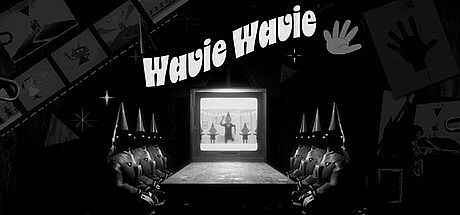


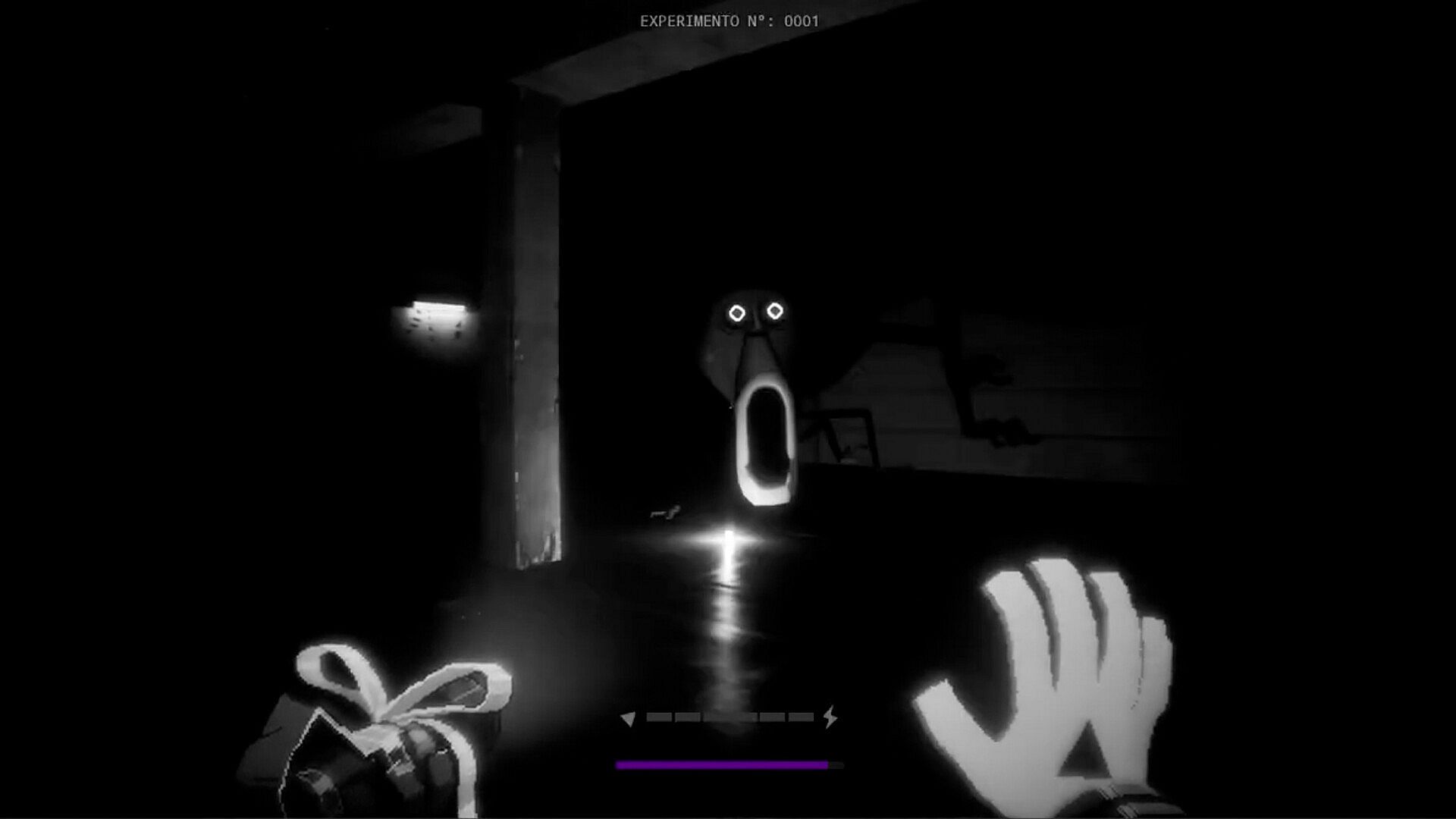
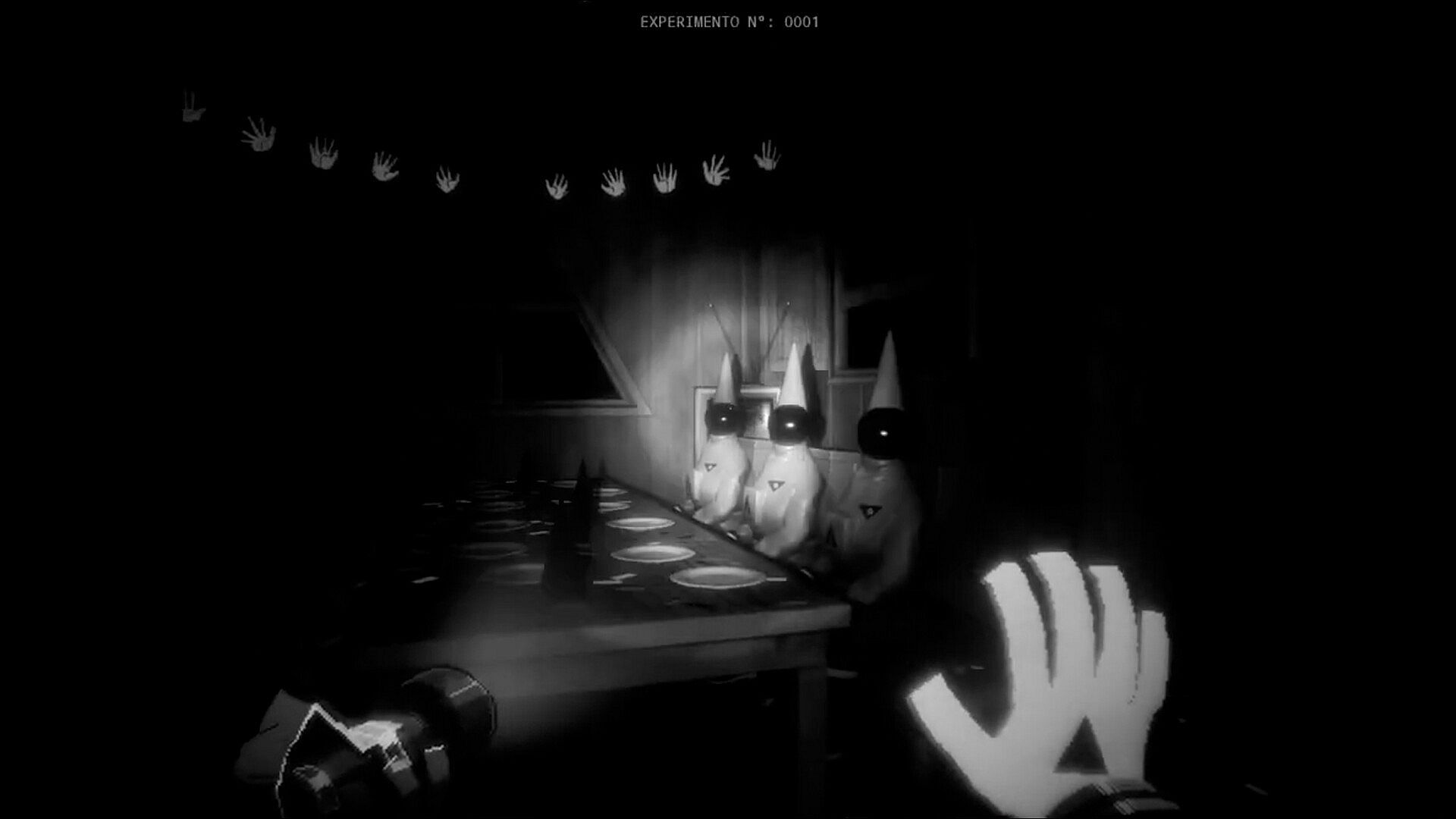
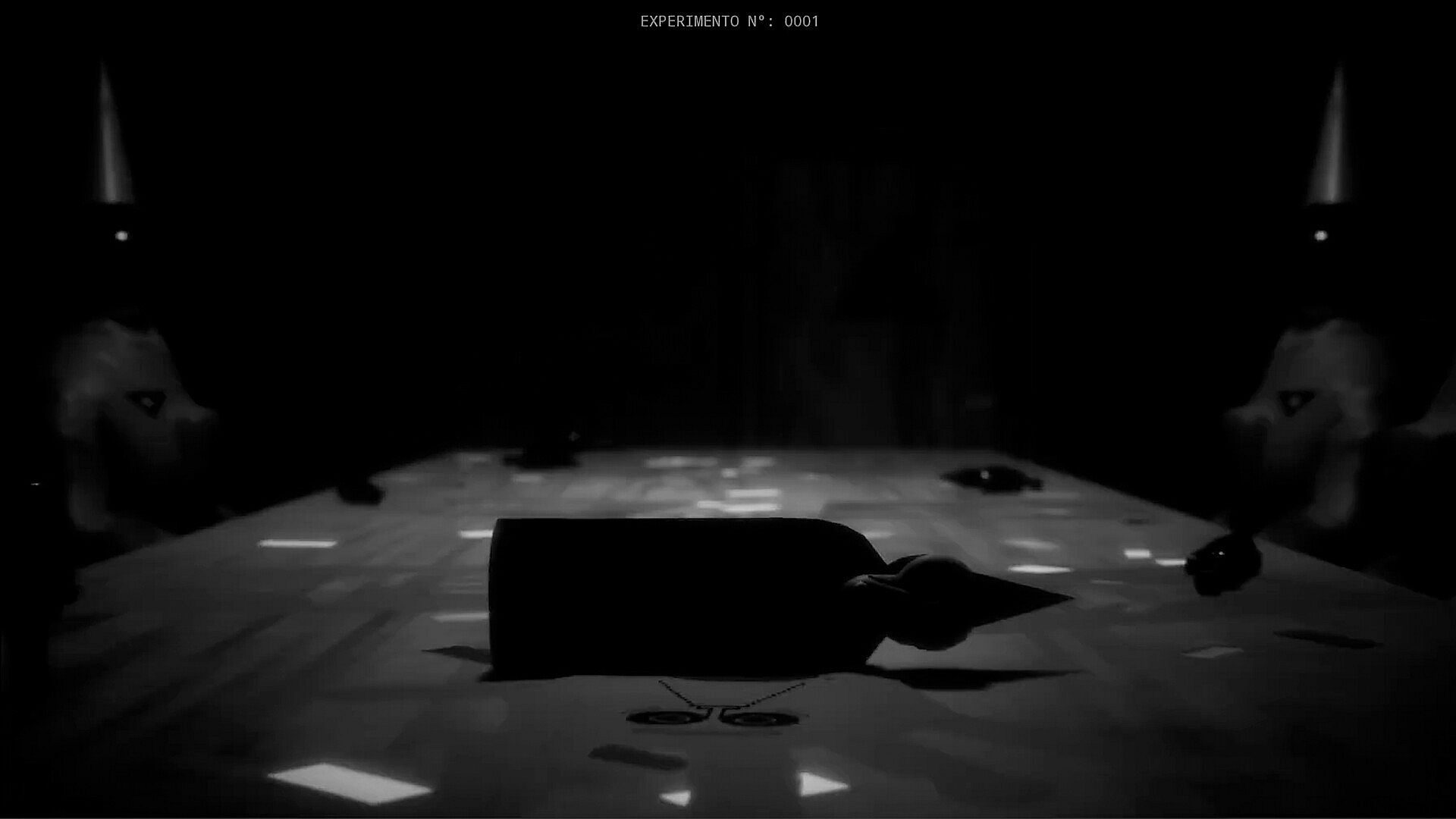
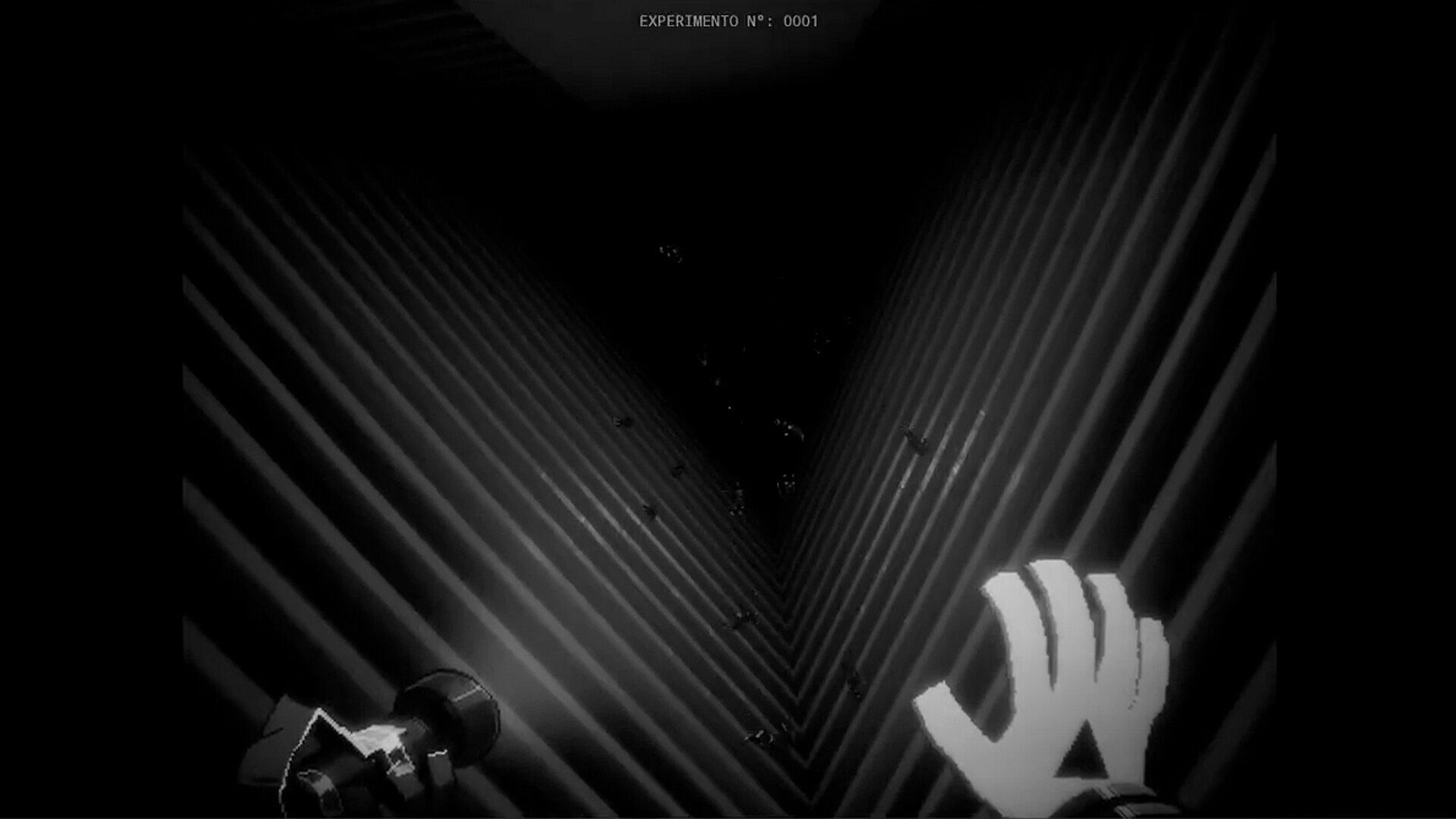
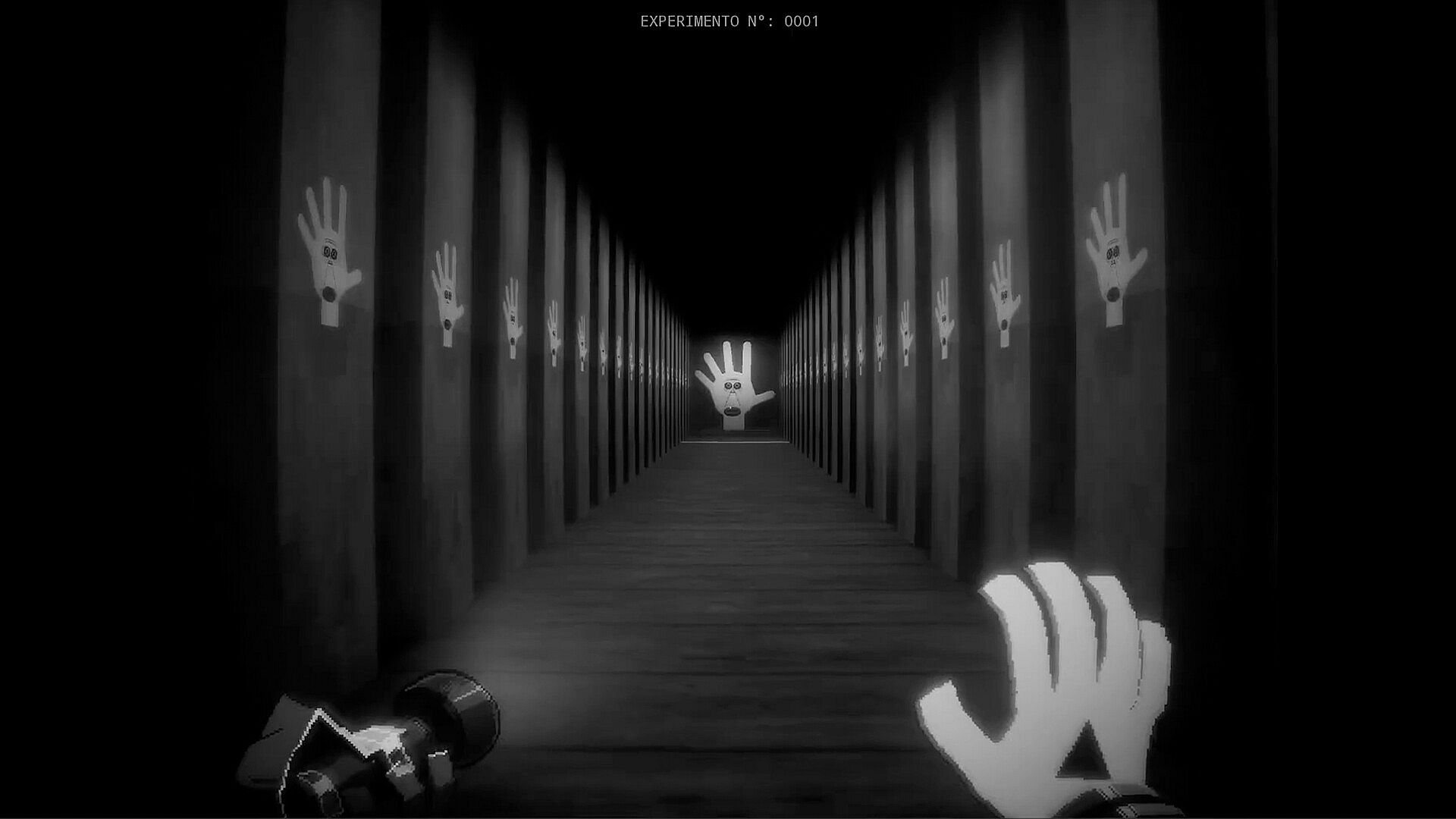
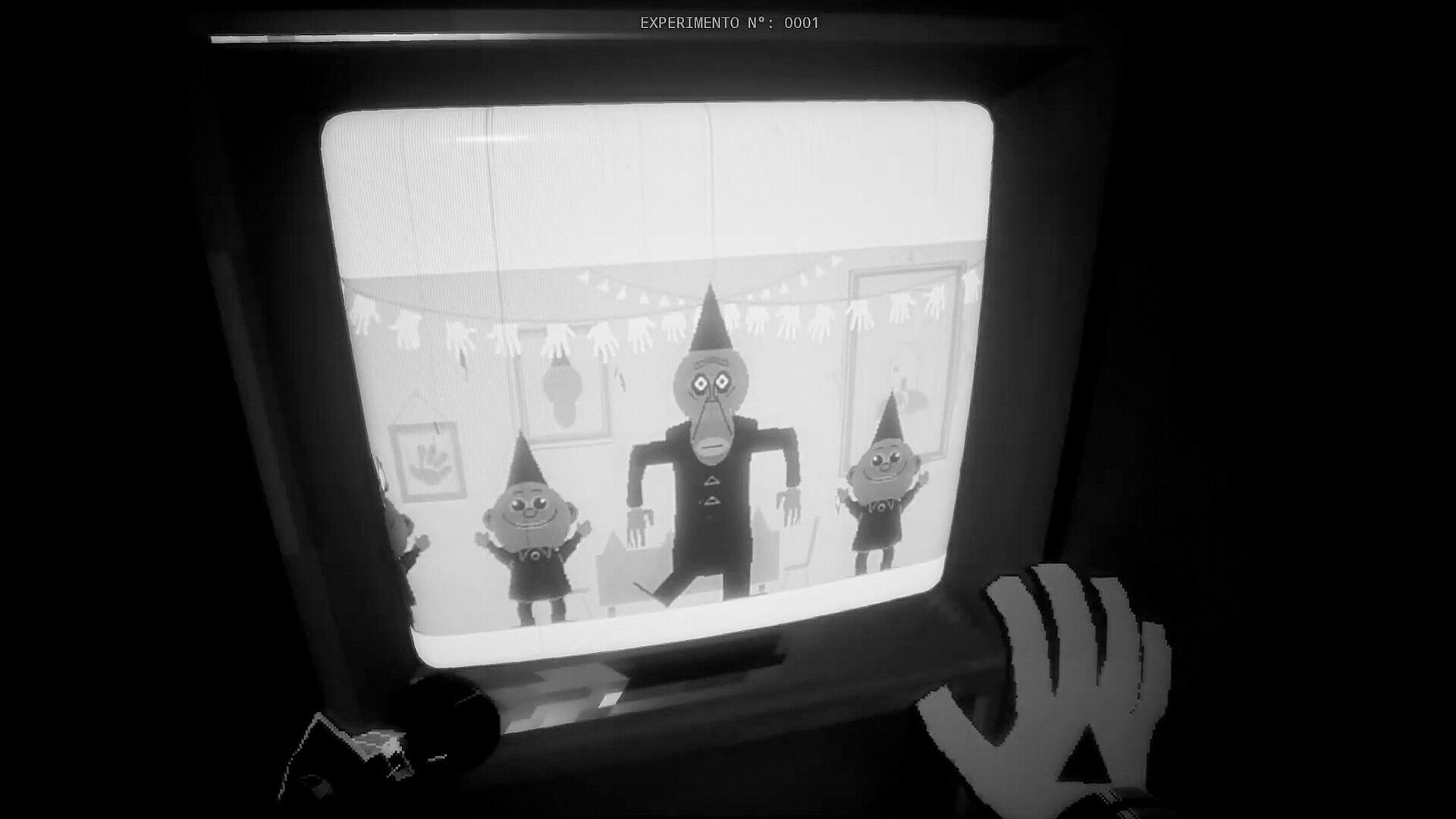
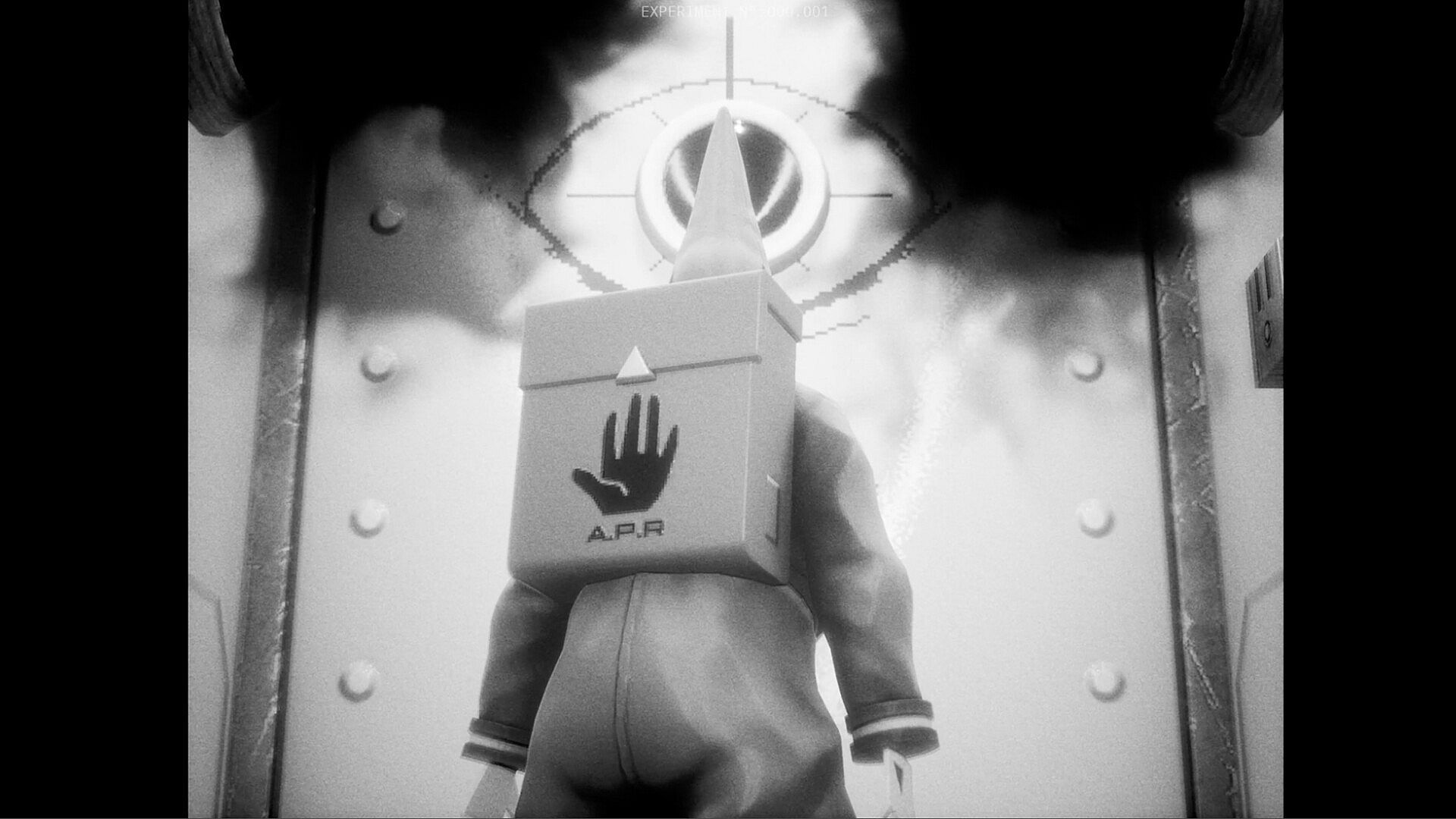
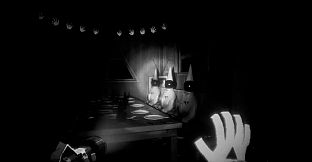
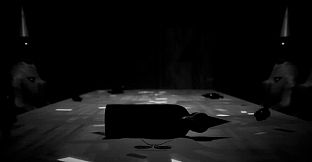

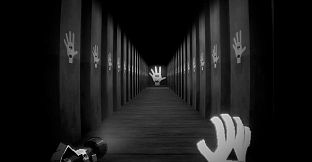
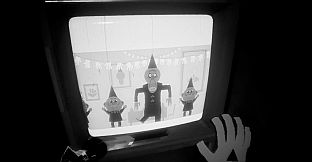
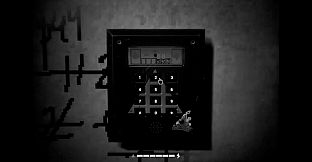
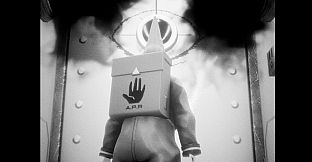
Wavie Wavie is a first-person symbolic horror adventure game set entirely within a parking lot caught in a looping repetition experiment. Players take on the role of an agent from the A.P.R., tasked with investigating the anomaly and recording every detail across multiple iterations of the same confined space. The experience emphasizes observation over action, with the environment shifting in subtle or dramatic ways each time the loop resets.
Gameplay
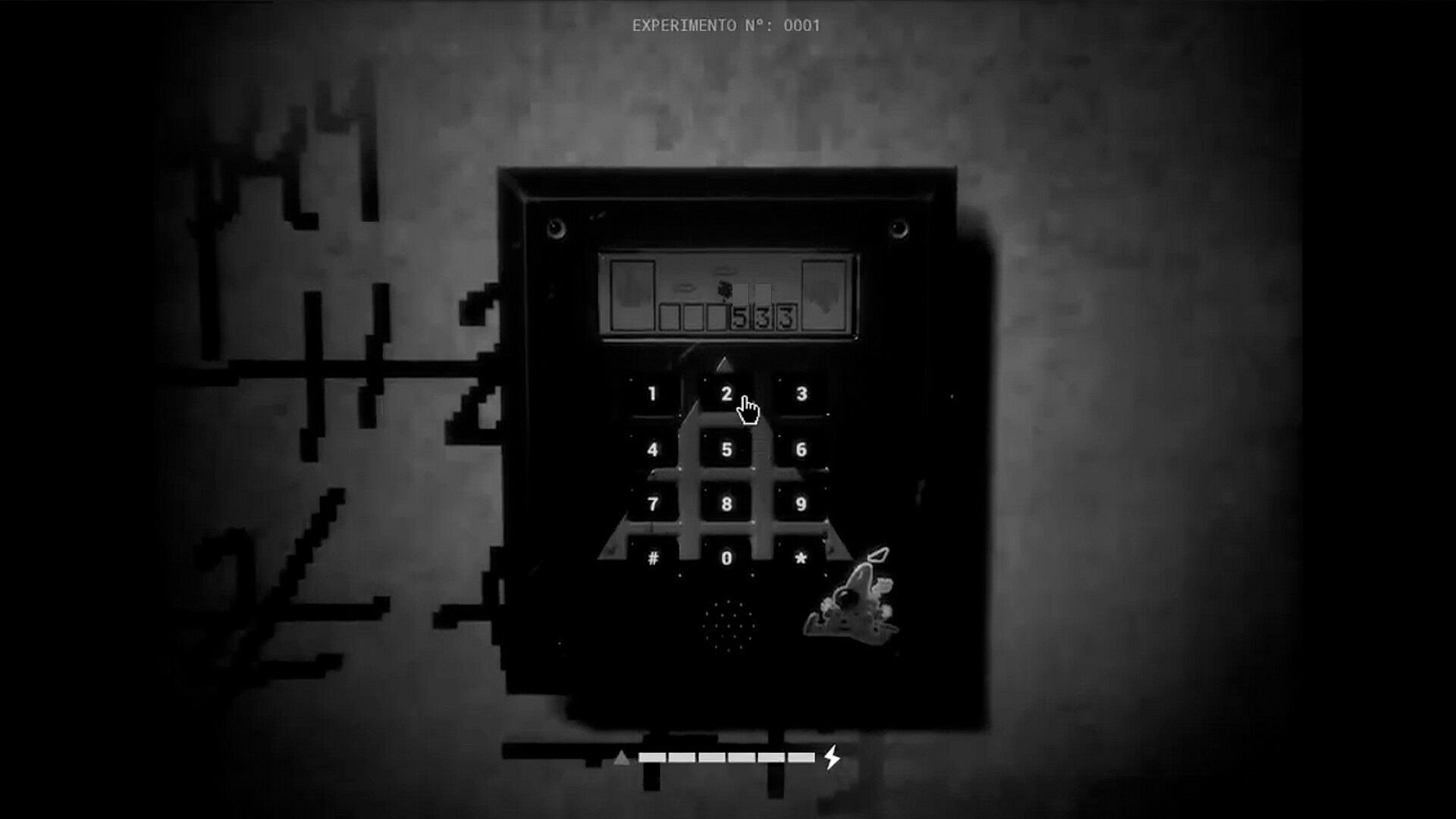
The core loop revolves around exploring the parking lot, noting changes from one repetition to the next, and piecing together clues scattered throughout the area. Some alterations appear minor at first glance, while others reshape entire sections of the lot, forcing players to relearn familiar paths. Attention to detail proves essential, as clues hide in plain sight or require deliberate searching among cars, signs, and other fixtures. A paper hand item allows interaction with the central entity through a specific greeting mechanic, adding a layer of ritualistic engagement that depends on timing, distance, and careful positioning rather than direct confrontation.
Progression comes from documenting findings in A.P.R. reports, collecting photographs, recordings, and other archival fragments. These materials gradually reveal fragments of a larger narrative involving symbols, rituals, and recurring events. Players must connect these elements themselves to form an interpretation, with no single definitive explanation provided upfront. The compact design encourages multiple runs, each potentially uncovering new details or variations in the parking lot layout.
Game Modes
Wavie Wavie offers a single-player experience built around its looping structure rather than separate named modes. Each playthrough functions as a distinct iteration of the parking lot, with changes that range from nearly imperceptible shifts to complete transformations. This built-in variability serves as the primary replay incentive, allowing players to test different approaches to exploration and interaction with the entity known as Wavie Wavie. The focus remains on solitary investigation and personal interpretation instead of competitive or cooperative elements.
Story and Atmosphere
The narrative unfolds indirectly through collected documents, advertisements, and environmental details rather than traditional cutscenes or dialogue. Players reconstruct events by linking symbols and repetitions, which may lead to answers or simply more questions about the nature of the anomaly and the entity within it. The symbolic horror tone relies on unease from repetition, the unknown presence of Wavie Wavie, and the pressure to decide when and how to respond to its greetings. Sound design and visual consistency within the parking lot setting reinforce the sense of being trapped in an experiment that defies normal logic.
Is It Worth Playing?
Wavie Wavie suits players who enjoy short, atmospheric indie horror experiences centered on exploration, observation, and narrative interpretation. Its one-hour length makes it accessible for a focused session, while the replayable loop structure rewards those willing to return and notice new details. The emphasis on subtle environmental changes and the unique waving interaction with the entity provides a distinctive mechanic within the symbolic horror genre. Those seeking straightforward action or lengthy campaigns may find the deliberate pacing and open-ended storytelling less engaging, but the game delivers a self-contained, thought-provoking package for fans of experimental indie titles.