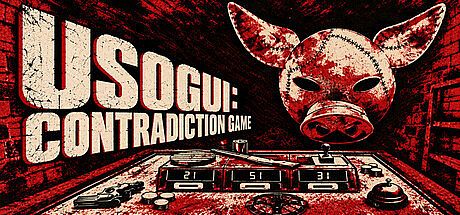


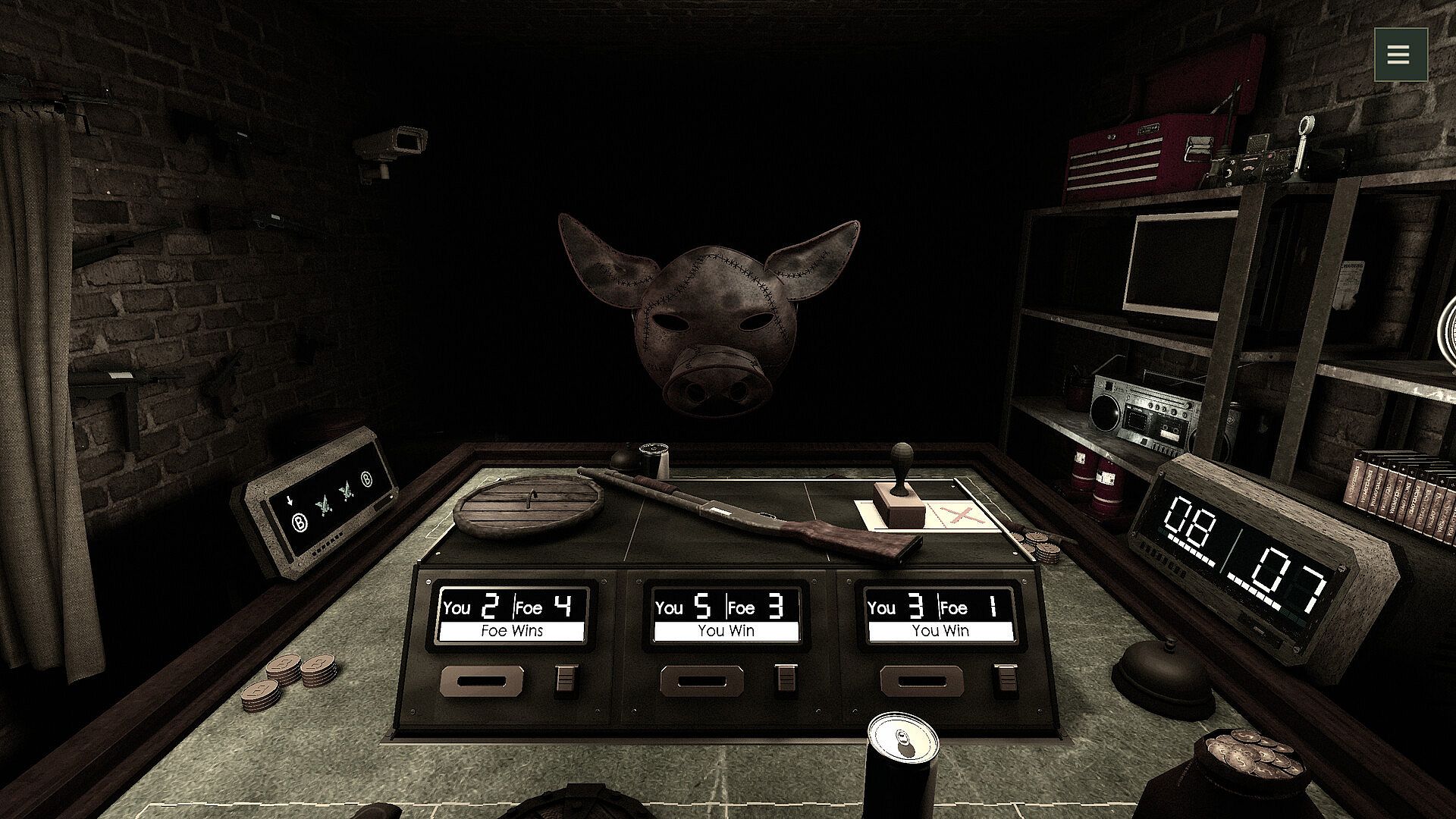
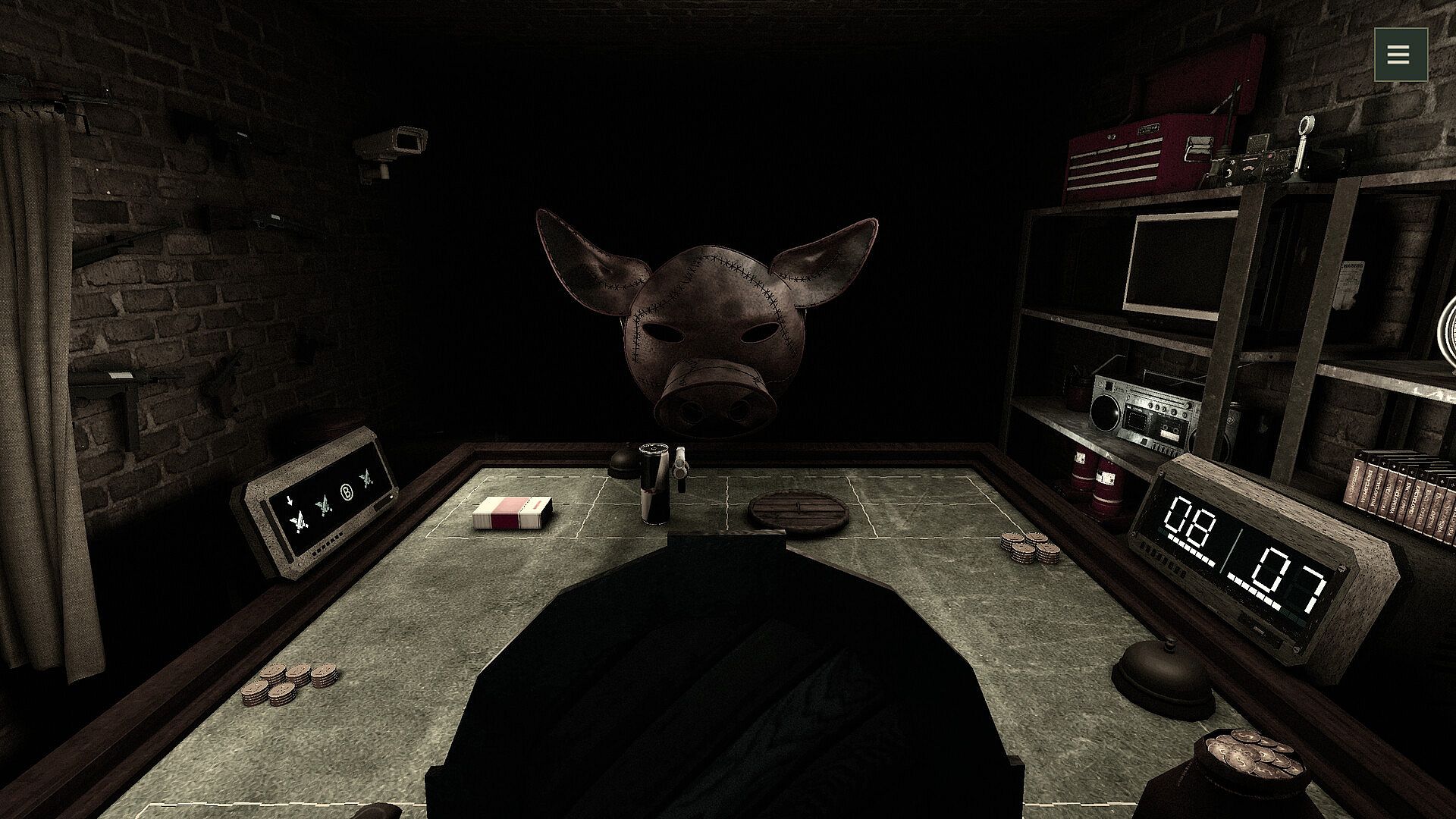
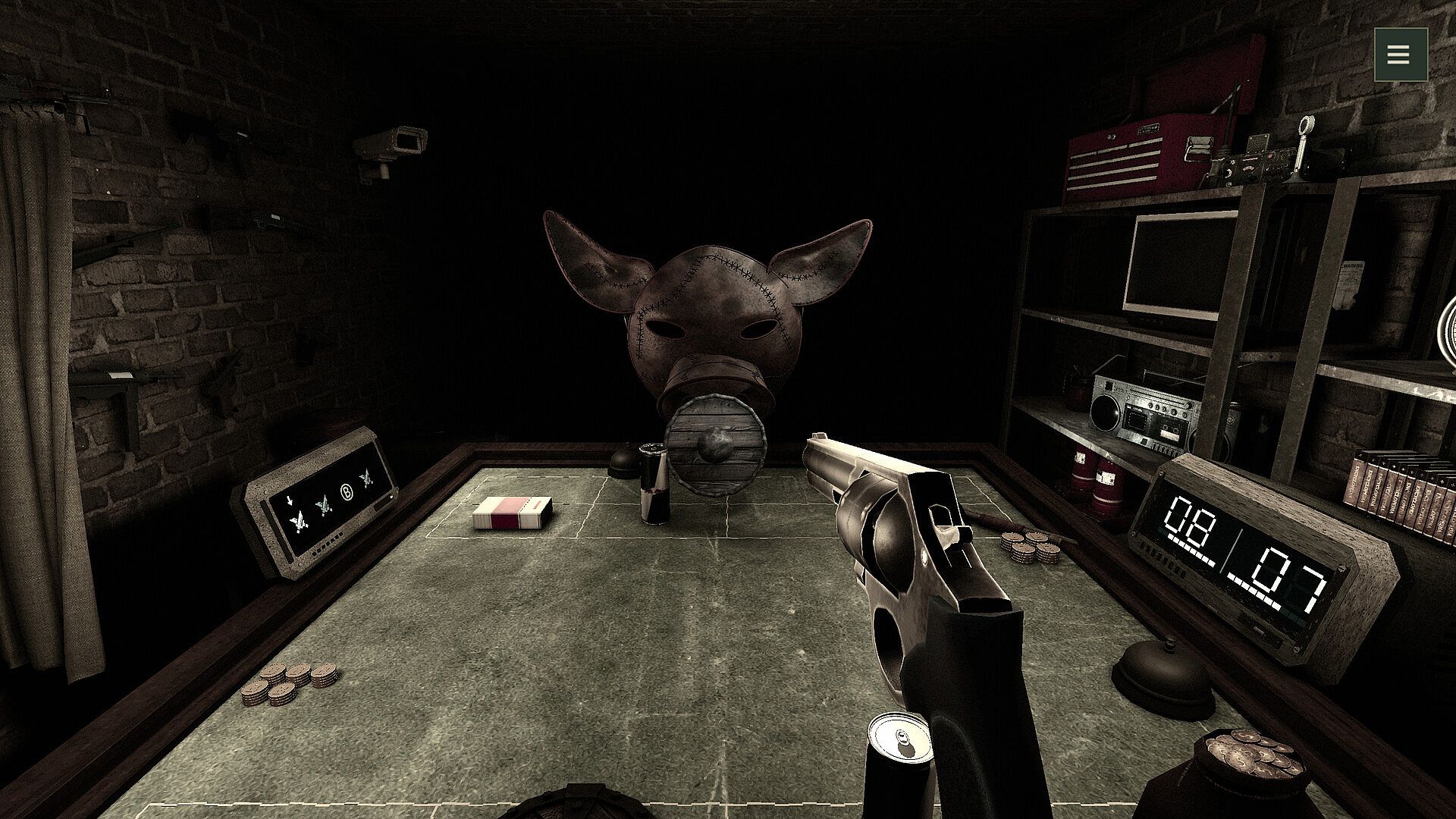
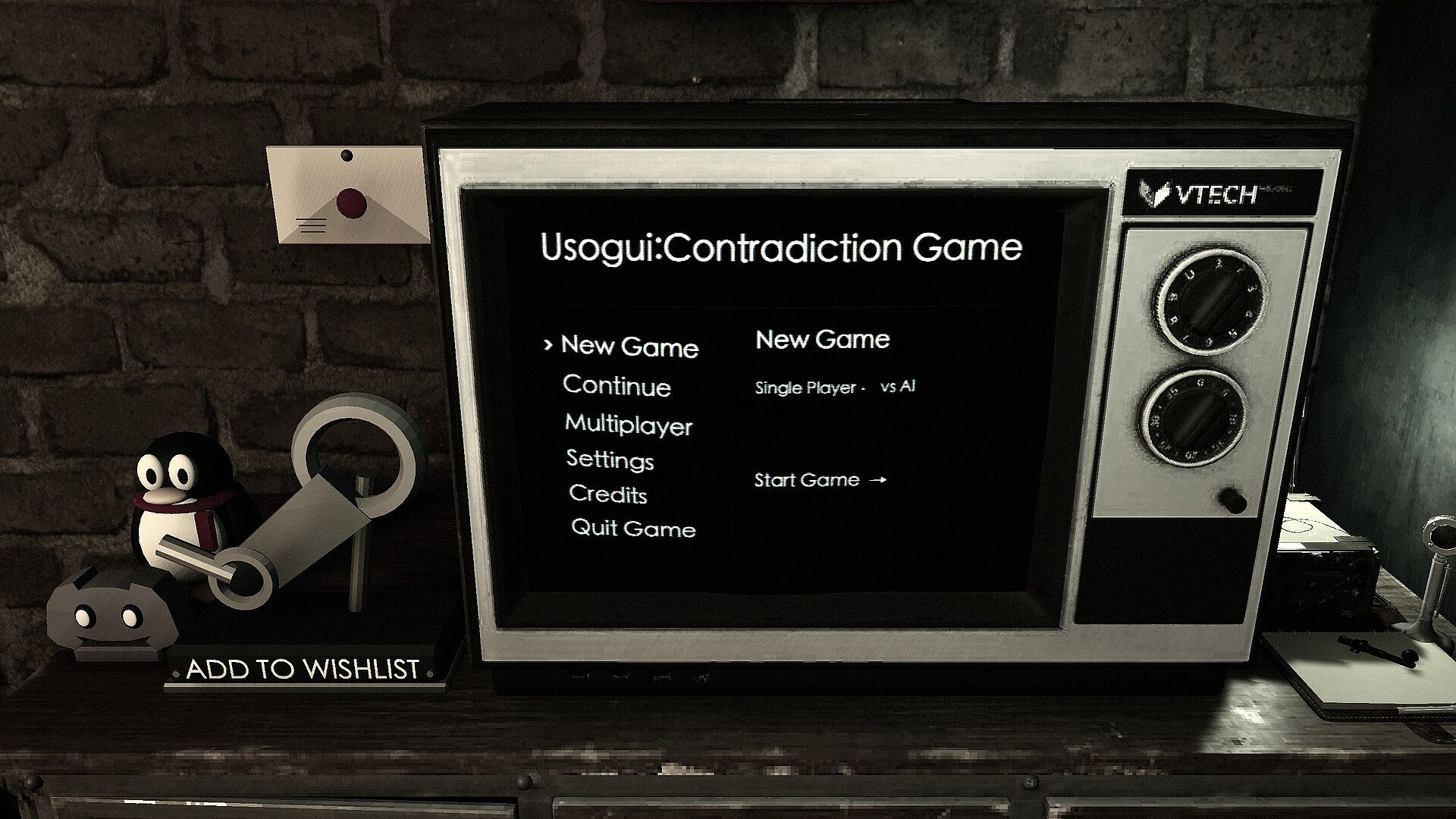
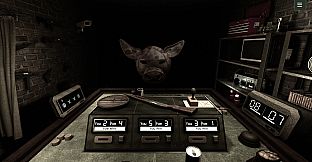
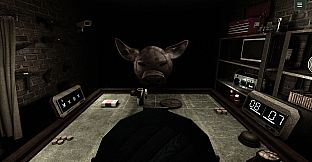
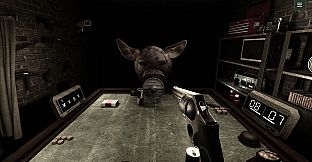
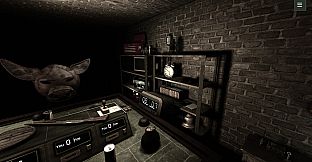
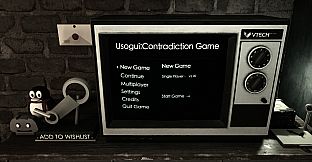
Usogui:Contradiction Game is a first-person turn-based strategy game that blends action, strategy, indie, and simulation elements on PC. Players engage in secret bidding, resource management, and psychological warfare drawn from high-stakes gambling scenarios. The core loop centers on auctions where opponents allocate limited coins to claim items, followed by hidden action selections that resolve simultaneously after each round.
Gameplay
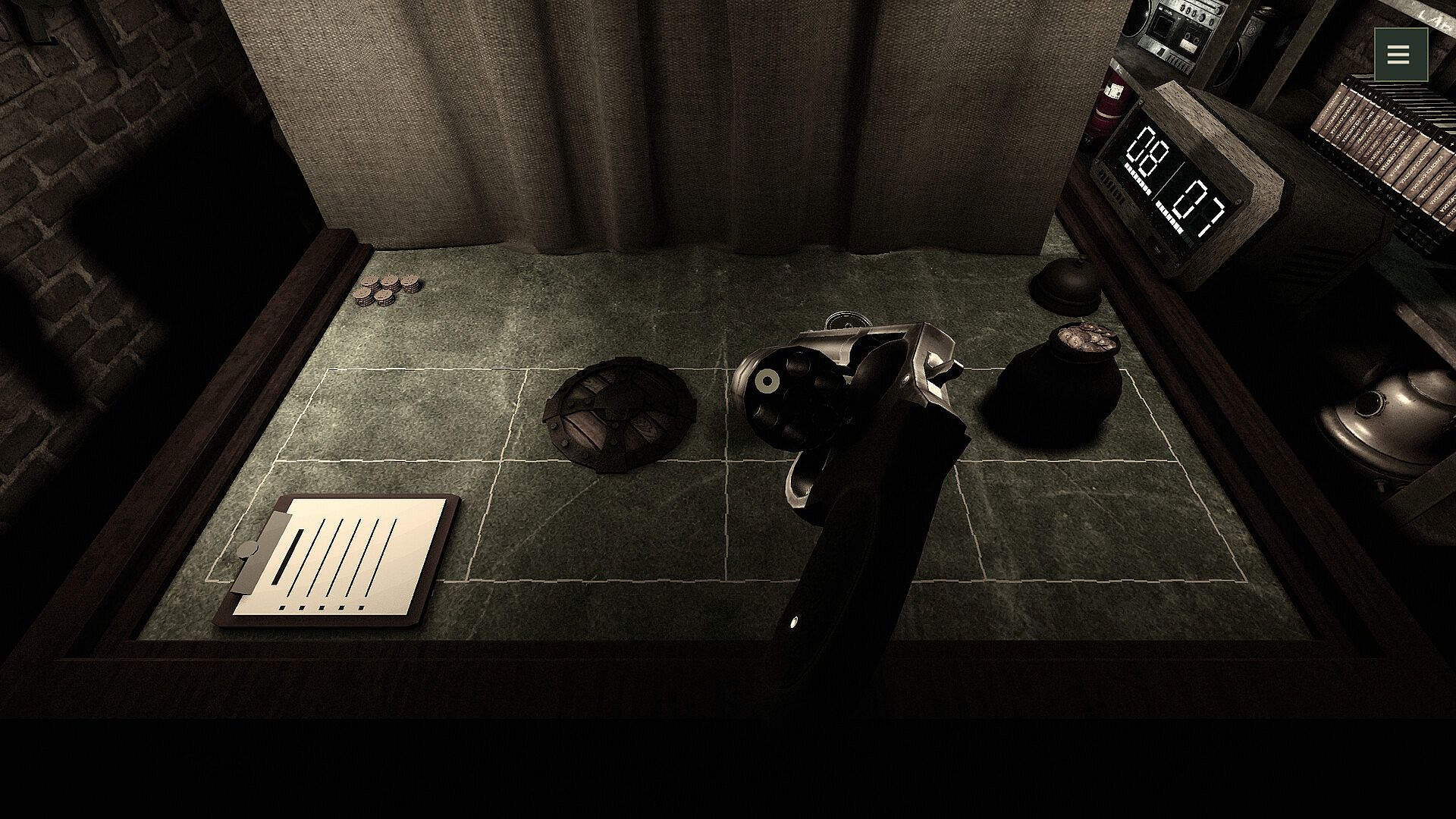
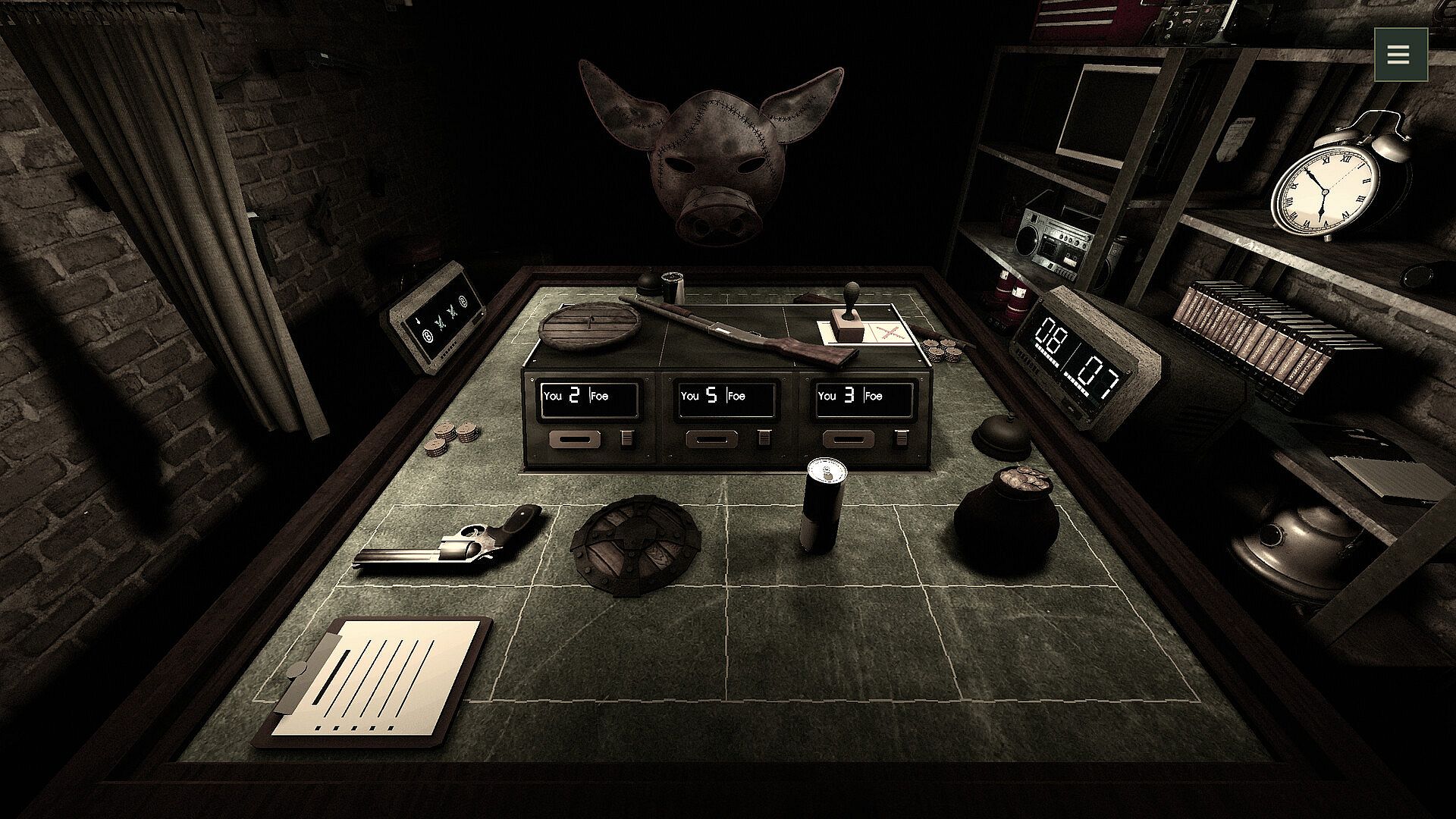
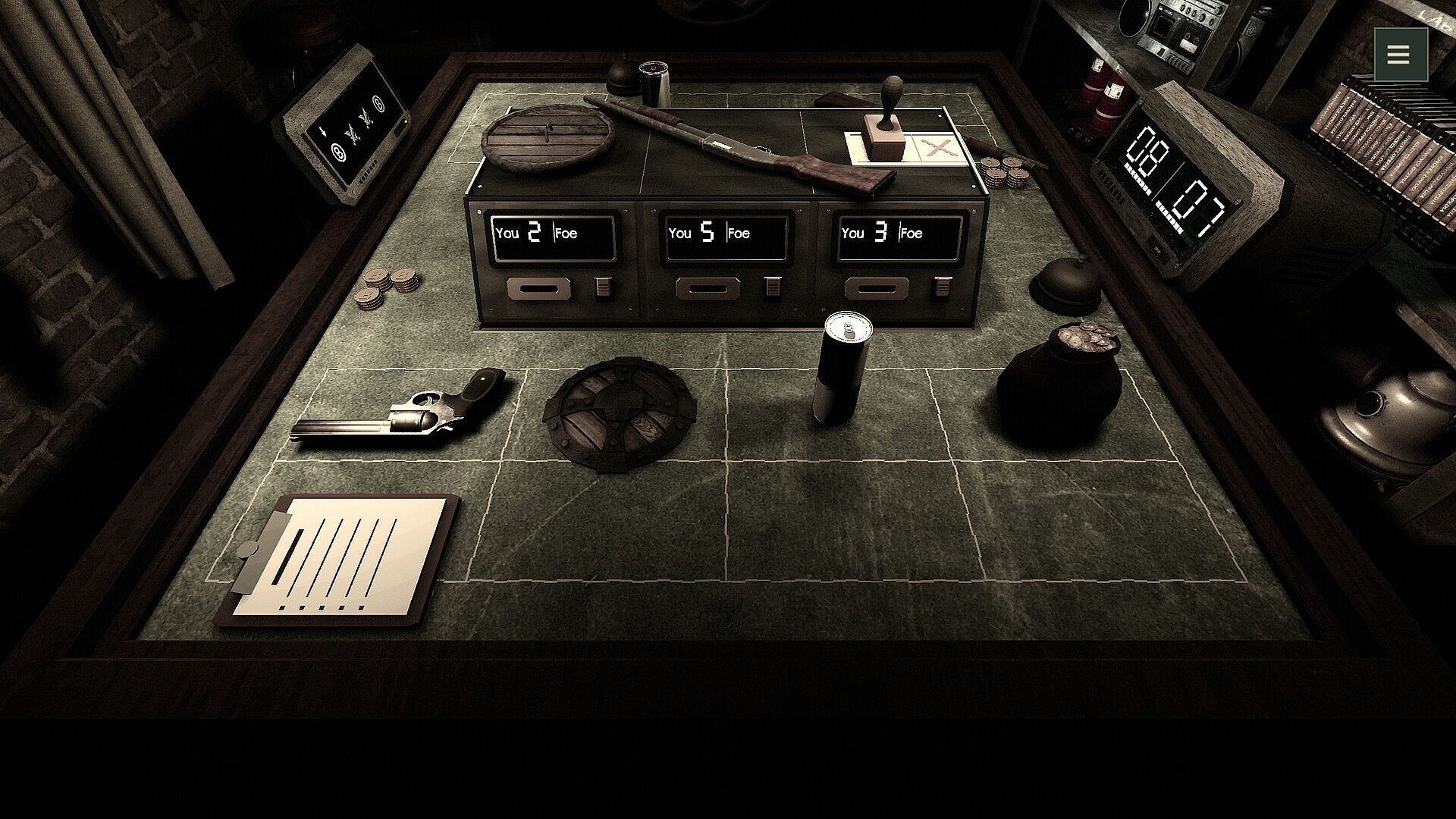
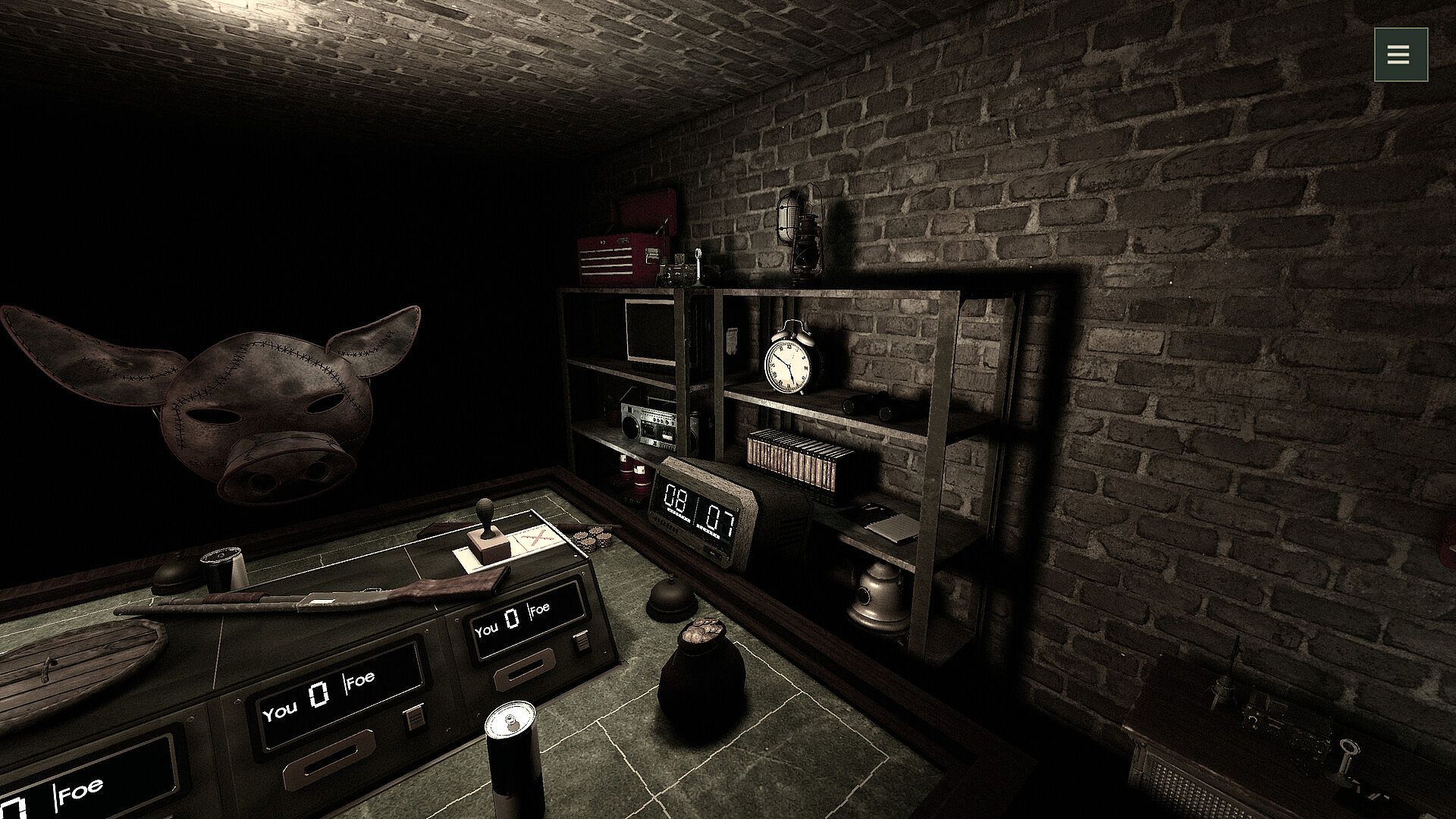
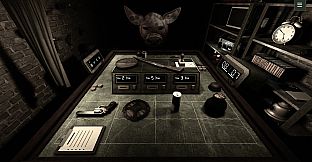
Each match begins with auctions featuring three items at once. Both participants secretly commit coins and ring a bell to finalize bids, with the higher offer securing the item while spent coins vanish permanently. This forces constant evaluation of an item's value to oneself versus its potential worth to the opponent. After the auction, the curtain closes for secret action choices using one of the acquired items or opting to wait empty-handed. Support effects resolve first, then attacks and defenses apply simultaneously, with damage landing on both sides at once. Ten distinct items create varied tactical options, including the revolver for direct attacks, the shotgun to pierce wooden shields, the stun gun to bypass defenses, drinks for health restoration, cigarettes to empower attacks, coin pouches to boost bidding power, the seal to disable an opponent's stocked item, and the preview console to glimpse upcoming auction contents privately. Storage limits of eight slots per side and the action cost of item use add layers to pairing weapons with supports and timing commitments. First-person perspective places players at the table, handling coins, items, and the bell directly amid a dim room with a flickering screen.
Game Modes
Single-player mode progresses through three sequential stages with an expanding item pool, starting at five items and growing to eight before unlocking all ten. The first stage allows one action round after each auction, while later stages extend this to two rounds, enabling earlier choices to influence future outcomes. Defeating the computer opponent advances progress, with retries available on loss and support for autosave and continue. Two-player mode enables one-on-one online matches via friend invites, public rooms, or quick match, using the full set of ten items in real-time bidding and action phases against another person.
Core Mechanics and Strategy
Resource management demands careful budgeting because overcommitting to powerful weapons like the shotgun can leave no coins for later protection or healing. Psychological elements arise from anticipating opponent bids and actions based on visible holdings and past patterns. Simultaneous resolution means every decision carries mutual risk, where a correct read on an opponent's likely response can shift momentum dramatically. Item interactions reward experimentation, such as forcing a shield with an attack only to follow with a bypass tool or using the preview console to plan multi-round budgets ahead of the opponent.
Is It Worth Playing?
The game targets players who enjoy deliberate, information-limited decision making and head-to-head mind games over fast reflexes or large-scale campaigns. Its turn-based structure and emphasis on reading intentions suit those drawn to strategy titles with psychological depth. As an upcoming release with no player reviews available yet, its appeal rests on the described systems of bidding, item management, and simultaneous reveals that create tension through uncertainty rather than direct confrontation. Those seeking a focused indie experience built around one-versus-one tactical auctions and hidden choices will find the mechanics align closely with that preference, while broader audiences may prefer titles with more immediate feedback or varied environments.