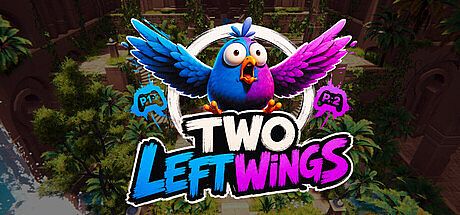


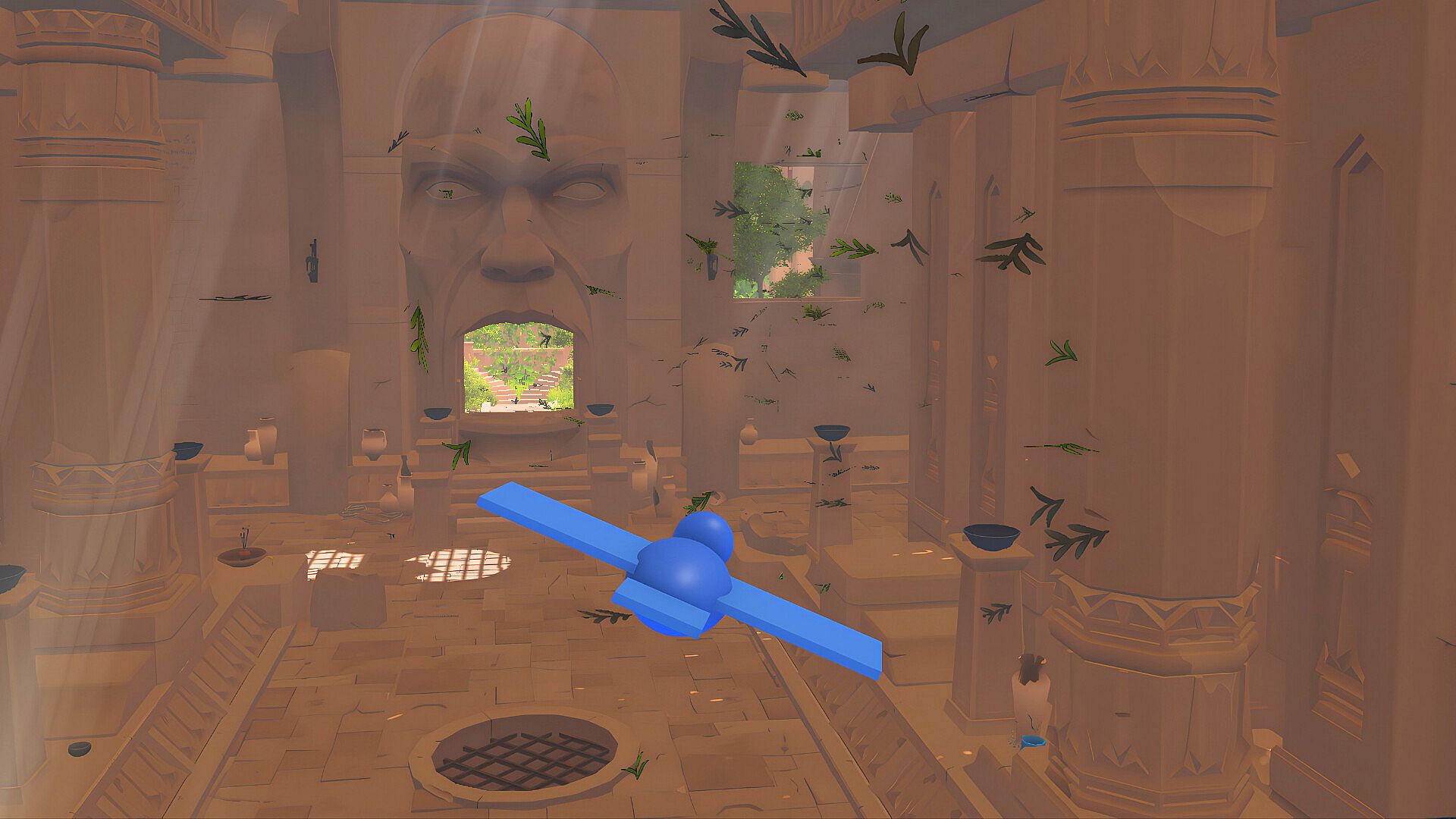
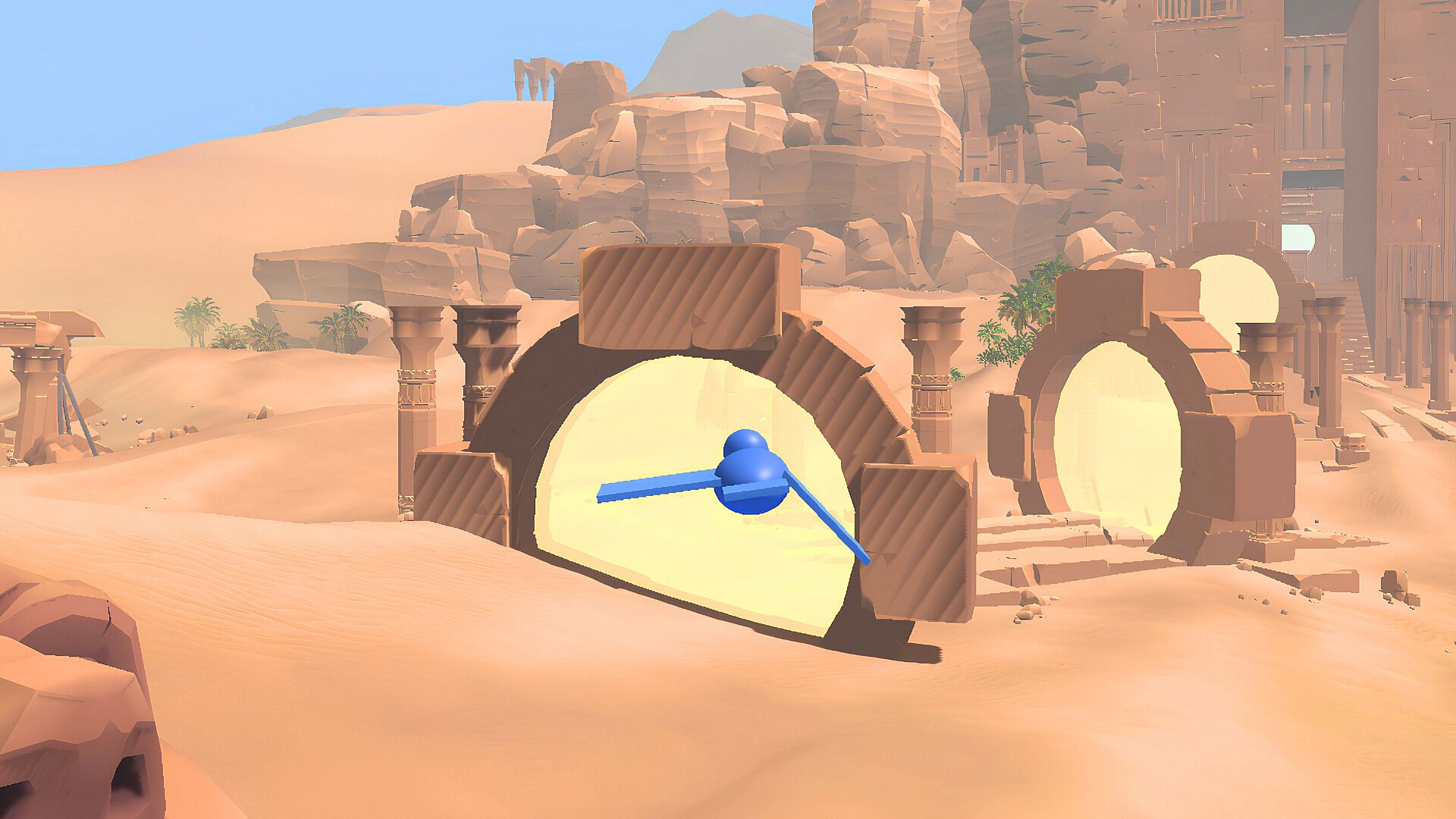
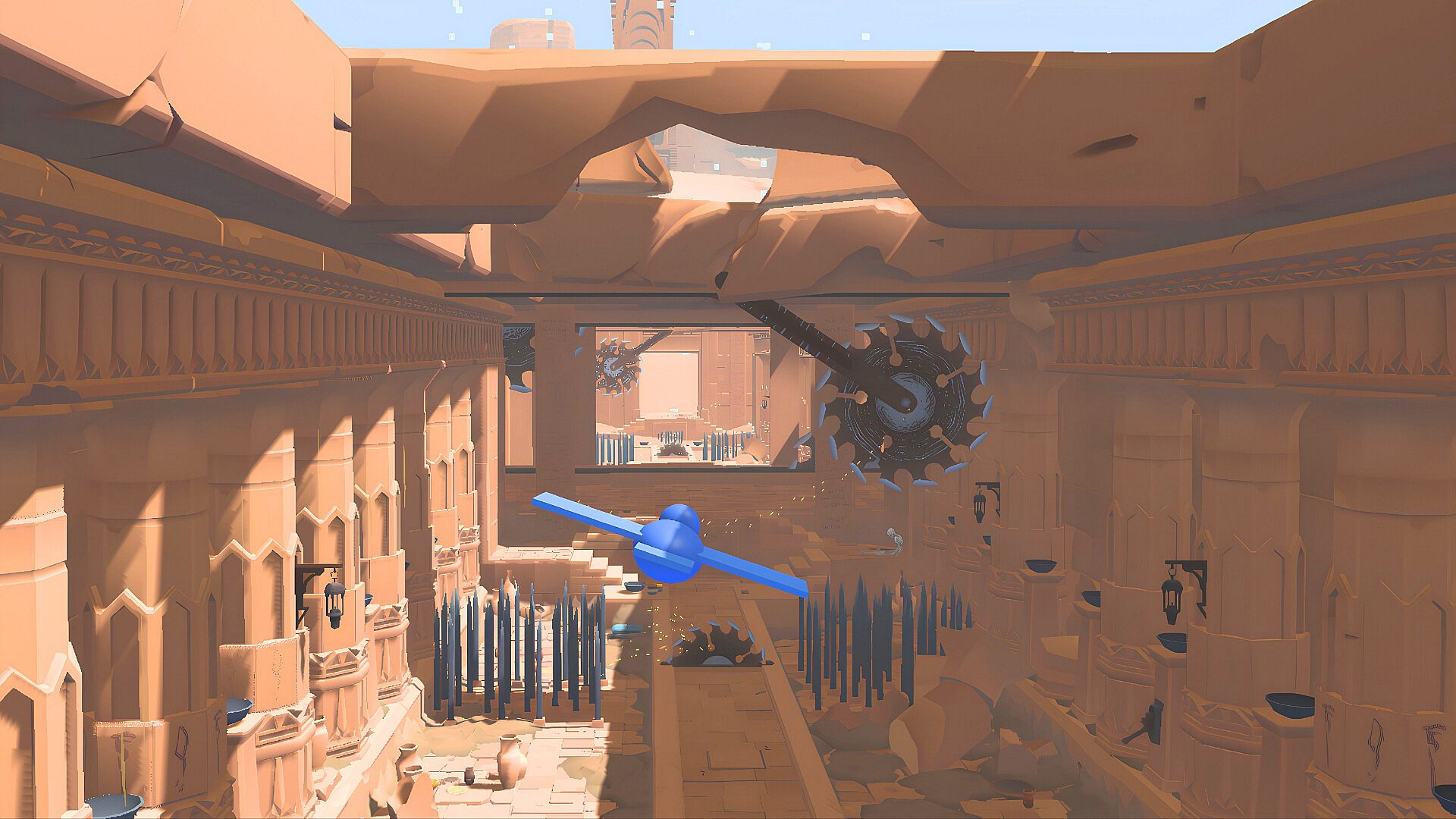
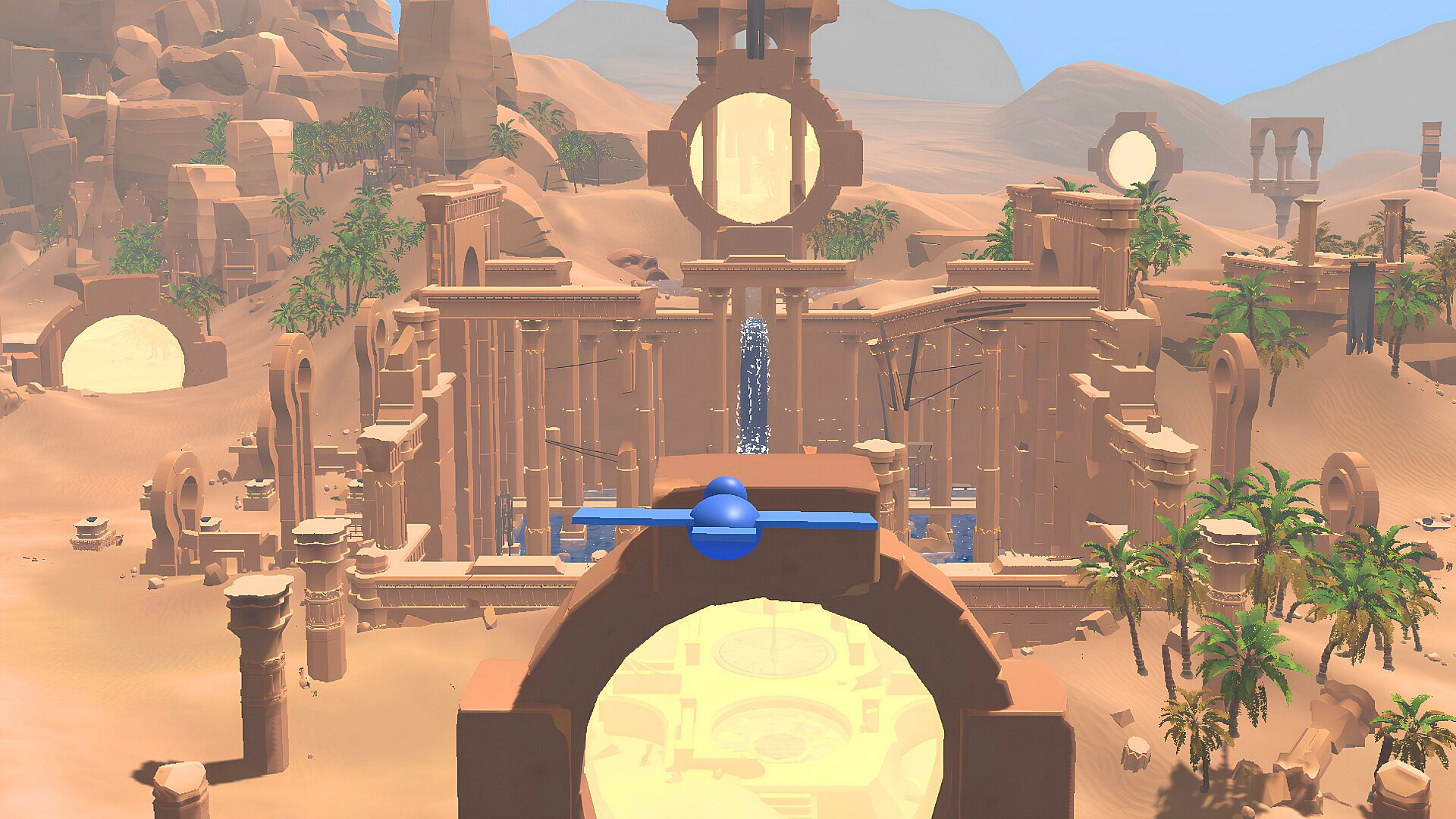
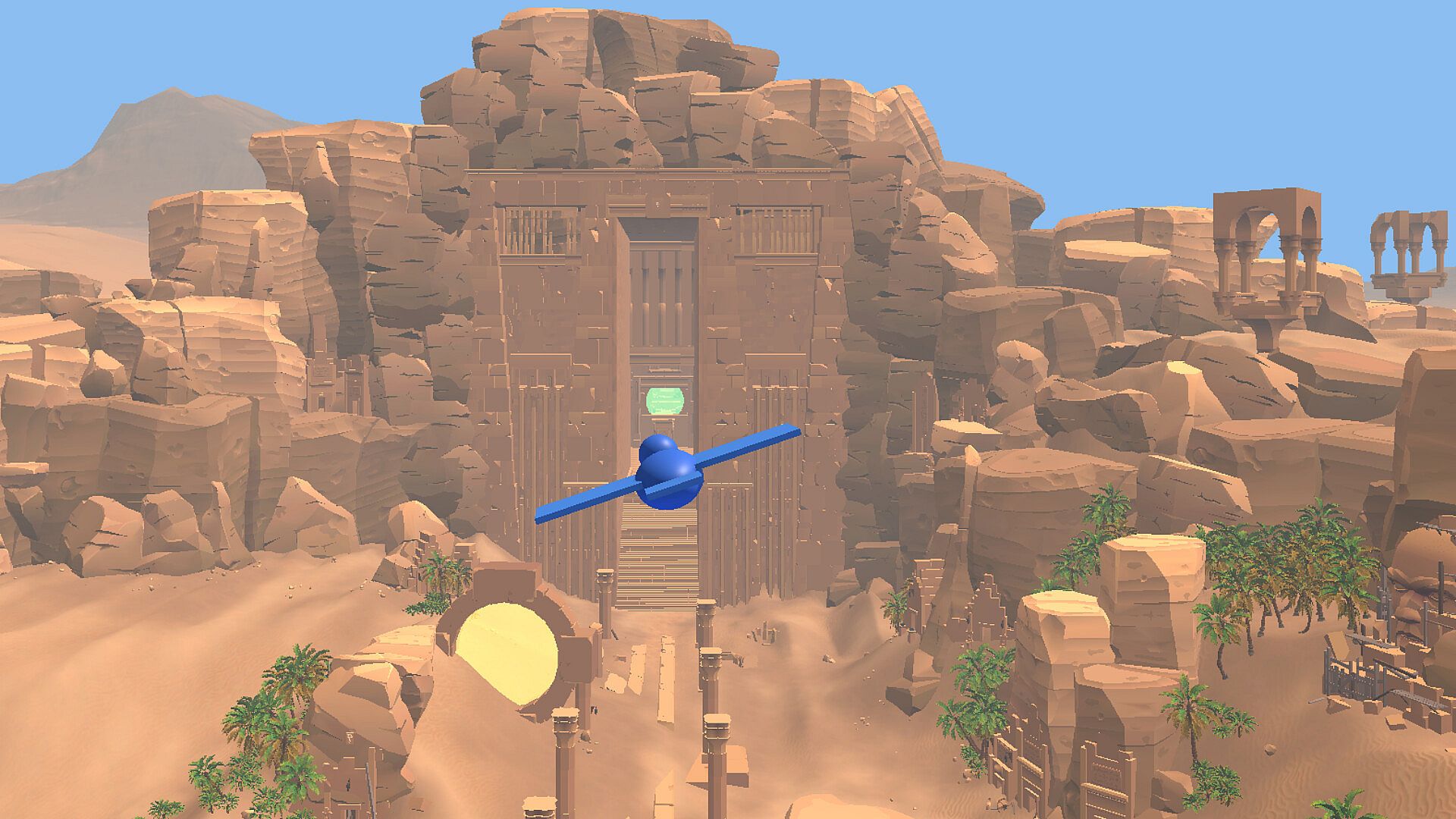
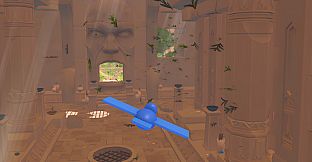
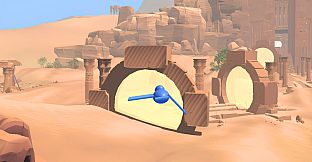
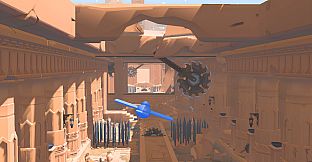
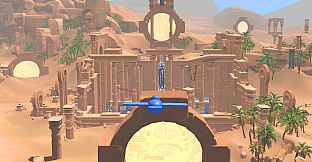
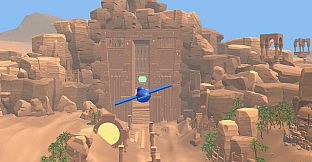
Two Left Wings è un gioco d'azione, indie, casual e d'avventura incentrato su sfide fisiche cooperative per PC. Due giocatori controllano insieme un unico uccello, ognuno responsabile di un'ala: il cuore del gioco è il sincronismo dei colpi d'ala per mantenere l'uccello in volo mentre si attraversano ambienti ostili che puniscono anche il minimo errore di tempismo o coordinazione.
Gameplay
Il cuore dell'esperienza è la comunicazione precisa tra i due partner. Uno si occupa della spinta verso l'alto, l'altro delle correzioni di rotta, ma il minimo disallineamento fa precipitare l'uccello. I livelli presentano correnti di vento e trappole meccaniche che richiedono reazioni fulminee da entrambe le parti. Il motore fisico governa ogni movimento, così piccoli errori si accumulano in fallimenti spettacolari e sempre diversi. Il design punta sul tentativo e sull'errore: i continui incidenti insegnano a prevedere le mosse del compagno più che a contare sul proprio talento individuale.
Il progresso è legato al ritmo e alla fiducia reciproca. Le prove riuscite richiedono un battito costante, come se si suonasse insieme un brano musicale. Il feedback visivo evidenzia l'instabilità dell'uccello, rendendo evidente quando la coordinazione viene meno. Il motore fisico introduce imprevedibilità, trasformando anche ostacoli semplici in momenti di comicità spontanea durante le sessioni di gruppo.
Modalità di gioco
La modalità principale è la cooperazione a due, dove il successo dipende interamente dall'impegno condiviso. Esiste anche una modalità solitaria per chi non ha un compagno: simula il controllo delle due ali con metodi di input alternati, mantenendo la sfida di base ma senza la comunicazione in tempo reale, spostando l'attenzione sul tempismo e sull'adattamento individuale.
Non sono previste altre modalità oltre queste. La struttura si concentra sul percorso di volo dell'uccello attraverso sfide consecutive, con il fallimento che riporta all'inizio per favorire il miglioramento del lavoro di squadra.
Design dei livelli e fisica
Gli ambienti spaziano da passaggi stretti con flussi d'aria variabili a zone con barriere improvvise che si chiudono senza preavviso. Ogni area mette alla prova la capacità della coppia di modificare la frequenza dei colpi d'ala al momento giusto. Il sistema fisico fa sì che gli incidenti producano risultati diversi a seconda di velocità, angolazione e tempismo, evitando che i tentativi si ripetano identici. Questo sistema premia chi impara a cogliere i segnali sottili del proprio partner e dello stato dell'uccello.
Gli ostacoli sono integrati direttamente nello schema di controllo: i tunnel di vento richiedono variazioni nella forza dei colpi, mentre i cancelli impongono un posizionamento simultaneo e preciso da parte di entrambi. Il risultato è un ciclo continuo di pianificazione, esecuzione e recupero che sottolinea la responsabilità condivisa del gioco.
Vale la pena giocarci?
Two Left Wings è ideale per gruppi che cercano sessioni leggere e basate sulla comunicazione, piuttosto che esperienze competitive o solitarie. L'enfasi sugli incidenti fisici e sulla necessità di un'interazione costante lo rende perfetto per il couch co-op, per gruppi in voice chat o per streaming in cui le risate generate dai fallimenti ripetuti fanno parte del divertimento. La modalità solitaria inclusa amplia l'accessibilità per l'allenamento individuale o quando manca un secondo giocatore.
Il gioco è apprezzato per la premessa caotica ma semplice e per la durata breve, adatta a sessioni casual. Al momento è disponibile solo nella lista dei desideri in attesa del lancio, senza aggiornamenti o contenuti aggiuntivi confermati. Chi apprezza gli esperimenti fisici indie e le sfide cooperative troverà nella dipendenza dal lavoro di squadra il suo punto di forza principale, mentre chi preferisce il controllo indipendente o campagne estese in singolo potrebbe trovarne la struttura limitante.