








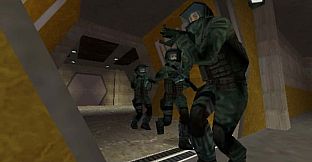





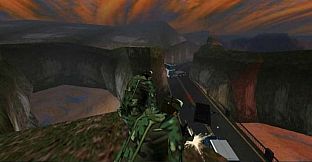
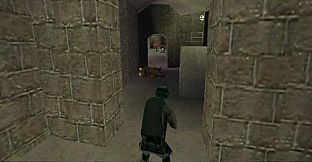


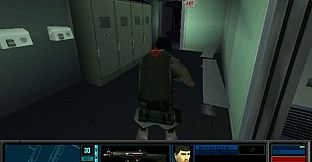
Tom Clancy's Rainbow Six is a tactical shooter released for PC that places heavy emphasis on planning and precise execution over fast-paced action. Players lead members of Team Rainbow, an elite multinational counter-terrorism unit, through a series of high-stakes missions where failure carries permanent consequences.
Gameplay
The core loop revolves around two distinct phases. Before each mission, players receive a briefing that outlines the situation, objectives, and available intelligence. They then select operatives from a roster of specialists drawn from various countries, assign weapons, armor, and equipment, and organize them into color-coded teams. The planning screen allows detailed route plotting on a map of the environment, with options to set rules of engagement and specific actions at key points such as breaching doors or using grenades.
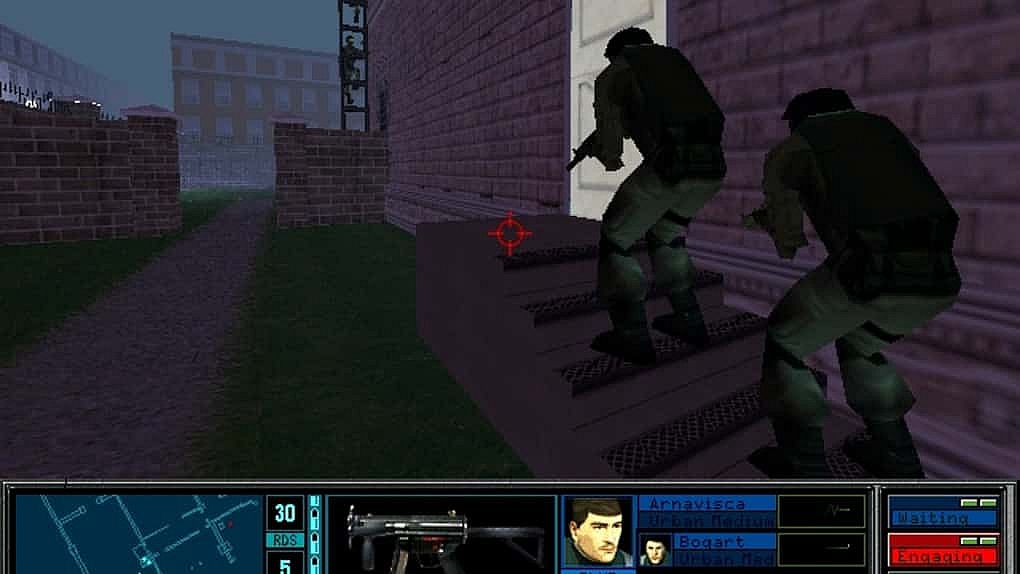
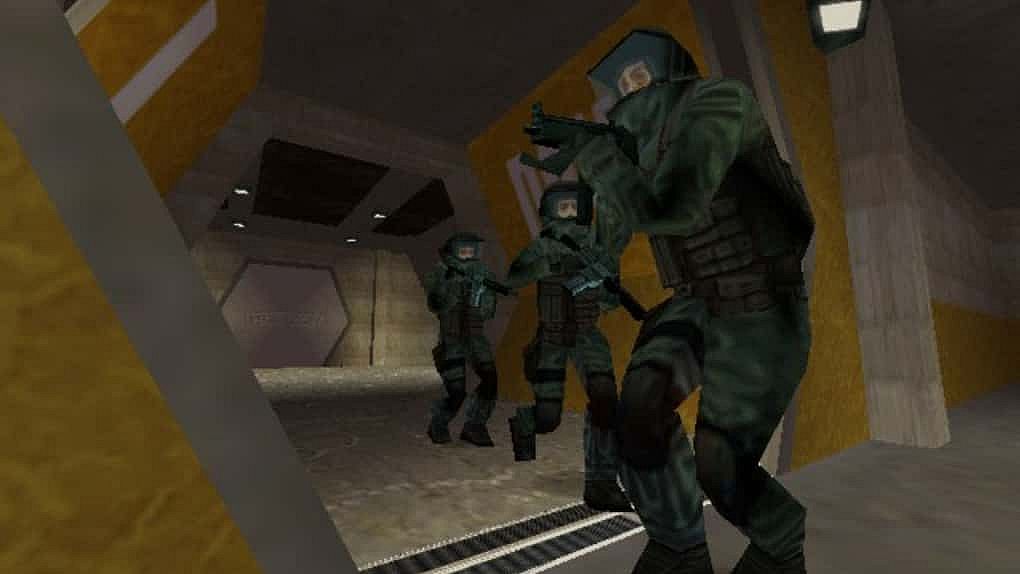
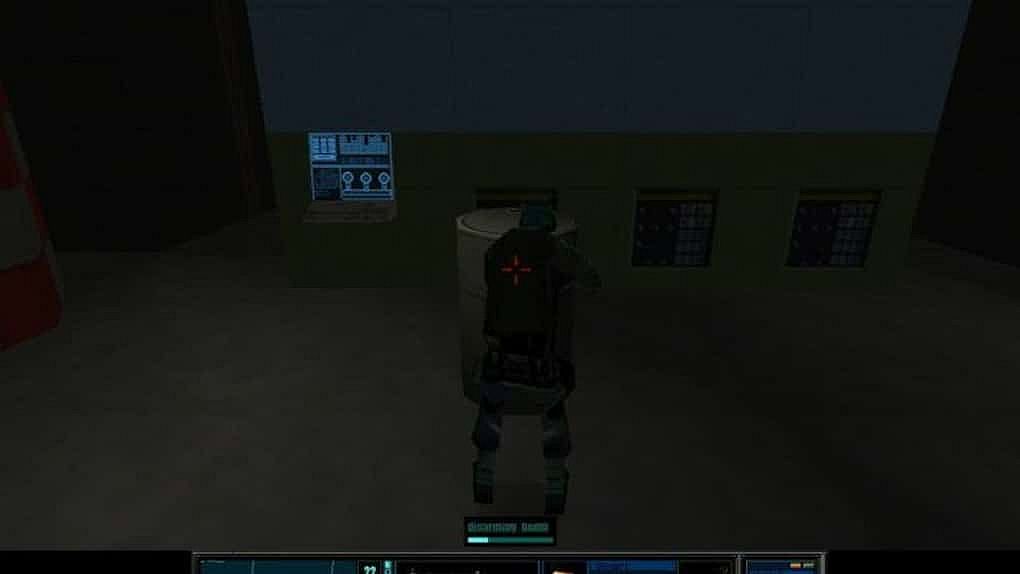
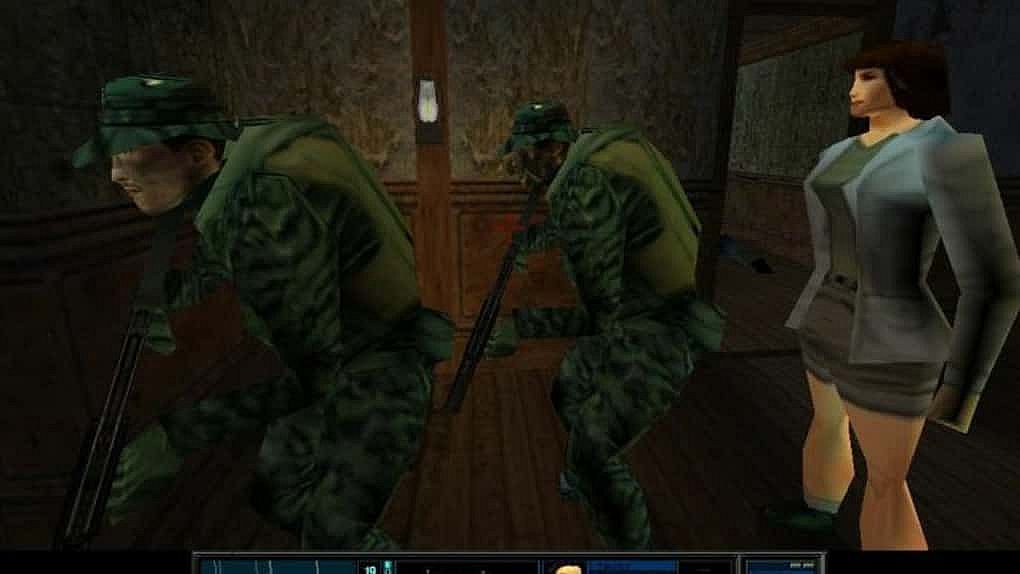
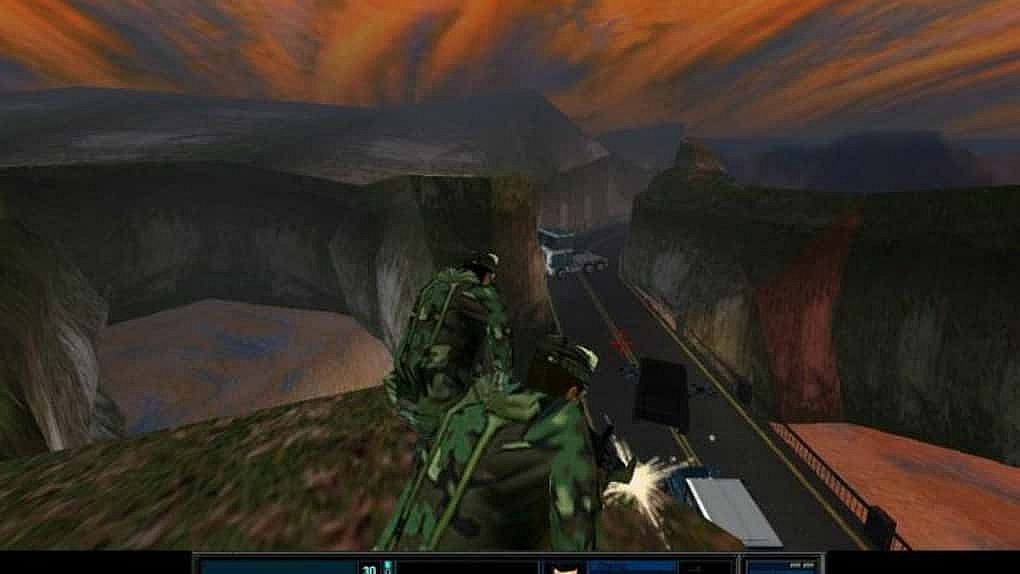
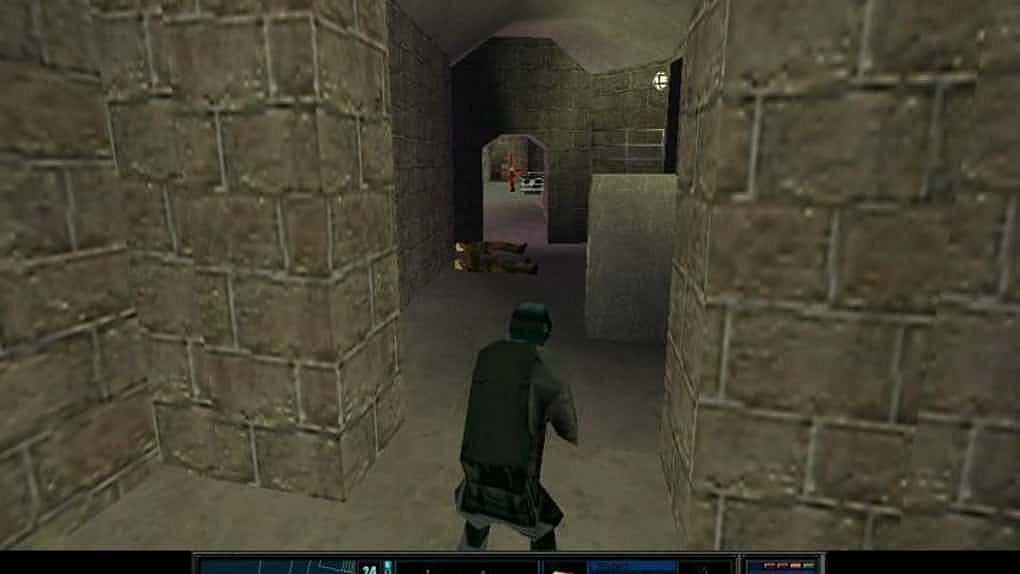
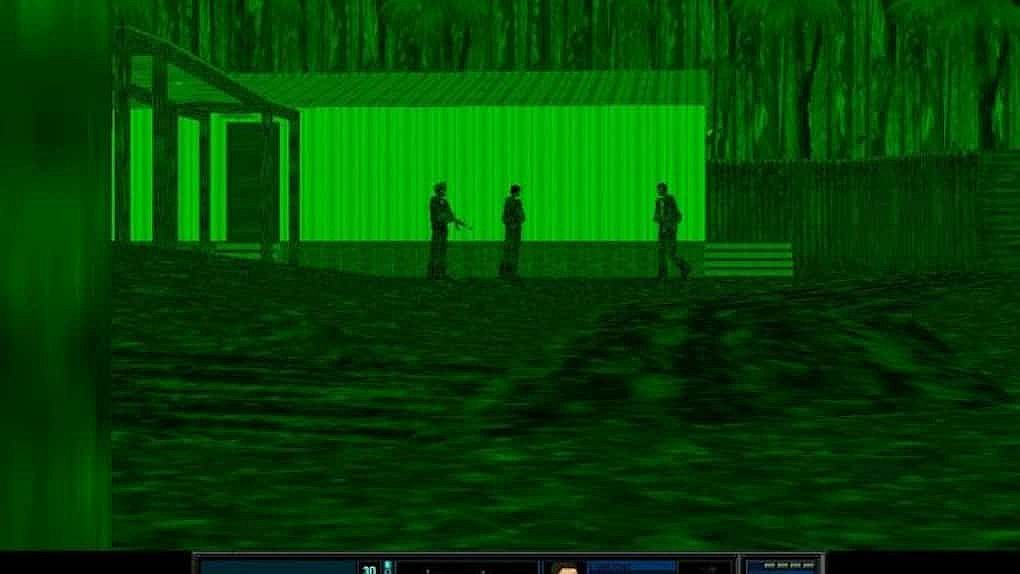
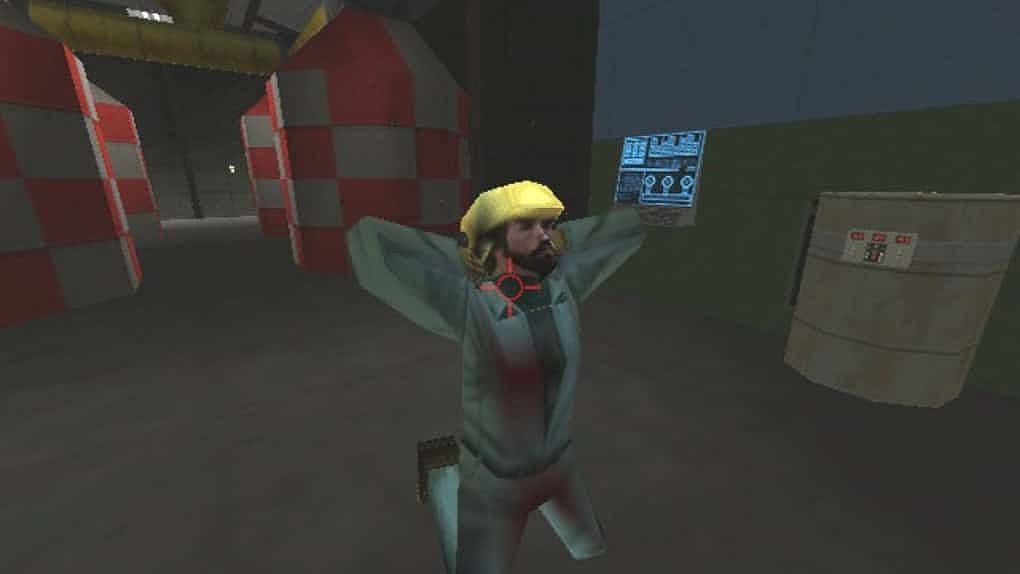
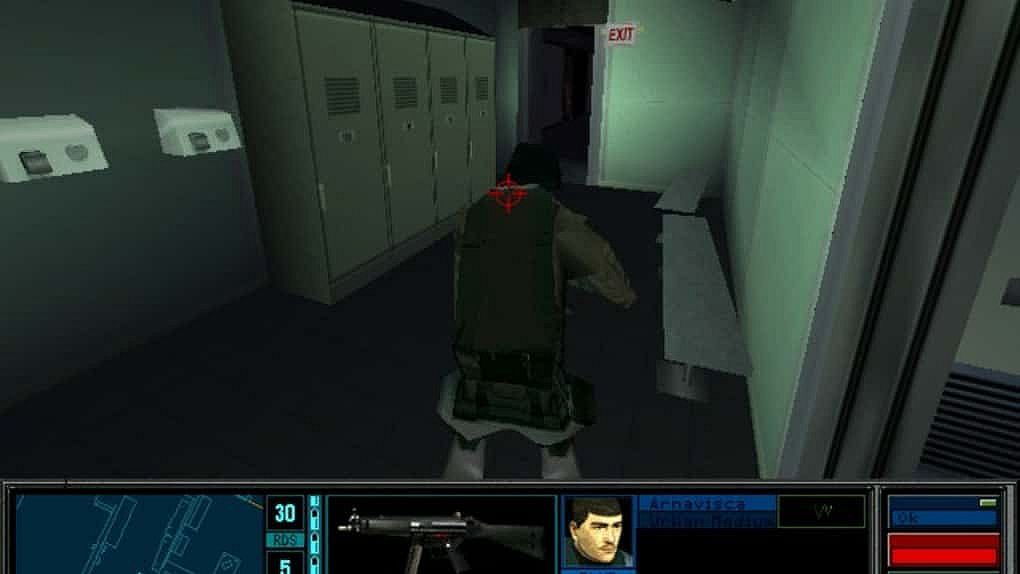
Once the mission begins, the player directly controls one operative while the others follow the pre-set plan under AI direction. Switching control between team members is possible at any time. The game models realistic ballistics and extreme lethality, where a single well-placed shot can end an encounter for either side. This design rewards careful positioning, use of cover, and coordination rather than aggressive firefights. Hostage rescues form early objectives, with later missions expanding into larger threats that involve multiple teams and complex layouts.
Permanent casualties mean lost operatives cannot return for future assignments, encouraging players to replay missions for cleaner outcomes. The focus on situational awareness and methodical movement creates a deliberate pace that distinguishes the experience from typical shooters.
Game Modes
Single-player content centers on a linear campaign of missions that advance a connected storyline. Each scenario requires successful completion before progressing, with increasing difficulty options that adjust objectives and tolerance for team losses. Training exercises provide practice in shooting ranges, obstacle courses, and varied hostage scenarios before tackling the main campaign.
Multiplayer supports both cooperative play on the same missions and competitive player-versus-player matches. Available formats include deathmatch and team deathmatch, along with objective-based scenarios that pit teams against each other in assault or defense roles. These modes retain the core emphasis on tactics and one-shot lethality, making coordination essential even in shorter sessions.
Team and Equipment Management
Players manage a pool of sixteen operatives, each with distinct backgrounds and skills. Assignments to teams influence how missions unfold, and equipment choices directly affect mobility and protection in the field. The system encourages experimentation across playthroughs to optimize for different mission types and reduce casualties.
Third-person perspective supports better awareness of team positions and surroundings during execution, aligning with the tactical demands of the genre. This view complements the planning tools by helping players monitor AI behavior and adjust on the fly when plans encounter unexpected resistance.
Is It Worth Playing?
Tom Clancy's Rainbow Six appeals to players who value deliberate strategy and realistic consequences in a shooter setting. Its planning mechanics and emphasis on team coordination deliver a distinct experience that rewards preparation and patience. The campaign offers substantial replay value through attempts to minimize losses and refine routes, while multiplayer extends the tactical elements into competitive or cooperative sessions.
Those seeking modern updates, frequent content additions, or fast action will find the game dated in presentation and systems. It remains a strong choice for enthusiasts of classic tactical shooters who appreciate its focus on situational awareness and the challenge of managing an elite unit under pressure. The title stands as a foundational entry in its genre, best suited to those comfortable with its methodical approach and permanent stakes.